
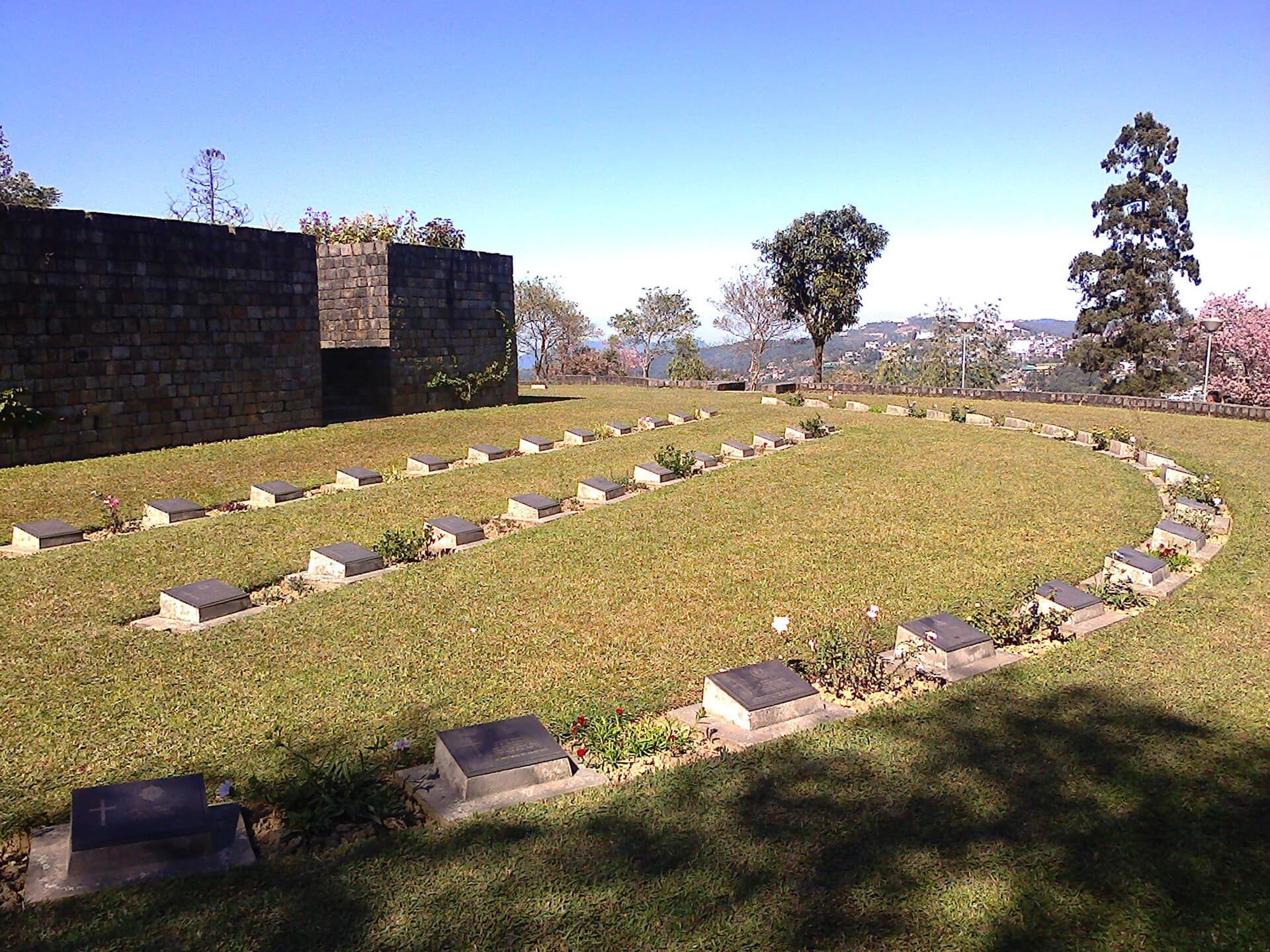
Photo spot in Kohima
Kohima War Cemetery
Kohima, Nagaland
A serene terraced cemetery honouring the Allied soldiers who fell in the 1944 Battle of Kohima — one of WWII's turning points — its lawns and headstones set on Garrison Hill with the famous epitaph.
Best time
Morning, when the light is soft and the terraces are quiet; late afternoon for a warm glow over the town before the gates close.
Best angle
Stand by the Cremation Memorial at the top and take a wide photo looking down the terraces of graves, with the rooftops of Kohima behind them.
Entry fee
Free
Opening hours
8:00 AM – 4:00 PM
Crowd level
Medium
Best outfit colors
Overview
Best time to visit Kohima War Cemetery
Morning, when the light is soft and the terraces are quiet; late afternoon for a warm glow over the town before the gates close. Crowds here are typically medium. Arrive a little early to claim your angle and catch the softest light before the day tips over.
Poses & angles
Photo tips for Kohima War Cemetery
Stand by the Cremation Memorial at the top and take a wide photo looking down the terraces of graves, with the rooftops of Kohima behind them. Work a few of the pose ideas below, shoot wide for context and tight for detail, and give yourself a couple of extra minutes to get the frame right.
Along the terraces
By the memorial cross
Outfit guide
What to wear at Kohima War Cemetery
For photos at Kohima War Cemetery, cream, olive and maroon work beautifully — they stand out against the setting without fighting it. Pick one hero colour and keep the rest of the look calm so you stay the subject of the frame.
Best outfit colors for photos
Trending wear for this spot
Popular modern looks travellers are wearing across Kohima.
Traditional wear for this spot
Timeless, cultural outfits worn across Kohima.
Eat nearby
Food near Kohima War Cemetery
Round out the visit with something to eat. Look for smoked pork with axone nearby.
Special dishes to try
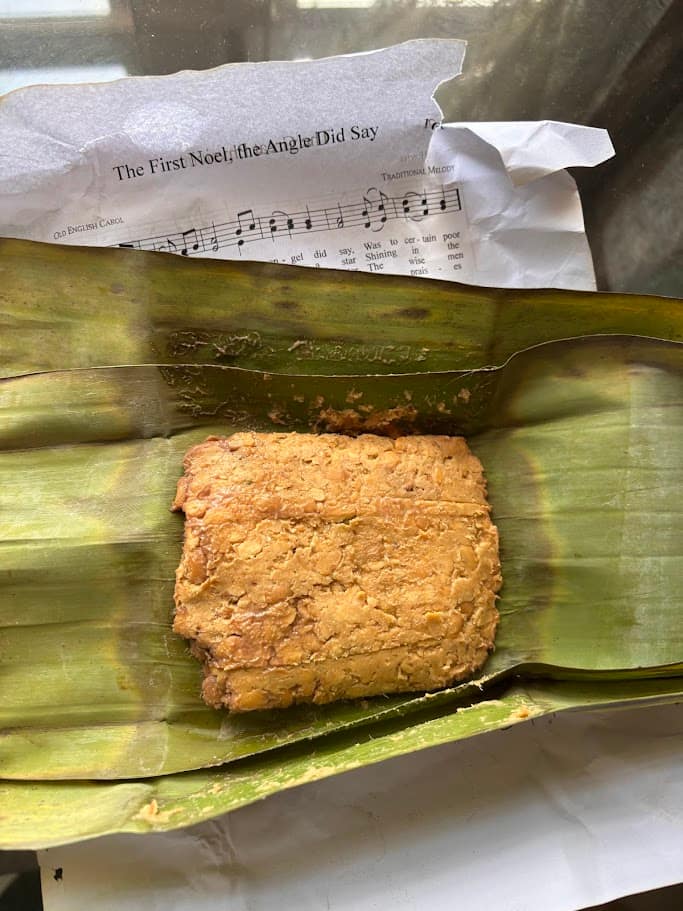
Search food by craving
Good to know
Local tips
Start at the lower gate by the 2nd Division memorial and read the Kohima Epitaph before you climb.
Look for the white lines on the grass near the top, which mark the tennis court where the hardest fighting took place.
Allow about an hour, as the terraces are steep and each level has its own rows of graves.
Check the day before if you plan a Sunday or holiday visit, as the gates are reported to stay shut when staff are off duty.
Keep voices low, and do not sit, stand or lean on the headstones for photos.
Read the names on the Cremation Memorial at the top, which honours the Indian soldiers who have no grave here.
Visit the Nagaland State Museum on Bayavü Hill afterwards for the Naga side of Kohima's history.
Where the battle was fought
In April 1944, Japanese forces attacked Kohima to cut the road to Imphal. For about two weeks, a small British and Indian force held the ridge in the middle of town until help arrived. Some of the worst fighting was around the Deputy Commissioner's bungalow and its tennis court, where the two sides dug in so close that they threw grenades across the court. The battle went on until June and is often called a turning point of the war in Burma. The cemetery now covers that ground on Garrison Hill.
What you will see
The cemetery climbs the hill in broad terraces. Each grave is marked by a low stone with a bronze plaque. There are 1,420 Commonwealth burials from the Second World War. At the lower end, near the entrance, a tall stone stands as the memorial to the British 2nd Division. It is shaped like the stones Nagas raise for their dead and was brought from Maram, south of Kohima, with help from local Naga people. At the top, the Kohima Cremation Memorial names 917 Hindu and Sikh soldiers who were cremated according to their faith. White lines on the grass mark the old tennis court, and a cherry tree nearby carries a small plaque.
The Kohima Epitaph
The words on the 2nd Division memorial are known around the world: "When you go home, tell them of us and say, for your tomorrow, we gave our today." The lines are credited to the poet John Maxwell Edmonds.
Visiting
The Commonwealth War Graves Commission looks after the cemetery, and entry is free. It is close to the centre of town, beside the main road. Reported hours are roughly morning to 4 pm, and some sources say it is closed on Sundays and holidays, so check before a special trip. The terraces are steep, with steps between levels, and there is no wheelchair access.
Questions
Kohima War Cemetery — FAQ
What is the best time to visit Kohima War Cemetery?
Morning, when the light is soft and the terraces are quiet; late afternoon for a warm glow over the town before the gates close. Stand by the Cremation Memorial at the top and take a wide photo looking down the terraces of graves, with the rooftops of Kohima behind them.
Is there an entry fee at Kohima War Cemetery?
Entry to Kohima War Cemetery is free.
What are the opening hours of Kohima War Cemetery?
Kohima War Cemetery is open 8:00 AM – 4:00 PM.
What should I wear at Kohima War Cemetery?
Cream, olive and maroon photograph especially well here. Explore the trending and traditional outfit ideas on this page for full looks.
How crowded does Kohima War Cemetery get?
Crowd levels are typically medium. To miss the busiest window: morning, when the light is soft and the terraces are quiet; late afternoon for a warm glow over the town before the gates close.
What food should I try near Kohima War Cemetery?
Try smoked pork with axone at spots close by.
Who is buried at Kohima War Cemetery?
Soldiers of the Commonwealth forces who died in the Battle of Kohima in 1944. There are 1,420 burials, and a memorial names 917 Hindu and Sikh soldiers who were cremated.
What does the Kohima Epitaph say?
"When you go home, tell them of us and say, for your tomorrow, we gave our today." It is carved on the 2nd Division memorial near the entrance.
What was the Battle of the Tennis Court?
Part of the Battle of Kohima fought around the Deputy Commissioner's tennis court in April and May 1944. The two sides were dug in on opposite sides of the court, only metres apart.
Is the war cemetery suitable for people with limited mobility?
Not really. The cemetery is built in terraces three to five metres high, linked by steps, so there is no wheelchair access. The lower memorial near the gate is the easiest part to reach.