

Temple in Kumbakonam
Airavatesvara Temple, Darasuram
Kumbakonam, Tamil Nadu
The third of the Great Living Chola Temples, and the most finely carved of them — smaller than Thanjavur and much better preserved in detail. Its front mandapa is built as a stone chariot, and a short flight of its steps produces musical tones when struck.
Photo: Vyacheslav Argenberg — CC BY 4.0, via Wikimedia Commons
Overview
Who it's to, and what's expected
Deity
Shiva as Airavatesvara
Tradition
Shiva temple
- Footwear
Visitors are advised to wear comfortable footwear as the temple grounds feature extensive stone platforms.
- Access
The temple grounds feature extensive stone platforms, so comfortable footwear that is easy to remove matters more here than at most sites - the barefoot walk across exposed stone is long. The temple is smaller and lower than Brihadisvara at Thanjavur, which makes it less physically demanding in terms of height and vertical climbing, but the horizontal extent of the platforms and the delta heat are the constraints. Mornings and late afternoons outside the hot season are the practical windows.
Usually visited with
How long this takes
Ways in
The difference between a twenty-minute visit and a three-hour one.
General darshan
- Free entry at a living Chola temple in continuous worship, with no managed queue of the kind at Tirumala or Puri
- The site is considerably less visited than Brihadisvara at Thanjavur, so it is usually calm - which is part of what makes its miniature carving readable
Ritual and abhishekam
- Worship runs through the day, as at all three Great Living Chola Temples
- Photography should avoid the sanctum and any ritual in progress, with no flash near the fine relief work
At the gate
Before you go in
What gets refused, and what you cannot take past the door.
Phones and cameras
The temple is considered a good location for heritage photography, but visitors are advised to follow established guidelines.
Rules, timings and fees change — confirm locally before you rely on this.
When not to come — unless you mean to
Festival windows
These follow lunar calendars and move by weeks each year, so the windows are months, not dates.
Maha Shivratri
Temple Brahmotsavam
Best visiting season
Practicalities
The things that go wrong
Book through official channels, and treat anyone promising a guaranteed slot as a warning sign.
What to watch for
- Charging entry, or claiming a separate ticket for the chariot mandapa or the musical steps
- Entry is free at this living Chola temple, as at Brihadisvara and Gangaikonda Cholapuram
- Offering a demonstration of the musical steps for a fee
- Striking them is restricted because visitor tapping has damaged comparable features elsewhere - Hampi's Vittala musical pillars are the documented case - so do not strike them and do not pay anyone to
- Guides claiming Airavatesvara is not worth the trip because it is smaller than Thanjavur
- The trade is deliberate: it is smaller but much better preserved in detail, and its miniature relief carving is the finest of the three Great Living Chola Temples
- Unlicensed guides at the site
- The Nayanmar saint legend panels and the Airavata naming tradition genuinely reward explanation, but arrange a guide through your hotel or the site counter at an agreed price
- Anyone offering flash photography of the miniature reliefs for better pictures
- Flash damages precisely the kind of fine surface this temple is celebrated for; the established heritage-photography guidance applies
- Transport operators inflating fares between Thanjavur, Kumbakonam and Darasuram
- The three Chola temples are within reasonable driving distance of each other - agree a rate for the whole circuit rather than per leg
General guidance
Planning the visit
Customary practice and what Kumbakonam's climate means for a barefoot visit — not rules posted at this temple. Anything specific to Airavatesvara Temple, Darasuram is above.
Circling the shrine
At most Shaiva temples the circuit around the sanctum is not completed in a full circle — the channel draining the abhishekam is not crossed. Walk to it, turn, and come back the way you came. Watching what the queue in front of you does is the reliable guide.
Come in winter
Winter is when Kumbakonam is most comfortable to walk around, which matters here because a temple visit is done on foot and barefoot. Locally the window is given as december to february.
Stone gets hot — go early
You will be barefoot from the shoe rack onwards, often across an open courtyard. Between late morning and mid-afternoon in the hot months that stone is genuinely painful to stand on. Socks help, and are permitted almost everywhere shoes are not.
Arriving by train
Kumbakonam has a railway station, and auto-rickshaws wait outside it. Agree the fare or use a meter before you set off, and expect to be dropped a short walk from the temple rather than at its door.
No airport here
Kumbakonam has no airport of its own, so the last leg is by road or rail. Plan the return the same way — the last bus out is often earlier than visitors expect.
Outfit guide
What to wear at Airavatesvara Temple, Darasuram
Cover shoulders and knees — the rules above win over anything here.
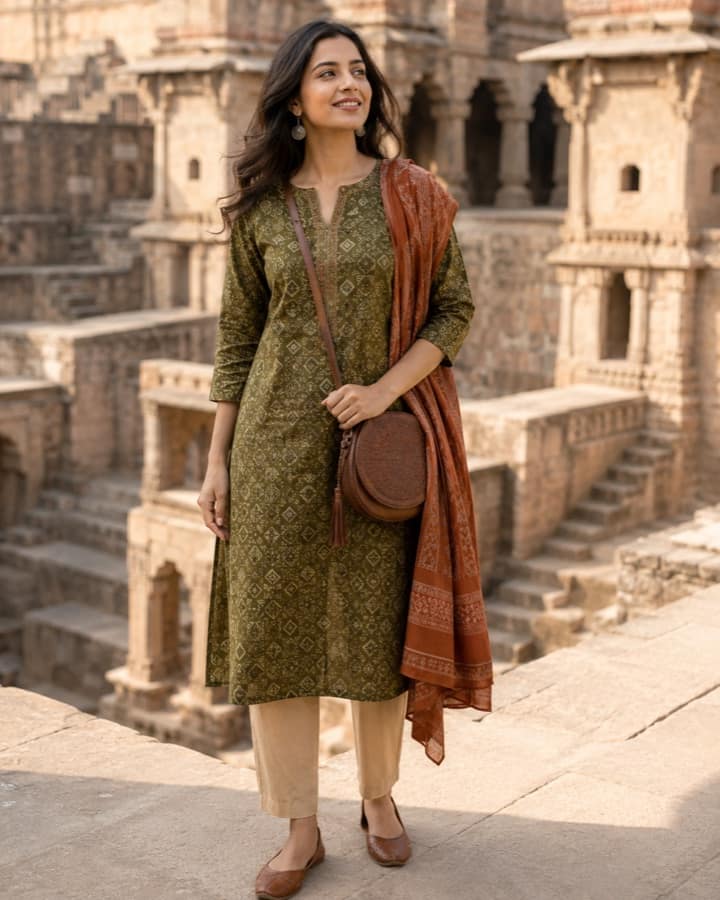
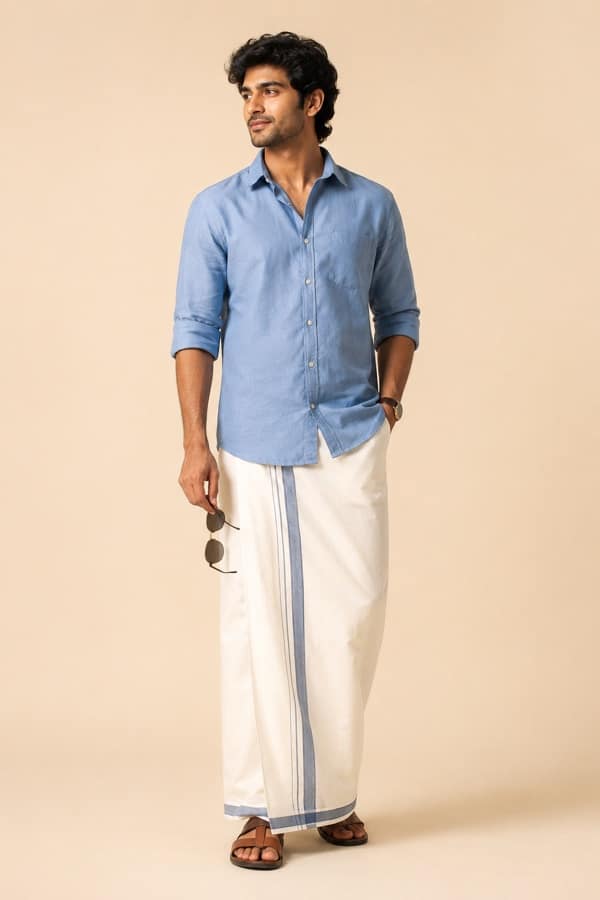
Trending wear for this spot
Popular modern looks travellers are wearing across Kumbakonam.
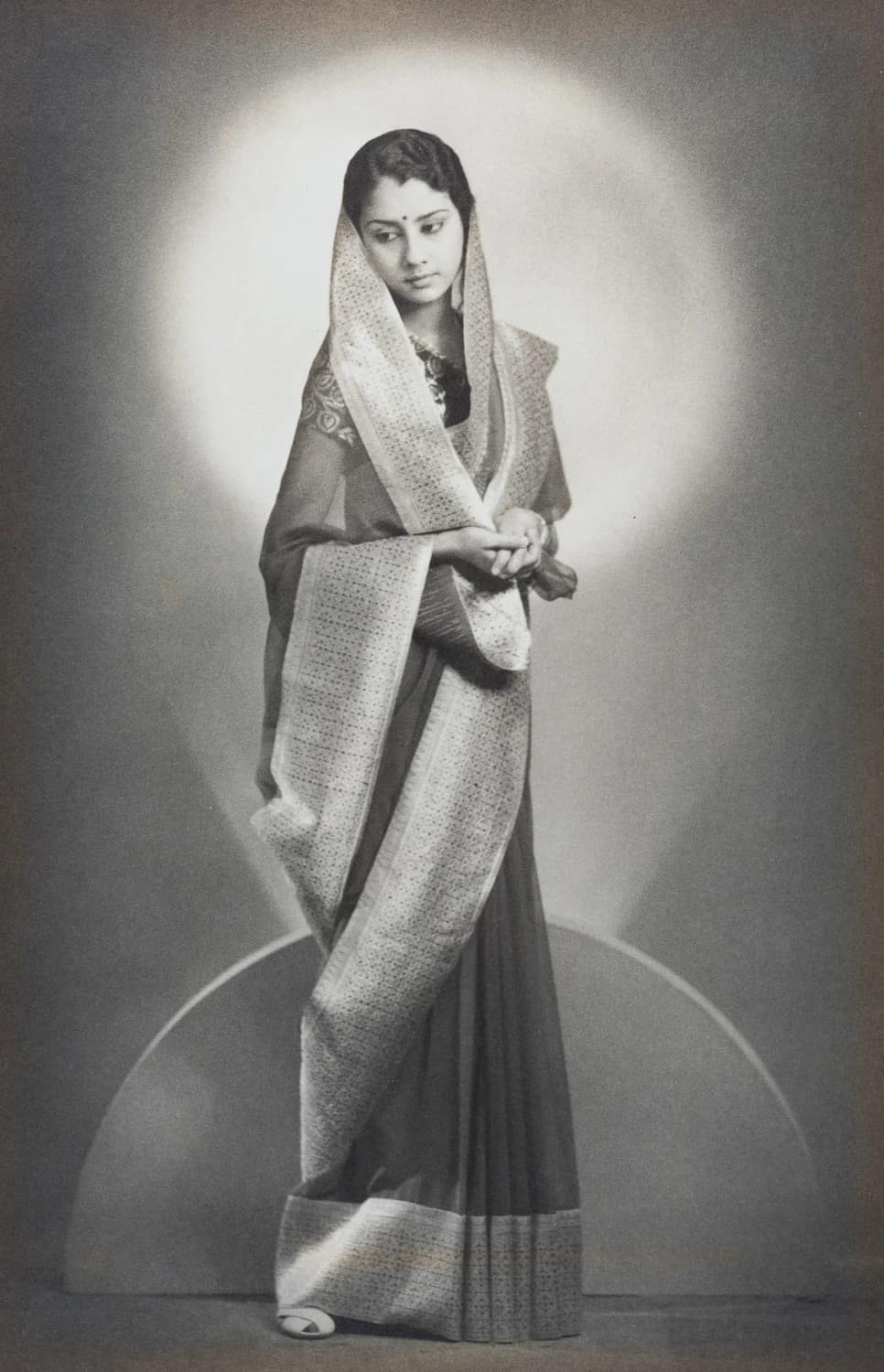
Traditional wear for this spot
Timeless, cultural outfits worn across Kumbakonam.
Airavatesvara Temple, Darasuram
Airavatesvara is the third of the Great Living Chola Temples, and the most finely carved of them. It is smaller than Thanjavur's Brihadisvara and much better preserved in detail — which is the trade the temple makes, and the reason a visitor who has seen Brihadisvara should still come here.
Its front mandapa is built as a stone chariot, and a short flight of its steps produces musical tones when struck.
🛞 The stone chariot mandapa
The temple's frontal hall is carved as a chariot, with stone wheels and a horse-drawn form, in the same conceit as Hampi's Vittala stone chariot and Konark's wheeled temple — a building made to look like a vehicle.
It is a distinctive Chola-period device and the feature most visitors come for. The wheels are carved with real hub-and-spoke articulation rather than suggested, which is what makes the conceit read at a distance.
Note the comparison, because it is instructive: Konark built an entire temple as a chariot whose wheels function as sundials; Hampi's Vittala built a free-standing chariot shrine to Garuda; Airavatesvara built a mandapa as a chariot. Three south-Indian sites, one idea, three different scales — and Darasuram's is the most intricately finished.
🎵 The musical steps
A short flight of steps at the temple produces musical tones when struck. Each step yields a distinct note, and the flight is therefore an instrument as well as an access route.
Two practical points, and the second matters more:
- The steps are a genuine acoustic feature, not a guide's invention, and they are among India's best-documented musical staircases alongside Vittala's pillars.
- Striking them is restricted. Like Hampi's musical pillars — which have been damaged by generations of visitors testing them — the steps are protected, and tapping them is discouraged or prohibited. Do not strike them, and do not pay anyone who offers a demonstration. The acoustic effect is real and documented; it is also the reason the stone now needs protecting from exactly that demonstration.
🗿 The carving, and why it is the finest of the three
Airavatesvara's sculptural detail is the most refined of the Great Living Chola Temples. Where Brihadisvara's power is mass and vertical ambition — a 66-metre vimana under an 80-tonne capstone — Darasuram's is miniature precision.
The temple is celebrated for:
- Miniature relief panels across the plinth and wall surfaces, carved at a scale that rewards close looking rather than distant appreciation
- Narrative sequences including the legends of the Shaiva Nayanmar saints, which are unusually prominent here
- Figural sculpture of extraordinary delicacy — the site is often described as a "sculptor's temple," made for the craftsman's display rather than for monumental impact
- The agrahara-style layout with its chariot-form mandapa as the compositional frontispiece
The temple was built by Rajaraja Chola II in the twelfth century, later than Brihadisvara (1010 CE) and Gangaikonda Cholapuram, which is why its carving is the most developed of the three. A dynasty's architectural sequence ending in refinement rather than in scale is a common pattern, and Darasuram is a clear case of it.
🕉️ The deity, and the temple's name
The deity is Shiva as Airavatesvara, named for Airavata, the white elephant of Indra, who is held to have worshipped Shiva here. The tradition is that Airavata, cursed and discoloured, regained his whiteness by worshipping at this site — which is the standard local explanation for the name.
The temple is in continuous worship, as all three Great Living Chola Temples are, and that is what the UNESCO designation "living" refers to. You will encounter ritual, not only architecture.
🎟️ Entry, hours, and photography
Entry is free, as at the other living Chola temples.
The temple follows the standard South Indian pattern: an early morning opening around 6:00 AM, a midday closure, and an evening session.
Photography: the site is considered a good location for heritage photography, and the established guidelines should be followed — which in practice means photographing the exterior and courtyards freely, avoiding the sanctum and any ritual in progress, and using no flash near the fine relief work. The miniature carving is precisely the kind of surface that repeated flash exposure damages.
Footwear comes off before the temple, and comfortable footwear matters because the temple grounds feature extensive stone platforms — a long barefoot walk across exposed stone, which is the reason for the existing guidance on this page.
📍 The Chola circuit
Airavatesvara is at Darasuram, about 8 km from Kumbakonam in the Kaveri delta, and pairs directly with Brihadisvara at Thanjavur — which is this record's own stated pairing.
The three Great Living Chola Temples:
- Brihadisvara, Thanjavur — 1010 CE, Rajaraja Chola I, the imperial statement, 66 m vimana
- Gangaikonda Cholapuram — Rajendra I, a vimana deliberately echoing Thanjavur's on a reduced scale
- Airavatesvara, Darasuram — Rajaraja Chola II, twelfth century, the refined miniature
Doing all three in sequence is the single best introduction to Chola architecture anywhere, and they are within reasonable driving distance of each other. Kumbakonam is a good base, and the town is itself dense with temples.
Srirangam, the vast Vaishnava temple city near Tiruchirappalli, is a natural extension of a Kaveri-delta itinerary.
⚠️ Practical notes
- Come after Brihadisvara, not instead of it. The pair is the point — mass against precision.
- Look closely and low. The miniature panels are at plinth level and on the wall surfaces; the temple rewards crouching.
- Do not strike the musical steps, and do not pay anyone to demonstrate them.
- Wear comfortable footwear you can remove easily — the stone platforms are extensive and exposed.
- No flash near the reliefs.
- October to March; the delta is brutally hot from April.
- Allow an hour to ninety minutes, longer if you read the Nayanmar panels.
Last verified: 2026. The chariot-form front mandapa, the musical steps and their restricted use, the attribution to Rajaraja Chola II in the twelfth century, the Airavata naming tradition, the free entry and the heritage-photography guidance are consistent with the existing record and the standard account of the site. The musical steps' protection parallels Hampi's Vittala pillars, where visitor tapping caused documented damage - so the restriction is presented as protective rather than arbitrary.
Questions
Airavatesvara Temple, Darasuram — FAQ
Who is Airavatesvara Temple, Darasuram dedicated to?
Airavatesvara Temple, Darasuram in Kumbakonam is dedicated to Shiva as Airavatesvara.
Do I have to take my shoes off at Airavatesvara Temple, Darasuram?
Visitors are advised to wear comfortable footwear as the temple grounds feature extensive stone platforms.
Can I take photos inside Airavatesvara Temple, Darasuram?
The temple is considered a good location for heritage photography, but visitors are advised to follow established guidelines.
Is Airavatesvara Temple, Darasuram wheelchair accessible?
The temple grounds feature extensive stone platforms, so comfortable footwear that is easy to remove matters more here than at most sites - the barefoot walk across exposed stone is long. The temple is smaller and lower than Brihadisvara at Thanjavur, which makes it less physically demanding in terms of height and vertical climbing, but the horizontal extent of the platforms and the delta heat are the constraints. Mornings and late afternoons outside the hot season are the practical windows.
Checked, not remembered
Sources
Every rule and timing above traces back to one of these.