
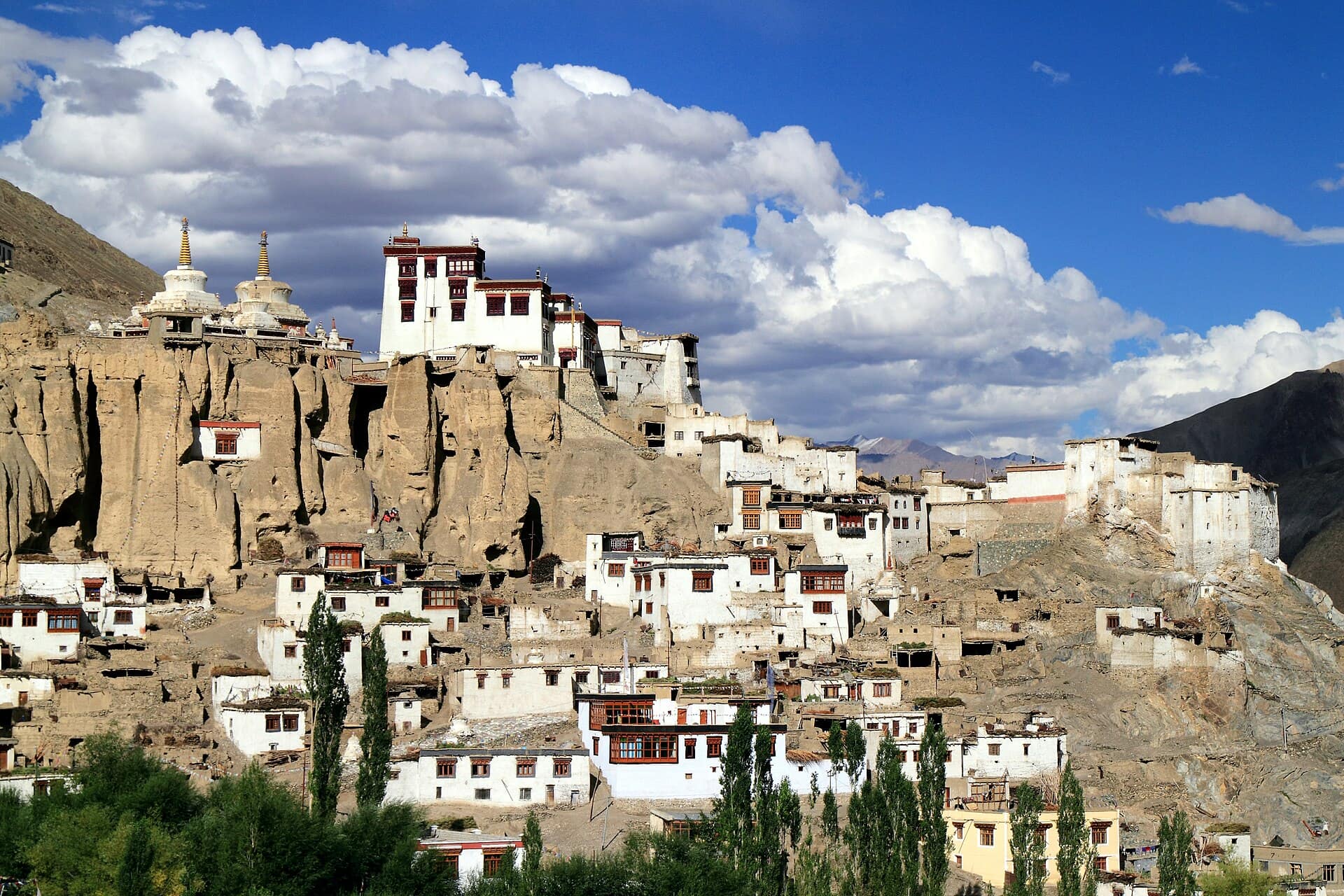
Photo spot in Lamayuru
Moonland
Lamayuru, Ladakh
The surreal eroded hillsides around Lamayuru whose pale, folded, rippling contours resemble a lunar surface — a geological wonder said to be an old lake bed, best at soft light.
Best time
Sunrise and the hour before sunset, when low light throws shadows into every ridge; skip midday, when the hills look flat and white.
Best angle
Climb to the monastery terrace and take a wide photo looking down over the folded ridges, with a chorten or a walker in the foreground for scale.
Entry fee
Free
Opening hours
Open access
Crowd level
Medium
Best outfit colors
Overview
Best time to visit Moonland
Sunrise and the hour before sunset, when low light throws shadows into every ridge; skip midday, when the hills look flat and white. Crowds here are typically medium. Arrive a little early to claim your angle and catch the softest light before the day tips over.
Poses & angles
Photo tips for Moonland
Climb to the monastery terrace and take a wide photo looking down over the folded ridges, with a chorten or a walker in the foreground for scale. Work a few of the pose ideas below, shoot wide for context and tight for detail, and give yourself a couple of extra minutes to get the frame right.
On the moonland ridges
With the lunar hills behind
Outfit guide
What to wear at Moonland
For photos at Moonland, cream, rust and cobalt work beautifully — they stand out against the setting without fighting it. Pick one hero colour and keep the rest of the look calm so you stay the subject of the frame.
Best outfit colors for photos
Trending wear for this spot
Modern, camera-ready looks picked for Moonland.
Traditional wear for this spot
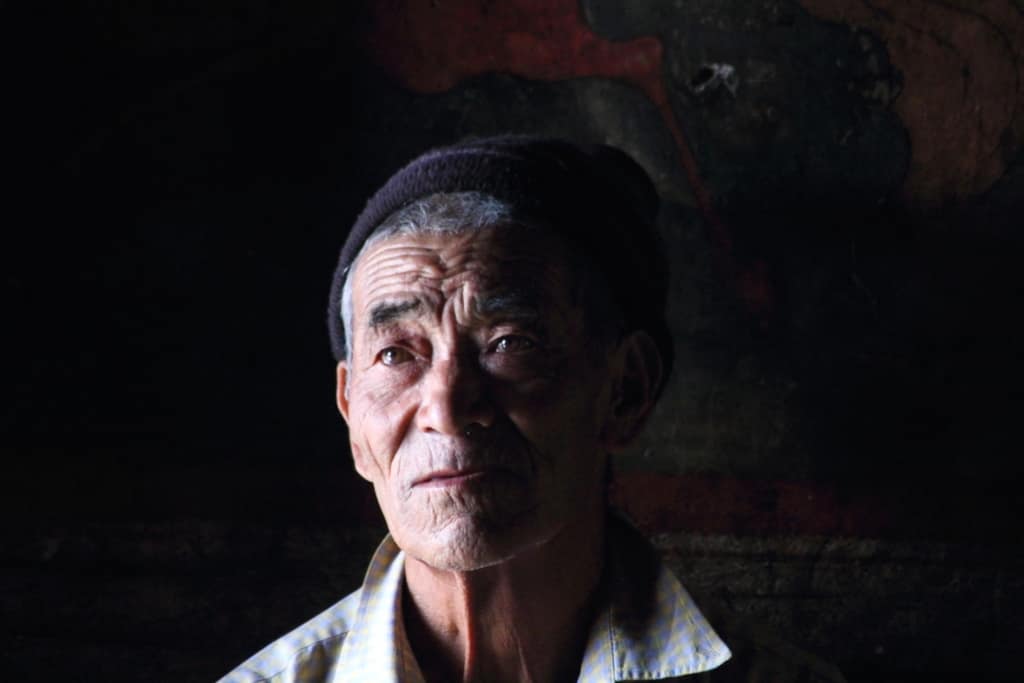
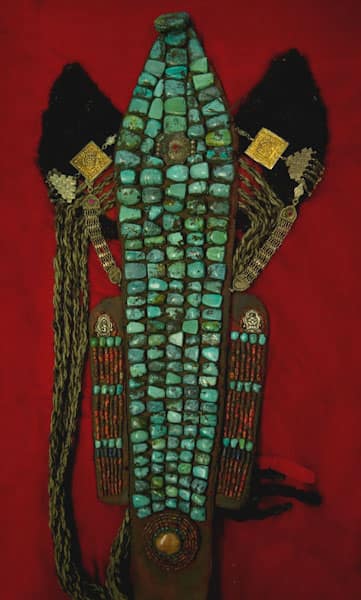
Timeless, cultural outfits worn across Lamayuru.
Eat nearby
Food near Moonland
Round out the visit with something to eat. Look for momos nearby, or settle in at one of the 1 restaurants close by.
Special dishes to try

Restaurants & food places nearby

Search food by craving
Good to know
Local tips
Come at sunrise or in the hour before sunset, as noon light flattens the ridges completely.
Keep to existing paths, because the soft ridges crumble and erode under your feet.
Carry water and a hat, since there is no shade anywhere on the moonland.
Include a person or a chorten in the frame to show how big the formations are.
Change lenses with your back to the wind, as afternoon gusts carry fine dust.
Look from the monastery rooftop too, which shows the moonland spreading below the village.
Stay on the side of the highway away from traffic when you stop for roadside photos.
What the moonland is
Moonland is the name given to the soft, pale hills that fold around Lamayuru. Seen from the highway, they look like a crumpled sheet of sand-coloured paper. Geologists read them as the sediments of an old lake that once filled this valley and later drained away. Rain and wind have since cut them into ridges, gullies and pinnacles. The local legend says that Naropa drained a lake here before founding Lamayuru Monastery, and the two stories fit together neatly.
When to see it
At midday the moonland looks flat and washed out, a dull off-white with no shadow. The shapes only appear when the sun is low. In the first hour after sunrise and the last hour before sunset, every ridge throws a shadow and the colour warms to gold and ochre. If you are passing through at noon, you will see it; stay the night if you want to photograph it.
Where to go
There is no ticket or fixed viewpoint. You will see the formations from the highway on the approach to the village, from the monastery's rooftops and from the lanes of Lamayuru Village. A short walk along paths below the monastery takes you into the folds. Look for a lone chorten or a walker to give scale, as the shapes are larger than they seem.
Walking with care
The ground is soft, dry and crumbles easily. Keep to existing paths, do not climb the steep ridges, and do not carve or pile stones. There is almost no shade, so carry water, a hat and sunscreen even on a short walk. Wind picks up in the afternoon and lifts fine dust; protect your camera when changing lenses.
Questions
Moonland — FAQ
What is the best time to visit Moonland?
Sunrise and the hour before sunset, when low light throws shadows into every ridge; skip midday, when the hills look flat and white. Climb to the monastery terrace and take a wide photo looking down over the folded ridges, with a chorten or a walker in the foreground for scale.
Is there an entry fee at Moonland?
Entry to Moonland is free.
What are the opening hours of Moonland?
Moonland is open access.
What should I wear at Moonland?
Cream, rust and cobalt photograph especially well here. Explore the trending and traditional outfit ideas on this page for full looks.
How crowded does Moonland get?
Crowd levels are typically medium. To miss the busiest window: sunrise and the hour before sunset, when low light throws shadows into every ridge; skip midday, when the hills look flat and white.
What food should I try near Moonland?
Try momos, available at nearby restaurants.
Why is it called Moonland?
The pale, folded hills with no vegetation look like a lunar surface. The name is a traveller's label rather than a local place name.
How were the moonland formations made?
They are thought to be the sediments of an ancient lake. After the lake drained, wind and rare rain carved the soft deposits into ridges and gullies.
Do I need a guide to walk on the moonland?
No, for a short walk near the village. Stay on paths, carry water and turn back before the ground gets steep or crumbly.
Can I see the moonland without stopping overnight?
Yes, from the highway and the monastery. But in midday light it looks flat, so an overnight stay gives far better views.