
Best Photo Spots in Lamayuru
Lamayuru's pictures depend almost entirely on low sun. Plan to be here at sunrise or in the last hour of daylight, when the pale hills take on colour and throw long shadows.
 Low crowd
Entry Free
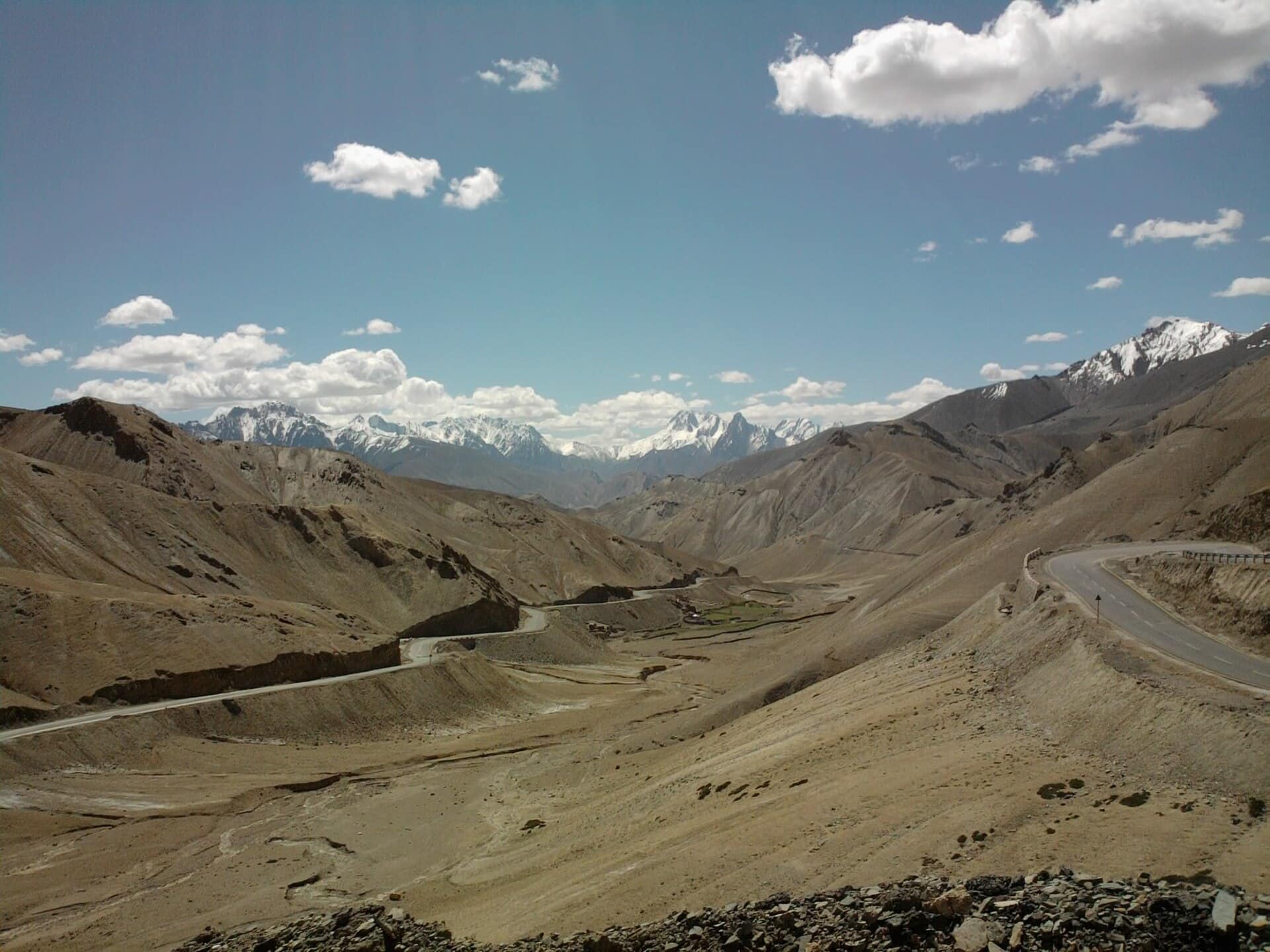
Fotu La
- Best timeMid-morning, when the sun is up over the ranges and the prayer flags catch the light; late afternoon for long shadows on the bare slopes.
- ColorsRedCreamCobalt
 Medium crowd
Entry Nominal
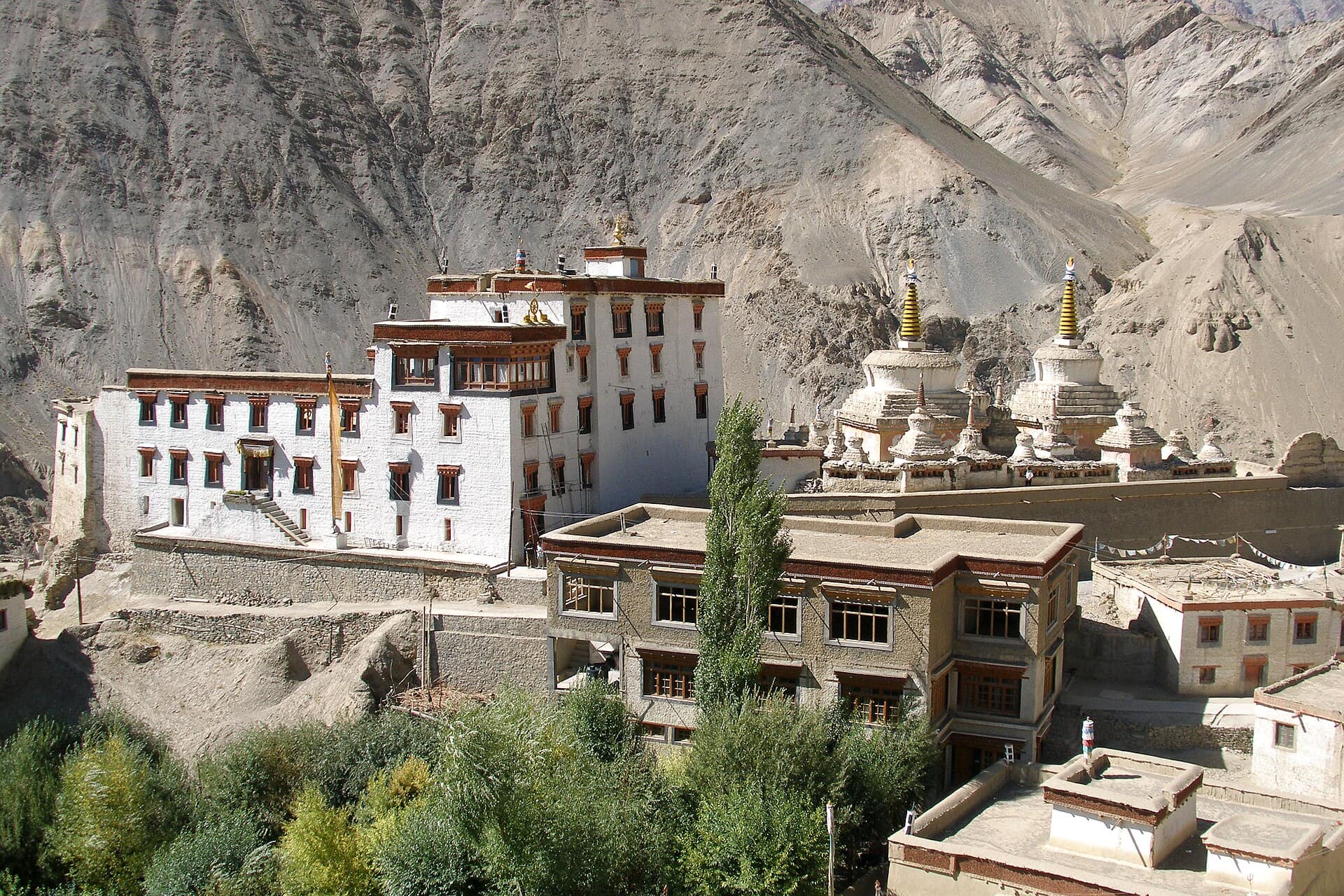
Lamayuru Monastery
- Best timeEarly morning, when the sun lights the east-facing walls and the village is still quiet; late afternoon for warm light on the crag.
- ColorsMaroonSaffronCream
 Low crowd
Entry Free
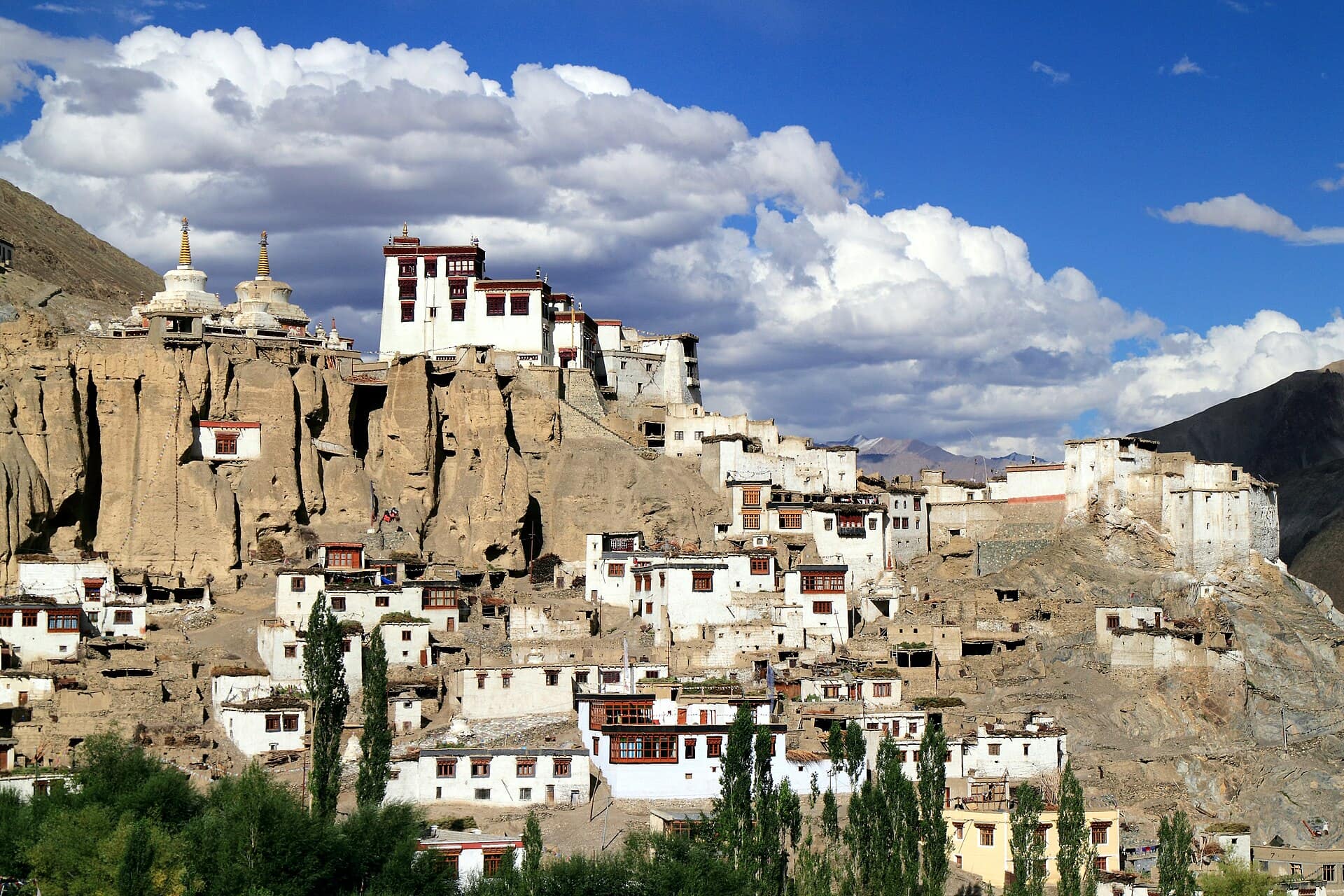
Lamayuru Village
- Best timeLate afternoon, when warm light falls across the houses and fields; early morning for smoke from kitchen fires and quiet lanes.
- ColorsRustCreamForest green
 Medium crowd
Entry Free
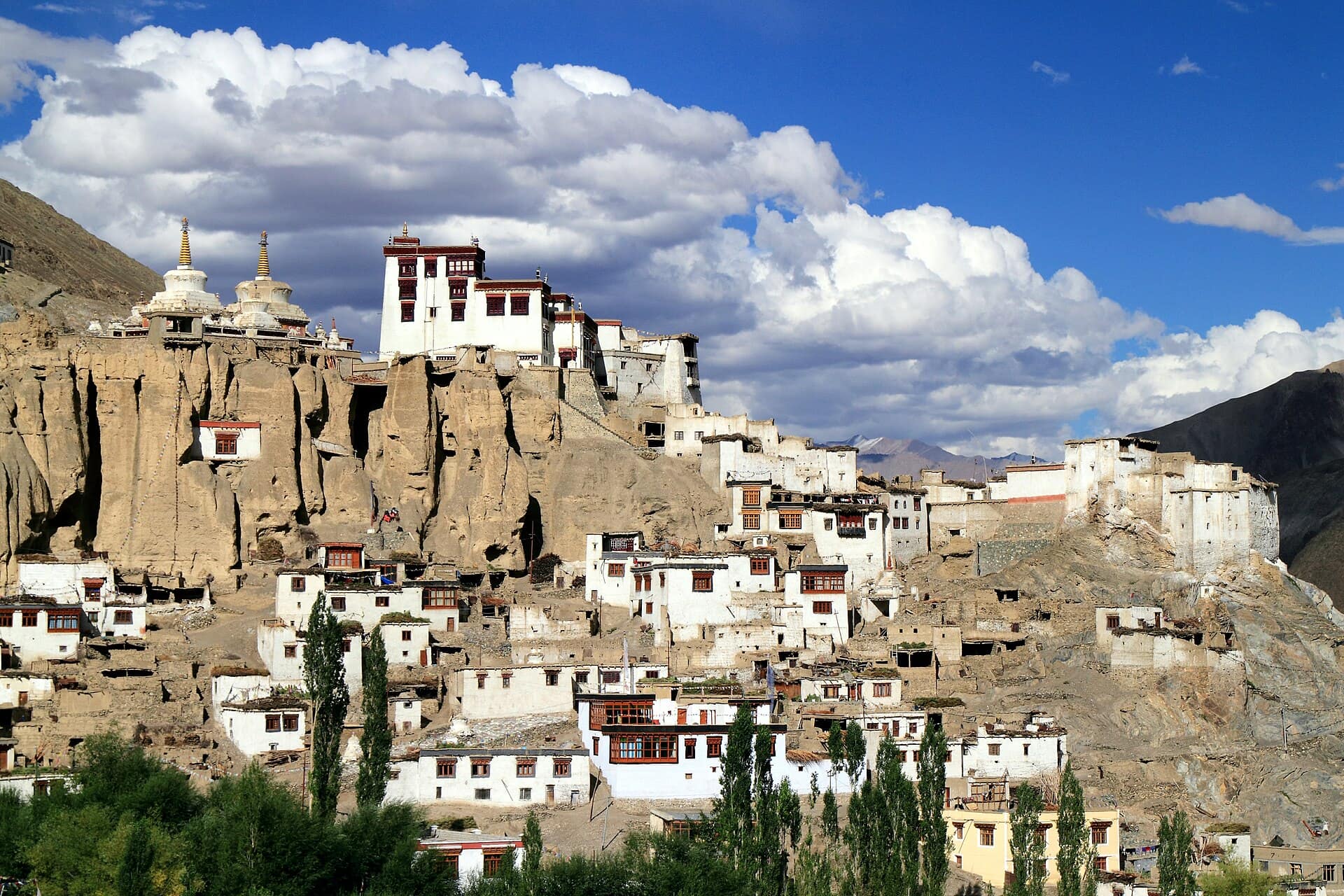
Moonland
- Best timeSunrise and the hour before sunset, when low light throws shadows into every ridge; skip midday, when the hills look flat and white.
- ColorsCreamRustCobalt
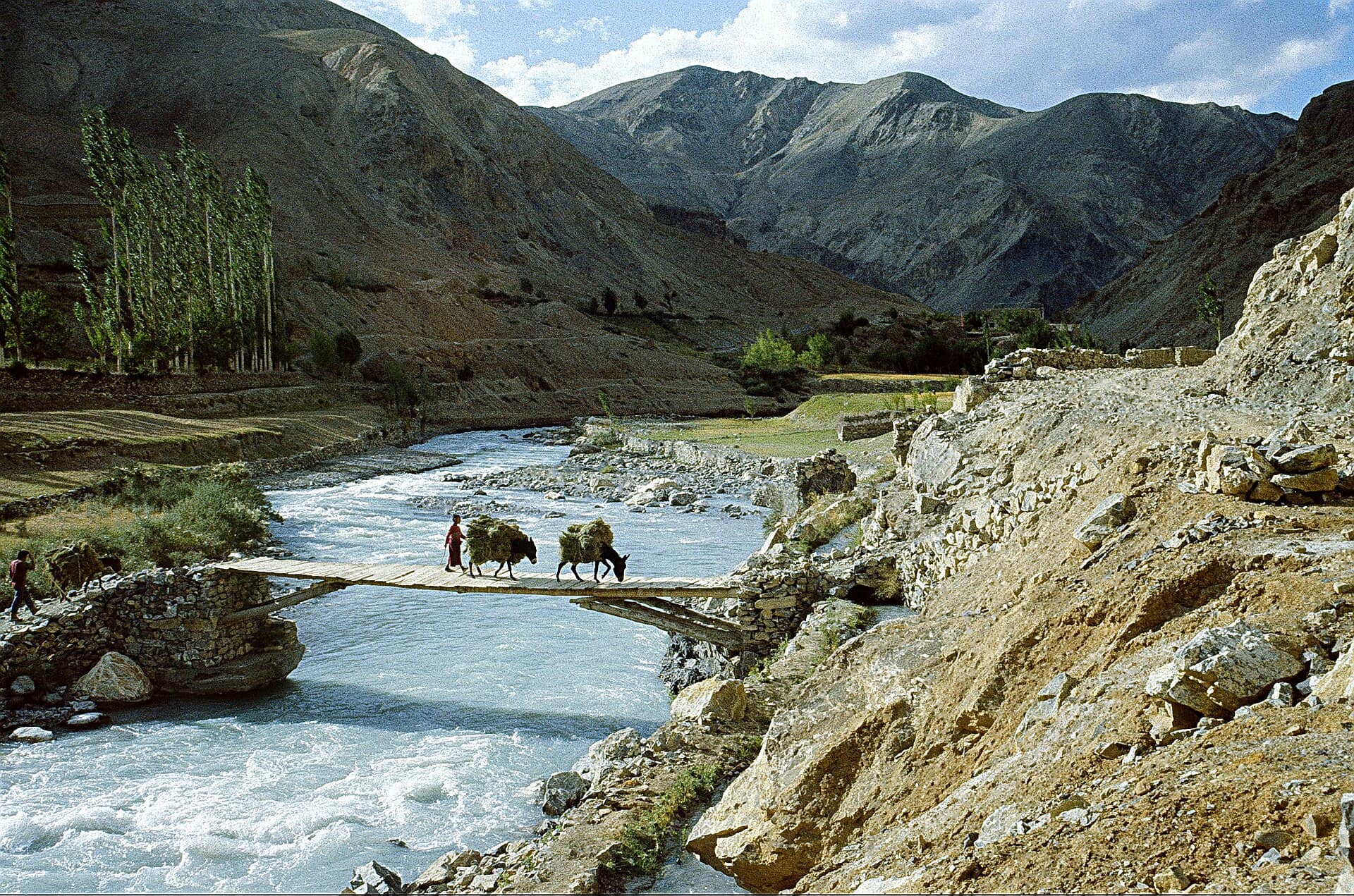 Low crowd
Entry Nominal
Wanla Monastery
- Best timeMorning, when soft light falls on the ridge and the ruined walls; late afternoon for warm colour on the temple.
- ColorsMaroonCreamForest green
The gompa on its crag
The picture everyone wants is Lamayuru Monastery stacked on its rock above the village. Walk down the lanes below the gompa and look up; the white walls and prayer flags sit against a bare brown hill. Early morning puts light on the east-facing walls. Inside the prayer halls photography is not allowed, which protects the old murals, so keep the camera for the courtyards, the rooftops and the view outward.
The moonland ridges
Moonland is the name for the folded, sand-coloured hills around the village. At midday they look flat and white. In the first hour after sunrise and the last before sunset, every ridge picks up a shadow and the colour turns gold. Use the monastery or a single walker as a sense of scale; without one the landscape reads as a texture and nothing more. Stay on existing paths, as the soft earth crumbles underfoot.
Village life
Lamayuru Village gives the quieter pictures: mud-brick houses, stacked firewood, barley fields that turn gold in late summer, and chortens at the edges of the lanes. Ask before photographing people, especially older villagers and monks, and do not point a lens into open doorways.
Wanla and Fotu La
Wanla Monastery sits on a ridge above its village with ruined walls around it, and the best frame is from the valley floor with the river below. Inside the temple, follow the caretaker's lead on photography. Fotu La is a quick roadside stop: prayer flags, a small chorten and the ranges on all sides. The wind there is strong, so hold on to lens caps and hats.
Practical notes
Cold drains batteries fast, so carry a spare in an inside pocket. Drones are restricted across much of Ladakh because of military areas; check the rules before you fly one. Midday light here is hard and flat, so use those hours for travel.
Questions
Lamayuru — FAQ
Can I take photos inside Lamayuru Monastery?
Not inside the prayer halls, where the murals and Naropa's cave are. The courtyards, rooftops and the views over the village and moonland are fine to photograph.
Where is the classic view of Lamayuru Monastery on its hill?
From the village lanes and the road below the monastery, looking up at the crag. Come early in the morning, when the sun is on the gompa's east face.
Can I fly a drone at Lamayuru?
Much of Ladakh is under defence restrictions and drones need permission. Unless you have it in writing, leave the drone packed.
Is the moonland worth photographing at midday?
Not really. The hills look washed out in high sun. Plan your moonland pictures for the hour after sunrise or the hour before sunset.