
Photo spot in Leh
Pangong Tso
Leh, Ladakh
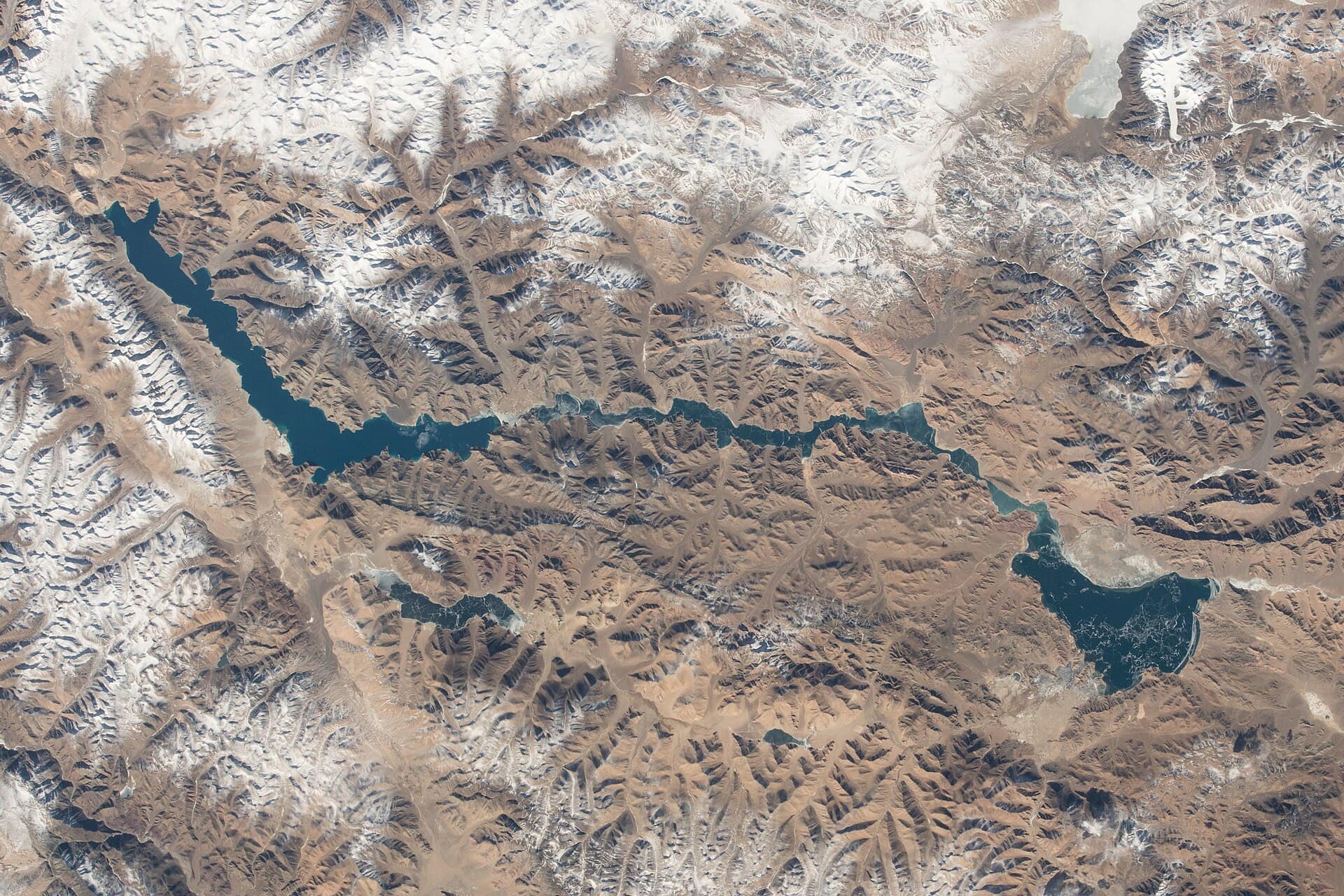
A surreal high-altitude lake (4,350 m) that shifts through impossible blues, stretching to the horizon and into Tibet.
Best time
Mid-morning on a clear, still day for the deepest blue water; late afternoon for warm light on the bare mountains across the lake.
Best angle
Walk a little way along the shore from Spangmik and take a wide photo of the lake running into the distance, with the mountains on both sides.
Entry fee
Via Inner Line Permit
Opening hours
Daytime (permit required)
Crowd level
Medium
Best outfit colors
Overview
Best time to visit Pangong Tso
Mid-morning on a clear, still day for the deepest blue water; late afternoon for warm light on the bare mountains across the lake. Crowds here are typically medium. Arrive a little early to claim your angle and catch the softest light before the day tips over.
Poses & angles
Photo tips for Pangong Tso
Walk a little way along the shore from Spangmik and take a wide photo of the lake running into the distance, with the mountains on both sides. Work a few of the pose ideas below, shoot wide for context and tight for detail, and give yourself a couple of extra minutes to get the frame right.
By the blue shore
With the mountains mirrored in the lake
Outfit guide
What to wear at Pangong Tso
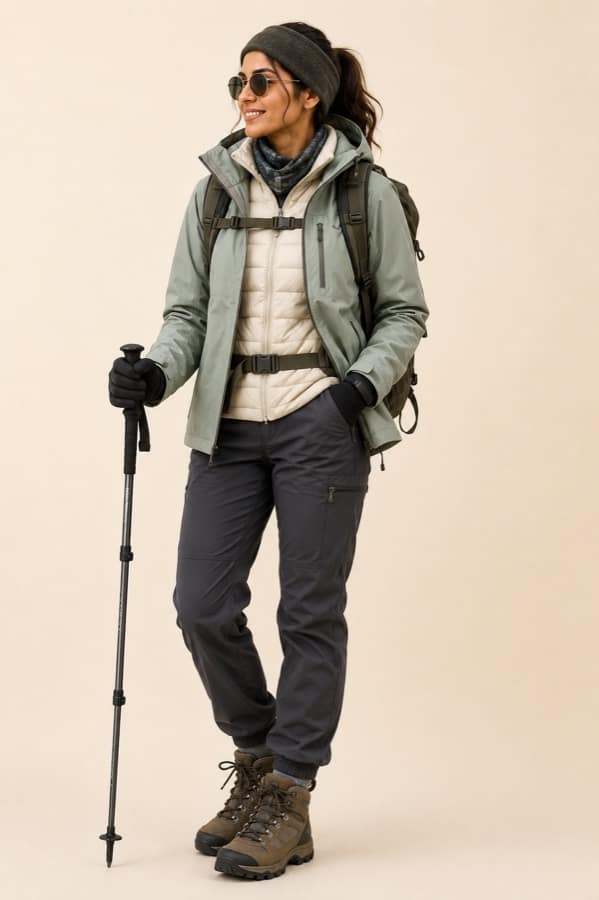
For photos at Pangong Tso, red, white and yellow work beautifully — they stand out against the setting without fighting it. Pick one hero colour and keep the rest of the look calm so you stay the subject of the frame.
Best outfit colors for photos
Trending wear for this spot
Modern, camera-ready looks picked for Pangong Tso.
Traditional wear for this spot
Timeless, cultural outfits worn across Leh.
Eat nearby
Food near Pangong Tso
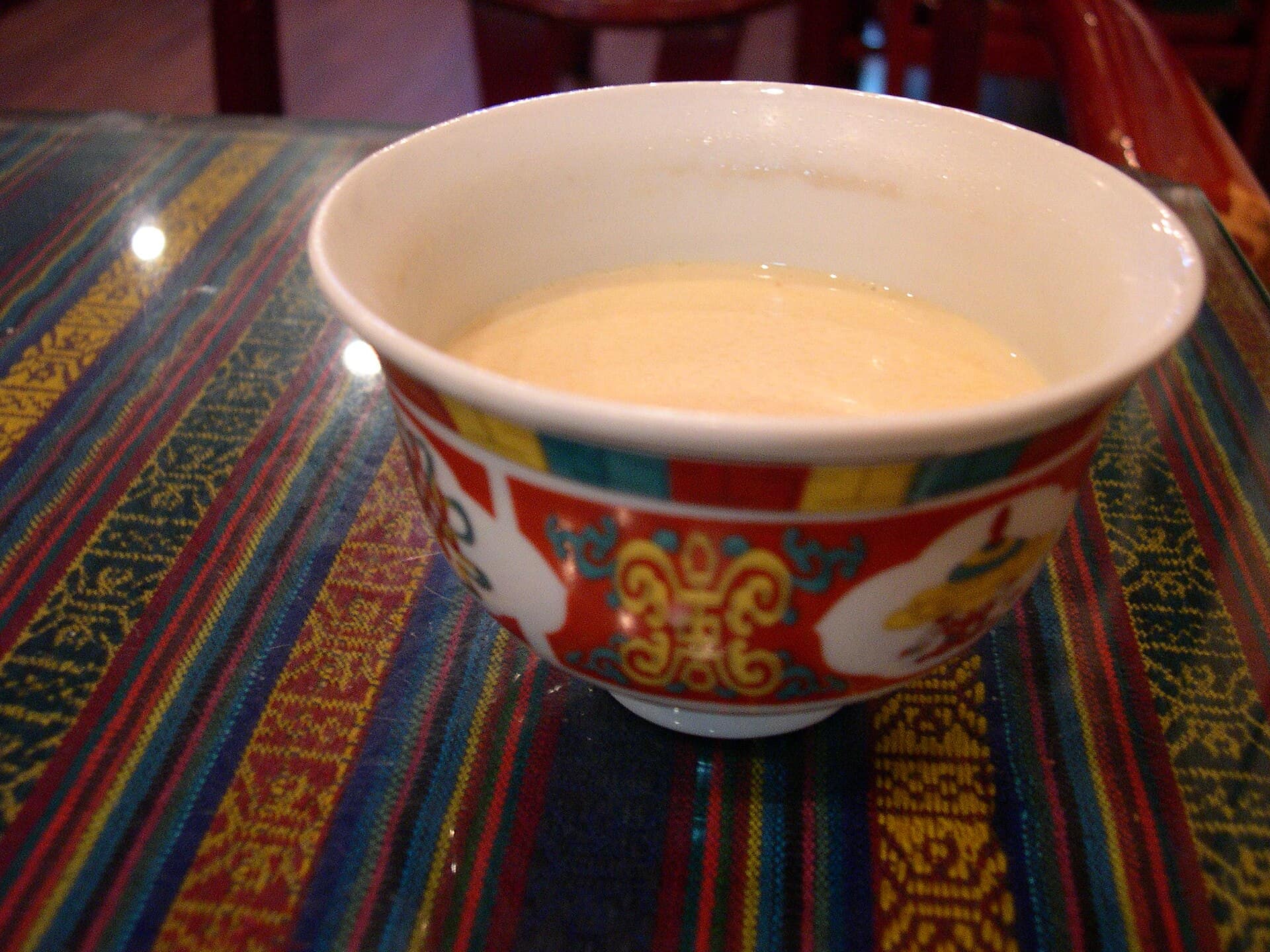
Round out the visit with something to eat. Look for butter tea (gur gur chai) nearby.
Special dishes to try
Search food by craving
Good to know
Local tips
Spend at least 48 hours in Leh first, as the administration requires, before driving to the lake.
Keep the stop at Chang La short, because the altitude there hits almost everyone.
Carry printed copies of your environment fee receipt or permit for the checkposts.
Stay a night at Spangmik or Man if you can, since morning at the lake is far better than midday.
Pack a down jacket and warm hat, because nights by the lake are near freezing even in summer.
Fill the tank and carry cash in Leh, as fuel and ATMs are scarce on the way.
Take your rubbish back to Leh, as the lakeshore has no proper waste system.
A lake on the border
Pangong Tso is a long, narrow salt-water lake at about 4,300 m in eastern Ladakh. It stretches about 134 km, but only around a third of it lies in India; the Line of Actual Control with China runs through the water. What you see from the shore is the western end, with bare mountains rising on both sides.
Getting there
The usual route from Leh goes via Karu and over Chang La, a pass of about 5,360 m, then down through Durbuk and Tangtse to the lakeshore. It is about 160 km each way and takes around five to six hours, depending on the road and the stops. Do not linger at the top of Chang La; the thin air affects most people within minutes. There is also a route from Nubra Valley via Shyok, used by people doing a loop.
Permits
Indian visitors pay the Ladakh environment fee online and carry the receipt to show at the checkposts. Foreign nationals need a Protected Area Permit, arranged through a registered agent in Leh. The Leh administration asks everyone to spend at least 48 hours in Leh before coming here.
Where to stay
Most camps and homestays are in Spangmik, with more further on at Man and Merak. They need booking in the busy months. Nights are cold even in July, and the camps usually close around October. Staying one night lets you see the lake in the morning, when the light is best.
Winter
From around January to March the lake freezes over. A few homestays stay open, temperatures drop far below zero and the road over Chang La can close after snow. It is a trip for people with the right gear and a local driver.
Rules at the shore
Boating is not allowed. Do not drive or park on the shore itself, leave no rubbish behind, and do not feed the birds. Bar-headed geese and ruddy shelducks breed here in summer.
Questions
Pangong Tso — FAQ
What is the best time to visit Pangong Tso?
Mid-morning on a clear, still day for the deepest blue water; late afternoon for warm light on the bare mountains across the lake. Walk a little way along the shore from Spangmik and take a wide photo of the lake running into the distance, with the mountains on both sides.
Is there an entry fee at Pangong Tso?
Entry to Pangong Tso is by Inner Line Permit.
What are the opening hours of Pangong Tso?
Pangong Tso is open daytime (permit required).
What should I wear at Pangong Tso?
Red, white and yellow photograph especially well here. Explore the trending and traditional outfit ideas on this page for full looks.
How crowded does Pangong Tso get?
Crowd levels are typically medium. To miss the busiest window: mid-morning on a clear, still day for the deepest blue water; late afternoon for warm light on the bare mountains across the lake.
What food should I try near Pangong Tso?
Try butter tea (gur gur chai) at spots close by.
How long is the drive from Leh to Pangong Tso?
About 160 km each way over Chang La, usually five to six hours. A day trip is possible but tiring; one night by the lake is better.
Do Indians need a permit for Pangong Tso?
Indians no longer need an Inner Line Permit, but they pay the Ladakh environment fee online and must carry the receipt. Foreign nationals need a Protected Area Permit.
Can I go boating on Pangong Tso?
No. Boating is not allowed on the lake for security reasons.
Is Pangong Tso open in winter?
The lake can be visited, but most camps close around October and only a few homestays stay open. It freezes from around January, and Chang La can close after snow.