
Best Photo Spots in Leh
Leh light is hard and clear, and at this height the sun burns out colour by late morning. Shoot early and late, and give the long trips to Pangong and Magnetic Hill a full day of their own.
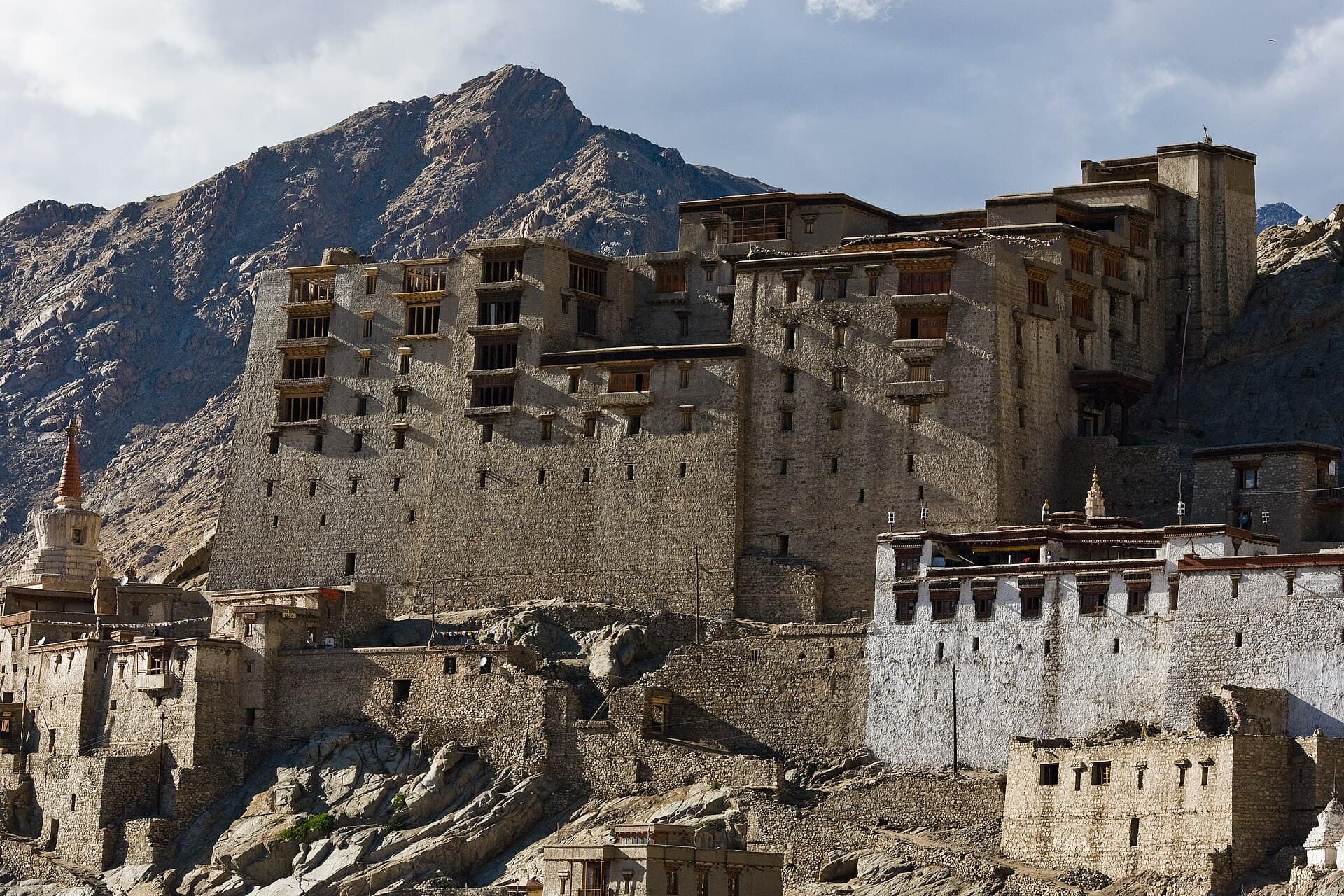 Medium crowd
Entry ₹40 (Indian) / ₹100 (foreign)
Leh Palace
- Best timeLate afternoon from the town below, when the low sun warms the mud-brick walls; early morning on the roof for clear views of the Stok range.
- ColorsMaroonOchreWhite
Entry Free
Magnetic Hill
- Best timeEarly morning or late afternoon, when low sun brings out the layers in the bare hills; avoid midday, when the light flattens everything.
- ColorsRedWhiteCharcoal
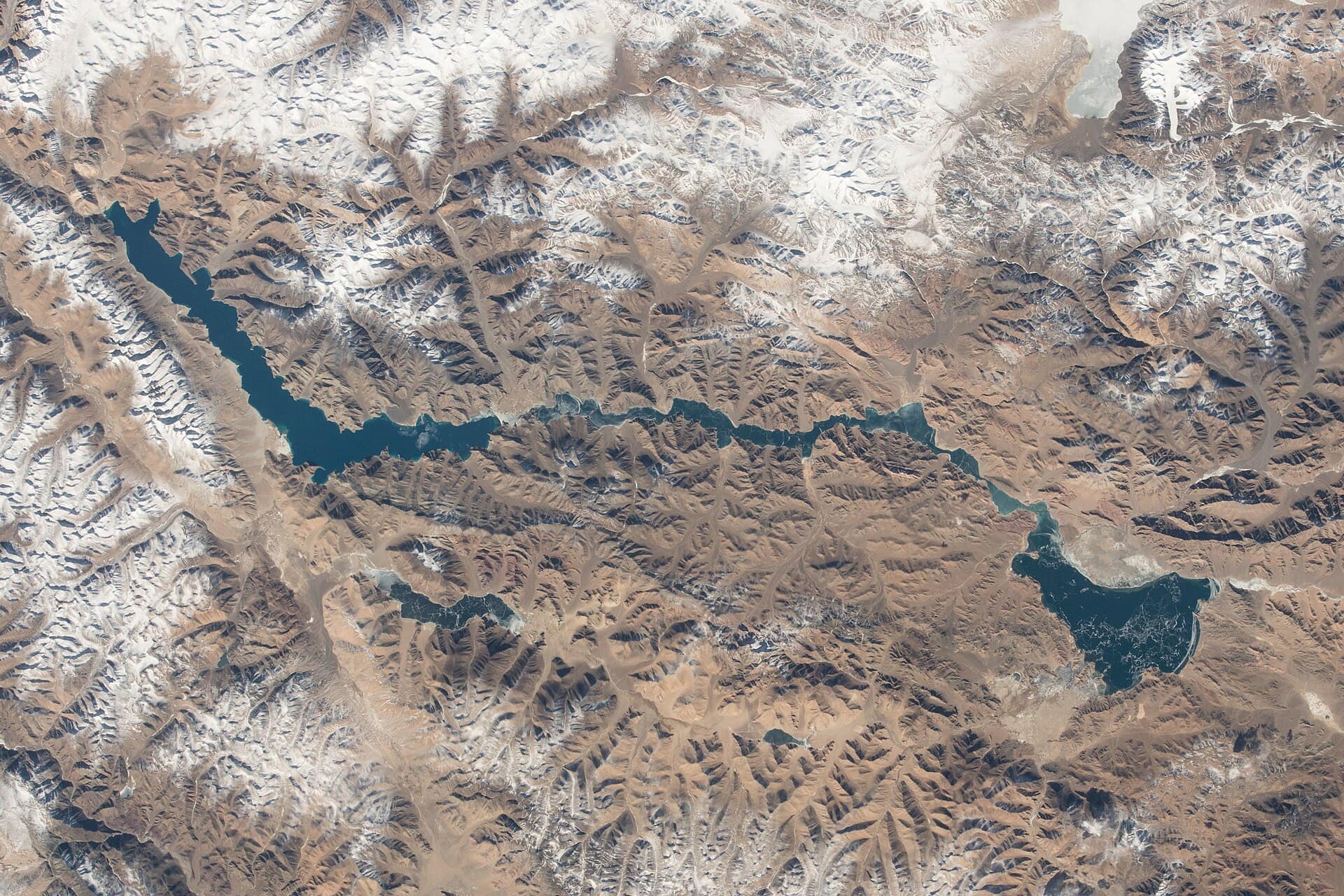 Medium crowd
Entry Via Inner Line Permit
Pangong Tso
- Best timeMid-morning on a clear, still day for the deepest blue water; late afternoon for warm light on the bare mountains across the lake.
- ColorsRedWhiteYellow
Entry Free
Shanti Stupa
- Best timeSunset for warm light on Leh Palace across the valley; sunrise for pink light on the Stok peaks and an empty terrace.
- ColorsMaroonWhiteCobalt
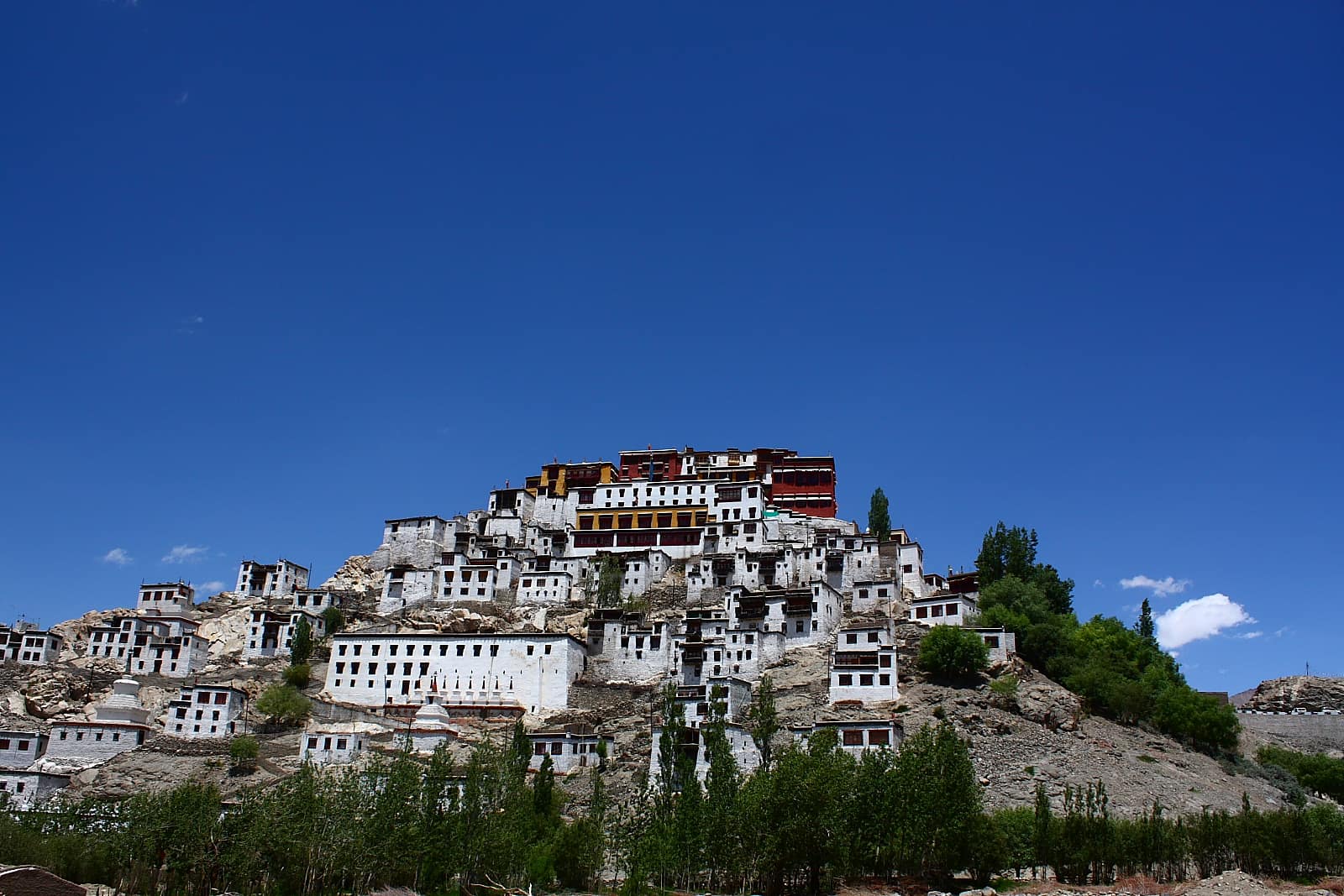 Medium crowd
Entry ₹30
Thiksey Monastery
- Best timeEarly morning, when the white walls catch the first sun and the monks gather for prayers; late afternoon for warm light on the whole hillside.
- ColorsMaroonSaffronWhite
Two viewpoints over town
Shanti Stupa and Leh Palace look at each other across the old town. From the stupa terrace at sunset you get the palace on its ridge with the Stok range behind. From the palace roof you look down over the flat roofs of the old town and the bazaar. Both are within reach in your first two days, while you are still resting before going higher.
Monastery mornings
Thiksey, about 19 km east of Leh, is the classic shot of Ladakh: whitewashed buildings stacked up a hill above the Indus. Go early for the morning prayers, then walk back down to the fields below for the full view. Inside, rules vary from hall to hall. Never use flash, and ask before photographing monks.
The blue lake
Pangong Tso sits at about 4,300 m, a long drive over Chang La. The water changes colour with the sun and clouds, and it looks bluest when the sky is clear and the wind is low. Stay a night if you can. The first hours after sunrise and the late afternoon are far better than the midday stop most day-trippers make.
The Kargil road
Magnetic Hill is about 30 km west of Leh on the highway to Kargil. The draw is the road itself, running straight through bare, layered hills. The same drive passes Gurudwara Pathar Sahib and the point where the Zanskar river meets the Indus, so plan one trip for all three.
Rules to shoot by
Much of Ladakh is a border area with a heavy army presence. Do not photograph military camps, convoys, bridges or checkposts. Drones need government permission and are not something to try on a whim. Ask before you photograph people, especially older women in traditional dress and monks during prayers. And carry a spare battery: cold drains them fast, even in summer at the passes.
Questions
Leh — FAQ
Can I fly a drone in Leh?
Not without permission. Ladakh is a sensitive border area, and drone flights need prior government approval. Leave the drone at home unless you have arranged a permit.
Which Leh photo spots can I visit while acclimatising?
Shanti Stupa, Leh Palace and Thiksey are all close to town and at a similar height to Leh. Keep Pangong and Khardung La for after your first 48 hours.
Can I take photos inside Ladakhi monasteries?
Often yes, but not everywhere. Some shrine rooms ban photography, flash is never welcome, and you should always ask before photographing monks or rituals.
Why do my Leh photos look washed out?
The sun is very strong at this altitude. Shoot in the first and last two hours of daylight, and use a polarising filter or lower exposure for the sky.