
Ladakh · India
Leh
A high-desert Himalayan town of whitewashed monasteries, a hilltop palace and star-clear skies — gateway to Pangong's blue and Nubra's dunes.
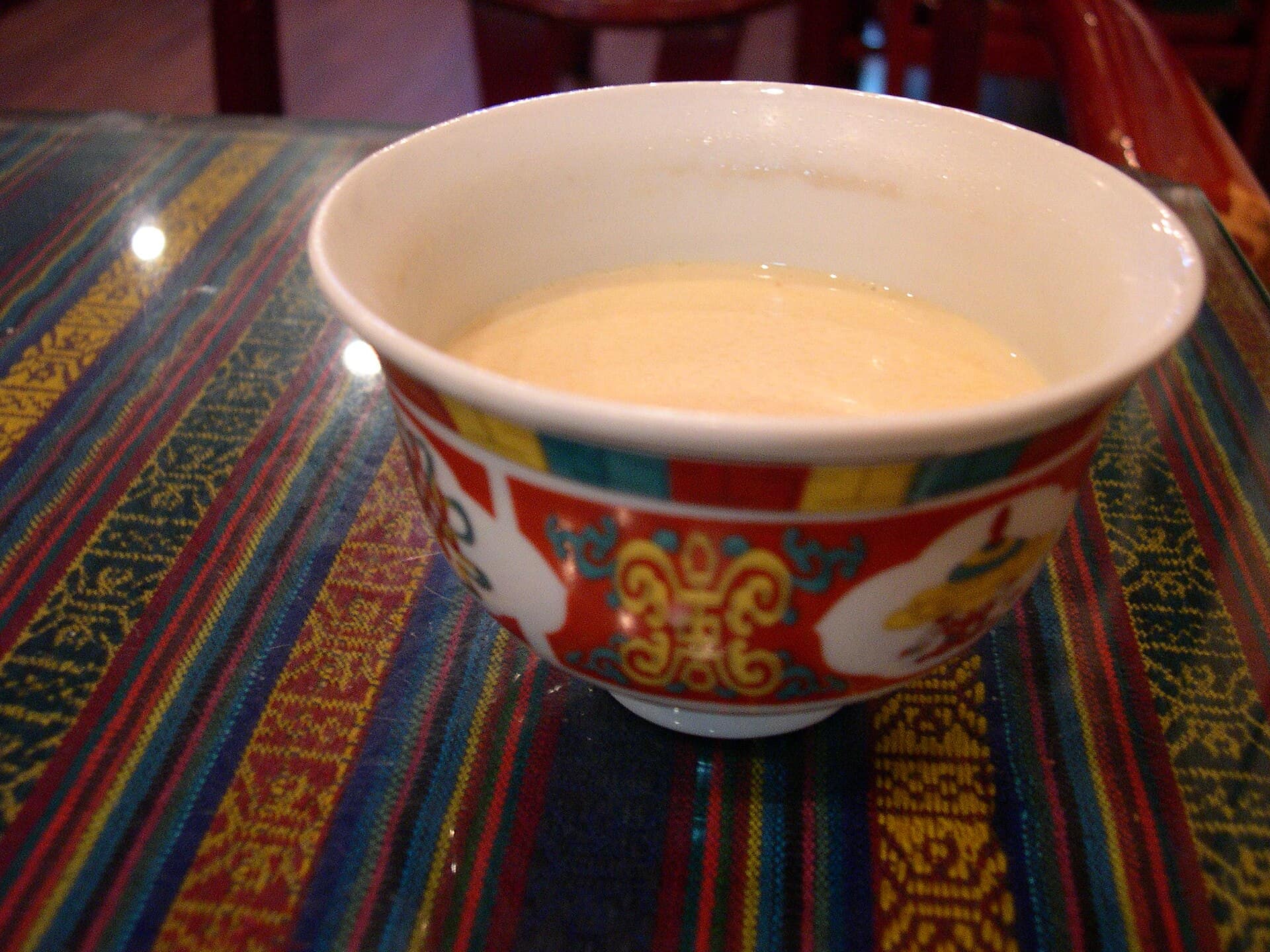
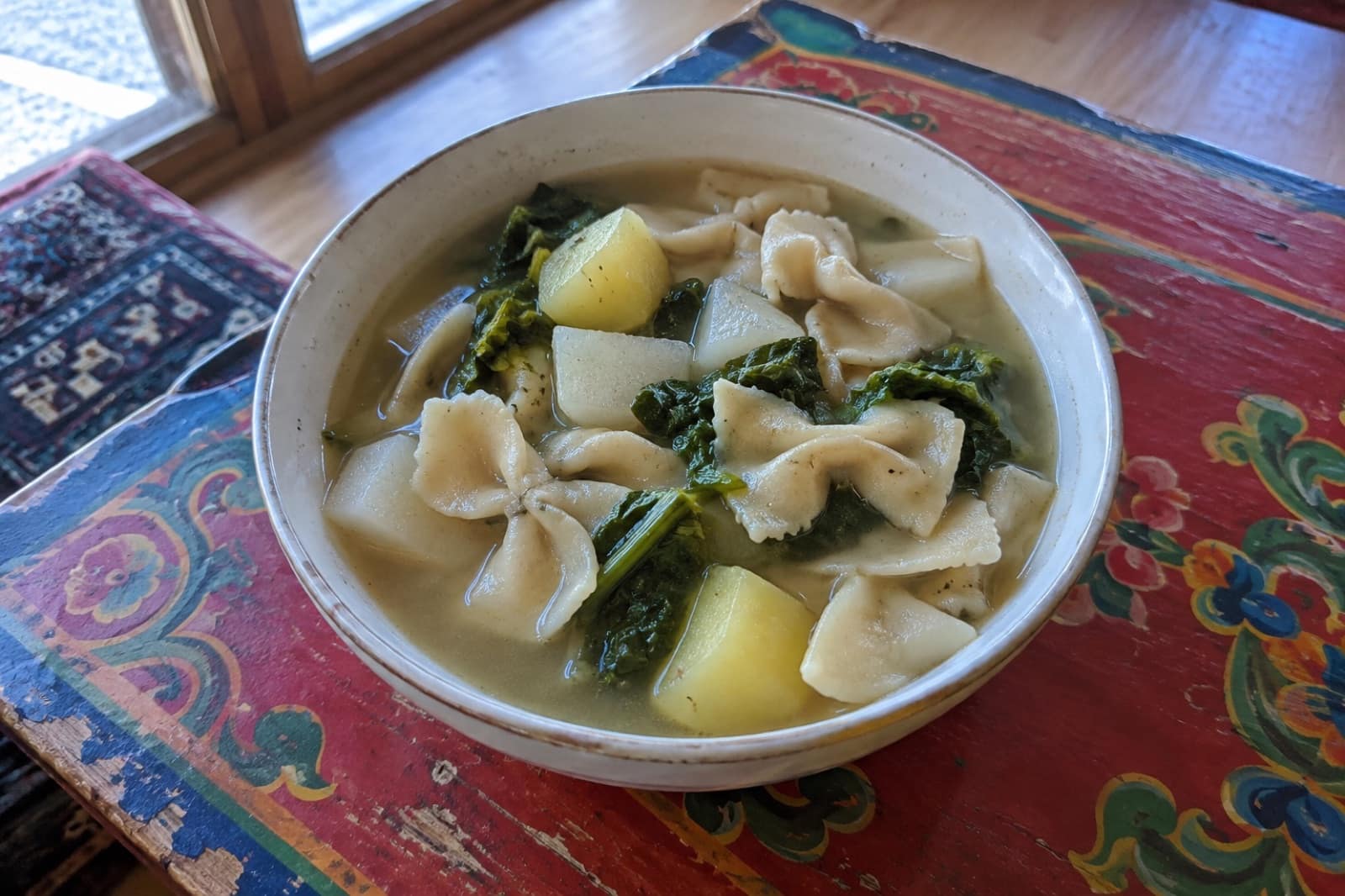
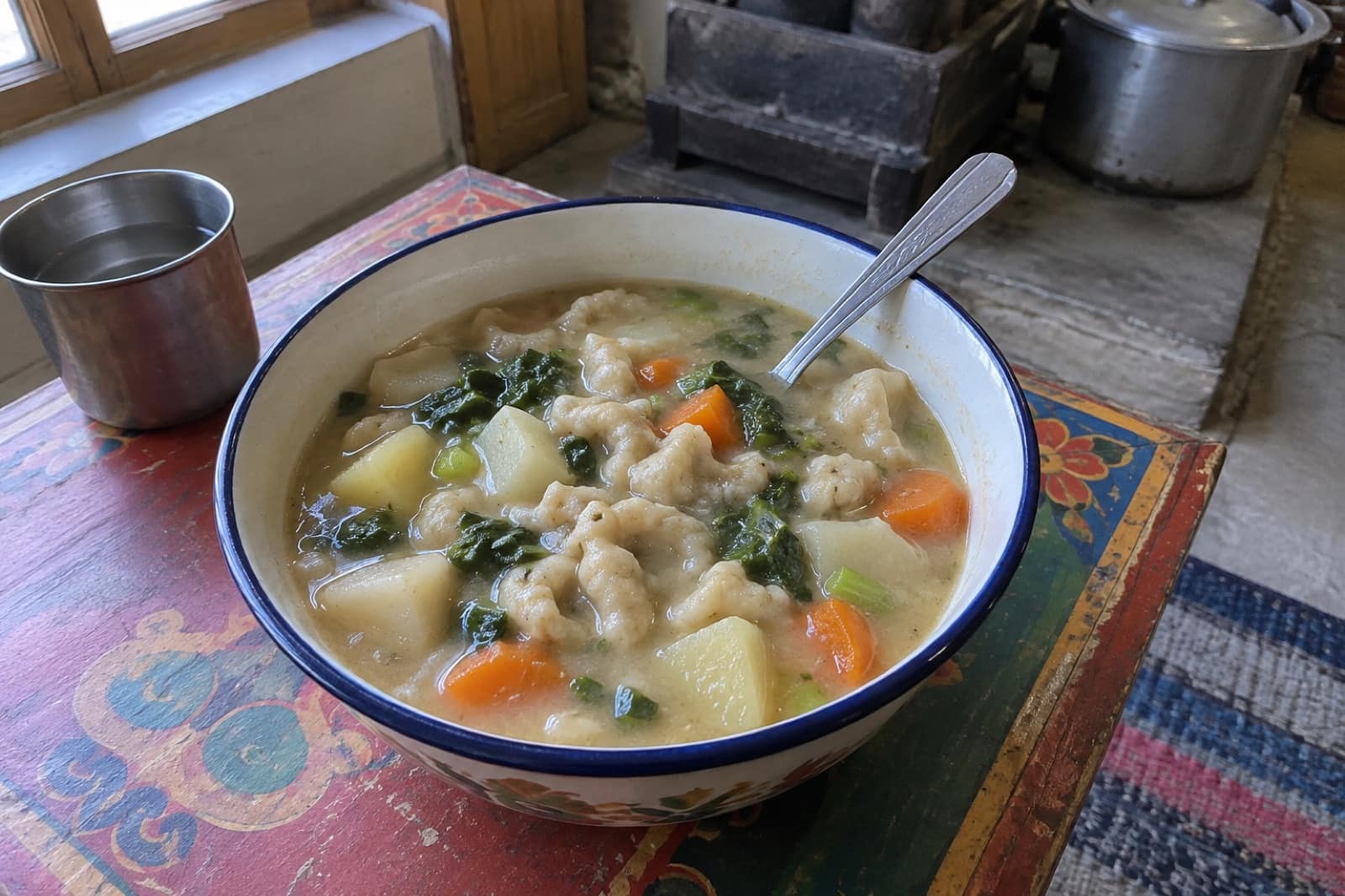
Leh's culture is Tibetan Buddhist — gompas, prayer flags and the goncha robe — with a warming cuisine of momos, thukpa and butter tea against the altitude.
Plan your trip
Leh Tour Itineraries
Timed, walkable day plans — plus the best season to go.
Where to shoot
Leh Photo Spots
 Medium crowd
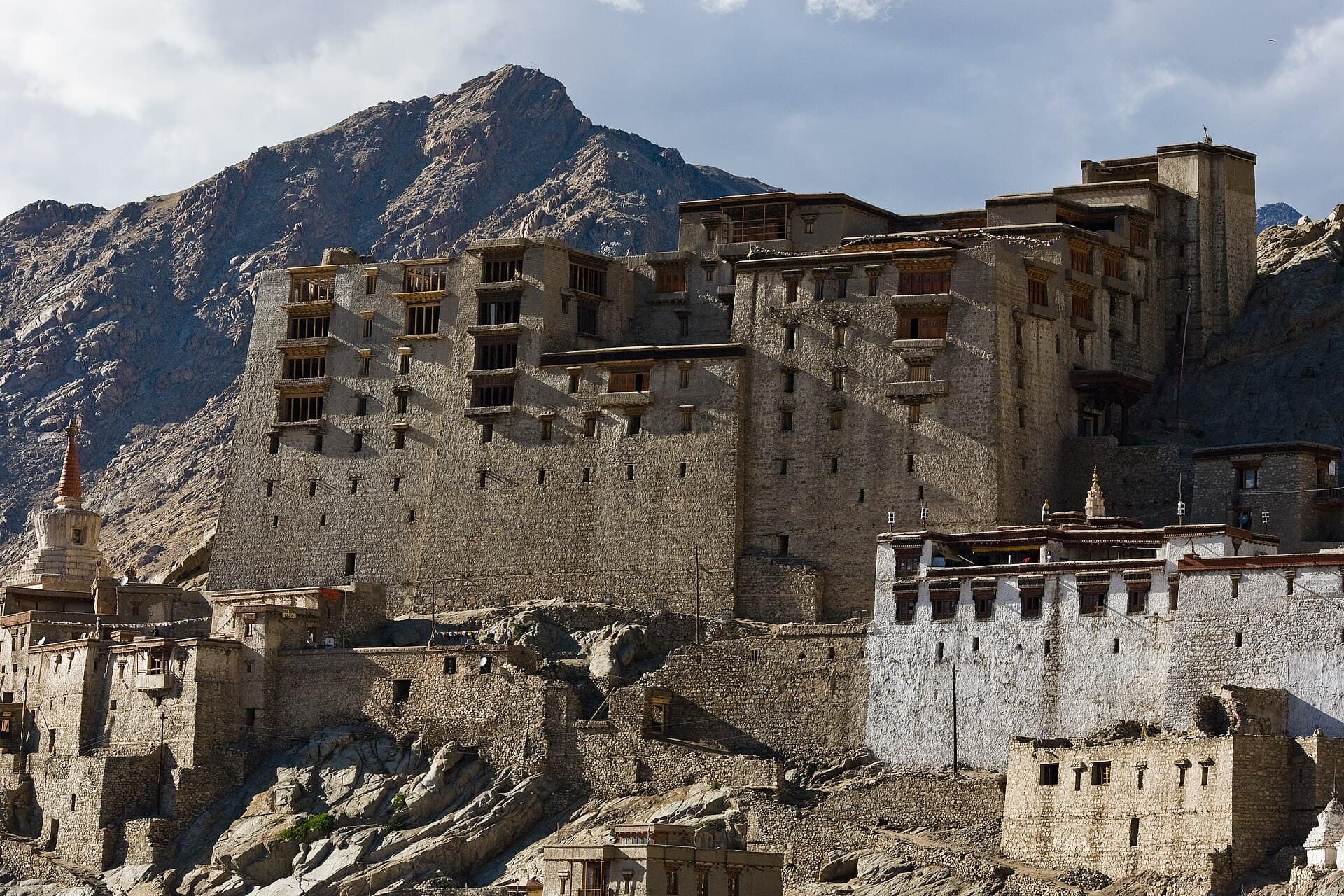
Entry ₹40 (Indian) / ₹100 (foreign)
Leh Palace
- Best timeLate afternoon from the town below, when the low sun warms the mud-brick walls; early morning on the roof for clear views of the Stok range.
- ColorsMaroonOchreWhite
Entry Free
Magnetic Hill
- Best timeEarly morning or late afternoon, when low sun brings out the layers in the bare hills; avoid midday, when the light flattens everything.
- ColorsRedWhiteCharcoal
 Medium crowd
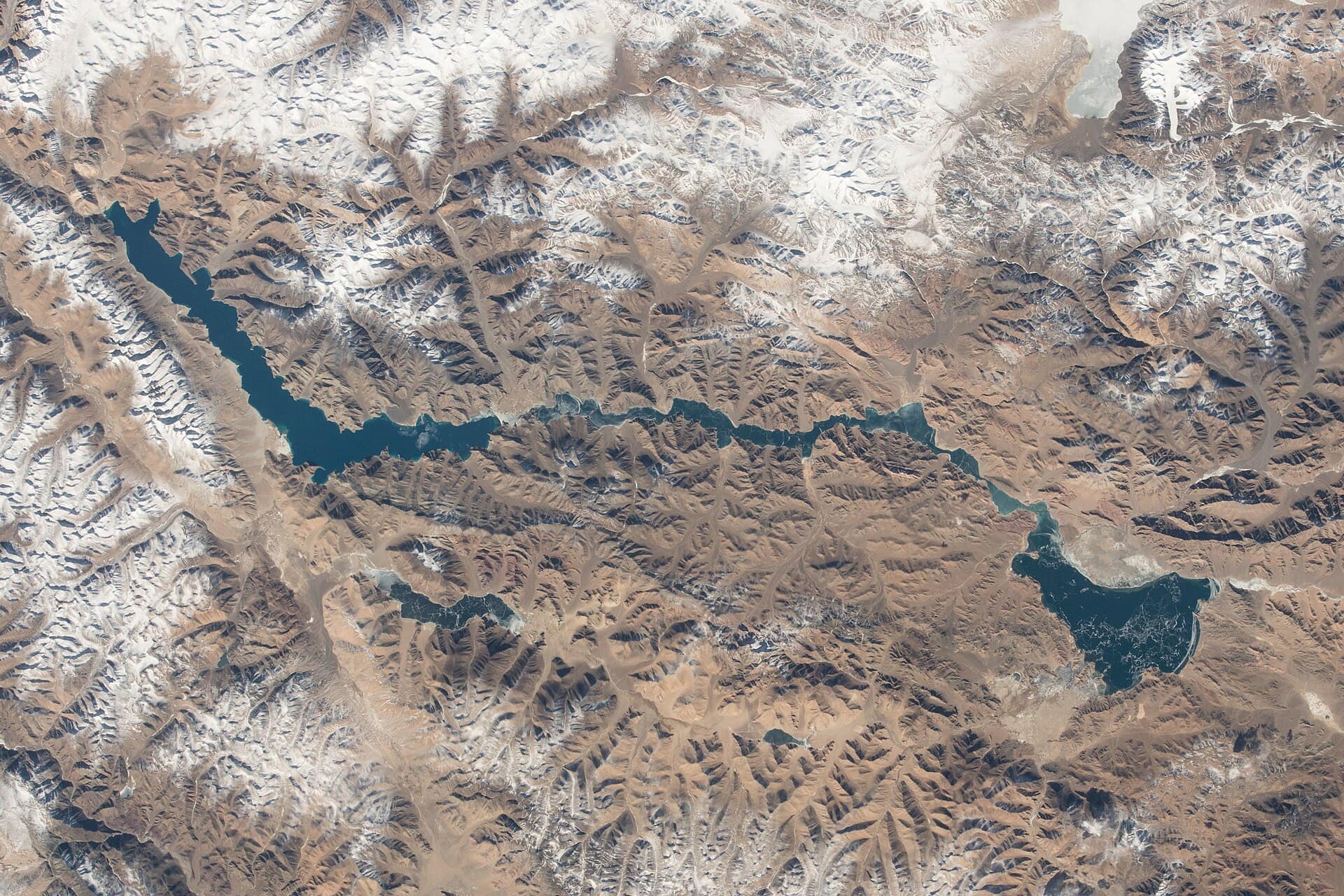
Entry Via Inner Line Permit
Pangong Tso
- Best timeMid-morning on a clear, still day for the deepest blue water; late afternoon for warm light on the bare mountains across the lake.
- ColorsRedWhiteYellow
Entry Free
Shanti Stupa
- Best timeSunset for warm light on Leh Palace across the valley; sunrise for pink light on the Stok peaks and an empty terrace.
- ColorsMaroonWhiteCobalt
 Medium crowd
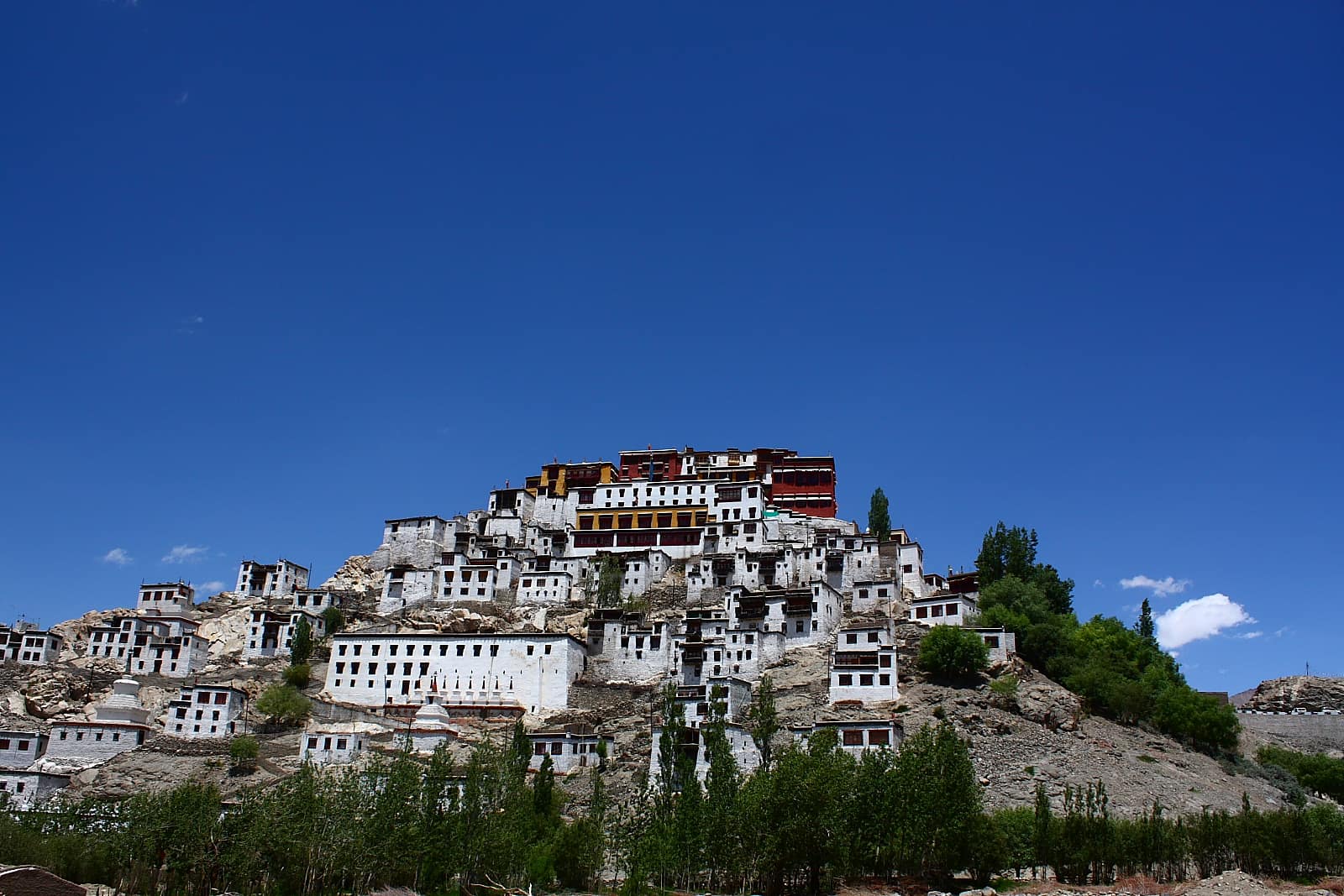
Entry ₹30
Thiksey Monastery
- Best timeEarly morning, when the white walls catch the first sun and the monks gather for prayers; late afternoon for warm light on the whole hillside.
- ColorsMaroonSaffronWhite
For the feed
Trending Wear in Leh
Modern, Instagram-friendly looks
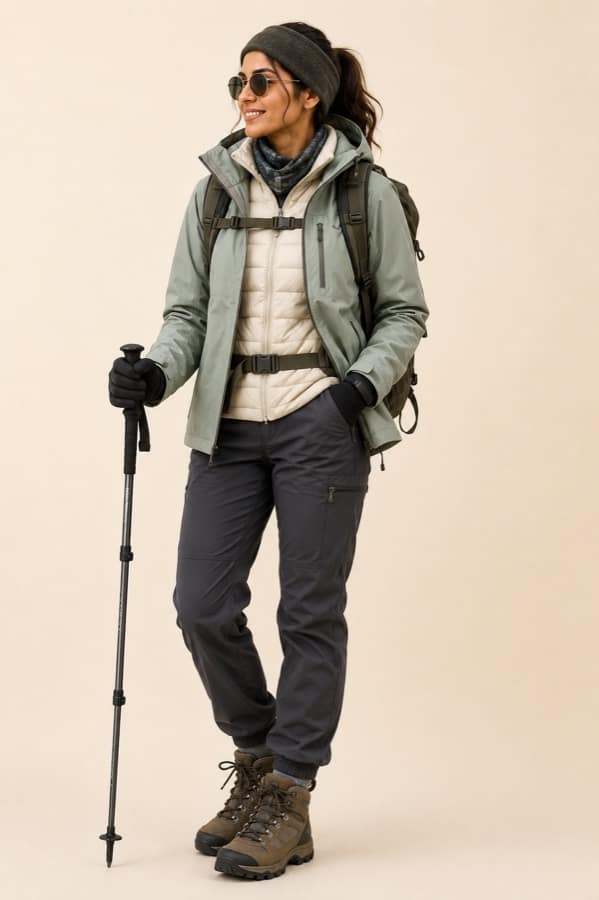

Rooted in the city
Leh Traditional Wear
Local, cultural, handcrafted outfits
Taste the city
Food to Eat in Leh


Trusted tables
Where to Eat in Leh

A town at 3,500 metres
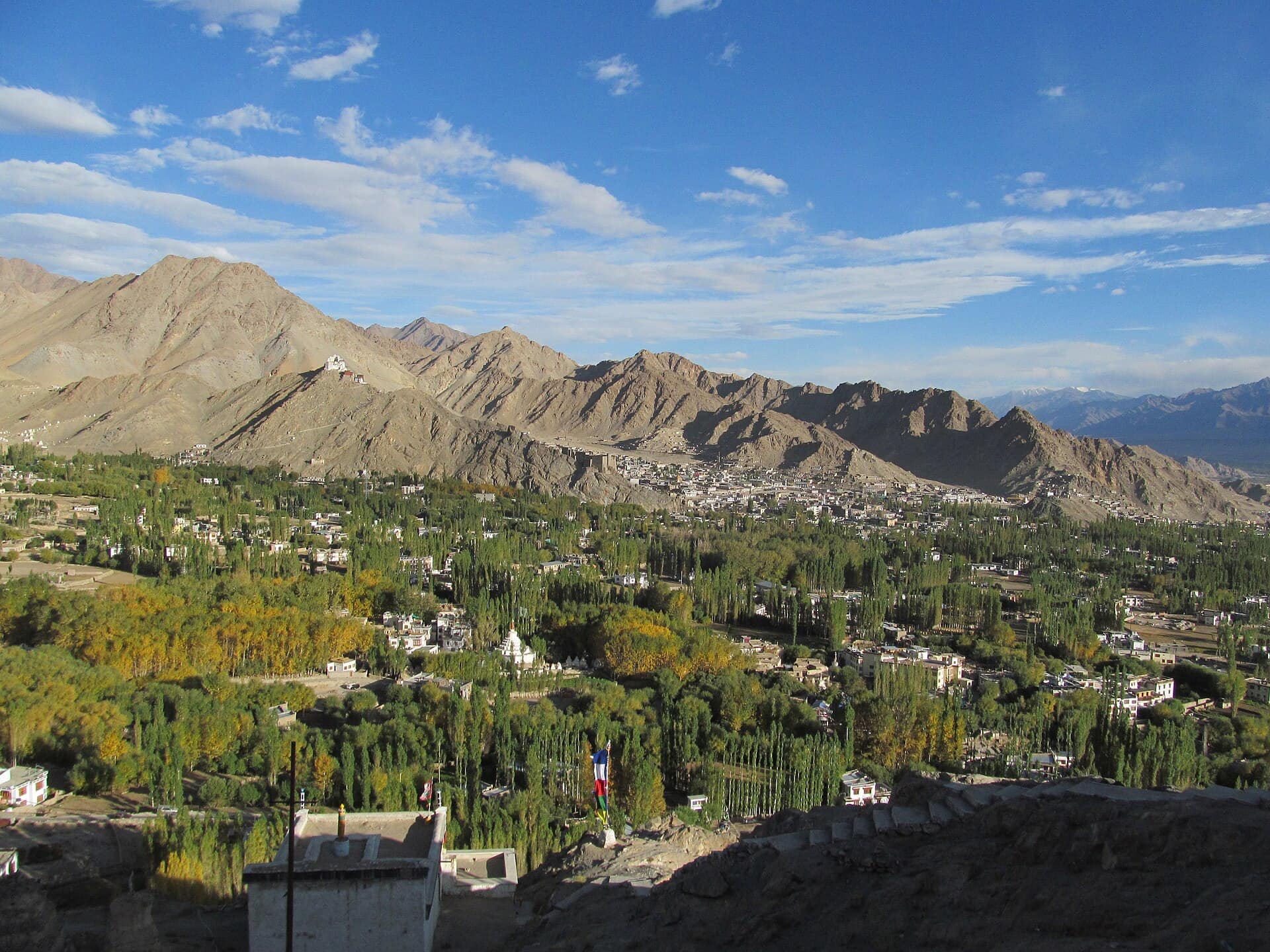
Leh sits at about 3,500 m in the upper Indus valley, in a cold desert that gets almost no rain. The old town climbs a rocky ridge under Leh Palace, with flat-roofed mud-brick houses, prayer flags and the main bazaar spread out below. Across the valley, the Stok range carries snow well into summer. Most visitors arrive by air, and that is the first thing to plan around.
The first 48 hours
The Leh district administration asks every tourist to spend at least 48 hours acclimatising in Leh before going higher, to places such as Khardung La and Pangong. Flying in makes this more important, because you gain the height in about an hour. Rest on day one, drink plenty of water, skip alcohol, and keep day two to short trips around town, such as Shanti Stupa or Thiksey. A headache that gets worse, vomiting or breathlessness at rest means see a doctor and go no higher.
Permits and fees
Indian visitors no longer need an Inner Line Permit. Instead they pay a Ladakh environment fee online on the district's permit portal and carry the receipt through the checkposts for Nubra, Pangong and the other protected areas. Foreign nationals still need a Protected Area Permit, arranged through a registered agent in Leh. Rules change, so check the portal before you travel.
When the roads open
Leh has flights all year, but the two highways are seasonal. The Manali–Leh road usually runs from around June to October, and the Srinagar–Leh road over Zoji La opens earlier in spring and closes in early winter. Both depend on snow, so opening dates move each year. See the best time to visit page for the months.
A Buddhist town, and more
Leh is mostly Tibetan Buddhist, with whitewashed gompas on every ridge, but it also has a large Sunni mosque near the bazaar and Sikh and Hindu shrines along the Kargil road. In monasteries, walk clockwise, take off shoes and hats in the prayer halls, and ask before photographing monks. The big masked-dance festivals fall in summer and winter; the events page lists them.
Day trips from town
Thiksey and Hemis lie up the Indus to the east. Magnetic Hill and the Indus–Zanskar confluence lie west on the Kargil road. Pangong Tso is a long day or an overnight trip over Chang La. Pack warm layers whatever the month; the wear guide explains why.
Questions
Leh — FAQ
Do I need a permit to visit Leh town?
No. Leh town itself needs no permit. Indian visitors pay the Ladakh environment fee online for trips to Nubra, Pangong and other protected areas, and foreign nationals need a Protected Area Permit for those areas.
Can I go to Pangong or Khardung La on my first day?
No. The Leh administration asks all tourists to spend at least 48 hours acclimatising in Leh before going higher. Use those two days for short, easy trips around town.
Is Leh open to visitors in winter?
Yes. Flights run all year and many hotels stay open, but nights fall well below freezing, the highways close with snow and many camps and cafés shut until spring.
Do mobile phones work in Leh?
In Leh town, postpaid connections on the main networks usually work. Prepaid SIMs from outside the region often do not, and coverage thins out fast on the Nubra and Pangong roads.
How many days do I need for Leh?
Plan at least five or six days: two to acclimatise around town, then one or two nights each for Nubra and Pangong. Add a buffer day in case a road or flight is held up.