
Photo spot in Leh
Leh Palace
Leh, Ladakh
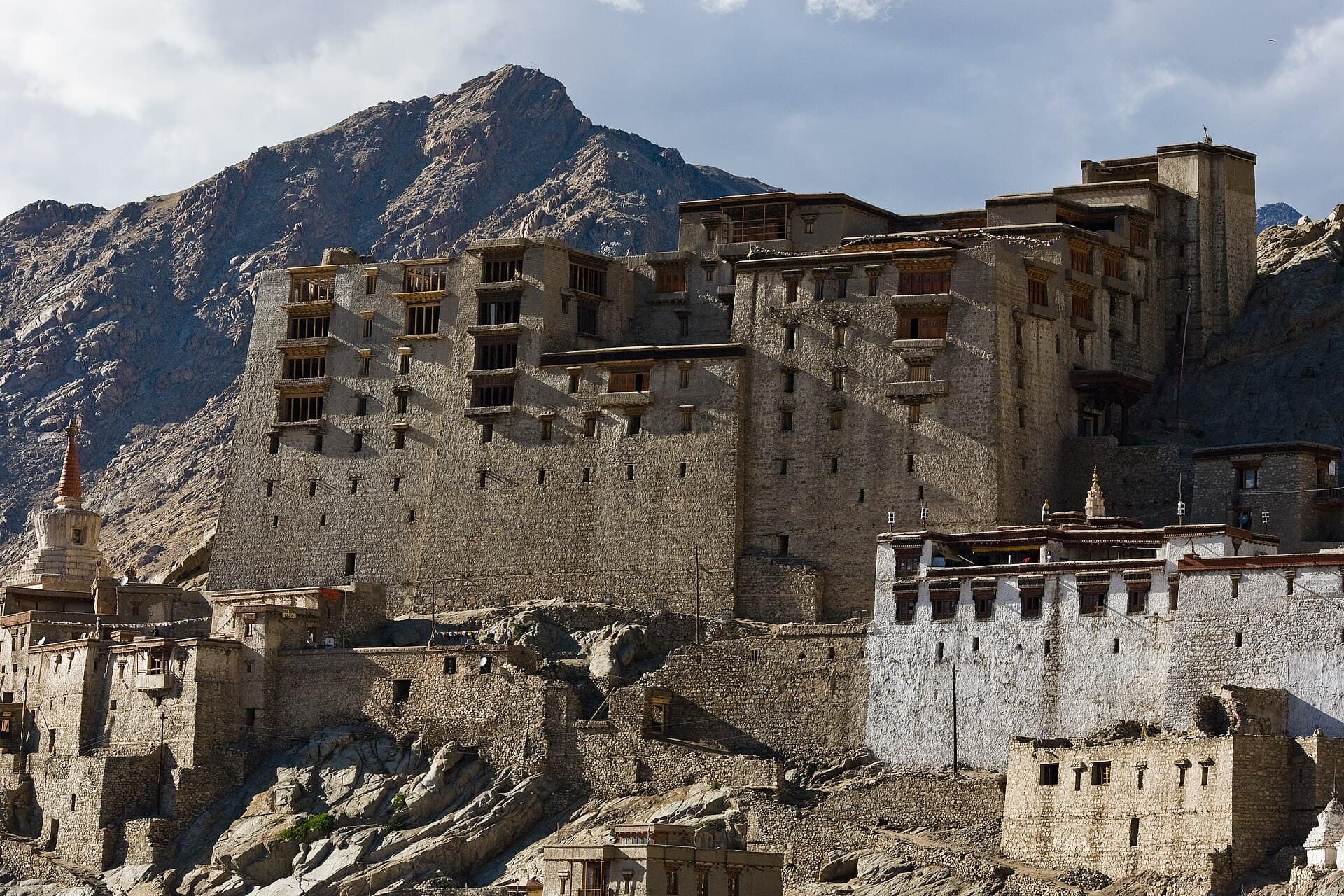
A nine-storey 17th-century royal palace towering over the old town, echoing Lhasa's Potala, with sweeping views.
Best time
Late afternoon from the town below, when the low sun warms the mud-brick walls; early morning on the roof for clear views of the Stok range.
Best angle
Stand in the lanes near the main bazaar and take an upward photo of the palace with Namgyal Tsemo and its prayer flags on the ridge above.
Entry fee
₹40 (Indian) / ₹100 (foreign)
Opening hours
7:00 AM – 4:00 PM
Crowd level
Medium
Best outfit colors
Overview
Best time to visit Leh Palace
Late afternoon from the town below, when the low sun warms the mud-brick walls; early morning on the roof for clear views of the Stok range. Crowds here are typically medium. Arrive a little early to claim your angle and catch the softest light before the day tips over.
Poses & angles
Photo tips for Leh Palace
Stand in the lanes near the main bazaar and take an upward photo of the palace with Namgyal Tsemo and its prayer flags on the ridge above. Work a few of the pose ideas below, shoot wide for context and tight for detail, and give yourself a couple of extra minutes to get the frame right.
On a palace terrace over Leh
Against the tiered façade
Outfit guide
What to wear at Leh Palace
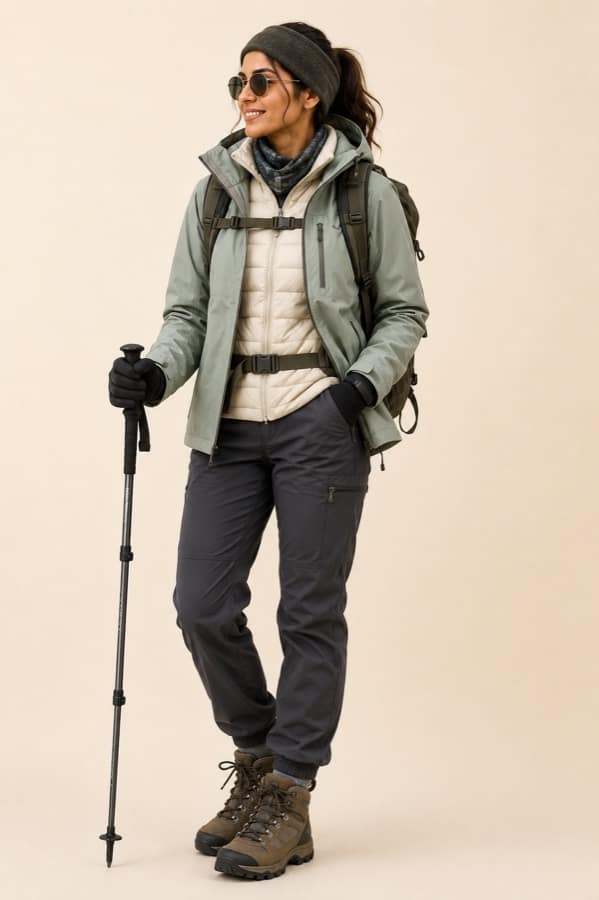
For photos at Leh Palace, maroon, ochre and white work beautifully — they stand out against the setting without fighting it. Pick one hero colour and keep the rest of the look calm so you stay the subject of the frame.
Best outfit colors for photos
Trending wear for this spot
Popular modern looks travellers are wearing across Leh.

Traditional wear for this spot
Timeless, cultural looks that suit Leh Palace.
Eat nearby
Food near Leh Palace
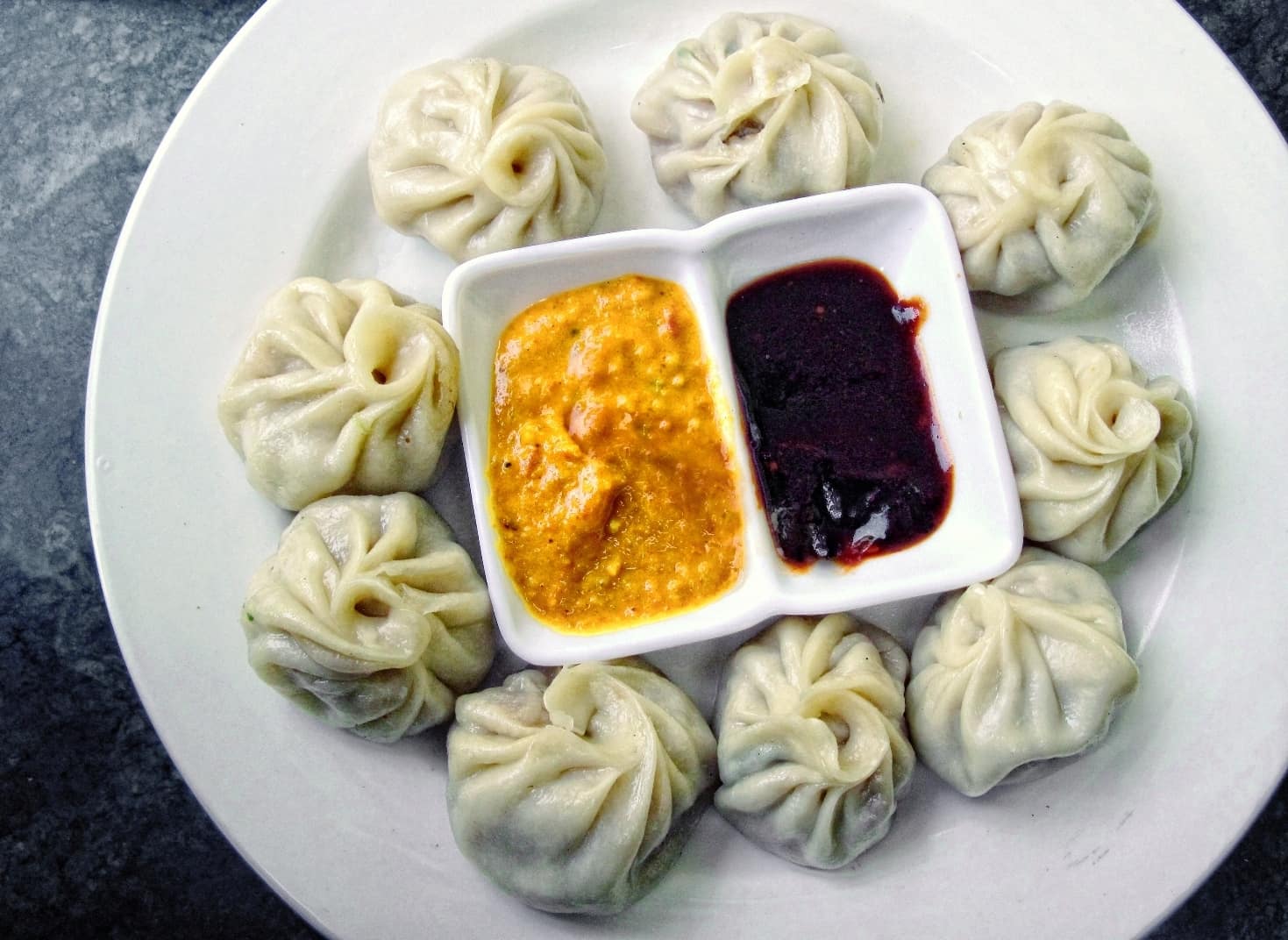
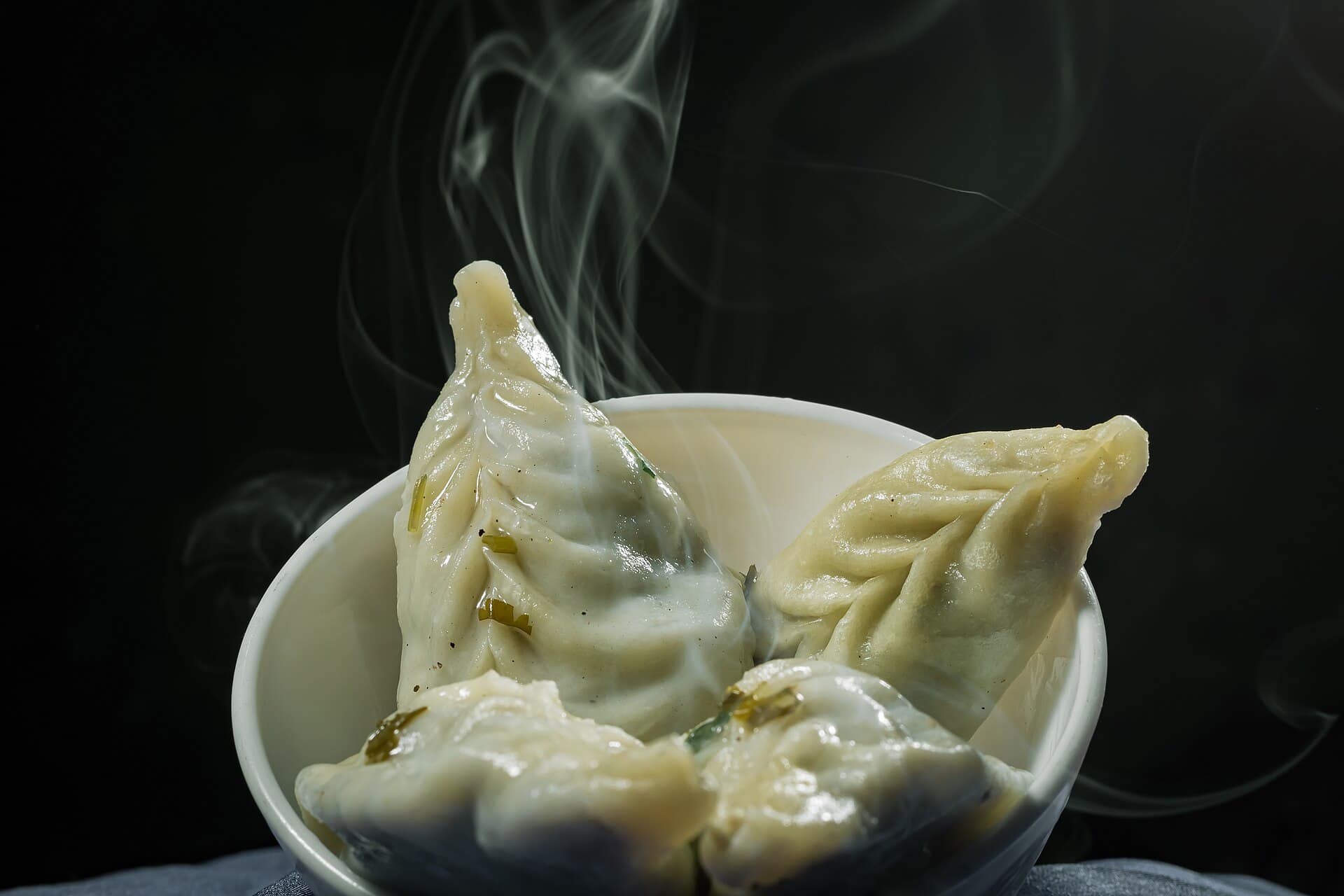
Round out the visit with something to eat. Look for ladakhi momos nearby, or settle in at one of the 1 restaurants close by.
Special dishes to try
Restaurants & food places nearby
Search food by craving
Good to know
Local tips
Save the palace for your first or second day, as it is close to town and a good gentle outing while acclimatising.
Walk up through the old-town lanes and take a taxi back if the climb leaves you breathless.
Carry a phone torch, because many inner rooms and staircases are dark.
Watch your head and footing on the low doorways and steep wooden stairs.
The palace closes before sunset, so photograph its façade in evening light from the bazaar or from Shanti Stupa.
Add Namgyal Tsemo above only if you feel well, as the path is steep and exposed.
Keep to the open rooms and terraces, as some parts are closed for restoration.
The palace above the old town
Leh Palace stands on the ridge of Tsemo hill, looking straight down on the old town and the main bazaar. It was built around the start of the 17th century by King Sengge Namgyal and rises nine storeys, with thick mud-brick walls that lean slightly inwards. The upper floors housed the royal family, and the lower floors held stores and stables. Its tiered shape is often compared with the Potala Palace in Lhasa.
After the kings
In the mid-19th century, Dogra forces from Jammu took control of Ladakh, and the royal family moved to Stok Palace across the Indus. The building was left empty and slowly decayed. It is now looked after by the Archaeological Survey of India, and restoration work is still going on in parts of it.
Inside
Much of the palace is bare rooms and dark staircases, so bring a phone torch. A small museum shows jewellery, ceremonial dresses, crowns and old thangka paintings. The best reason to go is the roof and the upper terraces, which give a wide view of Leh, the Stok range and the Indus valley.
Getting there
You can walk up from the bazaar through the old-town lanes, which is a short but steep climb. Taxis can also drive most of the way up by road. Take it slowly: the palace is at about the same height as the town, but the stairs inside are steep and narrow.
Nearby
Namgyal Tsemo gompa and its fort ruins sit higher up the same ridge, reached by a steeper path. The old town below has been listed as endangered by the World Monuments Fund, and some of its old houses have been restored. See Shanti Stupa across the valley for the view back at the palace.
Questions
Leh Palace — FAQ
What is the best time to visit Leh Palace?
Late afternoon from the town below, when the low sun warms the mud-brick walls; early morning on the roof for clear views of the Stok range. Stand in the lanes near the main bazaar and take an upward photo of the palace with Namgyal Tsemo and its prayer flags on the ridge above.
Is there an entry fee at Leh Palace?
Entry to Leh Palace costs ₹40 (Indian) / ₹100 (foreign). Prices change, so treat that as a guide and confirm at the counter.
What are the opening hours of Leh Palace?
Leh Palace is open 7:00 AM – 4:00 PM.
What should I wear at Leh Palace?
Maroon, ochre and white photograph especially well here. Explore the trending and traditional outfit ideas on this page for full looks.
How crowded does Leh Palace get?
Crowd levels are typically medium. To miss the busiest window: late afternoon from the town below, when the low sun warms the mud-brick walls; early morning on the roof for clear views of the Stok range.
What food should I try near Leh Palace?
Try ladakhi momos, available at nearby restaurants.
Who built Leh Palace?
King Sengge Namgyal, around the start of the 17th century. The royal family lived here until Dogra forces took Ladakh in the mid-19th century, and then moved to Stok Palace.
Is there anything inside Leh Palace?
A small museum with jewellery, ceremonial dress, crowns and old thangkas. Much of the rest is empty rooms, but the roof views over Leh are the main reason to go.
How do I get to Leh Palace from the bazaar?
Walk up through the old-town lanes behind the main bazaar, a short but steep climb, or take a taxi up the road most of the way.
Is Leh Palace hard to climb at altitude?
It is a short walk but steep, with narrow stairs inside. Go slowly, rest often, and skip the climb to Namgyal Tsemo if you still feel the altitude.