
Best Photo Spots in Lonavala
Lonavala changes more with the season than with the time of day. In the monsoon every frame is green, wet and misty; from November to May the same spots are dry, brown and much clearer. Pick your shots by month first, then by the hour.
 High crowd
Entry Nominal
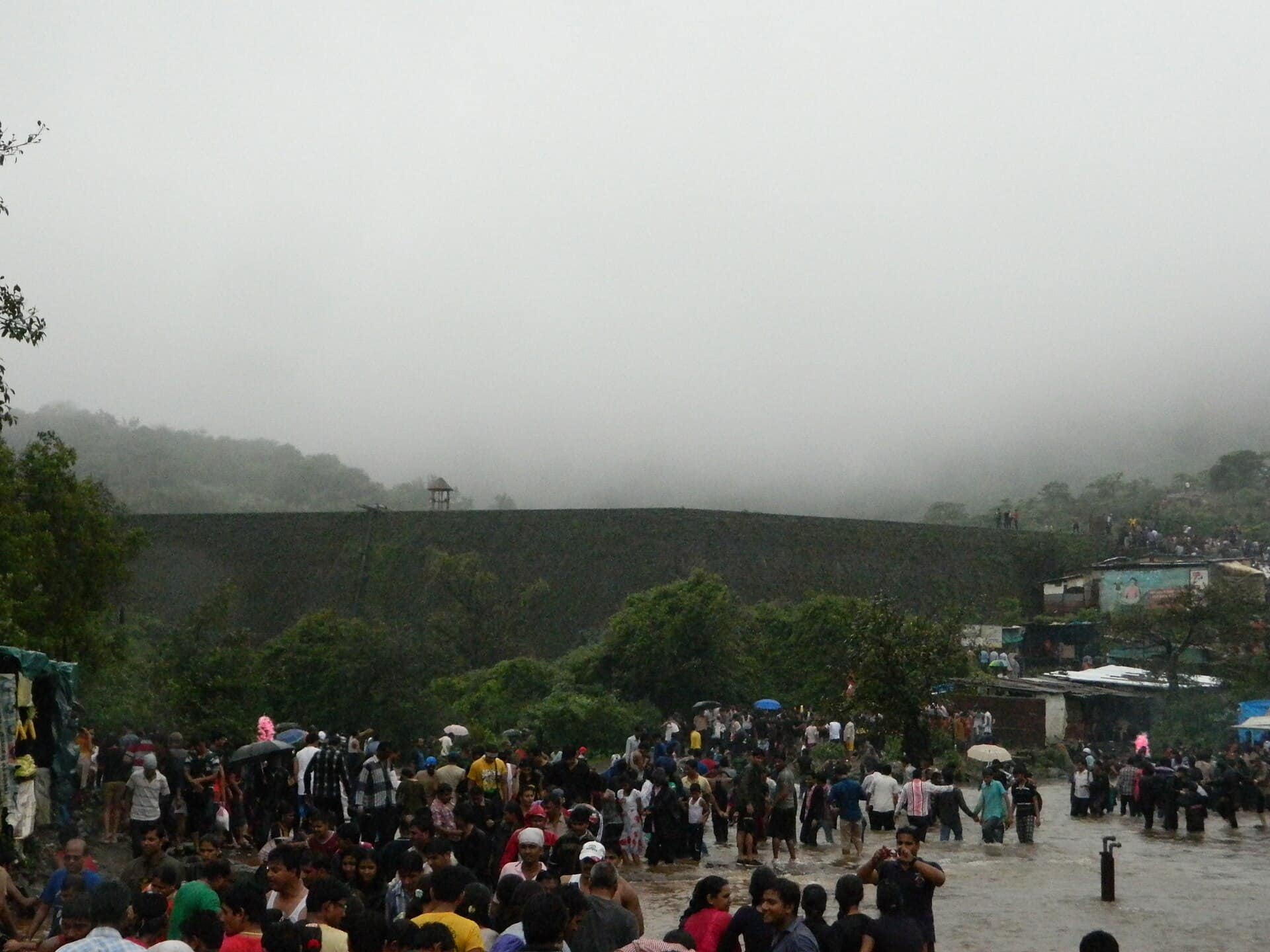
Bhushi Dam
- Best timeWeekday morning in July or August, when the water is flowing over every step and the crowds have not arrived.
- ColorsYellowWhiteTeal
 Medium crowd
Entry Nominal
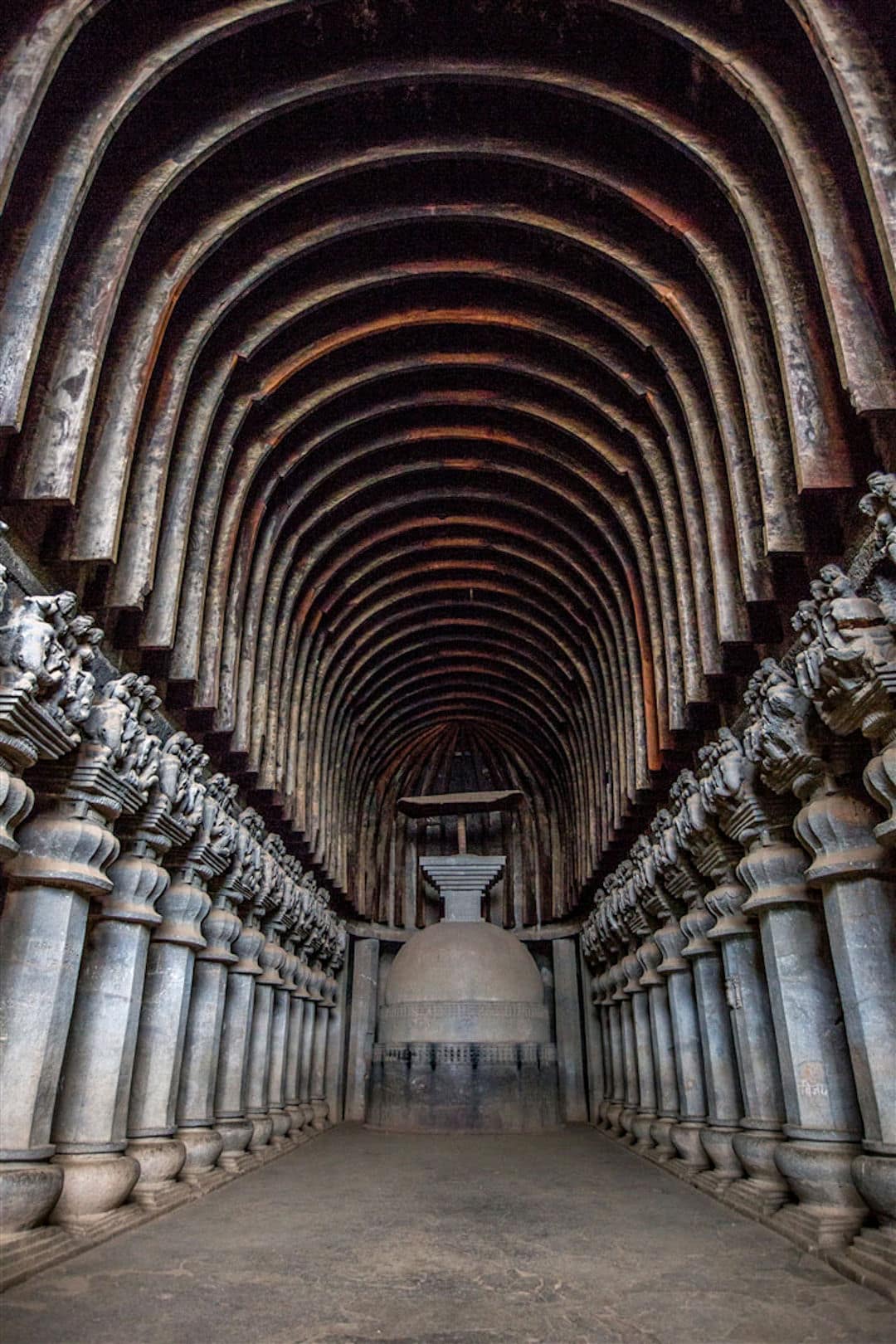
Karla Caves
- Best timeWeekday morning, before the pilgrim crowds reach the hilltop and the hall is quiet; late afternoon for softer light on the carved façade.
- ColorsRustCreamOchre
Entry Free
Lonavala Lake
- Best timeLate afternoon in the monsoon, when the lake is full and the light is soft; early morning after rain for mist over the water.
- ColorsWhiteTealRust
 Low crowd
Entry Free
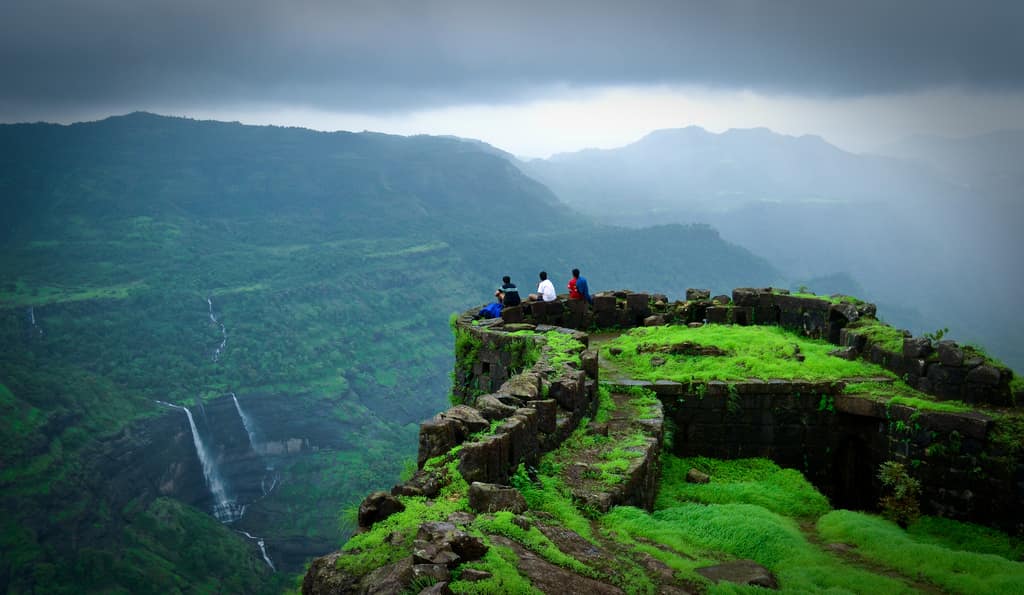
Rajmachi Fort
- Best timeEarly morning in the monsoon, when cloud drifts below the fort tops; late afternoon in winter for clear views over the Konkan.
- ColorsRustWhiteOlive
 Medium crowd
Entry Free
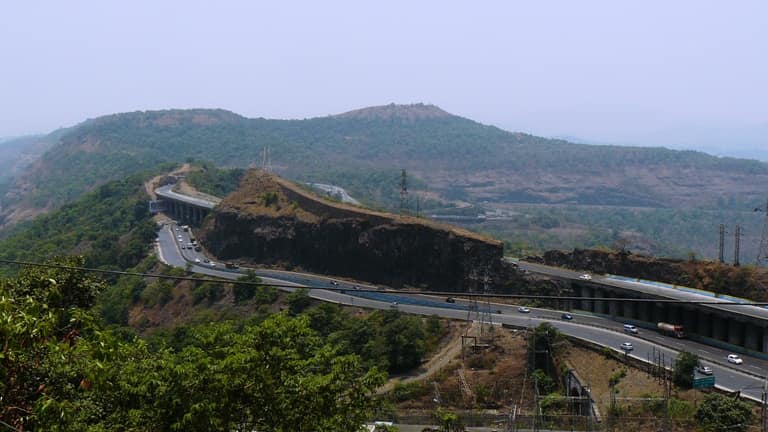
Tiger's Leap (Tiger Point)
- Best timeEarly morning after rain, when the cloud lifts off the valley in gaps; late afternoon in winter for warm light on the ridges.
- ColorsRedWhiteForest green
Water in the rains
Bhushi Dam is the picture most people come for: white water sliding down wide stone steps. It only looks like that in the monsoon, and it is packed on weekends. Shoot from the side of the steps, not from inside the flow, and stay out of the water when the orders say so. Lonavala Lake fills at the same time and gives a calmer frame of water and hills, with far fewer people.
The cliff edge
Tiger's Leap looks down more than 600 metres into the Konkan. On a clear morning you get layered ridges; in the monsoon you often get a white wall of cloud that lifts for a few seconds at a time. Wait for the gaps. Stay behind the railings and away from wet rock at the edge. Nobody's photo is worth that drop.
Inside the caves
The great hall at Karla Caves is dark, long and ribbed with ancient wood. Daylight enters only through the huge horseshoe window above the door, so the stupa at the far end stays dim. Turn off the flash, raise the ISO and brace the phone on your knee. The carved elephants and couples on the façade are best in soft light early or late in the day, and the tall lion pillar outside works as a frame for the entrance.
Forts and plateaus
Rajmachi rewards the long walk with twin fort tops above a wide plateau. In the monsoon the valley below is full of cloud and waterfalls. From mid-May to mid-June, before the rain, fireflies light up the trees after dark, but they are almost impossible to photograph well without a tripod and a long exposure.
Practical notes
Carry a dry bag, because a phone in a pocket will not survive a Lonavala downpour. Wipe the lens often. Drones need permission and are not welcome at temples or around the naval base at INS Shivaji near Bhushi. Ask before photographing pilgrims at the Ekvira temple on the Karla hill.
Questions
Lonavala — FAQ
Where is the best monsoon photo in Lonavala?
Bhushi Dam in full flow is the classic, but it is crowded. Tiger's Leap gives waterfalls and cloud over a deep valley, and Lonavala Lake is the quiet option.
Can I use a drone in Lonavala?
Not freely. The naval base INS Shivaji is right next to Bhushi Dam, and temples and ASI monuments restrict drones. Get permission before you fly anywhere near them.
Is Lonavala good for photos in winter?
For clear views, yes. The caves and the forts photograph well from November to February. The waterfalls are gone and Bhushi Dam is a dry stone wall.
Can I photograph inside Karla Caves?
Personal photos are generally fine. Keep the flash off, and ask the ASI staff before setting up a tripod, as professional kit usually needs permission.