
Maharashtra · India
Lonavala
A misty Sahyadri hill station between Mumbai and Pune — waterfalls and forts in the monsoon green, ancient caves, lakes, and the famous chikki.
Lonavala is monsoon-magic and weekend escape: Bhushi Dam cascades, Karla's rock-cut caves, trekking forts, lakes, and shops piled high with chikki and fudge.
Plan your trip
Lonavala Tour Itineraries
Timed, walkable day plans — plus the best season to go.
Where to shoot
Lonavala Photo Spots
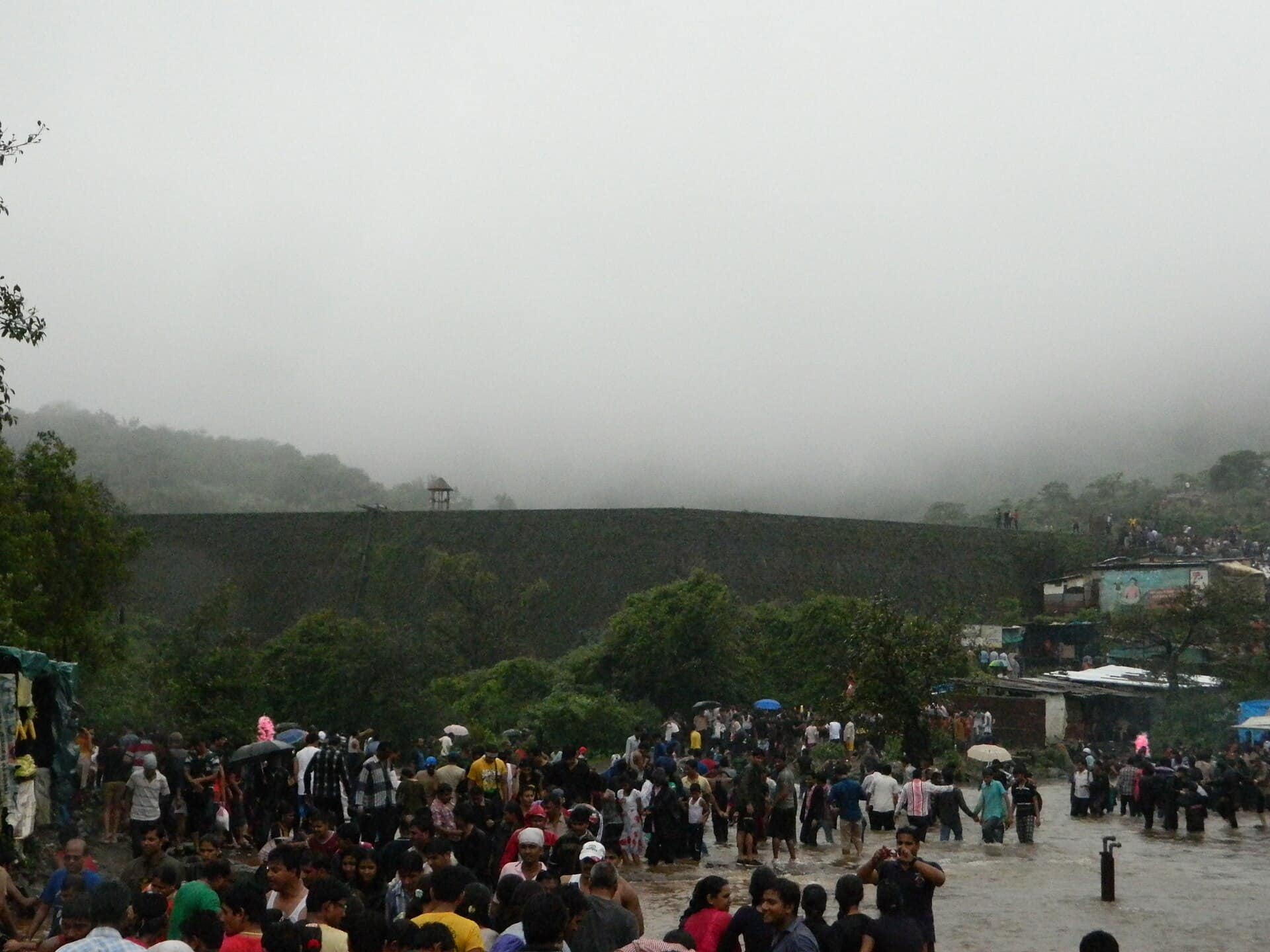 High crowd
Entry Nominal
Bhushi Dam
- Best timeWeekday morning in July or August, when the water is flowing over every step and the crowds have not arrived.
- ColorsYellowWhiteTeal
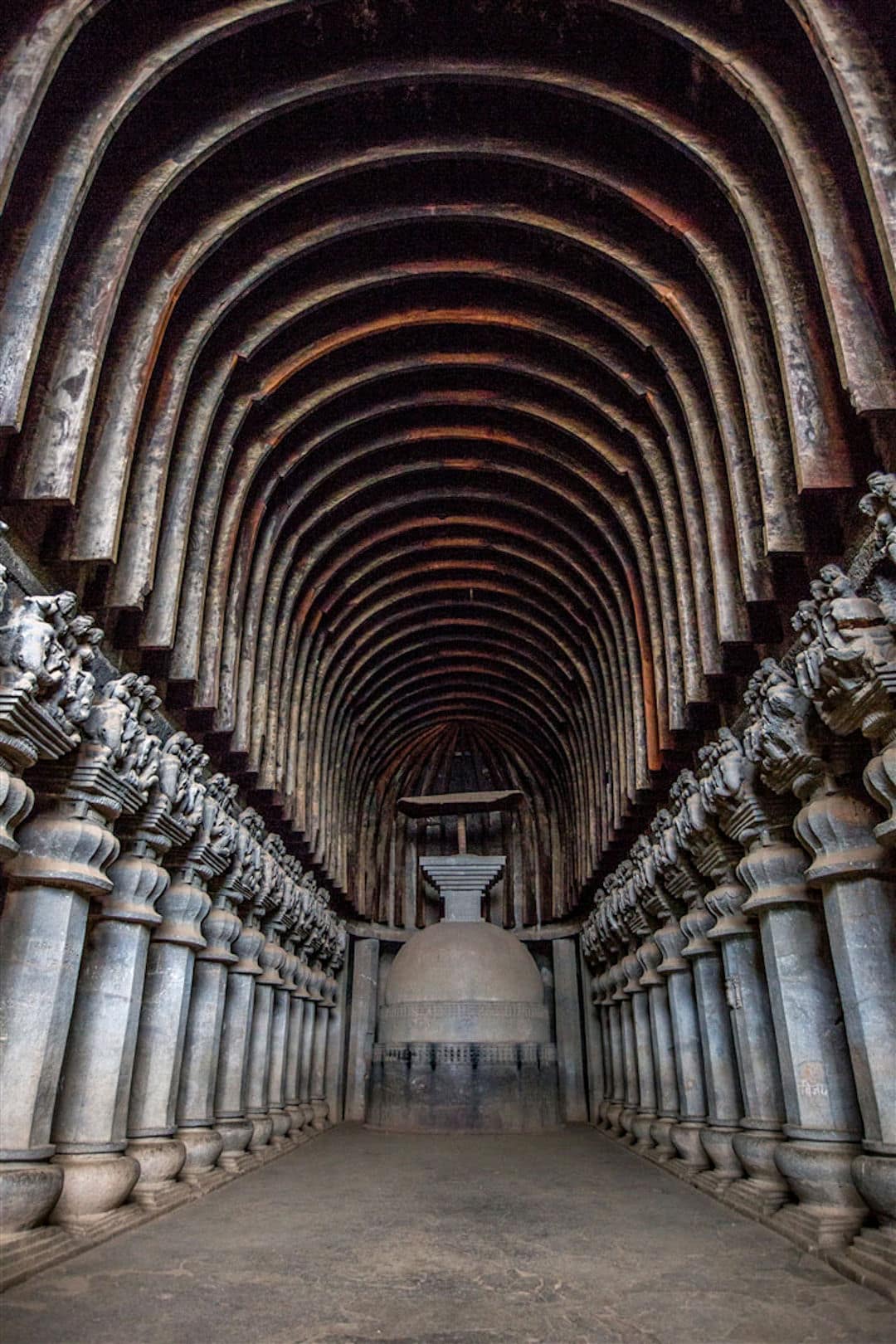 Medium crowd
Entry Nominal
Karla Caves
- Best timeWeekday morning, before the pilgrim crowds reach the hilltop and the hall is quiet; late afternoon for softer light on the carved façade.
- ColorsRustCreamOchre
Entry Free
Lonavala Lake
- Best timeLate afternoon in the monsoon, when the lake is full and the light is soft; early morning after rain for mist over the water.
- ColorsWhiteTealRust
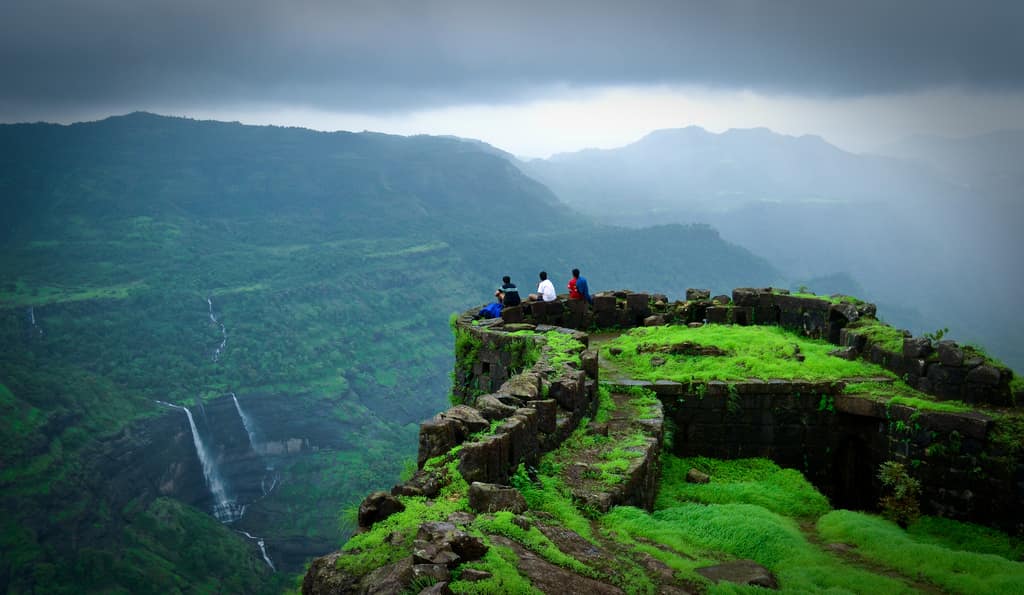 Low crowd
Entry Free
Rajmachi Fort
- Best timeEarly morning in the monsoon, when cloud drifts below the fort tops; late afternoon in winter for clear views over the Konkan.
- ColorsRustWhiteOlive
 Medium crowd
Entry Free
Tiger's Leap (Tiger Point)
- Best timeEarly morning after rain, when the cloud lifts off the valley in gaps; late afternoon in winter for warm light on the ridges.
- ColorsRedWhiteForest green
For the feed
Trending Wear in Lonavala
Modern, Instagram-friendly looks


Rooted in the city
Lonavala Traditional Wear
Local, cultural, handcrafted outfits
Taste the city
Food to Eat in Lonavala



Trusted tables
Where to Eat in Lonavala

A pass town between Mumbai and Pune
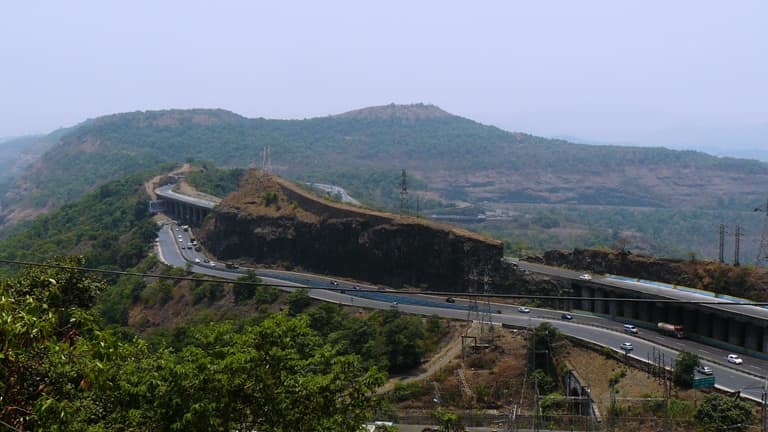
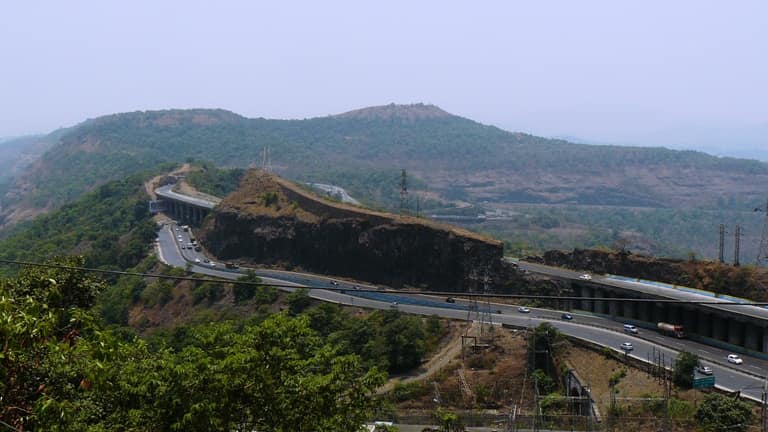
Lonavala sits at about 620 metres on the lip of the Sahyadri, right where the railway and the old Mumbai–Pune road finish their climb up the Bhor Ghat. Mumbai is about 96 km to the west and Pune about 64 km to the east, and every train between the two stops here. Khandala, its twin, lies a few kilometres further down towards the ghat. Both were laid out as hill stations in the 1870s, and they still do the same job: a short break from two big cities.
The monsoon is the main season
Most hill towns go quiet in the rains. Lonavala fills up. From June to September the cliffs turn green, waterfalls pour off every ridge and Bhushi Dam overflows down its stone steps. On weekends the old highway jams, hotels sell out and every viewpoint is busy, so come midweek if you can. The same rain makes streams rise within minutes. In heavy spells the district closes dams, viewpoints, forts and even the caves for days or weeks, then lifts the orders when the rain eases. Check the news before you drive out.
What there is to see
The sights fall into three groups. For water and views, there is Bhushi Dam, the seasonal Lonavala Lake and Tiger's Leap, a cliff with a drop of more than 600 metres into the Konkan. For history, Karla Caves lies about 11 km east and holds the largest rock-cut prayer hall of its age in India, with Bhaja Caves across the valley. For a longer day, the twin forts of Rajmachi sit on a plateau about 16 km away on foot, and Lohagad and Visapur rise above Malavali.
Chikki, vada pav and roasted corn
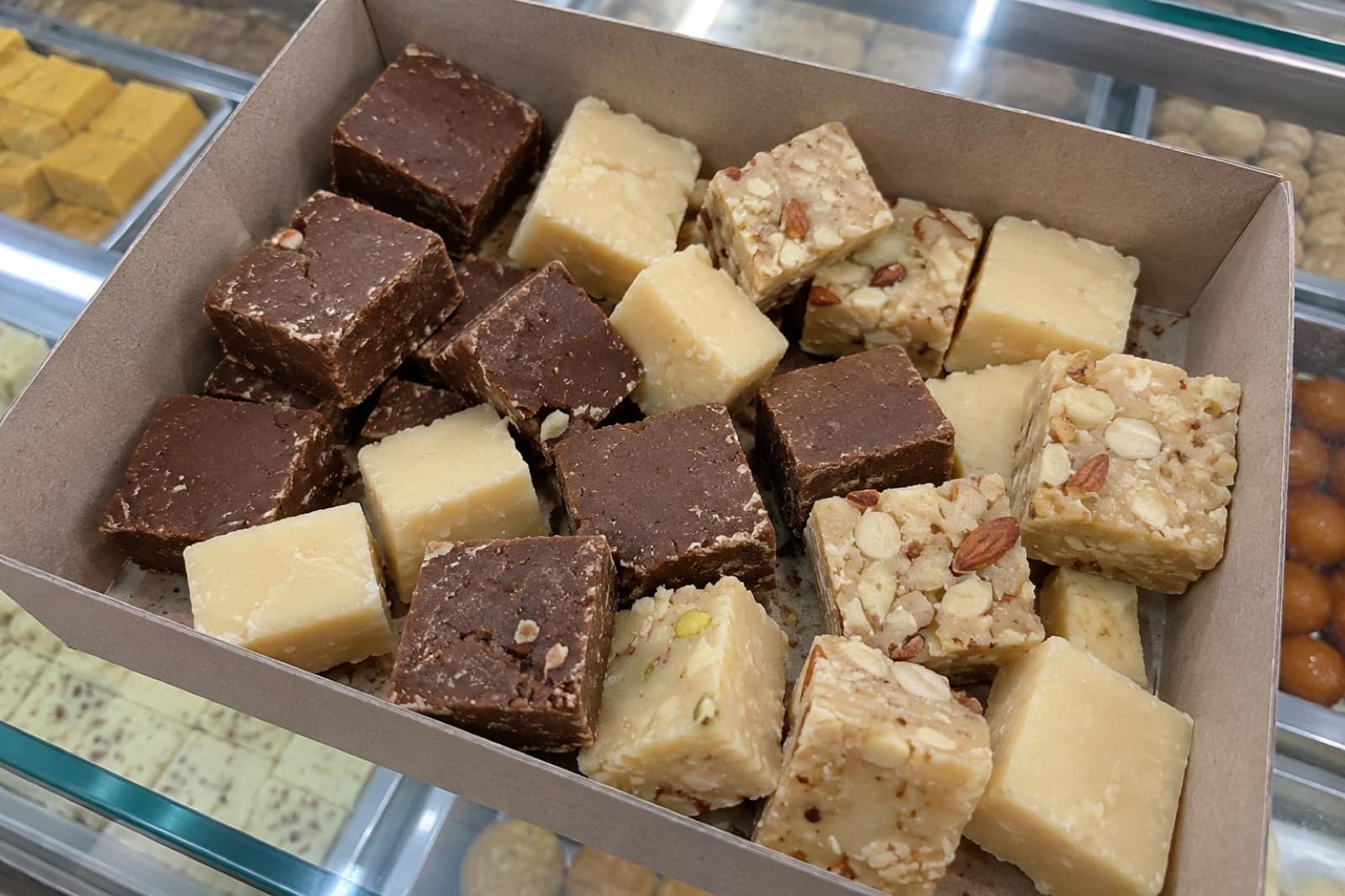
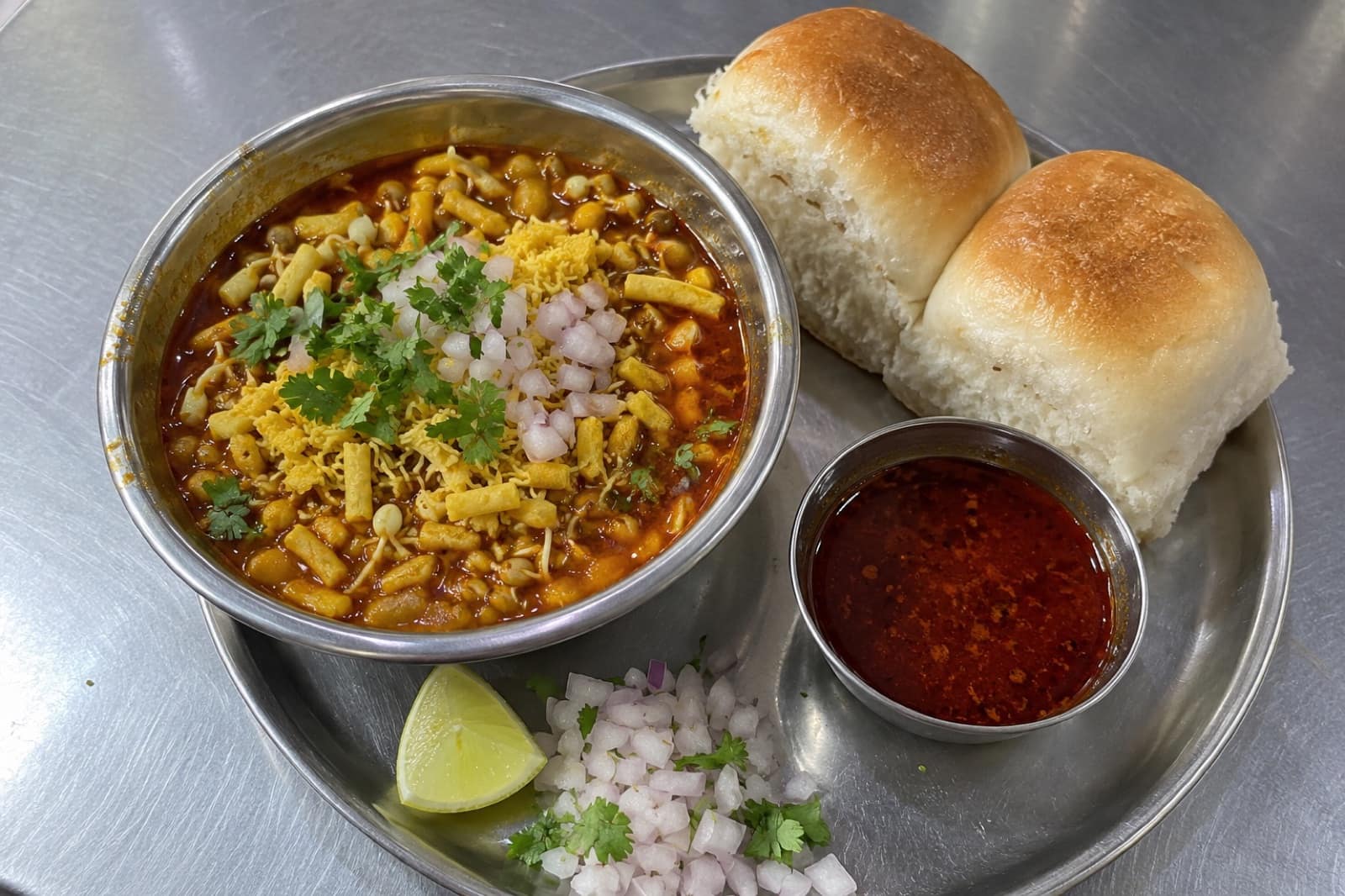
Lonavala's name travels on its chikki, a brittle bar of jaggery and nuts. The Maganlal shop outside the station traces its story to 1888 and the men who built the railway up the ghat. Add fudge from the same counters, vada pav on the highway and corn roasted over coals in the rain. The food guide covers each one.
Getting there and getting around
The train is the easiest way in: the Mumbai–Pune expresses stop here, and local trains run from Pune. By road, the expressway and the old highway both pass through town. There is no airport; Pune's is the closest. The sights are spread out, so hire an auto or a cab for the day. Karla, Tiger's Leap and Bhushi are too far apart to walk between.
How long to stay
One day covers the town, Bhushi Dam and Tiger's Leap. Two days lets you add Karla and Bhaja without rushing. Rajmachi is best as an overnight trek, with a night in the village on the plateau. The best time to visit page sets out what each season is like.
Questions
Lonavala — FAQ
Is Lonavala worth visiting outside the monsoon?
Yes, if you come for the caves, the forts and the food rather than waterfalls. From October to February the air is clear and the trails are dry. Bhushi Dam and the lake are much less impressive then, and in spring the lake can dry out completely.
Can I do Lonavala as a day trip from Mumbai or Pune?
Yes. Trains take about two and a half hours from Mumbai and one to one and a half hours from Pune. On a monsoon weekend the roads are so slow that the train is usually quicker than driving.
What is the difference between Lonavala and Khandala?
They are twin hill stations a few kilometres apart on the same ridge. Lonavala is the bigger town with the station, market and chikki shops. Khandala sits closer to the edge of the ghat and has more of the valley views.
Are waterfalls and dams closed during the monsoon?
Often, for part of it. After drownings, the Pune district administration issues orders that ban entering the water or close viewpoints, forts and caves during heavy rain. The orders are lifted when the rain eases, so check local news the day before.
Do I need a car to see Lonavala?
Not your own, but you do need transport. The main sights are several kilometres apart. Autos and cabs can be hired for the day from the station area, and Karla is reached by road towards Pune.