

Photo spot in Majuli
Auniati Satra
Majuli, Assam
One of Majuli's most influential satras, known for the 'Paalnaam' and Apsara dances and a small museum of Assamese royal artefacts, utensils and manuscripts.
Best time
Late afternoon — warm light on the prayer hall and the tank; early morning for a calm, misty courtyard.
Best angle
Stand on the far side of the tank and photograph the satra buildings with their reflection in the water and trees framing the edges.
Entry fee
Free (donation)
Opening hours
6:00 AM – 6:00 PM
Crowd level
Medium
Best outfit colors
Overview
Best time to visit Auniati Satra
Late afternoon — warm light on the prayer hall and the tank; early morning for a calm, misty courtyard. Crowds here are typically medium. Arrive a little early to claim your angle and catch the softest light before the day tips over.
Poses & angles
Photo tips for Auniati Satra
Stand on the far side of the tank and photograph the satra buildings with their reflection in the water and trees framing the edges. Work a few of the pose ideas below, shoot wide for context and tight for detail, and give yourself a couple of extra minutes to get the frame right.
At the satra entrance
By the museum
Outfit guide
What to wear at Auniati Satra
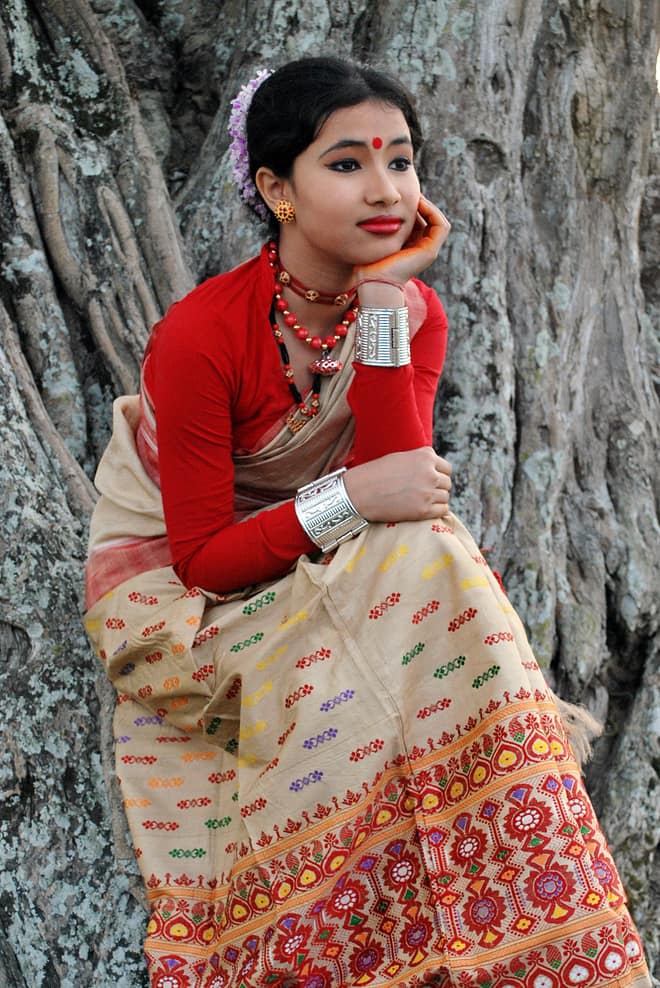
For photos at Auniati Satra, white, cream and maroon work beautifully — they stand out against the setting without fighting it. Pick one hero colour and keep the rest of the look calm so you stay the subject of the frame.
Best outfit colors for photos
Trending wear for this spot
Popular modern looks travellers are wearing across Majuli.
Traditional wear for this spot
Timeless, cultural looks that suit Auniati Satra.
Eat nearby
Food near Auniati Satra
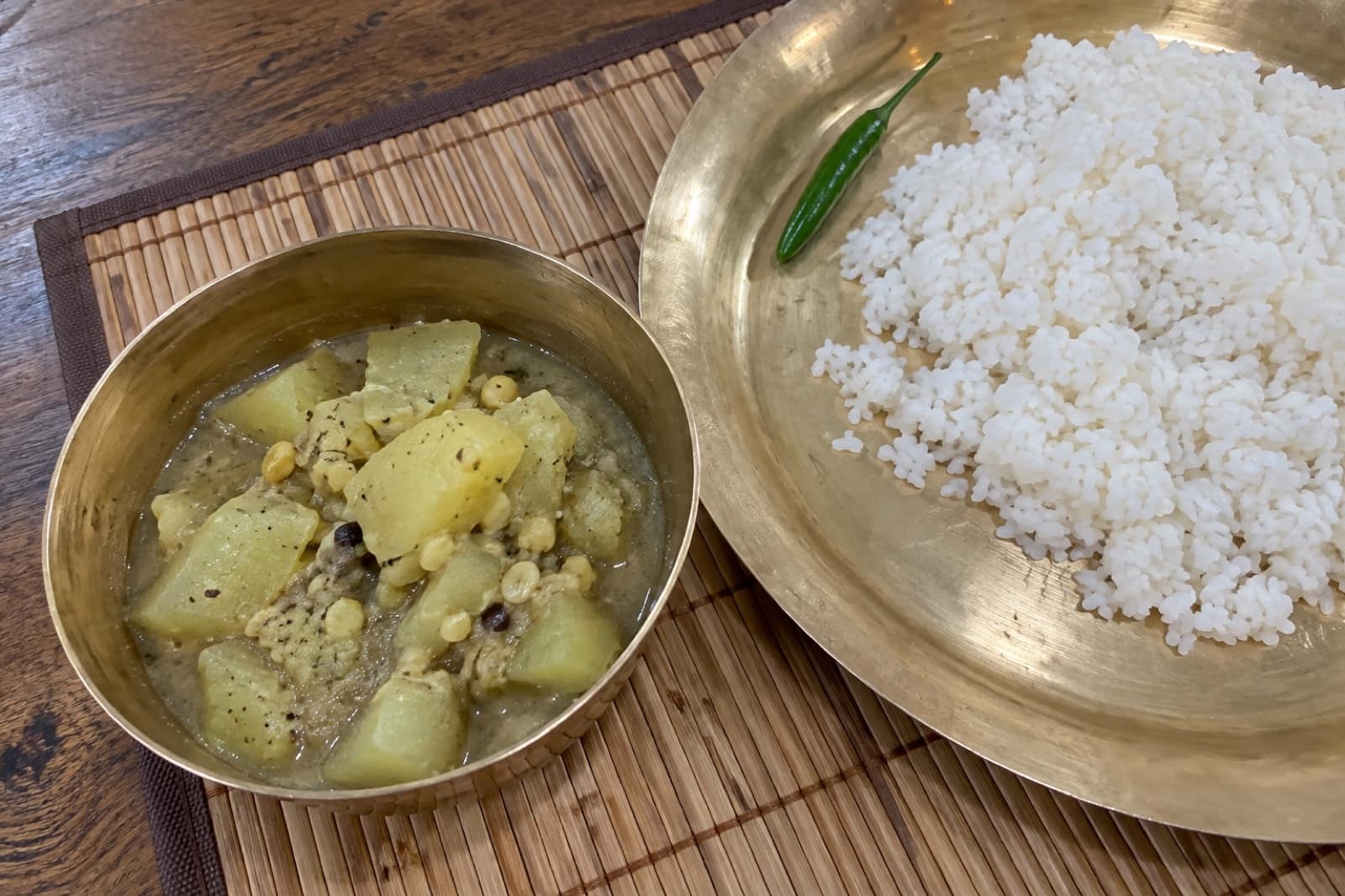
Round out the visit with something to eat. Look for khar nearby, or settle in at one of the 1 restaurants close by.
Special dishes to try
Restaurants & food places nearby
Search food by craving
Good to know
Local tips
Ask at the satra office for the museum to be opened, as hours can be irregular.
Request a monk or local guide to explain the museum objects, since labels are sparse.
Visit in the evening to hear prayers with cymbals and drums in the prayer hall.
Keep your camera away inside the museum unless you are told photos are allowed.
Dress modestly and take off your shoes before the prayer hall.
Ask locally about Paalnaam dates if you want to see the chanting festival.
Pair Auniati with Kamalabari, which is a short drive away.
One of Majuli's great satras
Auniati Satra was founded in the 1650s with the support of the Ahom king Jayadhwaj Singha, with Niranjan Pathak Dev as its first head. It became one of the most influential satras in Assam, with followers across the state. Its monks are celibate, and the satra has kept up a strong tradition of chanting, dance and scholarship.
The museum
Auniati's small museum is the main reason many visitors come. It holds old manuscripts, Ahom-era royal objects, utensils, ivory and brass work, weapons and jewellery. Labels are limited, so a monk or guide makes the visit far more interesting. Opening hours can be irregular; ask at the satra office when you arrive.
Paalnaam and Apsara dance
The satra is known for Paalnaam, a festival of continuous chanting that lasts several days, and for Apsara dance, performed by young monks in elaborate costumes. Dates follow the satra's own calendar, so ask locally if you want to plan around them.
The setting
The prayer hall stands in a large, calm courtyard with a tank and trees. Monks' houses line the sides. Evenings are especially peaceful, with prayers and the sound of cymbals and drums.
Visiting
Entry to the satra is free; the museum may charge a small fee. Dress modestly and remove your shoes before the prayer hall. Photography inside the museum is usually not allowed. Ask before photographing monks. Some satras restrict women's entry to the prayer hall and sanctum; ask a monk and follow their guidance.
Getting there
Auniati is on the island's south side, a short drive from Kamalabari and the ferry landing. It combines easily with Kamalabari in a half day.
Questions
Auniati Satra — FAQ
What is the best time to visit Auniati Satra?
Late afternoon — warm light on the prayer hall and the tank; early morning for a calm, misty courtyard. Stand on the far side of the tank and photograph the satra buildings with their reflection in the water and trees framing the edges.
Is there an entry fee at Auniati Satra?
Entry to Auniati Satra is free (donation).
What are the opening hours of Auniati Satra?
Auniati Satra is open 6:00 AM – 6:00 PM.
What should I wear at Auniati Satra?
White, cream and maroon photograph especially well here. Explore the trending and traditional outfit ideas on this page for full looks.
How crowded does Auniati Satra get?
Crowd levels are typically medium. To miss the busiest window: late afternoon — warm light on the prayer hall and the tank; early morning for a calm, misty courtyard.
What food should I try near Auniati Satra?
Try khar, available at nearby restaurants.
When was Auniati Satra founded?
In the 1650s, with the support of the Ahom king Jayadhwaj Singha. Niranjan Pathak Dev was its first head.
What is in the Auniati museum?
Old manuscripts, Ahom royal objects, utensils, weapons, ivory and brass work, and jewellery. It is small but gives a good sense of the satra's history and royal links.
What is Paalnaam?
Paalnaam is a festival of continuous devotional chanting held over several days. At Auniati it is one of the major events of the year.
Can I stay at Auniati Satra?
Some satras offer basic guest rooms. Ask in advance through your guesthouse or at the satra office, and follow the satra's rules on food and timings.