
Assam · India
Majuli
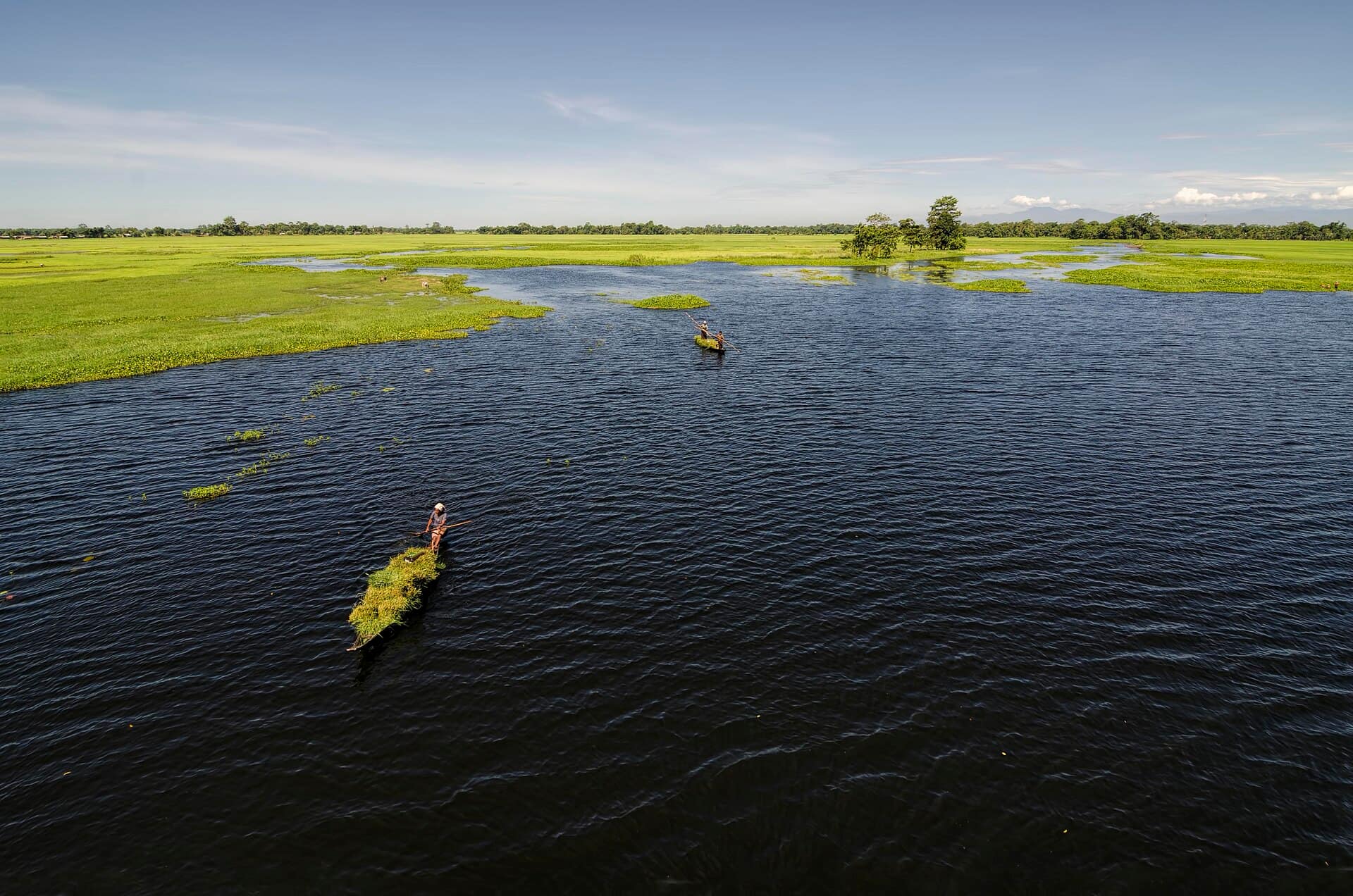
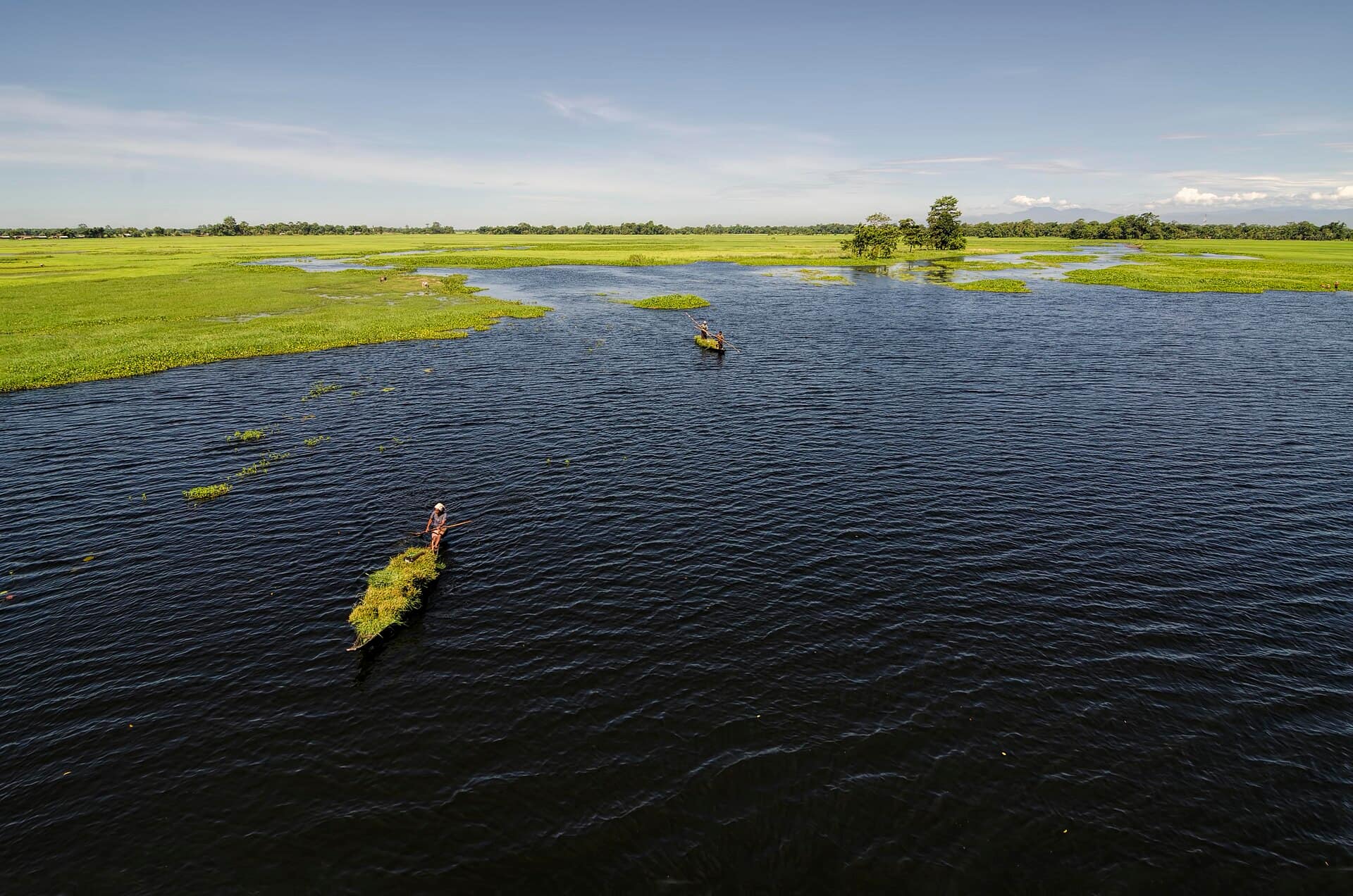
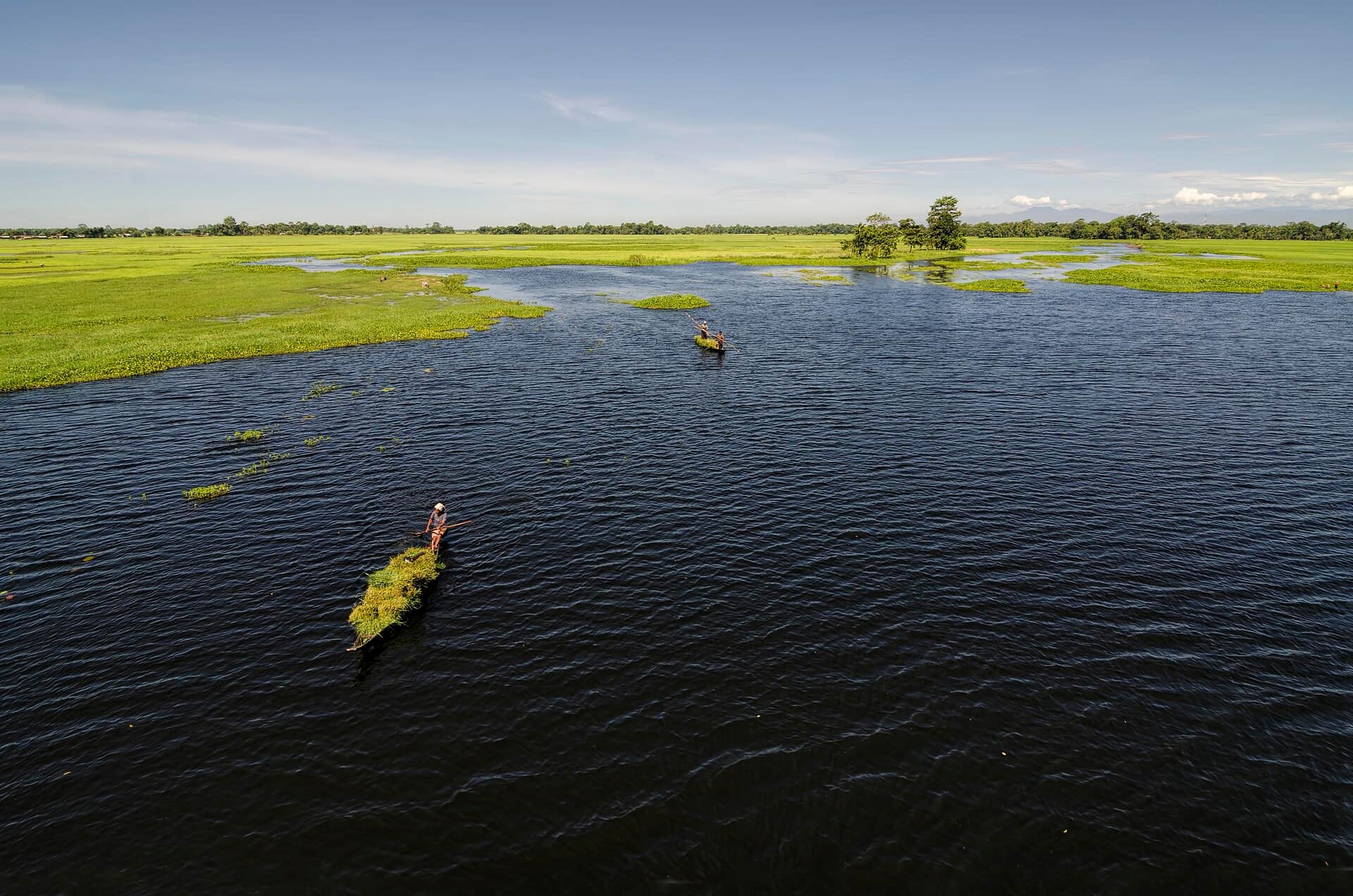
The world's largest river island, a serene expanse of paddy, wetlands and Vaishnavite monasteries in the Brahmaputra — the cultural cradle of Assam's neo-Vaishnavite satras and Mishing tribal life.
Majuli is river-island Assam: the centuries-old satras of dance, chanting and mask-making, ferry crossings over the Brahmaputra, Mishing stilt villages, migratory birds, and Assamese food.
Plan your trip
Majuli Tour Itineraries
Timed, walkable day plans — plus the best season to go.
Where to shoot
Majuli Photo Spots
 Medium crowd
Entry Free (donation)
Auniati Satra
- Best timeLate afternoon — warm light on the prayer hall and the tank; early morning for a calm, misty courtyard.
- ColorsWhiteCreamMaroon
 Medium crowd
Entry Ferry ticket
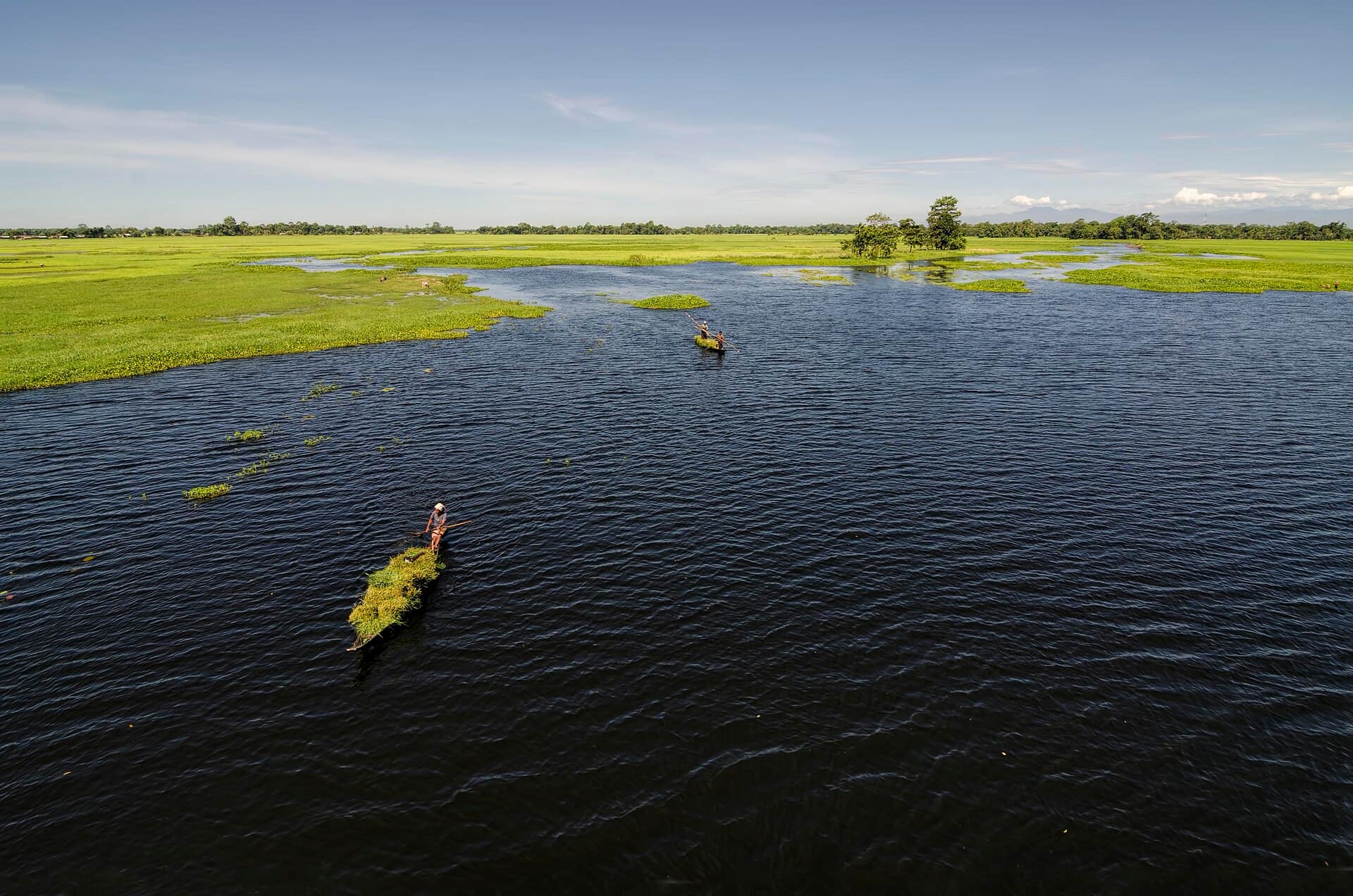
Brahmaputra Ferry
- Best timeMorning — soft light and mist over the river; late afternoon for golden light on the sandbanks from the last boats.
- ColorsTealCreamRust
 Medium crowd
Entry Free (donation)
Kamalabari Satra
- Best timeEarly morning — soft light in the courtyard and monks heading to prayer; late afternoon for warm light on the prayer hall.
- ColorsWhiteCreamSaffron
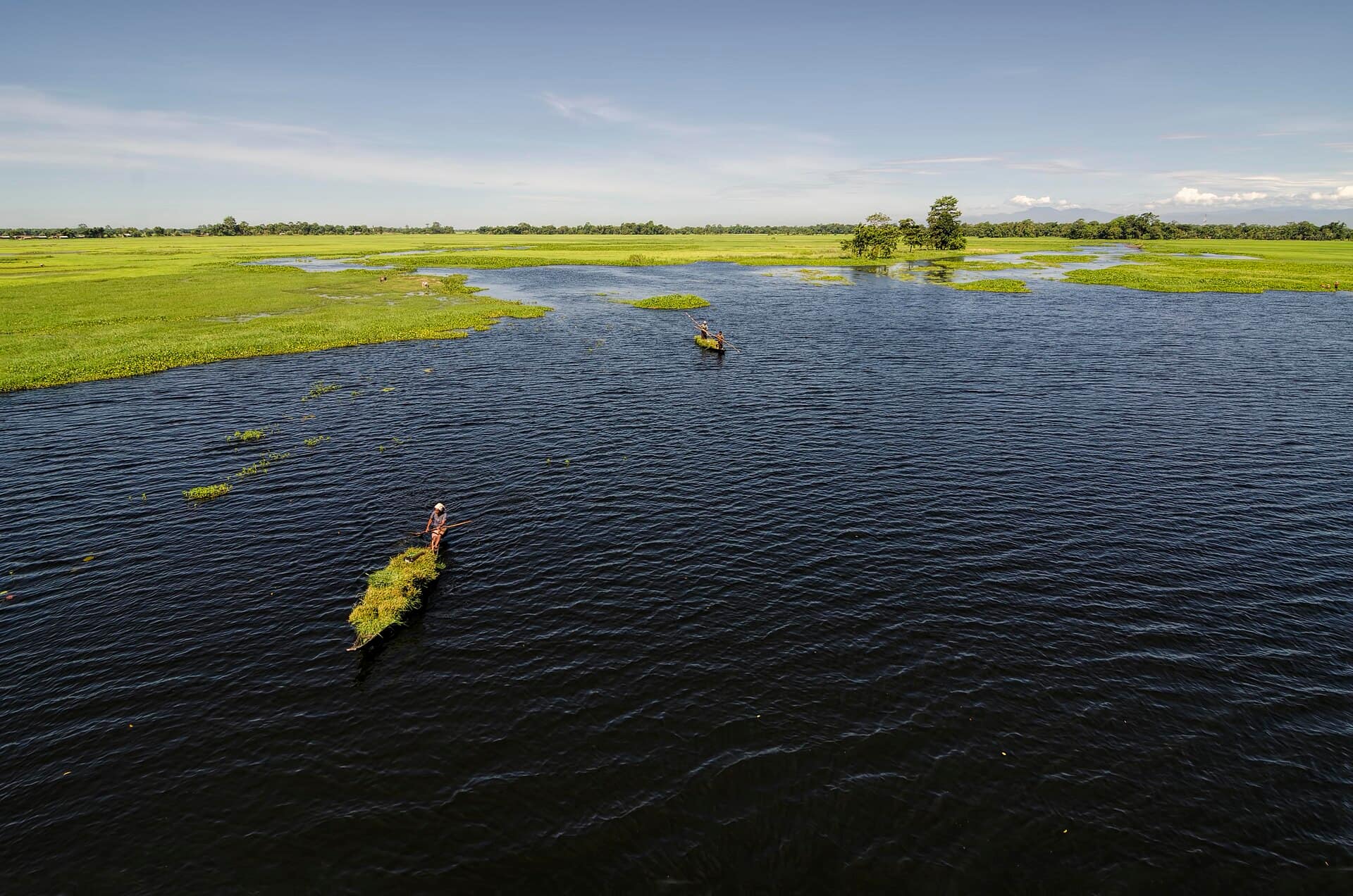 Low crowd
Entry Free
Mishing Village
- Best timeGolden hour in the evening — warm light on the bamboo houses and paddy; early morning for mist over the fields.
- ColorsRustCreamForest green
 Medium crowd
Entry Free (donation)
Samaguri Satra
- Best timeLate morning — artisans at work in good daylight; afternoon for softer light on the finished masks in the display room.
- ColorsSaffronRedCream
For the feed
Trending Wear in Majuli
Modern, Instagram-friendly looks
Rooted in the city
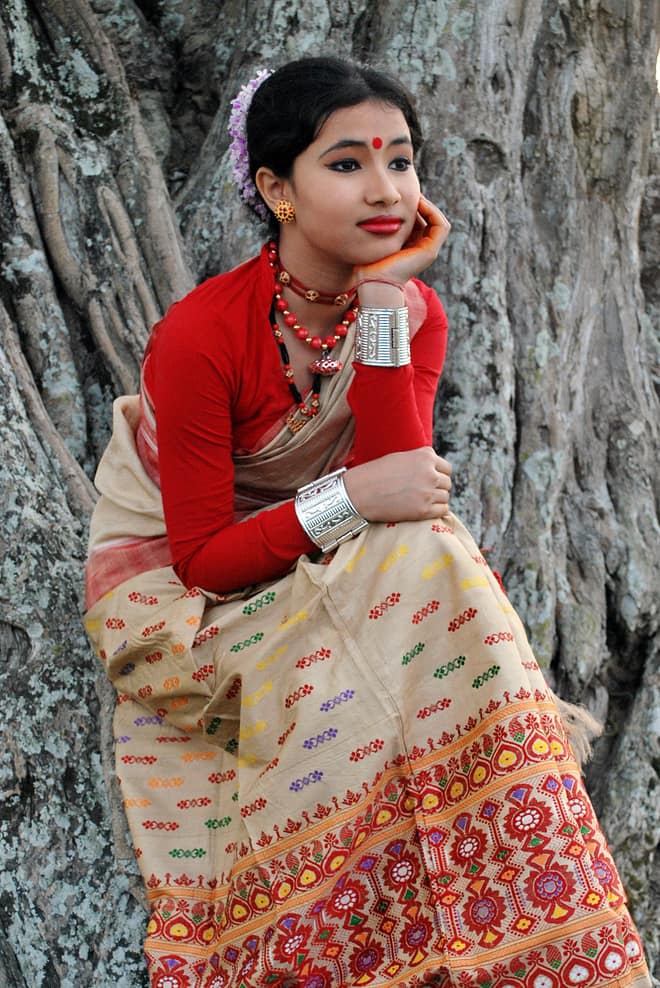
Majuli Traditional Wear
Local, cultural, handcrafted outfits
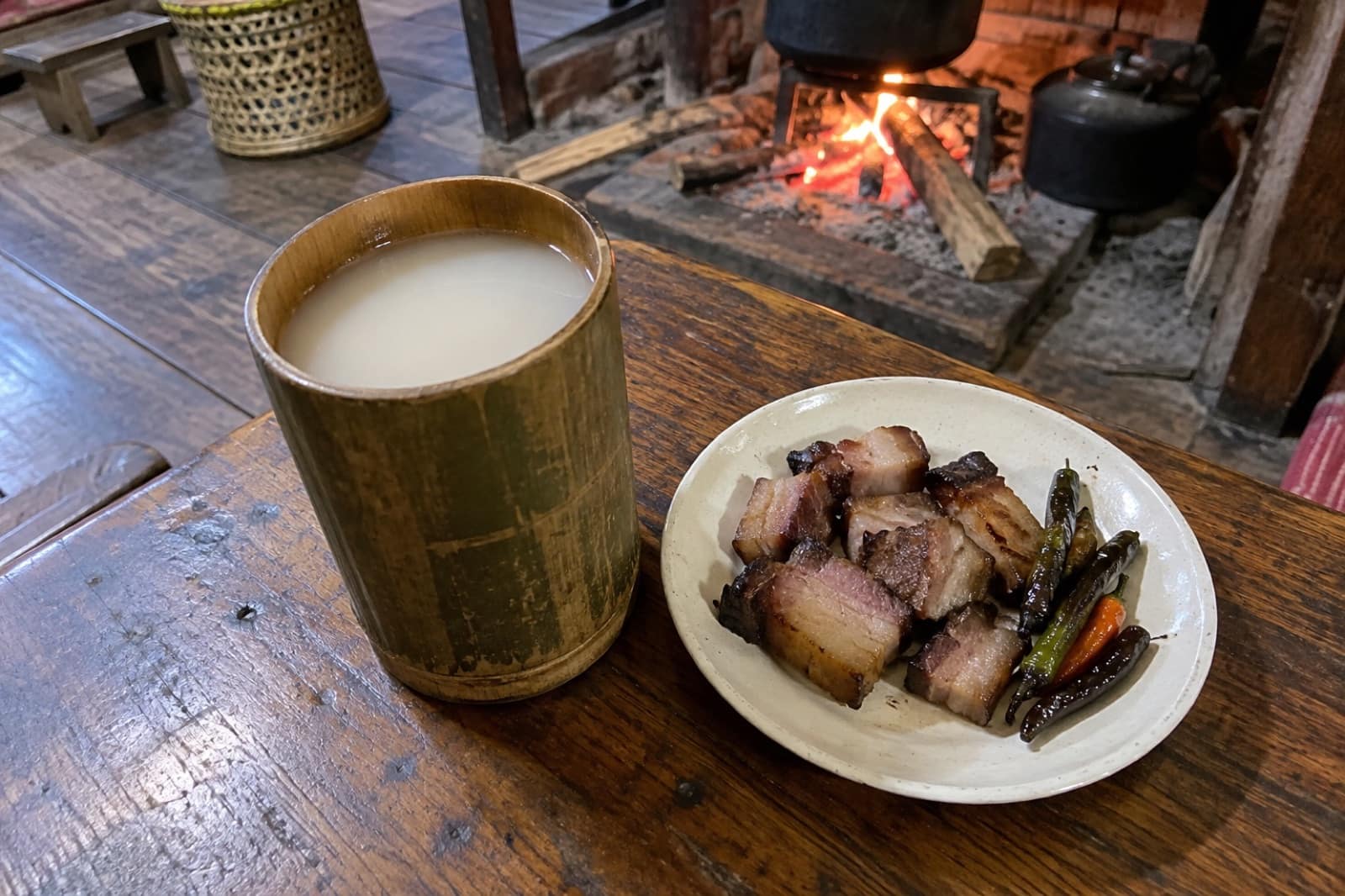
Taste the city
Food to Eat in Majuli
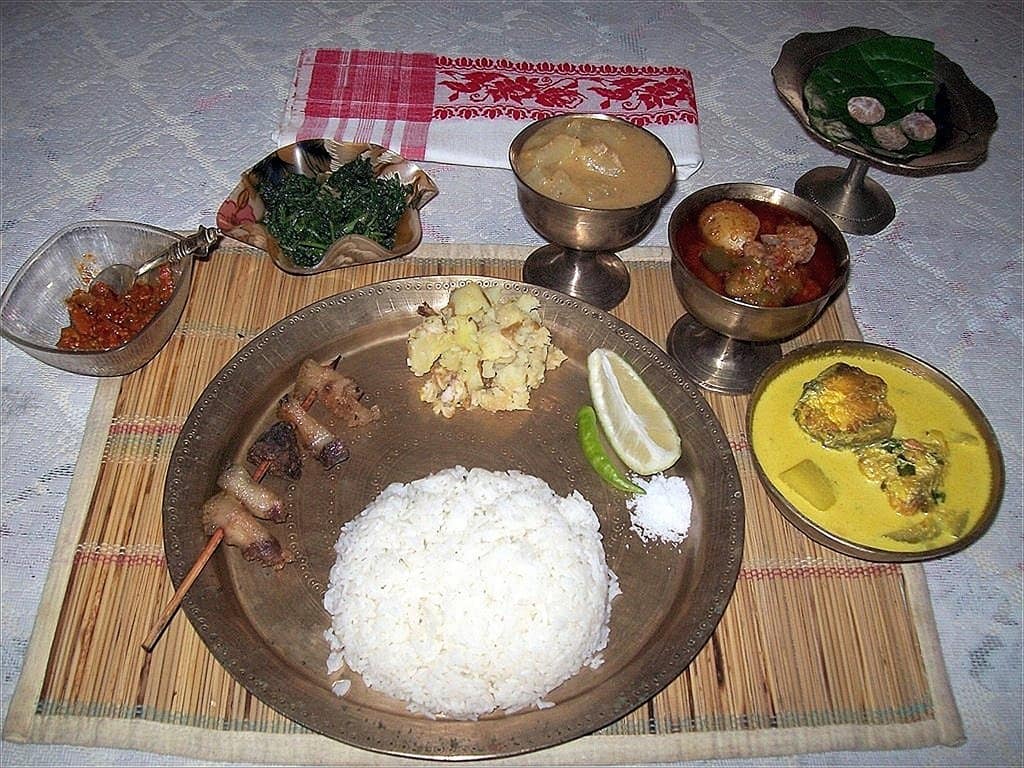
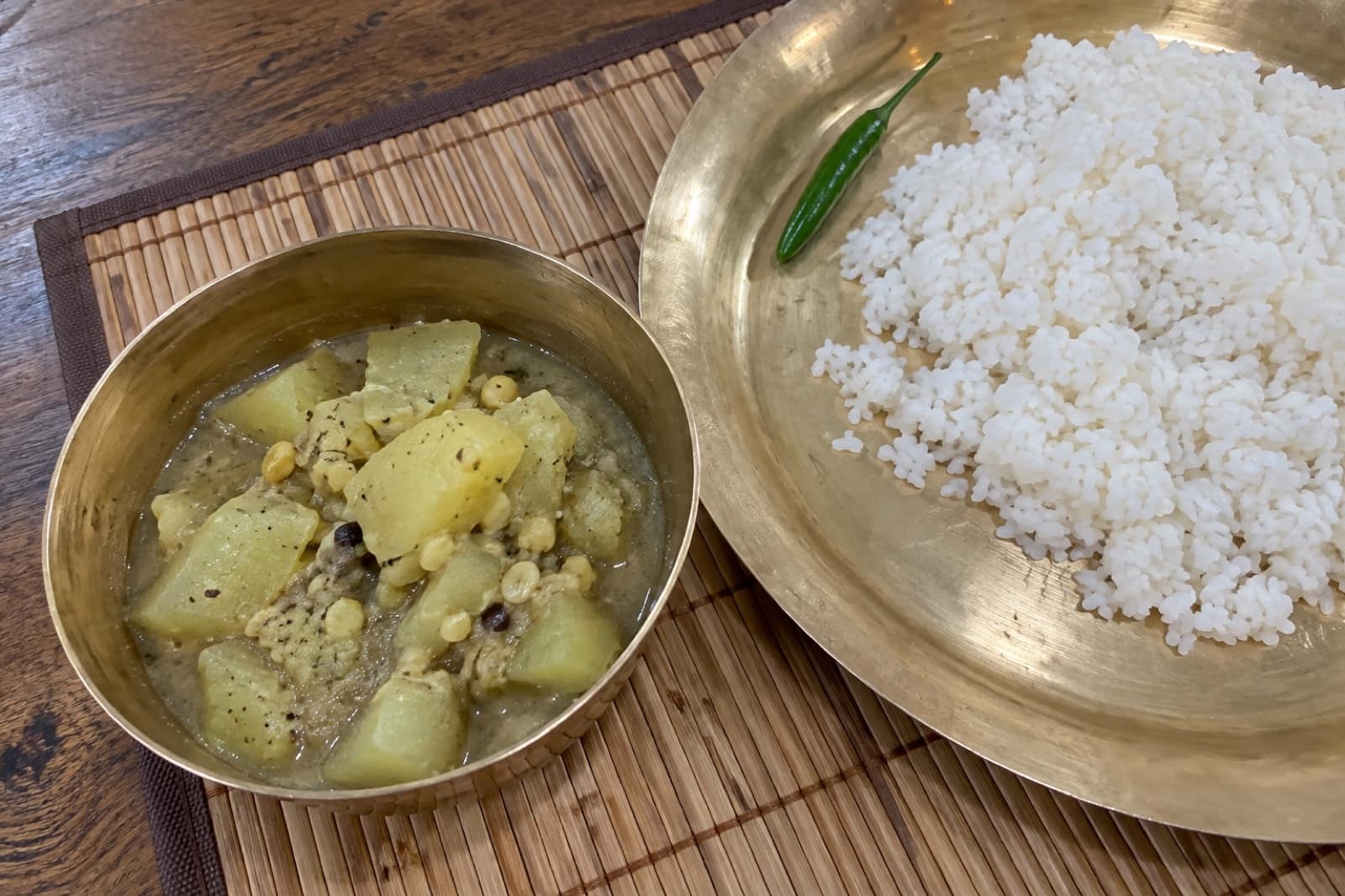
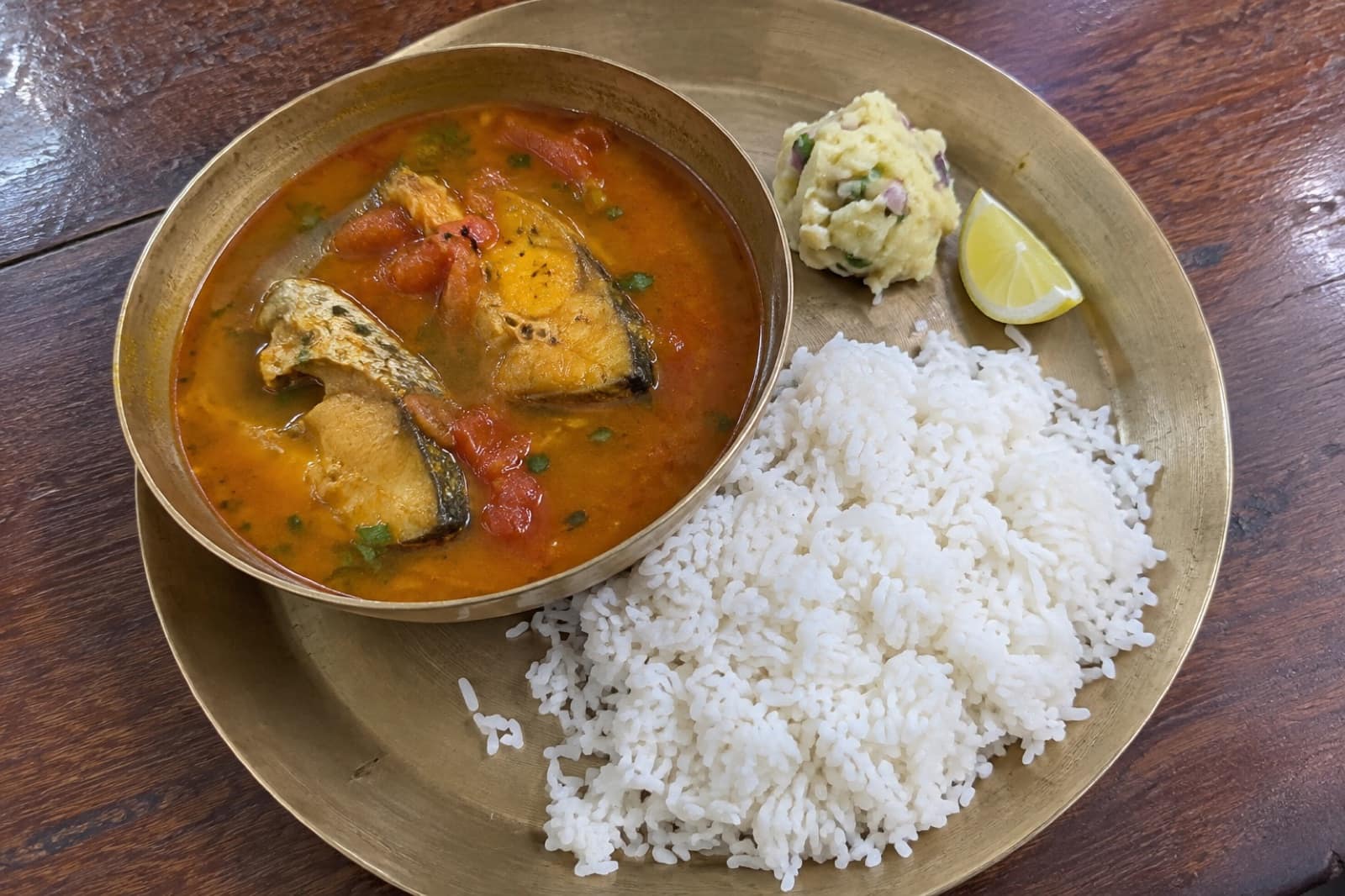
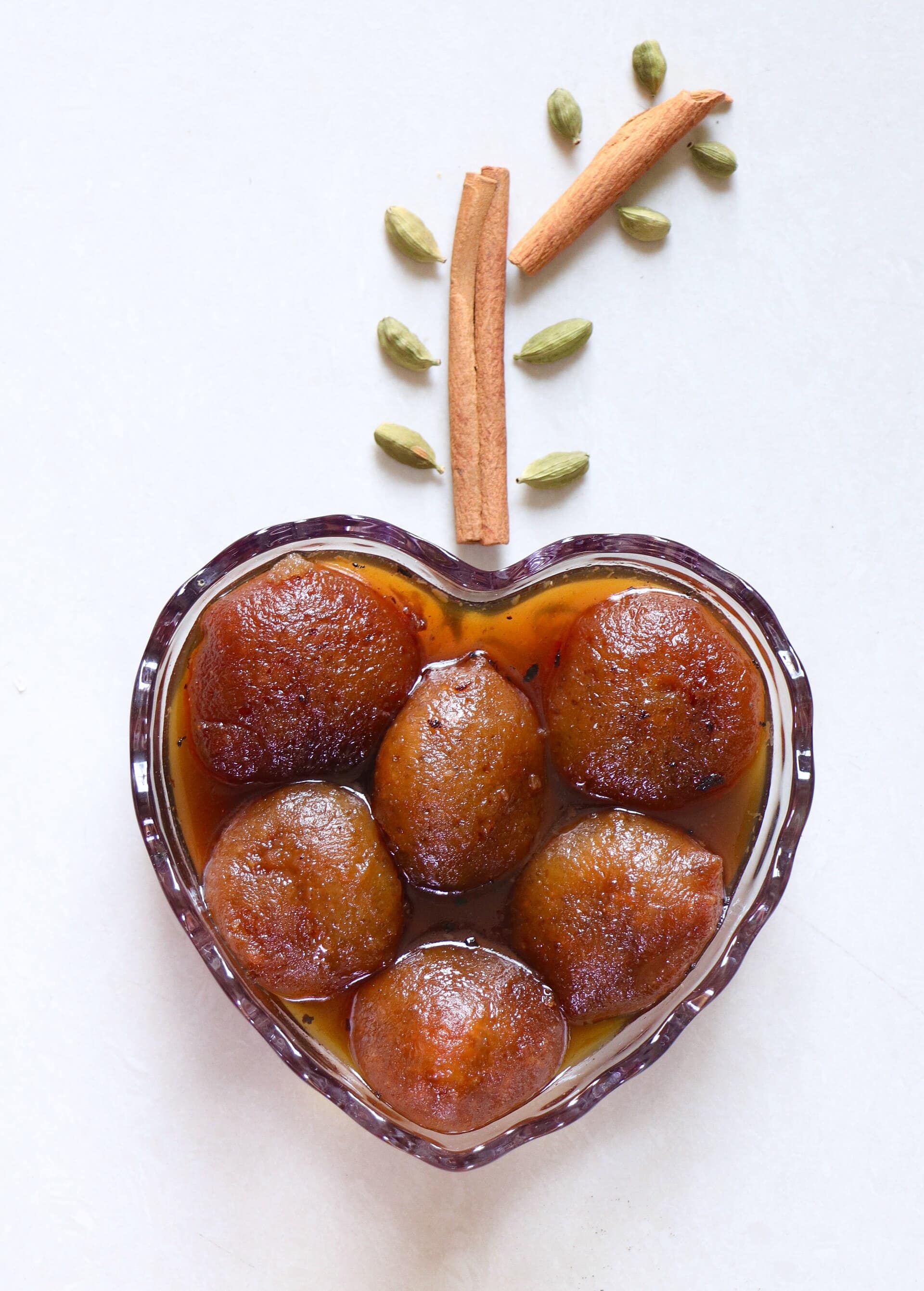
Trusted tables
Where to Eat in Majuli
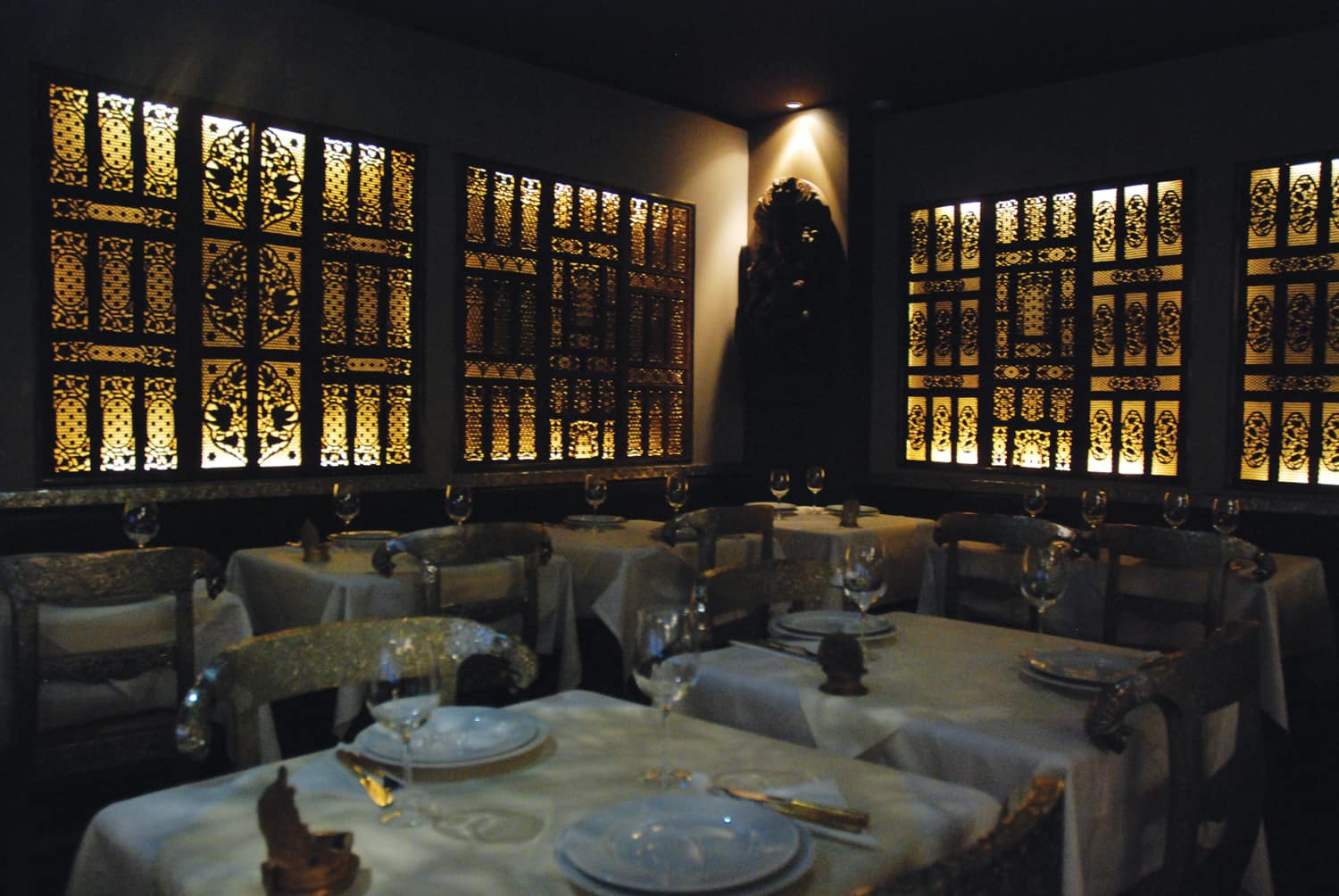 Representative photo
Garamur Dhaba
Garamur
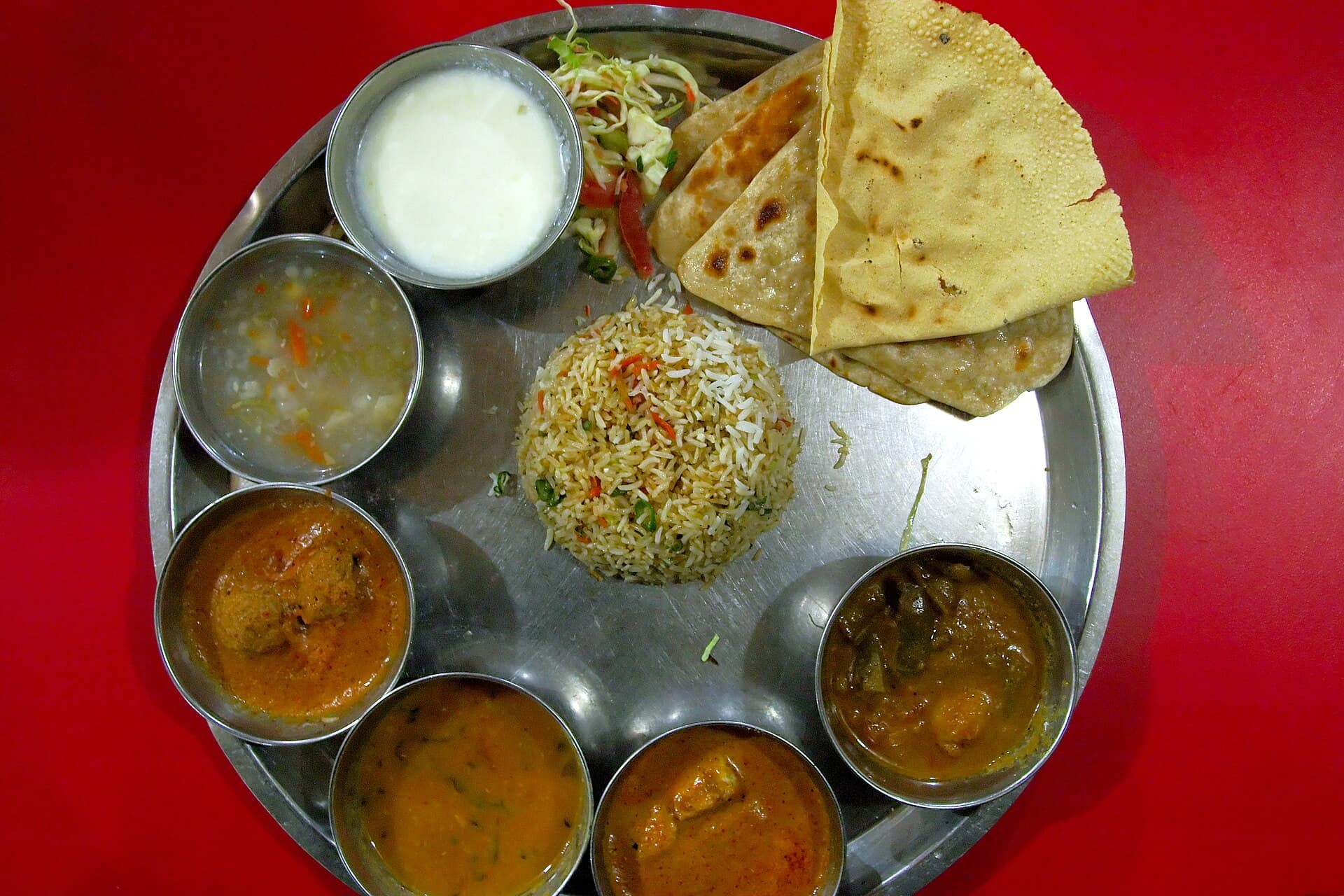 Representative photo
La Maison de Ananda
Garamur
Representative photoMajuli Kitchen
Kamalabari
Representative photoRisong Mishing Kitchen
Mishing village
An island of monasteries and paddy
Majuli sits in the middle of the Brahmaputra, opposite Jorhat, and is often described as the largest river island in the world. It is flat, green and slow: rice fields, wetlands full of birds, bamboo villages on stilts and long, empty roads. It is also the heart of Assamese Vaishnavism. The satras, monasteries founded in the tradition of the saint Srimanta Sankardev, have kept alive dance, music, theatre and mask-making here for centuries.
Getting there
There is no bridge yet. Most visitors take the ferry from Nimati Ghat, about 15 km from Jorhat, to the Kamalabari side of the island. The crossing takes about an hour and runs several times a day, from early morning to mid-afternoon. Larger boats carry cars and motorbikes. Timings change with the water level and the season, so check them the day before. A bridge between Jorhat and Majuli is under construction but has been delayed; plan on the ferry. The ferry guide has more detail.
The satras
More than twenty satras remain on the island. Kamalabari is known for Sattriya dance, Auniati for its museum of old manuscripts and royal objects, and Samaguri for the painted masks used in Bhaona theatre. Visitors are welcome, but these are homes and places of worship. Dress modestly, take off your shoes and ask before photographing monks.
Village life
The Mishing people, who live along the island's rivers, build their homes on bamboo stilts to stay above the floods. A night in a Mishing homestay is the best way to see handloom weaving, eat village food and try apong, the local rice beer. Hire a bicycle or scooter in Garamur and ride between villages; the roads are quiet and the island is best seen slowly.
When to come
October to March is the time to visit. The monsoon from June to September floods large parts of the island, and ferries can be disrupted. Winter mornings are foggy on the river. The Raas Mahotsav, a festival of theatre and dance in the satras, falls around the full moon in November and is the busiest time of year.
A shrinking island
Erosion has taken a large part of Majuli over the last century. Embankments and bank protection are slowing it, but you will see the effects along the shore.
Questions
Majuli — FAQ
How many days do I need in Majuli?
Two nights is ideal. One day for the satras around Kamalabari and Garamur, and one day for a Mishing village, cycling and the wetlands. A day trip from Jorhat is possible but rushed, because of the ferry times.
Where should I stay in Majuli?
Garamur and Kamalabari have most of the guesthouses and bamboo cottages and are close to the main satras. For village life, stay in a Mishing homestay; some satras also offer simple guest rooms.
How do I get around Majuli?
Hire a bicycle or scooter in Garamur, or arrange a car with your guesthouse. Shared vehicles meet the ferry at the ghat. Distances are modest, but public transport between satras is limited.
Is there an ATM in Majuli?
There are a few ATMs around Garamur and Kamalabari, but they can run out of cash. Bring enough from Jorhat for your stay, as not every homestay takes cards.
Is the Jorhat–Majuli bridge open?
Not yet. Construction has been delayed and was due to restart in late 2025. For now the ferry from Nimati Ghat is the main way onto the island.