
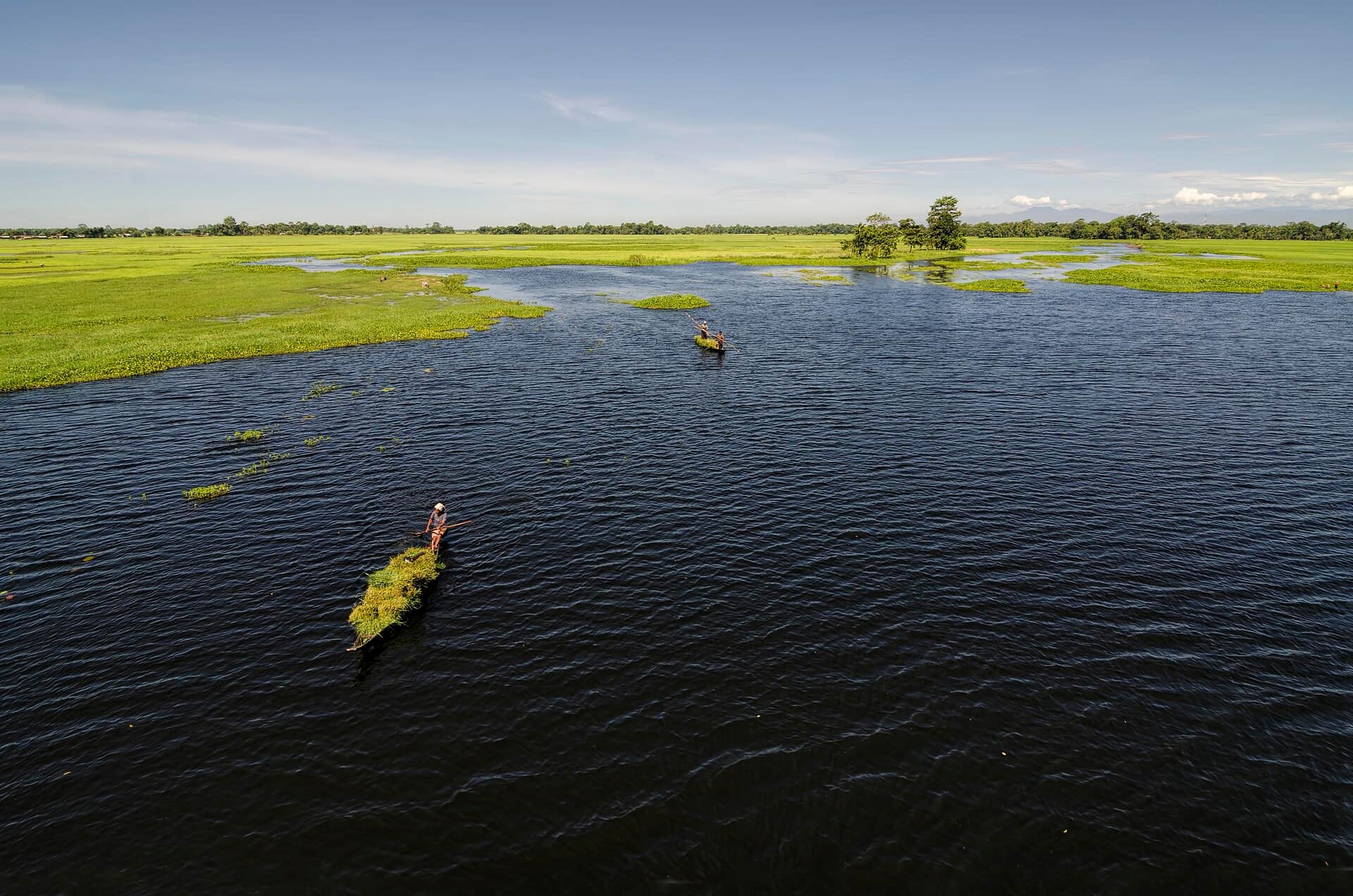
Photo spot in Majuli
Kamalabari Satra
Majuli, Assam
A major Vaishnavite satra (monastery), a centre of art, literature and classical Sattriya dance in quiet grounds.
Best time
Early morning — soft light in the courtyard and monks heading to prayer; late afternoon for warm light on the prayer hall.
Best angle
Stand at the edge of the courtyard and take a wide photo of the long prayer hall with the trees on either side, keeping people small in the frame.
Entry fee
Free (donation)
Opening hours
6:00 AM – 6:00 PM
Crowd level
Medium
Best outfit colors
Overview
Best time to visit Kamalabari Satra
Early morning — soft light in the courtyard and monks heading to prayer; late afternoon for warm light on the prayer hall. Crowds here are typically medium. Arrive a little early to claim your angle and catch the softest light before the day tips over.
Poses & angles
Photo tips for Kamalabari Satra
Stand at the edge of the courtyard and take a wide photo of the long prayer hall with the trees on either side, keeping people small in the frame. Work a few of the pose ideas below, shoot wide for context and tight for detail, and give yourself a couple of extra minutes to get the frame right.
By the namghar
In the monastery courtyard
Outfit guide
What to wear at Kamalabari Satra
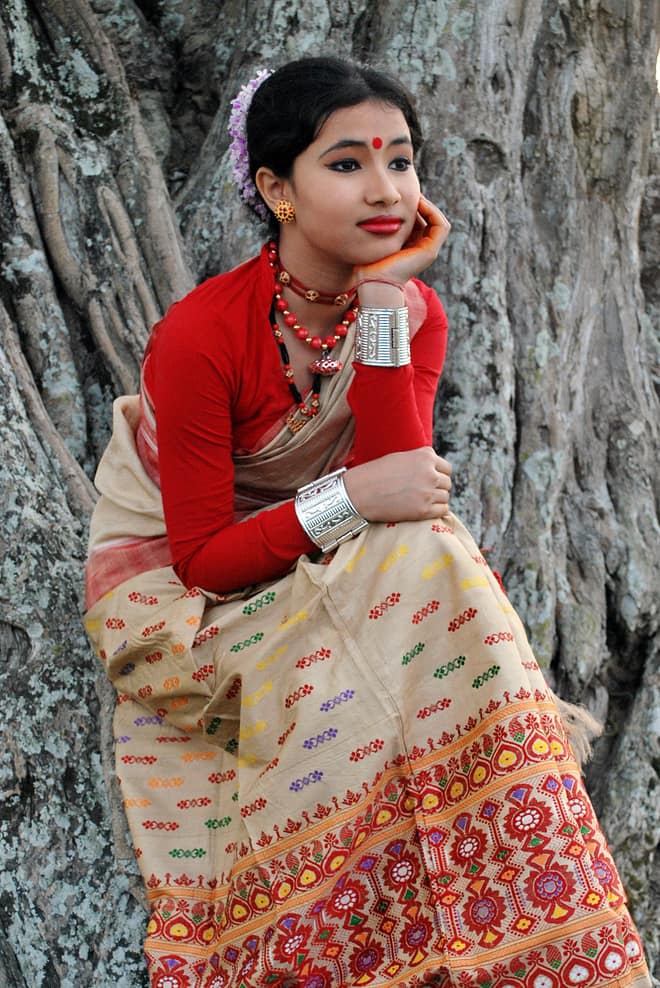
For photos at Kamalabari Satra, white, cream and saffron work beautifully — they stand out against the setting without fighting it. Pick one hero colour and keep the rest of the look calm so you stay the subject of the frame.
Best outfit colors for photos
Trending wear for this spot
Modern, camera-ready looks picked for Kamalabari Satra.
Traditional wear for this spot
Timeless, cultural outfits worn across Majuli.
Eat nearby
Food near Kamalabari Satra
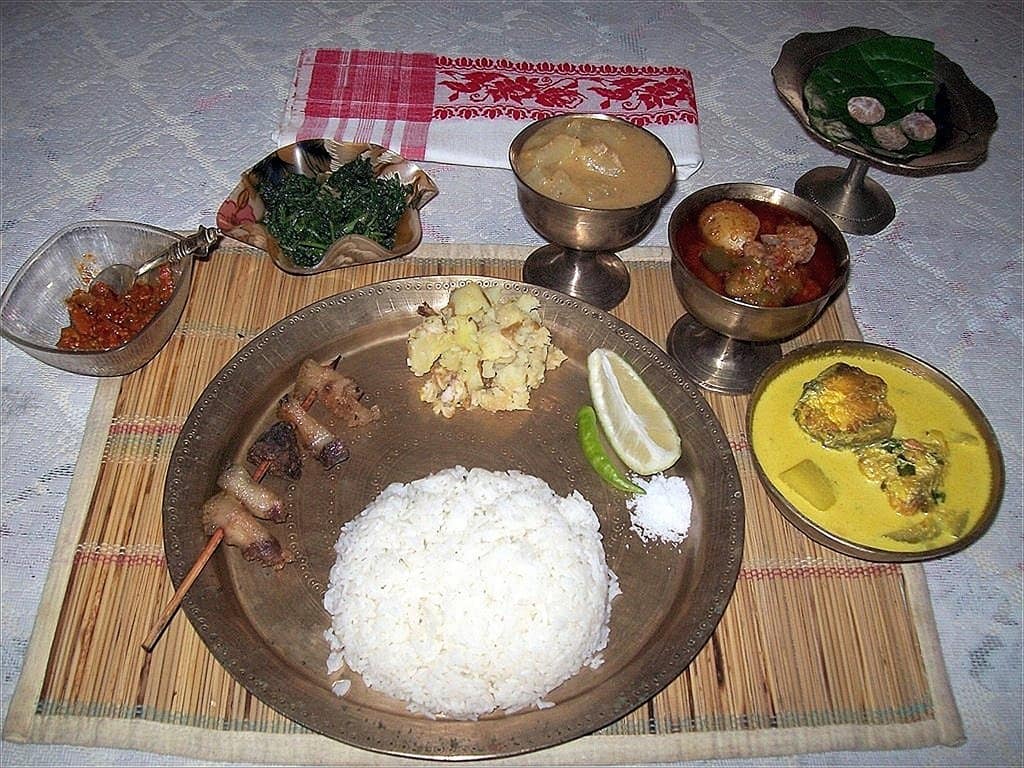
Round out the visit with something to eat. Look for assamese thali nearby, or settle in at one of the 1 restaurants close by.
Special dishes to try
Restaurants & food places nearby
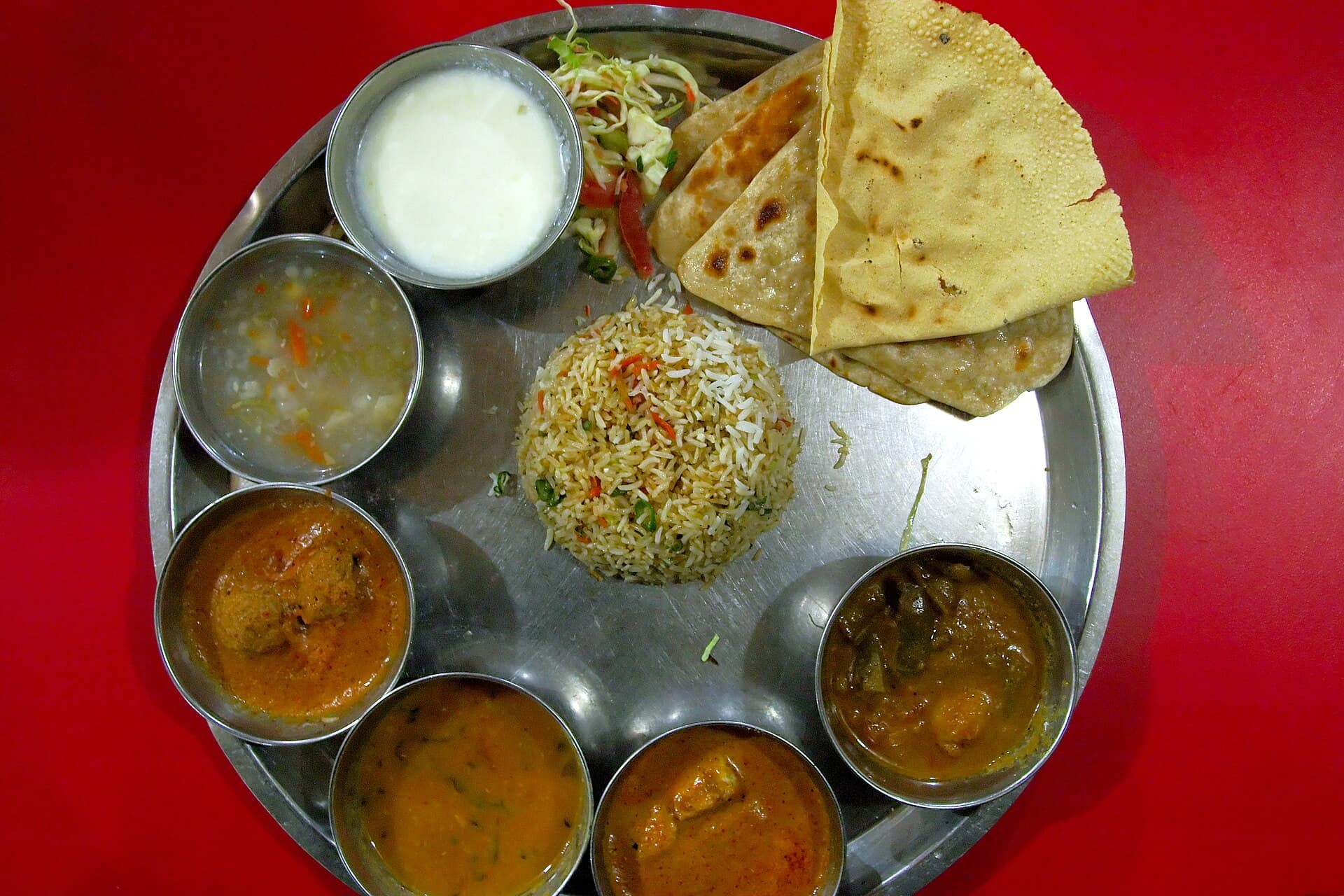
Search food by craving
Good to know
Local tips
Visit in the early morning or evening for the best chance of hearing chanting or seeing a rehearsal.
Ask at the satra office whether a Sattriya performance can be arranged during your stay.
Take off your shoes at the steps of the prayer hall, even if you only want to look inside.
Leave meat, eggs, alcohol and cigarettes behind before you enter the satra grounds.
Carry small notes for a donation, which helps support the monks and their training.
Ask a monk before taking photos, and put the camera away if you are asked to.
Combine Kamalabari with Auniati and lunch in Garamur in one morning.
A monastery of art
Kamalabari is one of Majuli's major satras and a centre of the island's music, dance and learning. It grew from the Vaishnavite movement of Srimanta Sankardev and became one of the main homes of Sattriya, the dance that monks created as part of worship. Sattriya is now recognised as one of India's classical dance forms. Uttar Kamalabari, one branch of the satra, is known for its dance troupe, which performs across India and abroad.
What you will see
A long prayer hall, the namghar, stands at the centre of a quiet courtyard shaded by trees. At its far end is the manikut, the sanctum. Around the courtyard are rows of simple houses where the monks live. The monks of Uttar Kamalabari are celibate and many join as boys, learning dance, music and scripture alongside school lessons.
Dance and music
If you visit early in the morning or in the evening, you may hear borgeet, the devotional songs written by Sankardev and Madhavdev, or see young monks rehearsing Sattriya. Performances for visitors are sometimes arranged, especially in the tourist season. Ask politely at the satra office; do not walk into rehearsal rooms uninvited.
Visiting
Entry is free, and a donation is welcome. Remove your shoes before entering the prayer hall, dress modestly, and keep your voice low. Photography is usually fine in the courtyard, but ask before photographing monks or anything inside the prayer hall. In some satras women may not enter the prayer hall or sanctum; ask and respect the answer.
Getting there
Kamalabari is close to the ferry landing on the island's south side and a short ride from Garamur. It is easy to combine with Auniati and a lunch in Garamur.
Questions
Kamalabari Satra — FAQ
What is the best time to visit Kamalabari Satra?
Early morning — soft light in the courtyard and monks heading to prayer; late afternoon for warm light on the prayer hall. Stand at the edge of the courtyard and take a wide photo of the long prayer hall with the trees on either side, keeping people small in the frame.
What are the opening hours of Kamalabari Satra?
Kamalabari Satra is open 6:00 AM – 6:00 PM.
What should I wear at Kamalabari Satra?
White, cream and saffron photograph especially well here. Explore the trending and traditional outfit ideas on this page for full looks.
How crowded does Kamalabari Satra get?
Crowd levels are typically medium. To miss the busiest window: early morning — soft light in the courtyard and monks heading to prayer; late afternoon for warm light on the prayer hall.
What food should I try near Kamalabari Satra?
Try assamese thali, available at nearby restaurants.
What is Sattriya dance?
Sattriya is a classical dance of Assam created in the satras as part of Vaishnavite worship. Monks traditionally perform it, and it tells stories of Krishna through gesture, music and rhythm.
Can I watch the monks of Kamalabari dance?
Sometimes. You may catch a rehearsal early in the morning or in the evening, and performances are occasionally arranged for visitors. Ask at the satra office.
What is the difference between Kamalabari and Uttar Kamalabari?
Uttar Kamalabari is a branch of the original Kamalabari Satra. It is the one best known for its celibate monks and its touring Sattriya troupe.
Is there an entry fee at Kamalabari Satra?
No fee is charged. A small donation is appreciated, especially if monks take time to show you around.