

Photo spot in Majuli
Mishing Village
Majuli, Assam
A traditional village of the Mishing (Miri) tribe with bamboo stilt houses (chang ghar), handloom weaving and rice-beer culture — a window into riverine tribal life.
Best time
Golden hour in the evening — warm light on the bamboo houses and paddy; early morning for mist over the fields.
Best angle
Stand on the path at the edge of the paddy and photograph a stilt house side-on, with the fields and the sky filling the frame.
Entry fee
Free
Opening hours
Daylight hours
Crowd level
Low
Best outfit colors
Overview
Best time to visit Mishing Village
Golden hour in the evening — warm light on the bamboo houses and paddy; early morning for mist over the fields. Crowds here are typically low. Arrive a little early to claim your angle and catch the softest light before the day tips over.
Poses & angles
Photo tips for Mishing Village
Stand on the path at the edge of the paddy and photograph a stilt house side-on, with the fields and the sky filling the frame. Work a few of the pose ideas below, shoot wide for context and tight for detail, and give yourself a couple of extra minutes to get the frame right.
By a stilt house
At a handloom
Outfit guide
What to wear at Mishing Village
For photos at Mishing Village, rust, cream and forest green work beautifully — they stand out against the setting without fighting it. Pick one hero colour and keep the rest of the look calm so you stay the subject of the frame.
Best outfit colors for photos
Trending wear for this spot
Popular modern looks travellers are wearing across Majuli.
Traditional wear for this spot
Timeless, cultural looks that suit Mishing Village.
Eat nearby
Food near Mishing Village
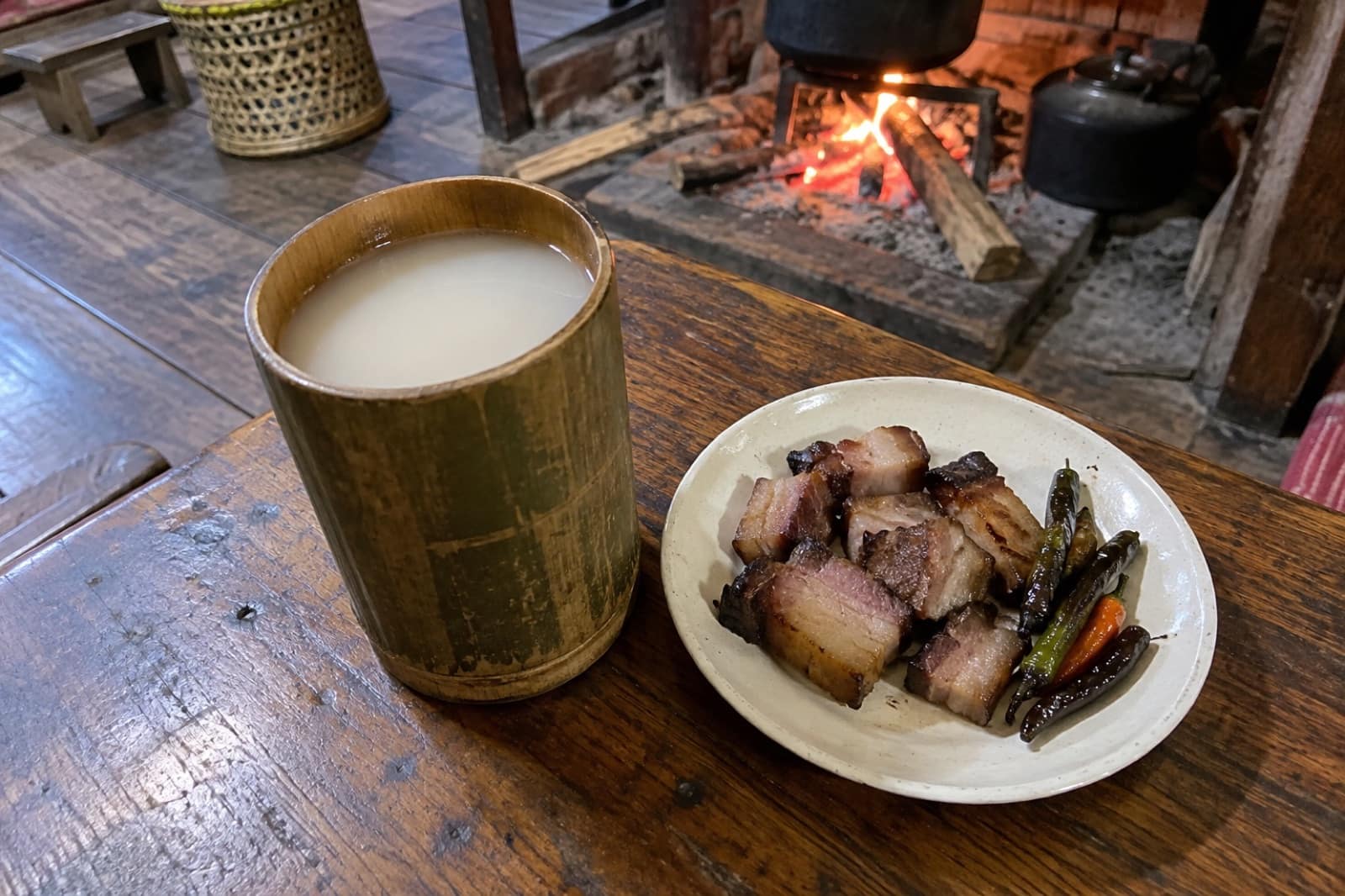
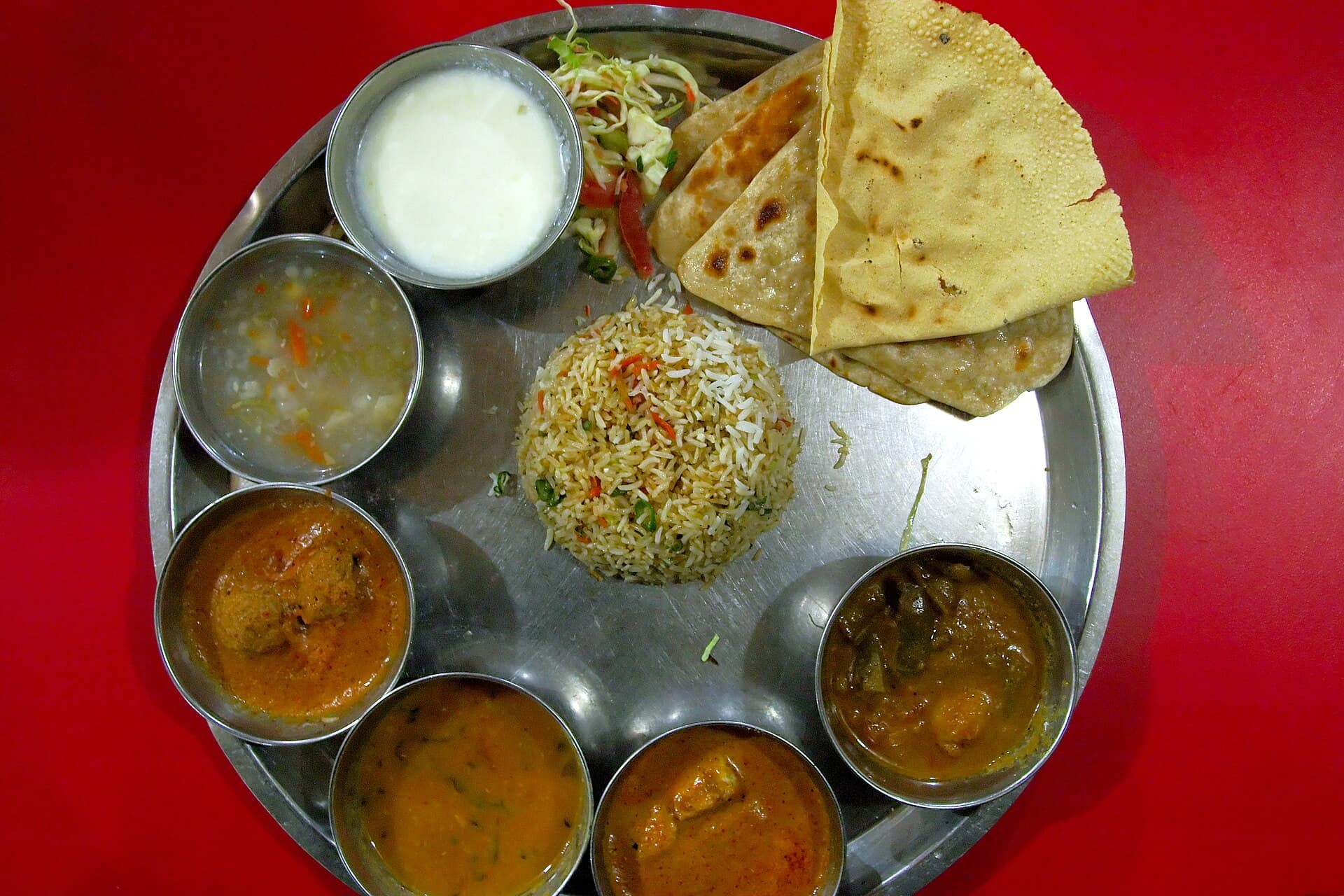
Round out the visit with something to eat. Look for apong & village fare nearby, or settle in at one of the 1 restaurants close by.
Special dishes to try
Restaurants & food places nearby
Search food by craving
Good to know
Local tips
Stay at least one night in a Mishing homestay rather than visiting for an hour.
Ask before photographing people, looms or the inside of a home.
Buy textiles directly from the weavers, which puts money straight into the family.
Take off your shoes before climbing into a stilt house if your hosts do.
Accept or decline apong politely, and never pressure others to drink.
Avoid handing out sweets or money to children, which encourages begging.
Carry a torch, as village paths are unlit at night and power cuts are common.
Life on stilts
The Mishing are the second-largest tribal community in Assam. On Majuli they live mostly along the rivers and wetlands, and they build their houses, called chang ghar, on bamboo stilts. The raised floor keeps families dry during the yearly floods, and the space underneath shelters looms, firewood and animals.
Weaving
Mishing women are skilled weavers. Under almost every house you will see a loom with brightly striped fabric in progress. Mishing textiles, including stoles, scarves and wraps, are sold directly from homes, and buying one supports the family who made it.
Food and apong
Mishing cooking uses fish, pork, chicken, greens and bamboo shoot, often smoked or steamed. Apong, a rice beer brewed at home, is served at meals and festivals. In a homestay you will usually be offered a glass. Drink it slowly, or decline politely if you do not drink.
Staying in a homestay
The best way to understand village life is to stay a night in a Mishing homestay. Rooms are simple, often in bamboo cottages, with shared meals cooked by the family. Evenings are quiet and dark, and mornings start early with the sound of chickens and looms. Book through your guesthouse or a local contact.
Festivals
Ali-Aye-Ligang, the spring sowing festival usually held in February, is the biggest Mishing celebration, with Gumrag dance and community feasts. Visitors staying in the village are usually welcome to watch.
Being a good guest
Ask before photographing people or going inside a home. Remove your shoes if your hosts do. Do not hand out sweets or money to children. Accept food with your right hand. Floods reach these villages every monsoon, so respect any local advice about where to walk.
Questions
Mishing Village — FAQ
What is the best time to visit Mishing Village?
Golden hour in the evening — warm light on the bamboo houses and paddy; early morning for mist over the fields. Stand on the path at the edge of the paddy and photograph a stilt house side-on, with the fields and the sky filling the frame.
Is there an entry fee at Mishing Village?
Entry to Mishing Village is free.
What are the opening hours of Mishing Village?
Mishing Village keeps daylight hours.
What should I wear at Mishing Village?
Rust, cream and forest green photograph especially well here. Explore the trending and traditional outfit ideas on this page for full looks.
How crowded does Mishing Village get?
Crowd levels are typically low. To miss the busiest window: golden hour in the evening — warm light on the bamboo houses and paddy; early morning for mist over the fields.
What food should I try near Mishing Village?
Try apong & village fare, available at nearby restaurants.
Why are Mishing houses built on stilts?
To stay above the floods that cover much of Majuli every monsoon. The space below the house is also used for weaving, storage and animals.
Can I stay in a Mishing village?
Yes. Several Mishing families run homestays on Majuli. Book through your guesthouse or a local contact, and expect simple rooms and home-cooked meals.
What is Ali-Aye-Ligang?
The Mishing spring festival that marks the start of the sowing season, usually in February, with dance, songs and community feasts.
Is it respectful to visit Mishing villages as a tourist?
Yes, if you behave as a guest. Ask before taking photos, buy directly from weavers, and follow your hosts' lead in their homes.