

Photo spot in Majuli
Samaguri Satra
Majuli, Assam
The satra famous for the centuries-old craft of mukha (mask) making — vivid bamboo-and-clay masks of gods and demons used in traditional Bhaona theatre.
Best time
Late morning — artisans at work in good daylight; afternoon for softer light on the finished masks in the display room.
Best angle
Get close to a painted mask on a shelf and shoot it straight on, with other masks softly out of focus behind it.
Entry fee
Free (donation)
Opening hours
8:00 AM – 5:00 PM
Crowd level
Medium
Best outfit colors
Overview
Best time to visit Samaguri Satra
Late morning — artisans at work in good daylight; afternoon for softer light on the finished masks in the display room. Crowds here are typically medium. Arrive a little early to claim your angle and catch the softest light before the day tips over.
Poses & angles
Photo tips for Samaguri Satra
Get close to a painted mask on a shelf and shoot it straight on, with other masks softly out of focus behind it. Work a few of the pose ideas below, shoot wide for context and tight for detail, and give yourself a couple of extra minutes to get the frame right.
With the traditional masks
In the craft workshop
Outfit guide
What to wear at Samaguri Satra
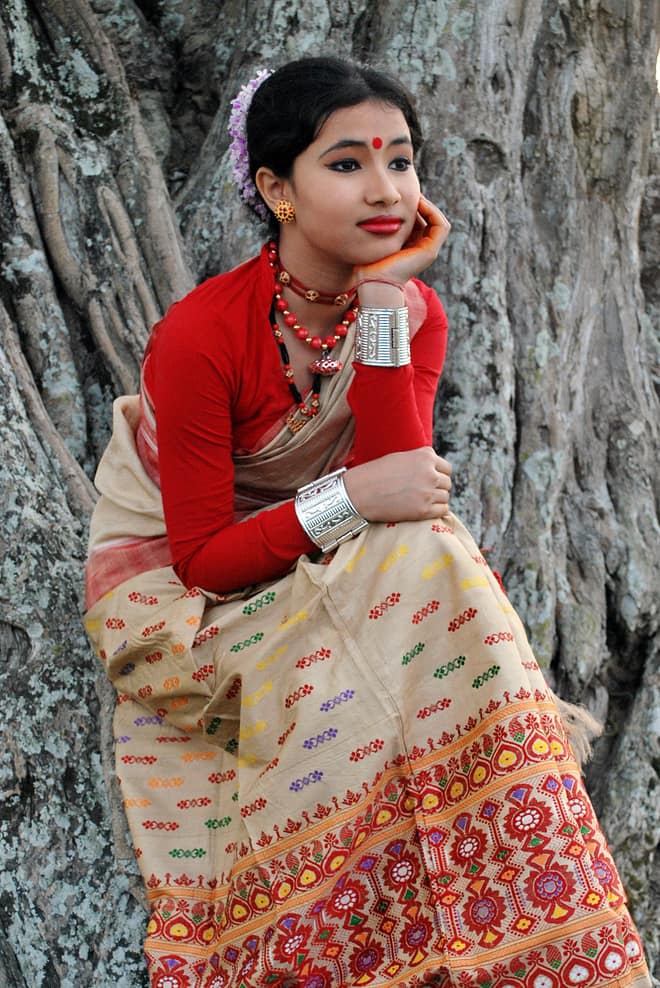
For photos at Samaguri Satra, saffron, red and cream work beautifully — they stand out against the setting without fighting it. Pick one hero colour and keep the rest of the look calm so you stay the subject of the frame.
Best outfit colors for photos
Trending wear for this spot
Popular modern looks travellers are wearing across Majuli.
Traditional wear for this spot
Timeless, cultural outfits worn across Majuli.
Eat nearby
Food near Samaguri Satra
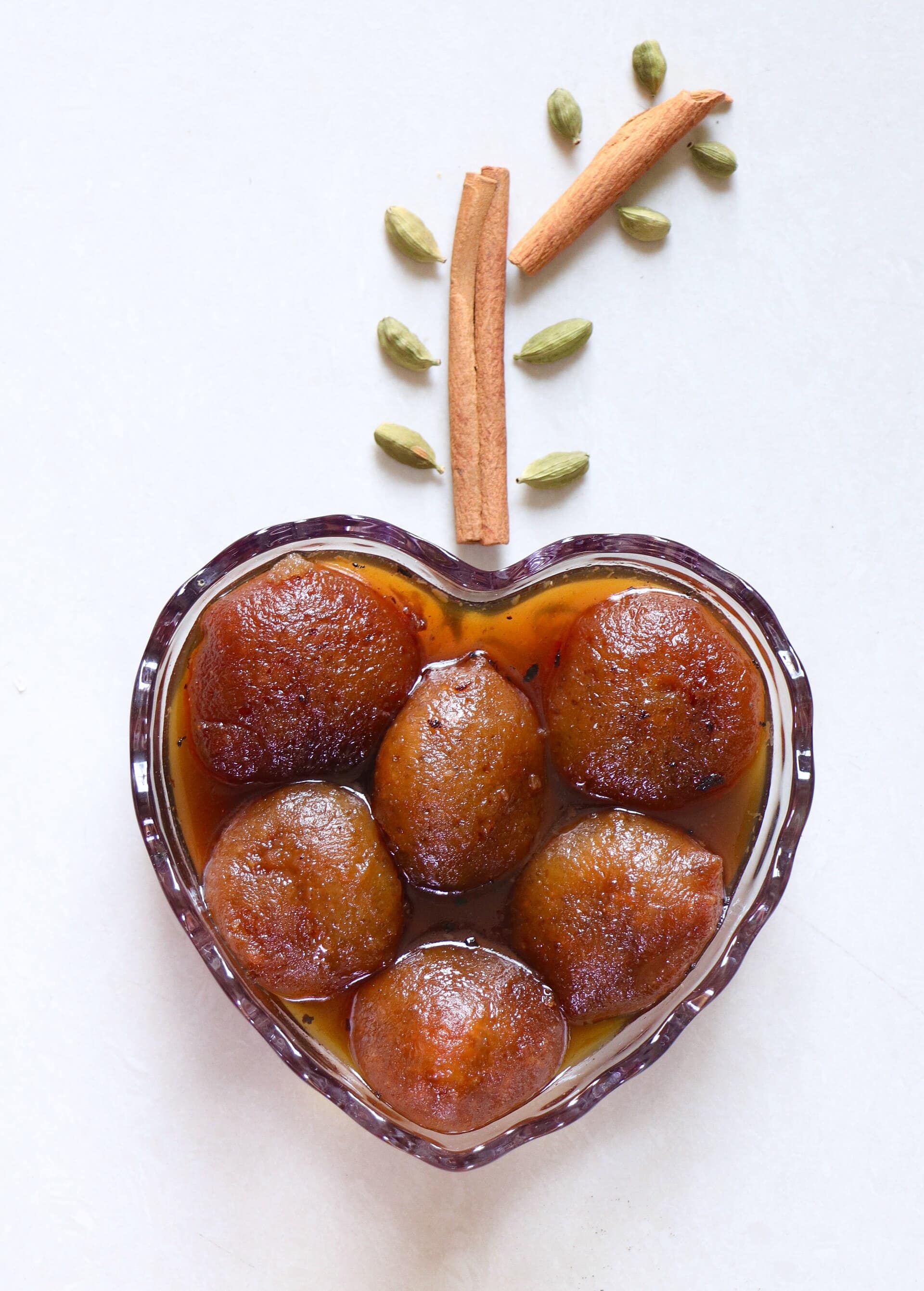
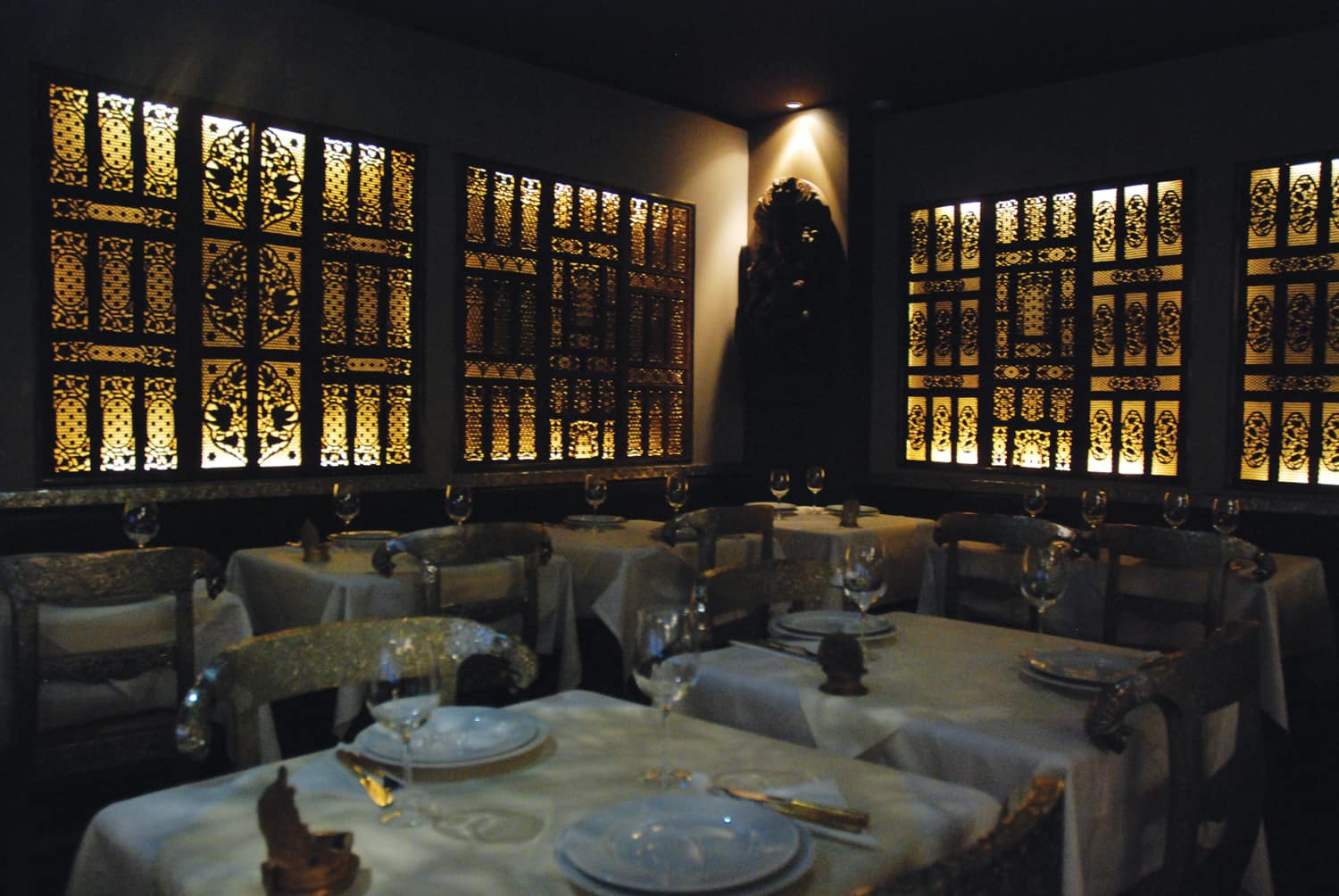
Round out the visit with something to eat. Look for pitha nearby, or settle in at one of the 1 restaurants close by.
Special dishes to try
Restaurants & food places nearby
Search food by craving
Good to know
Local tips
Visit in the late morning, when the artisans are usually at work.
Ask an artisan to explain the steps; most are happy to show a mask in progress.
Buy directly from the workshop, which puts the money in the makers' hands.
Pack a small mask carefully in clothes, because the painted clay can chip.
Ask before photographing artisans, especially close-ups of faces and hands.
Look for the full-body masks in the display room, which show the scale of Bhaona costumes.
Come back during the Raas Mahotsav in November to see the masks worn on stage.
The mask-makers' satra
Samaguri Satra is known across India for mukha shilpa, the art of making masks for Bhaona, the devotional theatre of the satras. The satra dates from the 17th century, and its families of mask-makers have passed the craft down for generations. Today the satra's head, Hem Chandra Goswami, is a well-known master of the craft, and some of his masks are in the British Museum's collection.
How the masks are made
A frame is woven from bamboo strips. It is covered with cloth dipped in clay, shaped by hand, and smoothed with a mix that traditionally includes cow dung. Once dry, the masks are painted in bright colours, often from natural pigments. Hair, teeth and ornaments are added last. The result is light enough to wear on stage.
Three sizes
Masks come in three sizes. A mukha covers only the face. A lutukai covers the face and chest. A bor mukha is huge, covering the whole body, and is used for demons, giant birds and the ten-headed Ravana. Some have moving jaws and eyes.
What you will see
The workshop is usually open during the day, with artisans at work and a display room of finished masks: gods, demons, Garuda, Hanuman, and animals such as deer and snakes. Artisans are happy to explain the process if asked. Small masks are sold on site and make good souvenirs; buying from the makers supports the craft.
Visiting
Entry is free; a donation or a purchase is appreciated. Ask before photographing artisans at work. Remove shoes if you enter the prayer hall.
Seeing masks in use
The best time to see the masks worn is during the Raas Mahotsav in November, when satras across Majuli stage Bhaona performances through the night.
Questions
Samaguri Satra — FAQ
What is the best time to visit Samaguri Satra?
Late morning — artisans at work in good daylight; afternoon for softer light on the finished masks in the display room. Get close to a painted mask on a shelf and shoot it straight on, with other masks softly out of focus behind it.
Is there an entry fee at Samaguri Satra?
Entry to Samaguri Satra is free (donation).
What are the opening hours of Samaguri Satra?
Samaguri Satra is open 8:00 AM – 5:00 PM.
What should I wear at Samaguri Satra?
Saffron, red and cream photograph especially well here. Explore the trending and traditional outfit ideas on this page for full looks.
How crowded does Samaguri Satra get?
Crowd levels are typically medium. To miss the busiest window: late morning — artisans at work in good daylight; afternoon for softer light on the finished masks in the display room.
What food should I try near Samaguri Satra?
Try pitha, available at nearby restaurants.
What are the Majuli masks used for?
They are worn in Bhaona, the devotional theatre of the satras, to play gods, demons, animals and mythical birds, especially during the Raas Mahotsav.
Can I buy a mask at Samaguri Satra?
Yes. Masks of different sizes are sold at the workshop. Buying directly supports the artisans, and larger masks can sometimes be shipped.
What are the masks made of?
Bamboo for the frame, cloth and clay for the shape, a traditional smoothing mix that includes cow dung, and paint for the finish.
Can I try making a mask?
Some visitors arrange a short demonstration or workshop with the artisans. Ask at the satra or through your guesthouse in advance.