
Photo spot in Mumbai
Elephanta Caves
Mumbai, Maharashtra
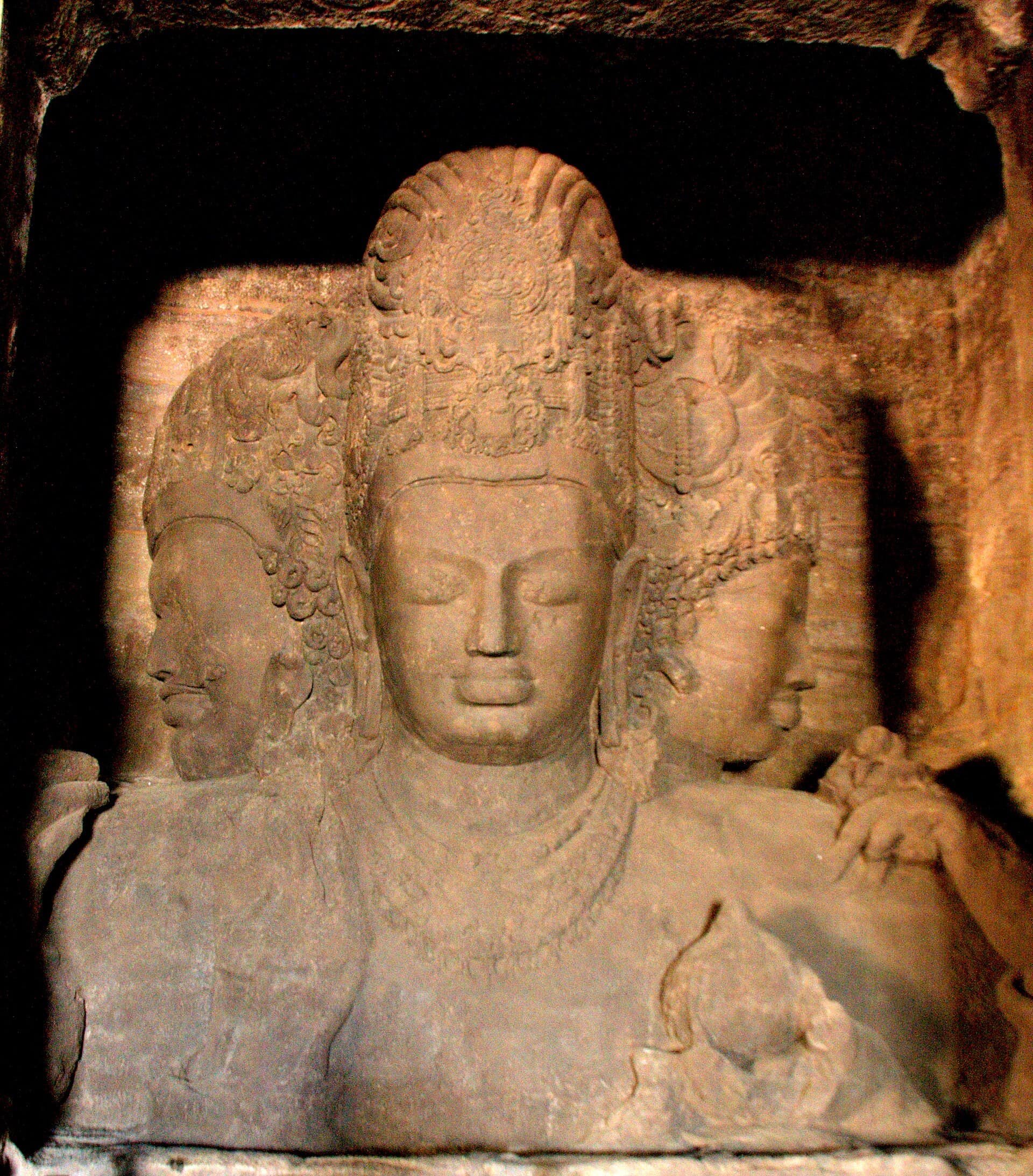
A UNESCO island of rock-cut Shiva cave-temples, including the majestic three-headed Trimurti, reached by a harbour ferry.
Best time
Morning, on the first ferry, when the great cave is empty; late afternoon on the boat back, for warm light on the Gateway and the harbour.
Best angle
Stand in the middle of the hall, between the pillars facing the back wall, and take a straight-on photo of the Trimurti with the pillars framing it on each side.
Entry fee
₹40 (Indian) / ₹600 (foreign) + ferry
Opening hours
9:00 AM – 5:00 PM (closed Mondays)
Crowd level
Medium
Best outfit colors
Overview
Best time to visit Elephanta Caves
Morning, on the first ferry, when the great cave is empty; late afternoon on the boat back, for warm light on the Gateway and the harbour. Crowds here are typically medium. Arrive a little early to claim your angle and catch the softest light before the day tips over.
Poses & angles
Photo tips for Elephanta Caves
Stand in the middle of the hall, between the pillars facing the back wall, and take a straight-on photo of the Trimurti with the pillars framing it on each side. Work a few of the pose ideas below, shoot wide for context and tight for detail, and give yourself a couple of extra minutes to get the frame right.
Before the Trimurti
On the ferry with the harbour behind
Outfit guide
What to wear at Elephanta Caves
For photos at Elephanta Caves, earth tones, white and rust work beautifully — they stand out against the setting without fighting it. Pick one hero colour and keep the rest of the look calm so you stay the subject of the frame.
Best outfit colors for photos
Trending wear for this spot
Popular modern looks travellers are wearing across Mumbai.


Traditional wear for this spot
Timeless, cultural outfits worn across Mumbai.
Eat nearby
Food near Elephanta Caves
Hungry after the shoot? Search the Mumbai food guide by craving to find something good nearby.
Search food by craving
Good to know
Local tips
Take the first ferry of the morning so the great cave is quiet when you arrive.
Do not plan a Monday trip, as the caves are closed.
Wear the life jacket you are handed on the boat for the whole crossing.
Keep food and plastic bags out of sight, as monkeys grab them on the steps.
Carry water and wear shoes with grip for the 120 steps up to the caves.
Check the last return ferry time when you land and keep an eye on the clock.
Sit on the upper deck on the way back for views of the Gateway and the Taj.
Shiva's caves on a harbour island
Elephanta Island, called Gharapuri in Marathi, lies about 11 km east of the Gateway of India in Mumbai harbour. Its caves were cut into solid basalt in about the 5th and 6th centuries, and most are dedicated to Shiva. Portuguese sailors named the island after a large stone elephant they found there; it now stands in the Jijamata Udyan zoo in Byculla. The caves have been a UNESCO World Heritage Site since 1987.
The great cave
Cave 1 is the one to see. Its hall is supported by rows of carved pillars, and on the back wall is the Trimurti, a three-headed Shiva about 6 metres high. Around it are large panels of Shiva as the dancer Nataraja, as Ardhanarishvara (half Shiva, half Parvati) and bringing the river Ganga down from the sky. Many carvings were damaged over the centuries, but their scale is still overwhelming. A linga shrine with four doors, guarded by tall doorkeepers, stands in the hall.
Getting there and the climb
Ferries leave from the jetties beside the Gateway, and the crossing takes about an hour. Life jackets are compulsory on Maharashtra ferries. From the island jetty, walk or take the small toy train, when it is running, to the foot of the steps. About 120 steps, lined with stalls, lead up to the caves. Monkeys wait along the way for food.
When to go
The caves are closed on Mondays. From about June to August, ferries are often cut back or halted on rough days, so check with the operators before you set out. The first boat of the morning gives you the quietest time in Cave 1. Allow four to five hours for the round trip.
Beyond Cave 1
Caves 2 to 5 are smaller and less complete. On the other hill are old Buddhist remains, and at the top of Cannon Hill are old cannons with views across the harbour.
Questions
Elephanta Caves — FAQ
What is the best time to visit Elephanta Caves?
Morning, on the first ferry, when the great cave is empty; late afternoon on the boat back, for warm light on the Gateway and the harbour. Stand in the middle of the hall, between the pillars facing the back wall, and take a straight-on photo of the Trimurti with the pillars framing it on each side.
Is there an entry fee at Elephanta Caves?
Entry to Elephanta Caves costs ₹40 (Indian) / ₹600 (foreign) + ferry. Prices change, so treat that as a guide and confirm at the counter.
What are the opening hours of Elephanta Caves?
Elephanta Caves is open 9:00 AM – 5:00 PM (closed Mondays).
What should I wear at Elephanta Caves?
Earth tones, white and rust photograph especially well here. Explore the trending and traditional outfit ideas on this page for full looks.
How crowded does Elephanta Caves get?
Crowd levels are typically medium. To miss the busiest window: morning, on the first ferry, when the great cave is empty; late afternoon on the boat back, for warm light on the Gateway and the harbour.
How long does the ferry to Elephanta take?
About an hour each way from the jetties beside the Gateway of India. With the climb and time in the caves, allow four to five hours in total.
How many steps are there up to the Elephanta Caves?
About 120 steep steps from the ticket area to the main cave. They are lined with stalls, and there is some shade. Palanquins have been available for people who cannot manage the climb.
Do Elephanta ferries run in the monsoon?
Not reliably. From about June to August, services are often reduced or stopped when the sea is rough. Check with the ferry operators or MTDC before you go.
What is the Trimurti at Elephanta?
A carving of Shiva with three faces, about 6 metres high, on the back wall of Cave 1. The central face is calm, the one on its left is fierce and the one on its right is gentle. It is the most famous sculpture in the caves.