
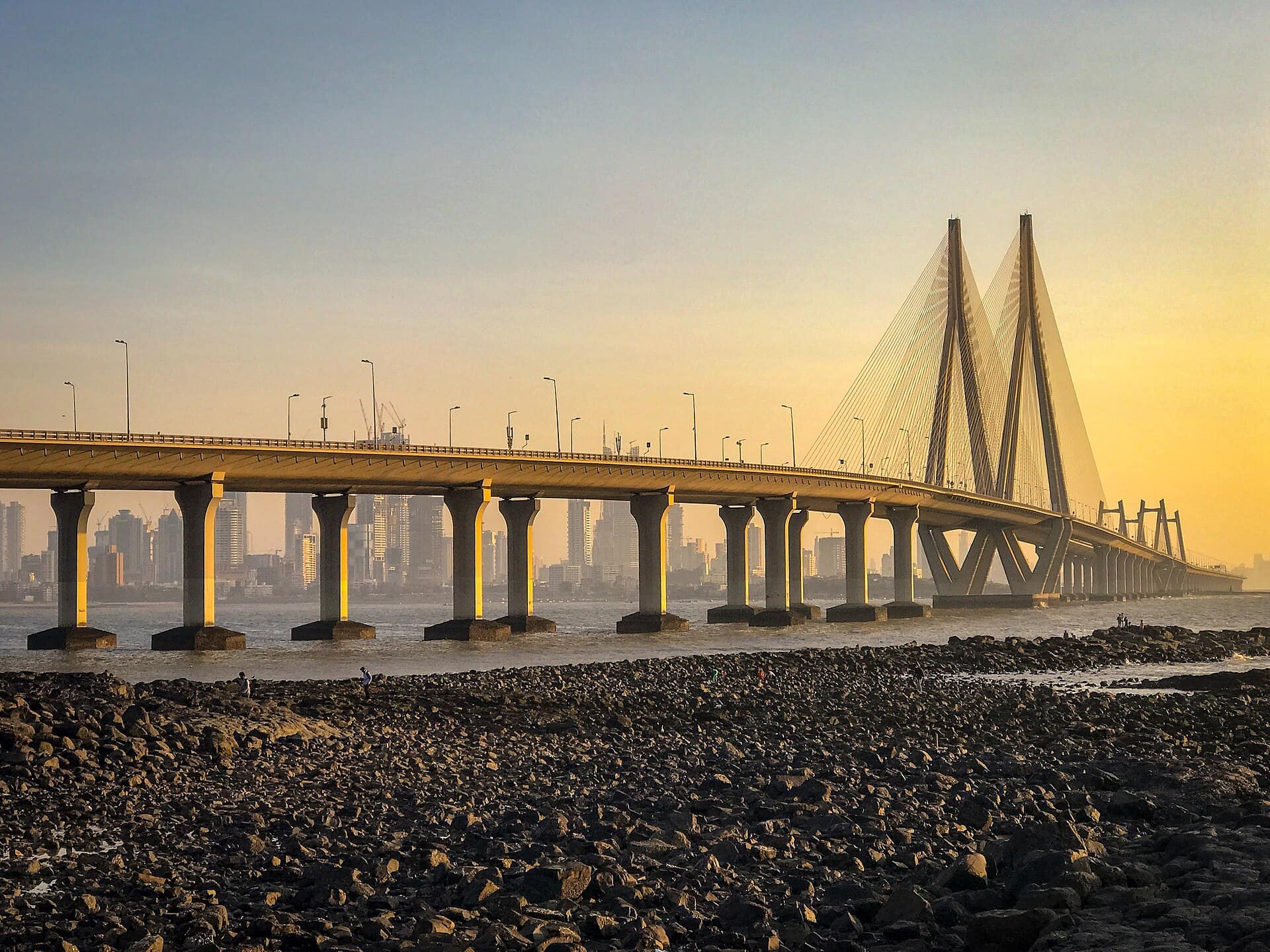
Maharashtra · India
Mumbai
The Maximum City — India's financial and Bollywood capital, where colonial-Gothic landmarks, Art-Deco seafronts and legendary street food never sleep.
Mumbai mixes Maharashtrian, Gujarati, Parsi and cosmopolitan cultures; the nauvari saree and a street-food scene from vada pav to pav bhaji define it.
Plan your trip
Mumbai Tour Itineraries
Timed, walkable day plans — plus the best season to go.
Where to shoot
Mumbai Photo Spots
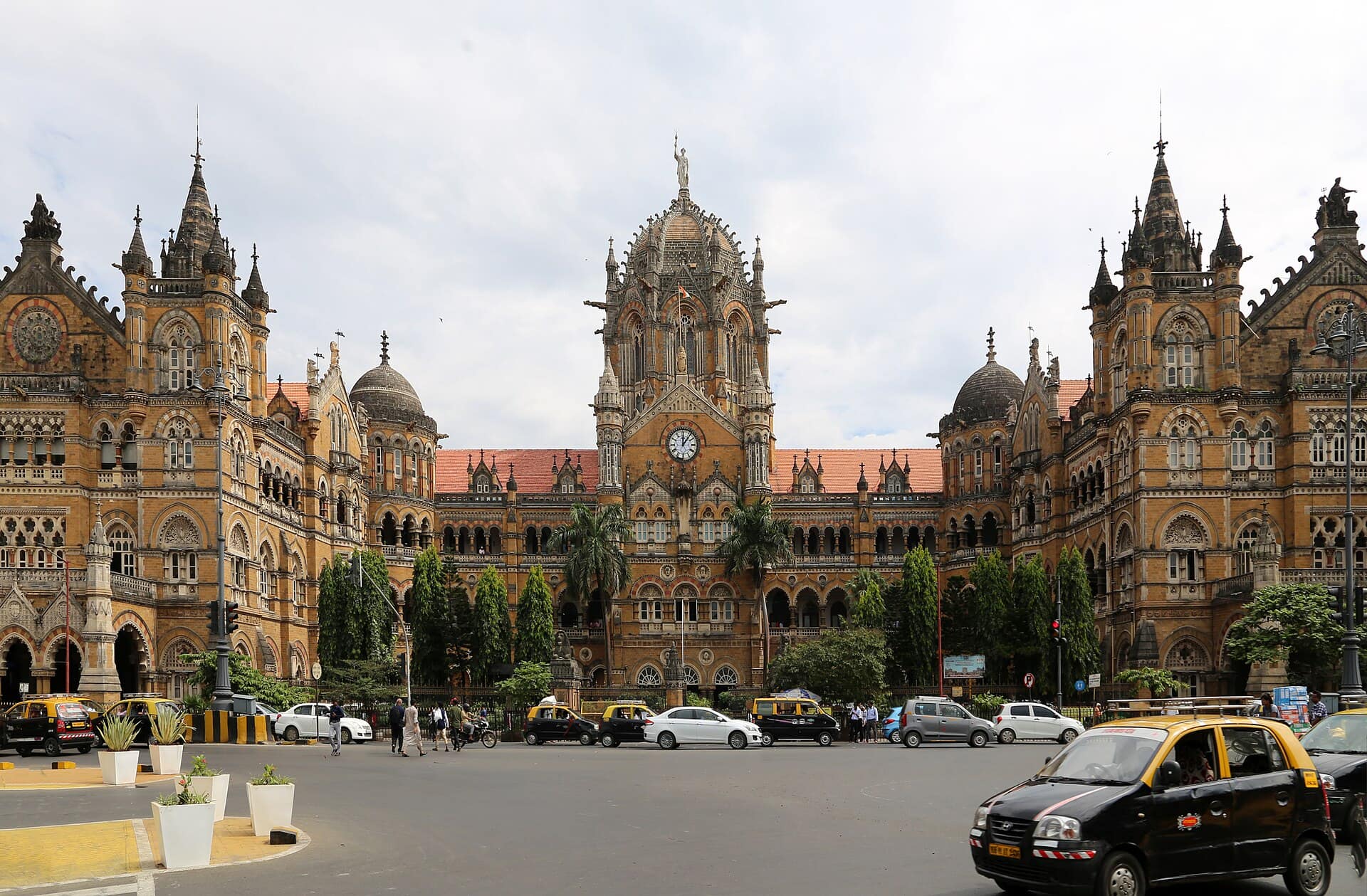 High crowd
Entry Free (exterior)
Chhatrapati Shivaji Terminus
- Best timeLate afternoon, when the sun lights up the front of the building; blue hour, when the façade is lit against a deep sky.
- ColorsWhiteMustardBurgundy
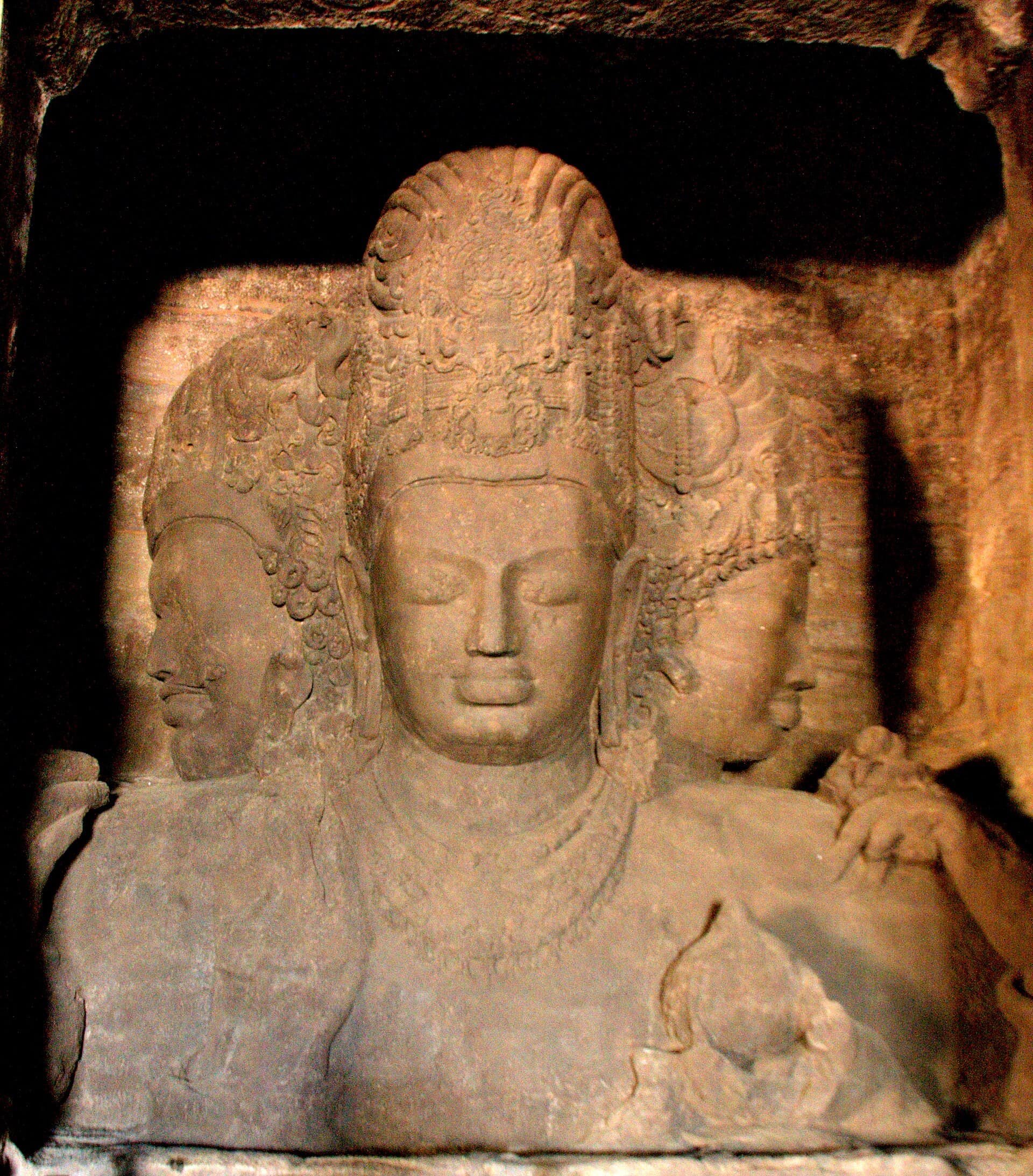 Medium crowd
Entry ₹40 (Indian) / ₹600 (foreign) + ferry
Elephanta Caves
- Best timeMorning, on the first ferry, when the great cave is empty; late afternoon on the boat back, for warm light on the Gateway and the harbour.
- ColorsEarth tonesWhiteRust
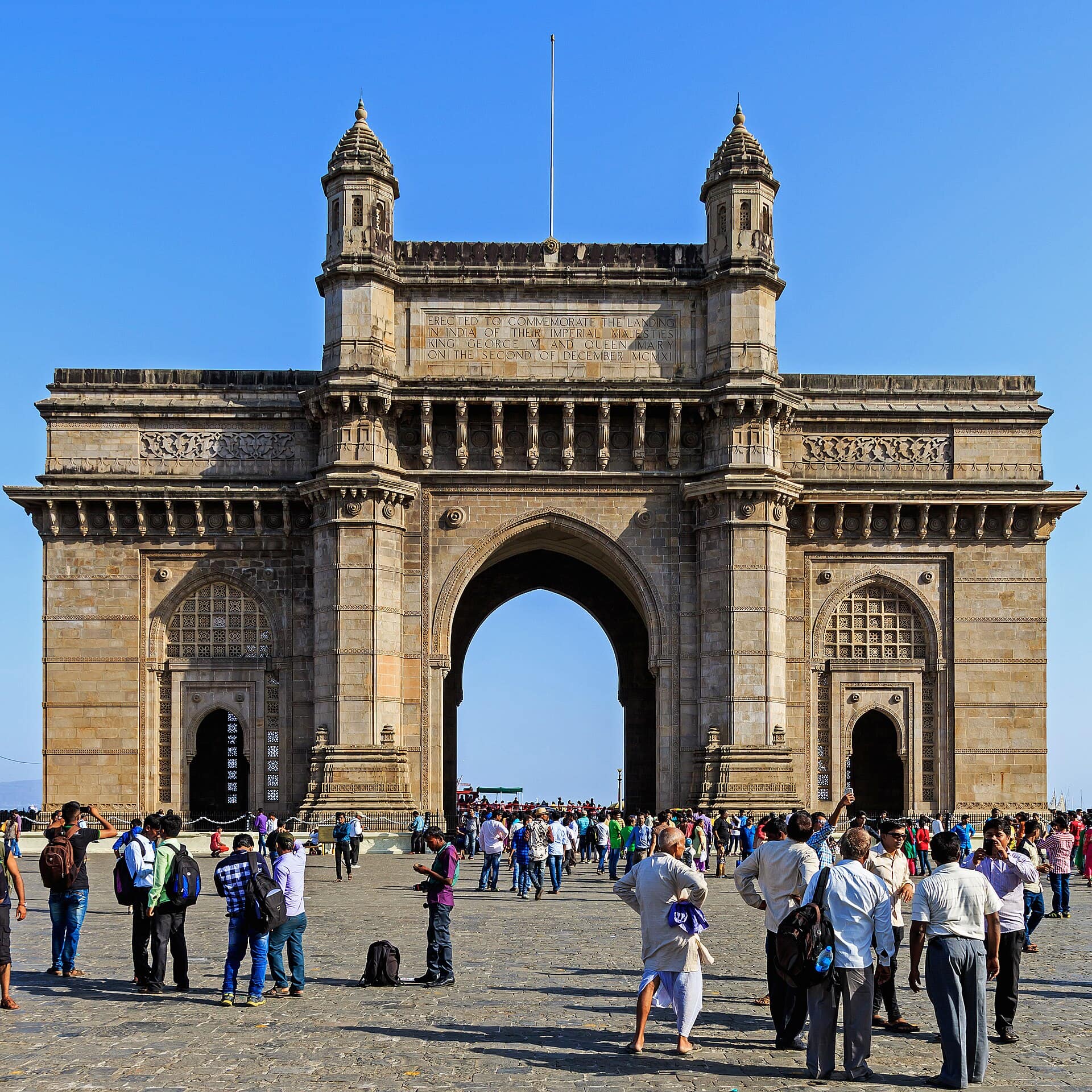 High crowd
Entry Free
Gateway of India
- Best timeEarly morning for an empty plaza and the sun rising over the harbour behind the arch; late afternoon for warm light on the city-facing side.
- ColorsWhiteCobaltRed
 High crowd
Entry Free
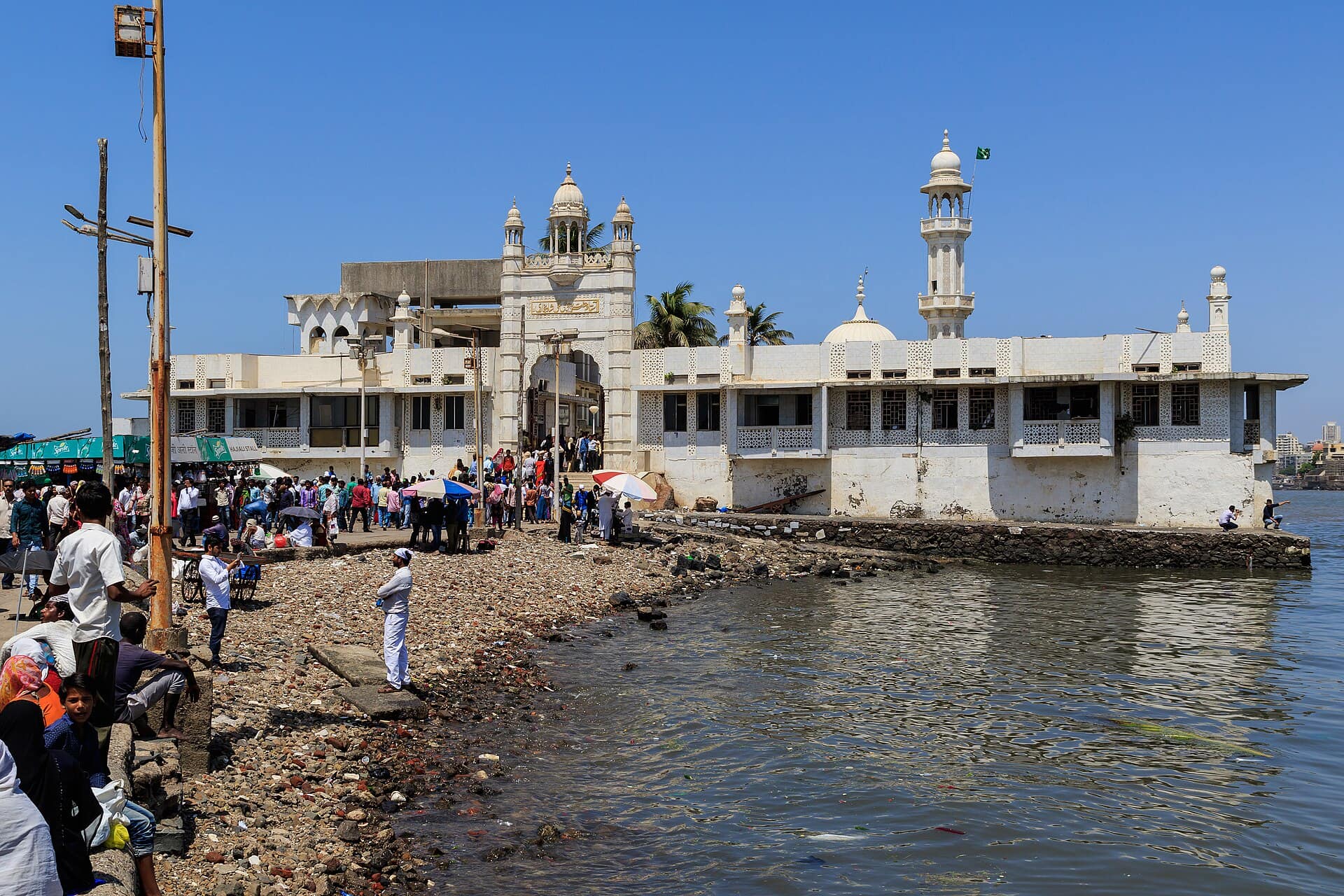
Haji Ali Dargah
- Best timeEarly morning at low tide, when the sun lights the white domes and the causeway is quiet; sunset, when the shrine turns into a dark shape against the sky.
- ColorsWhiteSky bluePastel
 High crowd
Entry Free
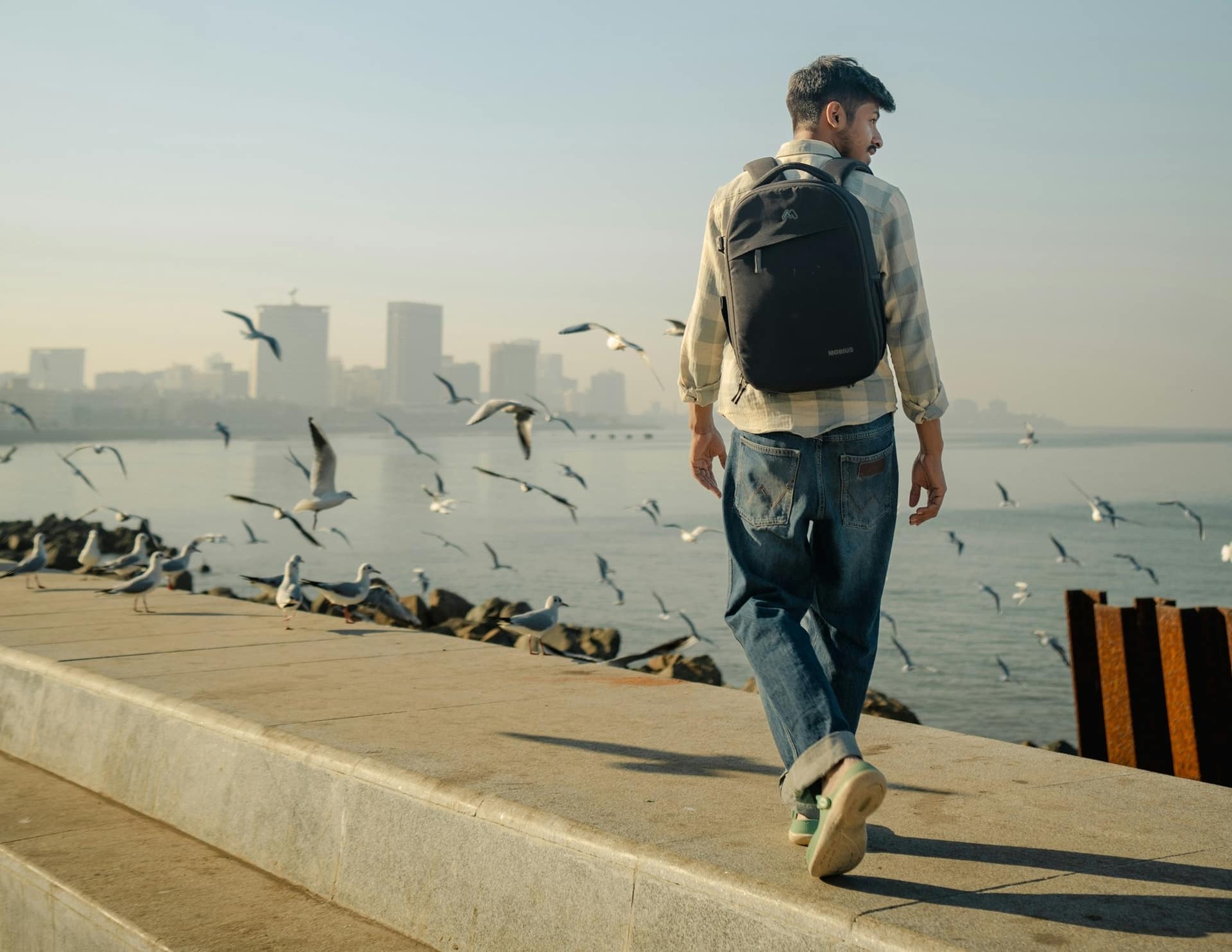
Marine Drive
- Best timeSunset, when the sun drops into the sea in front of you; just after dark, when the street lights come on and make the Queen's Necklace.
- ColorsWhiteDenimCoral
For the feed
Trending Wear in Mumbai
Modern, Instagram-friendly looks


Rooted in the city
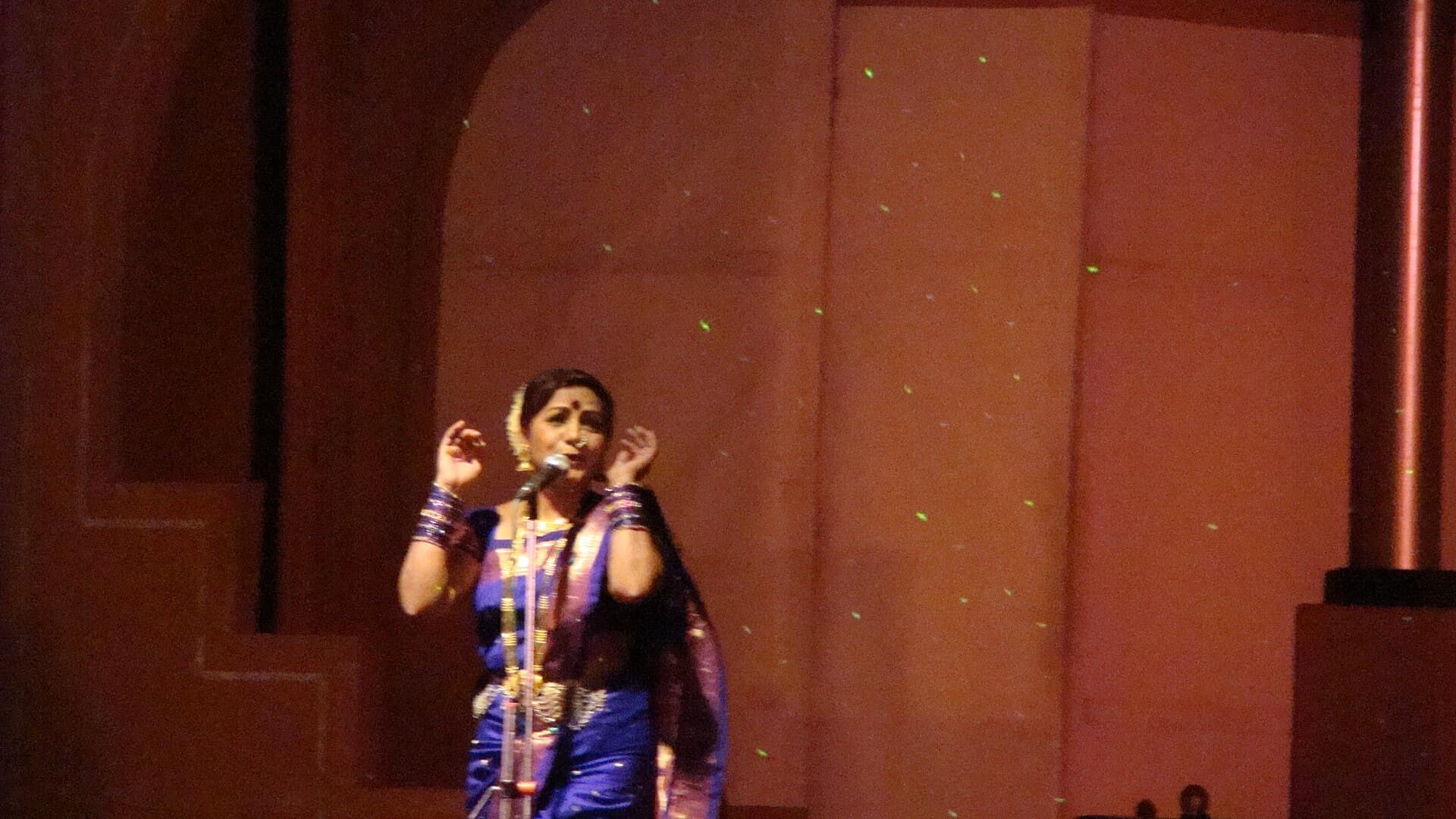
Mumbai Traditional Wear
Local, cultural, handcrafted outfits
Before you go
Temples in Mumbai
Darshan hours, dress codes and what gets refused at the gate
Taste the city
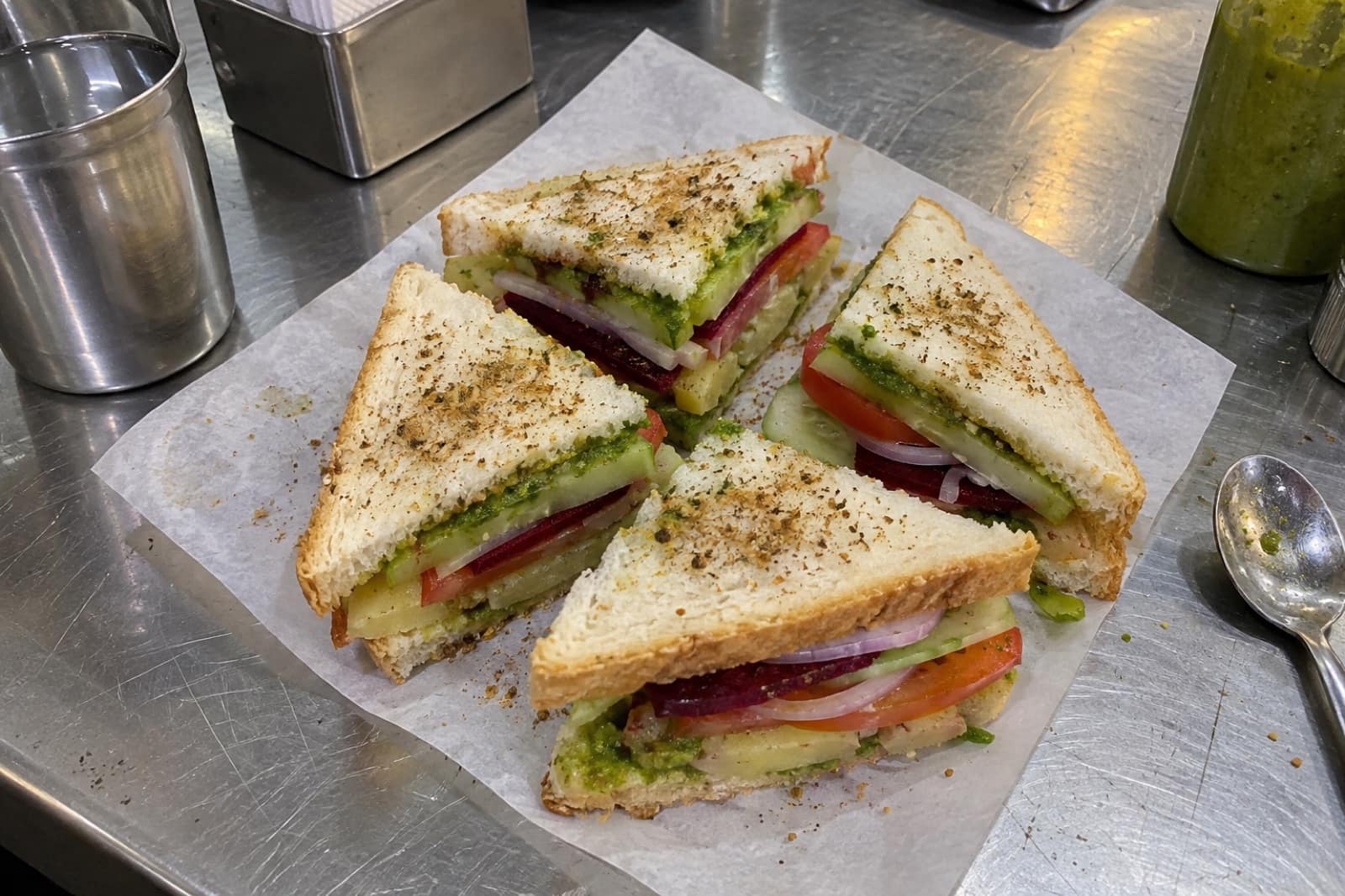
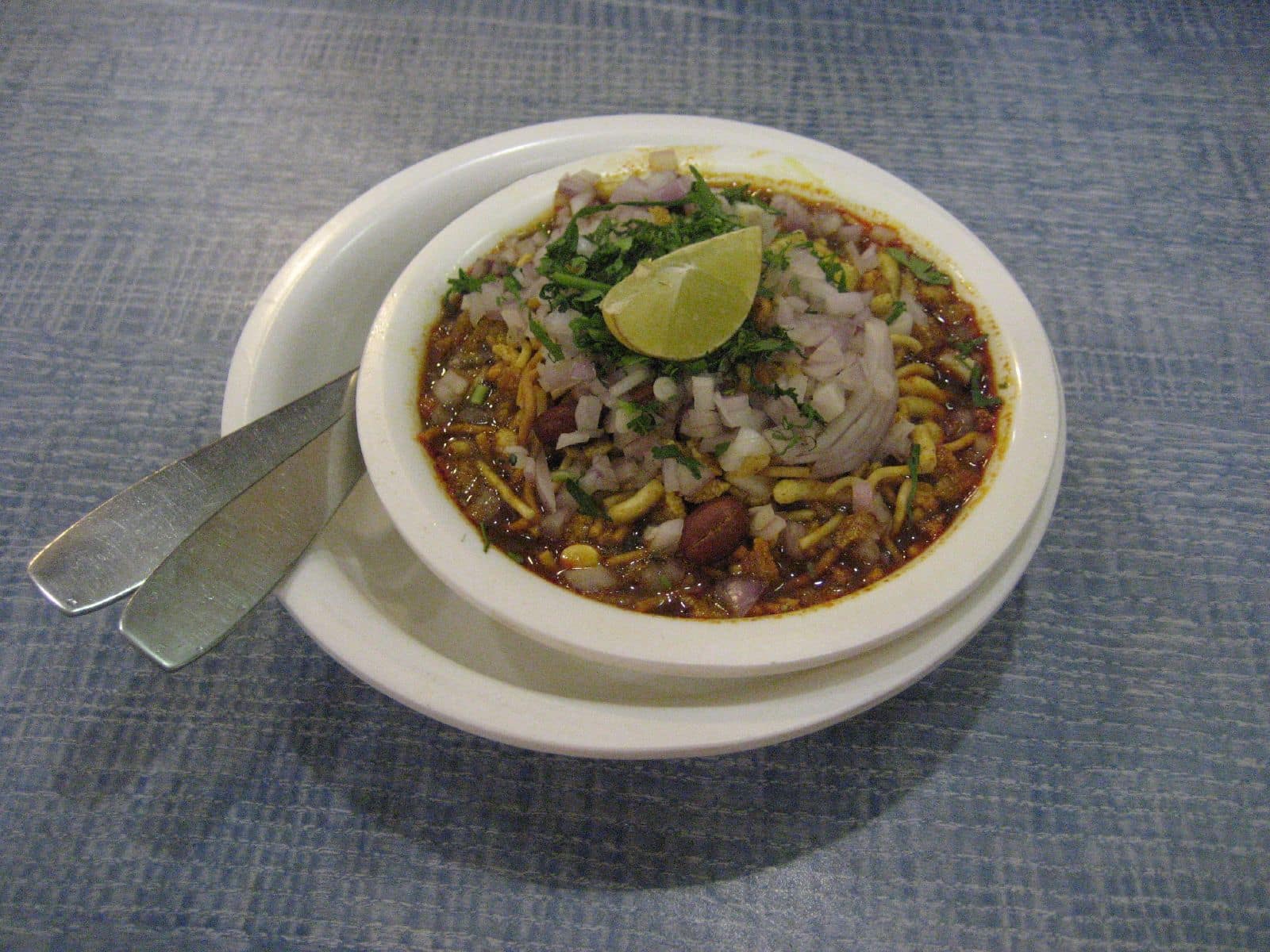
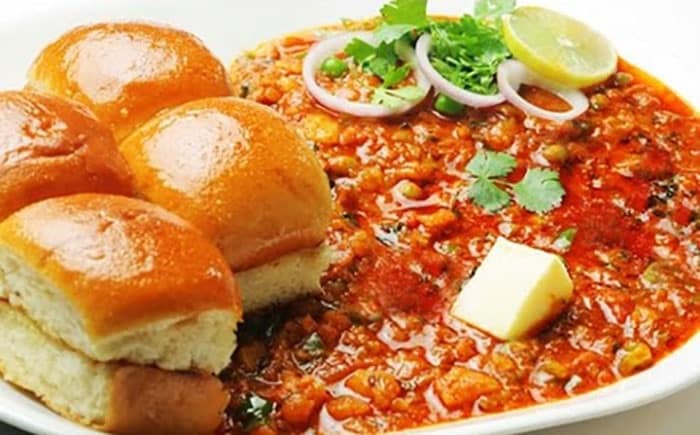
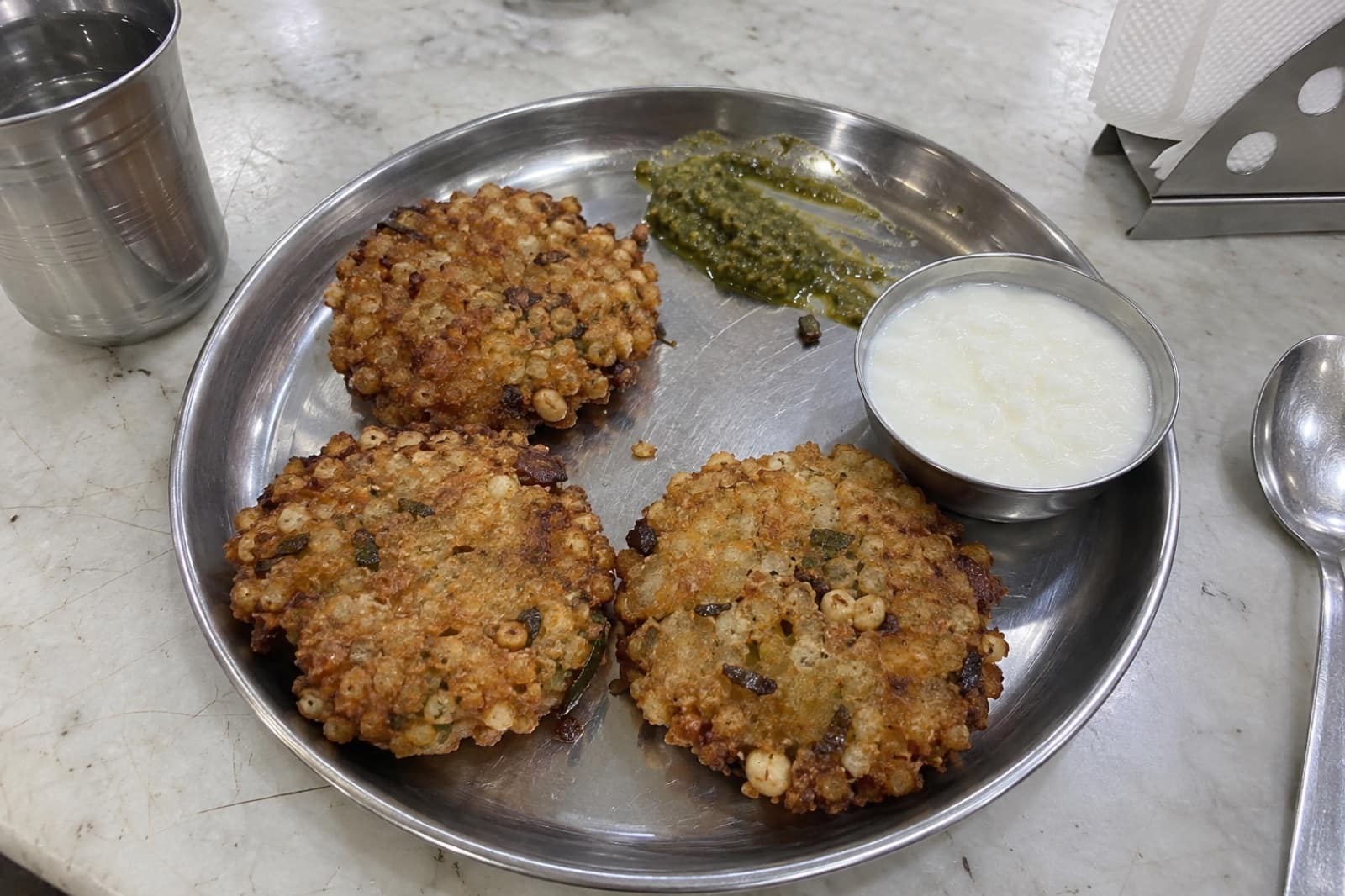
Food to Eat in Mumbai
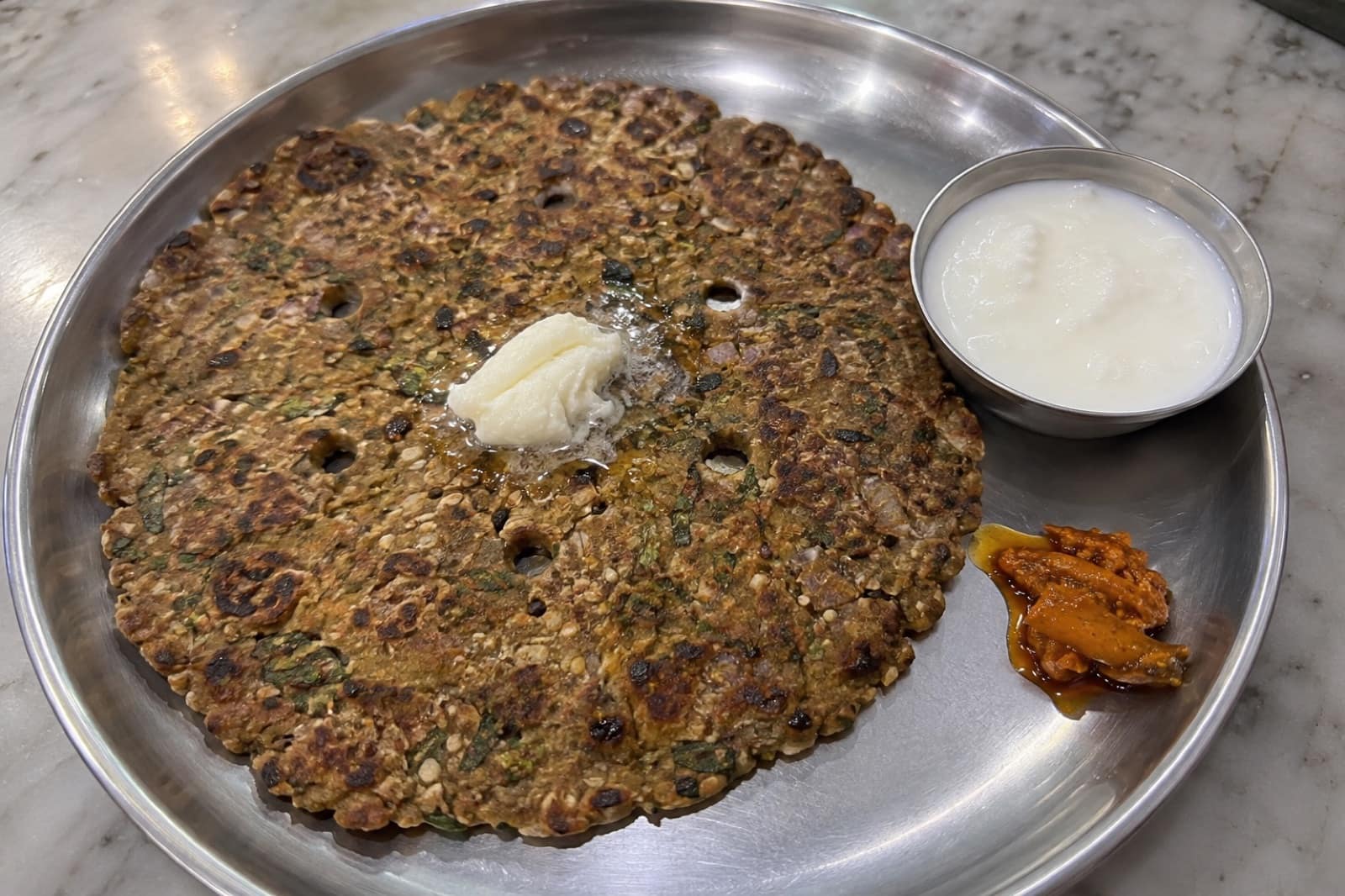
Trusted tables
Where to Eat in Mumbai
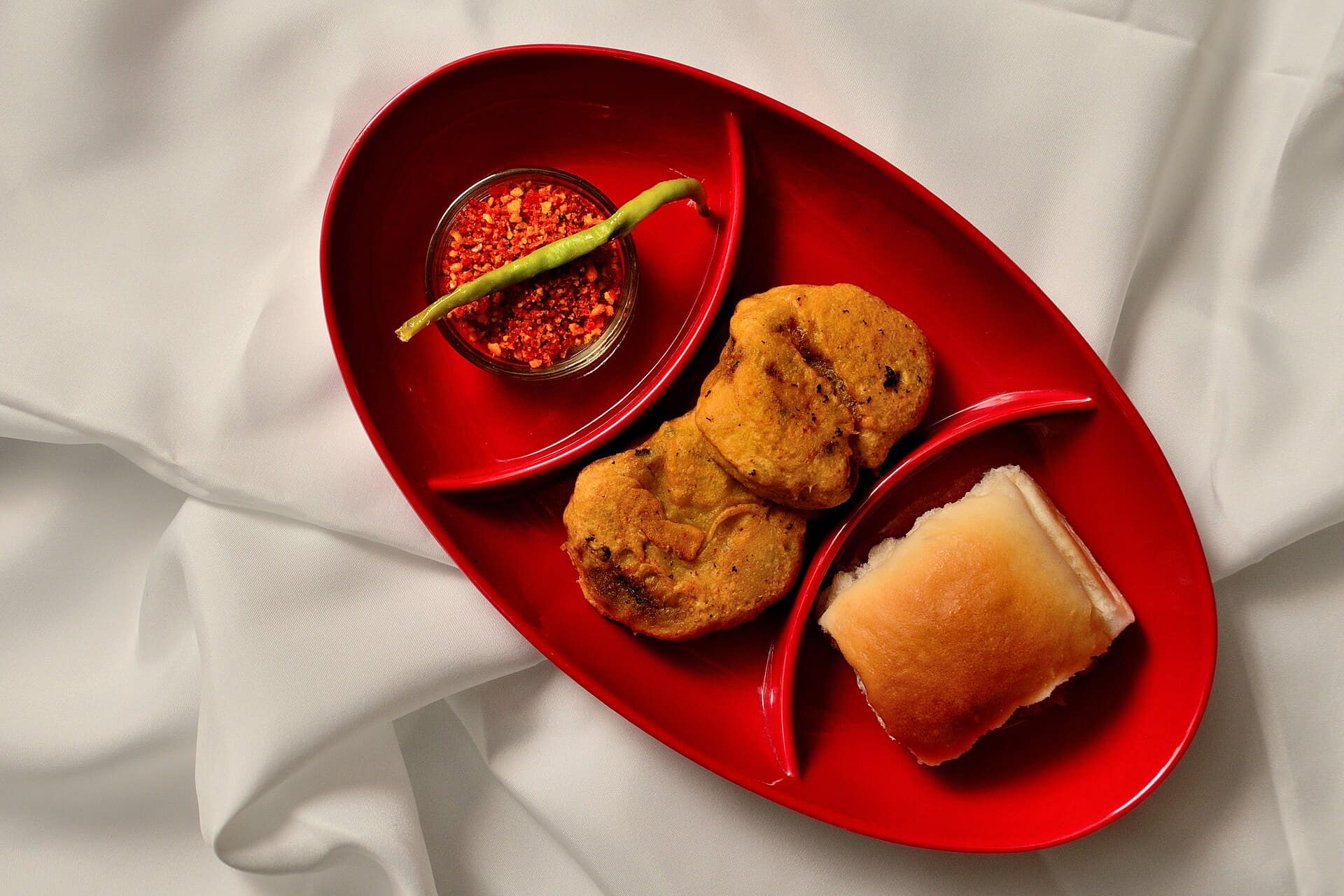
A long city on a narrow strip of land
Mumbai runs north from the harbour for more than 30 km, and almost everything a first-time visitor comes for sits at the southern tip. Colaba, Fort, Kala Ghoda and Churchgate hold the Gateway of India, CSMT and Marine Drive, and you can walk between them in an hour. Further north, Worli and Mahalakshmi have Haji Ali Dargah, Prabhadevi has the Siddhivinayak temple, and Dadar is where the city eats Maharashtrian snacks. Bandra and Juhu, in the suburbs, are for cafés, the sea and the evening crowd.
Getting around
The suburban trains are the fastest way up and down the city. The Western line starts at Churchgate and the Central line at CSMT. Avoid them in the morning and evening rush, when the carriages are packed to the doors, and use the women-only or first-class compartments if you want more room. Black-and-yellow taxis and app cabs cover South Mumbai. Auto-rickshaws are not allowed in the island city, so you will only find them north of Bandra and Sion.
A first two days
Start early at the Gateway, before the crowds, and take the ferry to the Elephanta Caves (they are shut on Mondays). Come back for sunset on Marine Drive and a plate of bhel at Girgaon Chowpatty. On day two, see the CSMT façade in the morning, walk the Fort and Kala Ghoda streets, then head to Haji Ali in the afternoon when the tide is low. Finish at Dadar for vada pav and misal, or at Tardeo for pav bhaji.
Weather and the monsoon
The monsoon usually arrives around the second week of June and lasts until late September. Heavy rain on a high tide floods low roads, trains slow down or stop, and ferries are cut back. November to February is the easy stretch: dry, warm by day, and cool enough in the evening to walk. March to May is hot and sticky. See the best time to visit for month-by-month detail.
What to eat first
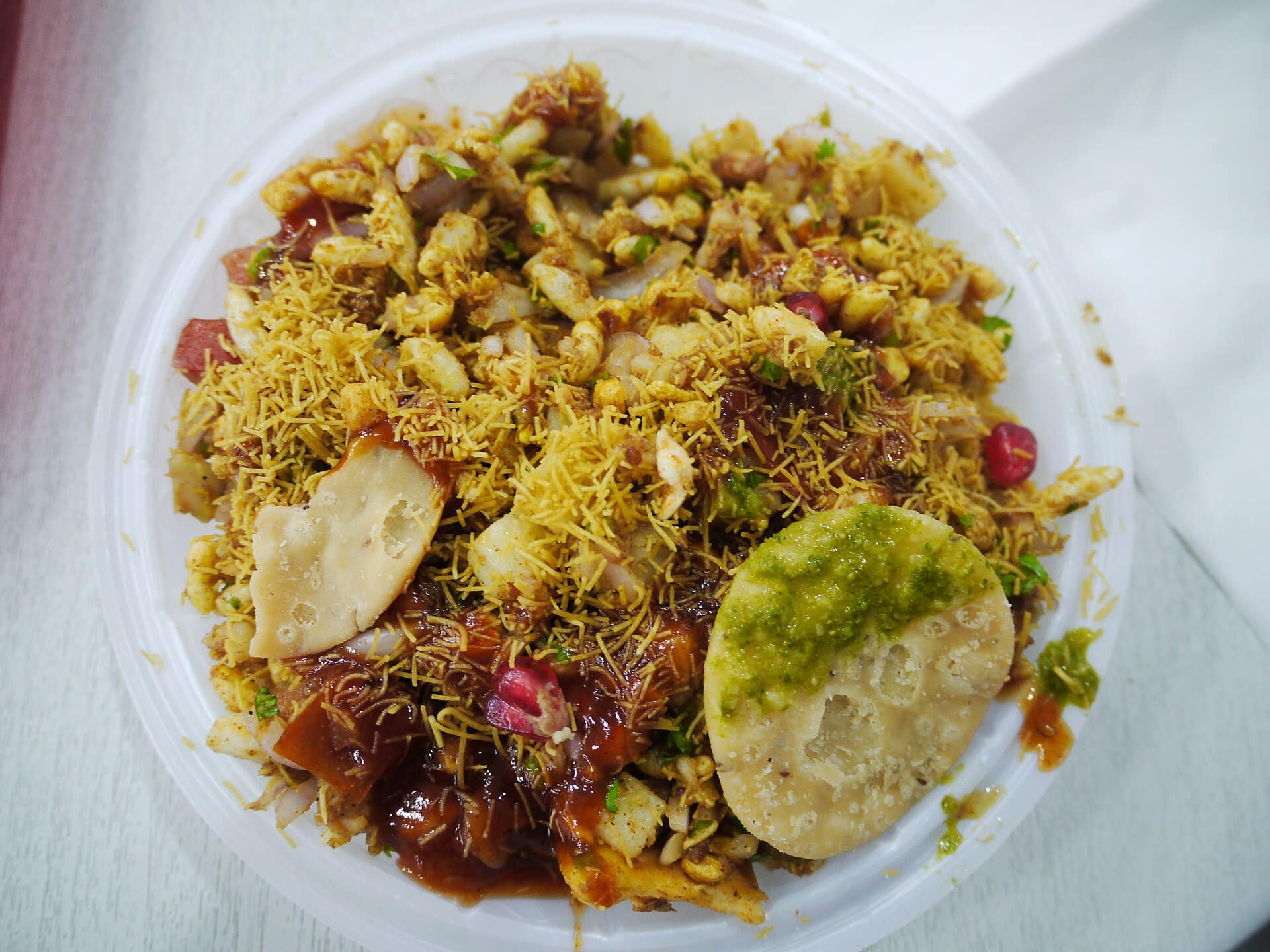
Vada pav is the city's everyday snack and costs very little. Try pav bhaji in the evening, bhel puri by the sea, and misal pav for breakfast if you like heat. The food page explains each one, and where to eat lists the counters that do them well.
Before you go
Carry some cash for street food and taxis, even though most places take UPI. Dress modestly for Siddhivinayak and Haji Ali. Ganesh Chaturthi, in late August or September, is the biggest event of the year, and the city is at its fullest and slowest then.
Questions
Mumbai — FAQ
How many days do I need in Mumbai?
Two full days cover South Mumbai, Elephanta, Haji Ali and a food trail through Dadar. Add a third day for Bandra, Juhu and a slower look at the Fort district's museums and galleries.
Can I take an auto-rickshaw in South Mumbai?
No. Auto-rickshaws are not allowed in the island city, roughly south of Bandra on the west and Sion in the centre. Use black-and-yellow taxis, app cabs or the local train instead.
Should I use the local trains as a visitor?
Yes, outside rush hours. They are fast and cheap. Avoid roughly 8 to 11 in the morning and 5 to 9 in the evening, keep your bag in front of you, and get off quickly, as trains stop only briefly.
Which area is best to stay in for sightseeing?
Colaba or Fort, if you want to walk to the Gateway, CSMT, Marine Drive and the Elephanta ferry. Bandra suits a longer stay with cafés and nightlife, but it is a long ride from the southern sights.
Is it worth visiting Mumbai in the monsoon?
It can be, if you accept that plans will change. The sea front is dramatic in the rain, but roads flood on the heaviest days, trains stop, the sea is unsafe and the Elephanta ferries are often cut back.