
Best Photo Spots in Mumbai
Mumbai's best photos come from the sea front and the old buildings of the south. Plan around two things: the tide, which decides whether you can reach Haji Ali, and the crowds, which fill the Gateway by mid-morning.
 High crowd
Entry Free (exterior)
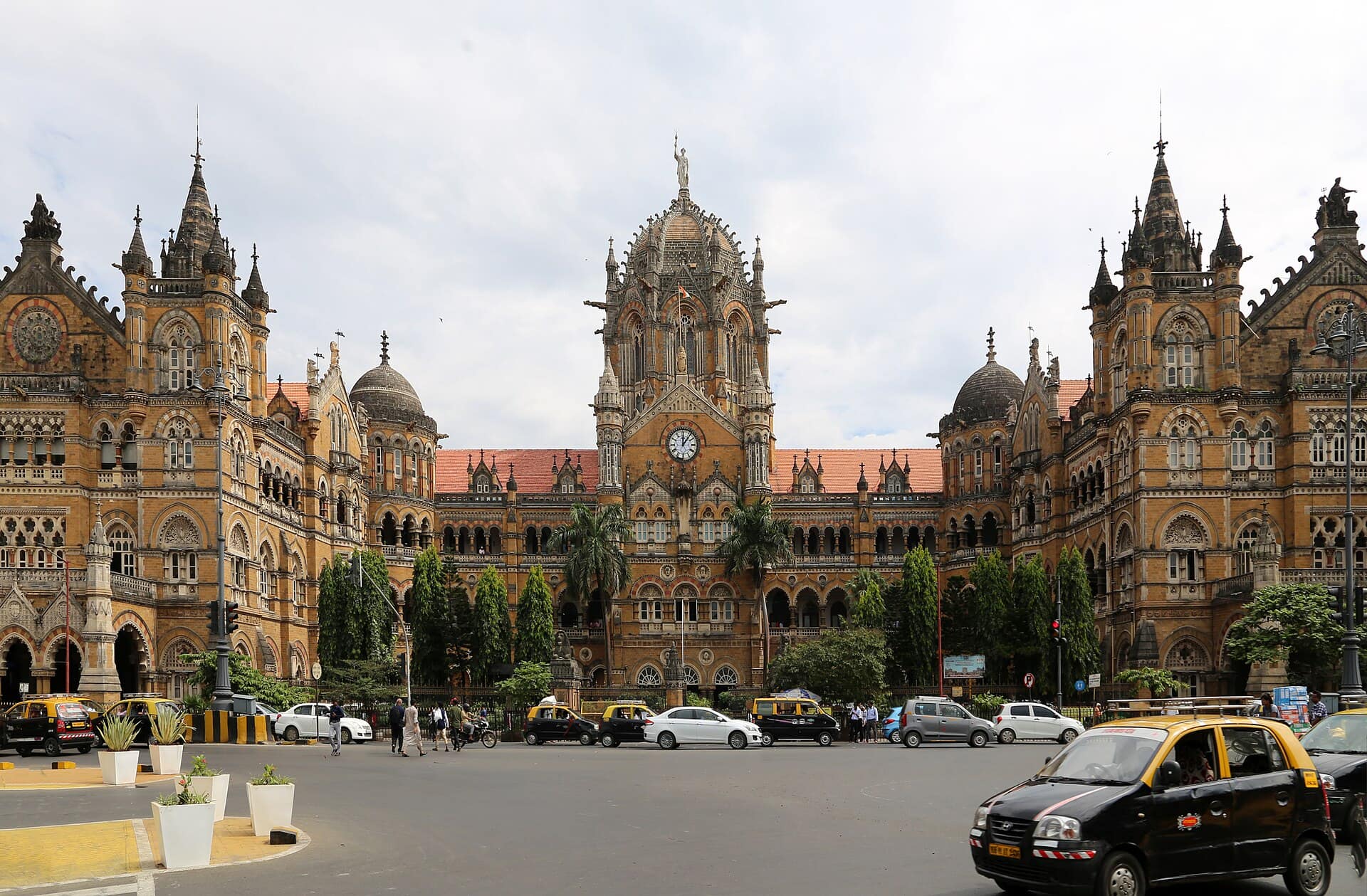
Chhatrapati Shivaji Terminus
- Best timeLate afternoon, when the sun lights up the front of the building; blue hour, when the façade is lit against a deep sky.
- ColorsWhiteMustardBurgundy
 Medium crowd
Entry ₹40 (Indian) / ₹600 (foreign) + ferry
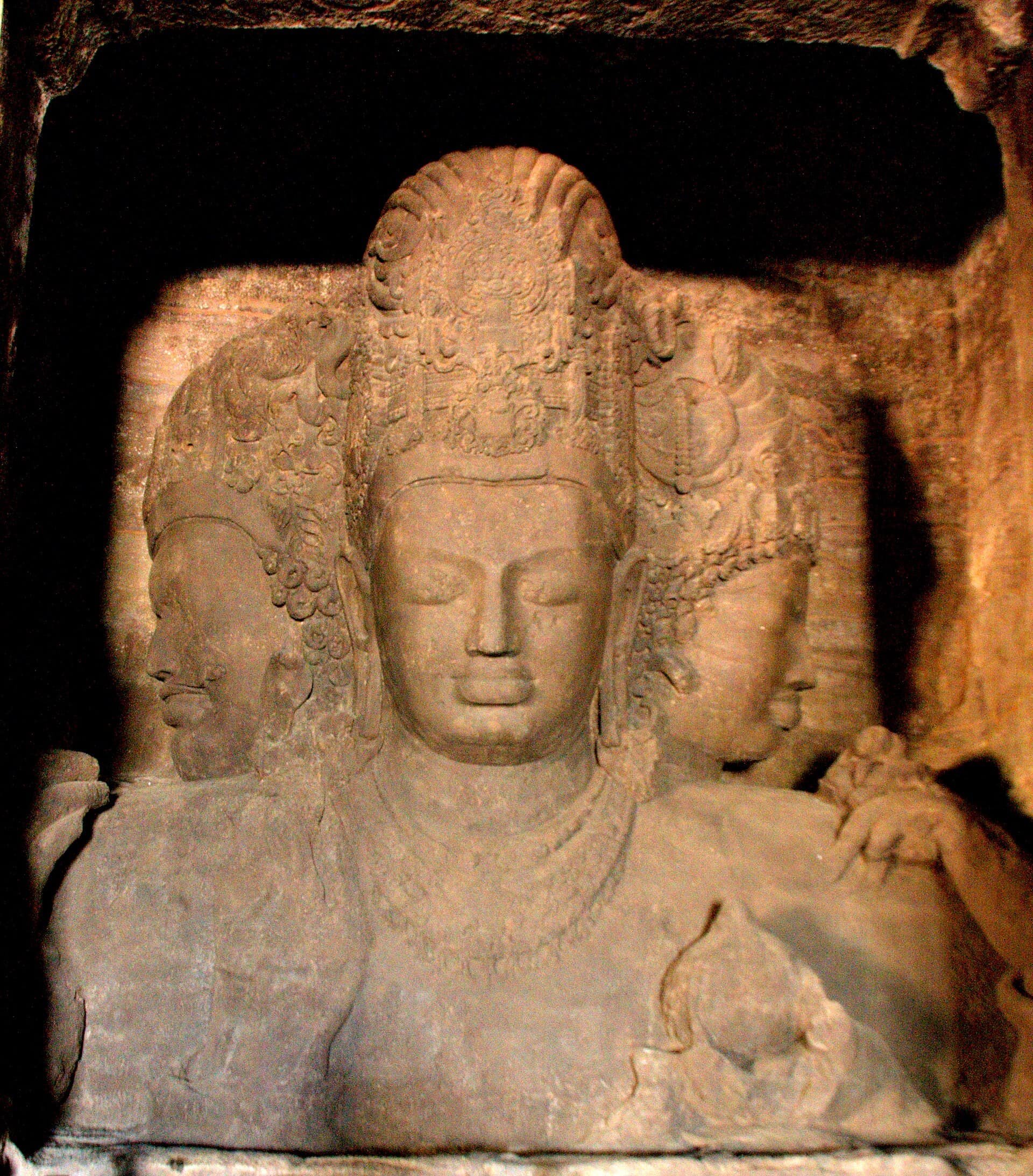
Elephanta Caves
- Best timeMorning, on the first ferry, when the great cave is empty; late afternoon on the boat back, for warm light on the Gateway and the harbour.
- ColorsEarth tonesWhiteRust
 High crowd
Entry Free
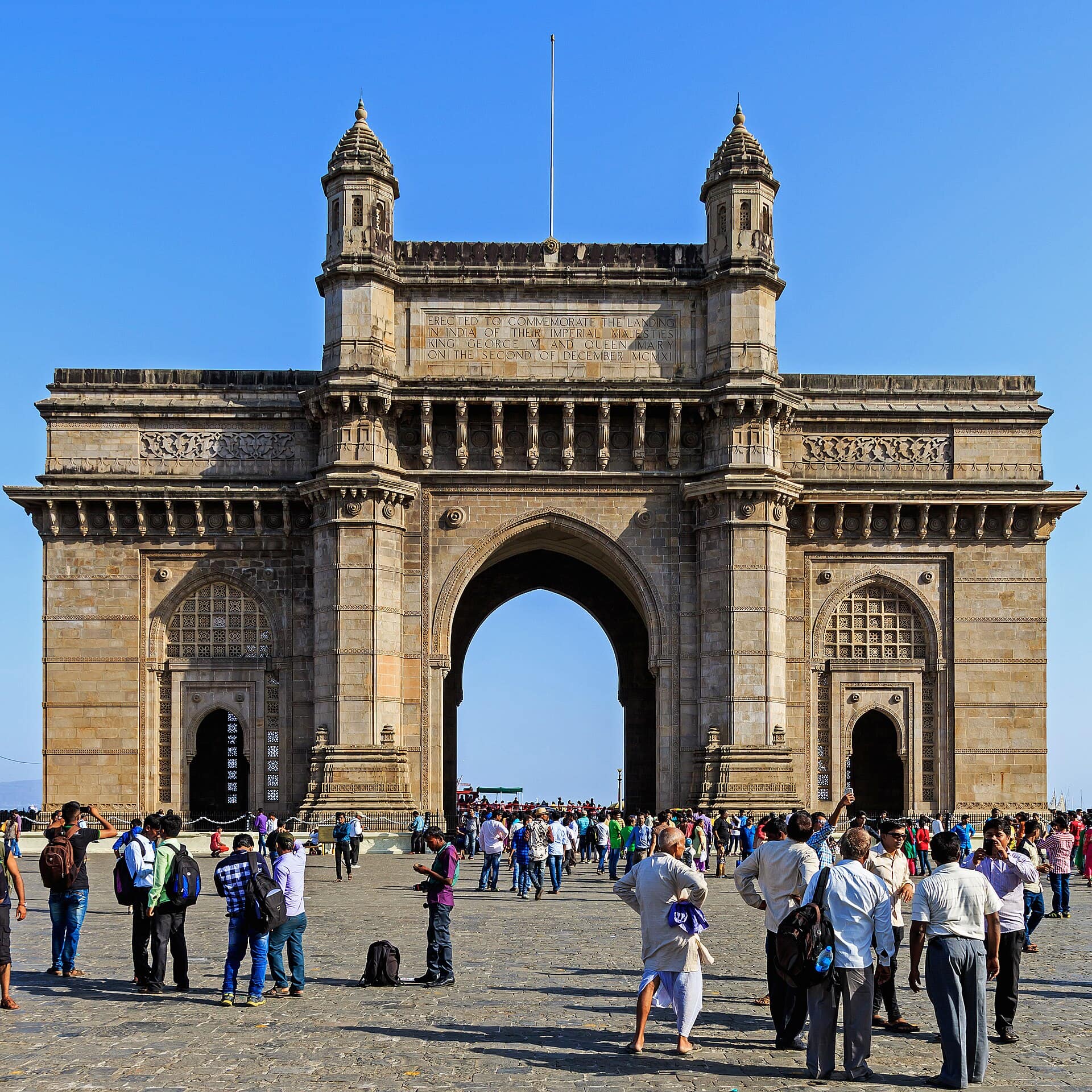
Gateway of India
- Best timeEarly morning for an empty plaza and the sun rising over the harbour behind the arch; late afternoon for warm light on the city-facing side.
- ColorsWhiteCobaltRed
 High crowd
Entry Free
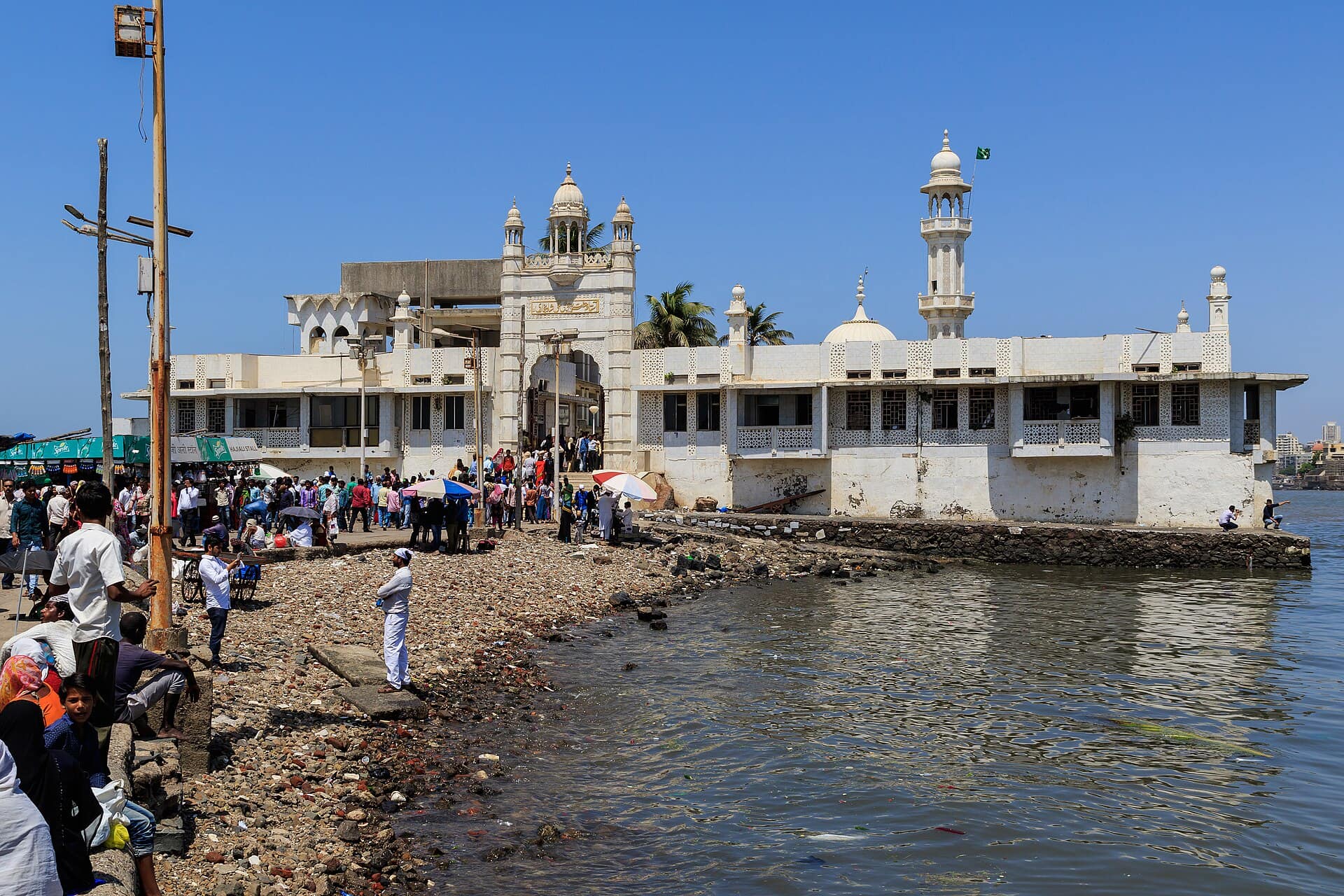
Haji Ali Dargah
- Best timeEarly morning at low tide, when the sun lights the white domes and the causeway is quiet; sunset, when the shrine turns into a dark shape against the sky.
- ColorsWhiteSky bluePastel
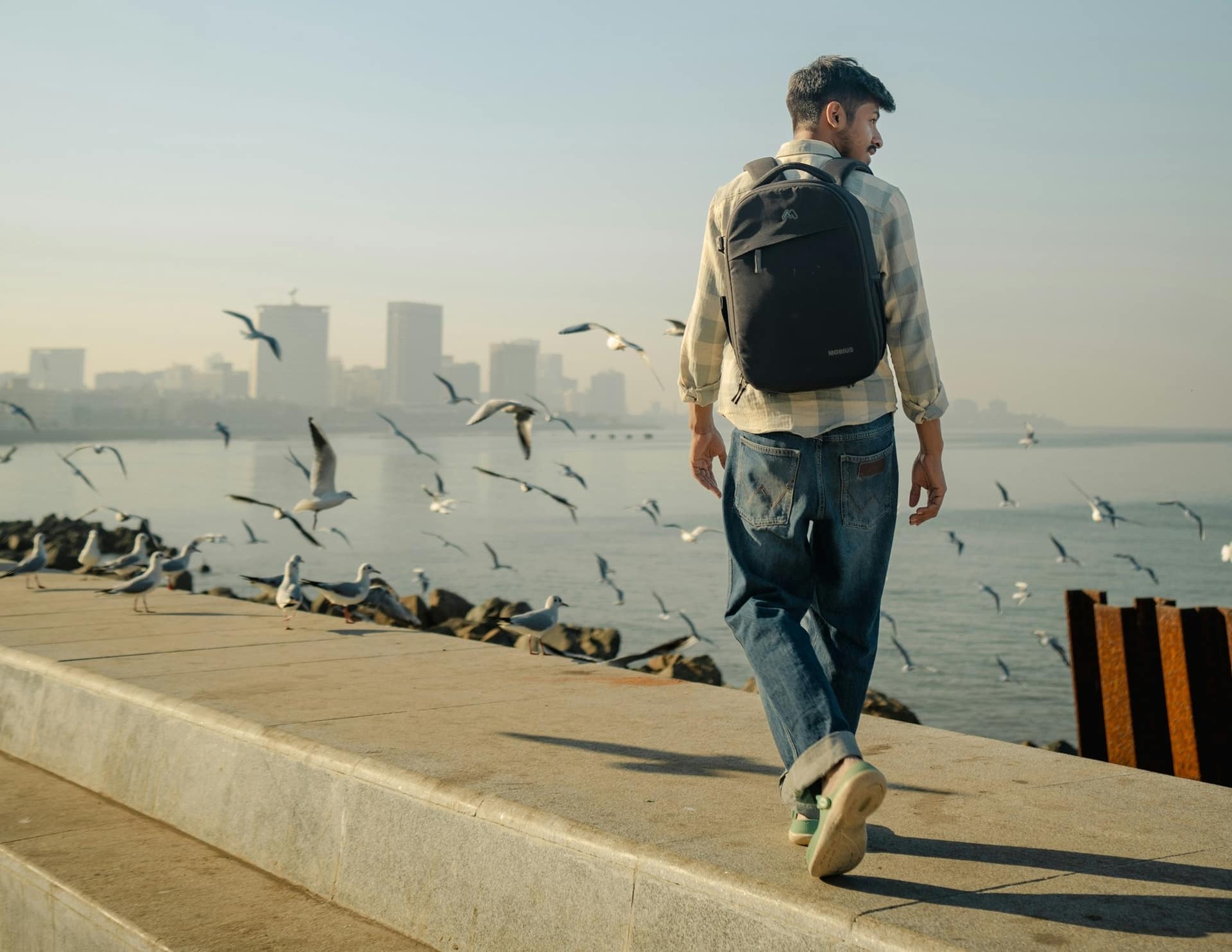 High crowd
Entry Free
Marine Drive
- Best timeSunset, when the sun drops into the sea in front of you; just after dark, when the street lights come on and make the Queen's Necklace.
- ColorsWhiteDenimCoral
The harbour front at Colaba
The Gateway of India faces the harbour, so the sun rises behind it. Arrive at first light for an empty plaza and boats on the water, or come in late afternoon when the city-facing side turns gold. The Taj Mahal Palace hotel stands right beside it, and one wide frame gets both.
Gothic stone at CSMT
Chhatrapati Shivaji Maharaj Terminus is a working station, so shoot the main front from the far pavement rather than from the station steps. The dome, the carved gables and the stone animals on the gateposts are clearest in afternoon light. After dark the façade is lit, and blue hour gives you a deep sky behind it.
Carved rock at Elephanta
The great cave at the Elephanta Caves is dim inside, and the only light comes through the entrances. Take the first ferry so the Trimurti has nobody in front of it, hold your phone steady against a pillar, and skip the flash. The ferry ride back gives you the Gateway and the Colaba skyline from the water.
The causeway to Haji Ali
Haji Ali Dargah sits on an islet, and the long causeway leading to it is the photo. Check the tide first. At low tide the path is dry and the sea rocks are exposed; at sunset the white building goes dark against the sky.
The curve of Marine Drive
Marine Drive faces west, so sunset falls over the sea. Stay on after dark for the curve of street lights known as the Queen's Necklace. For the full curve from above, climb to the gardens on Malabar Hill at the northern end.
Practical notes
Do not fly a drone: Mumbai Police regularly issue orders banning them, and the harbour and the station are security zones. Tripods at protected monuments usually need permission. Ask before photographing worshippers at Siddhivinayak or Haji Ali, and keep phones away inside the shrines.
Questions
Mumbai — FAQ
Can I fly a drone in Mumbai?
Not without permission. Mumbai Police regularly issue orders prohibiting drones over the city, and the Gateway, the harbour and CSMT are sensitive security areas.
Where do you get the Queen's Necklace view from above?
From the gardens on Malabar Hill, at the northern end of Marine Drive, or from a high hotel bar on the sea front. Go just after sunset, when the street lights come on and the sky still has colour.
Which photo spots still work in the monsoon?
Marine Drive, where waves hit the sea wall on high tides, and CSMT in wet, reflective light. Keep well back from the water, as people have been swept off the sea wall in past monsoons. Elephanta may be cut off when ferries stop.
Can I photograph inside CSMT station?
Quick phone photos in the concourse are common, but commercial shoots and tripods need railway permission. Stay clear of platforms and doors at rush hour.