
Photo spot in Mumbai
Gateway of India
Mumbai, Maharashtra
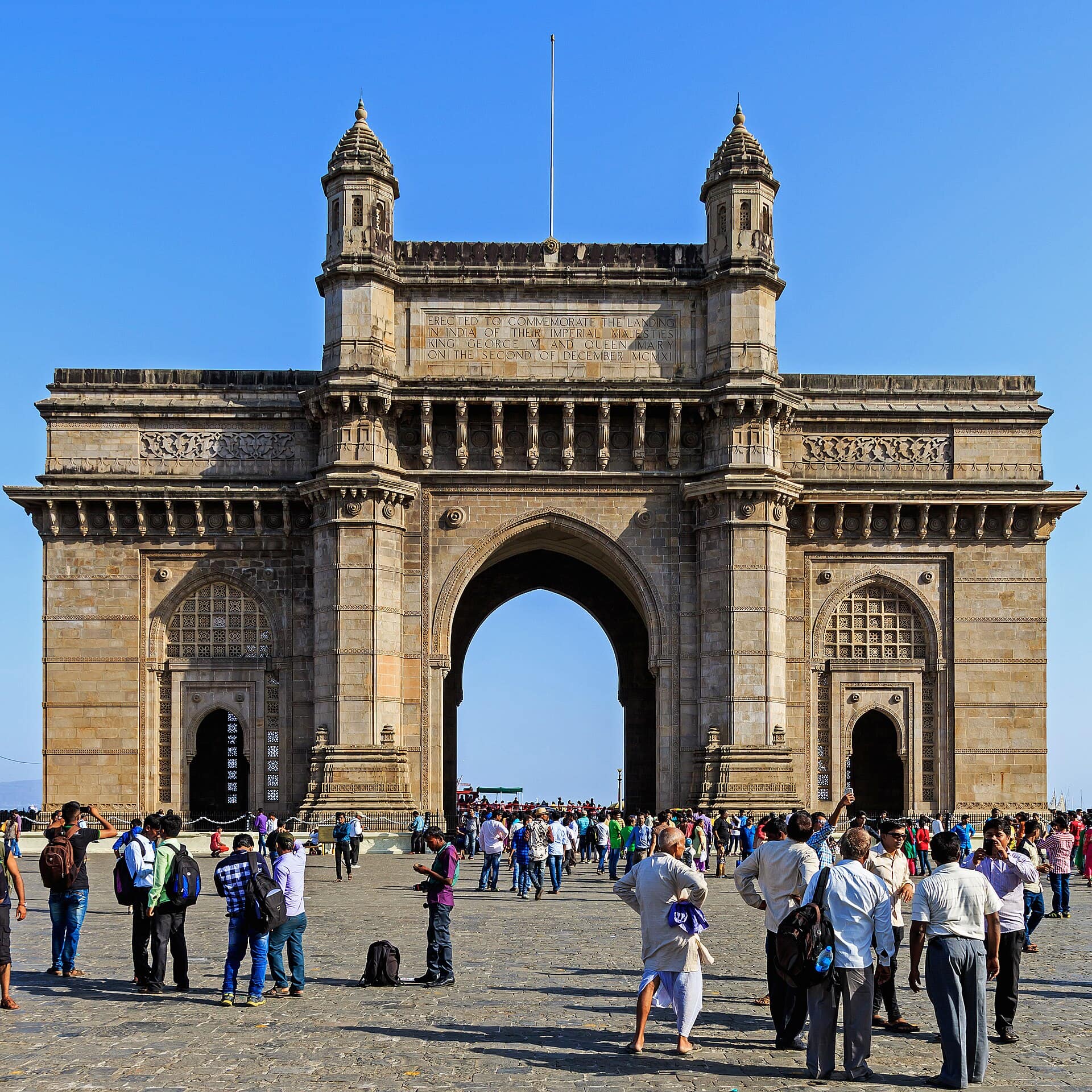
The grand basalt arch on the Colaba waterfront, built to welcome royalty and now Mumbai's most iconic gathering spot.
Best time
Early morning for an empty plaza and the sun rising over the harbour behind the arch; late afternoon for warm light on the city-facing side.
Best angle
Stand near the Shivaji statue at the far side of the plaza and take a wide photo with the arch on one side and the Taj's red domes on the other.
Entry fee
Free
Opening hours
Open 24 hours
Crowd level
High
Best outfit colors
Overview
Best time to visit Gateway of India
Early morning for an empty plaza and the sun rising over the harbour behind the arch; late afternoon for warm light on the city-facing side. Crowds here are typically high. Arrive a little early to claim your angle and catch the softest light before the day tips over.
Poses & angles
Photo tips for Gateway of India
Stand near the Shivaji statue at the far side of the plaza and take a wide photo with the arch on one side and the Taj's red domes on the other. Work a few of the pose ideas below, shoot wide for context and tight for detail, and give yourself a couple of extra minutes to get the frame right.
Framed under the great arch
With the harbour and boats behind
Outfit guide
What to wear at Gateway of India
For photos at Gateway of India, white, cobalt and red work beautifully — they stand out against the setting without fighting it. Pick one hero colour and keep the rest of the look calm so you stay the subject of the frame.
Best outfit colors for photos
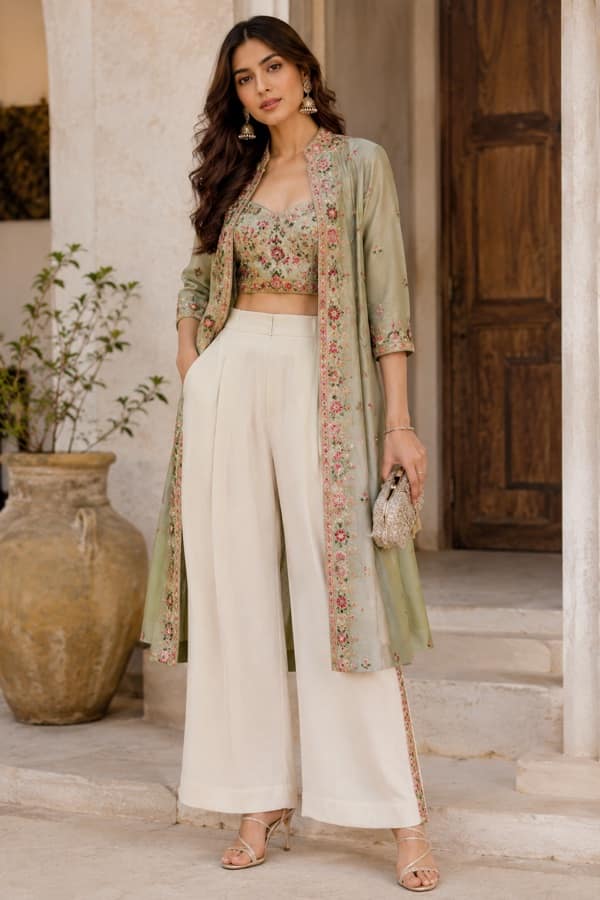
Trending wear for this spot
Modern, camera-ready looks picked for Gateway of India.
Traditional wear for this spot
Timeless, cultural looks that suit Gateway of India.
Eat nearby
Food near Gateway of India
Hungry after the shoot? Search the Mumbai food guide by craving to find something good nearby.
Search food by craving
Good to know
Local tips
Come before 8 am if you want the plaza without crowds, hawkers and tour groups.
Keep a photo ID handy, because there are security checks at the entry points.
Say a firm no to photographers selling instant prints unless you want one.
Buy Elephanta ferry tickets only at the official counters near the jetty.
Take the first morning ferry to Elephanta and come back for sunset on the harbour.
Walk into Colaba Causeway after your visit for street shopping and a snack.
Avoid public holidays and Sunday evenings, when the plaza is packed shoulder to shoulder.
An arch built for a royal visit
The Gateway of India was planned to mark the landing of King George V and Queen Mary at Apollo Bunder in December 1911. They only saw a cardboard model: the foundation stone went down in 1913, and the arch was finished in 1924 to a design by George Wittet. It is about 26 metres high and built of yellow basalt and concrete, with stone lattice screens and details borrowed from 16th-century Gujarati buildings. In February 1948 the last British troops to leave India marched out through it.
What you see today
The arch stands at an angle to the road, because the grand approach avenue was never built. It faces the harbour, with steps behind it leading down to the water. Across the plaza is an equestrian statue of Chhatrapati Shivaji, and right beside the arch is the Taj Mahal Palace hotel, which opened in 1903 and is older than the Gateway itself. There are security checks at the entry points, and at busy times the police keep people behind barriers.
Ferries from the Gateway
The jetties next to the arch are where boats leave for the Elephanta Caves, about an hour away, and for Mandwa and Alibaug across the harbour. A new passenger jetty is being built nearby, so check where your boat boards. Life jackets are now compulsory on Maharashtra ferries, so wear the one you are handed.
Around the Gateway
Colaba Causeway, with its street stalls and cafés, starts a few minutes' walk away. Bademiya's late-night grill is in the lane behind the Taj. The Kala Ghoda art district and the museums of Fort are about 1 km north, and Marine Drive is about 3 km to the west.
Questions
Gateway of India — FAQ
What is the best time to visit Gateway of India?
Early morning for an empty plaza and the sun rising over the harbour behind the arch; late afternoon for warm light on the city-facing side. Stand near the Shivaji statue at the far side of the plaza and take a wide photo with the arch on one side and the Taj's red domes on the other.
Is there an entry fee at Gateway of India?
Entry to Gateway of India is free.
What are the opening hours of Gateway of India?
Gateway of India is open 24 hours.
What should I wear at Gateway of India?
White, cobalt and red photograph especially well here. Explore the trending and traditional outfit ideas on this page for full looks.
How crowded does Gateway of India get?
Crowd levels are typically high. To miss the busiest window: early morning for an empty plaza and the sun rising over the harbour behind the arch; late afternoon for warm light on the city-facing side.
Why was the Gateway of India built?
To commemorate the landing of King George V and Queen Mary at Apollo Bunder in December 1911, the first visit to India by a reigning British monarch. It was completed in 1924.
Who designed the Gateway of India?
The Scottish architect George Wittet. His design mixes a triumphal arch with details from 16th-century Gujarati architecture, including carved stone screens.
How do I get from the Gateway to the Elephanta Caves?
Take a ferry from the jetties beside the Gateway. The crossing takes about an hour. Boats do not run to the caves on Mondays, when the site is closed, and are often cut back in the monsoon.
Whose statue stands opposite the Gateway of India?
Chhatrapati Shivaji, the 17th-century Maratha king, on horseback. It was unveiled in 1961. A statue of Swami Vivekananda also stands nearby.