
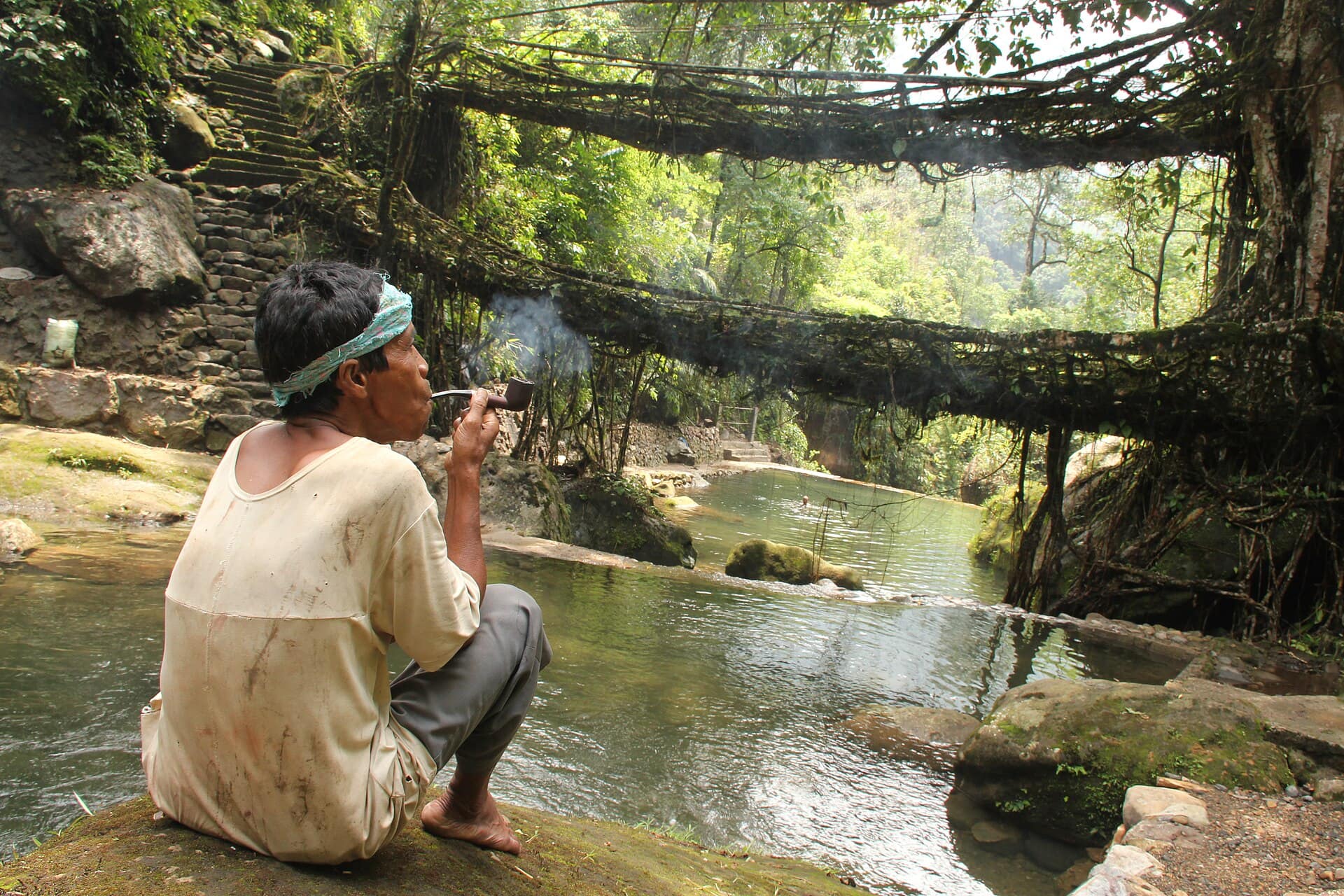
Photo spot in Nongriat
Single Decker Root Bridges
Nongriat, Meghalaya
The single-span living root bridges along the Nongriat trek, including the ones you cross on the way down from Tyrna — living examples of Khasi root-bridge craft across the streams.
Best time
Mid-morning, when some light filters through the trees onto the roots; overcast days for even light with no harsh patches.
Best angle
Stand on the bank a few metres downstream and take a side-on photo of the whole span with the roots rising from both banks.
Entry fee
No separate entry fee for the single-decker bridges. The village charges a small entry fee at the double-decker bridge, and sometimes a separate camera fee — carry small notes.
Opening hours
Daylight hours
Crowd level
Medium
Best outfit colors
Overview
Best time to visit Single Decker Root Bridges
Mid-morning, when some light filters through the trees onto the roots; overcast days for even light with no harsh patches. Crowds here are typically medium. Arrive a little early to claim your angle and catch the softest light before the day tips over.
Poses & angles
Photo tips for Single Decker Root Bridges
Stand on the bank a few metres downstream and take a side-on photo of the whole span with the roots rising from both banks. Work a few of the pose ideas below, shoot wide for context and tight for detail, and give yourself a couple of extra minutes to get the frame right.
On a root bridge
By the woven roots
Outfit guide
What to wear at Single Decker Root Bridges
For photos at Single Decker Root Bridges, forest green, rust and cream work beautifully — they stand out against the setting without fighting it. Pick one hero colour and keep the rest of the look calm so you stay the subject of the frame.
Best outfit colors for photos
Trending wear for this spot
Popular modern looks travellers are wearing across Nongriat.
Traditional wear for this spot
Timeless, cultural looks that suit Single Decker Root Bridges.
Eat nearby
Food near Single Decker Root Bridges
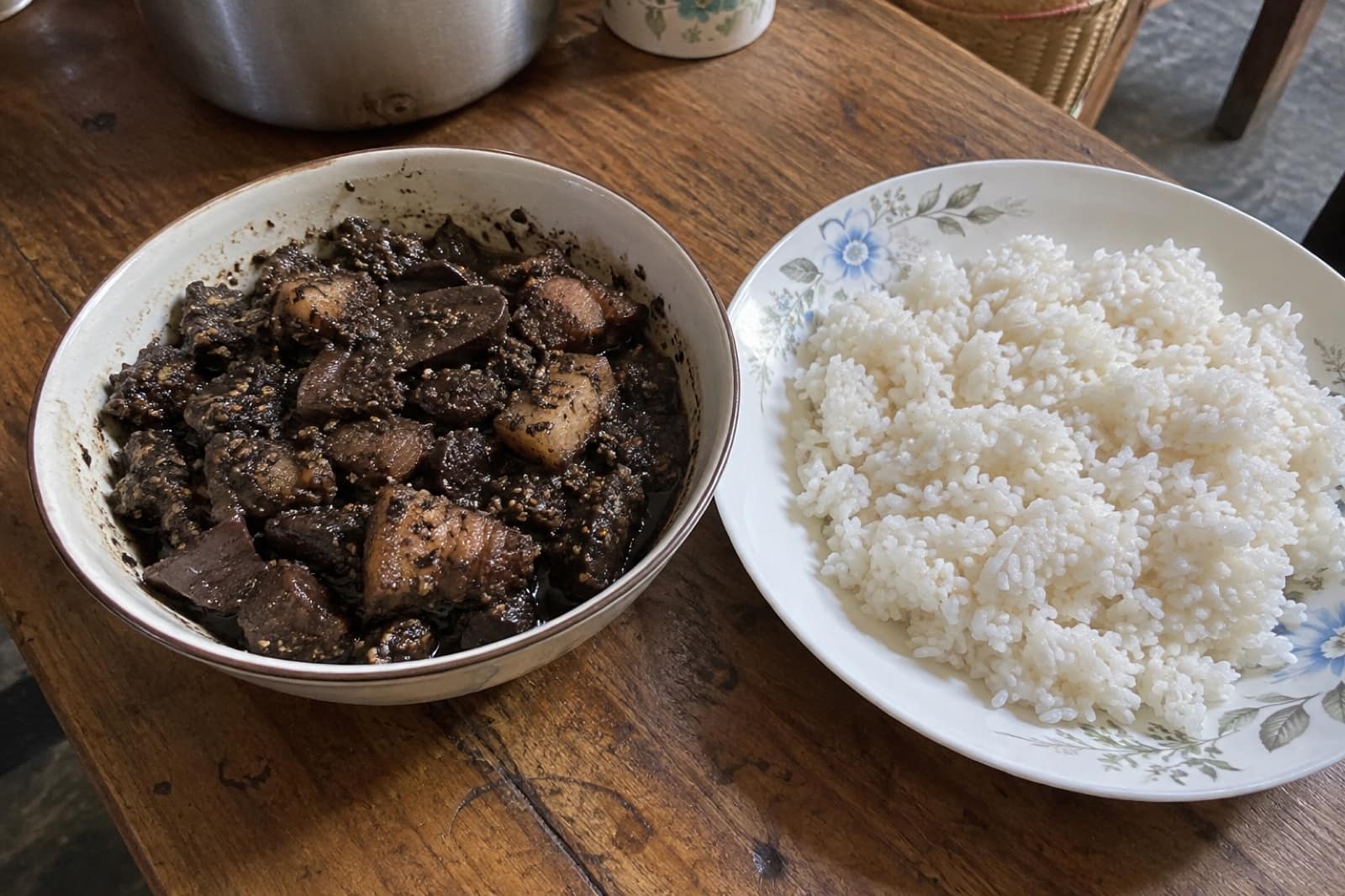
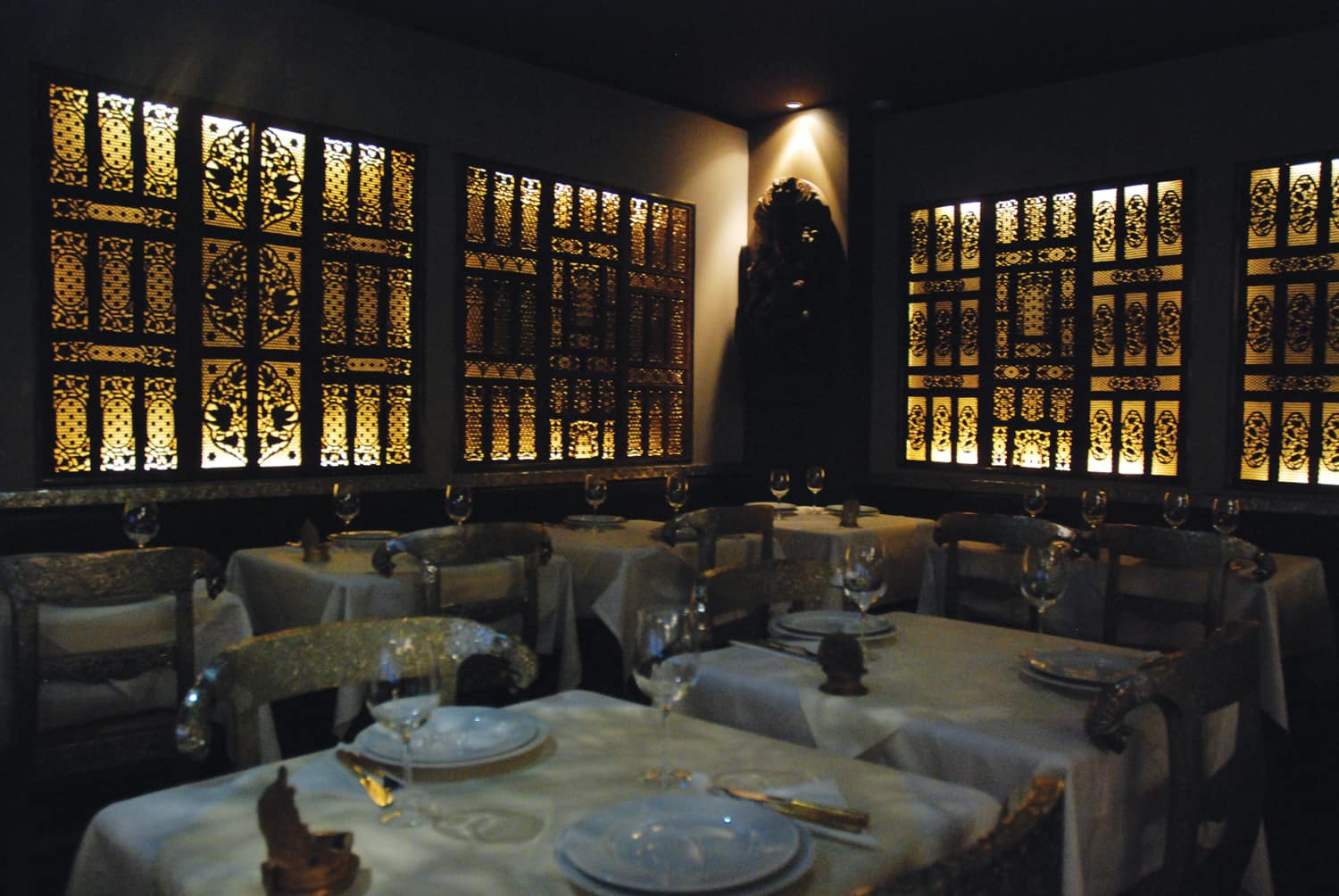
Round out the visit with something to eat. Look for doh jem nearby, or settle in at one of the 1 restaurants close by.
Special dishes to try
Restaurants & food places nearby
Search food by craving
Good to know
Local tips
Stop at the first root bridge on the way down rather than the way up, when you have more energy.
Cross the steel-wire bridges a few people at a time and do not rock them.
Ask your homestay for directions to the upstream root bridge beyond the village.
Step on the embedded stones rather than bare roots, which are slippery when wet.
Let villagers carrying loads cross first and wait on the bank.
Carry small change for any bridge where the village collects a fee.
Photograph the wire bridges from the bank rather than stopping mid-span.
More than one bridge
The double-decker gets the attention, but the path to Nongriat passes several single-span living root bridges too. Each is a crossing grown from rubber-fig roots on the banks, pulled across the water and allowed to fuse into a walkway. Nongriat itself has three working root bridges, including one upstream of the village and a hybrid that combines roots with steel wire.
Where you meet them
The descent from Tyrna runs through two small hamlets before Nongriat. Along the way are the root bridges and two steel-wire suspension bridges hung high over the river. The wire bridges sway and carry only a few people at a time, while the root bridges sit low over smaller streams in deep shade. Your homestay can point you to the upstream root bridge, which few day walkers see.
Why they are worth stopping for
On a single span you can see the whole structure at once: the roots that start on one bank, the knots where they fused, and the stones pressed in for footing. It is the easiest way to understand how the bigger double-decker bridge was made. They are also quieter, so there is time to look.
On the bridges
Cross one at a time on the narrow ones. Keep to the middle, where the roots are thickest. Do not jump, pull at the side roots or carve names, which damages living wood. Let people carrying loads for the village go first; they use this path every day.
Charges
Some bridges have a small fee collected by the village that maintains them, and some are free. Carry small cash and pay where asked. Then continue down to the village and the natural pools.
Questions
Single Decker Root Bridges — FAQ
What is the best time to visit Single Decker Root Bridges?
Mid-morning, when some light filters through the trees onto the roots; overcast days for even light with no harsh patches. Stand on the bank a few metres downstream and take a side-on photo of the whole span with the roots rising from both banks.
Is there an entry fee at Single Decker Root Bridges?
No separate entry fee for the single-decker bridges. The village charges a small entry fee at the double-decker bridge, and sometimes a separate camera fee — carry small notes.
What are the opening hours of Single Decker Root Bridges?
Single Decker Root Bridges keeps daylight hours.
What should I wear at Single Decker Root Bridges?
Forest green, rust and cream photograph especially well here. Explore the trending and traditional outfit ideas on this page for full looks.
How crowded does Single Decker Root Bridges get?
Crowd levels are typically medium. To miss the busiest window: mid-morning, when some light filters through the trees onto the roots; overcast days for even light with no harsh patches.
What food should I try near Single Decker Root Bridges?
Try doh jem, available at nearby restaurants.
How many root bridges are there on the Nongriat trek?
Nongriat has three working root bridges, including the double-decker, and you pass others and two steel-wire bridges on the way down from Tyrna.
Are the steel-wire bridges safe?
They are used daily, but they sway. Cross a few people at a time, hold the side wires and do not rock them for photos.
What is the difference between a single and double-decker root bridge?
A single root bridge has one walkway of fused roots. The double-decker has two, one above the other, which is rare.
How long does a living root bridge take to grow?
Many years. Sources commonly put it at 10 to 15 years before it can carry people, and bridges keep strengthening for centuries.