
Meghalaya · India
Nongriat
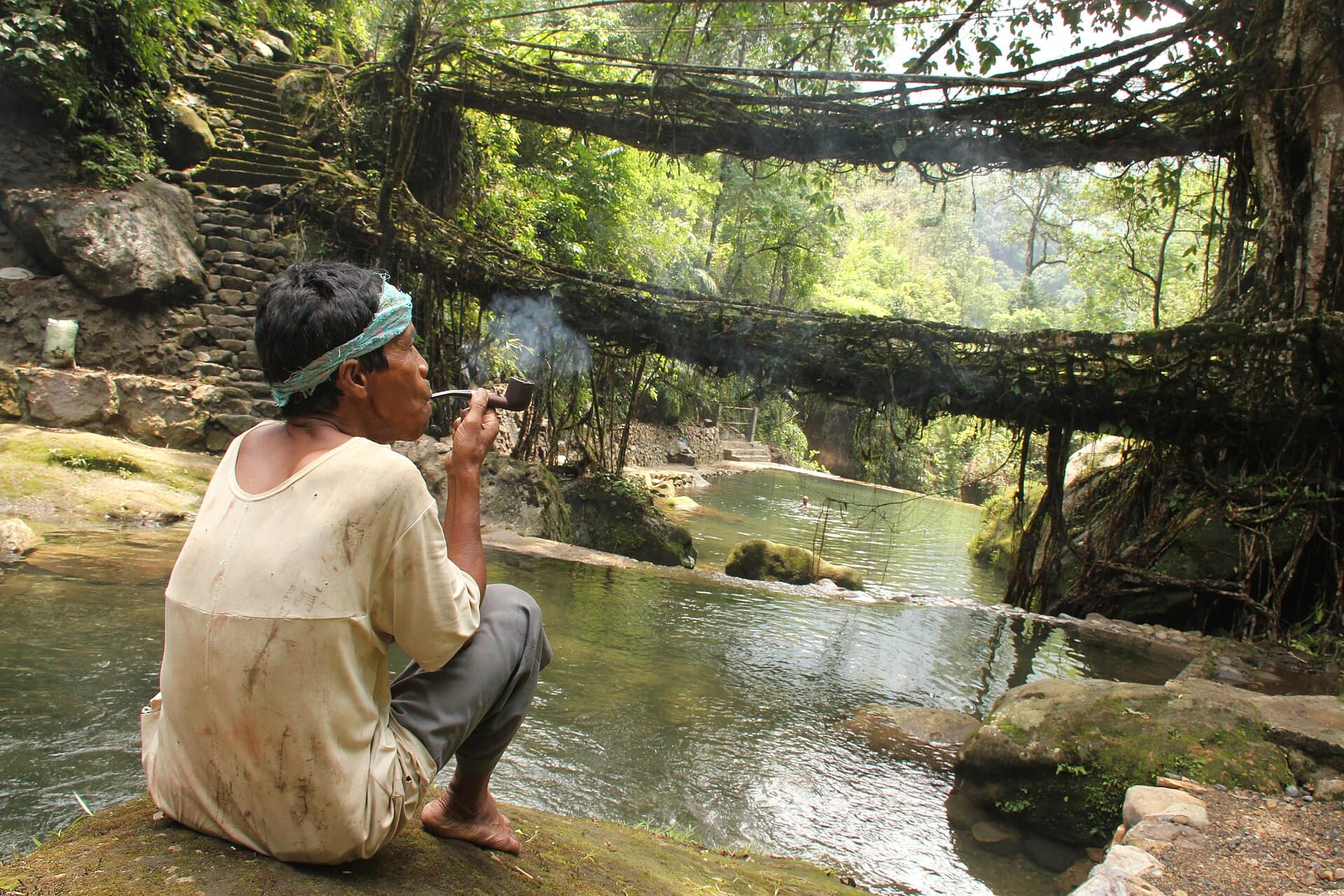
A remote Khasi village deep in the Sohra gorges, reached only on foot down ~3,500 steps — home to the world-famous Umshiang Double Decker Living Root Bridge, turquoise natural pools and the Rainbow Falls.
Nongriat is root-bridge Meghalaya: the two-tier Umshiang living root bridge, the trek down thousands of steps from Tyrna, the blue natural pools, Rainbow Falls, homestay village life, and Khasi food.
Plan your trip
Nongriat Tour Itineraries
Timed, walkable day plans — plus the best season to go.
Where to shoot
Nongriat Photo Spots
 Medium crowd
Entry Free
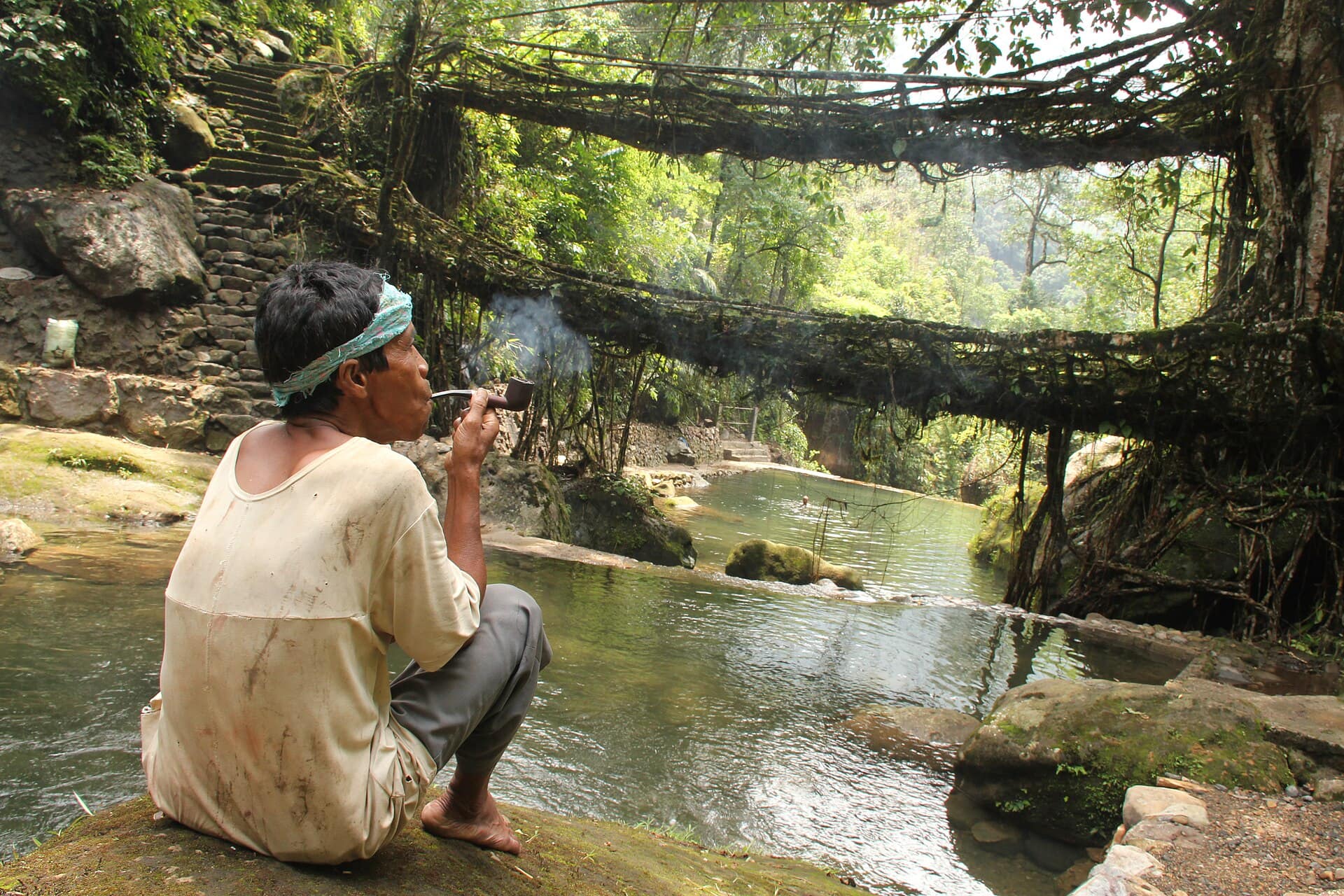
Nongriat Natural Pools
- Best timeMidday in the dry months, when sun reaches the bottom of the gorge and the water shows its colour; early morning for still, empty pools.
- ColorsTealCoralForest green
 Low crowd
Entry Free
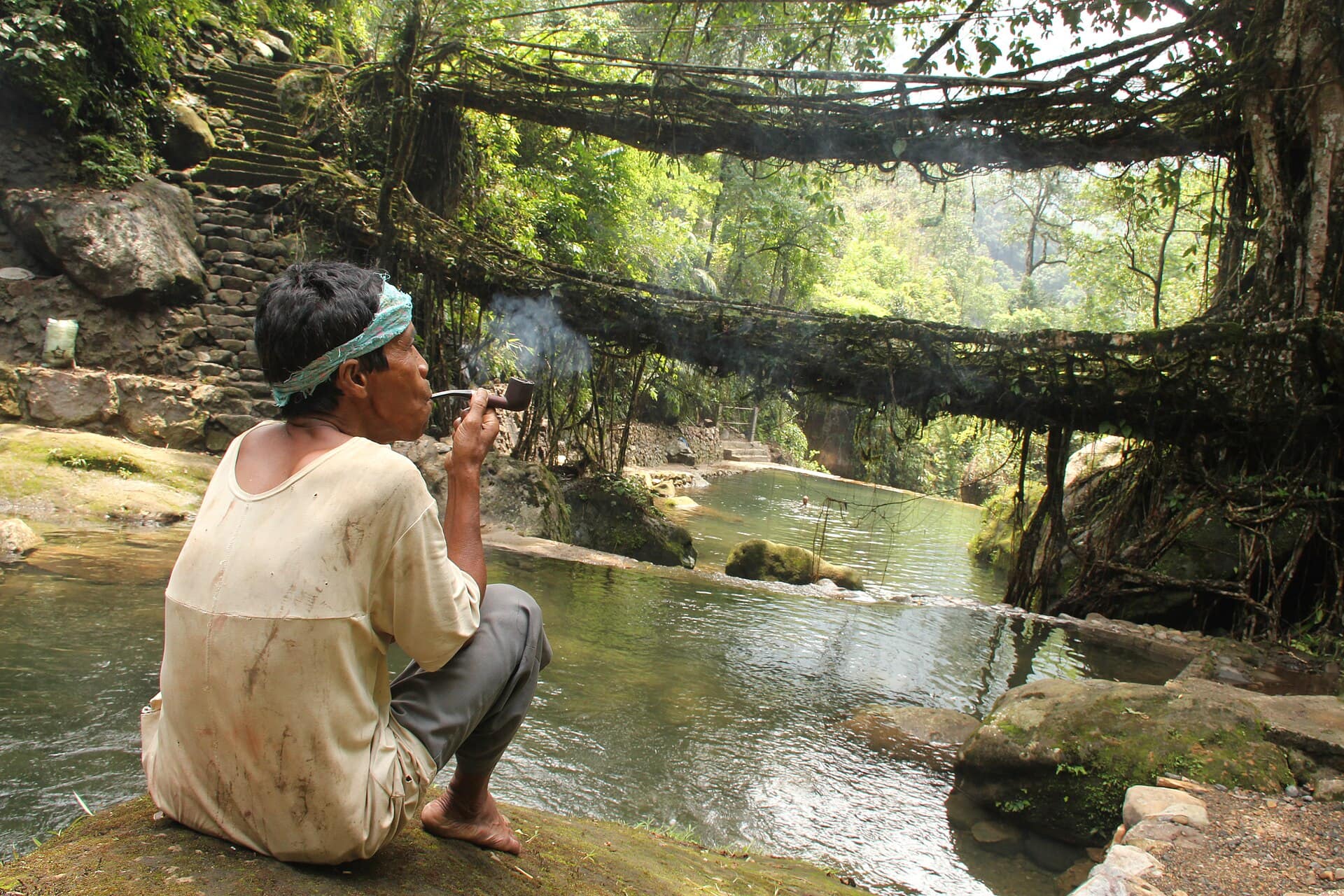
Nongriat Village
- Best timeEarly morning, when mist lifts off the gorge and villagers set out; late afternoon for warm light on the betel-nut trees.
- ColorsForest greenRustCream
 Low crowd
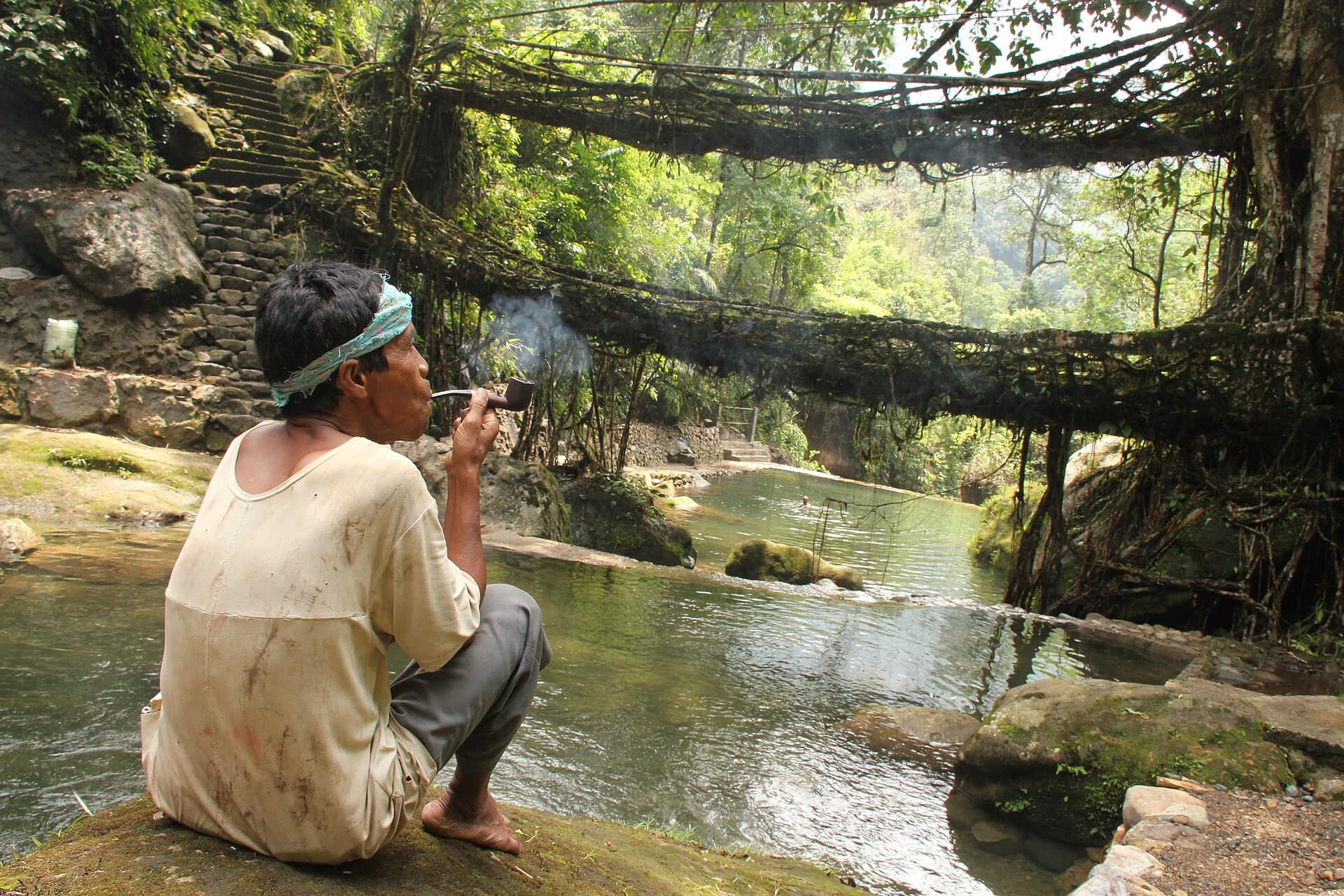
Entry No separate entry fee at Rainbow Falls. The village charges a small entry fee at the double-decker bridge on the way in, and sometimes a separate camera fee — carry small notes.
Rainbow Falls
- Best timeLate morning on a clear day, when the sun reaches the spray and the rainbow appears; early morning for an empty pool in even light.
- ColorsTealForest greenCoral
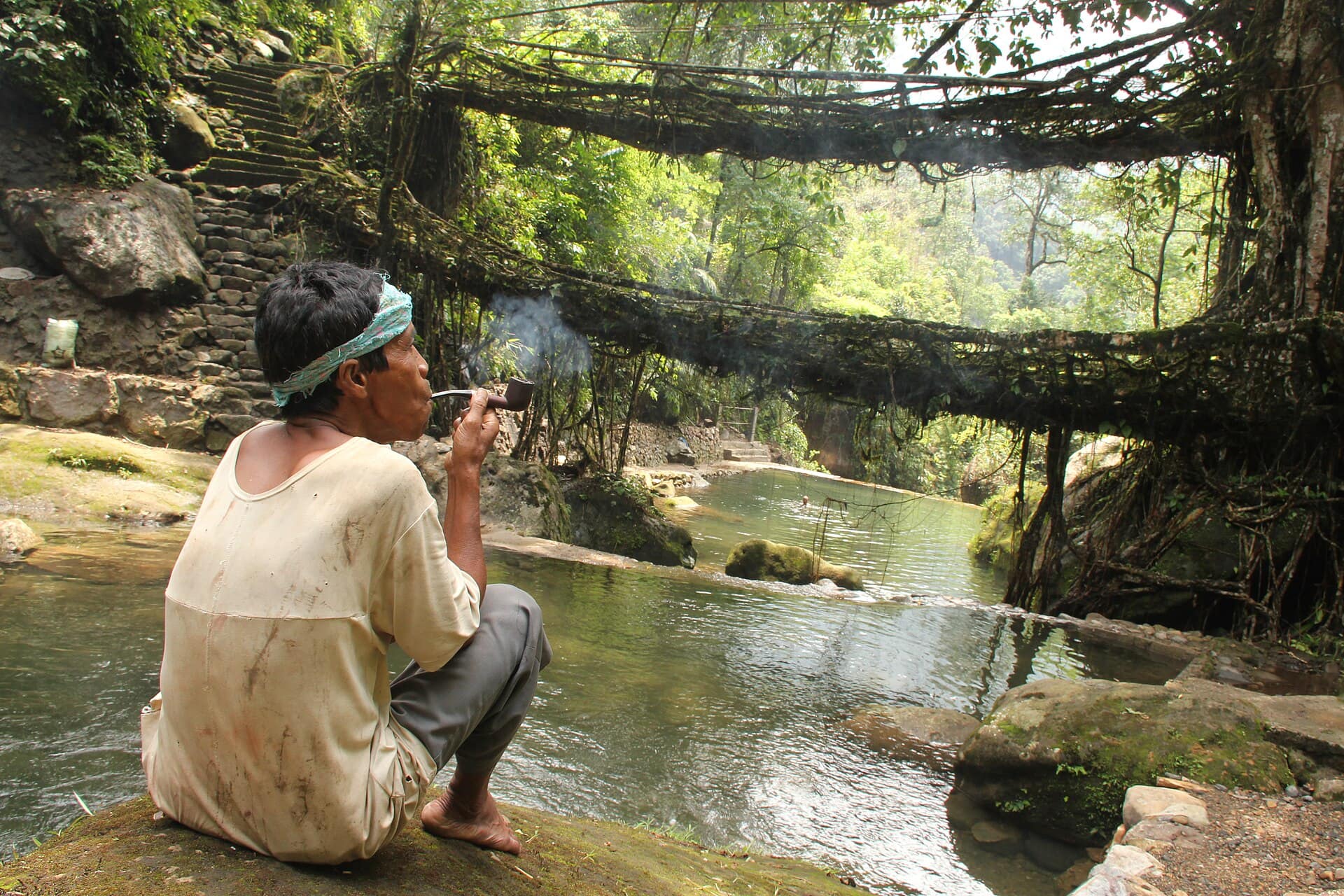 Medium crowd
Entry No separate entry fee for the single-decker bridges. The village charges a small entry fee at the double-decker bridge, and sometimes a separate camera fee — carry small notes.
Single Decker Root Bridges
- Best timeMid-morning, when some light filters through the trees onto the roots; overcast days for even light with no harsh patches.
- ColorsForest greenRustCream
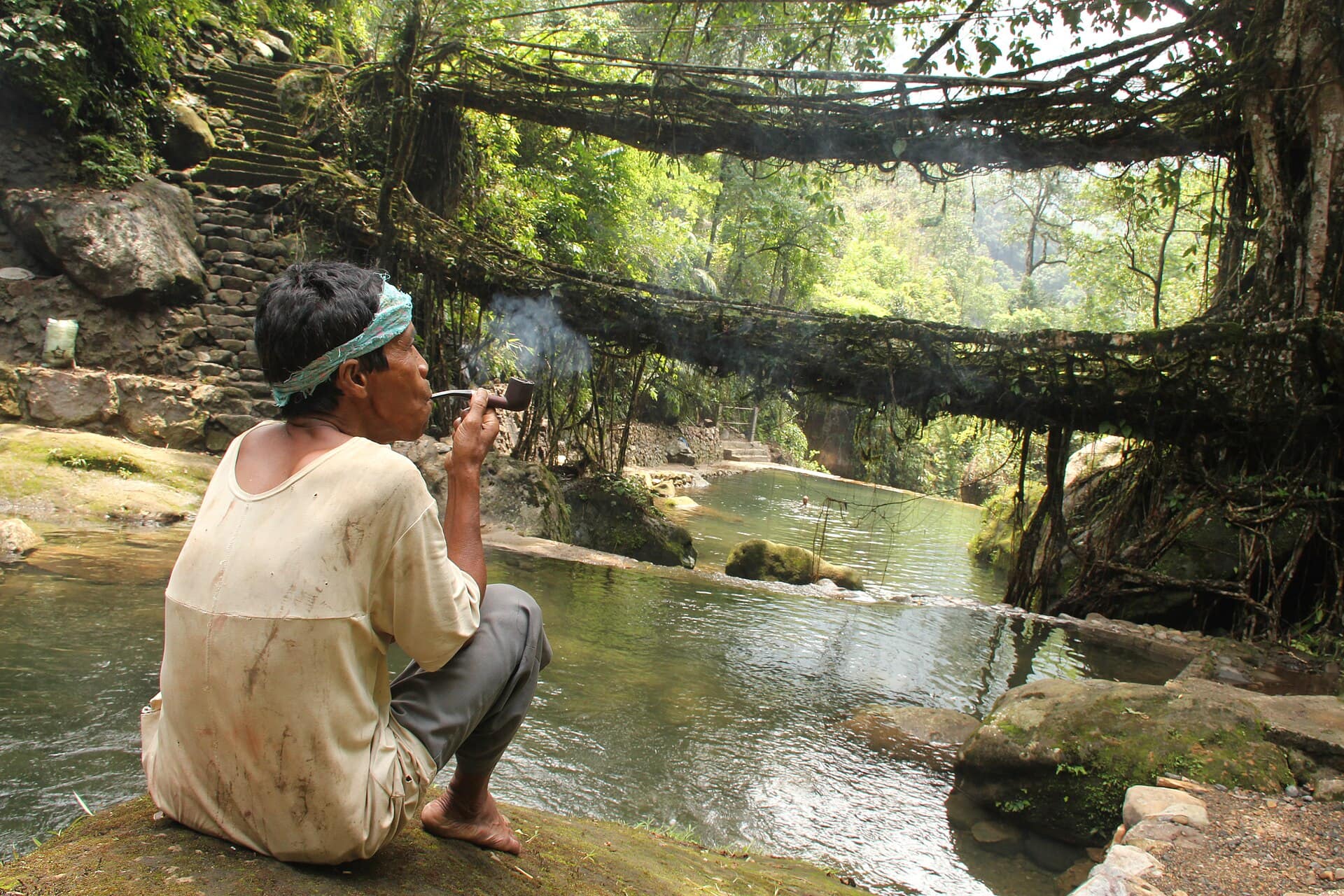 Medium crowd
Entry The village charges a small entry fee at the double-decker bridge, and sometimes a separate camera fee. Pay at the bridge — carry small notes.
Umshiang Double Decker Root Bridge
- Best timeEarly morning, before the day walkers from Tyrna arrive, for an empty bridge in soft light; early afternoon for sun on the pool below.
- ColorsForest greenRustCream
For the feed
Trending Wear in Nongriat
Modern, Instagram-friendly looks
Rooted in the city
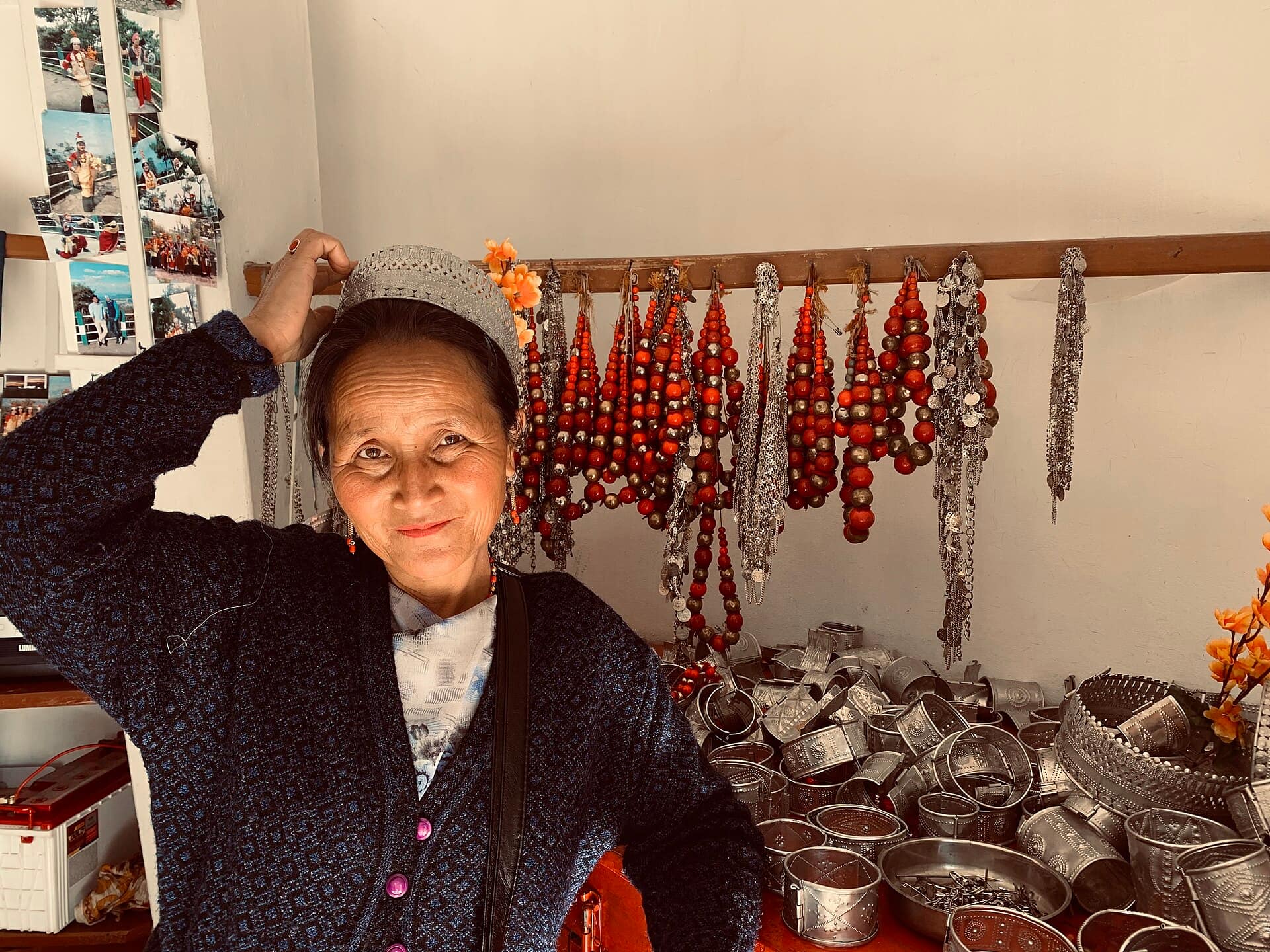
Nongriat Traditional Wear
Local, cultural, handcrafted outfits
Taste the city
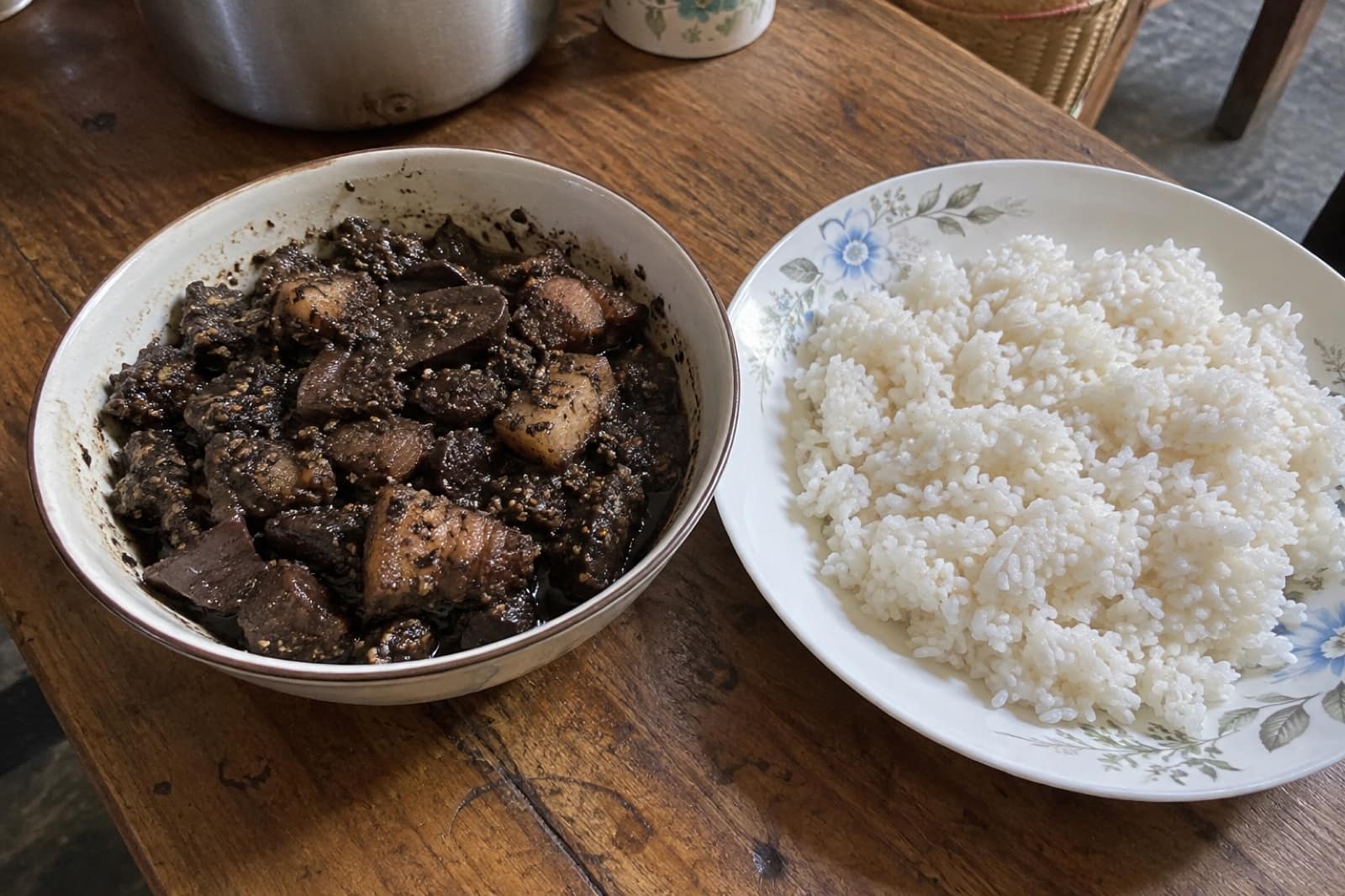
Food to Eat in Nongriat
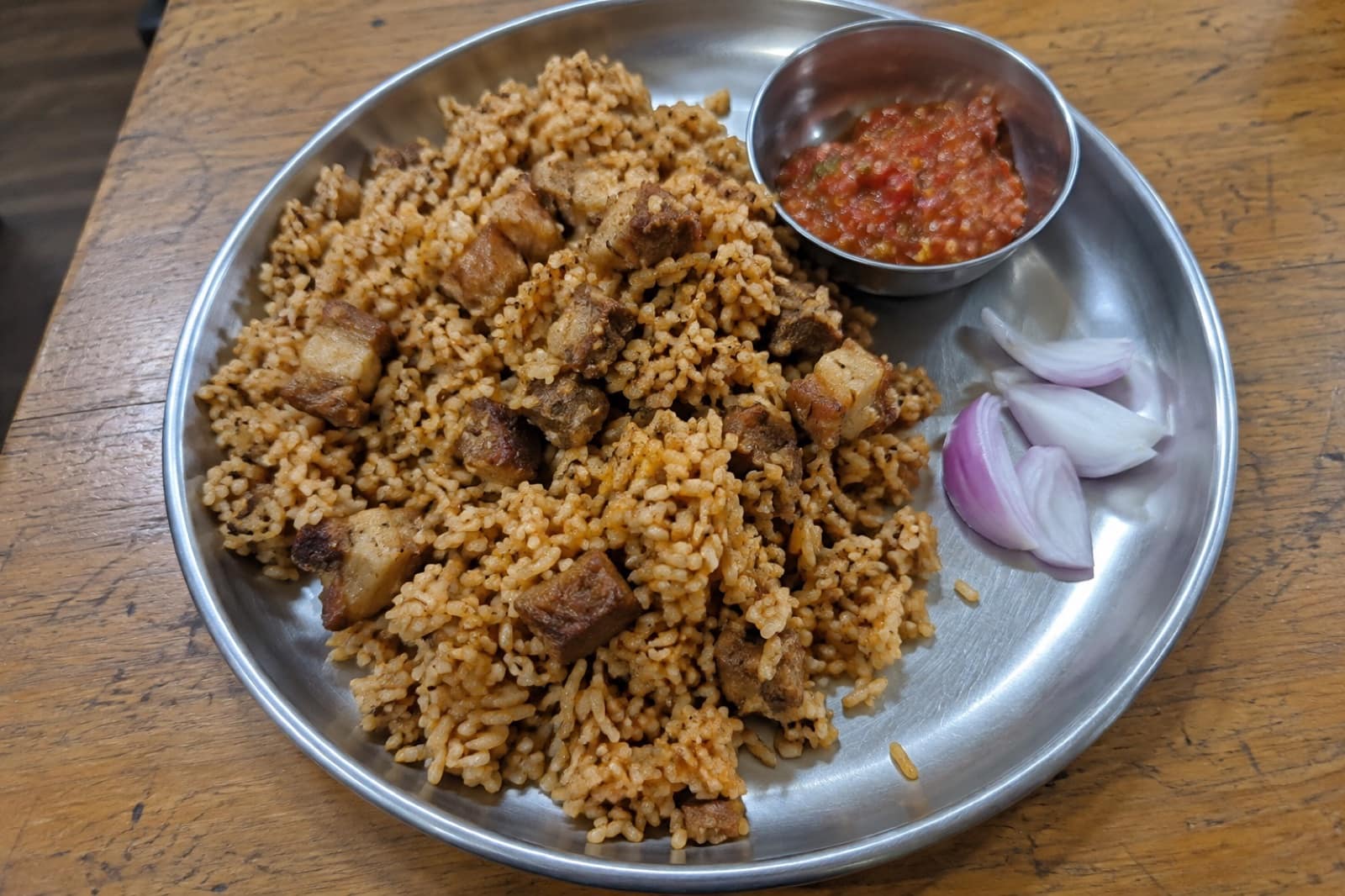
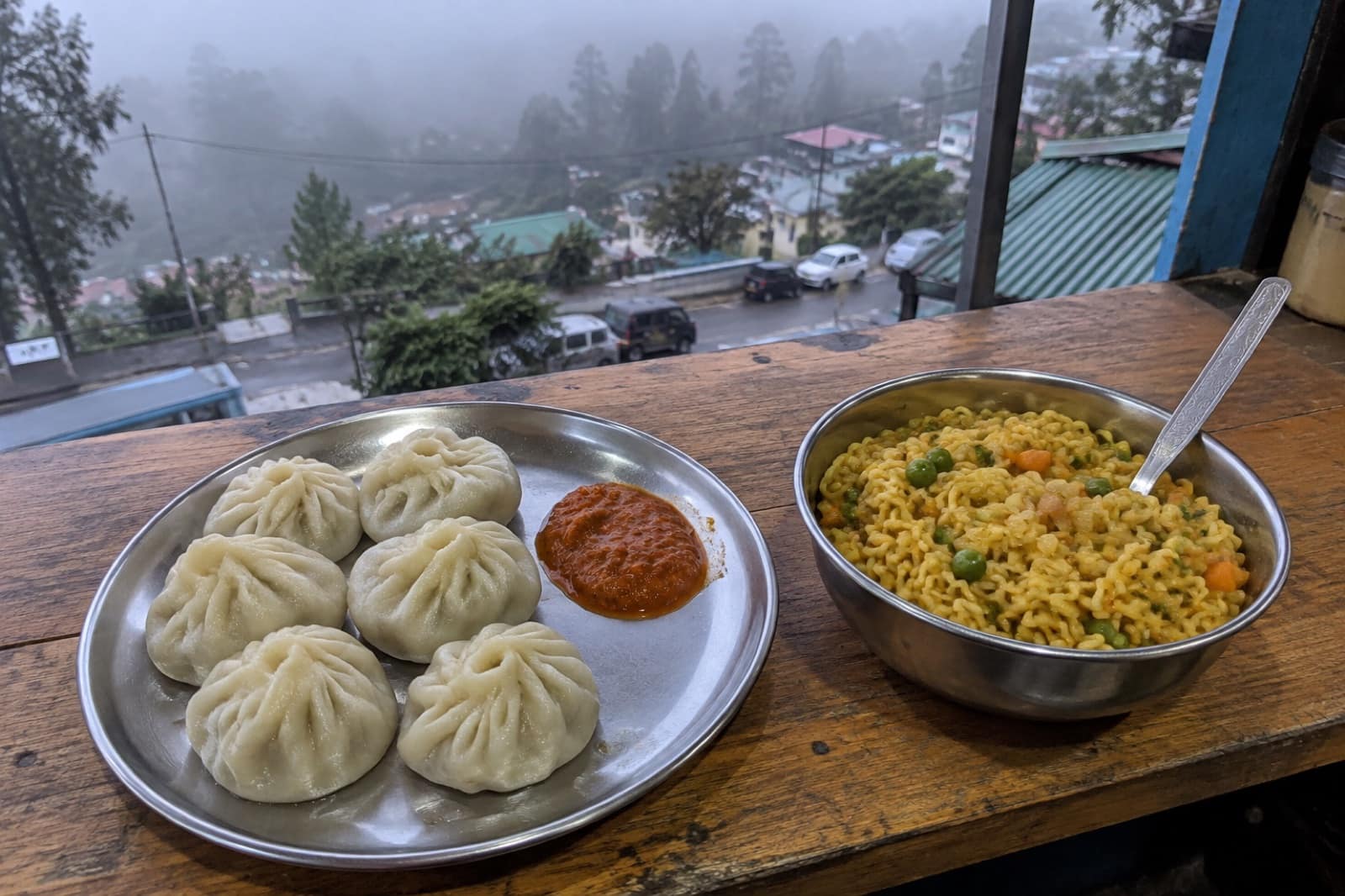
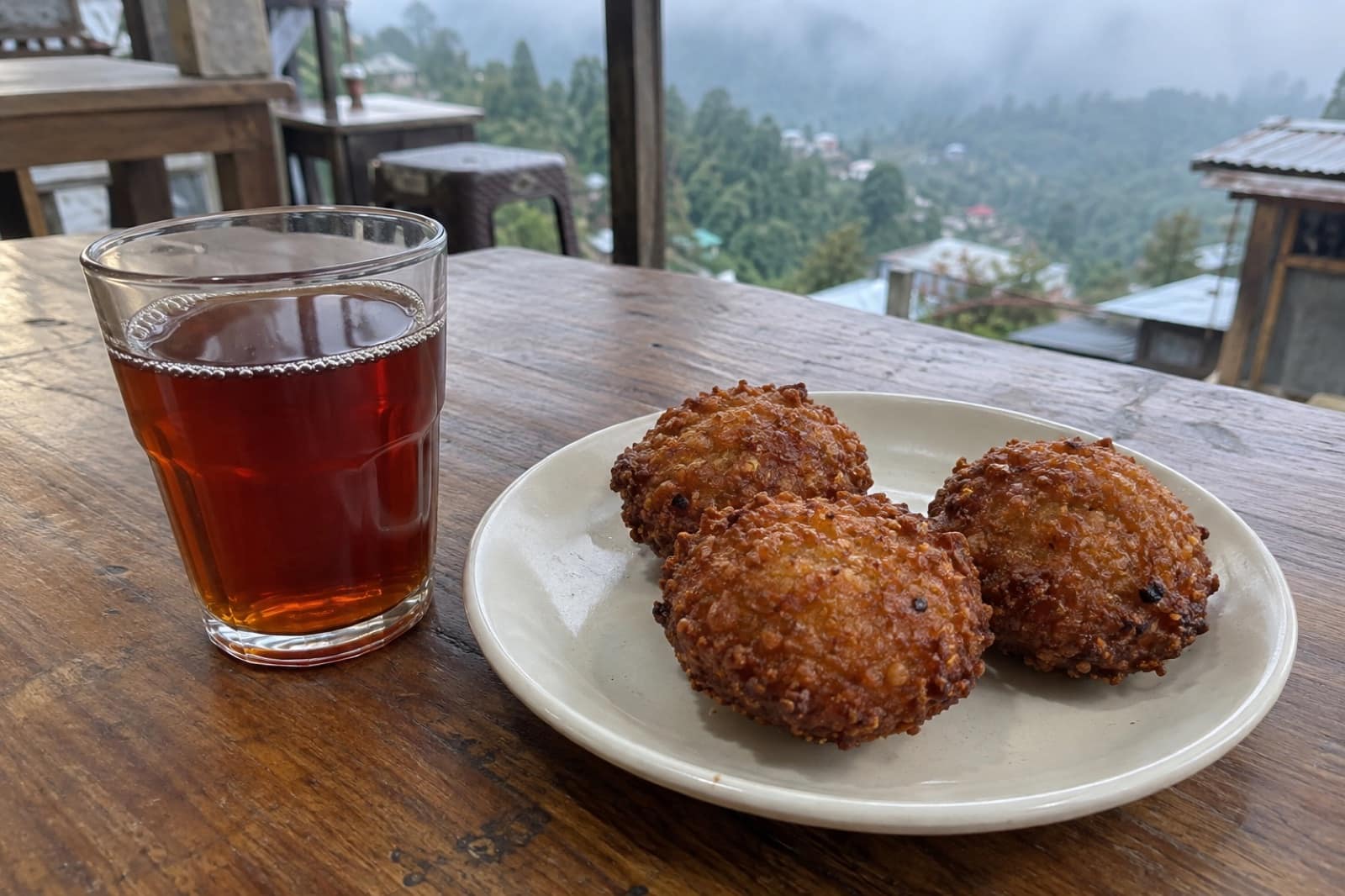
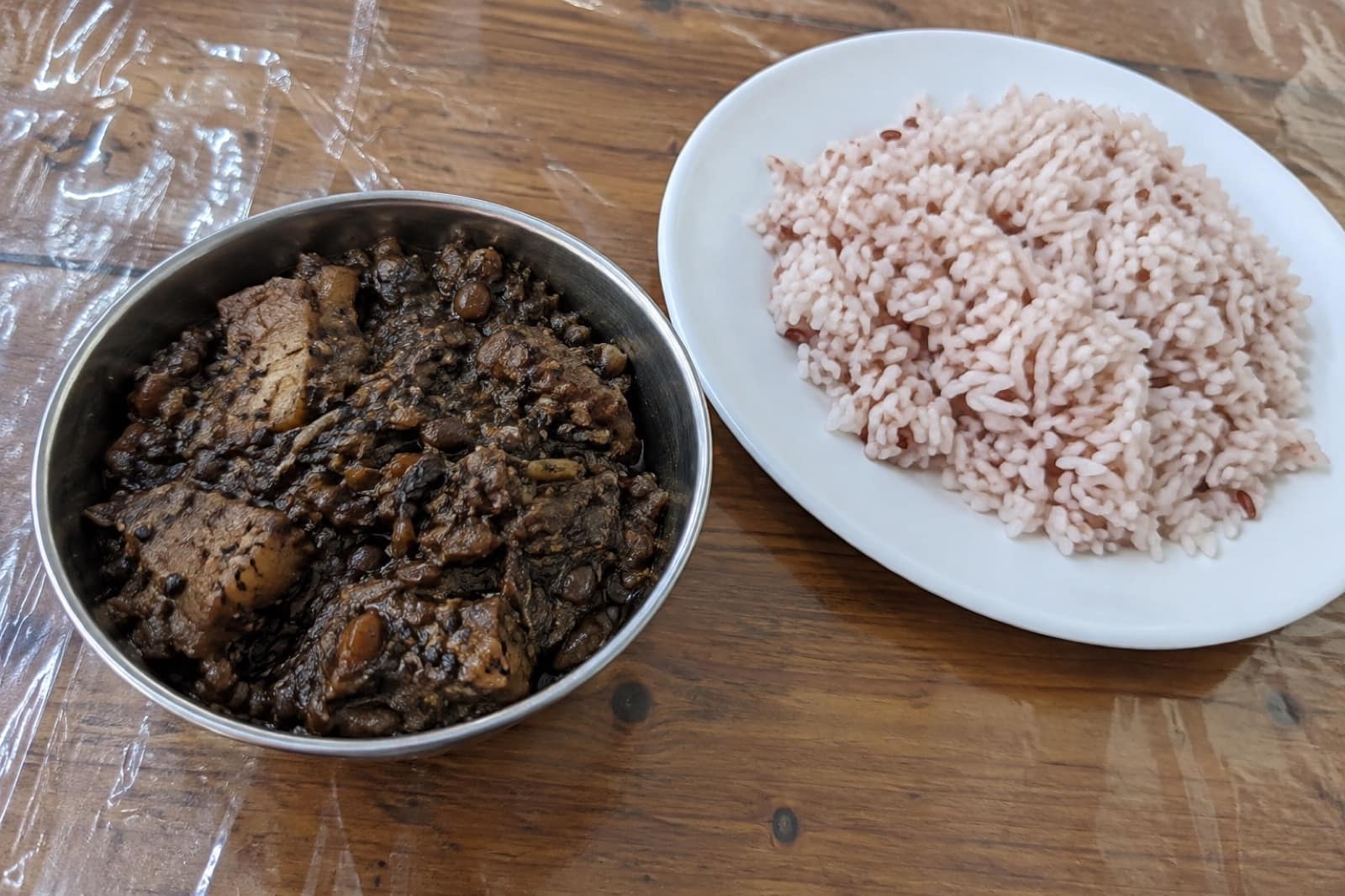
Trusted tables
Where to Eat in Nongriat
 Representative photo
Gorge Kitchen
Nongriat
 Representative photo
Rainbow Trail Stall
Nongriat
Representative photoRoot Bridge Stall
Nongriat
Representative photoSerene Homestay Kitchen
Nongriat
A village at the bottom of the steps
Nongriat is a small Khasi village in the East Khasi Hills, deep in a river gorge below Sohra (Cherrapunji). No road reaches it. The last road ends at Tyrna, about 12 km from Sohra, and from there a long flight of stone steps drops through betel-nut groves, jungle and two small hamlets to the village. People come for one thing first: the double-decker living root bridge, a crossing grown from the roots of rubber-fig trees, with one span stacked on top of another.
How hard is the walk?
Be honest with yourself about this. Counts vary between about 3,000 and 3,500 steps each way, and the path also crosses two swaying steel-wire bridges over the river. Going down takes most people one and a half to two hours. Coming back up usually takes longer, often three hours or more, and in the humid afternoon it is where legs and water run out. Anyone with bad knees, heart trouble or very young children should think hard before starting. There is no vehicle, pony or porter shortcut once you are down.
Stay the night if you can
The easiest way to do Nongriat is to split it. Walk down in the morning, sleep in one of the village homestays, and climb out the next day. You get the root bridge to yourself before the day walkers arrive, time for the natural pools, and the option of the longer walk to Rainbow Falls. Rooms are simple, meals are what the family cooks, and everything you use has been carried down the steps. Leave the big bag in Sohra.
Rules the village sets
The root bridges belong to the village, which maintains them and the path. Expect a small entry fee at the double-decker bridge and sometimes a separate camera charge. The village has closed the bridge to visitors on Sundays in recent years; reports since then disagree on whether this still applies, so check in Sohra before you plan a Sunday descent. Most Khasi villages here are Christian and keep Sunday as a church day, when some homestay kitchens do not cook.
A living structure
The bridges are made by guiding young aerial roots of the rubber fig across a stream until they thicken and knit together, which takes many years. Khasi and War communities across Meghalaya have grown around a hundred of them. They were added to India's UNESCO tentative list in 2022 as "Jingkieng Jri". Walk on them gently, do not pull at the roots, and keep to the stone path.
When to come
Sohra is one of the wettest places on earth. The dry months, roughly November to February, give firm steps and clear blue pools. June to September brings very heavy rain, slippery stone and fast, brown rivers. See the best time to visit and what to wear before you go.
Questions
Nongriat — FAQ
How many steps are there to Nongriat?
Roughly 3,000 to 3,500 stone steps each way from Tyrna, depending on who counted. Going down takes about one and a half to two hours; the climb back usually takes longer.
Can I see the double-decker root bridge as a day trip?
Yes, if you are fit and start by about 8 am from Tyrna. You will have an hour or two at the bridge before you need to climb back while there is still daylight.
Is the root bridge closed on Sundays?
The village has closed it to visitors on Sundays in recent years. Recent reports disagree on whether the rule still holds, so ask your driver or homestay in Sohra before a Sunday visit.
Is Nongriat suitable for children or older travellers?
Only for those who can manage thousands of steep steps down and back up. There is no road, pony or carry service, so judge by the climb out, not the walk in.
Do I need a guide for the Nongriat trek?
Not for the stone path to the double-decker bridge, which is clear. A local guide is useful for Rainbow Falls, where the trail is rougher and crosses streams.