
 Mild
Balti Cuisine
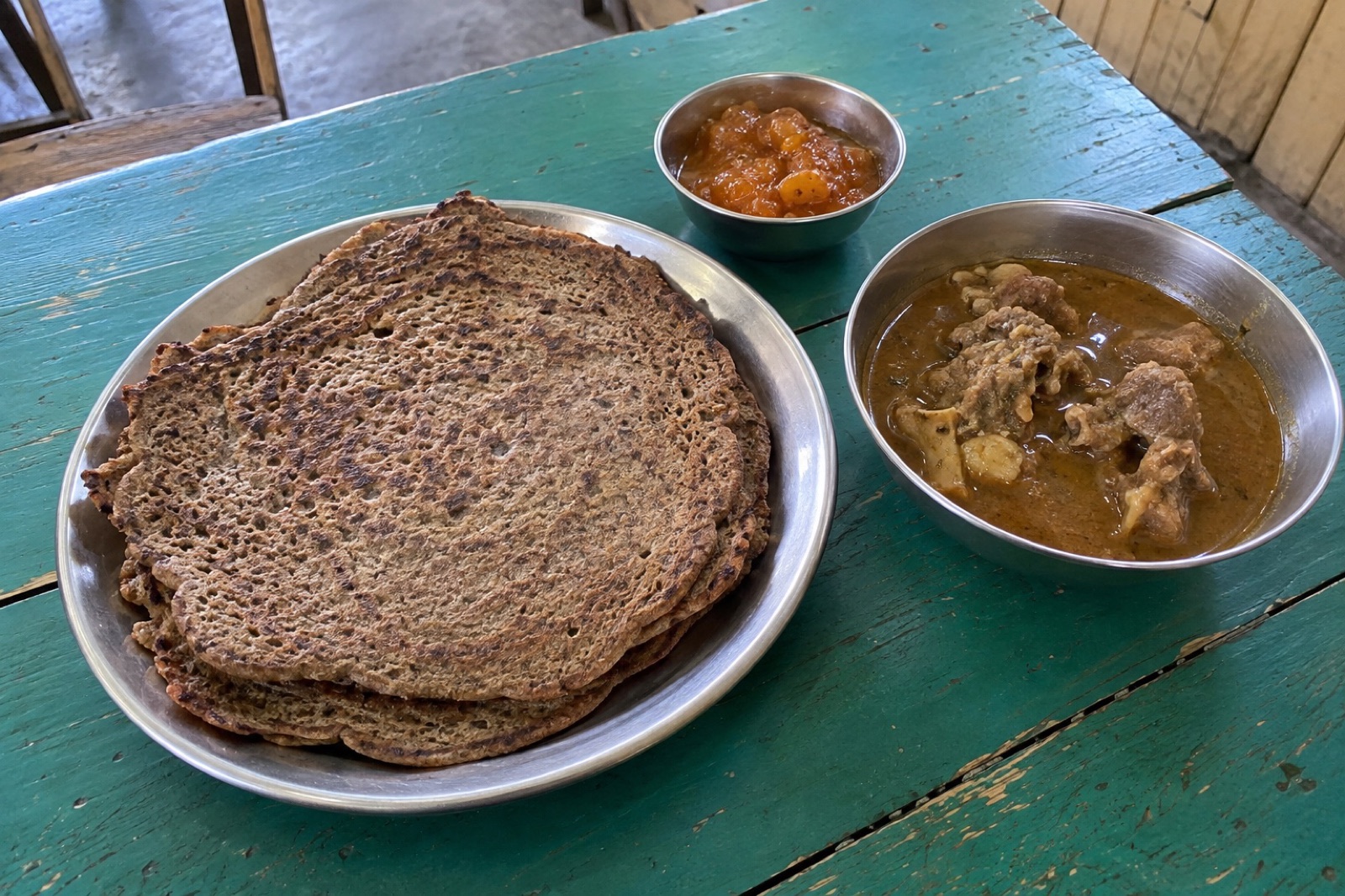
Non-vegThe Balti food of Turtuk — buckwheat pancakes (kisir), balay noodles, apricot dishes and mild meat curries, a distinct northern cuisine.
₹150–350
Best around: Turtuk
Eat in Nubra Valley
Search Nubra Valley dishes by craving — balti cuisine, butter tea, ladakhi apricots and more.
Food in Nubra is simple, warm and filling, built for cold nights at altitude. The one real surprise is Turtuk, where Balti cooking and the valley's apricots give you dishes you will not find in Leh.
Popular cravings
Diet
Best for
5 Nubra Valley dishes found
MildThe Balti food of Turtuk — buckwheat pancakes (kisir), balay noodles, apricot dishes and mild meat curries, a distinct northern cuisine.
₹150–350
Best around: Turtuk
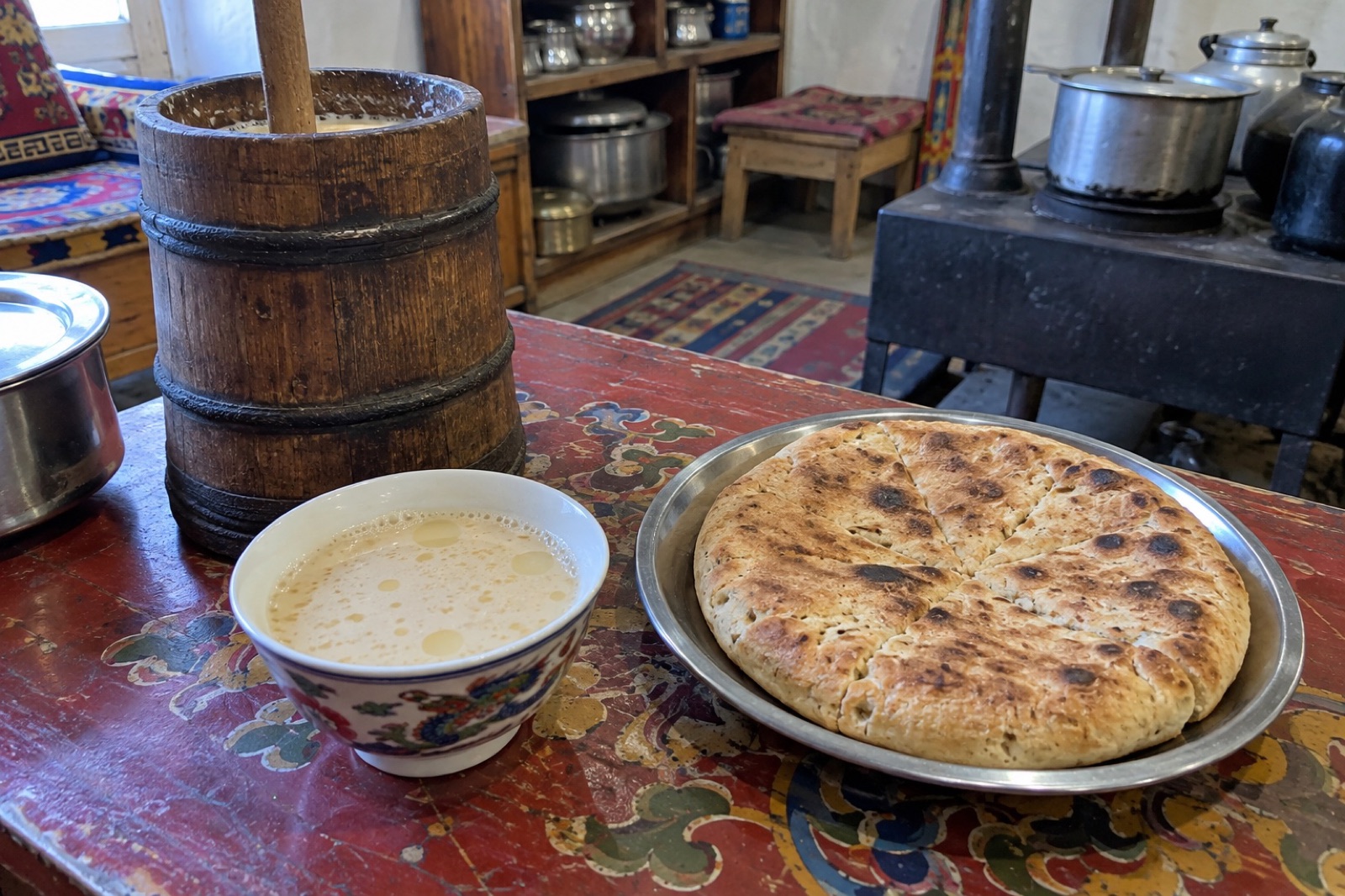
Gur-gur cha — Ladakhi salt-and-butter tea churned frothy, warming and energising in the thin, cold mountain air.
₹20–80
Best around: Hunder
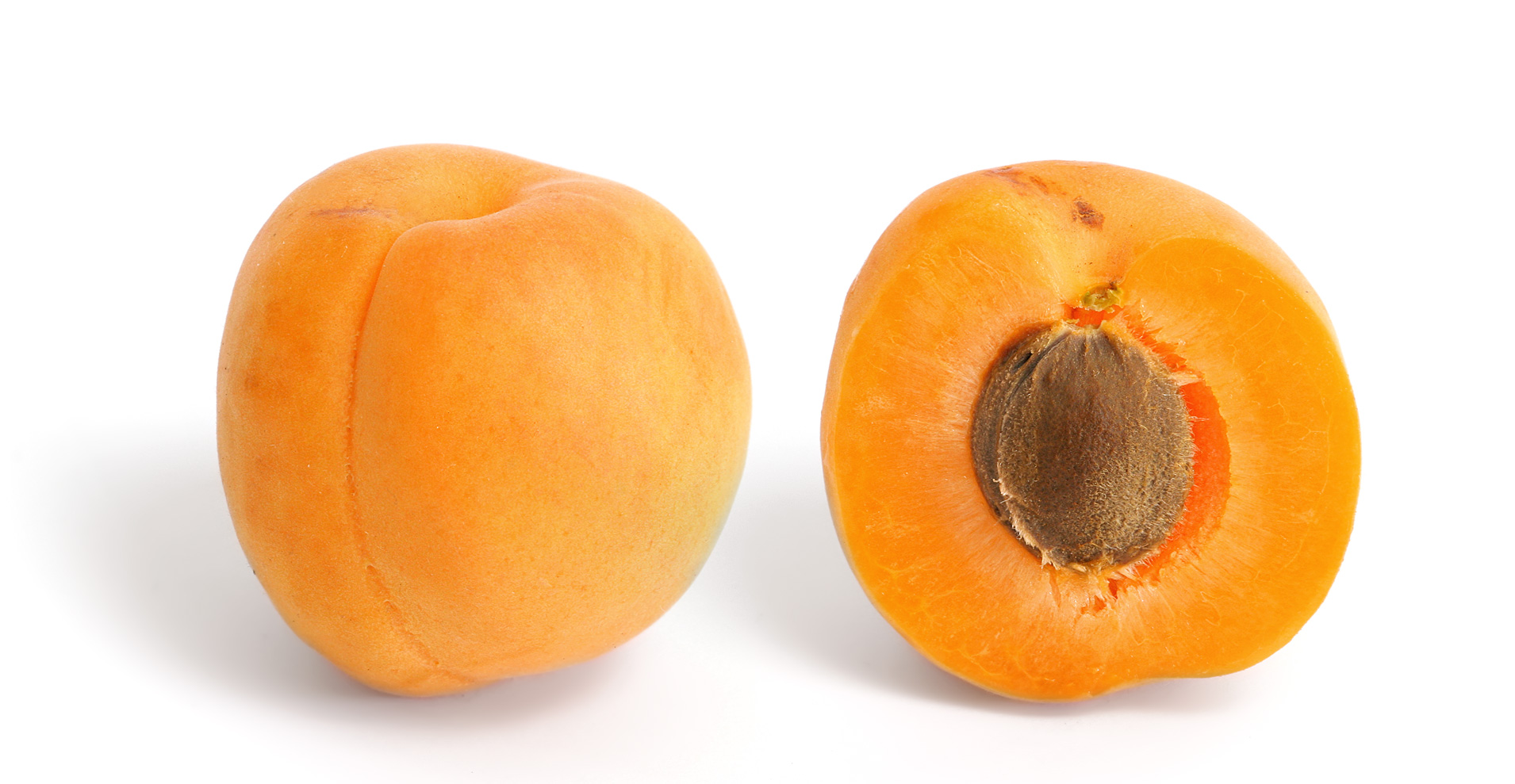
The prized apricots of Ladakh — eaten fresh, sun-dried, or as jam, juice and the oil pressed from their kernels; Nubra and Turtuk are famous for them.
₹100–400
Best around: Hunder and Turtuk
 Mild
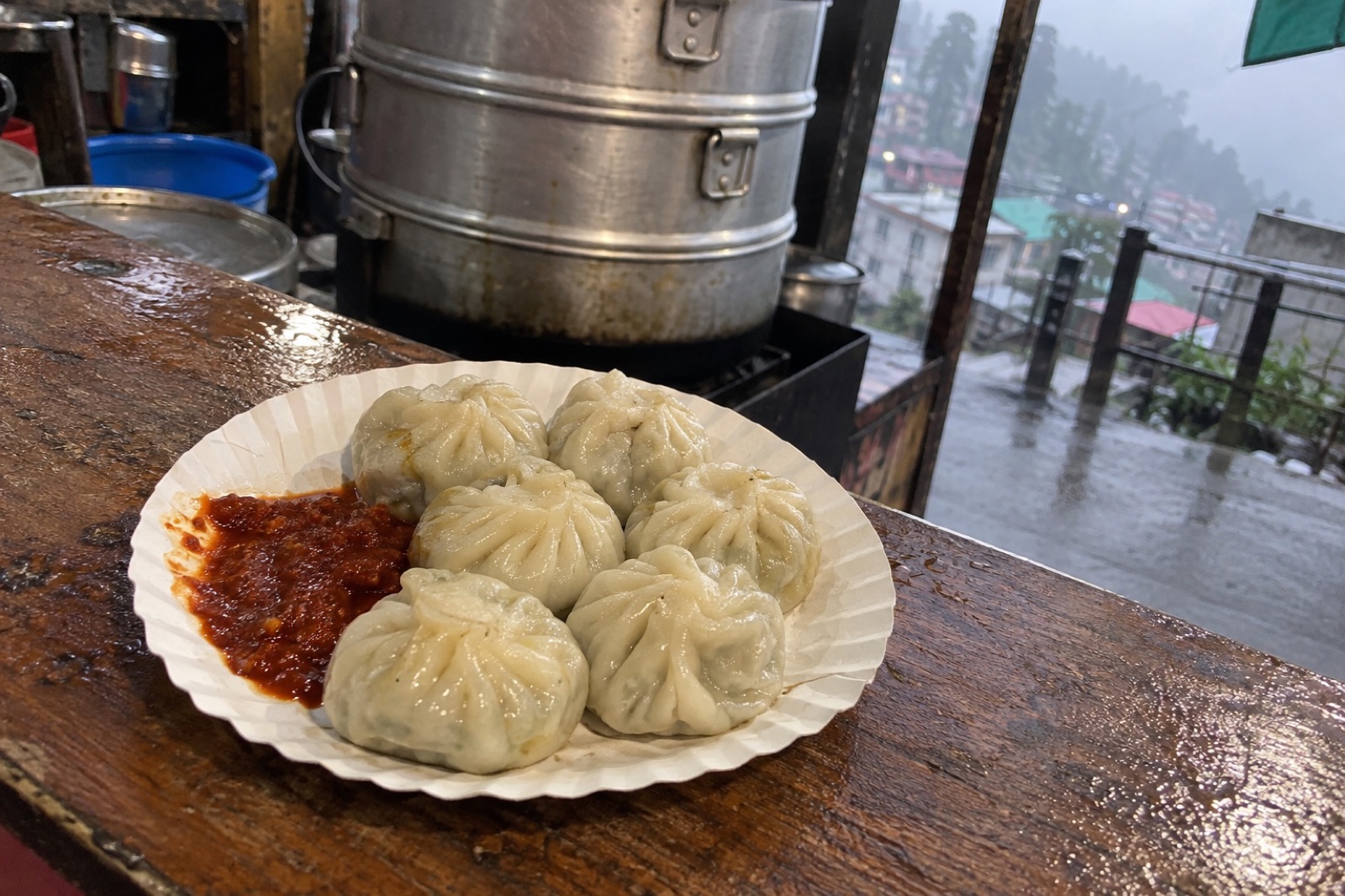
Steamed dumplings with meat or vegetable filling and chilli sauce — the beloved Himalayan snack, warming in the cold valley.
₹60–180
Best around: Diskit and Hunder
 Mild
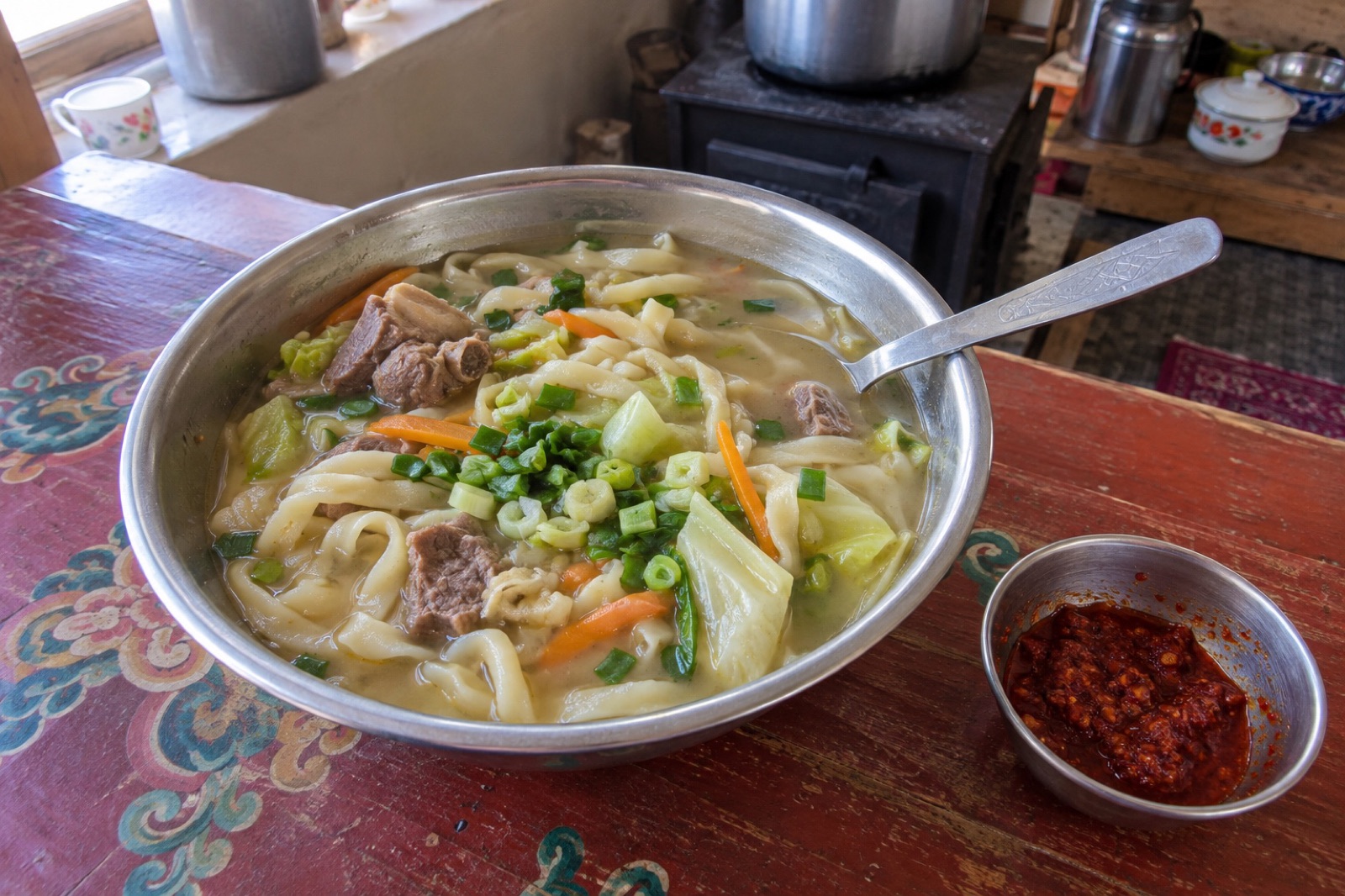
A hearty Ladakhi-Tibetan noodle soup with vegetables and meat in a warming broth — perfect fuel in the cold high desert.
₹100–250
Best around: Diskit and Hunder
Thukpa is a noodle soup with vegetables or meat in a clear, warming broth. It is the best lunch in the valley after a morning on the road. Momos are steamed dumplings with a meat or vegetable filling and a chilli sauce on the side. Both are on almost every menu in Diskit and Hunder, in vegetarian and non-vegetarian versions.
Gur-gur cha is tea churned with butter and salt. It tastes more like a thin soup than tea, and it takes a cup or two to like. Locals drink it through the day for warmth and calories. If you are offered it in a home, accept at least one cup.
Ladakh is known for its apricots, and Nubra and Turtuk grow some of the best. They ripen in summer, usually around July and August. Out of season you will find them dried, as jam or as juice. The oil pressed from the kernels is sold in small bottles and makes a light gift to carry home.
Turtuk's Balti kitchen is its own thing. Look for kisir, a buckwheat pancake, balay noodles, apricot dishes and mild meat curries. Village kitchens and homestays cook it, often on request, so ask your host in the afternoon if you want it for dinner.
Drink plenty of water, go easy on alcohol for the first few days, and eat regular, light meals. Most camps and guesthouses include dinner and breakfast. Carry snacks for the long drives, because food stops are few between Hunder and Turtuk. See where to eat for kitchens in each village.
Questions
Yes. Thukpa and momos come in vegetable versions, and camps and guesthouses cook dal, rice and vegetables every day. Balti food in Turtuk leans more on meat, but buckwheat and apricot dishes are vegetarian.
Salty, creamy and rich, more like a light broth than sweet tea. It is meant to keep you warm and fed at altitude. Try it once without expecting milky chai.
Drink boiled or filtered water. Most guesthouses will refill your bottle, which also cuts plastic waste in a valley with no easy way to get rid of it.