
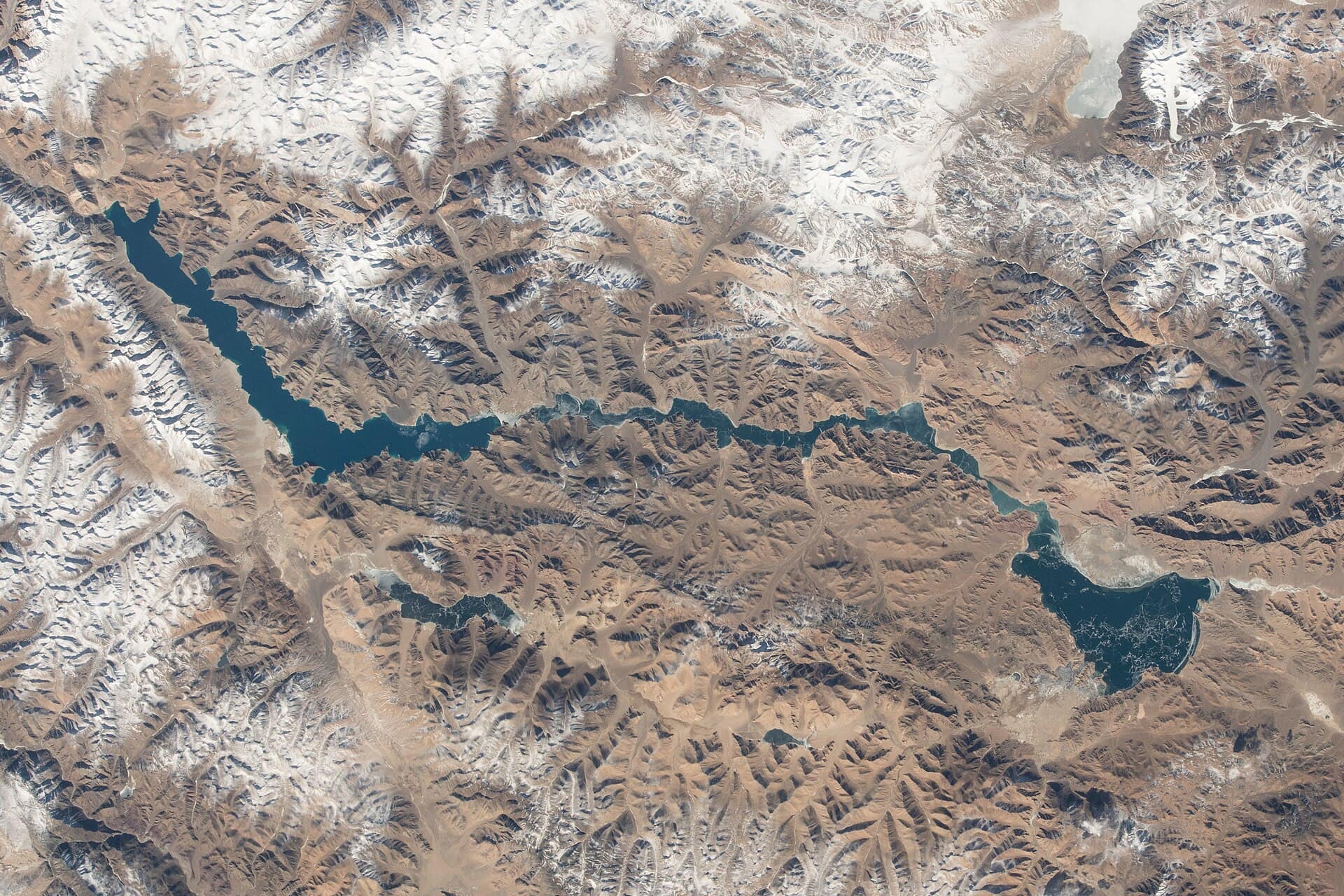
Photo spot in Pangong Tso
Pangong Tso
Pangong Tso, Ladakh
The famed 134-km endorheic lake straddling the India–Tibet border, its brackish water shifting through vivid blues, turquoises and greens by the hour against stark brown mountains — utterly mesmerising.
Best time
Late morning to mid-afternoon on a clear day, when strong sun brings out the turquoise and dark blue bands in the water.
Best angle
Stand on the raised ground above the shore near Spangmik and take a wide photo of the colour bands in the water, with the brown ridges of the far shore behind.
Entry fee
Free (inner-line permit)
Opening hours
Daylight (permit)
Crowd level
High
Best outfit colors
Overview
Best time to visit Pangong Tso
Late morning to mid-afternoon on a clear day, when strong sun brings out the turquoise and dark blue bands in the water. Crowds here are typically high. Arrive a little early to claim your angle and catch the softest light before the day tips over.
Poses & angles
Photo tips for Pangong Tso
Stand on the raised ground above the shore near Spangmik and take a wide photo of the colour bands in the water, with the brown ridges of the far shore behind. Work a few of the pose ideas below, shoot wide for context and tight for detail, and give yourself a couple of extra minutes to get the frame right.
By the lakeshore
With the blue water behind
Outfit guide
What to wear at Pangong Tso
For photos at Pangong Tso, cobalt, cream and rust work beautifully — they stand out against the setting without fighting it. Pick one hero colour and keep the rest of the look calm so you stay the subject of the frame.
Best outfit colors for photos
Trending wear for this spot
Modern, camera-ready looks picked for Pangong Tso.
Traditional wear for this spot
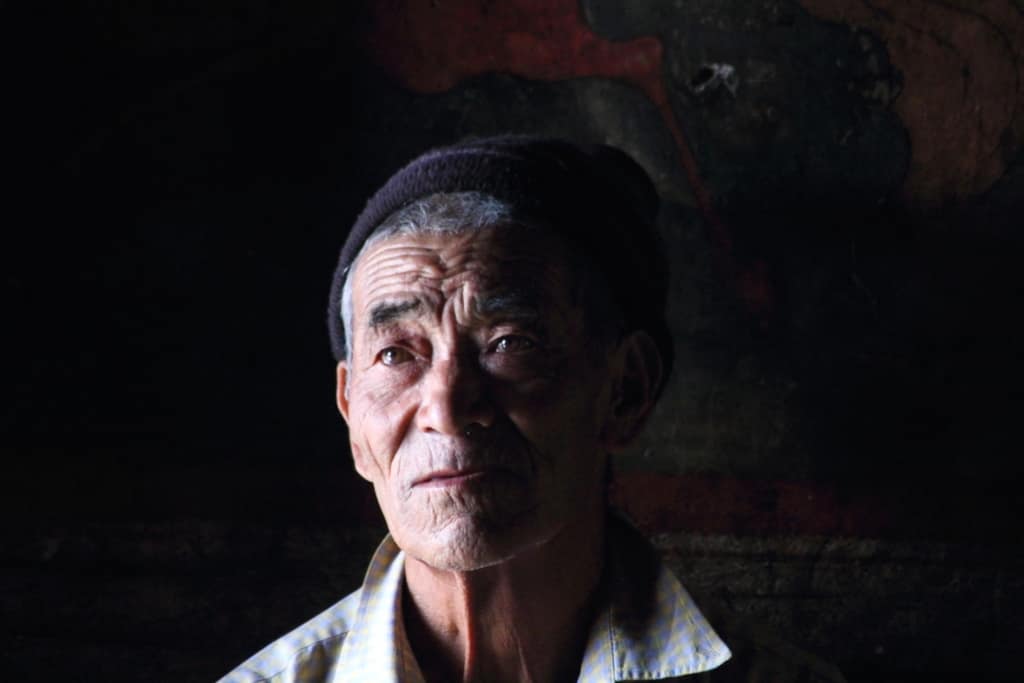
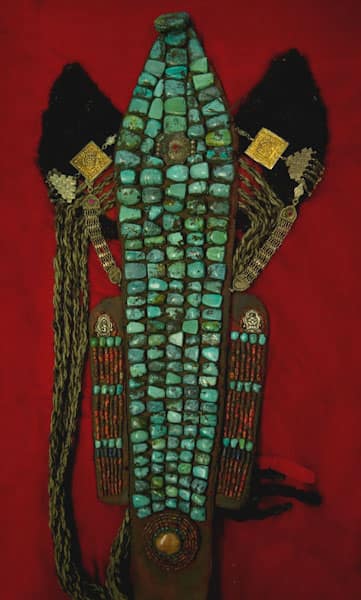
Timeless, cultural outfits worn across Pangong Tso.
Eat nearby
Food near Pangong Tso
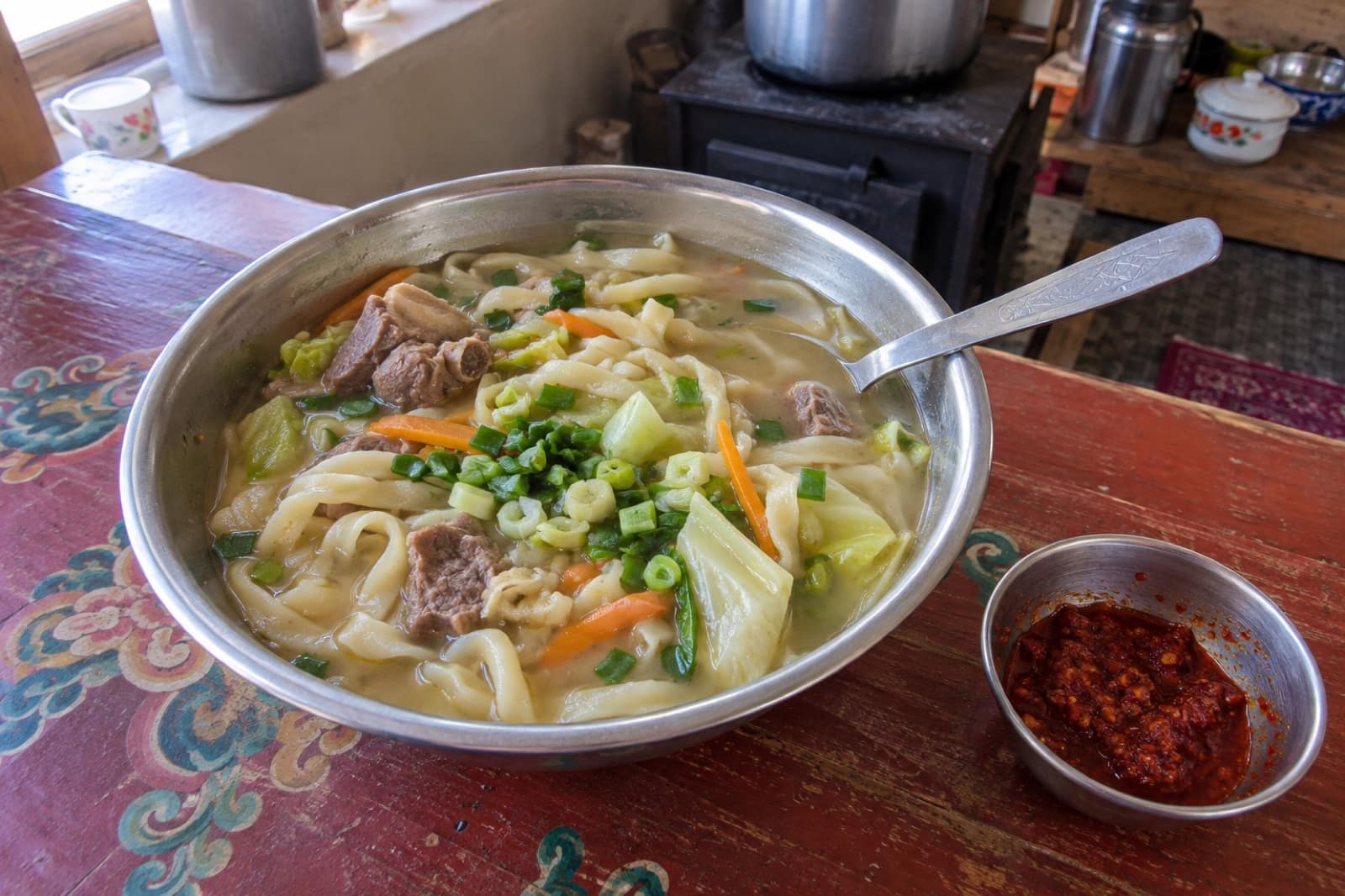
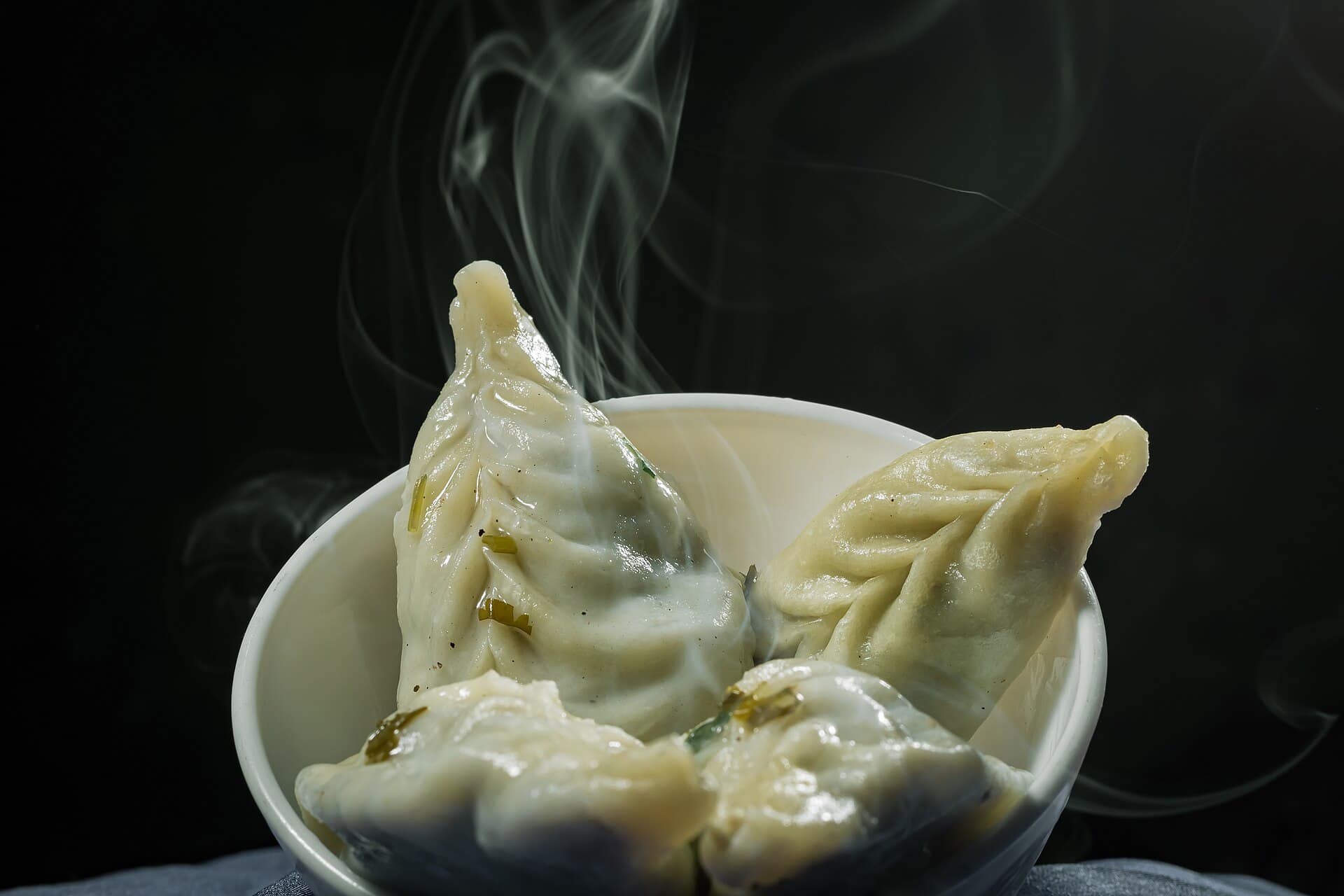
Round out the visit with something to eat. Look for thukpa nearby, or settle in at one of the 1 restaurants close by.
Special dishes to try
Restaurants & food places nearby
Search food by craving
Good to know
Local tips
Acclimatise for 48 hours in Leh before driving to the lake.
Carry printed copies of your permit or fee receipt, as they are checked on the road.
Go to the water around midday on a clear day to see the strongest colours.
Keep to the road and marked tracks, and never drive on the shore.
Bring every piece of rubbish back to Leh, including plastic bottles.
Stay away from nesting birds and the marshy edges in summer.
Fill your fuel tank in Leh, as there is no fuel station at the lake.
The lake
Pangong Tso is a long, narrow lake at about 4,300 m, running roughly 134 km from eastern Ladakh into Tibet. It is only about 5 km across at its widest. Around a third of it is on the Indian side, and the Line of Actual Control crosses the water. It has no outlet, so the water is salty, and yet it freezes solid in winter.
Why the colours change
The water shifts between turquoise, dark blue and grey-green through the day. The colour depends on the sun, the cloud and the depth: shallow water near the shore looks pale turquoise, deeper water dark blue. When cloud crosses the sun, the whole lake turns grey. On a clear day the change is dramatic.
What visitors can see
The road reaches the lake at Lukung and follows the southern shore through Spangmik to Man and Merak. Beyond the villages open to visitors, the shore is a restricted military area. The final scene of the film 3 Idiots was shot on this shore, and a stretch near Spangmik is crowded with visitors recreating it.
Wildlife
In summer the lake is a breeding ground for bar-headed geese, ruddy shelducks and gulls. Black-necked cranes, which breed nearby, feed along the edges. The hills around hold wild asses, marmots and, rarely seen, snow leopards.
Rules that matter
Boating is not allowed. Camping on the open shore has been banned since 2018, and vehicles should keep to the road and marked tracks. Do not fly drones or photograph army posts. There is no proper waste system, so take all your rubbish back to Leh.
Permits
Indian visitors pay an online environment and wildlife fee instead of an Inner Line Permit. Foreign nationals need a Protected Area Permit through a registered agent. Carry printed copies for the checkpoints.
Questions
Pangong Tso — FAQ
What is the best time to visit Pangong Tso?
Late morning to mid-afternoon on a clear day, when strong sun brings out the turquoise and dark blue bands in the water. Stand on the raised ground above the shore near Spangmik and take a wide photo of the colour bands in the water, with the brown ridges of the far shore behind.
Is there an entry fee at Pangong Tso?
Entry to Pangong Tso is free (inner-line permit).
What are the opening hours of Pangong Tso?
Pangong Tso is open daylight (permit).
What should I wear at Pangong Tso?
Cobalt, cream and rust photograph especially well here. Explore the trending and traditional outfit ideas on this page for full looks.
How crowded does Pangong Tso get?
Crowd levels are typically high. To miss the busiest window: late morning to mid-afternoon on a clear day, when strong sun brings out the turquoise and dark blue bands in the water.
What food should I try near Pangong Tso?
Try thukpa, available at nearby restaurants.
Why is boating not allowed on Pangong Tso?
The lake lies on the border with China, and boating is not permitted on the Indian side for security reasons.
How much of Pangong Tso is in India?
Around a third. The rest is in Tibet, and the Line of Actual Control runs across the water.
Can I swim in Pangong Tso?
It is not a good idea. The water is very cold even in summer, and there is no help nearby if something goes wrong.
Does Pangong Tso freeze even though it is salty?
Yes. It usually freezes solid by January, and the Frozen Lake Marathon is held on the ice in February.