
Best Photo Spots in Pangong Tso
Pangong's photos are about colour and scale, and both depend on the sun. The water shows its strongest blues when the sun is high, while dawn and late afternoon give calmer, warmer frames.
 Medium crowd
Entry Free
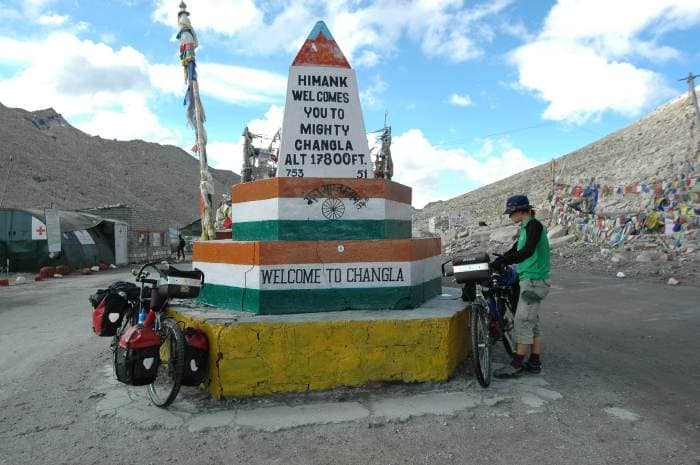
Chang La
- Best timeLate morning on the way to the lake, when the sun lights the snow and prayer flags; early afternoon on the way back, before cloud and wind build.
- ColorsRedBlackWhite
 Medium crowd
Entry Free
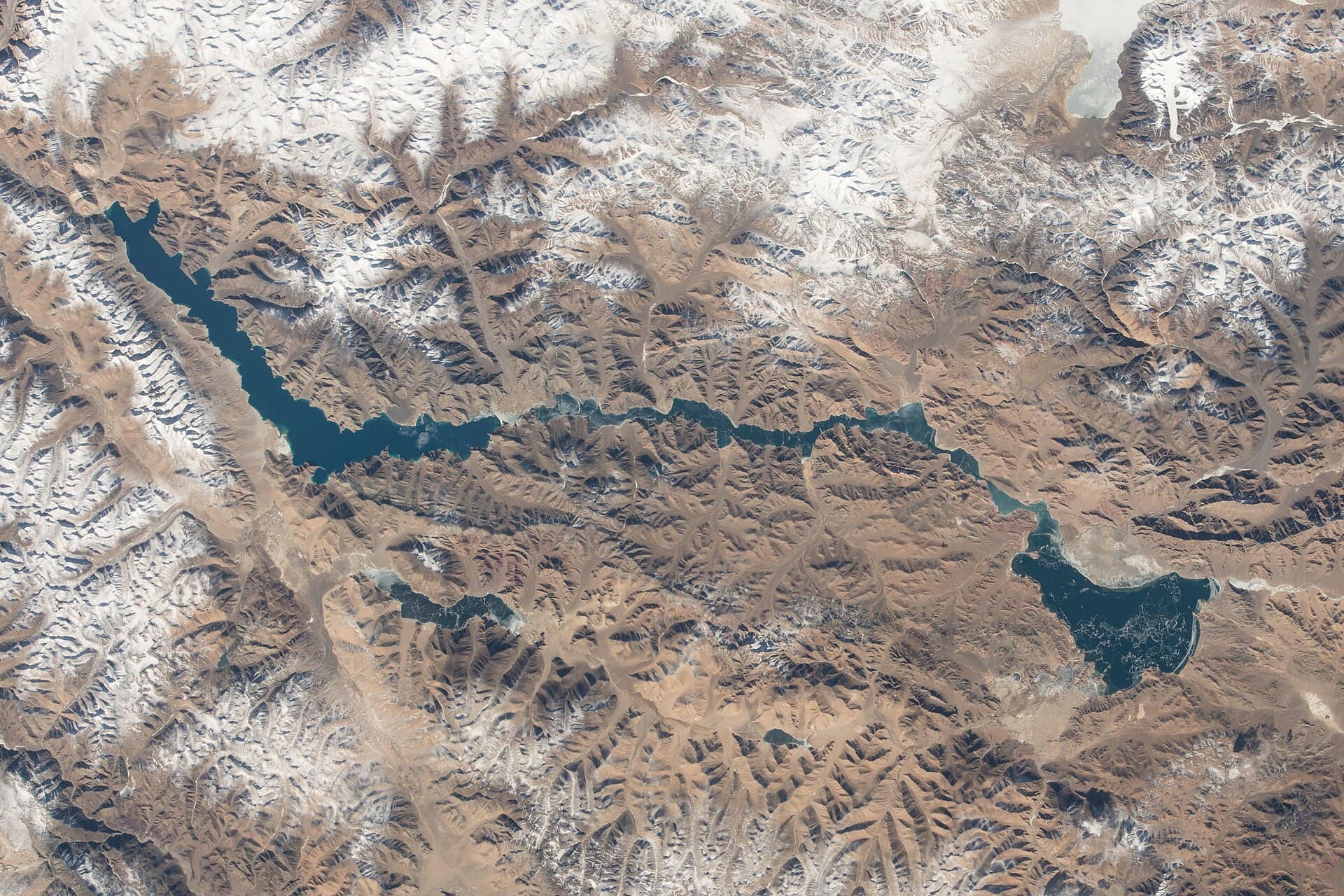
Lukung
- Best timeLate morning, when the sun lights the water and the first turquoise shows at the lake's edge; late afternoon for soft light on the brown hills.
- ColorsCobaltCreamRust
 Medium crowd
Entry Free
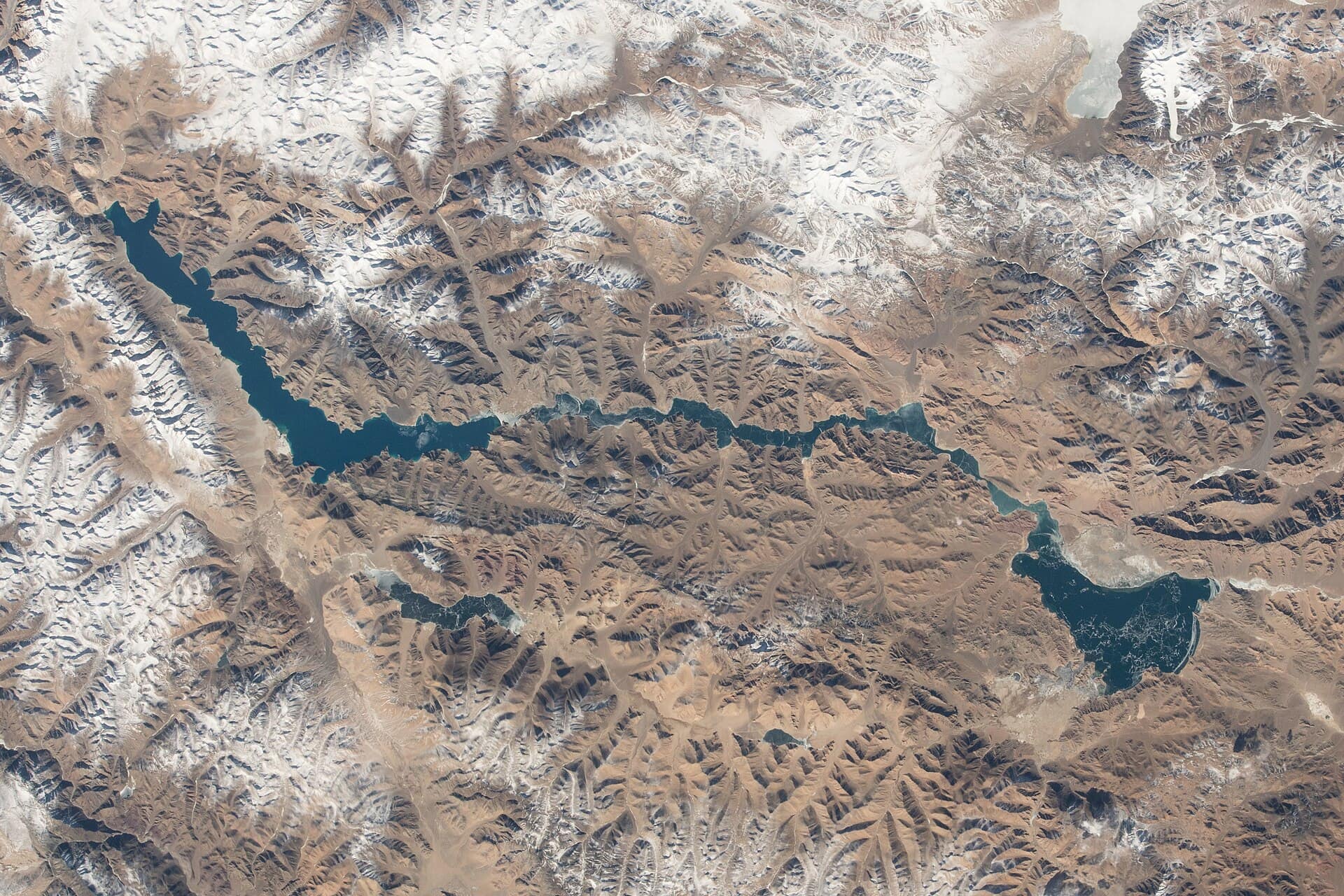
Pangong Sunrise Point
- Best timeDawn, about half an hour before sunrise, for pink light on the peaks and still reflections; the first hour after sunrise for colour coming into the water.
- ColorsCobaltRustCream
 High crowd
Entry Free (inner-line permit)
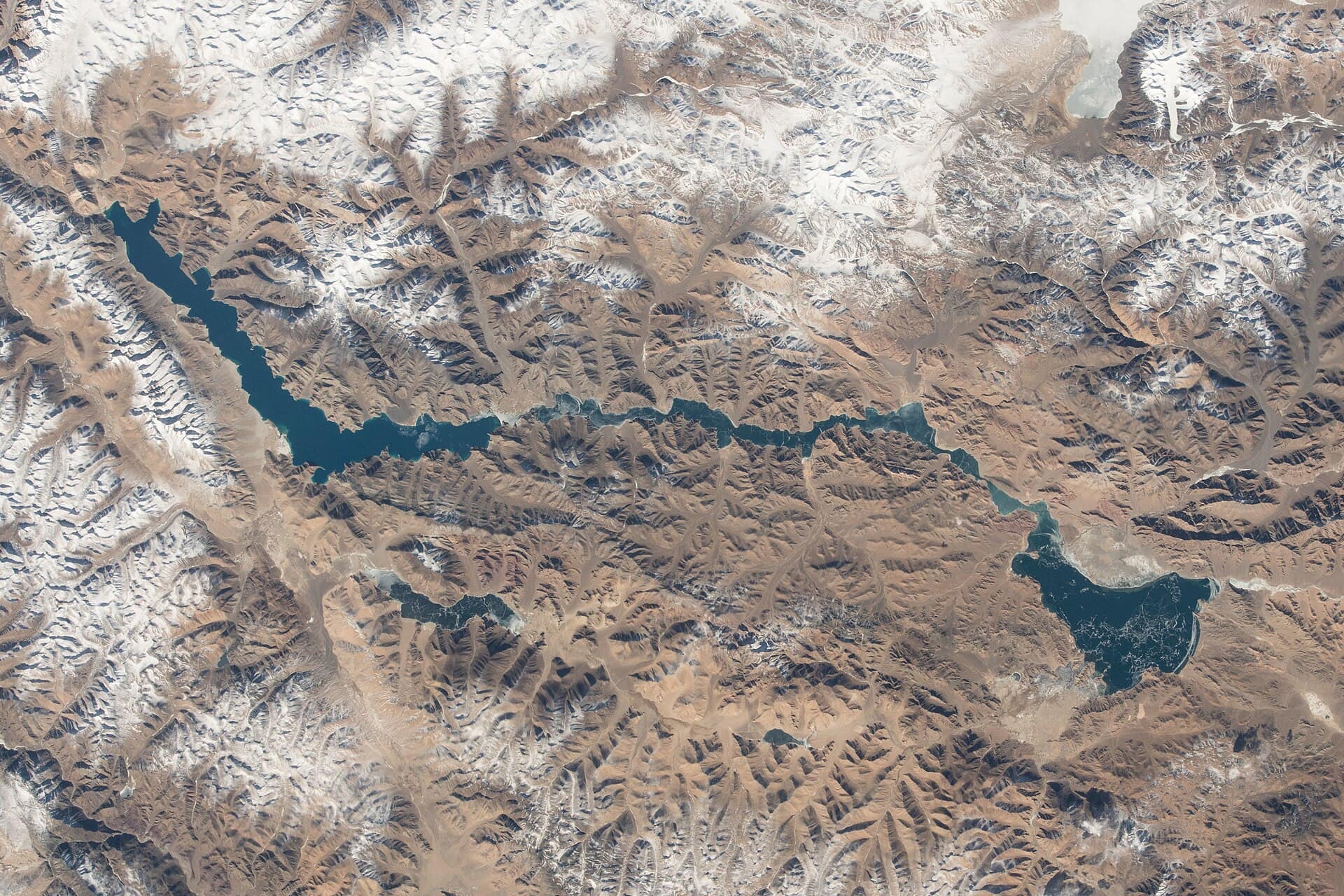
Pangong Tso
- Best timeLate morning to mid-afternoon on a clear day, when strong sun brings out the turquoise and dark blue bands in the water.
- ColorsCobaltCreamRust
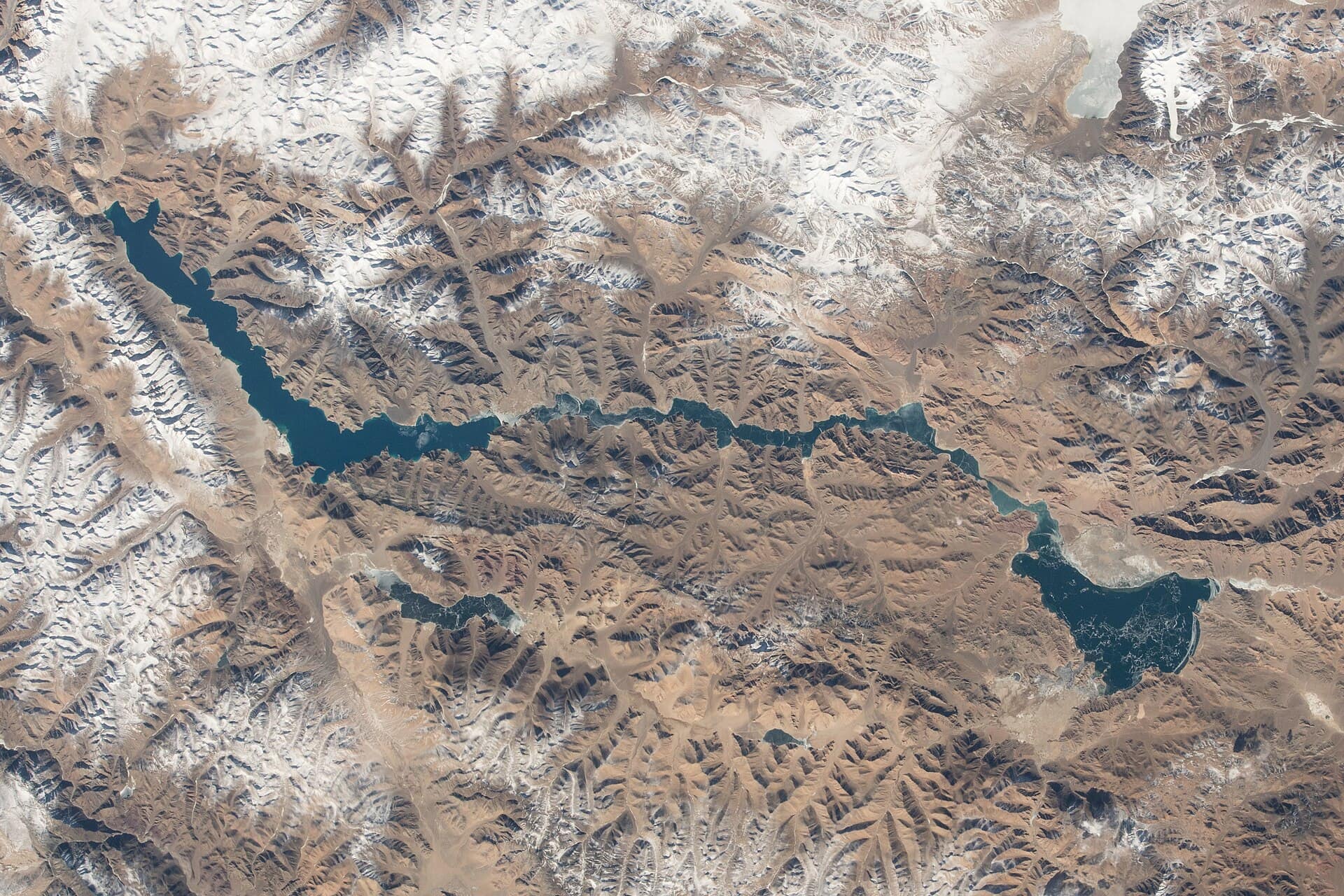 Medium crowd
Entry Free
Spangmik
- Best timeEarly morning for still water and quiet camps; late afternoon for warm light on the peaks across the lake.
- ColorsCobaltCreamRust
How the light works here
The colour bands on Pangong need strong, direct sun. On a clear day the shallow edges turn turquoise and the deep water goes dark blue from late morning to mid-afternoon. When cloud covers the sun, the whole lake goes grey within seconds, so wait for a gap rather than giving up. Early and late in the day the colours are softer, but the water is often still and the mountains take on warm light.
Lukung: the first view
The road drops to the lake at Lukung, at its western end. Pull-offs on the road just before the village look down the length of the water. This is also where marshes and birds are easiest to see in summer.
Spangmik and the southern shore
Spangmik has the widest open shore and the camps behind it. Climb a little above the road for a frame that shows the colour bands with the ridges across the lake. The main Pangong Tso page covers the lake as a whole.
Dawn on the shore
If you stay overnight, the sunrise shore near the camps is the best reason to set an alarm. Pink light touches the peaks first, and the lake is usually at its stillest before the wind picks up.
Chang La on the way
Chang La gives prayer flags against snow, but the altitude is above 5,300 m. Take your photos quickly and move on.
Rules to respect
This is a border area. Do not fly a drone, and keep army posts, vehicles and people in uniform out of your photos. Stay on the road or existing tracks with any vehicle. Ask before photographing herders and their animals. Batteries drain fast in the cold, so keep spares in an inside pocket.
Exposure tips
The water and sky are bright and the hills are dark. Expose for the sky, then lift the shadows later. A polarising filter deepens the blue, but check that it does not make the sky look patchy in wide shots.
Questions
Pangong Tso — FAQ
Why does Pangong Tso change colour?
The colour depends on sunlight, cloud and the depth of the water. Shallow edges look turquoise and deep water dark blue in strong sun; under cloud the lake turns grey.
Can I fly a drone at Pangong?
No, not without official permission. The lake lies on a sensitive border, and flying near army areas is not allowed.
Is the midday light too harsh for photos at Pangong?
It is harsh on people and the hills, but it is when the water shows its strongest blue. Shoot the lake at midday and portraits in the early morning or late afternoon.
Do I need to stay overnight to get good photos?
Not for the colour bands, which show best in the middle of the day. You do need a night there for dawn, sunset and the night sky.