
Best Photo Spots in Patna
Patna is a flat river city, so height and water make most of its good photos. Use Golghar for the view, the Ganga ghats for the light, and the Takht and the museum for architecture.
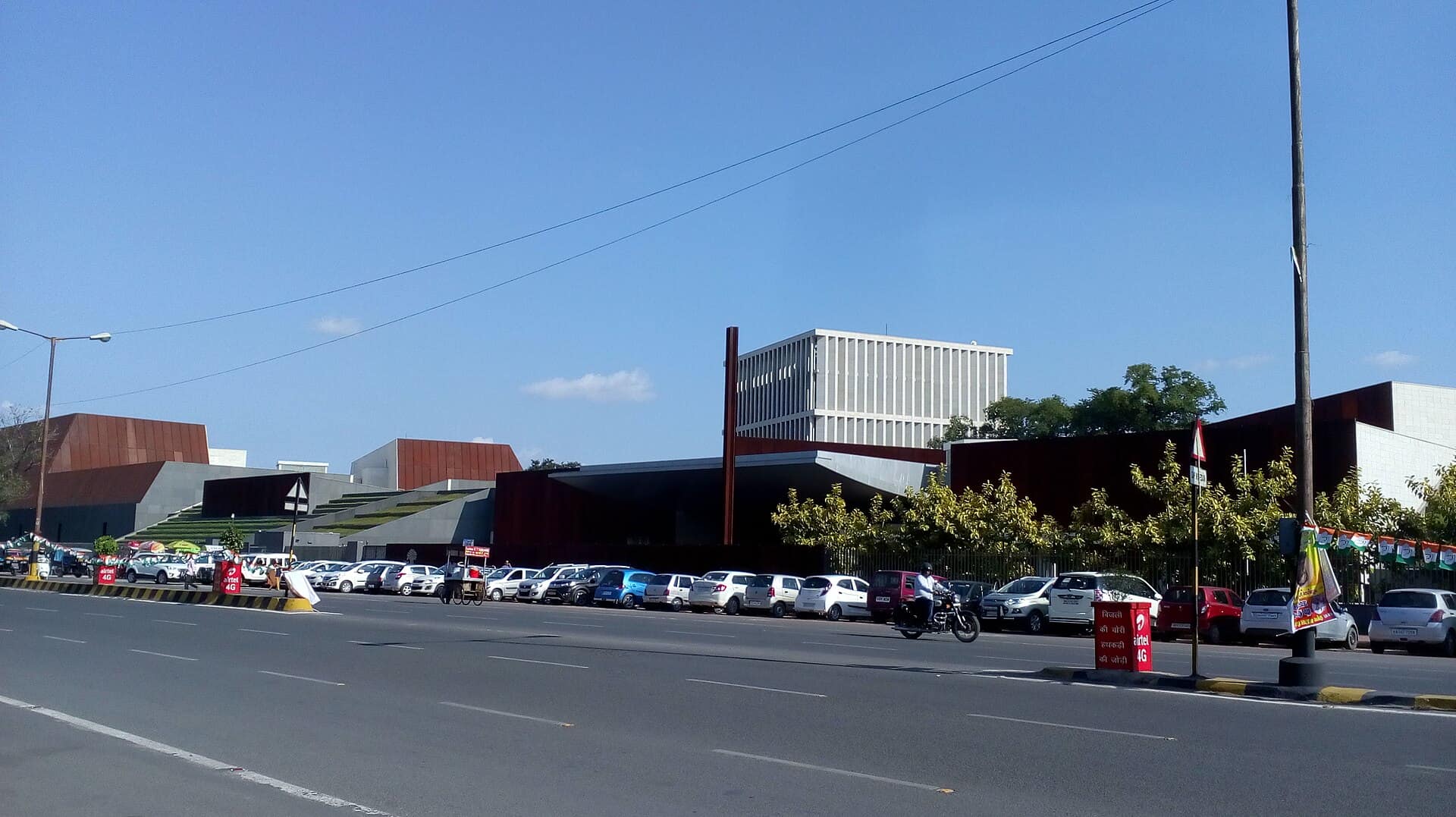 Medium crowd
Entry Ticketed
Bihar Museum
- Best timeMid-morning, soon after opening, for even light in the courtyards and empty galleries; late afternoon for warm light on the steel and stone walls.
- ColorsCreamCharcoalTeal
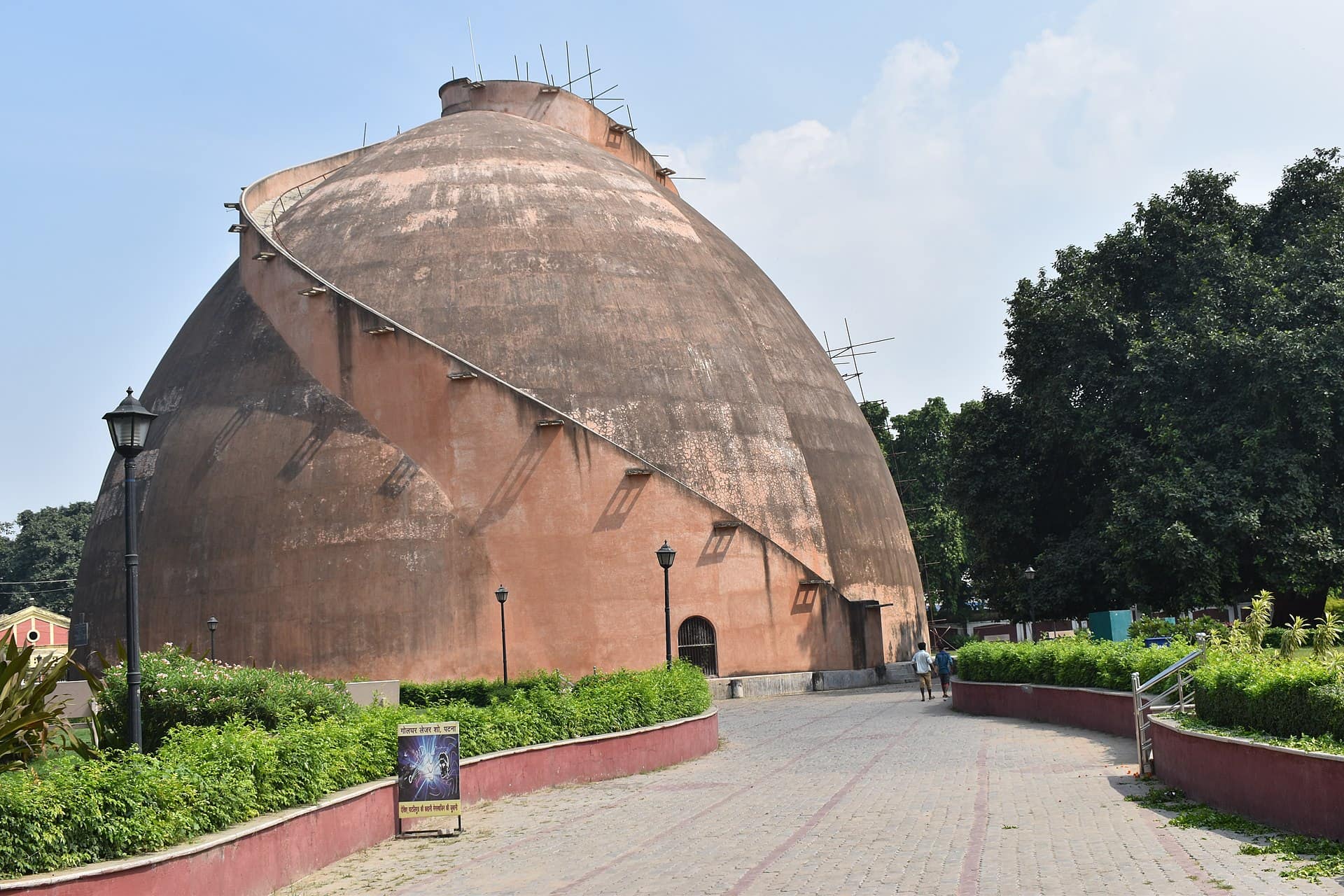 Medium crowd
Entry Nominal
Golghar
- Best timeEarly morning for soft light on the dome and an empty park; late afternoon for warm colour on the plaster and the river view from the top.
- ColorsWhiteRustNavy
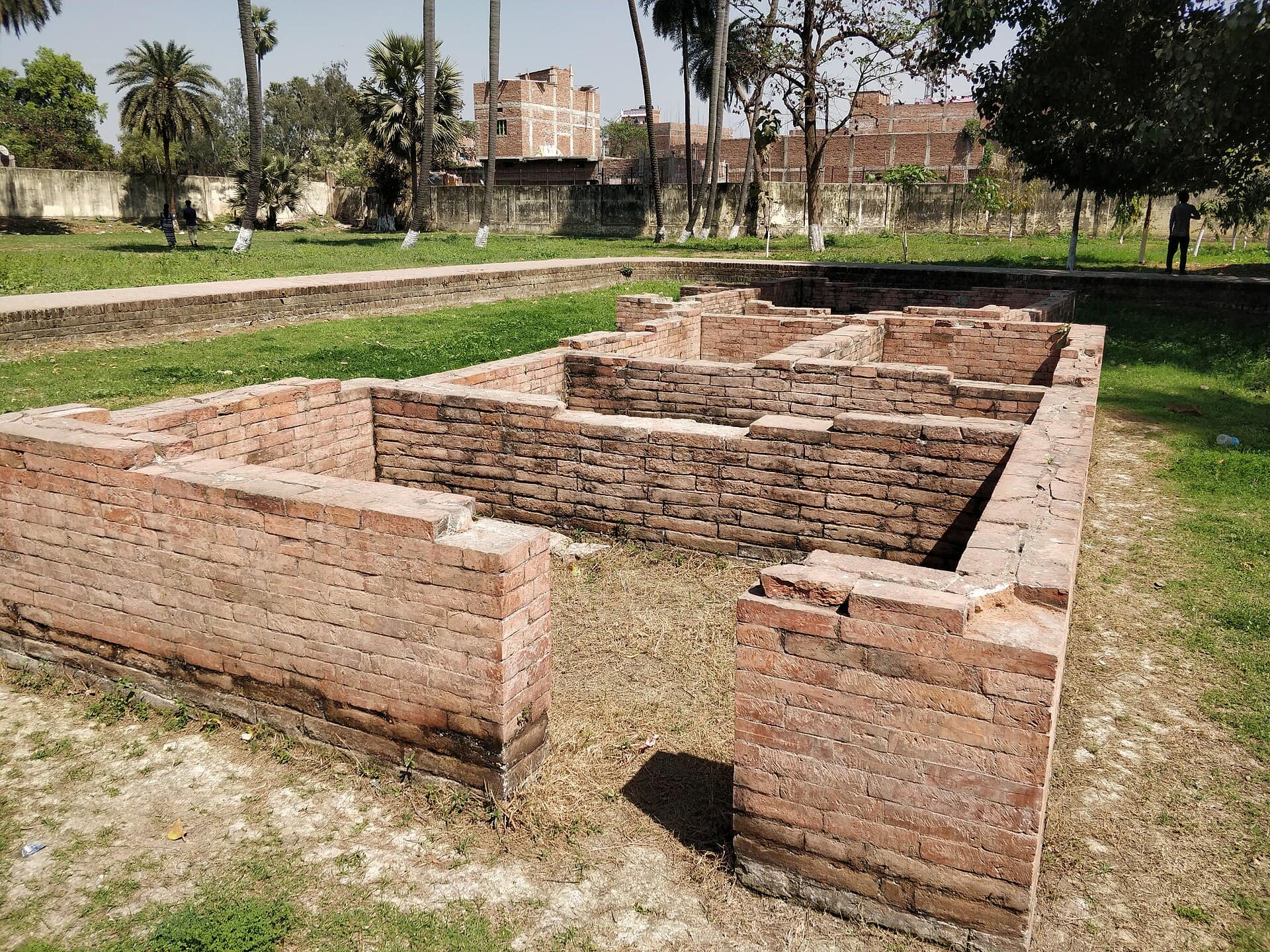 Low crowd
Entry Nominal
Kumhrar
- Best timeLate afternoon for long shadows and warm light on the lawns; early morning for a quiet park and soft light.
- ColorsRustCreamOlive
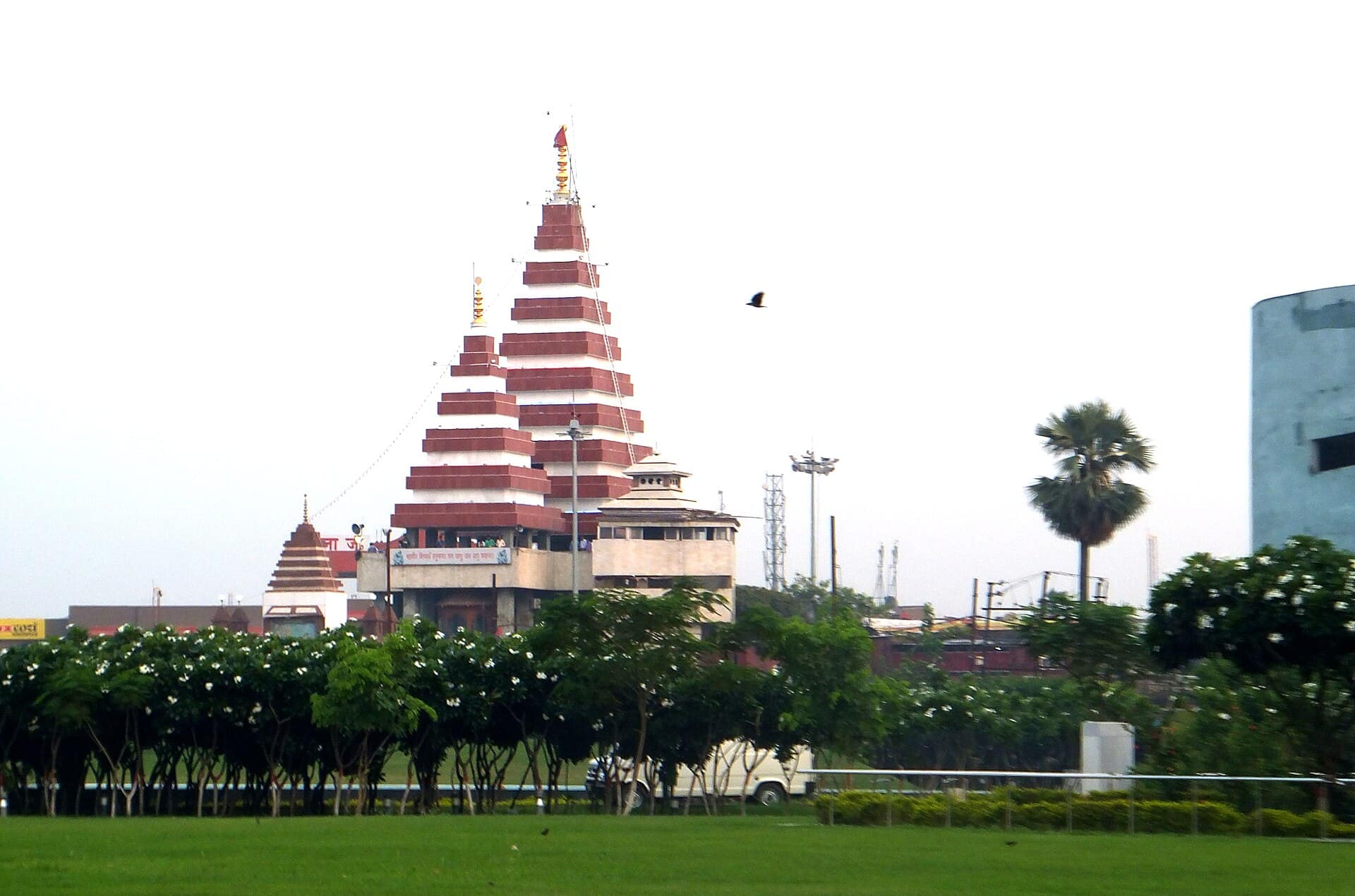 High crowd
Entry Free
Mahavir Mandir
- Best timeEarly morning on a weekday for a clear view of the front and fewer people; evening for the temple lit up and the aarti atmosphere.
- ColorsSaffronRedWhite
 High crowd
Entry Free
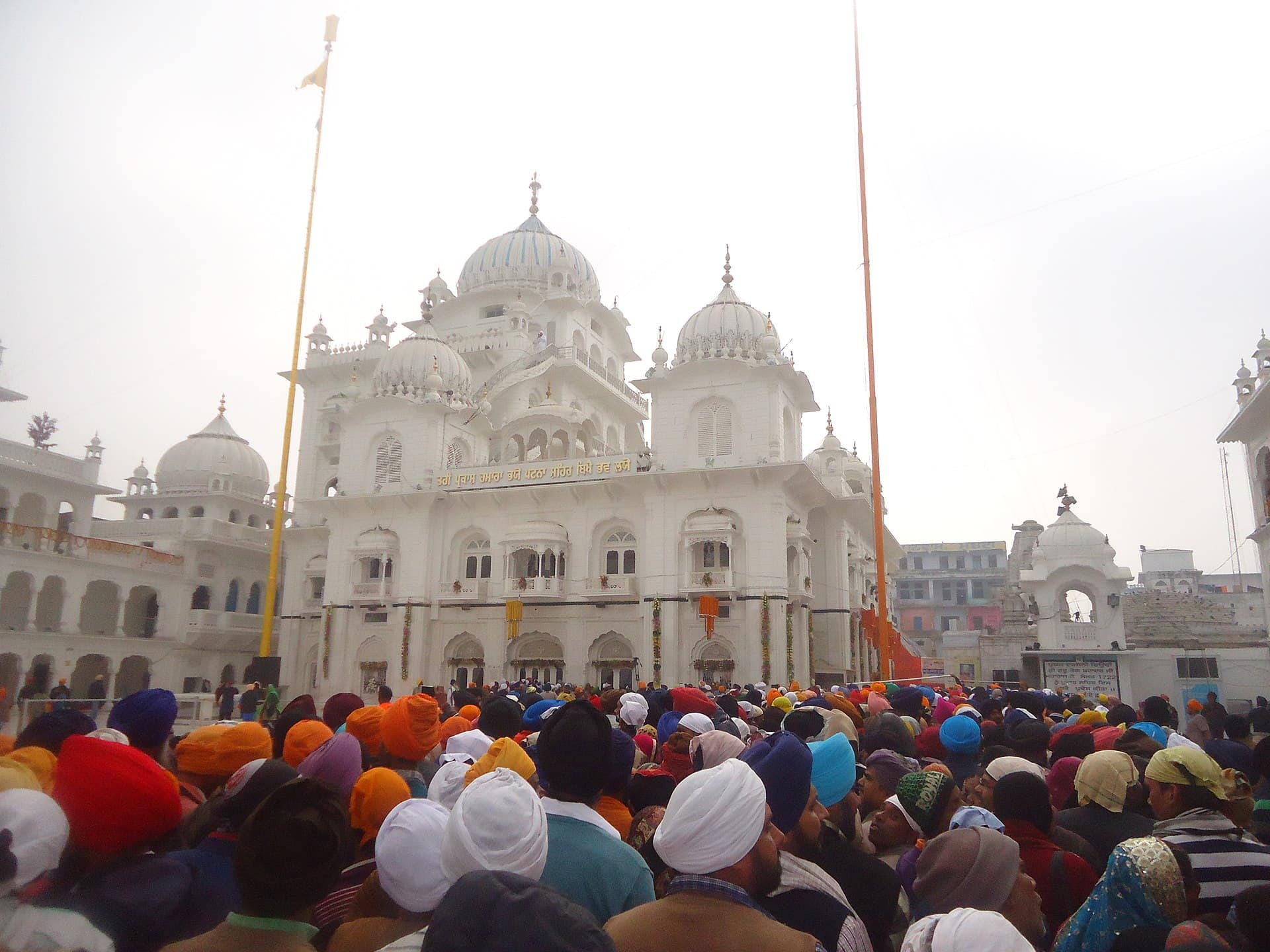
Takht Sri Patna Sahib
- Best timeEarly morning for soft light on the white marble and a calm courtyard; evening for the building lit up against a dark sky.
- ColorsWhiteSaffronBlue
Up high at Golghar
The granary's outside stairs wind to a flat top with a wide view of the city and the river to the north. The stairs have been shut for long periods for repairs, so check at the gate. Even from the ground, the smooth dome is a strong shape: shoot it from the lawn to the south-west in late afternoon, when the plaster turns warm.
White domes in Patna City
The Takht Sri Patna Sahib is bright white marble, which burns out in hard midday light. Go early, when the courtyard is washed and calm, or at dusk when the building is lit. Cover your head before you walk in, and ask a sevadar before you photograph inside; outside and in the courtyard is usually fine.
Concrete, brick and light at the Bihar Museum
The museum is built around courtyards and long covered walkways, and it is the easiest place in Patna to shoot in comfort in summer. Phones and cameras are allowed in the galleries for a small extra fee; flash is not. The corten-steel walls and the courtyard trees work best mid-morning.
Ruins and gardens at Kumhrar
Very little of Pataliputra survives above ground, but Kumhrar's lawns, the single polished Mauryan pillar and the excavated pits give you quiet, green frames. Late afternoon suits it.
The Ganga ghats
Gandhi Ghat, behind NIT on Ashok Rajpath, is the most photographed. Sunset over the river is the shot, and the Ganga aarti runs there on weekend evenings. During Chhath Puja the ghats fill with devotees at sunrise and sunset; photograph the crowd from a respectful distance and never step in front of someone offering arghya.
Practical notes
- Summer light is harsh from about 9 am. Shoot early and late, and rest in the museum in between.
- In the monsoon, riverside ghats can be closed or under water. Check before you go.
- Tripods usually need permission at ticketed sites.
- Mahavir Mandir is very crowded on Tuesdays and Saturdays; photograph the front from across the road.
Questions
Patna — FAQ
Where can I get a view over Patna?
From the top of Golghar, when its spiral stairs are open to visitors. The viewpoint looks over Gandhi Maidan and north to the Ganga. Check at the gate, because the climb has been closed for repairs for long stretches.
Can I photograph inside the Bihar Museum?
Yes. Phones and cameras are allowed in the galleries for a small extra photography fee. Flash is not allowed, and large tripods are usually refused.
Where is the best sunset in Patna?
On the Ganga at Gandhi Ghat. The sun sets across the water, and on weekend evenings you can also photograph the Ganga aarti.
Is it respectful to photograph Chhath Puja?
Yes, if you keep your distance. Shoot from the back of the ghat or from a height, and never block a devotee's view of the sun while they make their offering.