
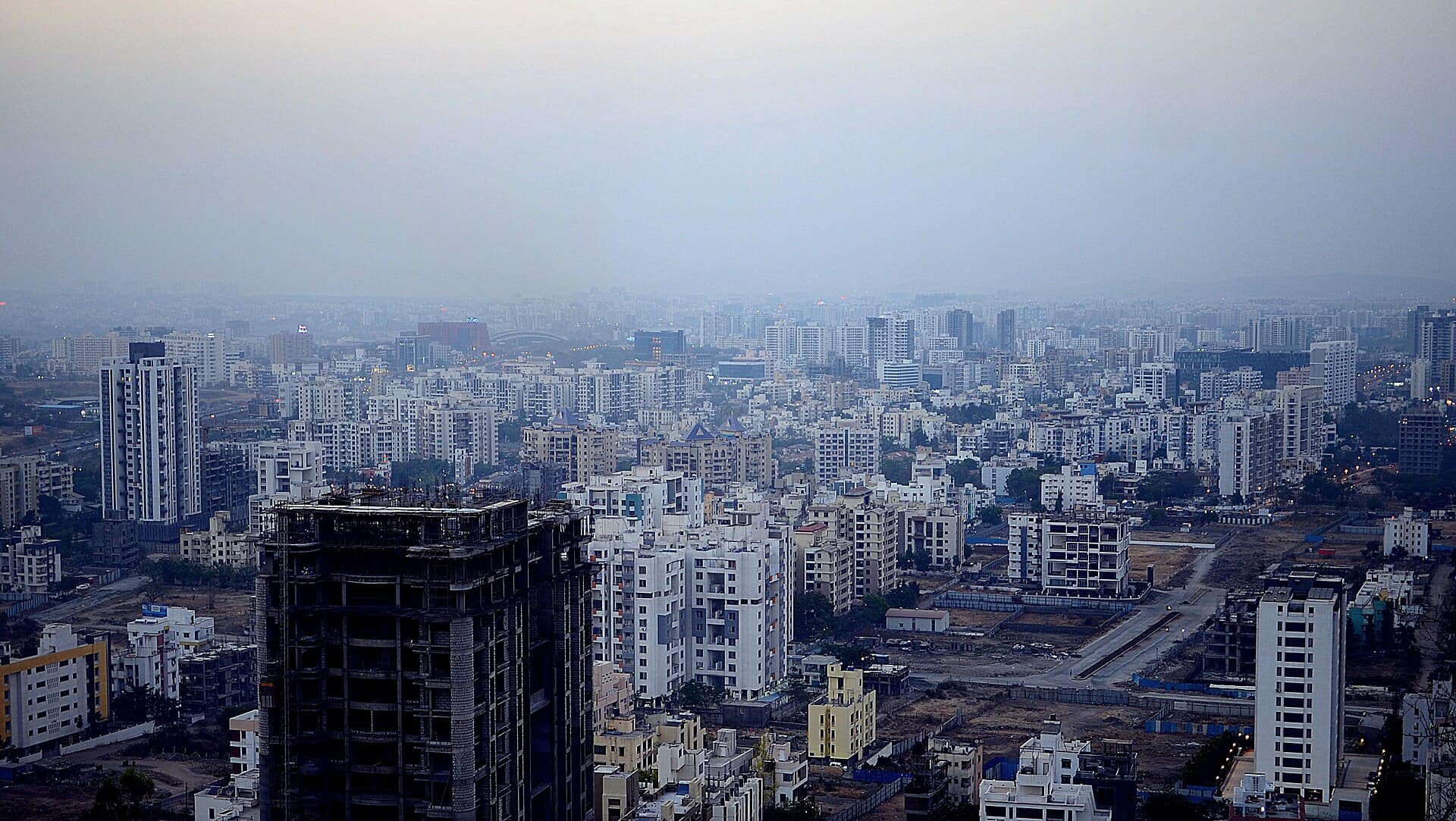
Maharashtra · India
Pune
The 'Oxford of the East' — a youthful, cultured Maratha city of Peshwa-era wadas, hill forts and a vibrant café-and-street-food scene.
Pune is the cultural heart of Maharashtra — Peshwa heritage, the Puneri pheta and nauvari saree, Ganeshotsav, and a spicy street-food scene from misal to bhakarwadi.
Plan your trip
Pune Tour Itineraries
Timed, walkable day plans — plus the best season to go.
Where to shoot
Pune Photo Spots
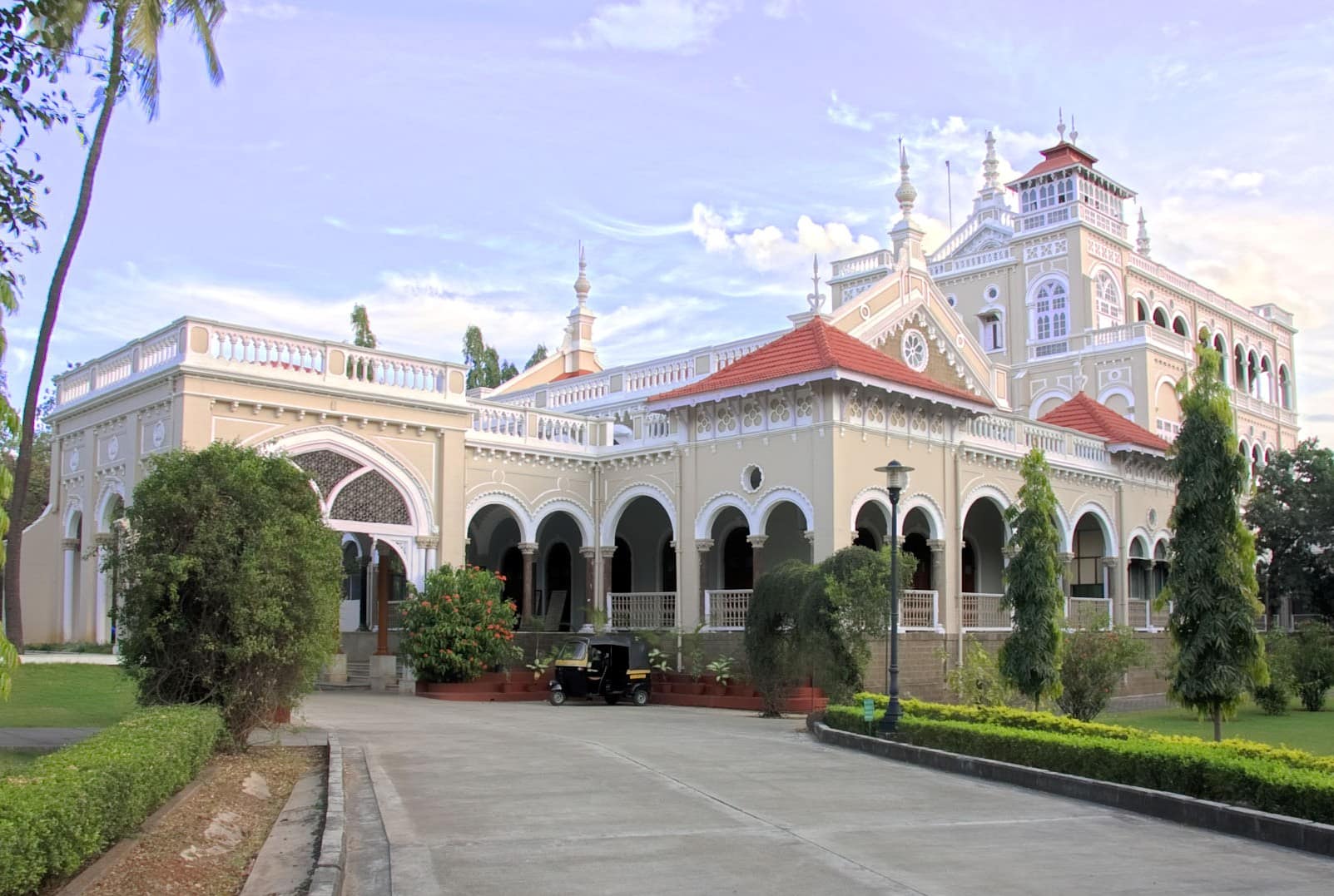 Medium crowd
Entry ₹25 (Indian) / ₹300 (foreign)
Aga Khan Palace
- Best timeMorning, soon after opening, for soft light on the arches and quiet lawns; late afternoon for warmer colour on the cream façade.
- ColorsWhiteKhadi tonesSage
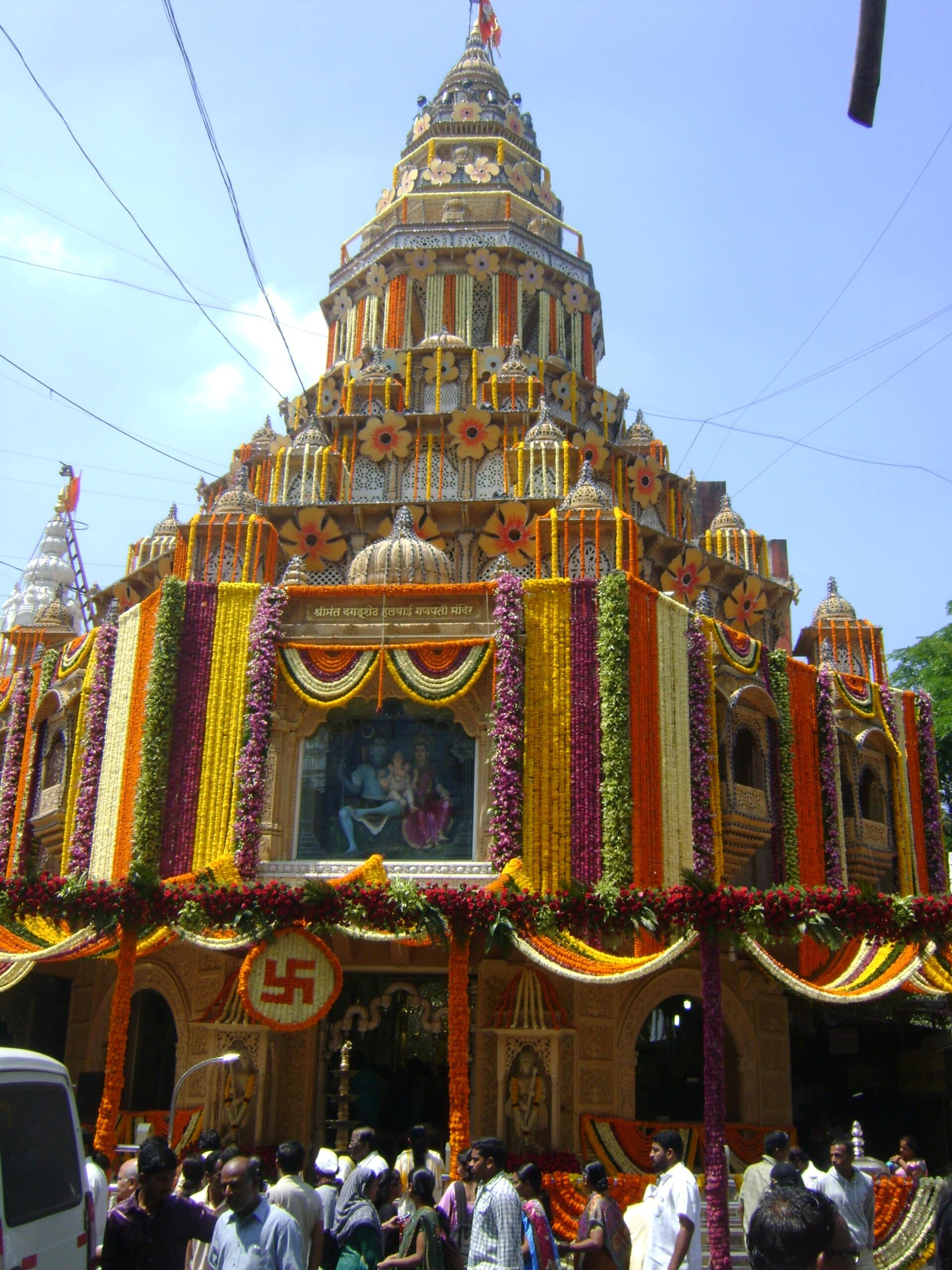 High crowd
Entry Free
Dagdusheth Halwai Ganpati
- Best timeEarly morning, soon after the first aarti, when the queue is short and the gold idol is lit from inside; after dark for the lit temple front against the street.
- ColorsSaffronRedGold
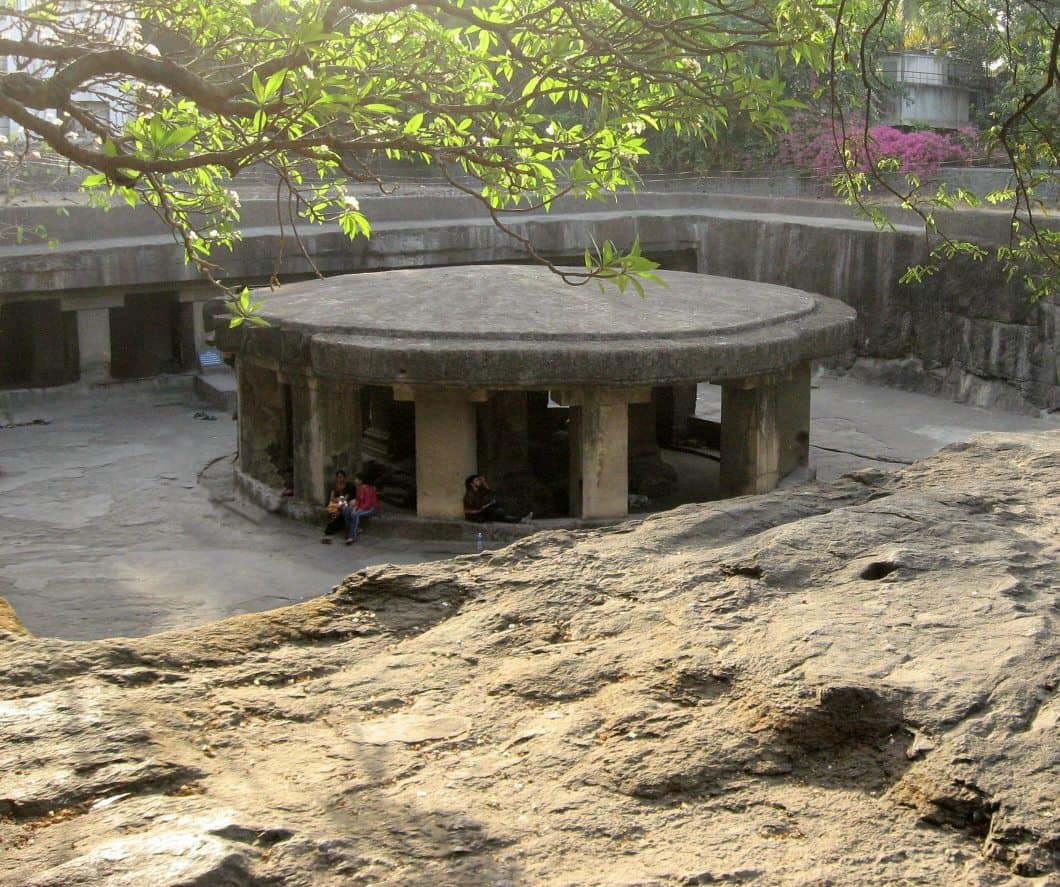 Low crowd
Entry Free
Pataleshwar Cave Temple
- Best timeMorning, when light falls into the open court and lights the Nandi pavilion evenly; late afternoon for warmer tones on the dark rock.
- ColorsOchreCreamRust
 High crowd
Entry ₹25 (Indian) / ₹300 (foreign)
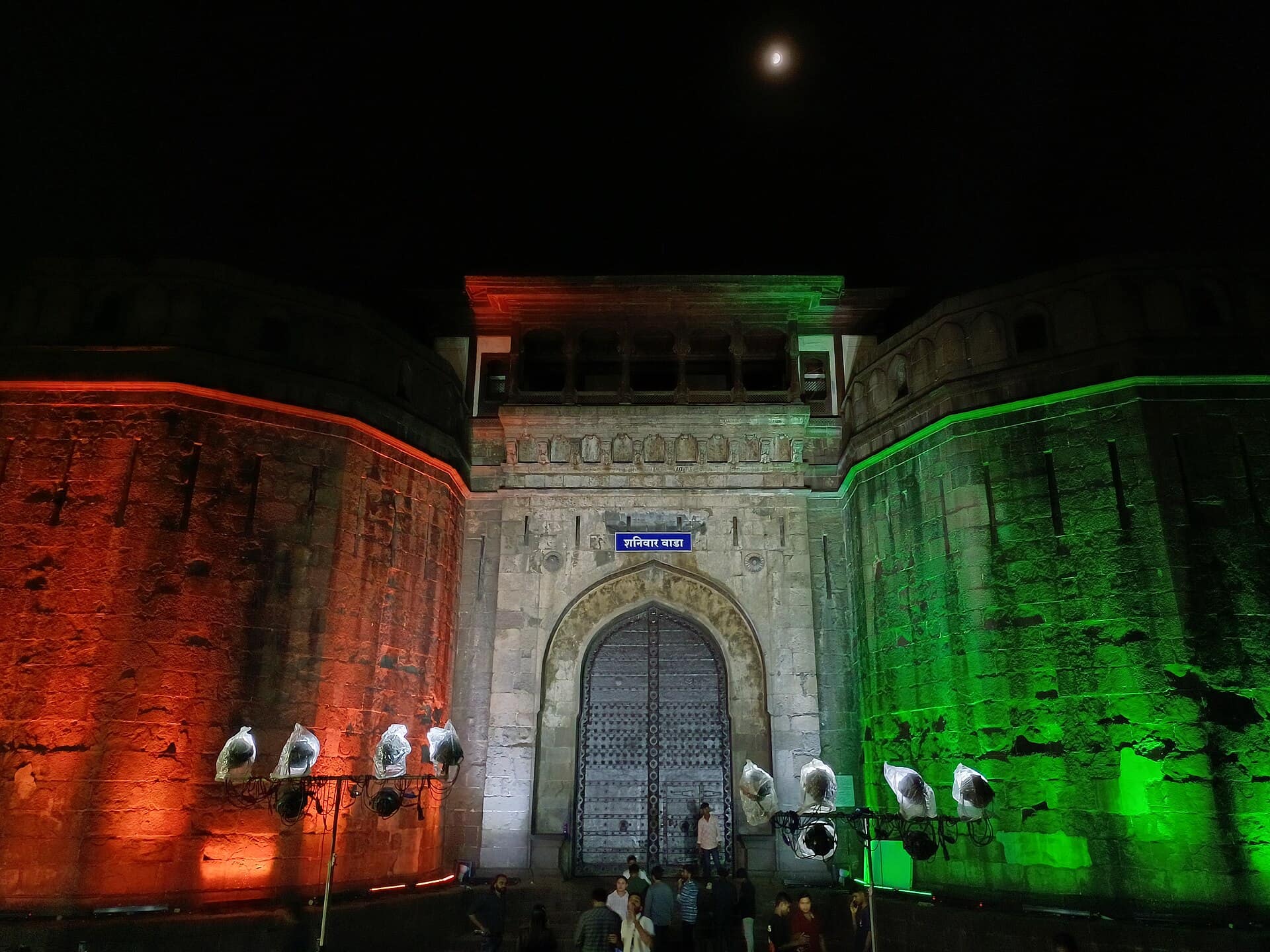
Shaniwar Wada
- Best timeEarly morning, soon after opening, for an empty forecourt and soft light on the walls; late afternoon for warm colour on the stone before the evening show.
- ColorsSaffronCreamMaroon
 High crowd
Entry Free (parking charges)
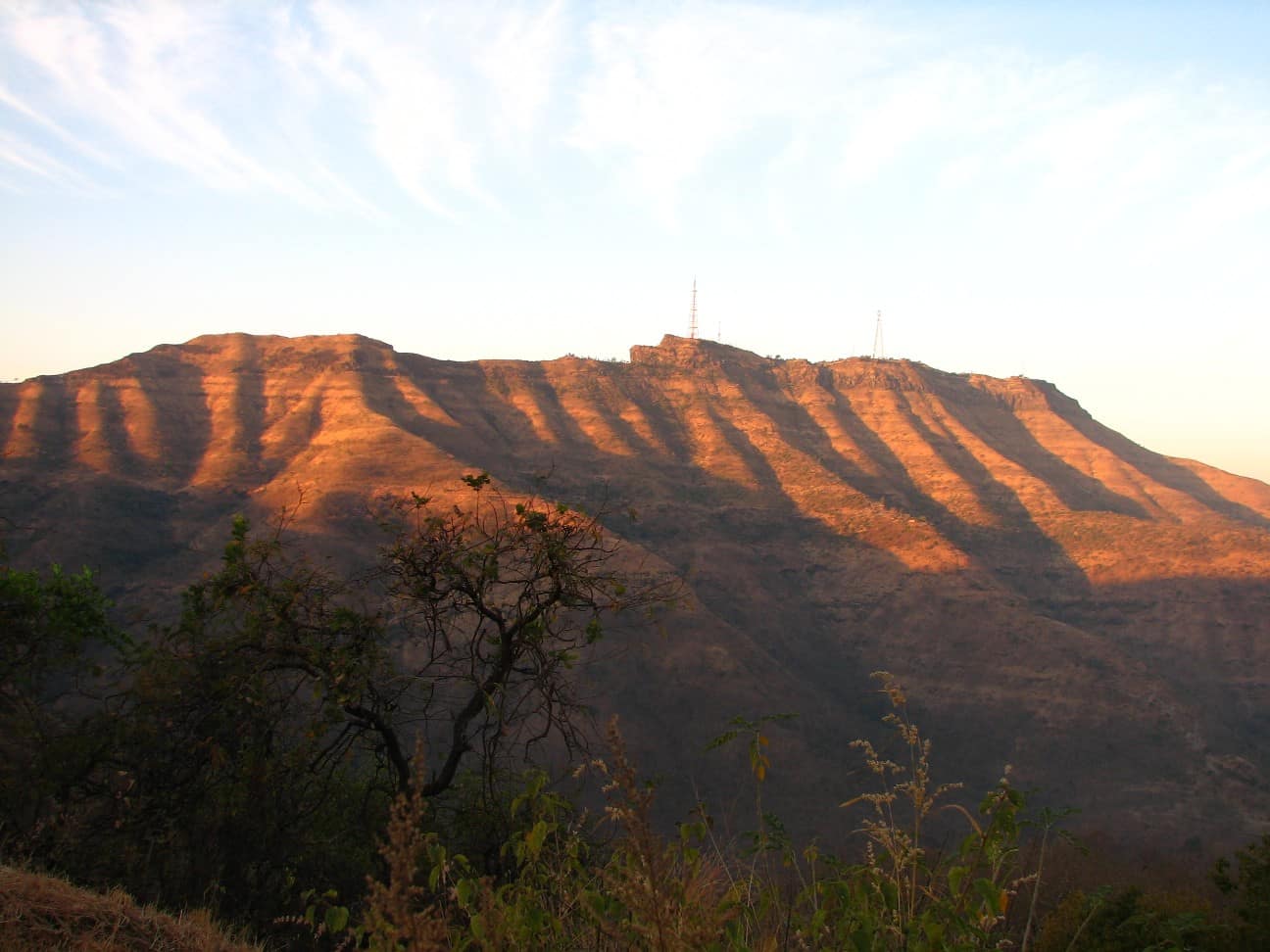
Sinhagad Fort
- Best timeEarly morning, before the day-trippers arrive, when mist hangs in the valleys; late afternoon on a clear winter day for long views and warm light on the ramparts.
- ColorsForest greenWhiteRust
For the feed
Trending Wear in Pune
Modern, Instagram-friendly looks


Rooted in the city
Pune Traditional Wear
Local, cultural, handcrafted outfits
Taste the city
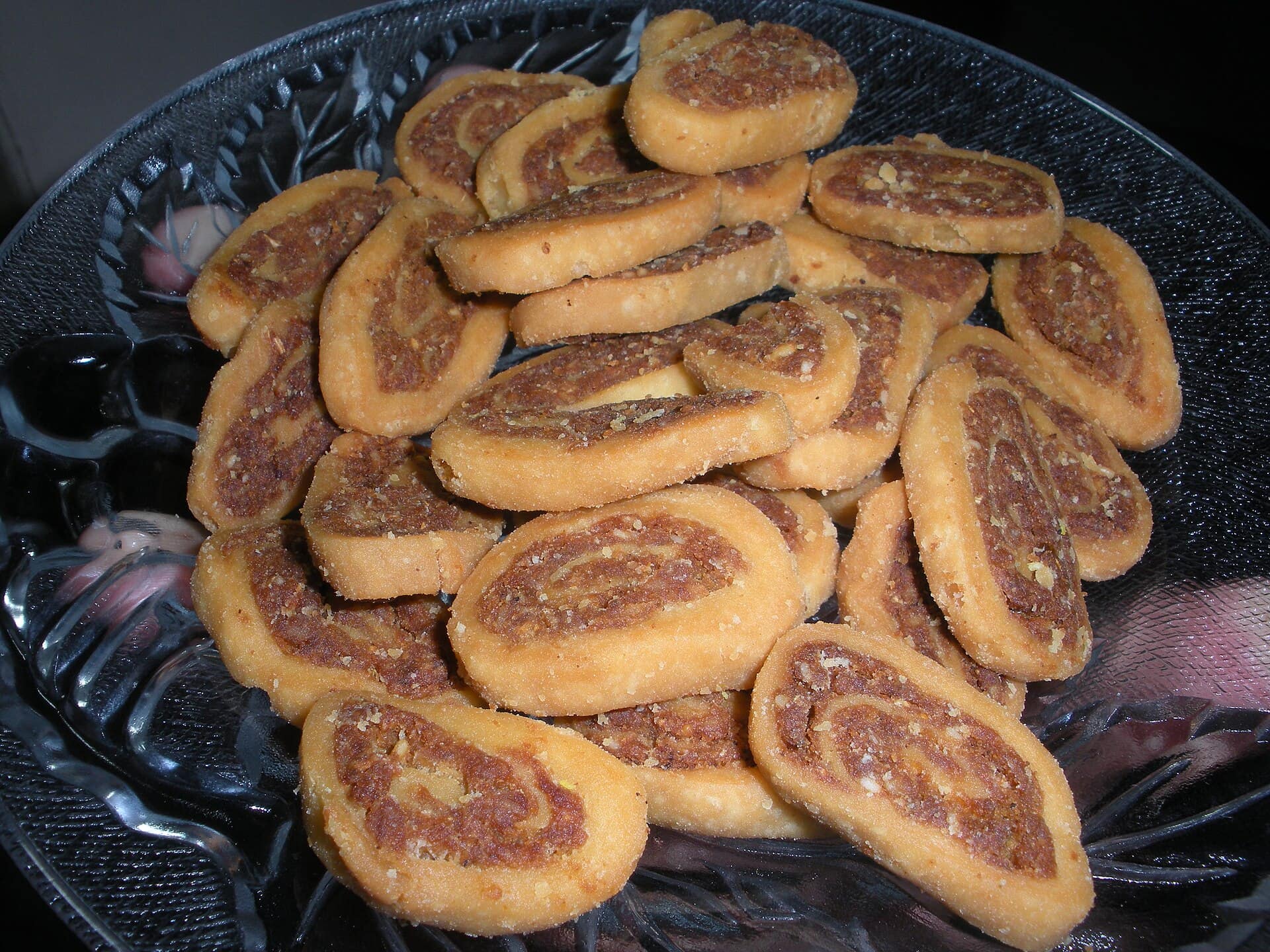
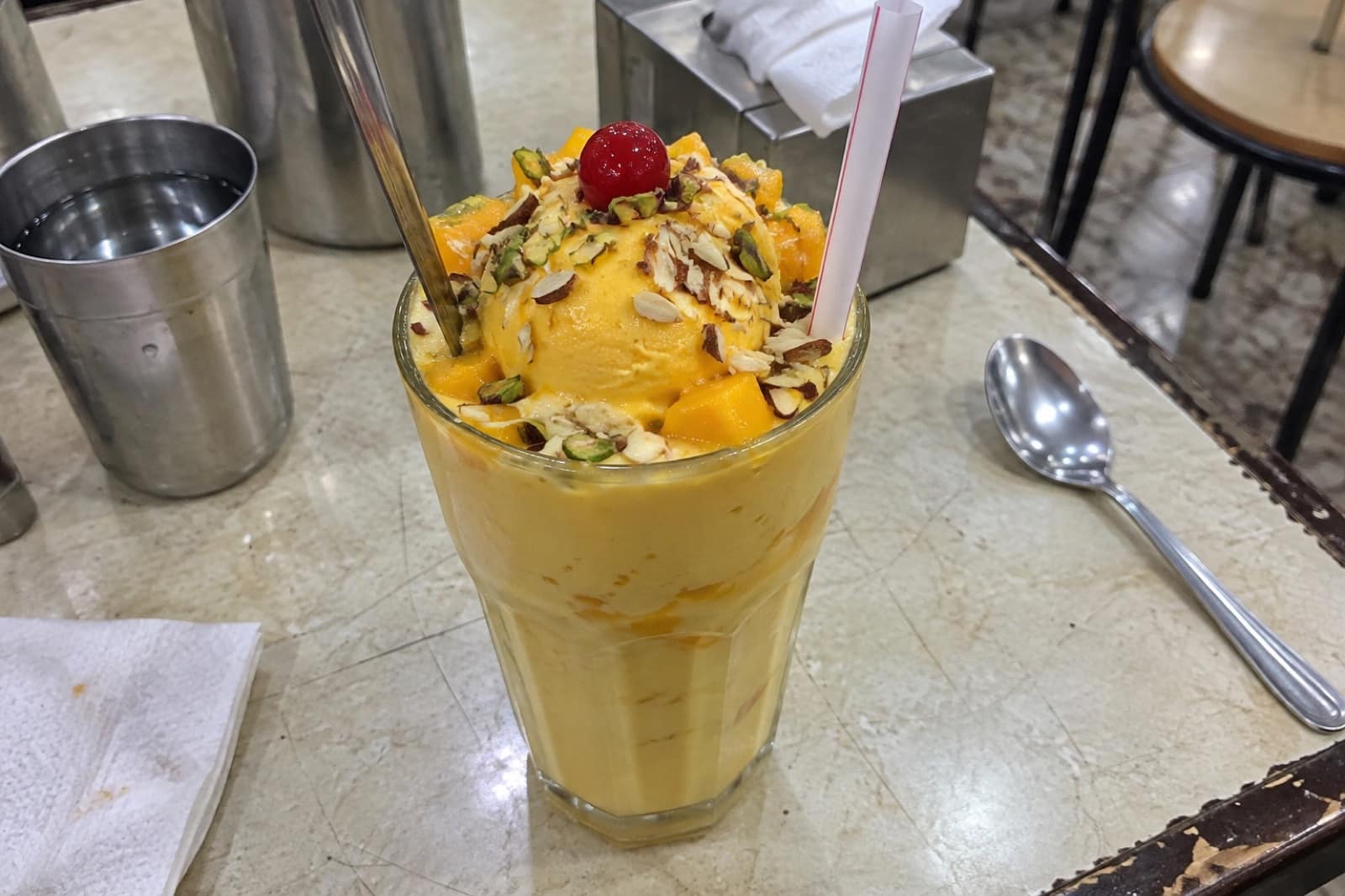
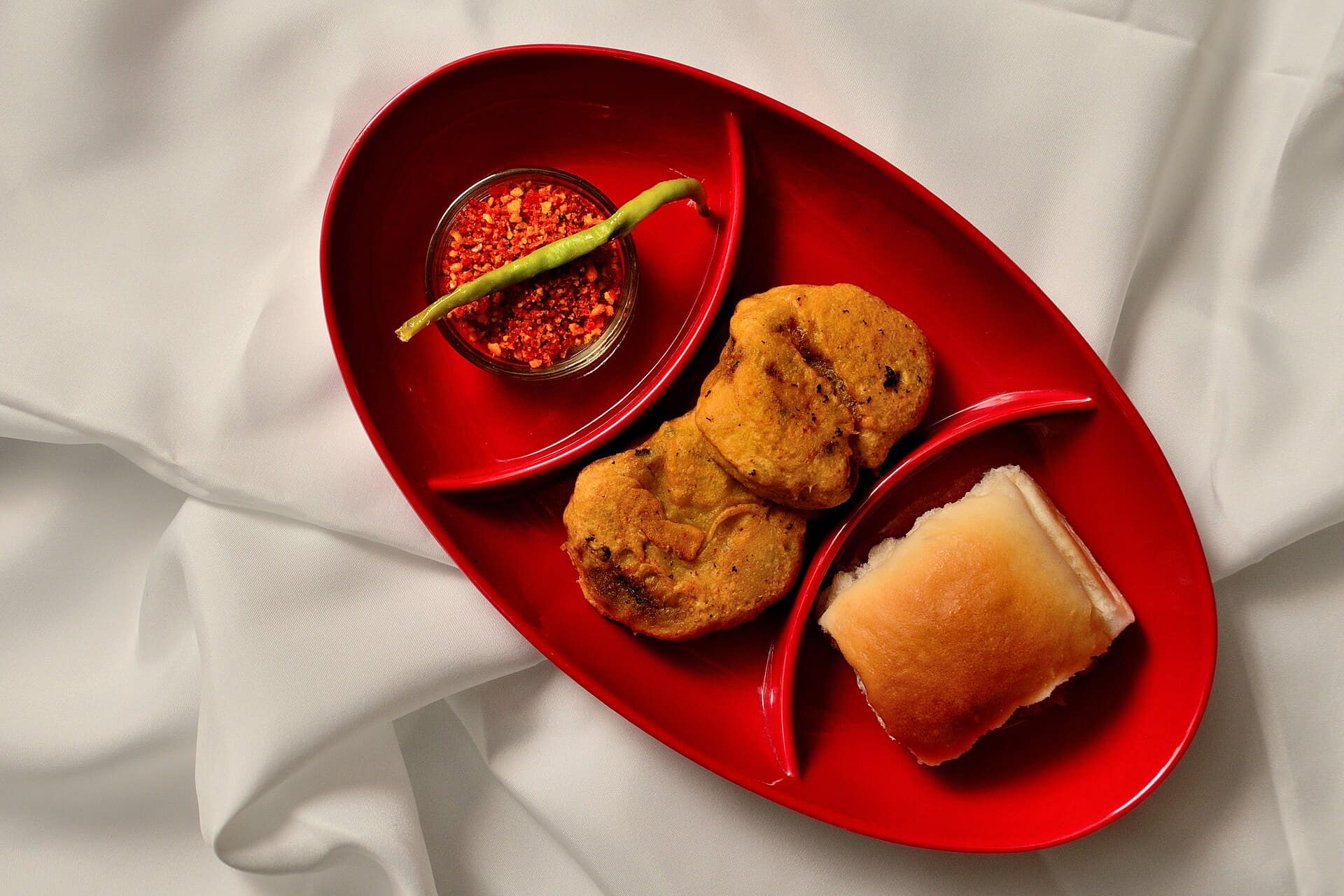
Food to Eat in Pune
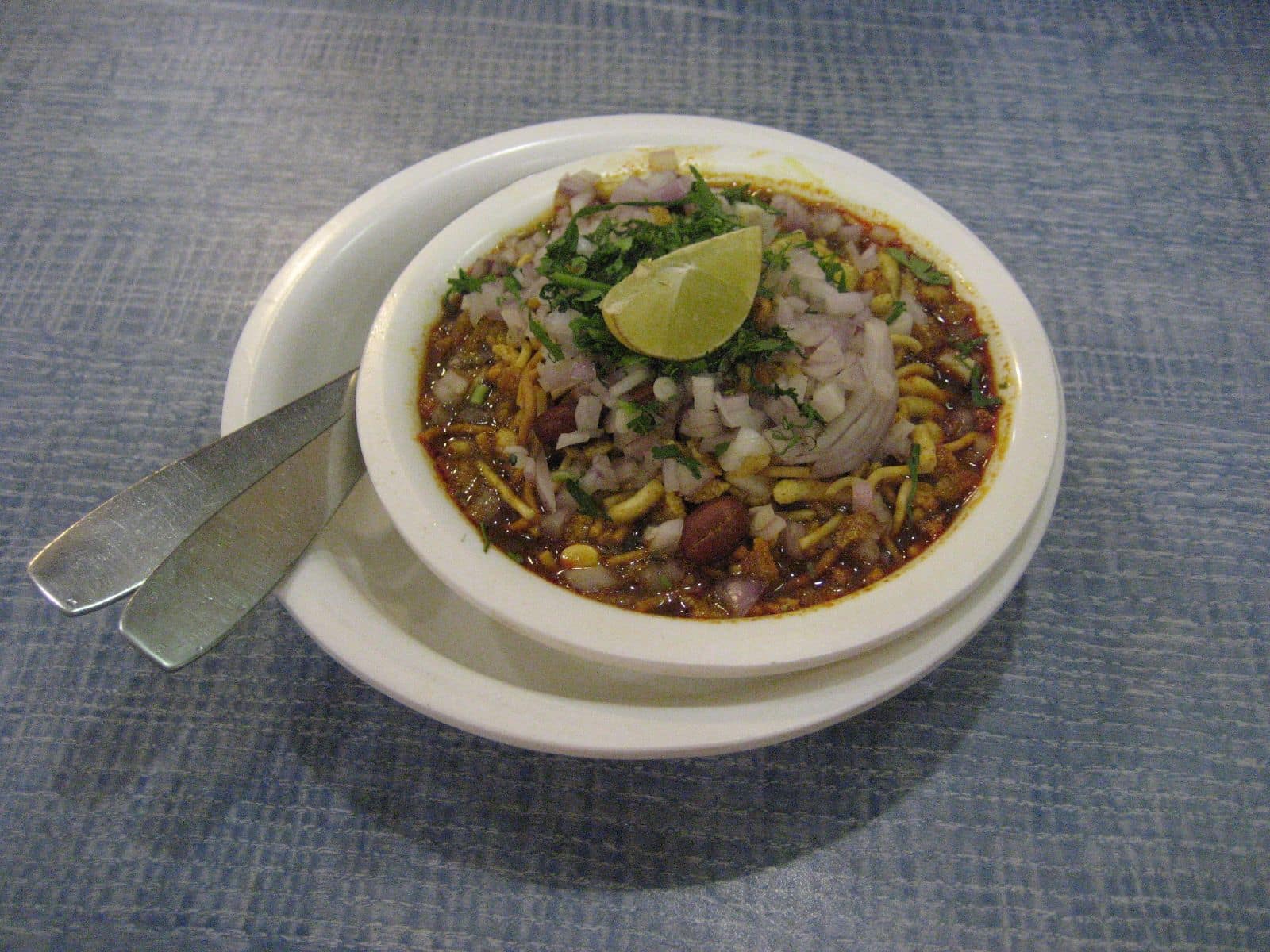
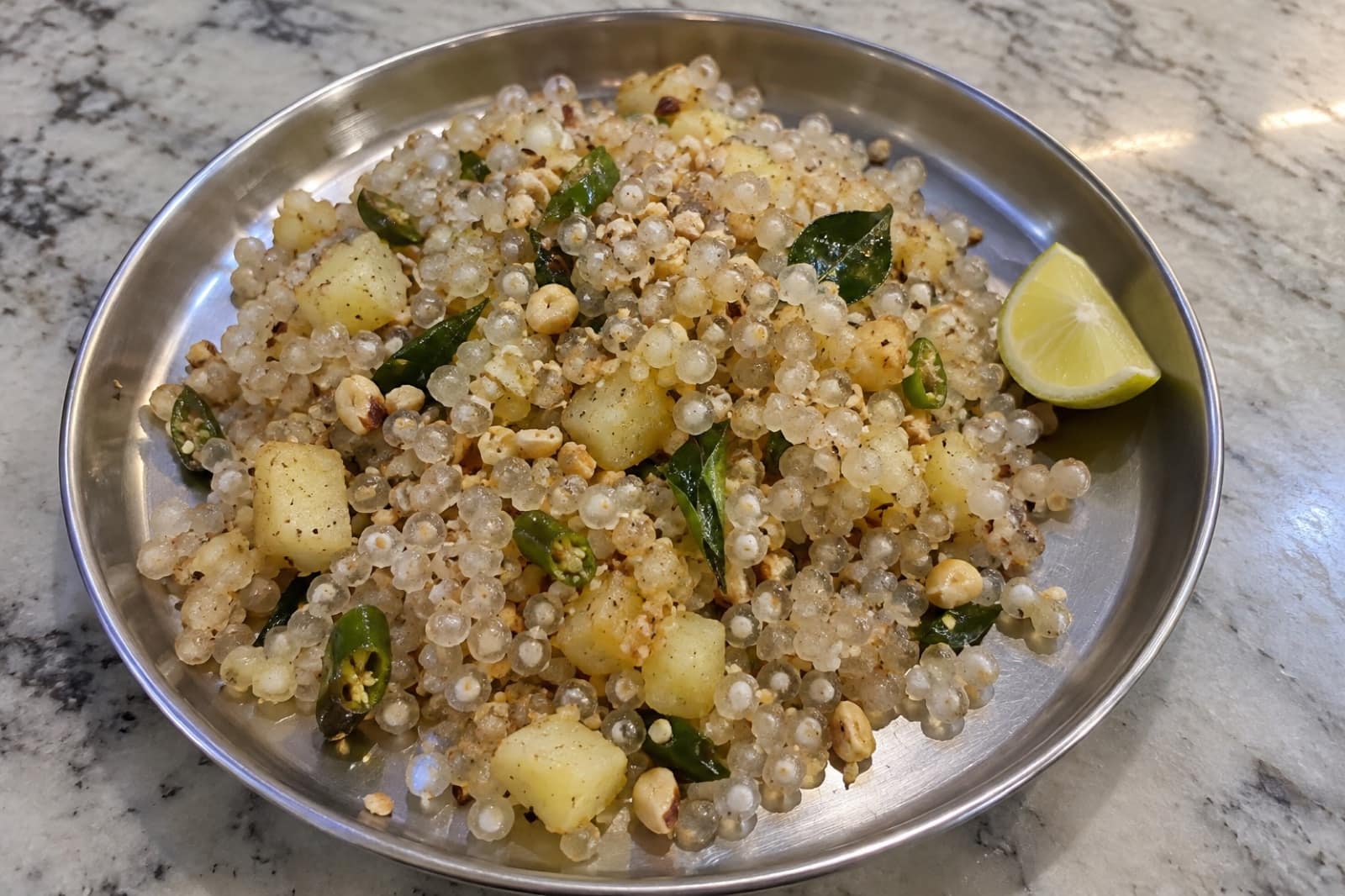
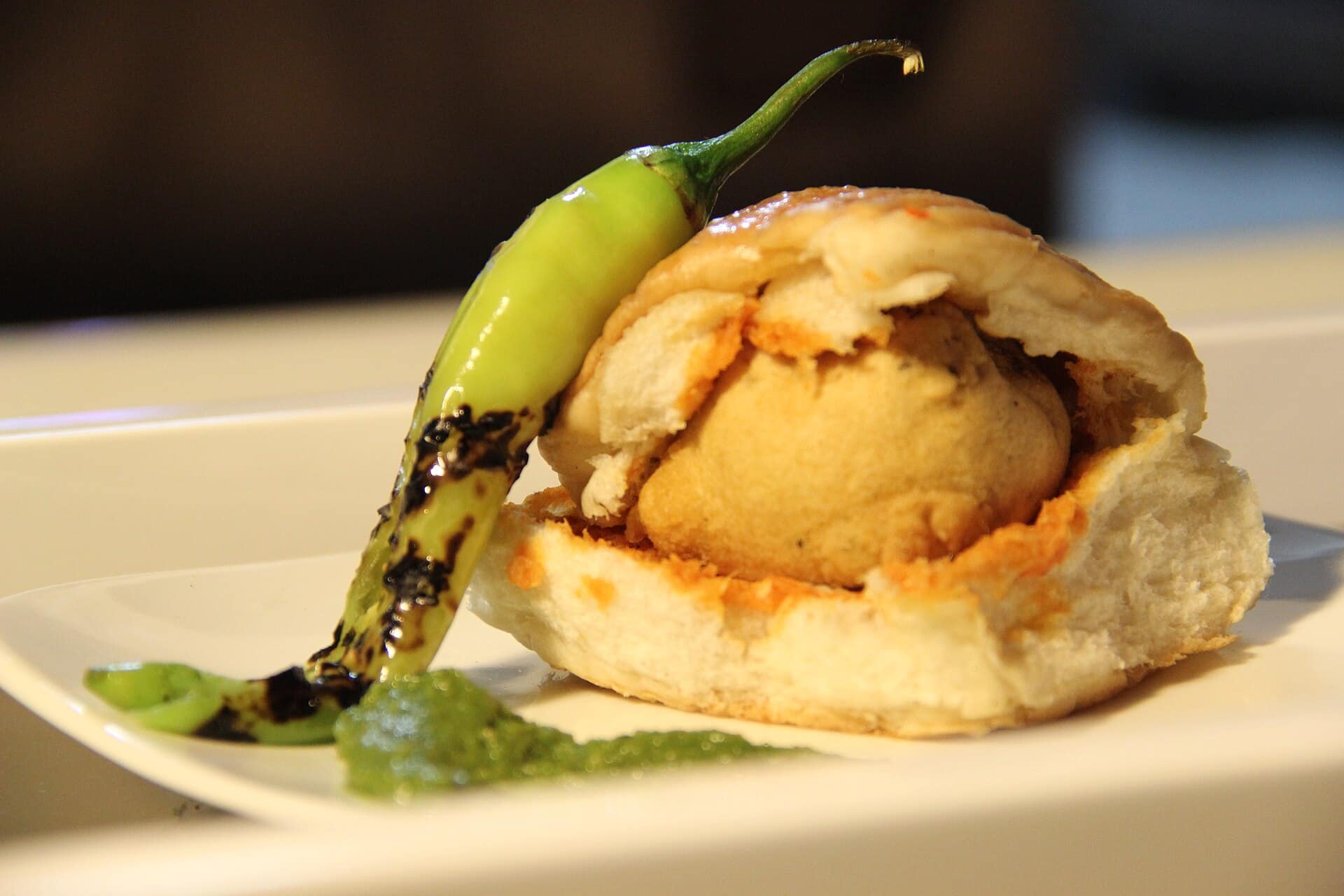
Trusted tables
Where to Eat in Pune
The Peshwas' city
Pune sits on the Deccan plateau at about 560 metres, where the Mula and Mutha rivers meet, some 150 km south-east of Mumbai. From the 1730s until the British took it in 1818, it was the seat of the Peshwas, the chief ministers who ran the Maratha empire. Their walled palace, Shaniwar Wada, still marks the middle of the old town. Today Pune is a big university and IT city, but the old core keeps its own pace, its own snack shops and its own sense of humour.
How the city is laid out
The old town is a patchwork of neighbourhoods called peths, most named after days of the week: Shaniwar, Budhwar, Somwar and so on, plus Kasba, Sadashiv and Narayan Peth. Most of the history, the Ganpati temples and the famous sweet and misal shops are here, within walking distance of each other. West of the river, Shivajinagar, Deccan Gymkhana and FC Road are the student side. The Camp cantonment, Koregaon Park and Kalyani Nagar to the east are newer and greener.
A sensible two days
Start day one at Shaniwar Wada when it opens, then walk to Dagdusheth Halwai Ganpati and Kasba Ganpati nearby. Eat misal in Narayan Peth, then cross the river to the Pataleshwar cave temple on Jangli Maharaj Road. Finish with a mastani in Sadashiv Peth. On day two, leave early for Sinhagad Fort, about 30 km south-west, and be back by lunch. Spend the afternoon at the Aga Khan Palace on the Nagar Road side of town, where Gandhi was held in 1942–44.
Getting around
App cabs and auto-rickshaws cover the whole city. The metro is useful for Shivajinagar, the old town and Swargate, and it saves a lot of time at rush hour. Traffic is heavy at peak times, so group your sights by side of town. Pune Junction is the main railway station, and the airport is at Lohegaon in the north-east.
Weather and timing
October to February is the easy season, with warm days and cool nights. December and January mornings are cold enough for a jacket. April and May are hot, with afternoons close to 40 °C. The monsoon usually arrives in June and lasts into September. The city itself gets steady showers rather than the huge downpours of the ghats, but Sinhagad and the hills to the west turn wet, green and misty. Ganeshotsav, in August or September, is the city's biggest event.
Small things worth knowing
Many old-town shops take a weekly day off or keep short hours on Sundays, so check before you cross town for one. Look out for the blunt, witty shop signs, known as Puneri patya; they are part of the city's character. Pune is also the base for Lonavala, Mahabaleshwar and the pilgrim towns of Alandi and Dehu.
Questions
Pune — FAQ
How many days do you need in Pune?
Two days is enough for the old town, Pataleshwar, the Aga Khan Palace and a morning at Sinhagad Fort. Add a day if you want Parvati Hill, a café evening in Koregaon Park or a trip to Lonavala.
What is a peth in Pune?
A peth is one of the old neighbourhoods of the city. Most are named after days of the week, such as Shaniwar Peth and Budhwar Peth, and together they make up the historic core around Shaniwar Wada.
When is Ganeshotsav in Pune?
Ganesh Chaturthi falls in late August or September, and the festival ends about ten days later on Anant Chaturdashi, the main immersion day. The old town is at its busiest then, and many central roads close on immersion day. The dates change every year, so check them before you book.
Is Pune a good base for day trips?
Yes. Sinhagad Fort is about 30 km away and Lonavala about 65 km. Mahabaleshwar is about 120 km, so it works better as an overnight stay than a day trip.
How far is Pune from Mumbai?
About 150 km by road. The Mumbai–Pune Expressway usually takes three to four hours depending on traffic, and there are also several fast trains each day.