
Maharashtra · India
Shirdi
The tranquil pilgrim town of Sai Baba — home to the great Samadhi Mandir, the Dwarkamai mosque and Chavadi, drawing millions of devotees of all faiths.
Shirdi lives around Sai Baba: the Samadhi Mandir aarti, the ever-burning dhuni at Dwarkamai, the 'Sabka Malik Ek' ethos, prasad meals, and simple devotional dress.
Plan your trip
Shirdi Tour Itineraries
Timed, walkable day plans — plus the best season to go.
Where to shoot
Shirdi Photo Spots
Entry Free
Chavadi
- Best timeThursday night, when the palkhi arrives with lamps and drums; early morning on a weekday for the plain facade without crowds.
- ColorsSaffronWhiteCream
Entry Free
Dwarkamai
- Best timeLate morning, around the dhuni offering, for the busy lane outside; Thursday night for the lamps and crowd of the palkhi.
- ColorsSaffronWhiteGreen
Entry Free
Khandoba Mandir
- Best timeEarly morning, when the road outside is quiet and the light is soft on the shrine; late afternoon for warm light on the temple front.
- ColorsSaffronYellowRed
 High crowd
Entry Free (darshan passes available)
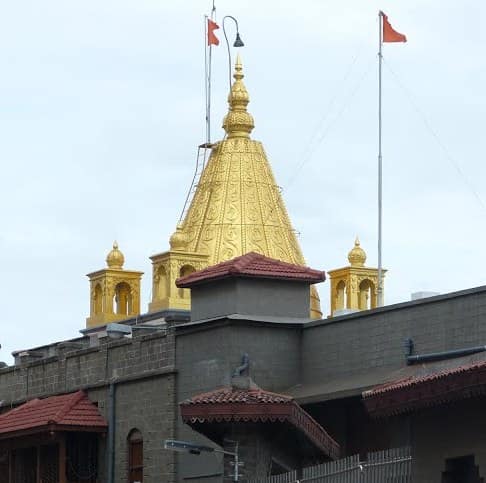
Sai Baba Samadhi Mandir
- Best timeEarly morning, after the dawn aarti, when the marble is cool and the street outside is quiet; evening for the lit dome against the dusk sky.
- ColorsSaffronWhiteYellow
 High crowd
Entry Free
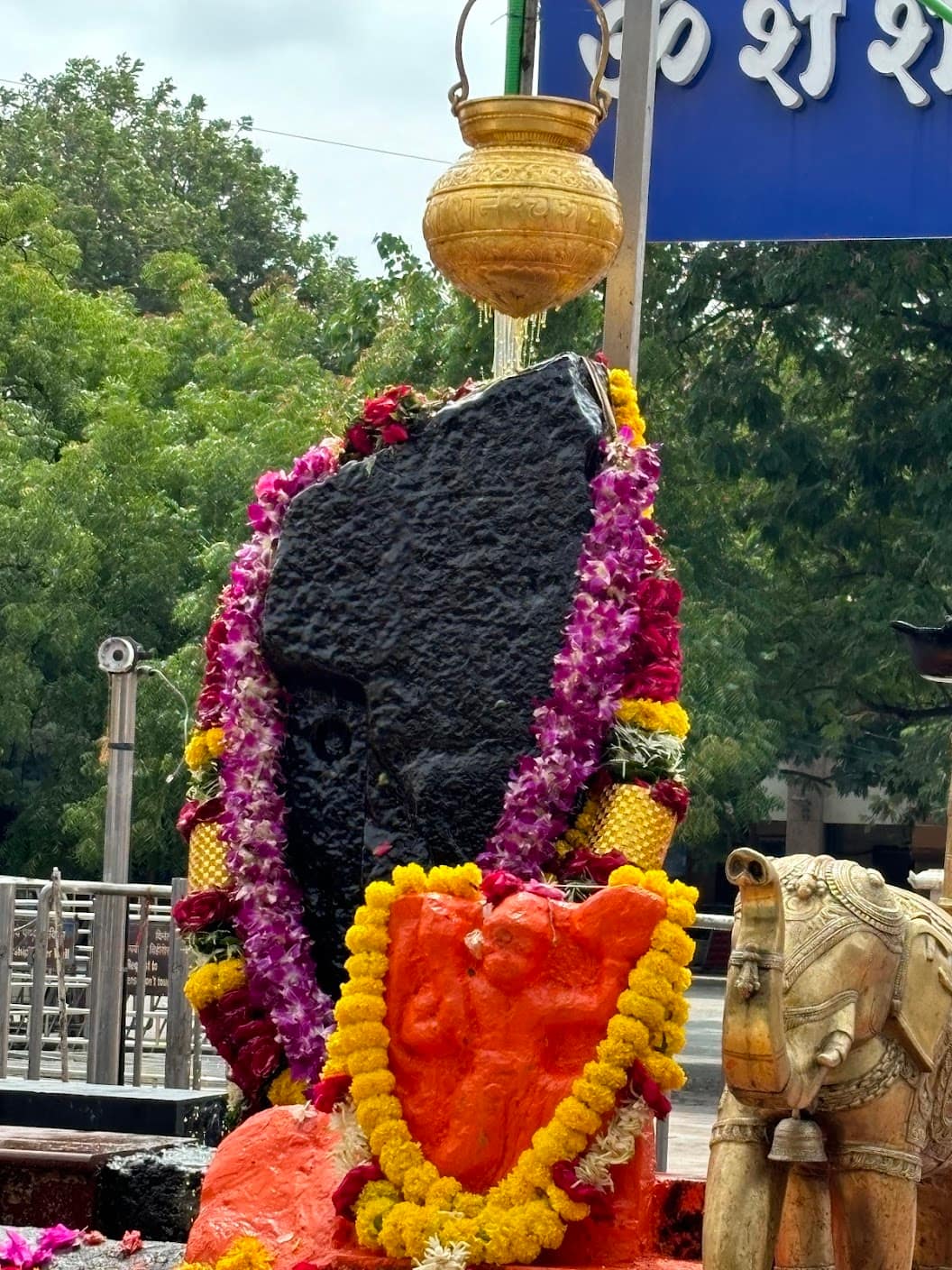
Shani Shingnapur
- Best timeWeekday morning, when the queue is short and the light falls softly on the black stone; late afternoon for warm colour on the open platform.
- ColorsBlackSaffronBlue
For the feed
Trending Wear in Shirdi
Modern, Instagram-friendly looks

Rooted in the city
Shirdi Traditional Wear
Local, cultural, handcrafted outfits
Before you go
Temples in Shirdi
Darshan hours, dress codes and what gets refused at the gate
Taste the city
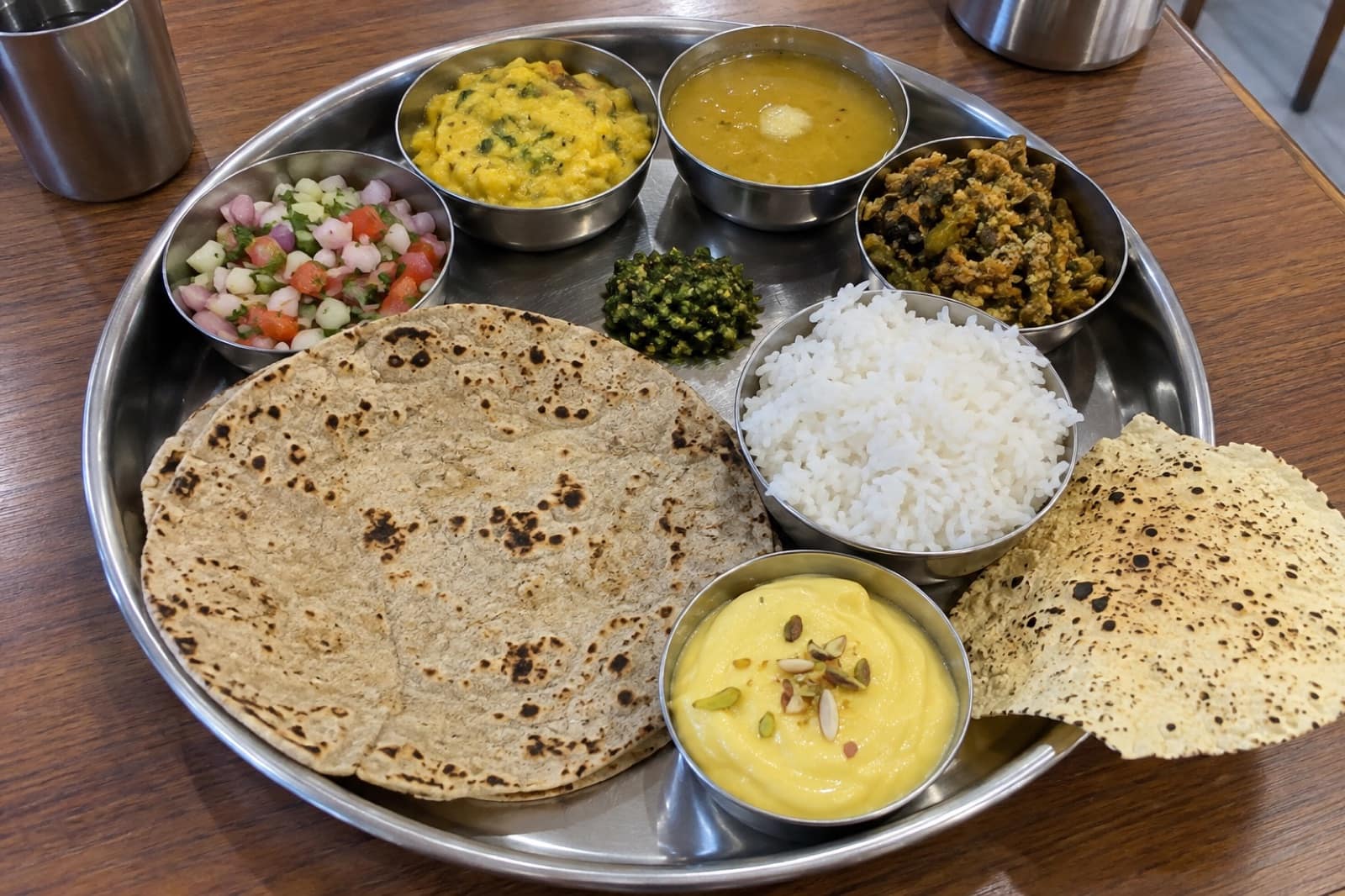
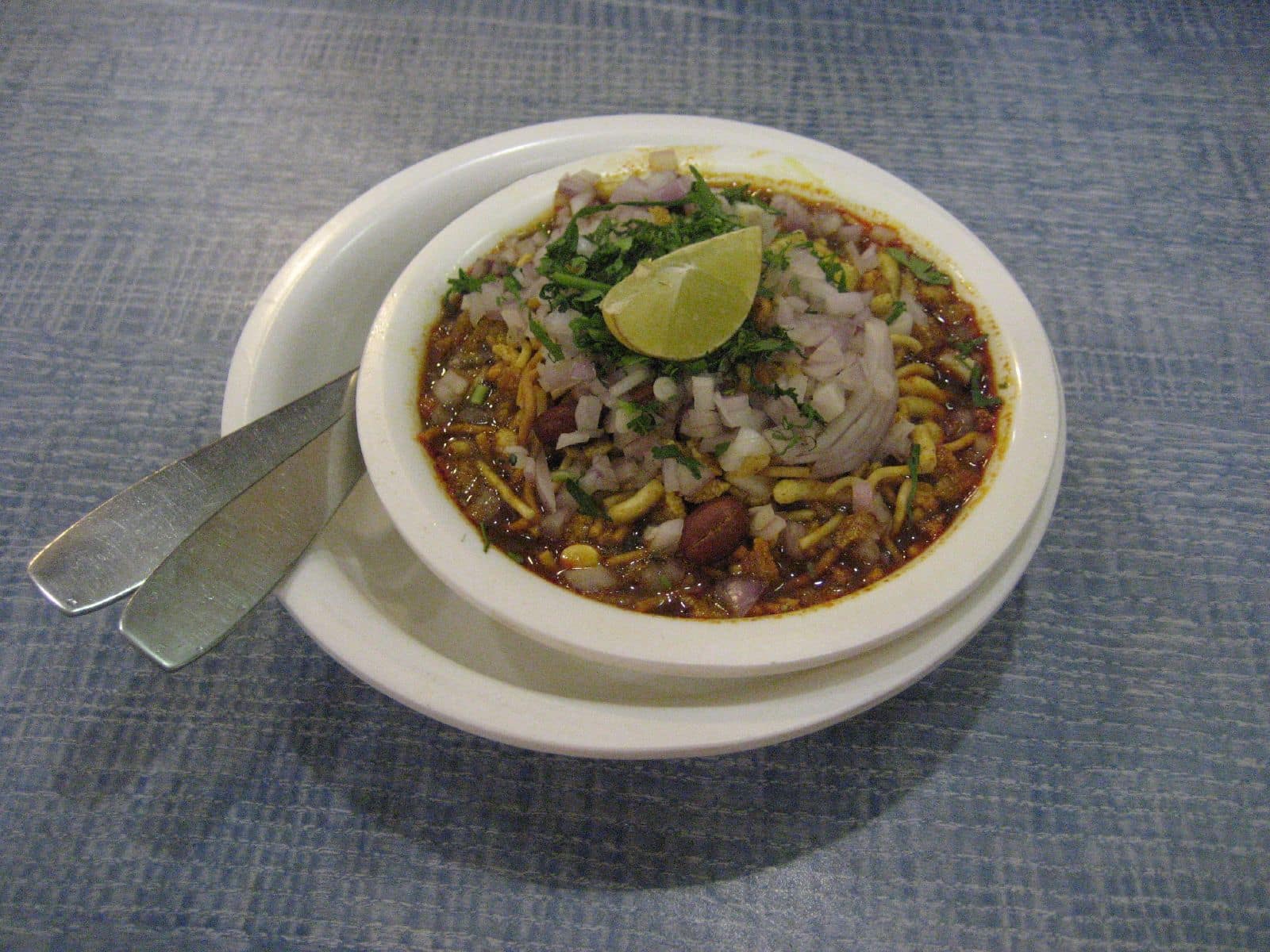
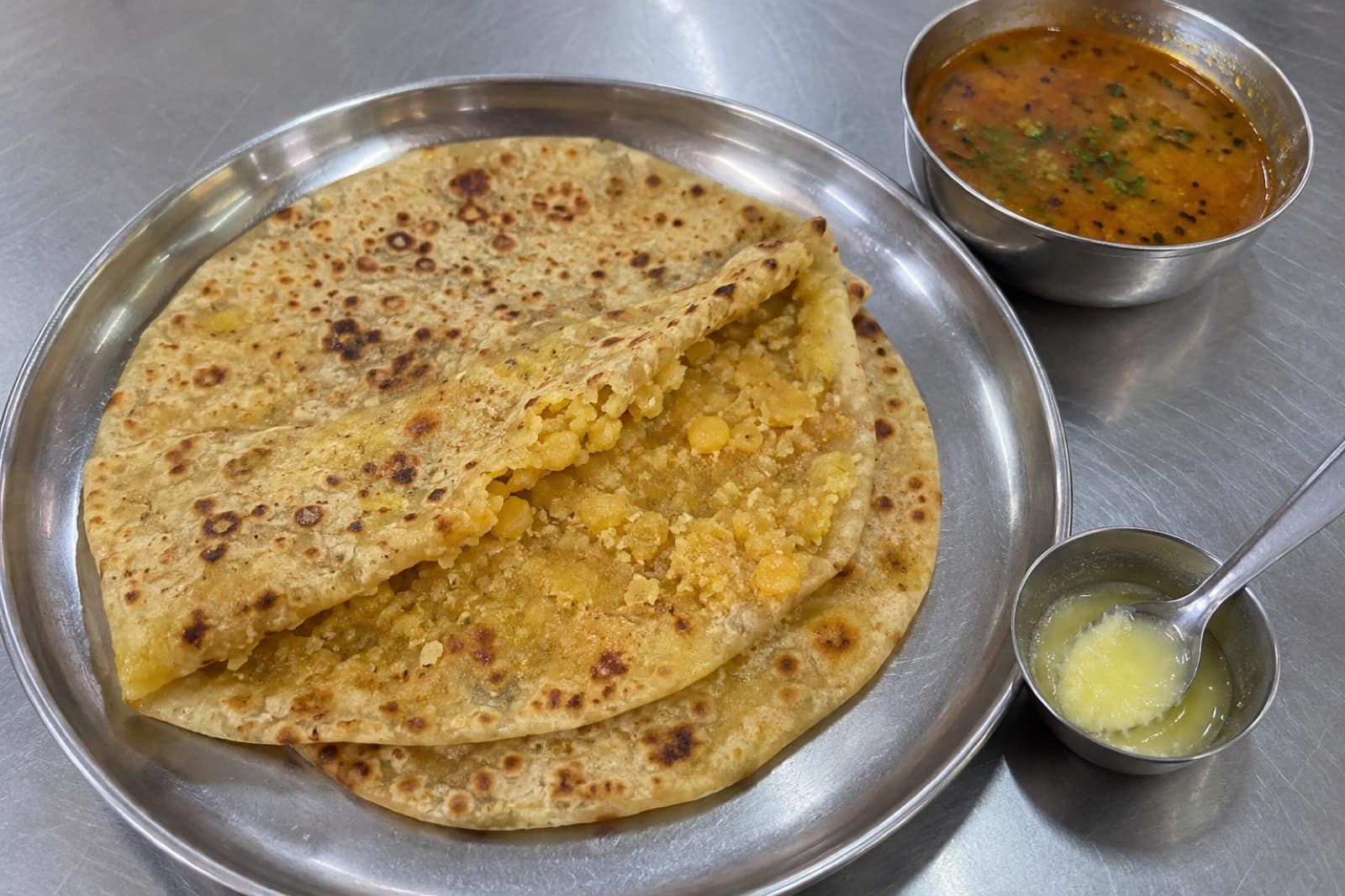
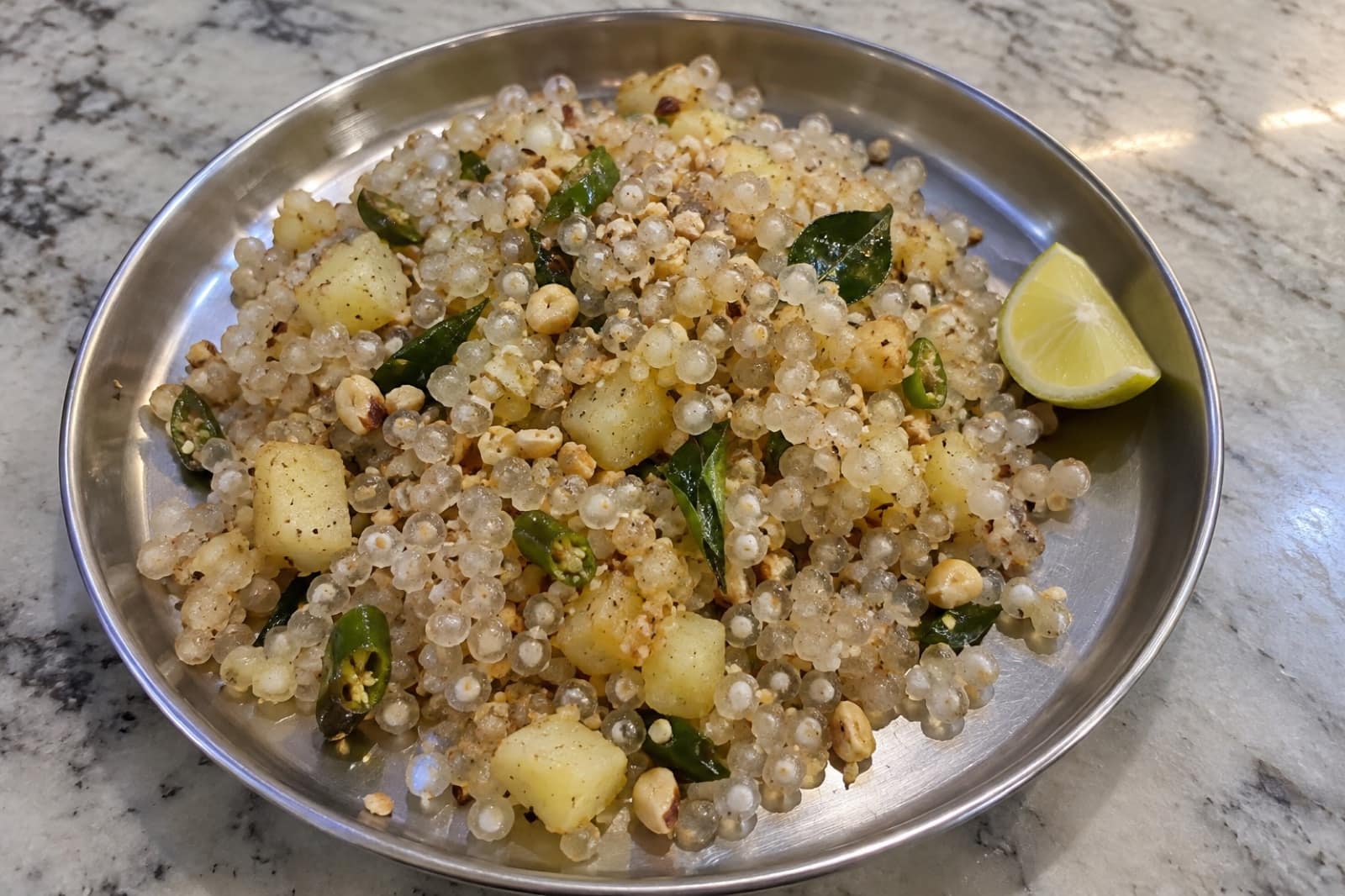
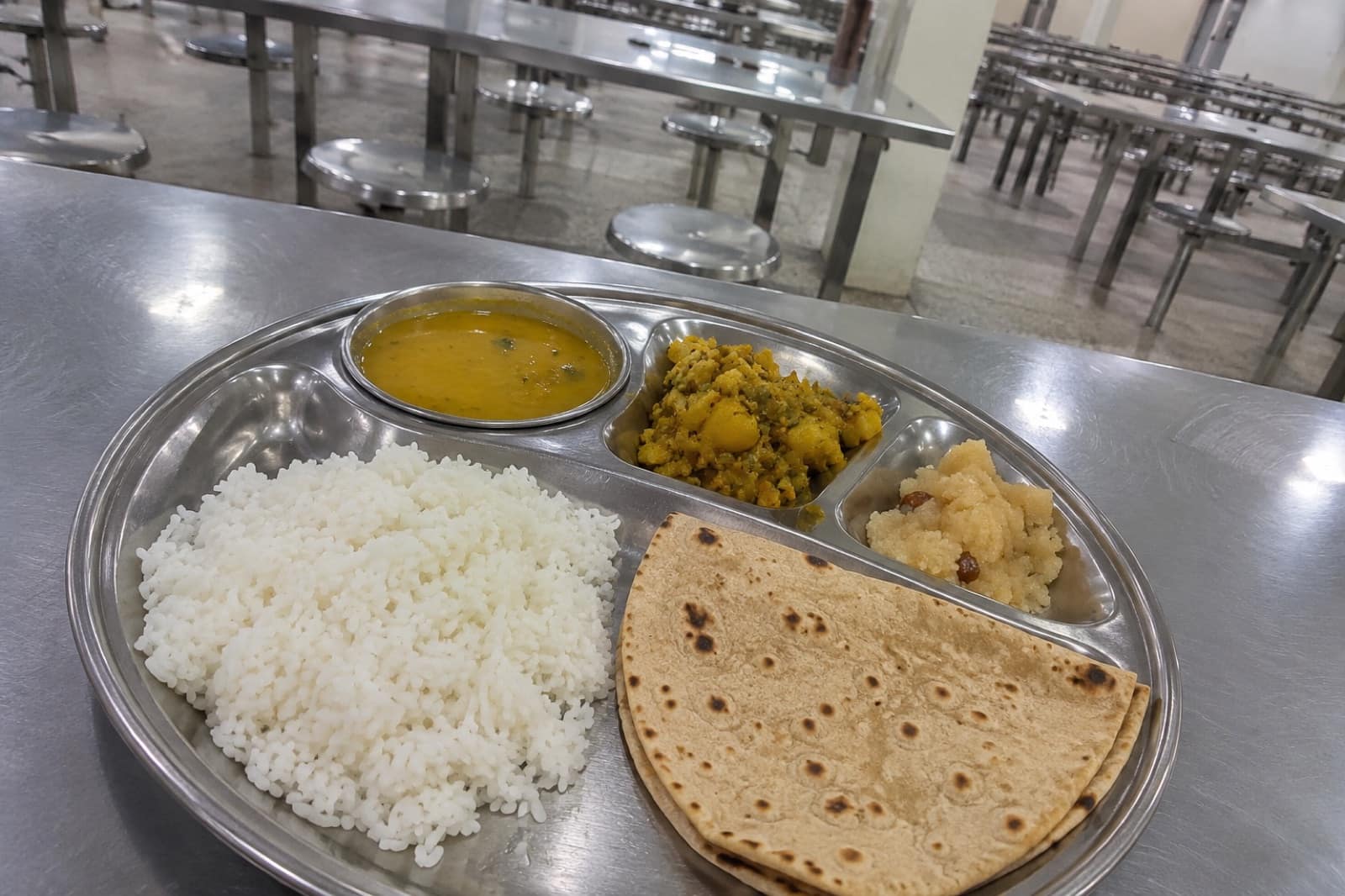
Food to Eat in Shirdi
Trusted tables
Where to Eat in Shirdi

A town that grew around one man
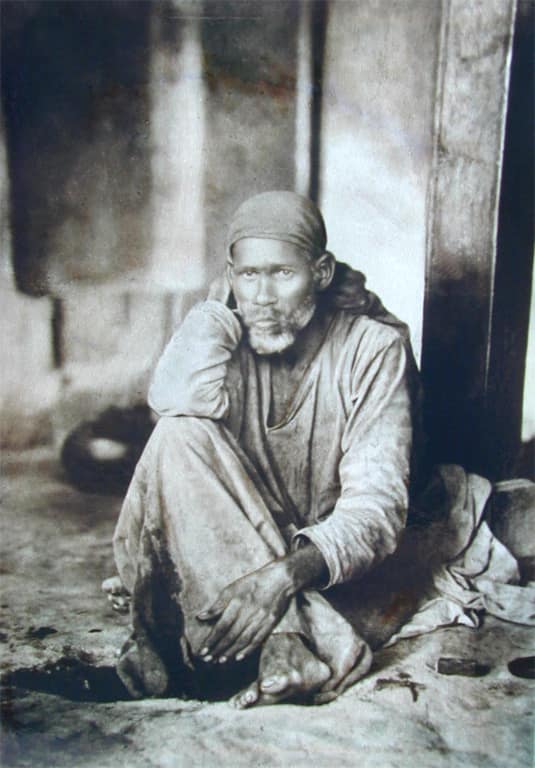
Shirdi is a small town in Ahilyanagar district, which was called Ahmednagar until 2024, and almost every street in it points towards the Samadhi Mandir. Sai Baba came here as a young fakir in the 1850s, lived for about sixty years in a crumbling village mosque, and died on 15 October 1918, the day of Vijayadashami. His tomb became the temple. Hindus and Muslims both came to him in his lifetime, and his line "Sabka Malik Ek", one God rules all, is painted on walls and shop signs across town. On an ordinary day tens of thousands of pilgrims pass through. On festival days it is several times that.
The short walk most pilgrims make
The places that matter sit within a few minutes of each other. Start with darshan at the Samadhi Mandir. Then walk to Dwarkamai, the mosque where Baba kept a fire burning that has never been allowed to go out, and the Chavadi beside it, where he slept every other night. Gurusthan, the neem tree where he was first seen sitting, and Lendi Baug, the garden he watered himself, are part of the same complex. Khandoba Mandir, where the priest Mhalsapati greeted him with "Ya Sai" and gave him his name, is a ten-minute walk away at the old edge of the village.
Passes, phones and the daily programme
Darshan runs on passes. Book them on the temple trust's own site, online.sai.org.in, and bring the photo ID you booked with. Free passes are limited; paid ones cut the wait but do not remove it. The trust says it does not use agents, so ignore anyone at the bus stand selling passes on the street.
Phones, cameras, other electronics and water bottles are refused inside the temple premises. Leave them in your room, or at the deposit counters opposite the temple. The day follows a fixed programme: Kakad Aarti at about 5:15 am, the midday aarti at noon, Dhoop Aarti at sunset and Shej Aarti at about 10 pm. Check the trust's daily programme before you set an alarm.
Getting in and around
Shirdi Airport is at Kakadi, about 15 km south-west of town. Sainagar Shirdi station has direct trains from Mumbai, Chennai, Hyderabad and other cities, and buses and taxis run from Nashik, Pune and Mumbai. Once you are here, the temple area is easiest on foot. Autos cover the station, the airport road and the hotels further out.
One day or two
One full day covers the temple complex, Dwarkamai, the Chavadi and Khandoba Mandir. A second day allows an early Kakad Aarti and a trip to Shani Shingnapur, the open-air Shani shrine about 70 km away. October to February is the comfortable season. Thursdays, weekends and the three great festivals bring the longest queues; the best time to visit page has the detail.
Questions
Shirdi — FAQ
Do I need a pass for darshan at Shirdi?
Yes, in practice. The temple trust issues free and paid darshan passes on online.sai.org.in, and a limited number at counters in town. Book online if you can, and carry the same photo ID you used to book.
Where do I leave my phone and shoes in Shirdi?
At the deposit counters opposite the temple, which take shoes, phones and other electronics for a small fee. Queues form there too, so the simplest plan is to leave your phone in your room.
Is Shirdi open to people of every faith?
Yes. Sai Baba was followed by Hindus and Muslims in his lifetime, and the trust welcomes devotees of all faiths to darshan and to the meals at the Prasadalaya.
What happens in Shirdi on a Thursday?
Thursday is Sai Baba's day. Late in the evening a palanquin (palkhi) carries his image from the Samadhi Mandir past Dwarkamai to the Chavadi and back. Expect bigger crowds all day and a late night.
Is Shirdi worth a visit if I am not a devotee?
It is a working pilgrimage town rather than a sightseeing stop, so there is little beyond the temples. Come for the atmosphere of the aartis and the Thursday procession, and give it one day.