
Photo spot in Ziro
Apatani Village
Ziro, Arunachal Pradesh
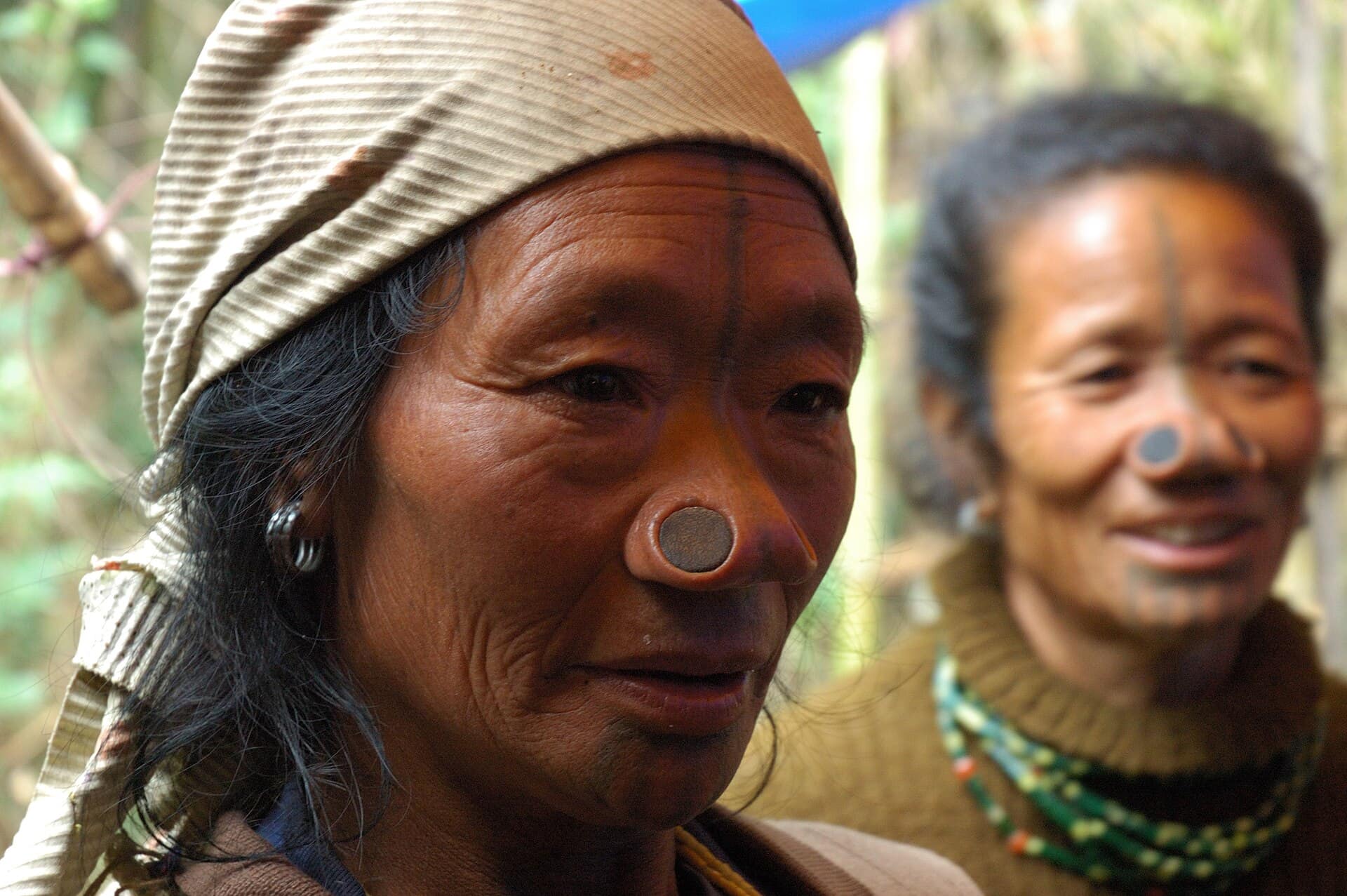
Traditional Apatani villages like Hong and Hija, with bamboo-and-cane houses, sacred groves and elders bearing the tribe's distinctive facial tattoos and nose plugs — a living cultural landscape.
Best time
Morning — smoke rising from the roofs, soft light in the lanes and daily life starting; late afternoon for warm light on the wooden houses.
Best angle
Stand at the end of a village lane and take a wide photo of the stilted houses and babo poles with the pine hills behind.
Entry fee
Free (guide advised)
Opening hours
Daylight hours
Crowd level
Low
Best outfit colors
Overview
Best time to visit Apatani Village
Morning — smoke rising from the roofs, soft light in the lanes and daily life starting; late afternoon for warm light on the wooden houses. Crowds here are typically low. Arrive a little early to claim your angle and catch the softest light before the day tips over.
Poses & angles
Photo tips for Apatani Village
Stand at the end of a village lane and take a wide photo of the stilted houses and babo poles with the pine hills behind. Work a few of the pose ideas below, shoot wide for context and tight for detail, and give yourself a couple of extra minutes to get the frame right.
In the village lane
By a traditional house
Outfit guide
What to wear at Apatani Village
For photos at Apatani Village, rust, cream and forest green work beautifully — they stand out against the setting without fighting it. Pick one hero colour and keep the rest of the look calm so you stay the subject of the frame.
Best outfit colors for photos
Trending wear for this spot
Popular modern looks travellers are wearing across Ziro.
Traditional wear for this spot
Timeless, cultural looks that suit Apatani Village.
Eat nearby
Food near Apatani Village
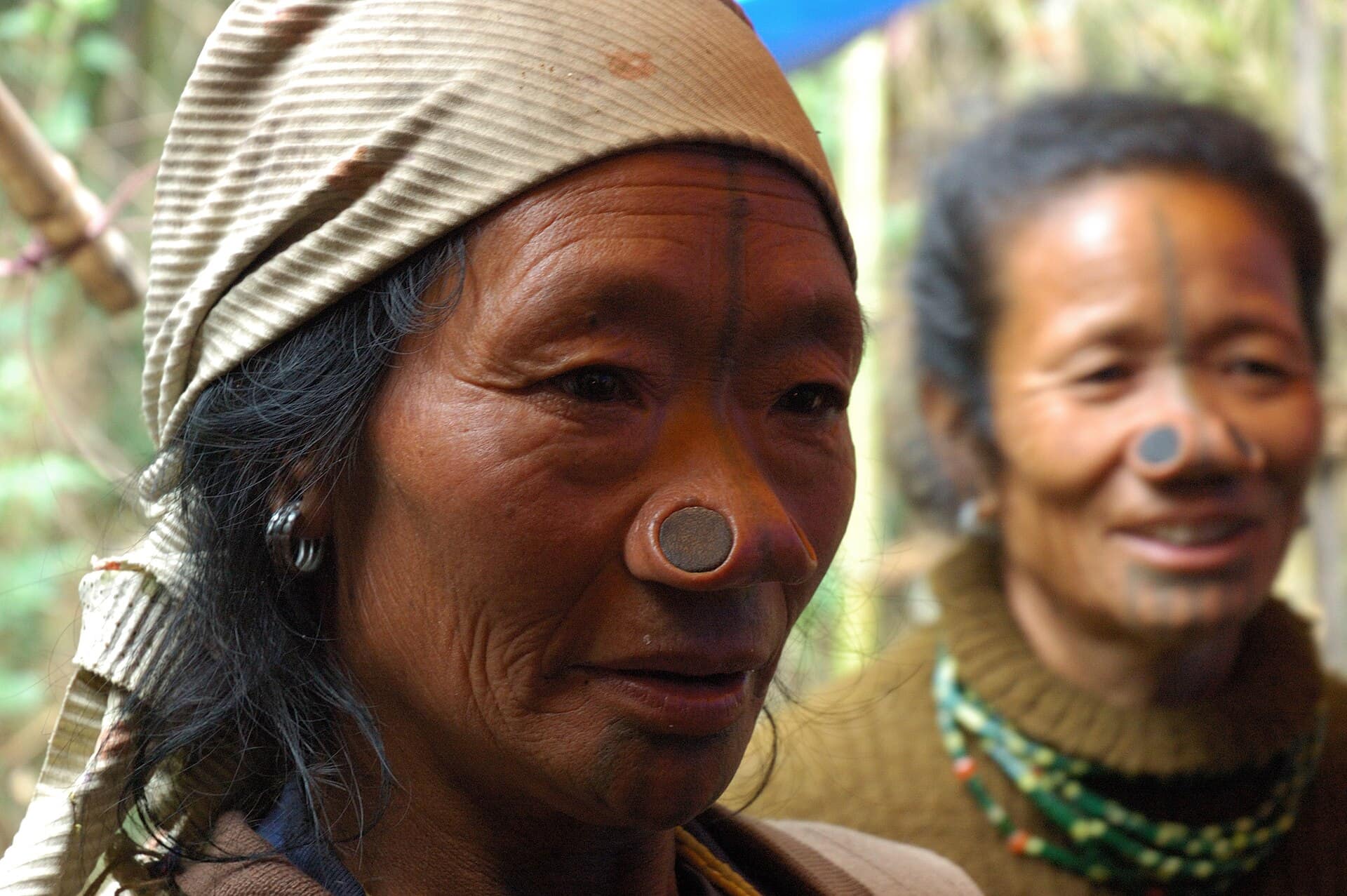
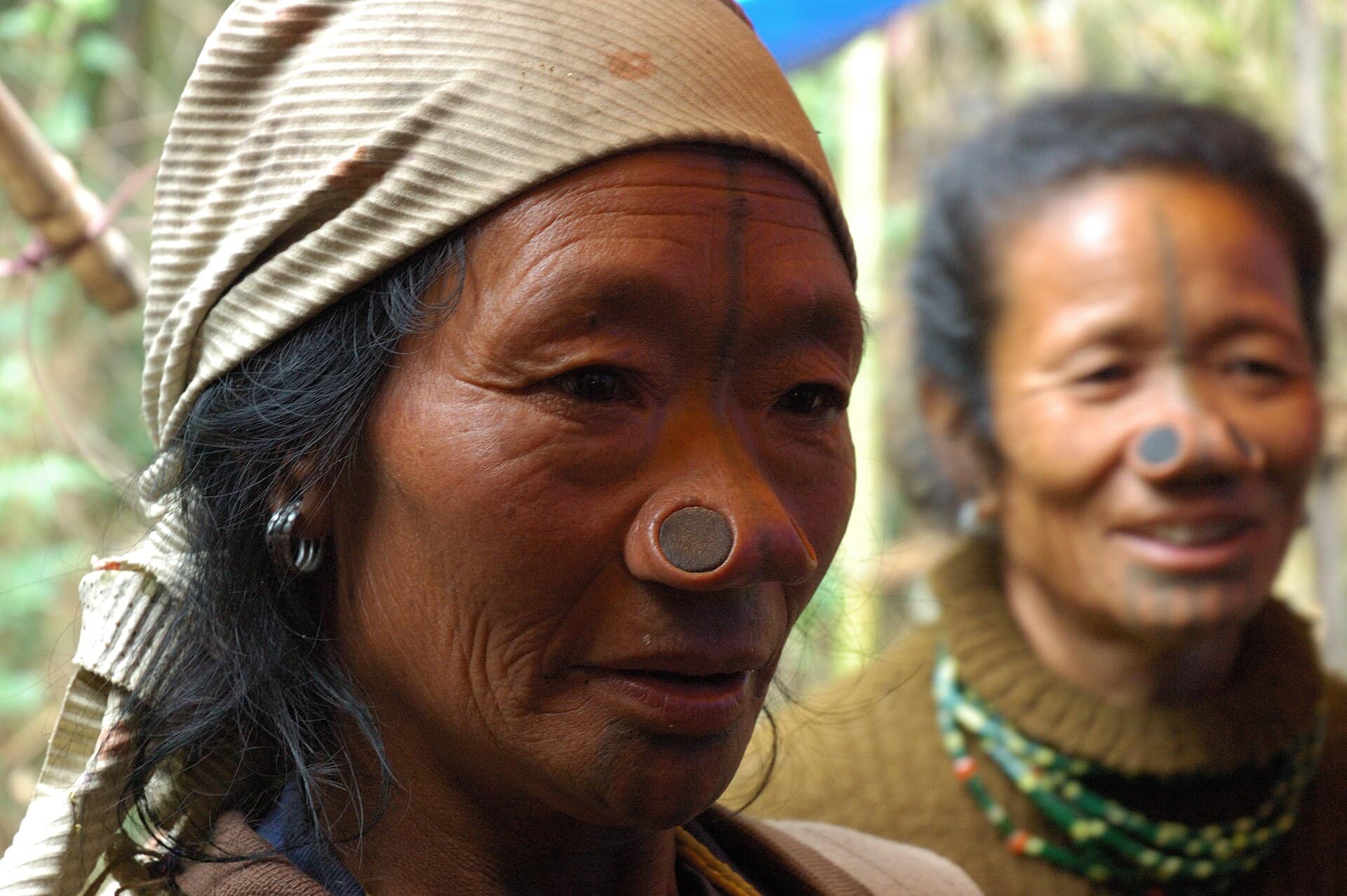
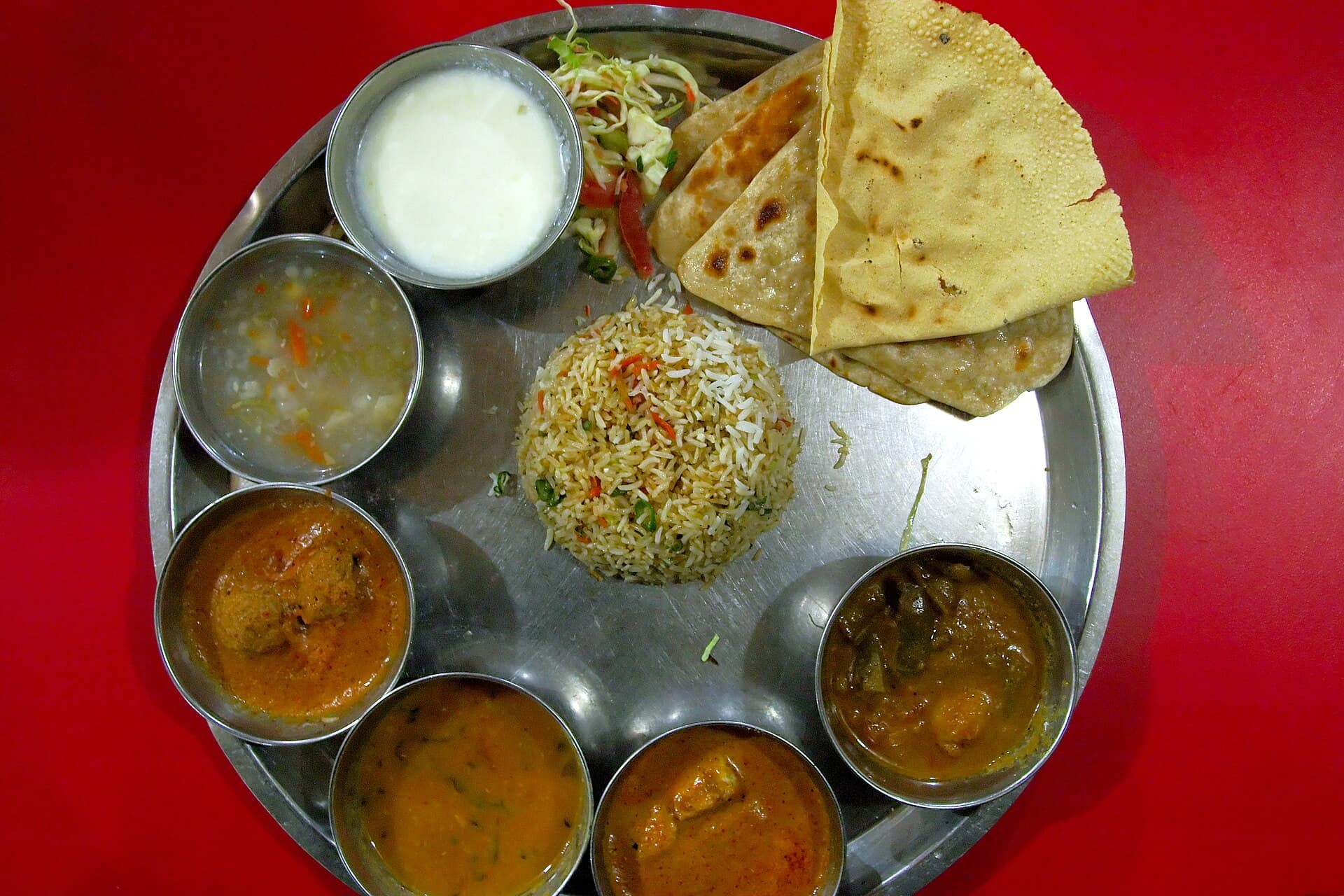
Round out the visit with something to eat. Look for apatani thali nearby, or settle in at one of the 1 restaurants close by.
Special dishes to try
Restaurants & food places nearby
Search food by craving
Good to know
Local tips
Arrange a guide from the village through your homestay before you visit.
Ask before photographing anyone, especially elders with facial tattoos.
Do not enter homes, granaries or shrines unless you are invited in.
Keep away from sacred groves and do not touch the babo poles.
Take off your shoes if you are invited into a home.
Buy woven goods directly from weavers rather than middlemen.
Stay a night in a village homestay to see daily life properly.
Living villages, not museums
The Apatani live in compact villages around the edge of the valley floor: Hong, Hari, Hija, Bulla, Dutta and others. Hong is one of the largest, with hundreds of homes packed along its lanes. Houses are built on stilts, of wood and bamboo, with an open hearth inside where meat is smoked. Tall babo poles stand outside homes and at ritual sites, and raised wooden lapang platforms are where elders meet and festivals gather.
Go with a guide
A guide from the village makes a visit easier for everyone. They know which lanes are fine to walk, which houses welcome visitors and which spots are sacred. They can also introduce you to families, explain the rituals and translate. Your homestay can usually arrange one.
About the facial tattoos
Older Apatani women have facial tattoos and large wooden nose plugs. The practice stopped with the generation born after the 1970s, so today only elders carry them. Many visitors come just to photograph these women, and not all of them want that. Ask first. If they say no, respect it. If they say yes, spend time talking, not just shooting.
Getting the photograph
Wide frames of the lanes, with houses, poles and hills behind, tell the story better than close portraits. Granaries at the edge of the fields and smoke rising from roofs in the morning are good subjects too.
Behaving well
Do not enter homes, granaries or ritual spaces without being invited. Keep out of sacred groves. Leave the babo poles alone. See also the Ziro valley fields.
Questions
Apatani Village — FAQ
What is the best time to visit Apatani Village?
Morning — smoke rising from the roofs, soft light in the lanes and daily life starting; late afternoon for warm light on the wooden houses. Stand at the end of a village lane and take a wide photo of the stilted houses and babo poles with the pine hills behind.
Is there an entry fee at Apatani Village?
Entry to Apatani Village is free (guide advised).
What are the opening hours of Apatani Village?
Apatani Village keeps daylight hours.
What should I wear at Apatani Village?
Rust, cream and forest green photograph especially well here. Explore the trending and traditional outfit ideas on this page for full looks.
How crowded does Apatani Village get?
Crowd levels are typically low. To miss the busiest window: morning — smoke rising from the roofs, soft light in the lanes and daily life starting; late afternoon for warm light on the wooden houses.
What food should I try near Apatani Village?
Try apatani thali, available at nearby restaurants.
Which Apatani village should I visit?
Hong is one of the largest and most visited. Hija, Hari and Bulla are quieter. A local guide can suggest one that suits your time.
Why do some Apatani women have facial tattoos?
Facial tattoos and nose plugs were a traditional practice for women until around the 1970s. Today only older women carry them.
Do I need a guide to visit an Apatani village?
It is not required, but it is strongly advised. A guide helps you know where to go, who to meet and what is sacred.
What are the tall poles outside Apatani homes?
They are babo poles, linked to Apatani rituals and festivals. Do not climb on them or lean against them.