
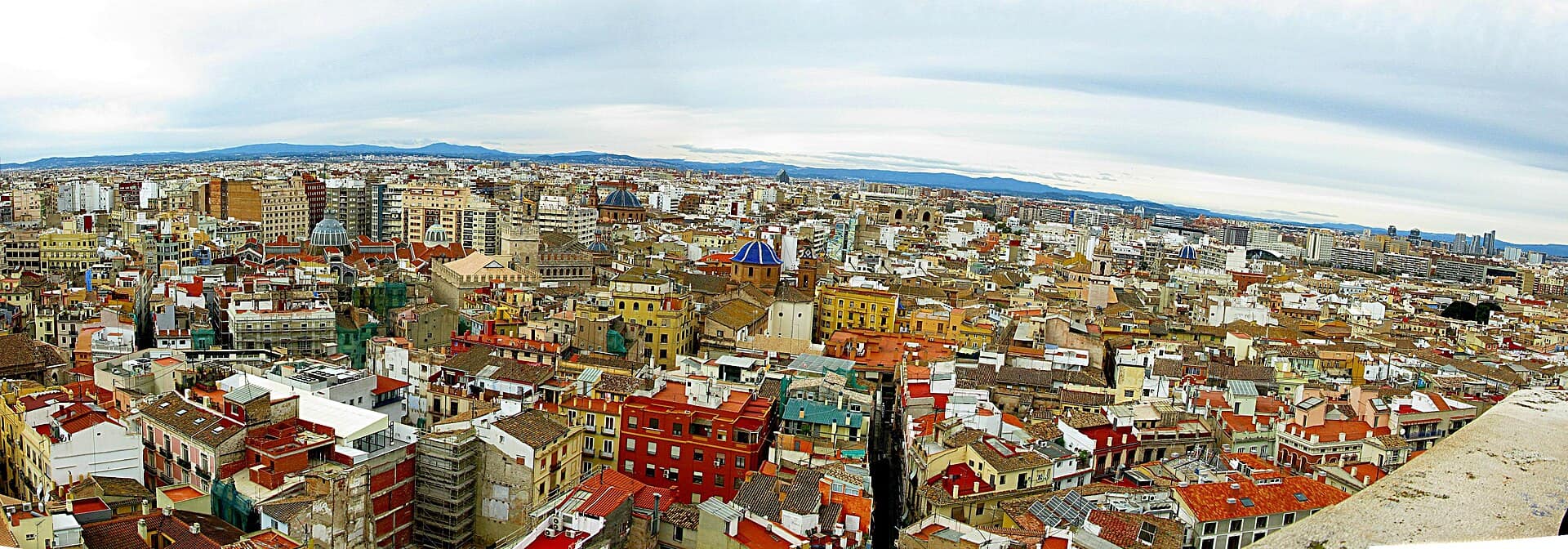
Comunidad Valenciana · Spain
Valencia
Spain's third city, built between a rice lagoon and the Mediterranean, with a Gothic silk exchange, a river bed turned into a nine-kilometre park, and the only place in the world where paella is a lunch cooked over orange wood rather than a menu item.
Valencia runs on a meal most visitors never hear about: the esmorzaret, taken between about 9:30 and noon — olives and salted things, a bocadillo the size of a forearm, and a cremaet, coffee with rum set alight at the table. Valencian is co-official and you will see it on every street sign before you hear it; the city answers in Spanish without blinking, but the food words are almost all Valencian.
Plan your trip
Valencia Tour Itineraries
Timed, walkable day plans — plus the best season to go.
Where to shoot
Valencia Photo Spots
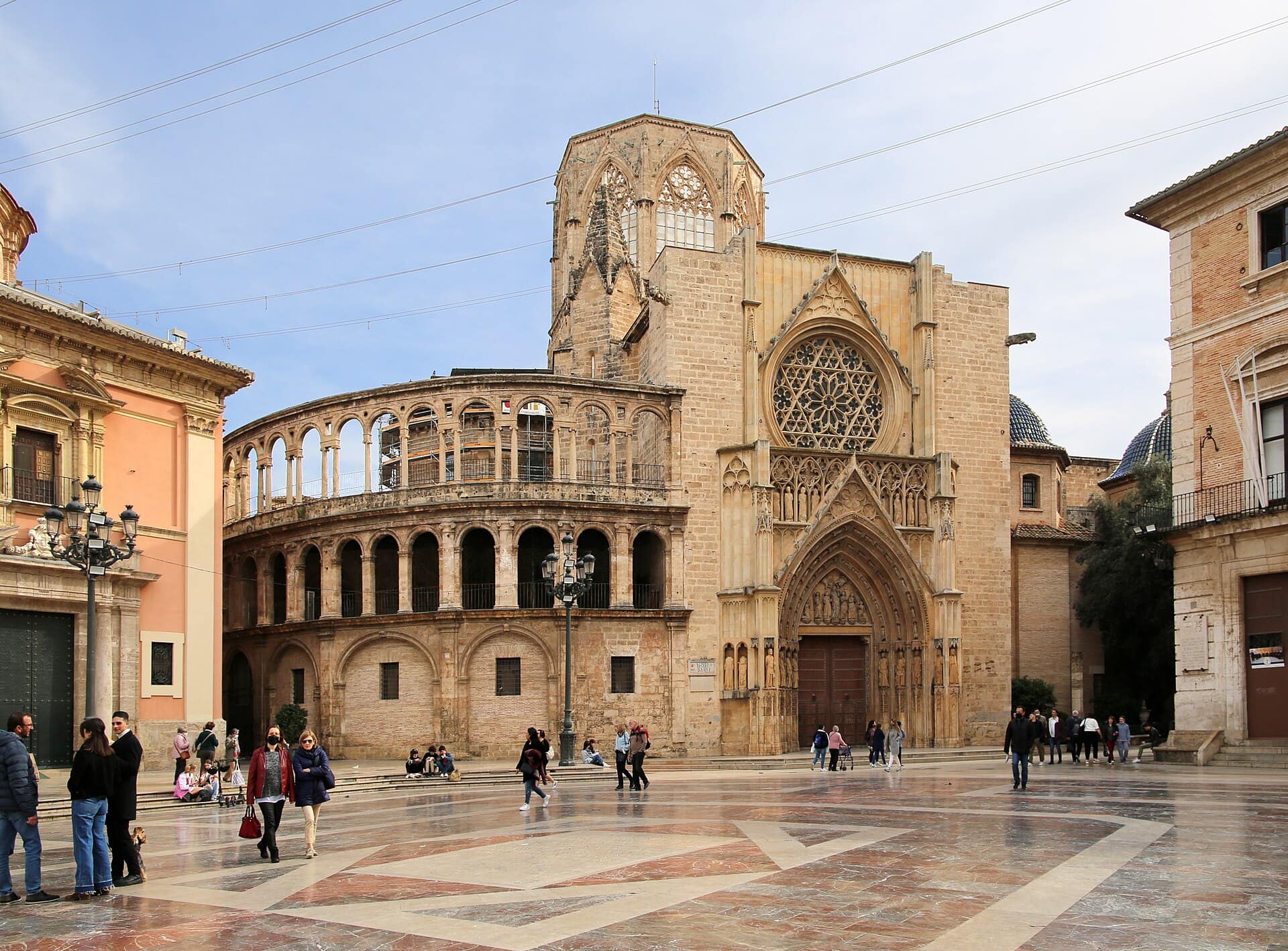 High crowd
Entry Around €12 including an audio guide and the museum, roughly €6 reduced; the Micalet is a separate ticket at about €3
Catedral de València and El Micalet
- Best timeEarly morning on the Plaça de la Verge, before the café terraces are set out and while the Apostles' Door is still in flat shade
- ColorsIvoryOchreDeep blue
 High crowd
Entry Free to walk through. The Oceanogràfic is around €34, the science museum and the Hemisfèric well under €10 each, and a combined ticket costs less than the three bought separately
Ciutat de les Arts i les Ciències
- Best timeAfter dark, when the buildings are lit from below and doubled in the pools — the water is stillest once the evening wind drops
- ColorsWhiteCobaltBlack
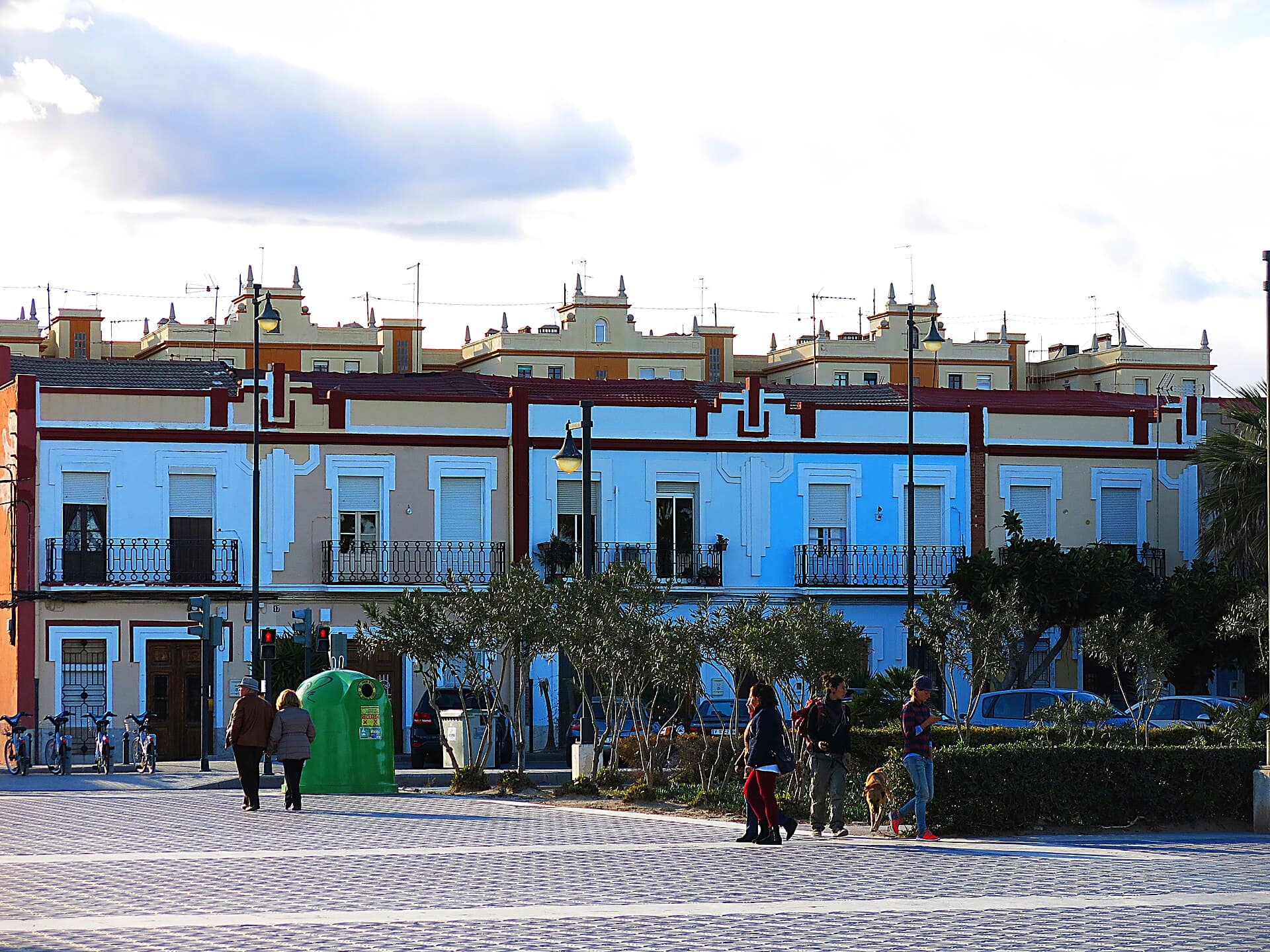 Low crowd
Entry Free
El Cabanyal
- Best timeMid-morning to about two, when the sun is full on the tiled façades and the colour is at its strongest
- ColorsWhiteCobaltCoral
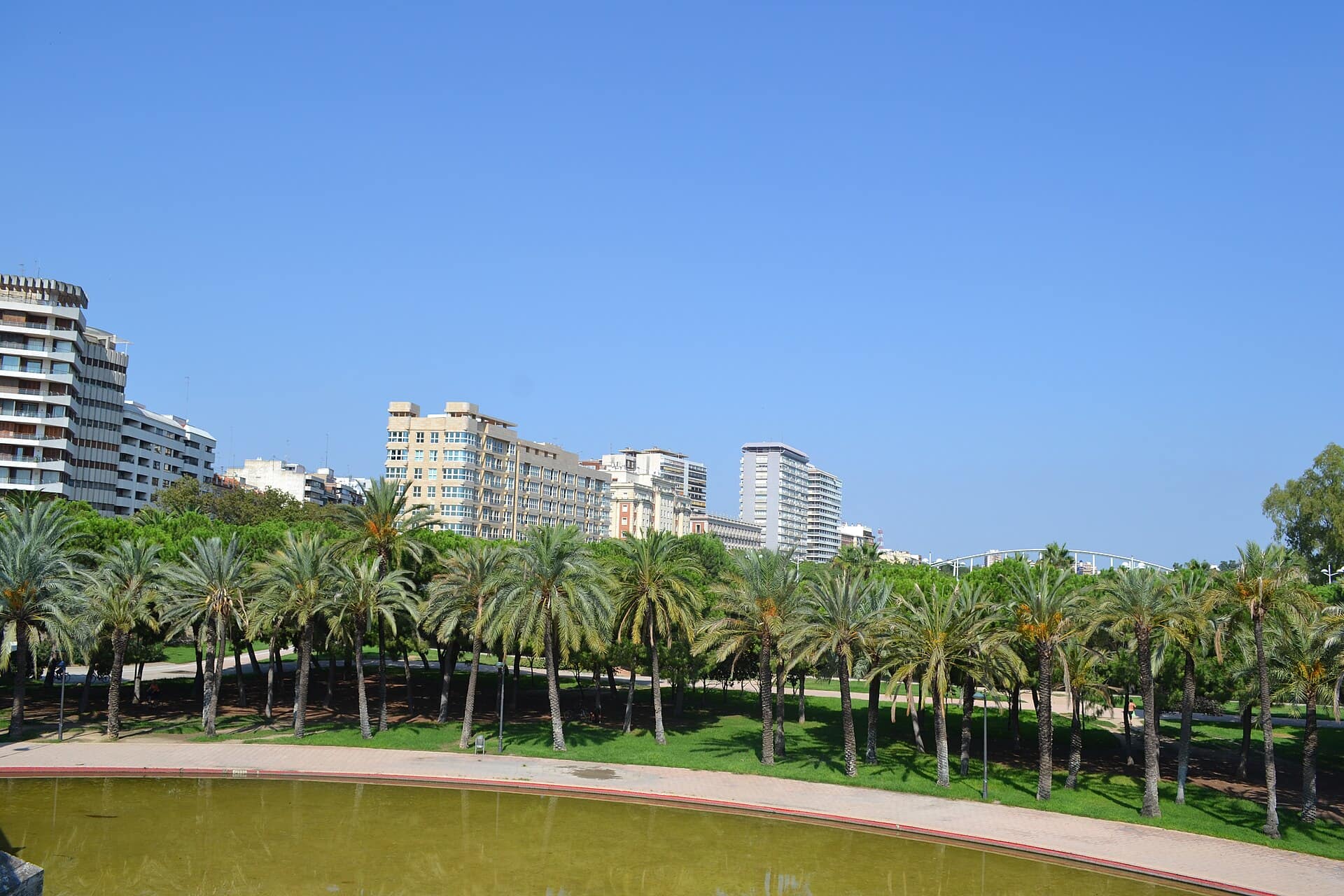 Medium crowd
Entry Free
Jardí del Túria
- Best timeThe hour before sunset, when the low light comes down the channel between the bridge arches and the runners are out
- ColorsOliveCreamRust
 Low crowd
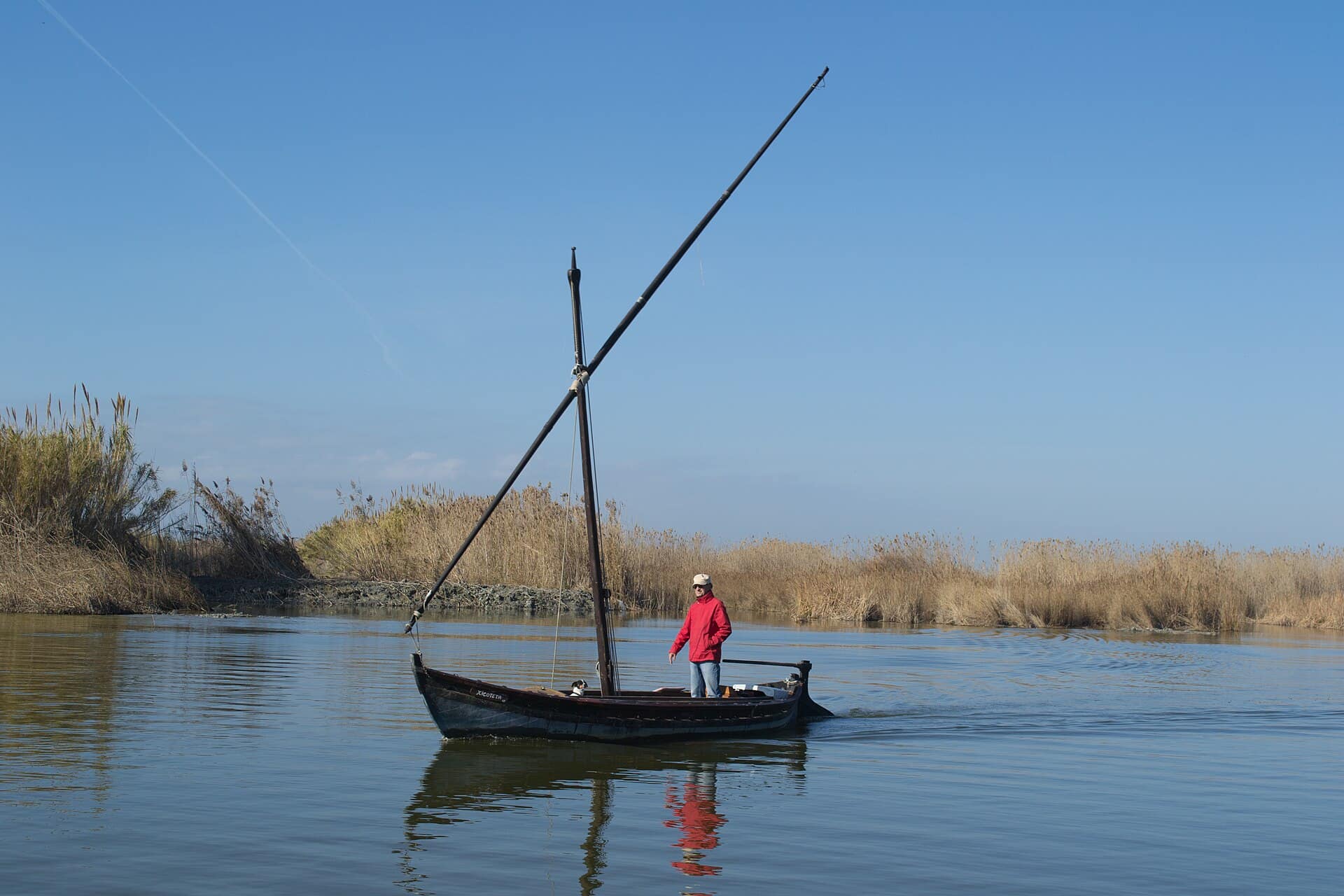
Entry Free to visit; a boat trip is typically around €5 a head for about forty-five minutes, a little more for the sunset run
L'Albufera and El Palmar
- Best timeSunset, from a boat out on the open water — the lake faces west and the whole sky lands on it
- ColorsWhiteStrawDeep green
 Medium crowd
Entry Around €2, roughly €1 reduced, and free on Sundays and public holidays
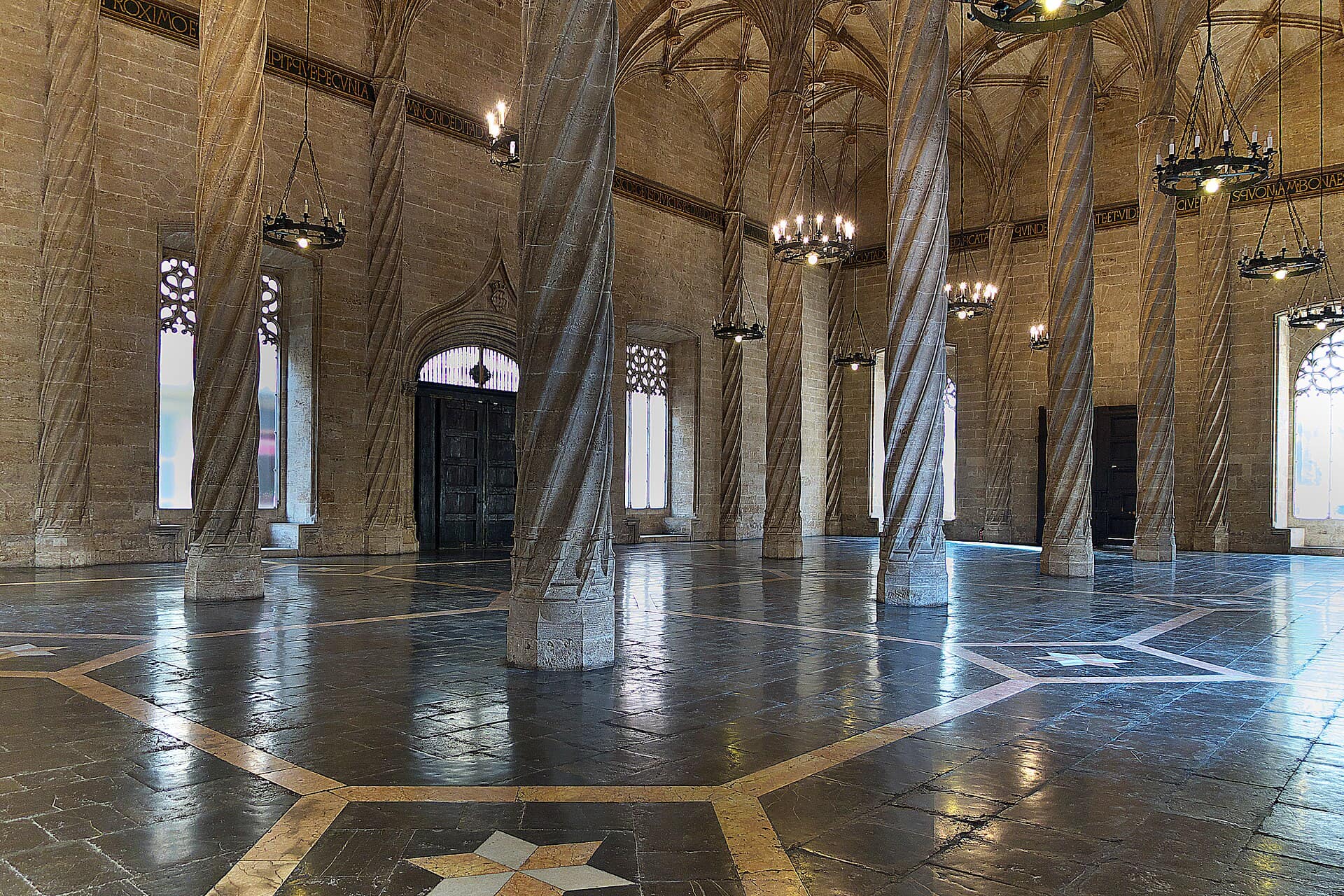
La Llotja de la Seda
- Best timeMid-morning, once the sun is high enough to come through the tall windows and run down the twist of the columns
- ColorsIvoryBurnt orangeDeep green
For the feed
Trending Wear in Valencia
Modern, Instagram-friendly looks
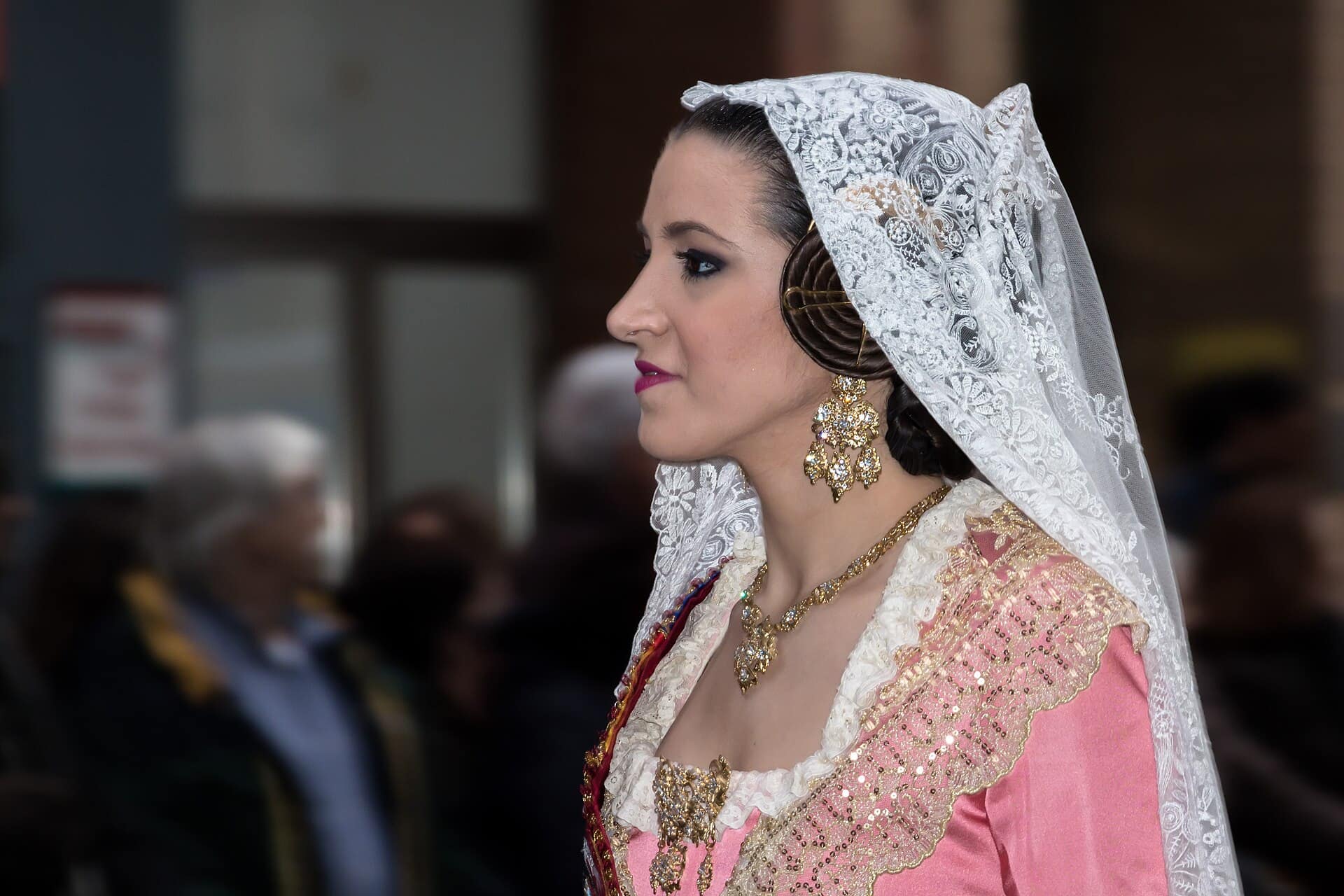
Rooted in the city
Valencia Traditional Wear
Local, cultural, handcrafted outfits
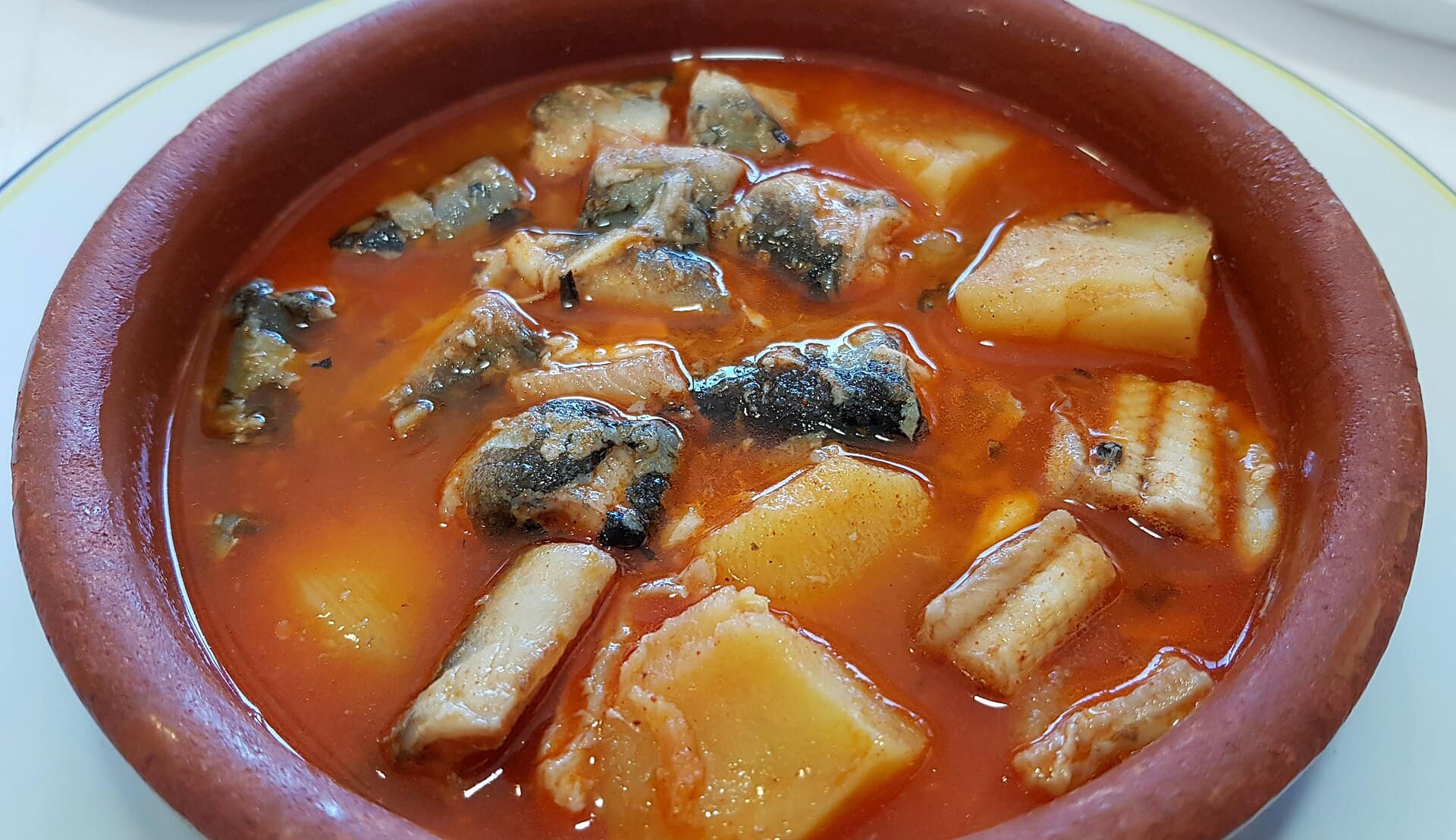
Taste the city
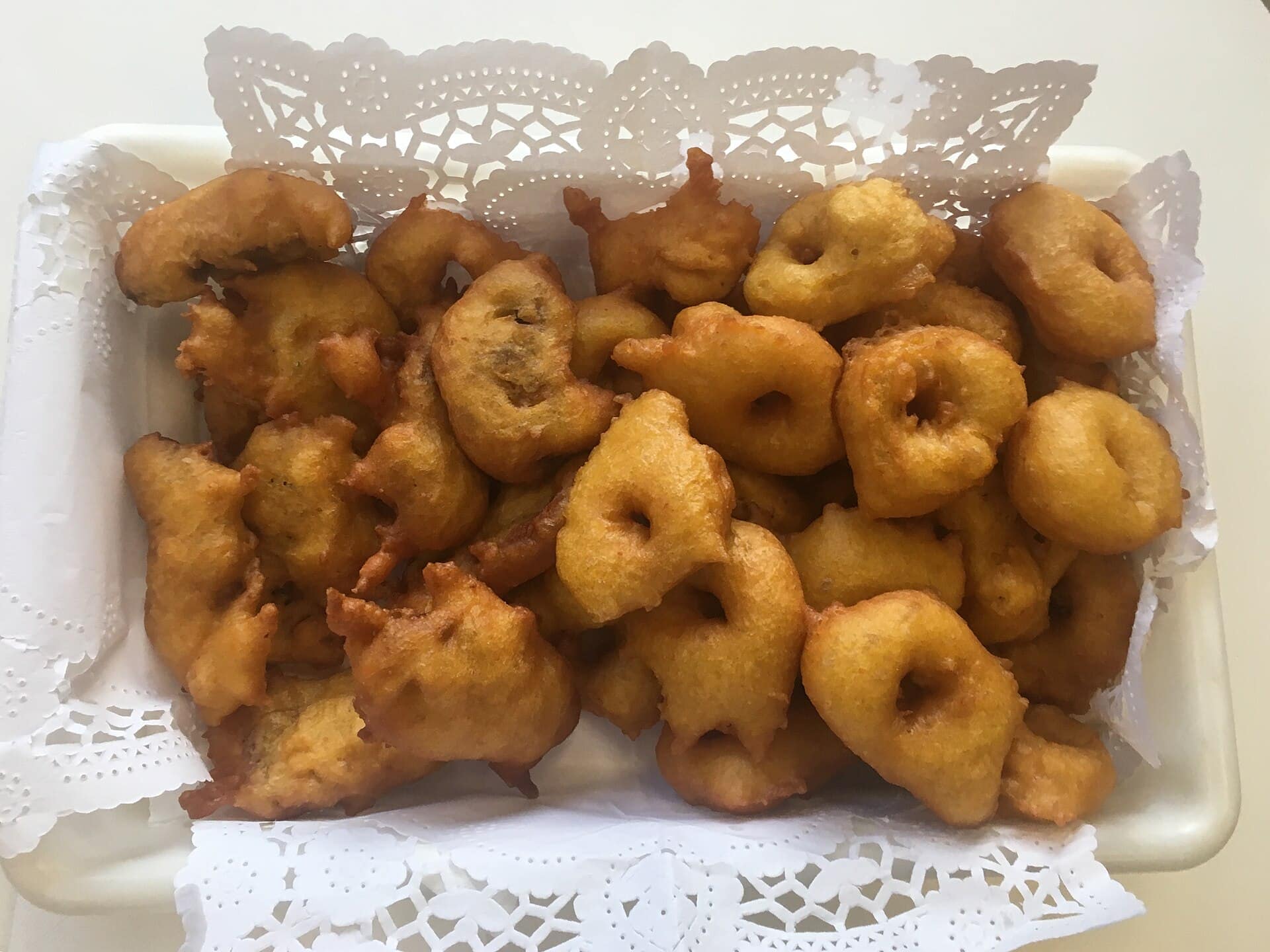
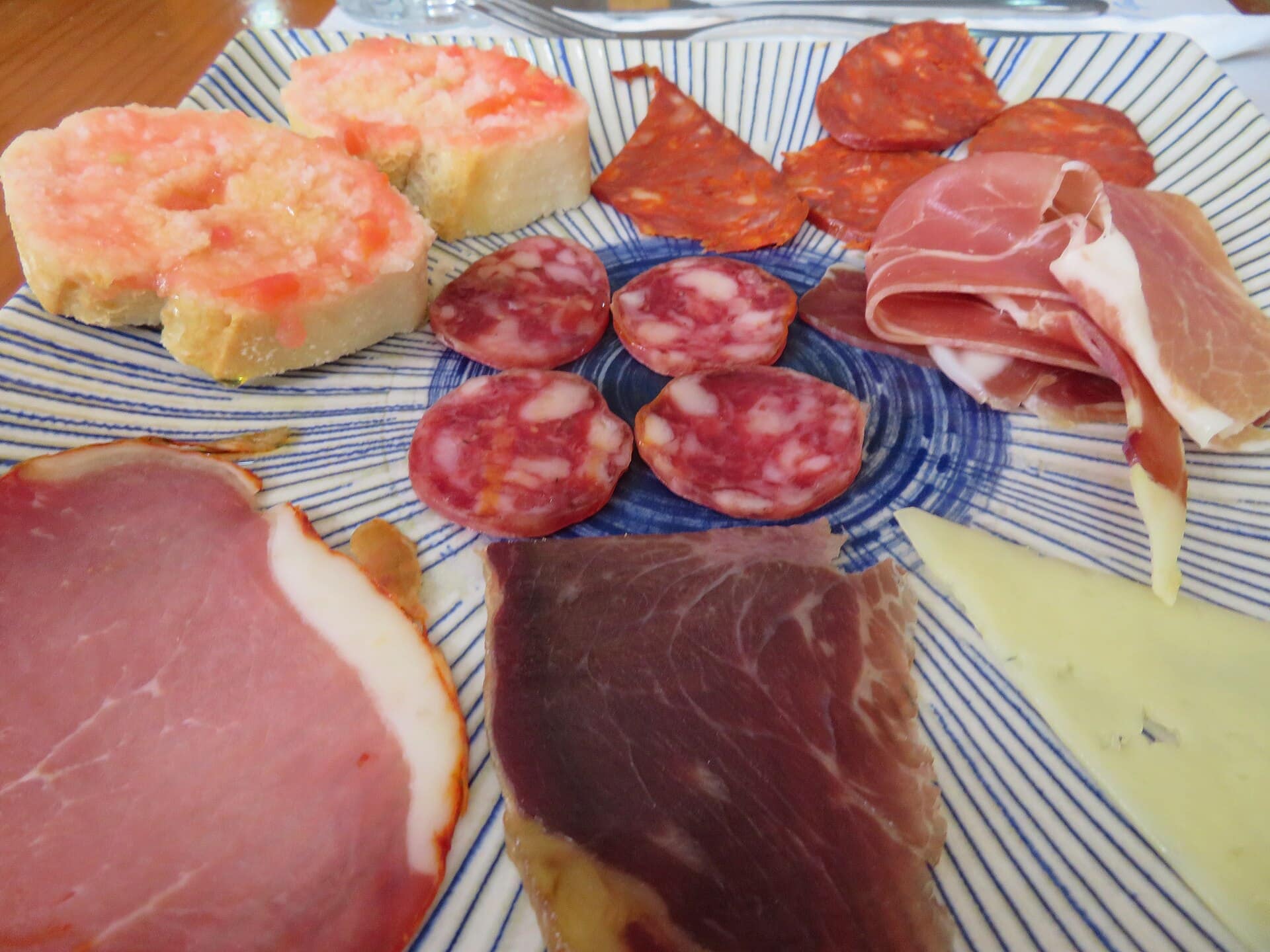
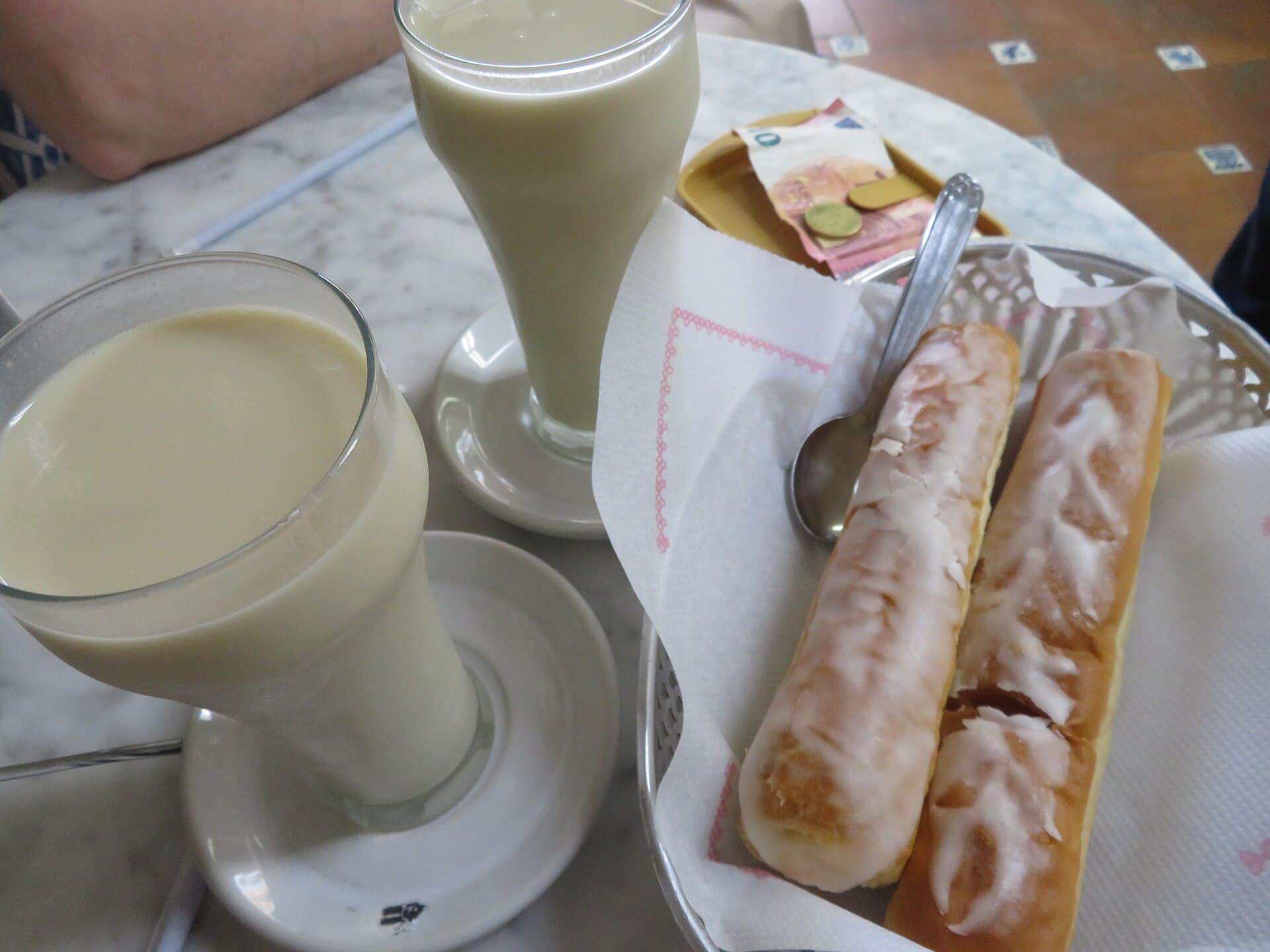
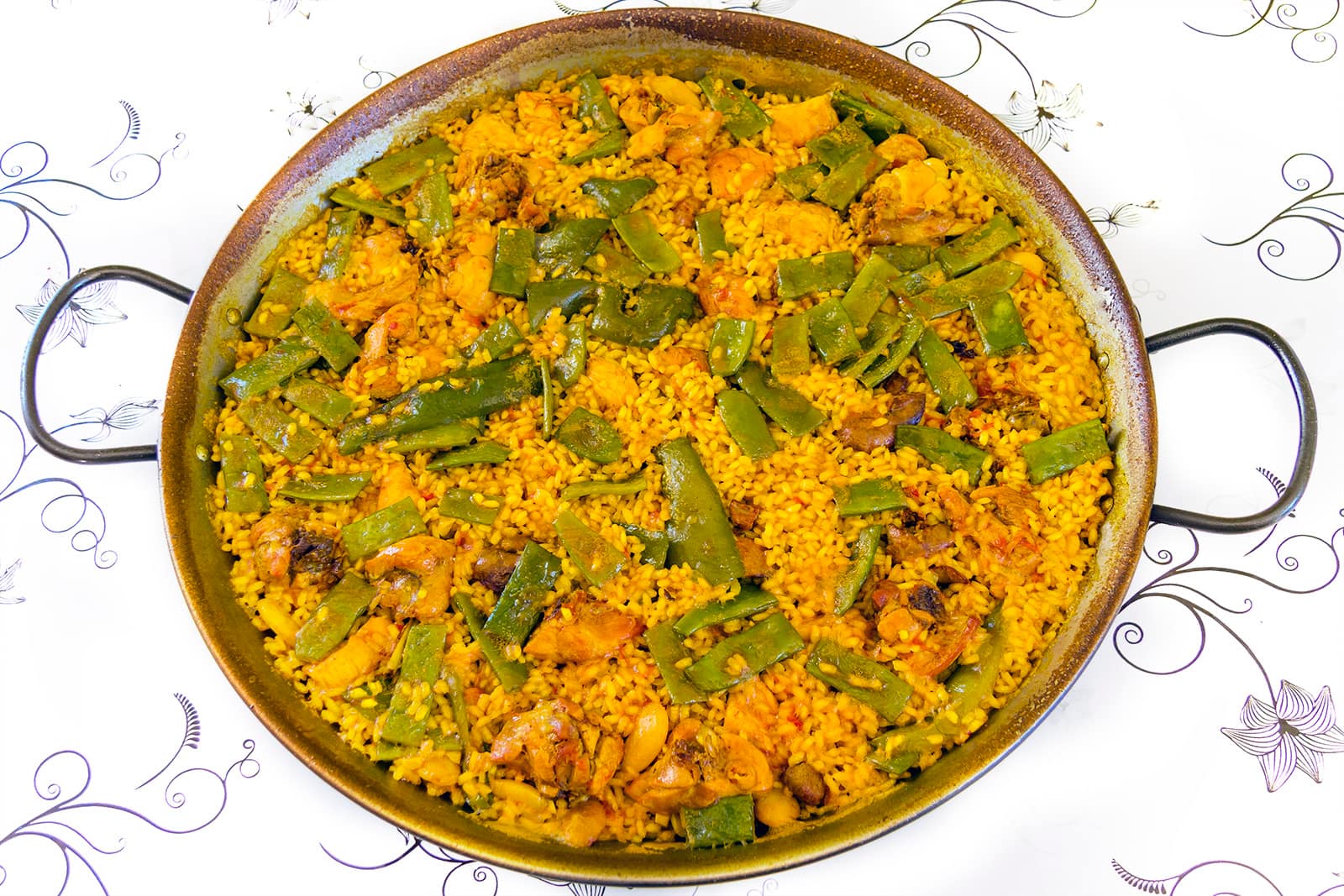
Food to Eat in Valencia
Trusted tables
Where to Eat in Valencia
Bon Aire
El Palmar
Casa Carmela
Malva-rosa
Central Bar by Ricard Camarena
Mercat Central
Horchatería de Santa Catalina
Ciutat Vella
Questions
Valencia — FAQ
What is Valencia famous for?
Spain's third city, built between a rice lagoon and the Mediterranean — the City of Arts and Sciences, a Gothic silk exchange, the old river bed turned into a nine-kilometre park, and the paella that was born of the lagoon's rice fields.
How many days are enough for Valencia?
Two or three: the old town — the cathedral, the Central Market and the silk exchange — one day; the park and the City of Arts the next; El Cabanyal and the beach, or the Albufera at sunset, to finish.
What is the best time to visit Valencia?
April to mid-June, and late September into October.
How do I get around Valencia?
A compact core with the sea never far, and the old river bed — now a nine-kilometre park — stitching the city together, walked, cycled or skated end to end.
Where was paella invented?
In the rice country around L'Albufera, the lagoon south of the city, whose fields still supply Valencia's rice. El Palmar, the village on the water, is the classic place to eat it — book a sunset table and take the boat first.