
Photo spot in Ajanta
Waghur River Gorge
Ajanta, Maharashtra
The horseshoe bend of the Waghur river below the caves, whose steep gorge cradles and once concealed the Ajanta monasteries.
Best time
Morning, when the gorge floor is still in soft shade and the air is clear; the weeks from July to October, when the river and the waterfall are running.
Best angle
Stand on the bridge over the river and take an upward photo of the caves on the cliff, with the water and rocks filling the foreground.
Entry fee
Free
Opening hours
Daylight hours
Crowd level
Low
Best outfit colors
Overview
Best time to visit Waghur River Gorge
Morning, when the gorge floor is still in soft shade and the air is clear; the weeks from July to October, when the river and the waterfall are running. Crowds here are typically low. Arrive a little early to claim your angle and catch the softest light before the day tips over.
Poses & angles
Photo tips for Waghur River Gorge
Stand on the bridge over the river and take an upward photo of the caves on the cliff, with the water and rocks filling the foreground. Work a few of the pose ideas below, shoot wide for context and tight for detail, and give yourself a couple of extra minutes to get the frame right.
By the river gorge
On the approach path
Outfit guide
What to wear at Waghur River Gorge
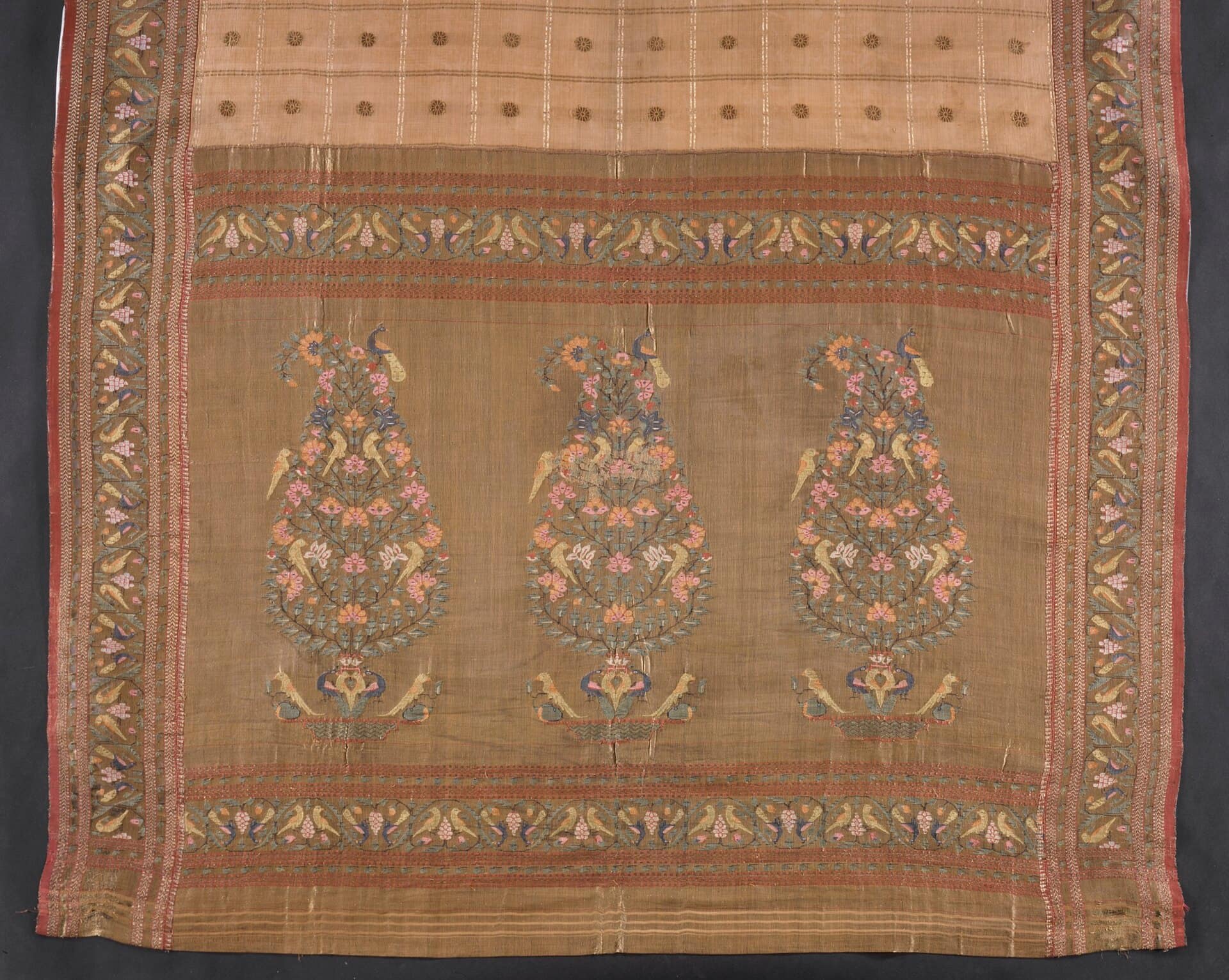
For photos at Waghur River Gorge, rust, white and forest green work beautifully — they stand out against the setting without fighting it. Pick one hero colour and keep the rest of the look calm so you stay the subject of the frame.
Best outfit colors for photos
Trending wear for this spot
Popular modern looks travellers are wearing across Ajanta.


Traditional wear for this spot
Timeless, cultural outfits worn across Ajanta.
Eat nearby
Food near Waghur River Gorge
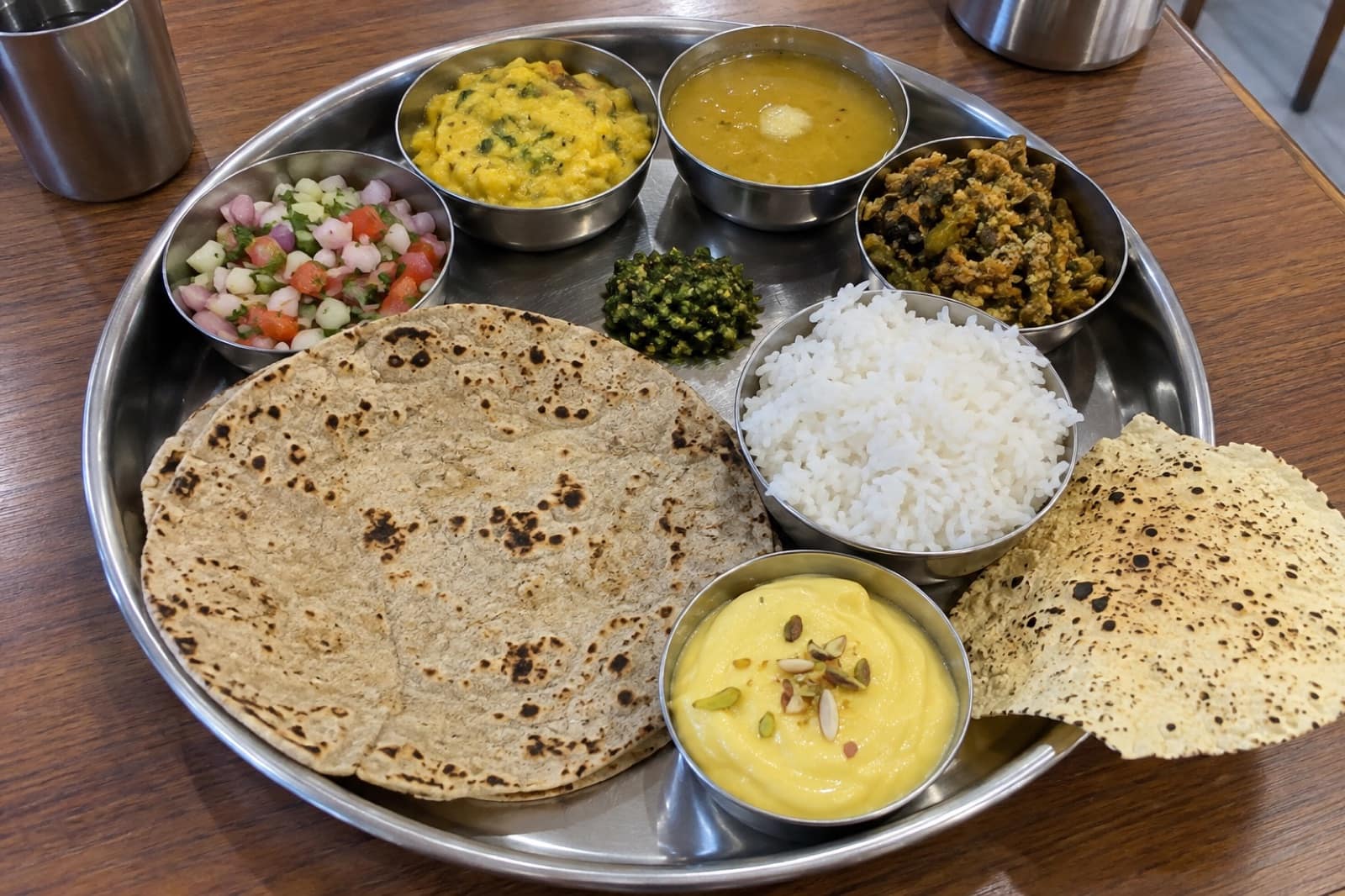
Round out the visit with something to eat. Look for maharashtrian thali nearby, or settle in at one of the 1 restaurants close by.
Special dishes to try
Restaurants & food places nearby

Search food by craving
Good to know
Local tips
Come between July and October if you want to see the waterfall running.
Stay on the marked path and bridge, as the rocks by the water are very slippery.
Do not swim or wade in the pools, even when the river looks calm.
Ask staff whether the lower path is open during heavy monsoon rain.
Combine the gorge with the walk to the viewpoint so you only descend once.
Look up from the bridge for a view of the caves most visitors never see.
Carry water, as there are no stalls down by the river.
The river that made the site
The Waghur, also written Waghora, cuts a deep horseshoe bend through the Deccan basalt below the caves. The monks chose the outer curve of that bend for their caves: a steep, sheltered cliff above water, far from towns but close to old trade routes. The gorge also hid the caves for centuries, which is partly why so much of the paint has survived.
The waterfall
At the head of the gorge the river drops over a series of rock steps into round pools. Locally it is called Saptakund, meaning seven pools. It runs after good monsoon rains, usually from July to around October. For most of the dry season it slows to a trickle or stops, and the river bed becomes a line of pools and bare rock.
Walking the gorge
A path goes down from the cave terrace to the river, crosses it on a bridge and climbs to the viewpoint on the other side. From the bridge you can look up at the caves and along the curve of the river. Archaeologists have also found the remains of a brick monastery on the river's far bank, facing the caves. The gorge is part of the protected site, so visit it within the caves' opening hours and follow the marked paths.
Safety
Don't climb down to the pools or swim. The rocks are smooth and slippery, and water levels can rise quickly after rain upstream. Keep children close on the bridge and the steps. In the monsoon, check with staff whether the lower path is open.
Photos
Shoot from the bridge or the lower path looking up at the caves, with the river in the foreground. After the monsoon, a slow shutter speed from a steady rest softens the falling water. See the caves page for the full site.
Questions
Waghur River Gorge — FAQ
What is the best time to visit Waghur River Gorge?
Morning, when the gorge floor is still in soft shade and the air is clear; the weeks from July to October, when the river and the waterfall are running. Stand on the bridge over the river and take an upward photo of the caves on the cliff, with the water and rocks filling the foreground.
Is there an entry fee at Waghur River Gorge?
Entry to Waghur River Gorge is free.
What are the opening hours of Waghur River Gorge?
Waghur River Gorge keeps daylight hours.
What should I wear at Waghur River Gorge?
Rust, white and forest green photograph especially well here. Explore the trending and traditional outfit ideas on this page for full looks.
How crowded does Waghur River Gorge get?
Crowd levels are typically low. To miss the busiest window: morning, when the gorge floor is still in soft shade and the air is clear; the weeks from July to October, when the river and the waterfall are running.
What food should I try near Waghur River Gorge?
Try maharashtrian thali, available at nearby restaurants.
What is the Saptakund waterfall?
A stepped waterfall at the head of the Ajanta gorge, where the Waghur drops through a series of rock pools. Saptakund means seven pools.
When does the Waghur river have water?
After the monsoon rains, usually from July to about October. For the rest of the year it is mostly dry, with standing pools.
Can I swim in the river at Ajanta?
No. The pools are deep in places, the rocks are slippery and the water can rise fast after rain. Enjoy it from the path and the bridge.
Why were the caves built above this river?
The bend gave the monks a steep, sheltered cliff with water close at hand, away from towns. It also hid the caves from view for centuries.