
Maharashtra · India
Ajanta
A UNESCO horseshoe gorge of 30 rock-cut Buddhist caves — the world's finest surviving ancient paintings and sculpture, carved and painted between the 2nd century BCE and 5th century CE.
Ajanta is the birthplace of classical Indian painting: the luminous murals of the Padmapani Bodhisattva, the Jataka tales, great chaitya halls, and the dramatic Waghur-river gorge setting.
Plan your trip
Ajanta Tour Itineraries
Timed, walkable day plans — plus the best season to go.
Where to shoot
Ajanta Photo Spots
 High crowd
Entry Ticketed
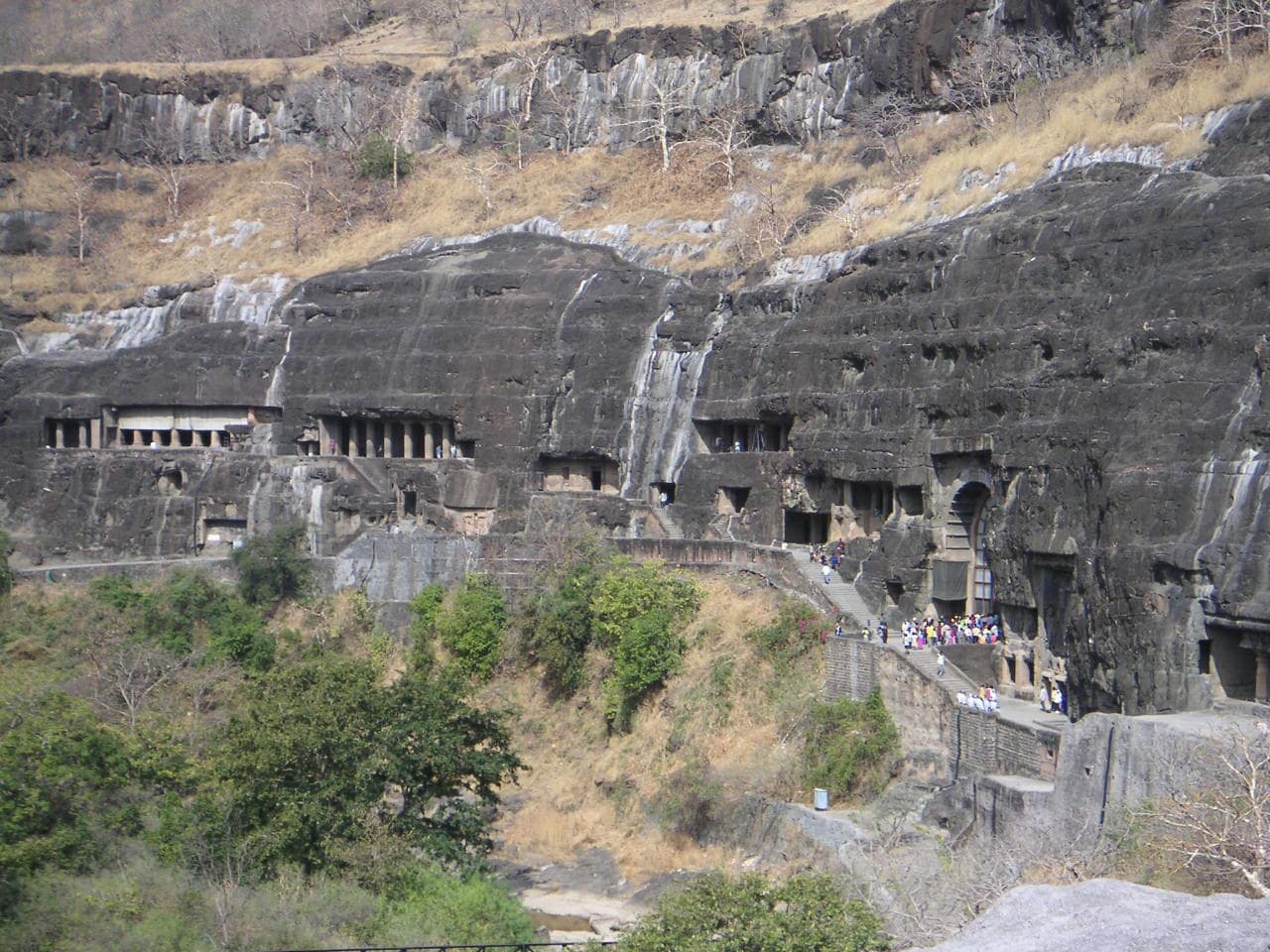
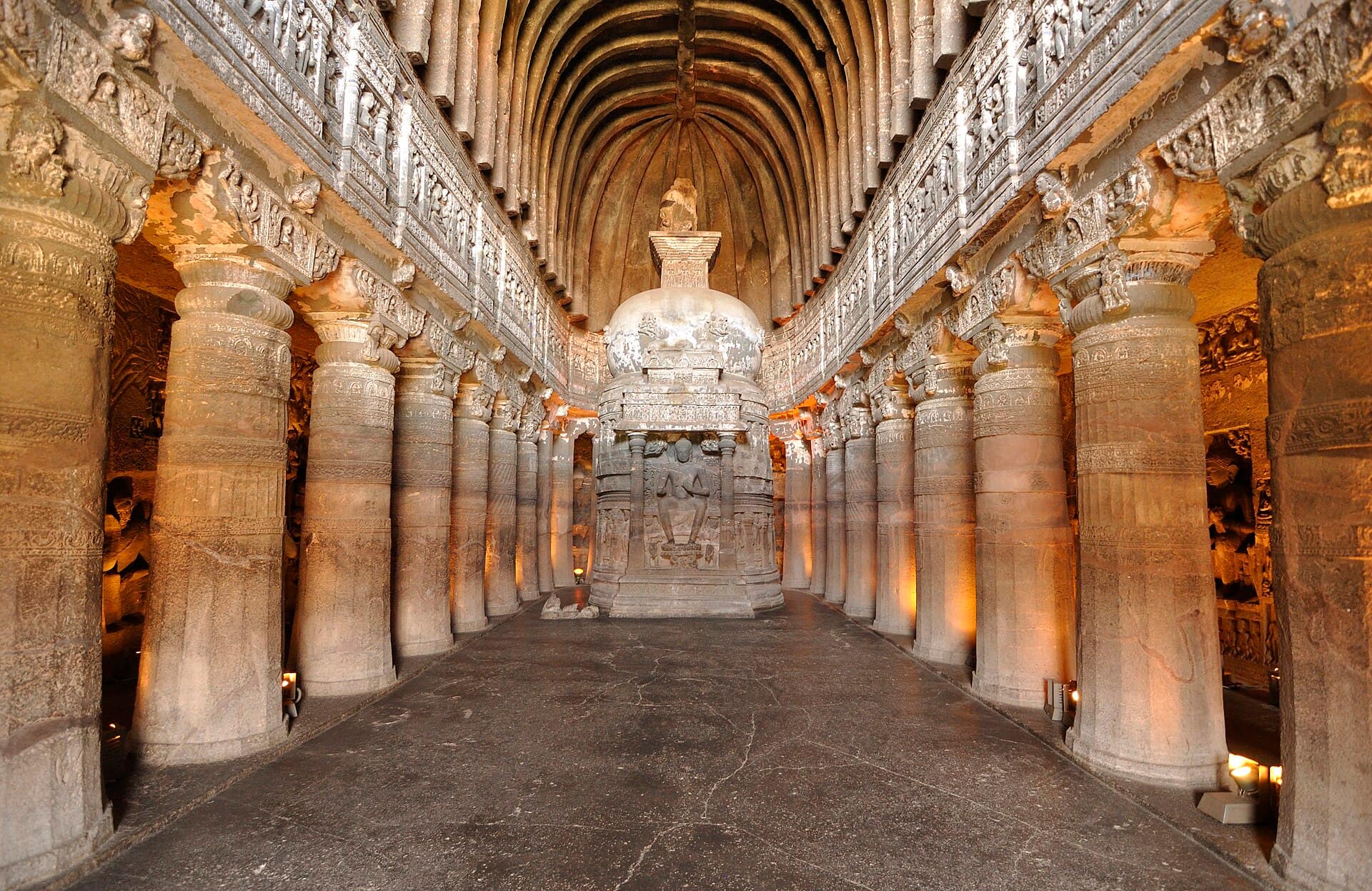
Ajanta Caves
- Best timeEarly morning, right after opening, before the tour buses fill the terrace; mid-afternoon for the whole cliff in even light from the viewpoint.
- ColorsRustOchreCream
Entry Free
Ajanta Viewpoint
- Best timeAfternoon, when the sun is behind you and lights the whole cave cliff; the weeks just after the monsoon for green slopes and water in the river.
- ColorsRustWhiteForest green
 High crowd
Entry Included
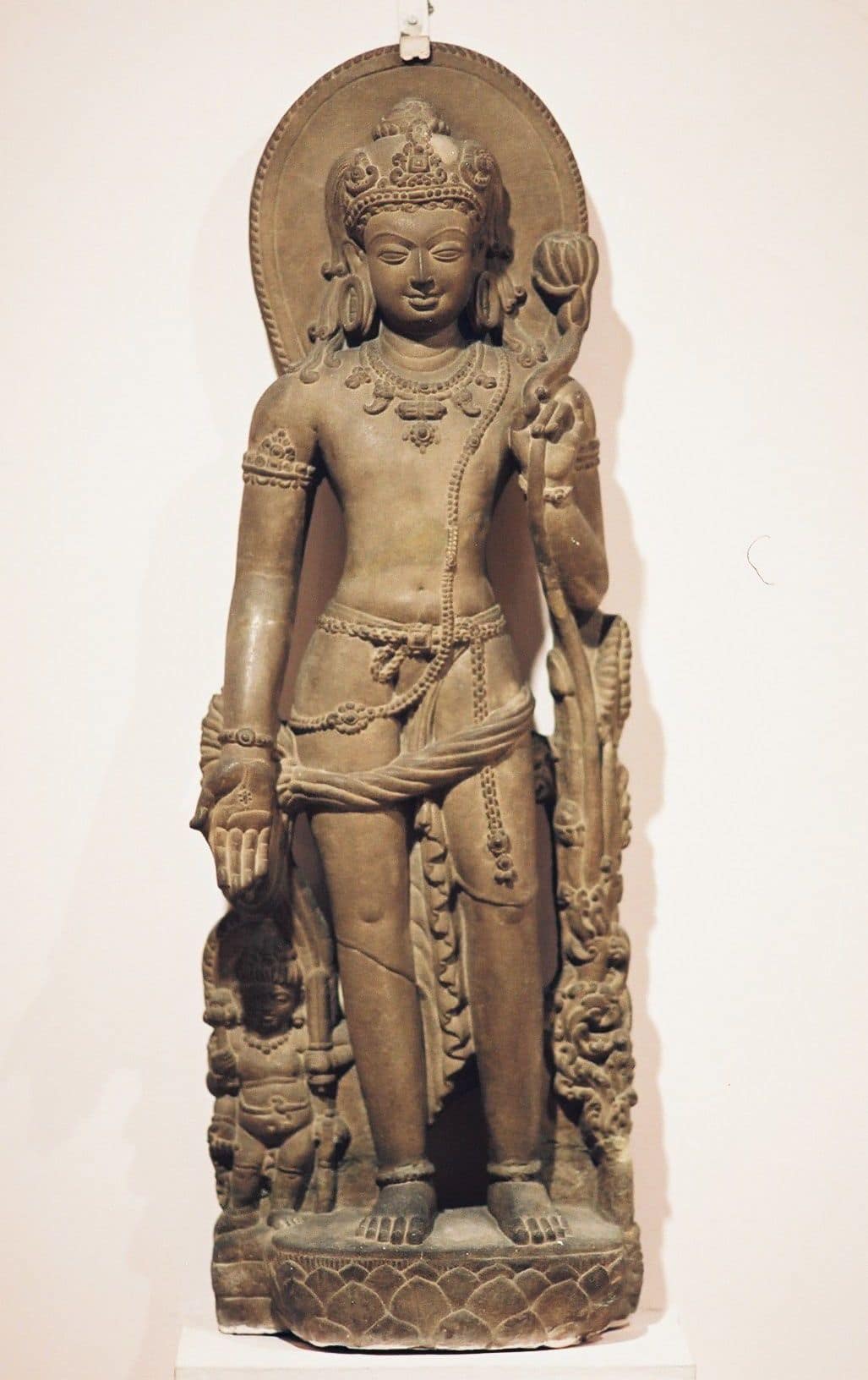
Cave 1 (Padmapani Murals)
- Best timeRight after opening, when few people are inside and you can take your time; the light is from low lamps all day, so the crowd matters more than the hour.
- ColorsSaffronOchreCream
 High crowd
Entry Included
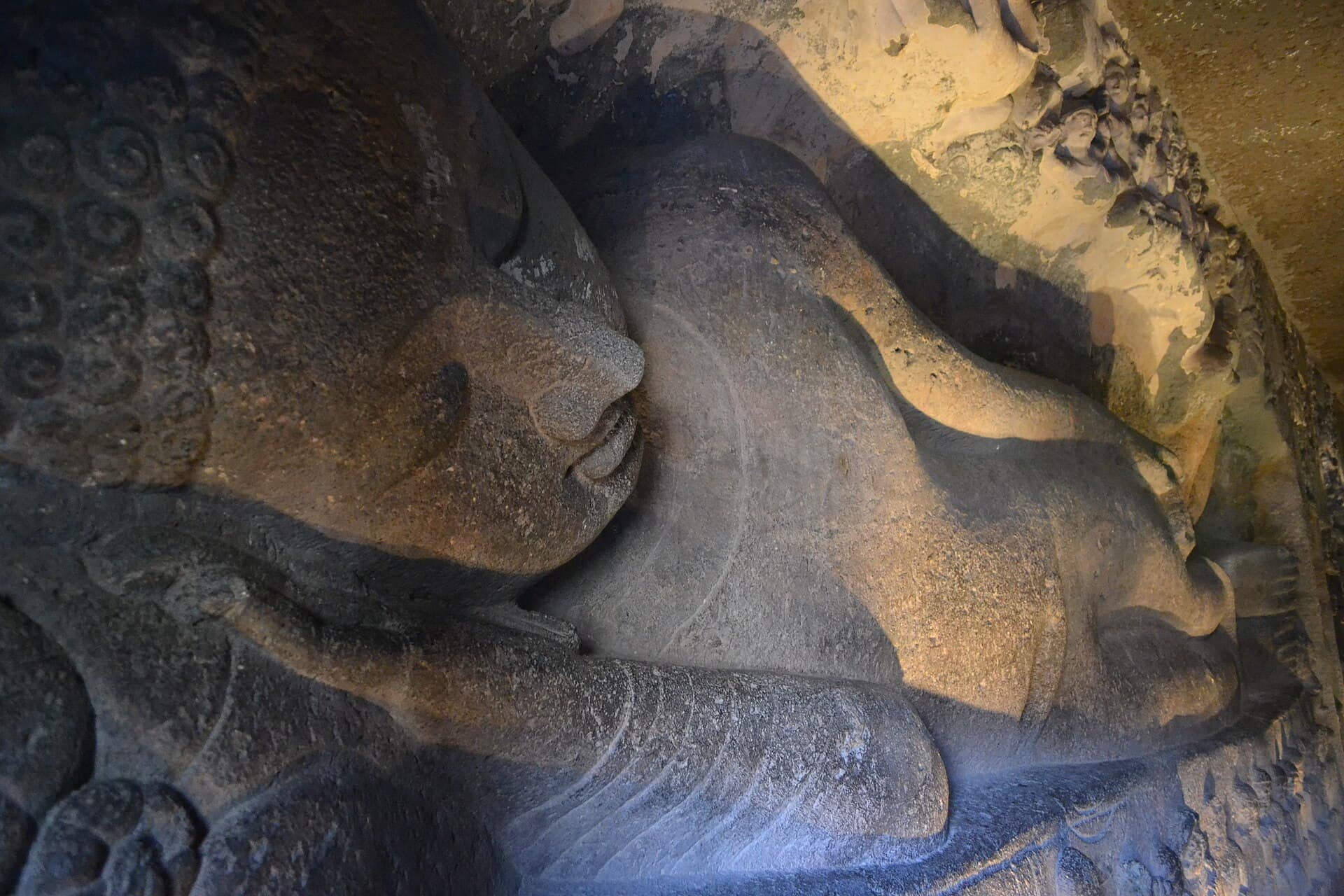
Cave 26 (Reclining Buddha)
- Best timeMorning, when daylight through the door and the arched window lights the stupa; later in the day the hall fills with visitors.
- ColorsSaffronOchreMaroon
Entry Free
Waghur River Gorge
- Best timeMorning, when the gorge floor is still in soft shade and the air is clear; the weeks from July to October, when the river and the waterfall are running.
- ColorsRustWhiteForest green
For the feed
Trending Wear in Ajanta
Modern, Instagram-friendly looks


Rooted in the city
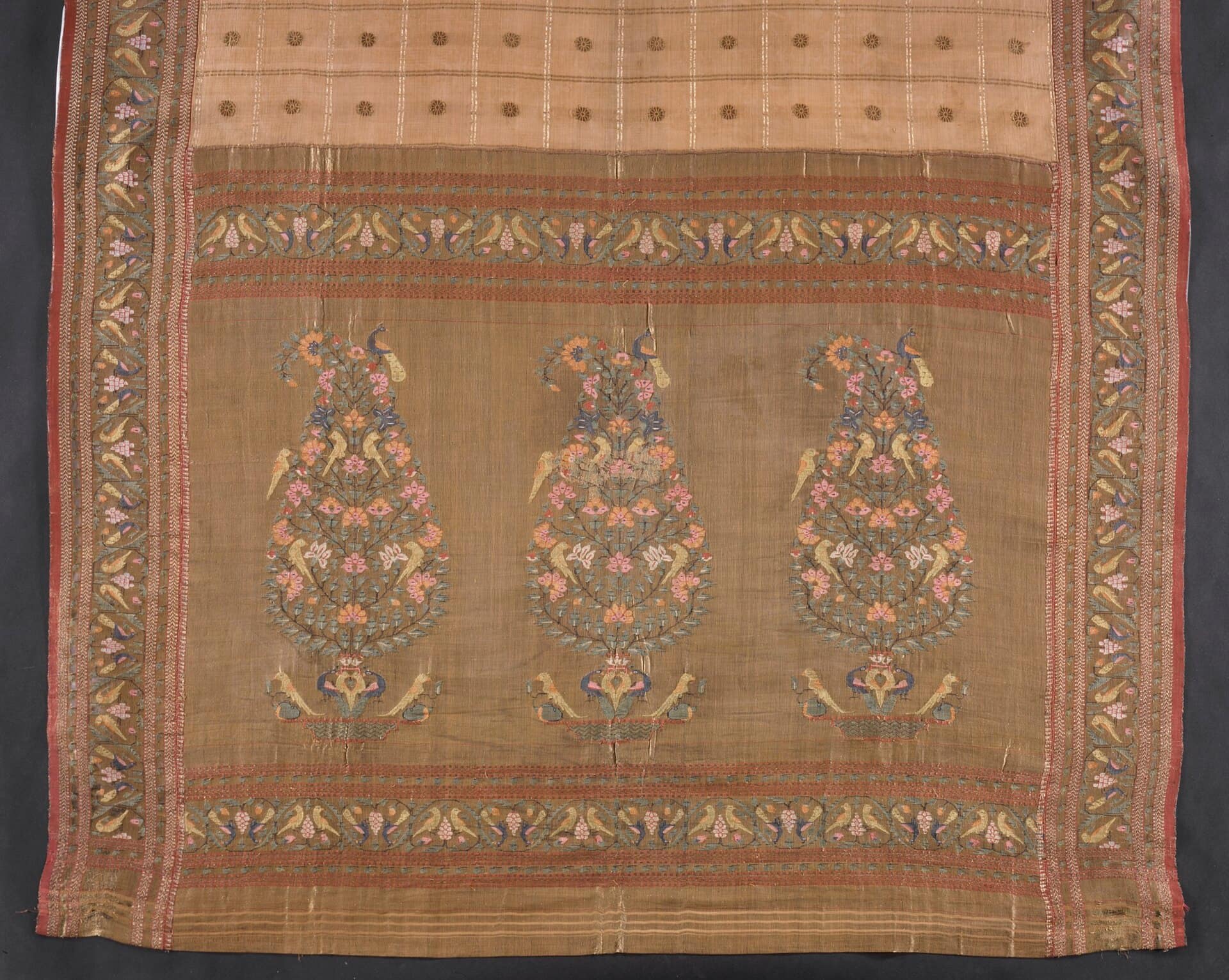
Ajanta Traditional Wear
Local, cultural, handcrafted outfits
Taste the city
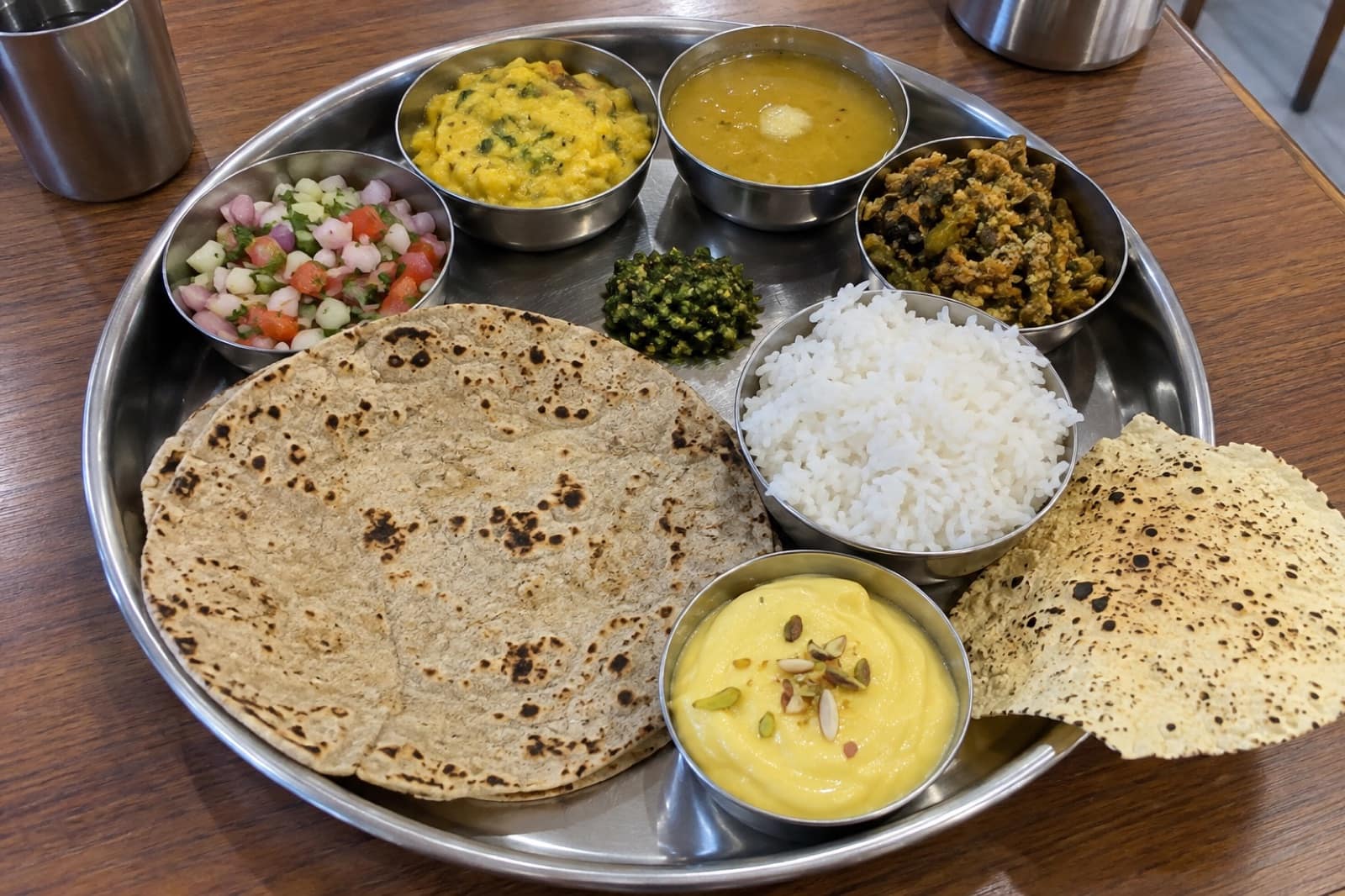
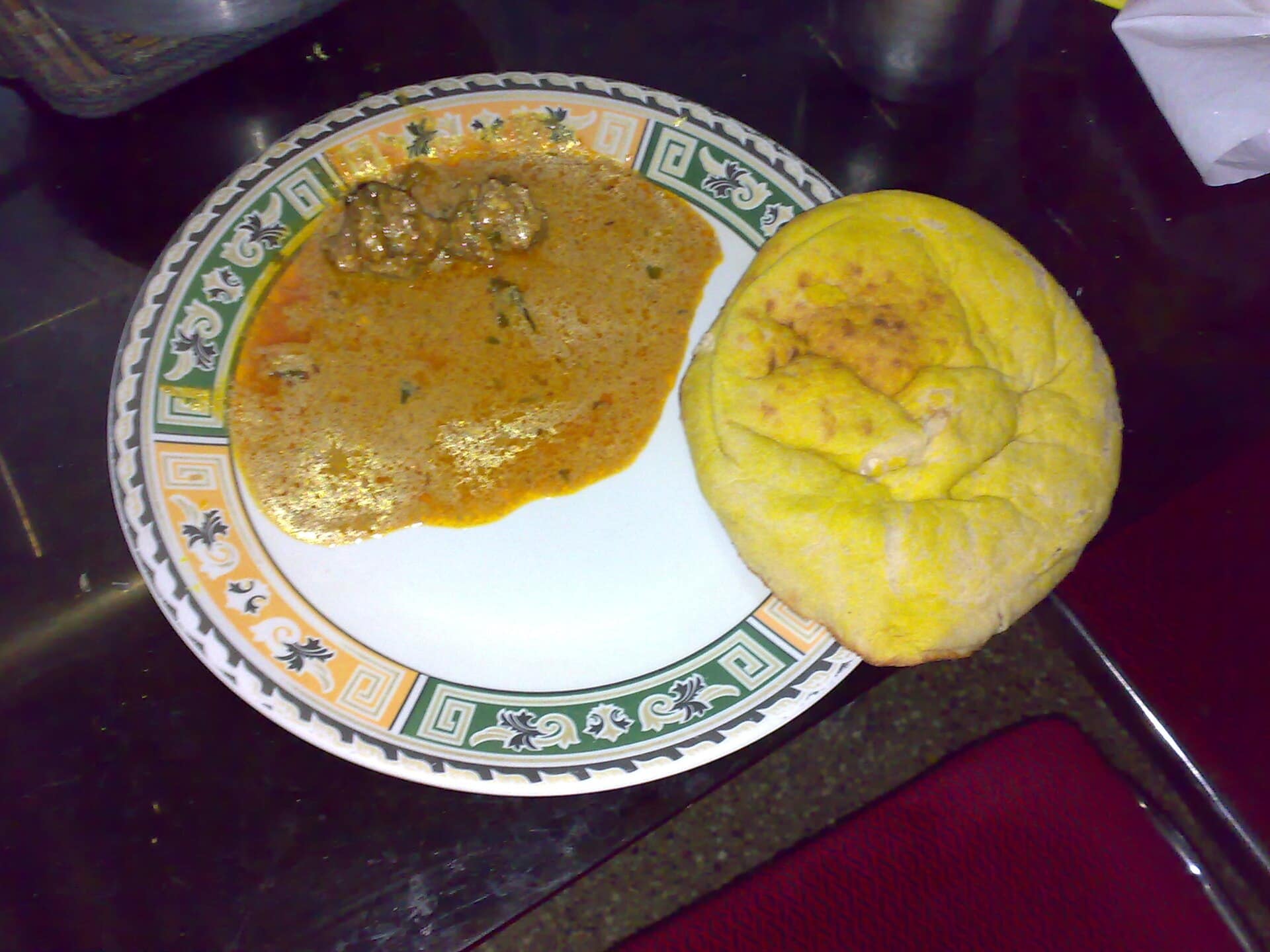
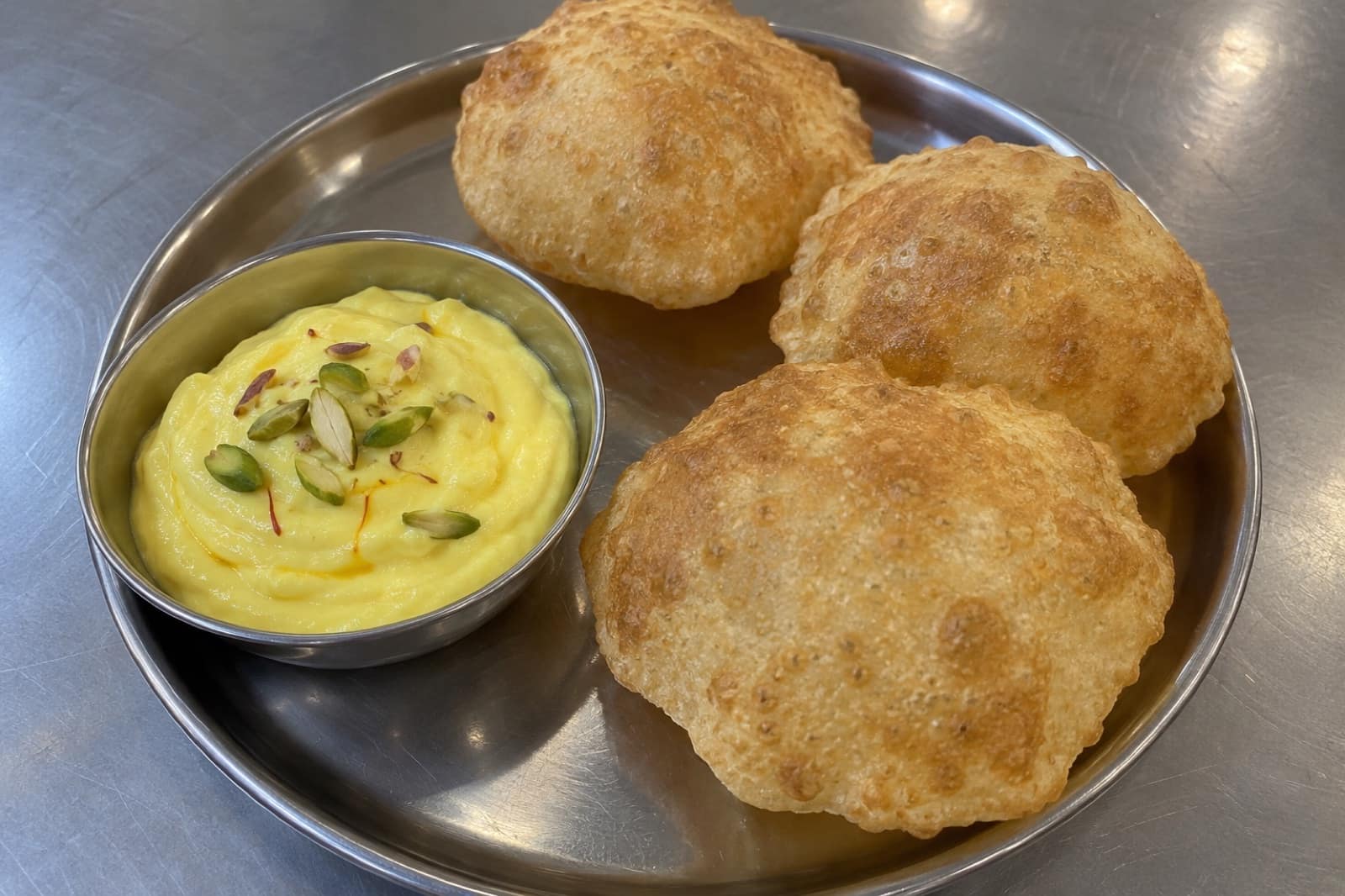
Food to Eat in Ajanta


Trusted tables
Where to Eat in Ajanta
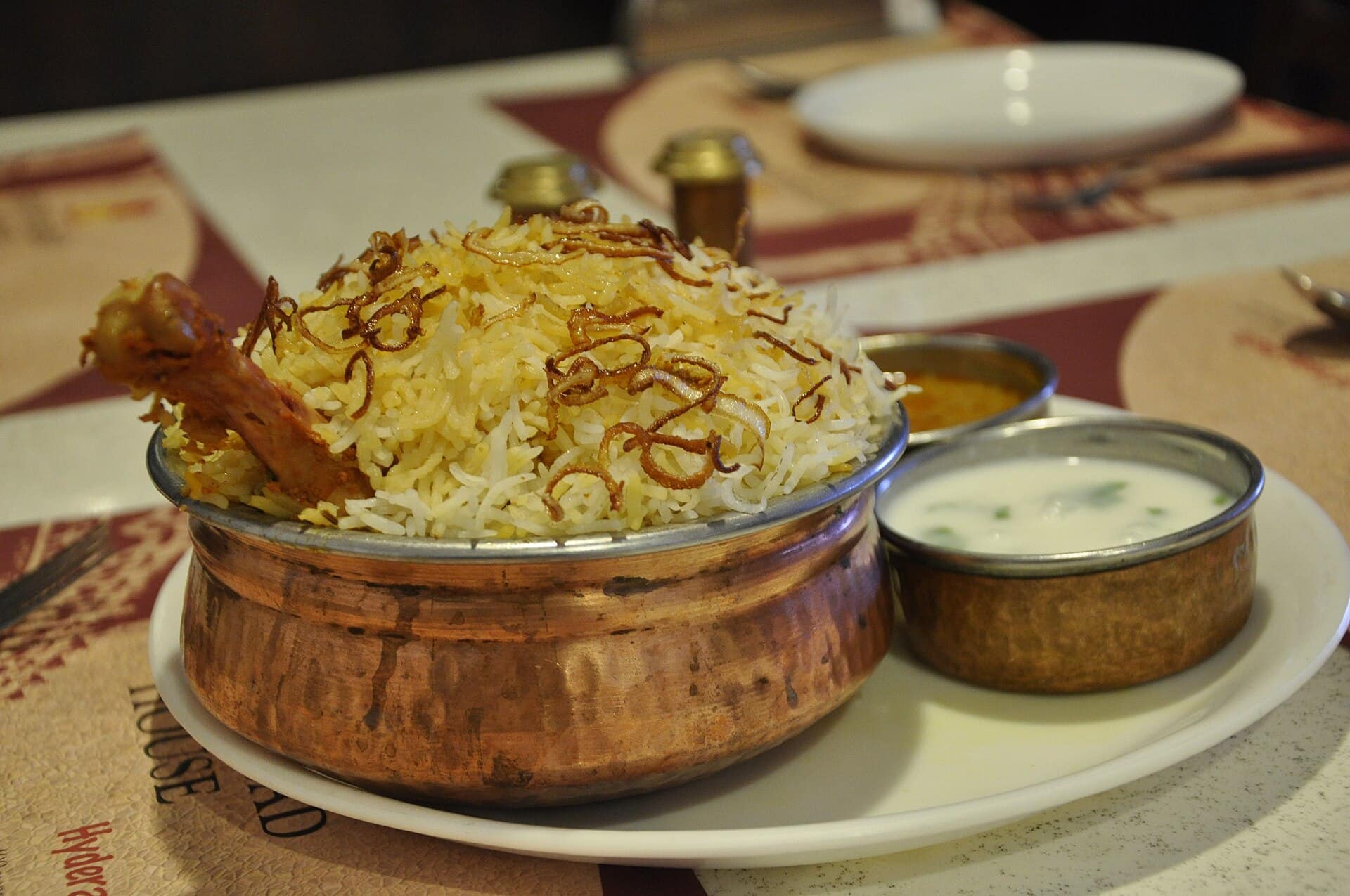 Representative photo
Aurangabad Biryani House
Aurangabad
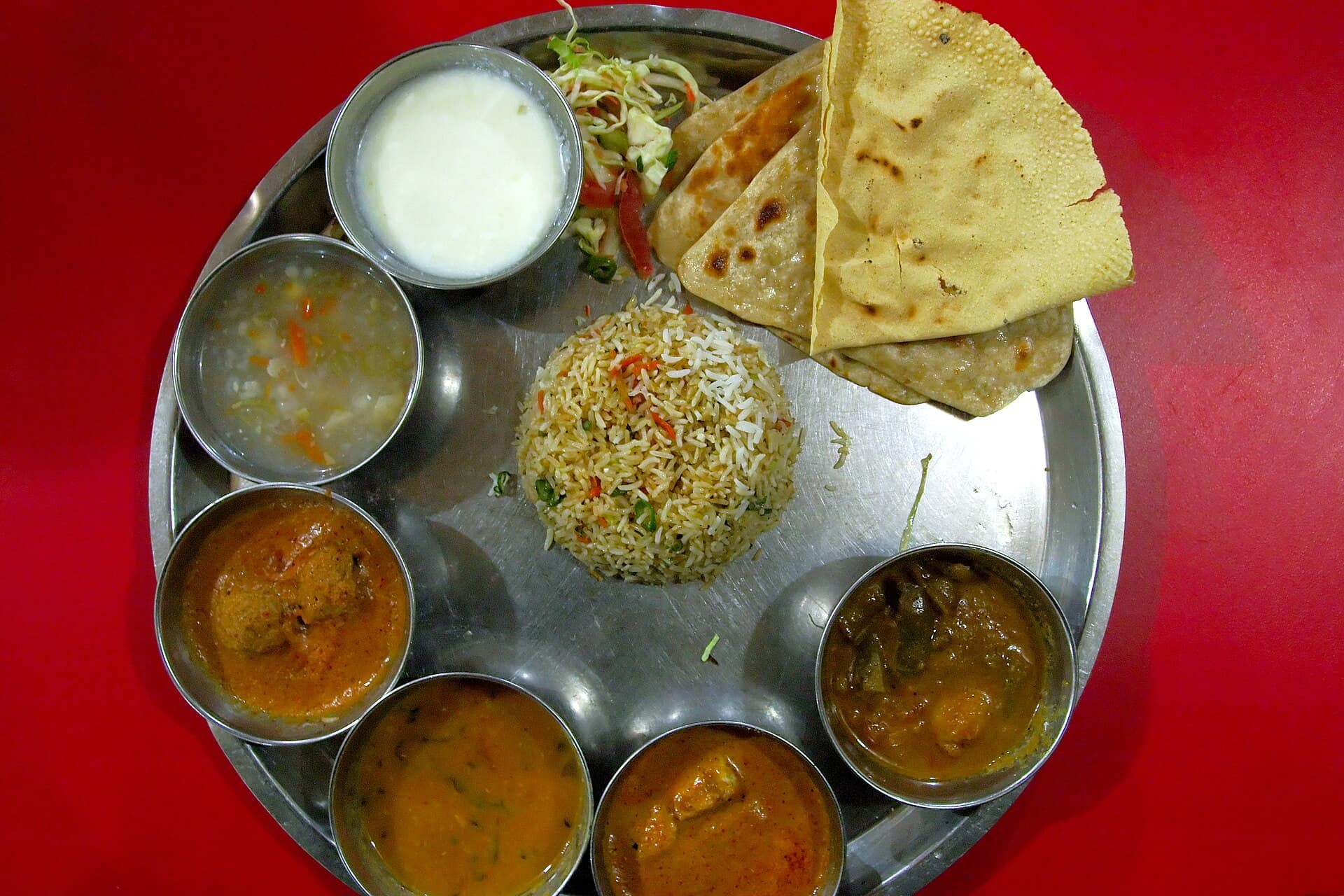 Representative photo
Green Leaf Restaurant
Fardapur
 Representative photo
MTDC Ajanta Restaurant
Ajanta T-Junction
Representative photoPadmapani Restaurant
Fardapur
A gorge full of monasteries
Ajanta is not really a town. The name belongs to a small village on the plateau and, far more famously, to the 30 Buddhist caves cut into a horseshoe bend of the Waghur river below it. Monks and their patrons carved them in two bursts: the oldest in the 2nd and 1st centuries BCE, and most of the rest in the late 5th century CE, in the time of the Vakataka king Harishena. Then the forest took the site back. In April 1819 a British cavalry officer out hunting tigers was led to the mouth of Cave 10, and the caves came back into the world's view. They have been a UNESCO World Heritage Site since 1983.
What you come to see
Two things set Ajanta apart: the paintings and the setting. The murals in Cave 1, Cave 2, Cave 16 and Cave 17 are among the oldest surviving paintings in India. They tell the Jataka tales, the stories of the Buddha's earlier lives, with princes, dancers, elephants, ships and busy streets. The later caves lean towards sculpture, above all the carved worship hall of Cave 26 with its great reclining Buddha. All the caves open onto one long terrace above the river, so you walk from one to the next in a single arc. The site page covers the full visit.
Getting there
Ajanta is about 100 km north of Aurangabad, which was officially renamed Chhatrapati Sambhajinagar in 2023, and about 60 km south of Jalgaon, the nearest big railway station. Cars and coaches stop at the Fardapur T-junction. From there a shuttle bus covers the last 4 km or so to the foot of the caves, and steps climb up to the cave terrace. Porters with dolis (chair palanquins) usually wait at the bottom for anyone who can't manage the climb.
Rules worth knowing
The caves are closed on Mondays. You take your shoes off at most caves, so wear a pair that slips off easily and carry socks. Photos without flash are allowed; flash is banned because it fades the old pigments, and a tripod needs permission. The painted caves are kept dim on purpose, and staff keep people moving in the busiest ones, so give your eyes a minute and don't expect to linger.
Planning your day
Allow three to four hours for the caves, plus an hour for the viewpoint across the gorge. Most visitors drive up from Aurangabad for the day. Staying overnight in Fardapur puts you at the gate at opening, well before the tour coaches arrive. The Ellora caves, which close on Tuesdays, need a separate day; the two sites are about 100 km apart. Read the best time to visit page before you pick your dates, and where to eat for meals near the caves.
Questions
Ajanta — FAQ
Is Ajanta open on Mondays?
No. The Ajanta caves close every Monday. Ellora closes on Tuesdays instead, so a Monday is a good day to visit Ellora and a Tuesday suits Ajanta.
How far is Ajanta from Aurangabad?
About 100 km, which usually takes two and a half to three hours by road each way. Jalgaon, about 60 km away, is closer if you are arriving by train from the north.
Can I see Ajanta and Ellora in one day?
It is possible with a very early start, but you would rush both. Each site deserves most of a day, and they sit about 100 km apart, so most people give them two days from Aurangabad.
Can I drive right up to the caves?
No. Private cars and coaches park at the Fardapur T-junction, and a shuttle bus takes visitors the last few kilometres. After that there is a flight of steps up to the caves.
Is a guide worth it at Ajanta?
Yes, if you want to understand the murals. The paintings are faded and the stories are hard to read on your own. Licensed guides usually wait near the entrance; agree the fee and length of the tour before you start.