
Best Photo Spots in Belur
Belur is a town for close-up photography. The Chennakeshava Temple is covered in carving from the base to the roof, so the best pictures here are often of a single dancer, a row of elephants or a bracket figure caught in side light, not a wide view.
The whole temple complex sits inside one courtyard, so you can work through the gateway tower, the main temple, the Veeranarayana shrine and the stepped tank in a single morning, then drive a few minutes to Yagachi Dam for open water and hills.
 Low crowd
Entry Free
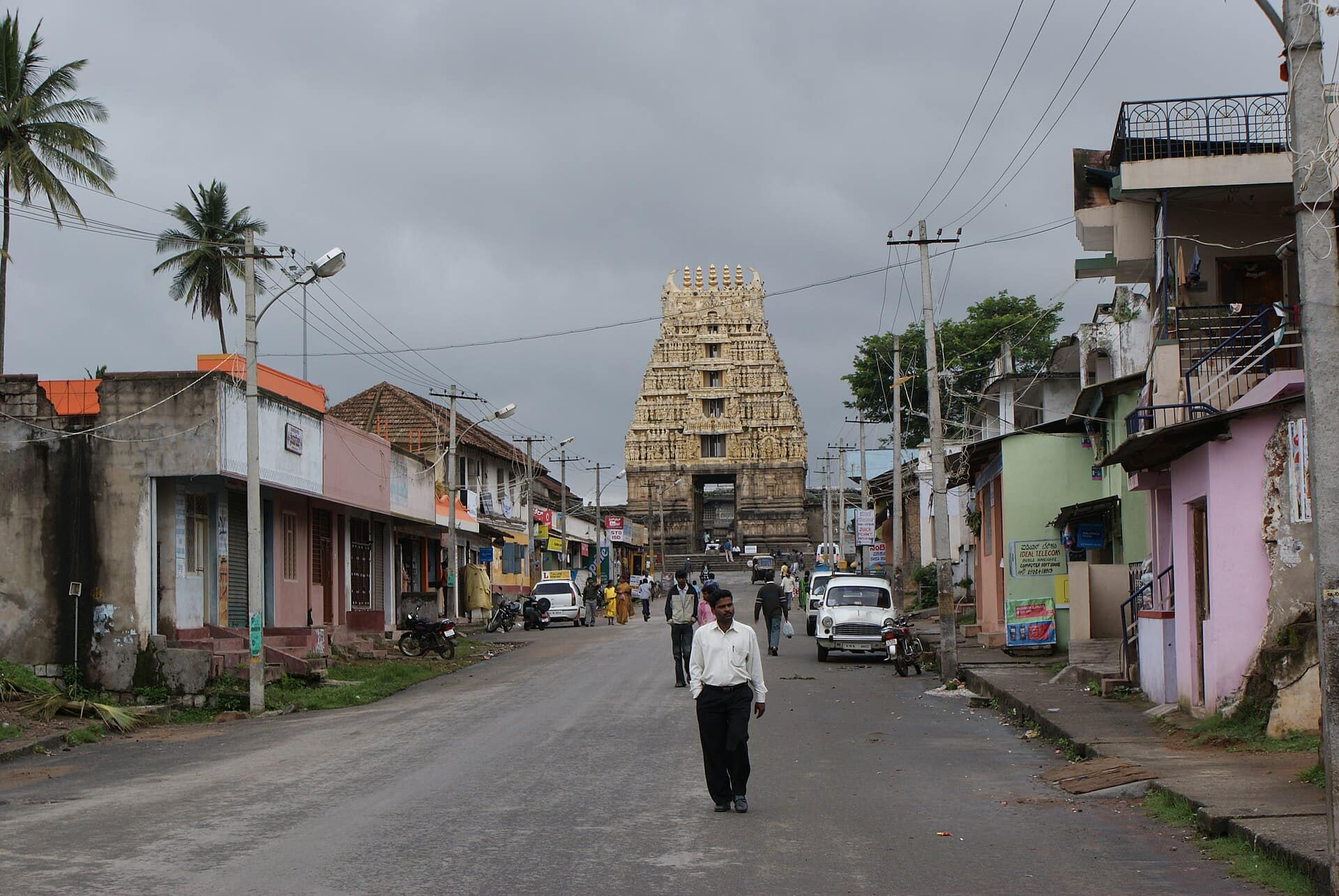
Belur Pushkarni
- Best timeEarly morning, when the water is still enough to reflect the gateway tower and the courtyard is empty.
- ColorsCreamTealMaroon
 Medium crowd
Entry Free
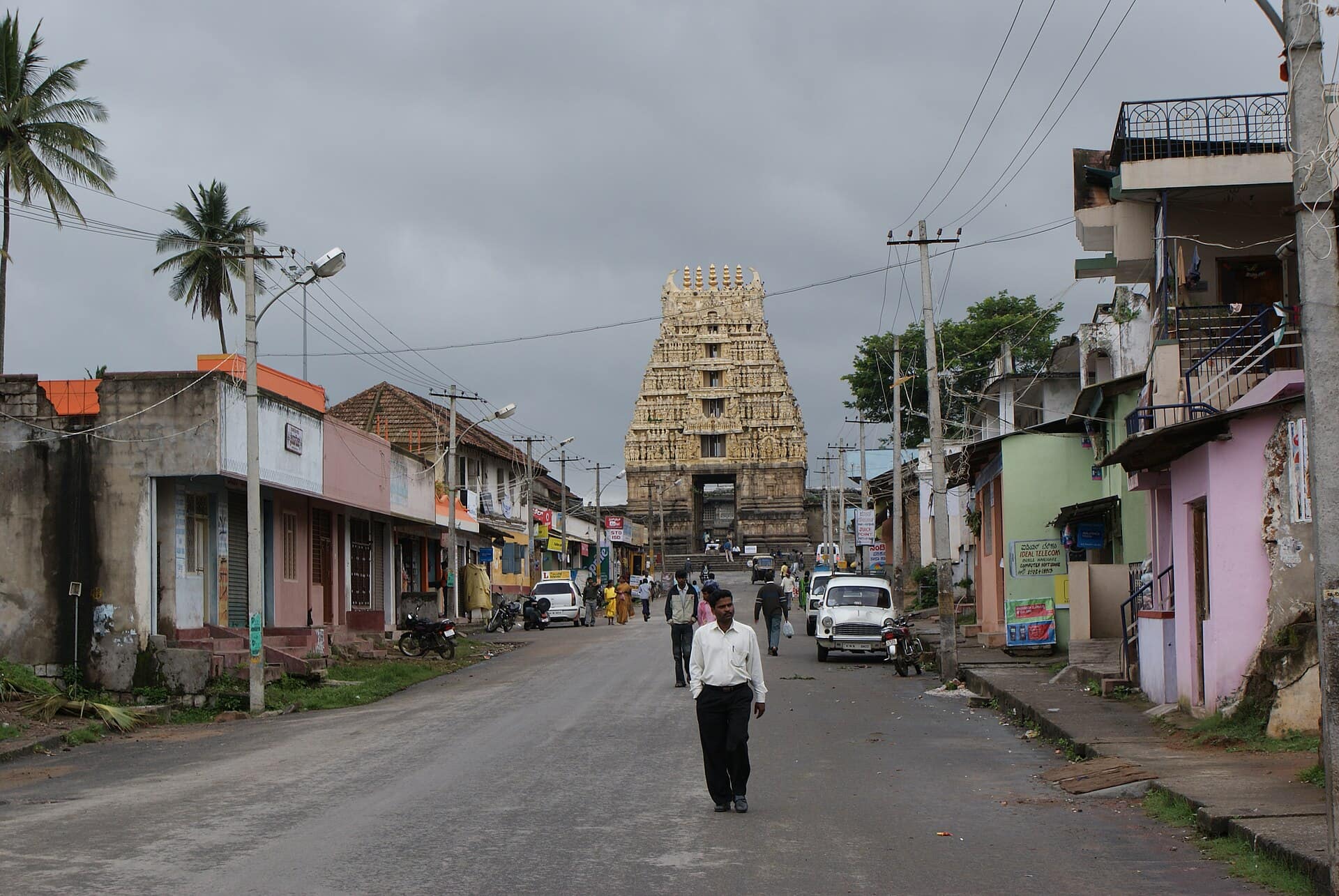
Belur Rajagopura
- Best timeMorning, when the sun lights the east face of the tower and the street is still quiet.
- ColorsCreamSaffronMaroon
 Medium crowd
Entry Free (ASI monument)
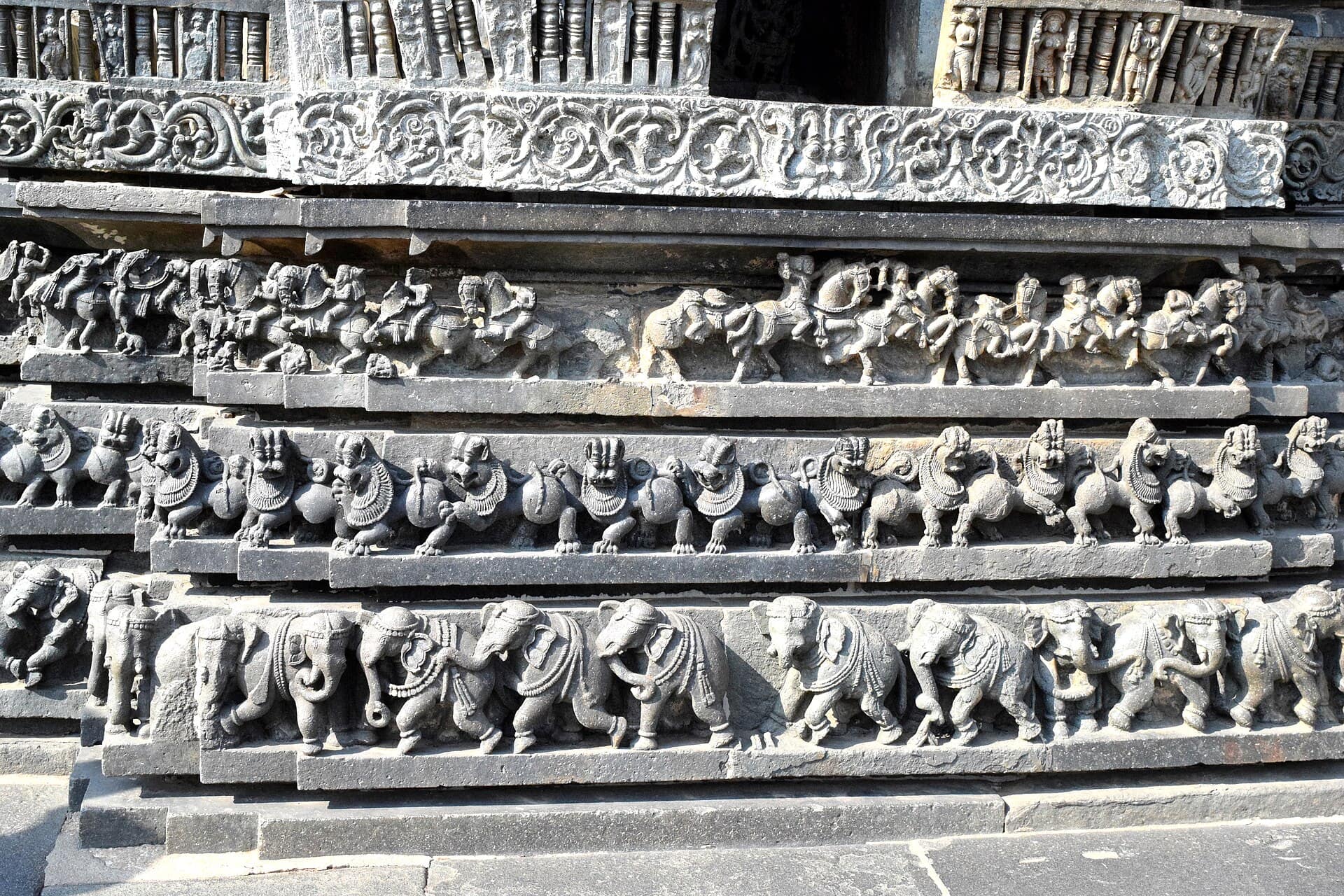
Chennakeshava Temple
- Best timeEarly morning, when the sun falls on the east front and brings out the carving; late afternoon for warm side light on the south and west walls.
- ColorsCreamMaroonMustard
 Low crowd
Entry Free
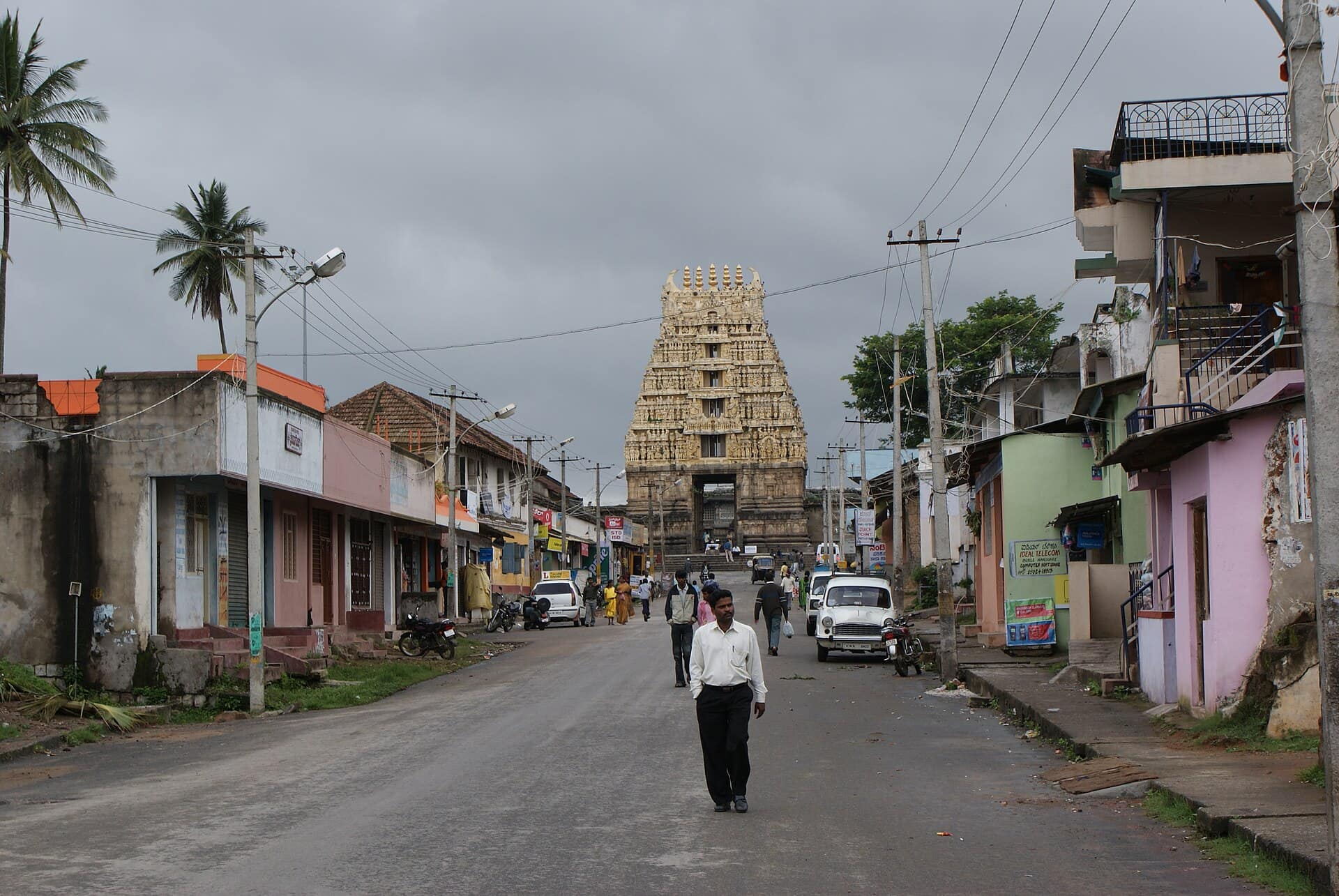
Veeranarayana Temple
- Best timeMorning or late afternoon, when low side light brings out the carved figures and the corner is quiet.
- ColorsCreamMaroonMustard
Entry Nominal (activities extra)
Yagachi Dam
- Best timeLate afternoon for warm light on the water and hills; after the monsoon, when the reservoir is full and the hills are green.
- ColorsTealCreamForest green
Why Belur Is Great for Photography
The Hoysala sculptors carved in soft soapstone, which let them cut fine detail: jewellery, hair, fingers and tiny figures around the larger ones. That detail shows up best when light falls across the stone from one side, so the time of day matters more here than at most monuments.
The courtyard also gives you contrast. The tall, later gateway tower rises above the low, star-shaped Hoysala temples, and the stepped tank adds clean lines and reflections. Yagachi Dam, just outside town, is a change of scene with water and green hills.
Photography Tips for Belur
- Go at opening time: The courtyard is quietest in the first hour, before tour buses arrive.
- Shoot the east face early: The main temple and the gateway face east, so they catch the morning sun.
- Look for side light: Walk around the temple and photograph the walls where the sun skims across them, not where it hits them straight on.
- Use a guide: A guide will point out small carvings you would otherwise miss, which gives you better subjects.
- No photos of the sanctum: Photography is not allowed of the inner shrine and the deity. Put the camera away there.
- Mind the hot floor: You walk the courtyard barefoot, and the stone gets hot by midday in the dry months.
Best Time for Photography in Belur
October to February gives clear skies and soft, low light for most of the morning. The monsoon months from June to September turn the countryside and Yagachi Dam green, but grey skies flatten the carvings. Check photography rules at the gate, as they can change.
Questions
Belur — FAQ
What are the best photo spots in Belur?
The best photo spots in Belur are the Chennakeshava Temple, the Rajagopura gateway, the Veeranarayana Temple, the stepped temple tank (pushkarni) and Yagachi Dam. The first four are inside one temple courtyard.
Can I take photos inside the Chennakeshava Temple?
You can photograph the outer walls, the courtyard and usually the carved pillared hall, but photography of the inner sanctum and the deity is not allowed. Rules can change, so check at the entrance.
What is the best time of day for photos in Belur?
Early morning is best. The main temple faces east and catches the first sun, the courtyard is quiet, and the stone floor is still cool to walk on barefoot.
Which carvings should I photograph at Belur?
Look for the madanikas, the bracket figures under the roof, such as the lady with a mirror (Darpana Sundari). The friezes of elephants and dancers along the base and the carved pillars inside also make good close-ups.
Is Yagachi Dam good for photography?
Yes, for a change from the temples. The calm reservoir and green hills look best in soft morning or late-afternoon light, and greenest after the monsoon.