
Karnataka · India
Belur
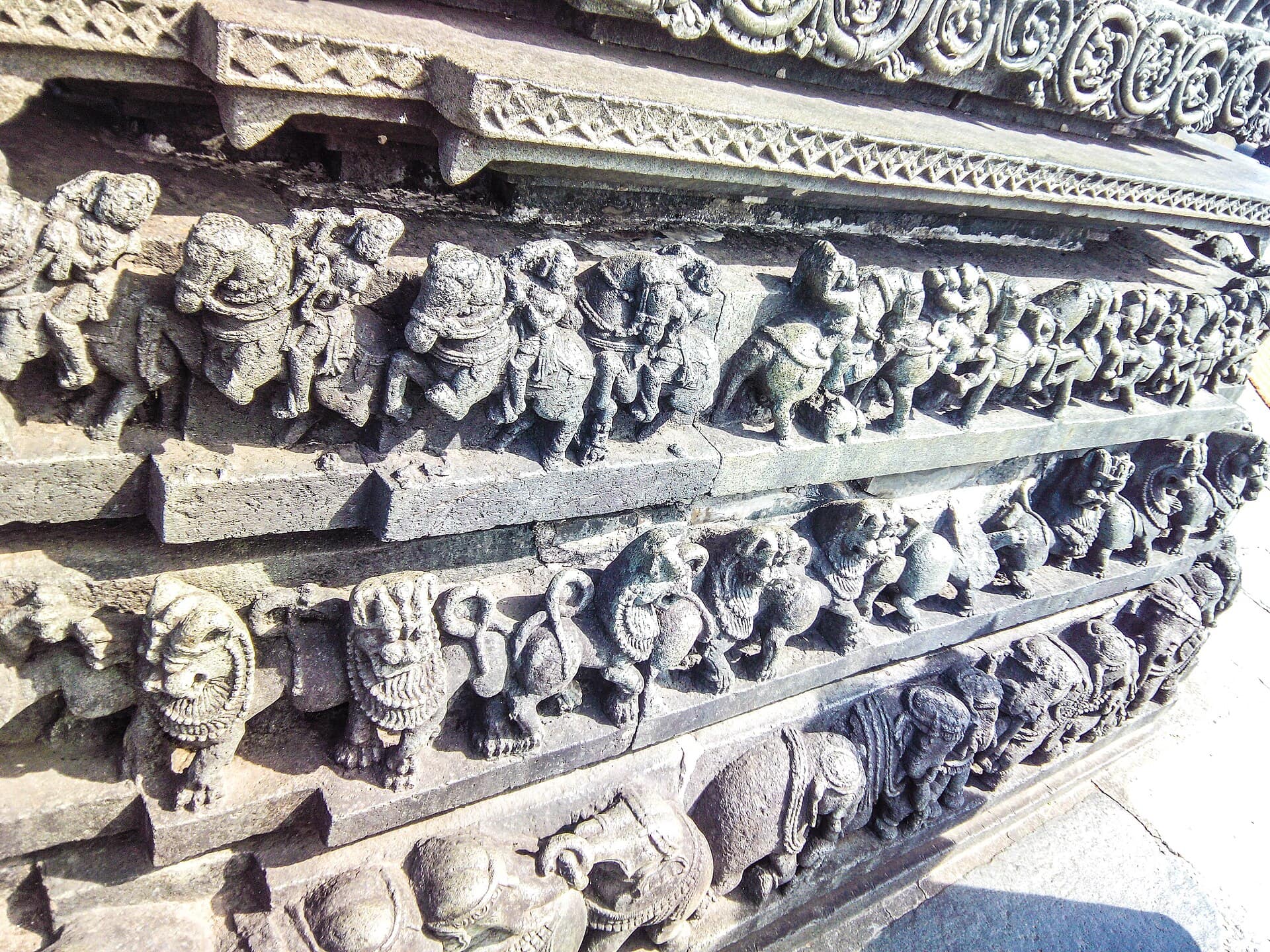
A former Hoysala capital on the Yagachi river, home to the exquisite 12th-century Chennakeshava Temple — a masterpiece of soapstone carving that took over a century to build.
Belur is Hoysala Karnataka: the Chennakeshava Temple's madanika bracket-figures and friezes, the living temple's daily rituals, the twin gem of Halebidu nearby, and Malnad-Kannada food.
Plan your trip
Belur Tour Itineraries
Timed, walkable day plans — plus the best season to go.
Where to shoot
Belur Photo Spots
 Low crowd
Entry Free
Belur Pushkarni
- Best timeEarly morning, when the water is still enough to reflect the gateway tower and the courtyard is empty.
- ColorsCreamTealMaroon
 Medium crowd
Entry Free
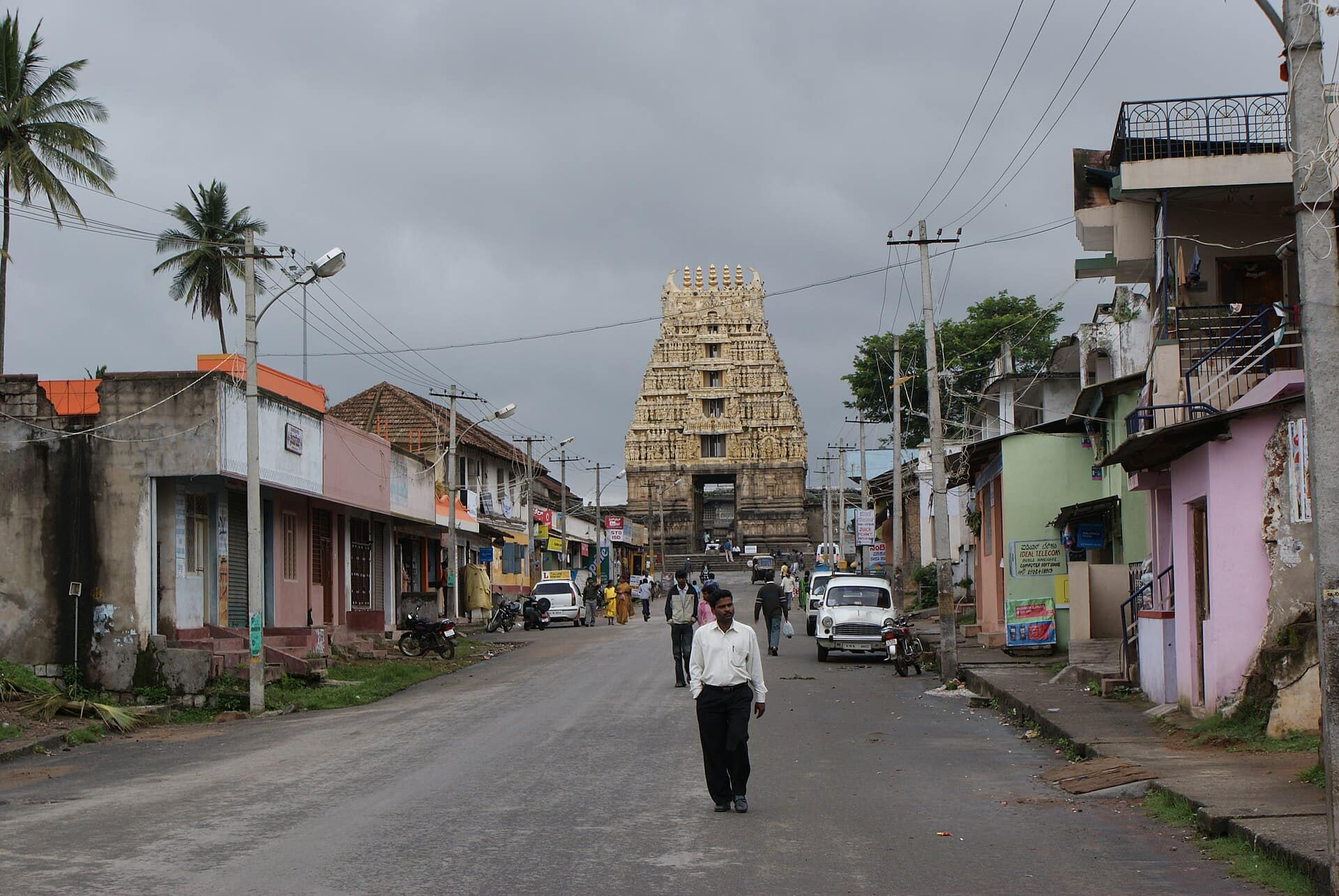
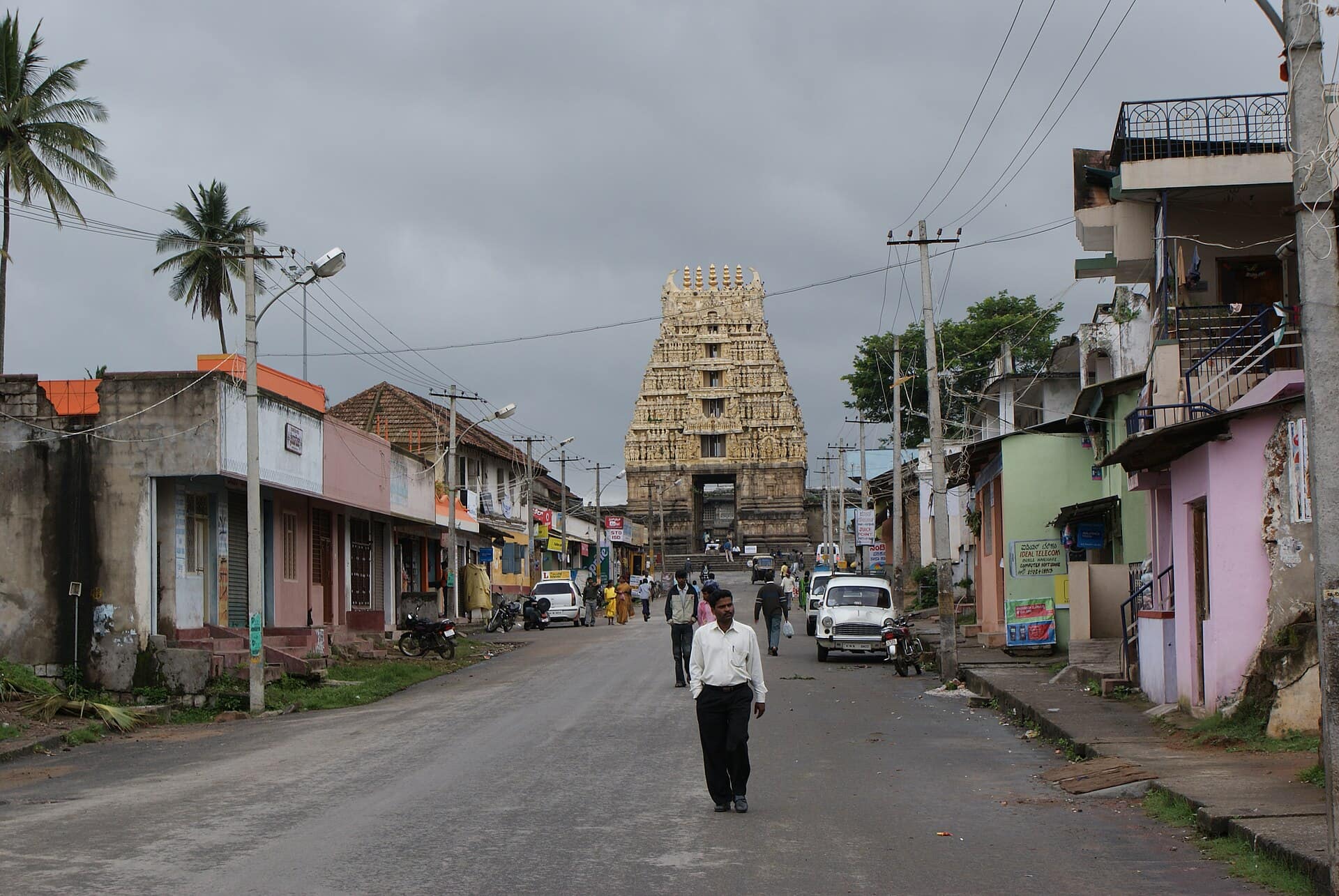
Belur Rajagopura
- Best timeMorning, when the sun lights the east face of the tower and the street is still quiet.
- ColorsCreamSaffronMaroon
 Medium crowd
Entry Free (ASI monument)
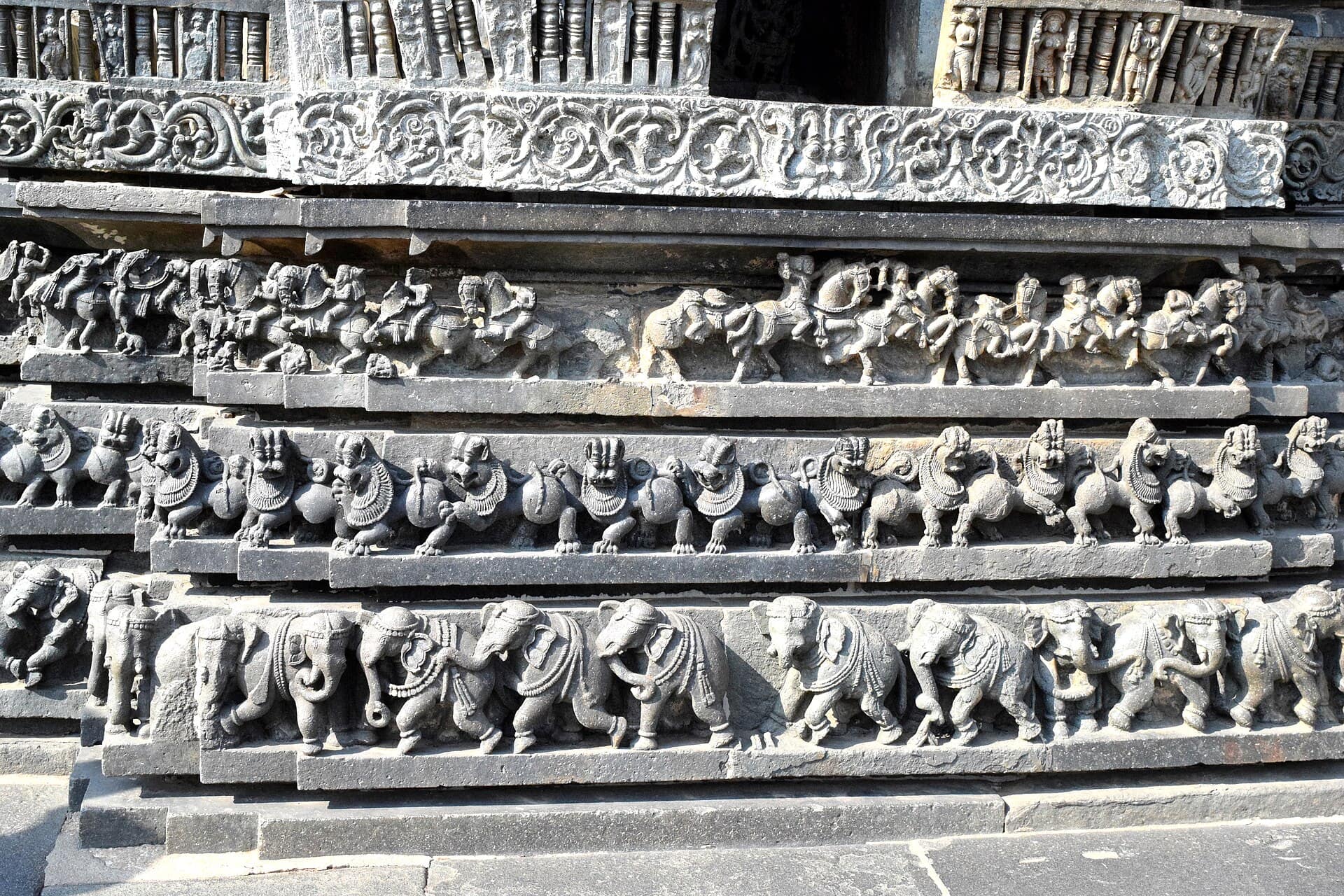
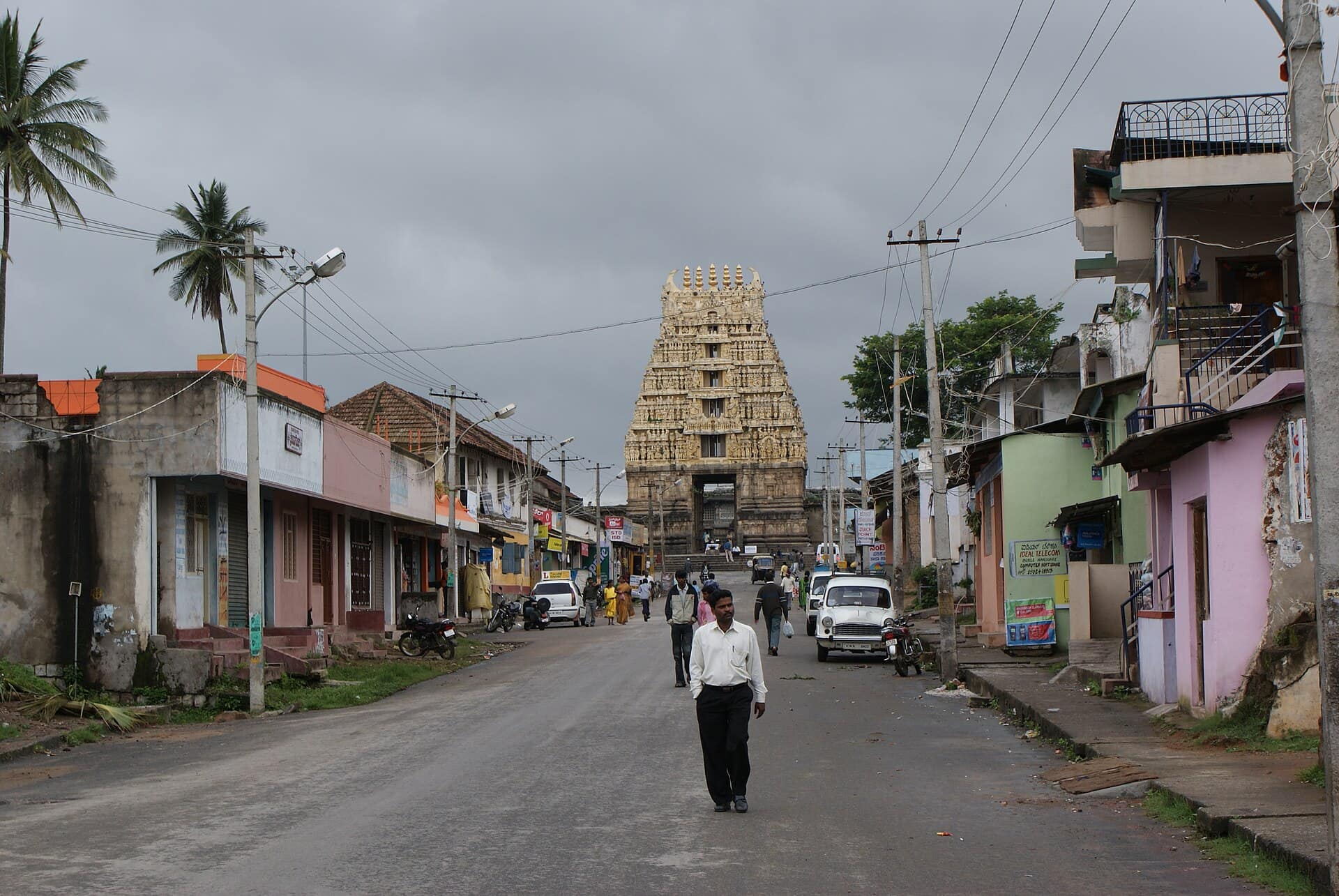
Chennakeshava Temple
- Best timeEarly morning, when the sun falls on the east front and brings out the carving; late afternoon for warm side light on the south and west walls.
- ColorsCreamMaroonMustard
 Low crowd
Entry Free
Veeranarayana Temple
- Best timeMorning or late afternoon, when low side light brings out the carved figures and the corner is quiet.
- ColorsCreamMaroonMustard
Entry Nominal (activities extra)
Yagachi Dam
- Best timeLate afternoon for warm light on the water and hills; after the monsoon, when the reservoir is full and the hills are green.
- ColorsTealCreamForest green
For the feed
Trending Wear in Belur
Modern, Instagram-friendly looks
Rooted in the city
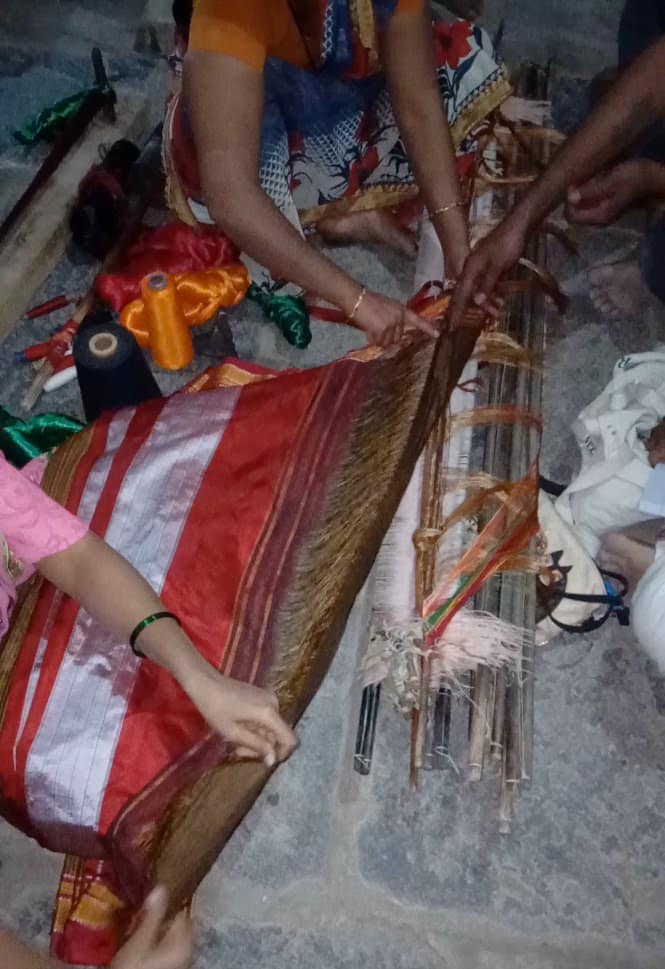
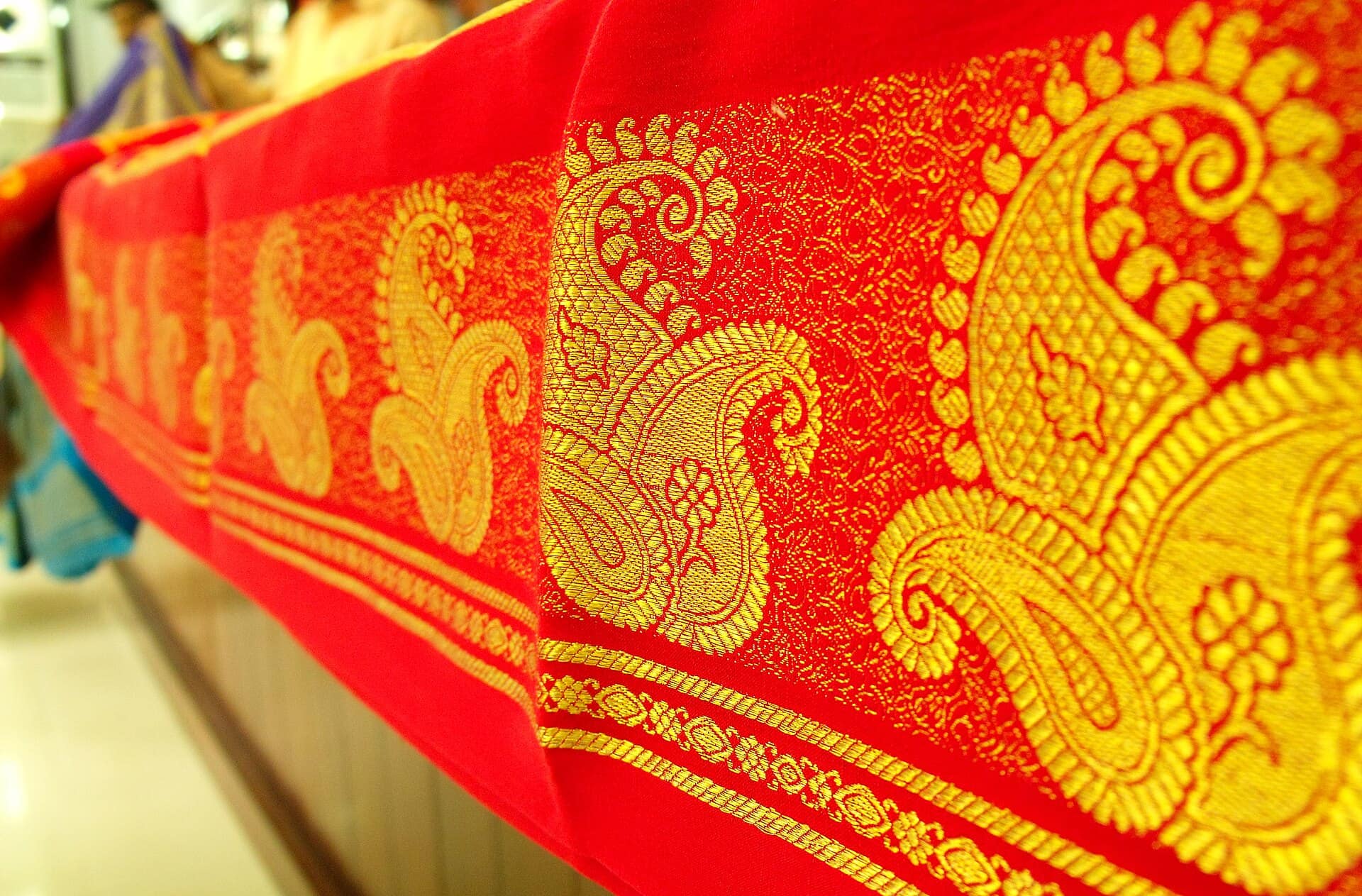
Belur Traditional Wear
Local, cultural, handcrafted outfits
Before you go
Temples in Belur
Darshan hours, dress codes and what gets refused at the gate
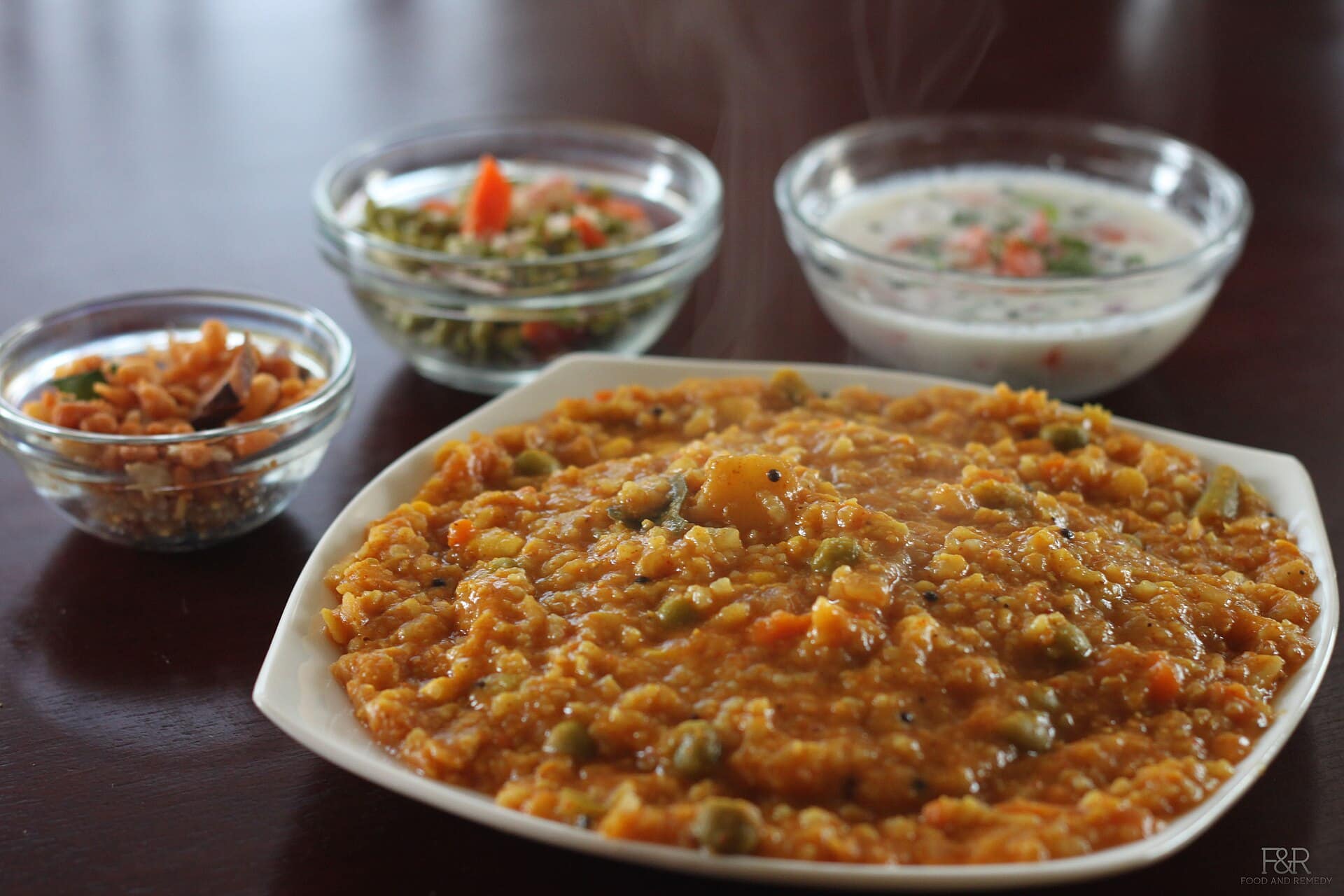
Taste the city
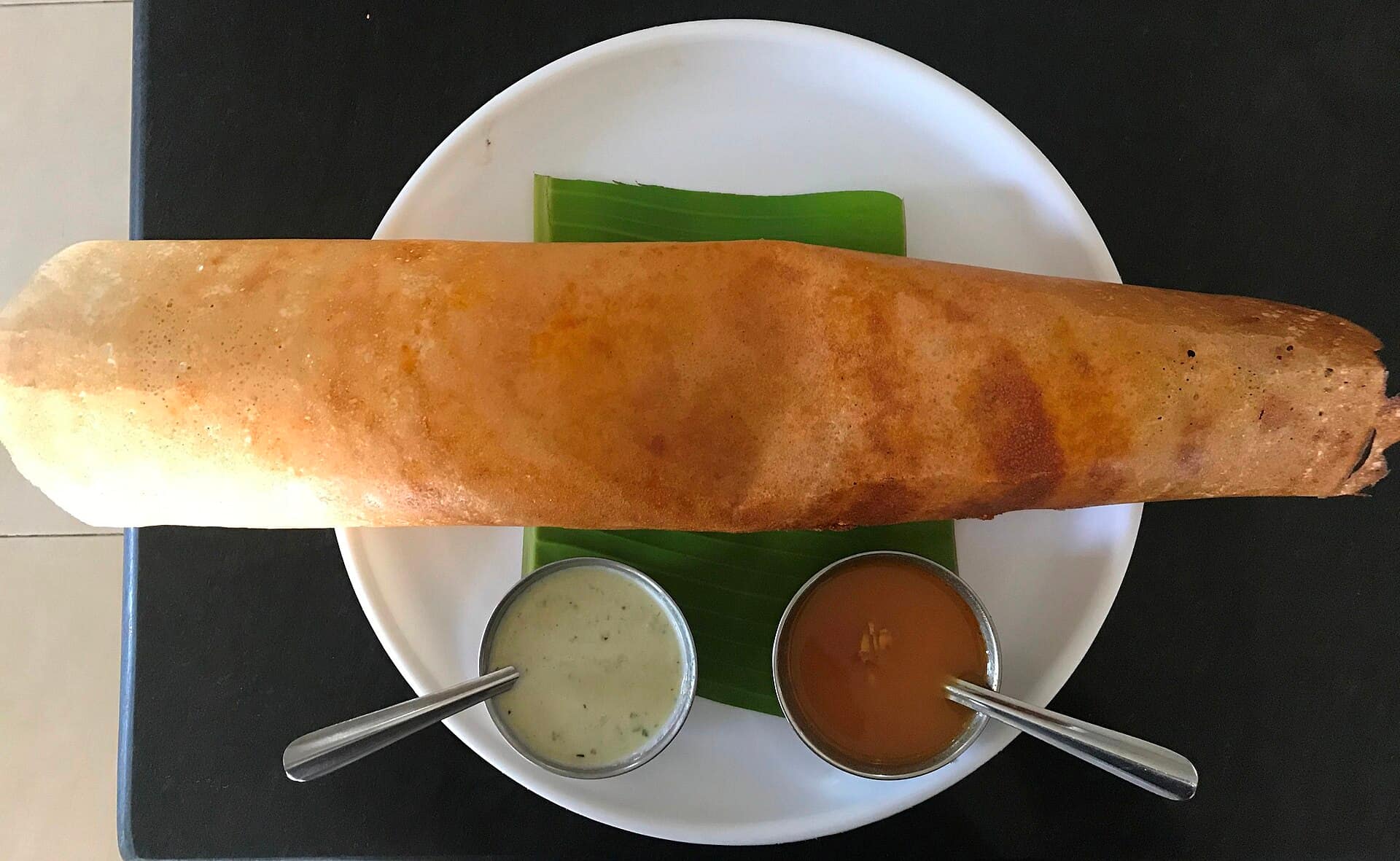
Food to Eat in Belur

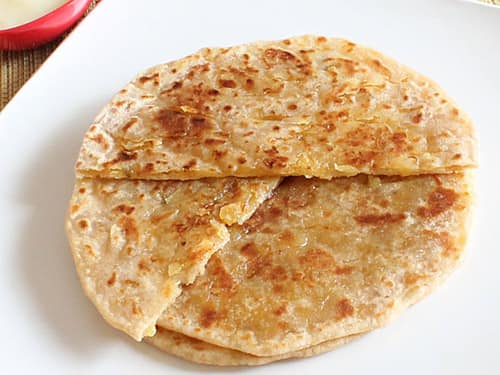
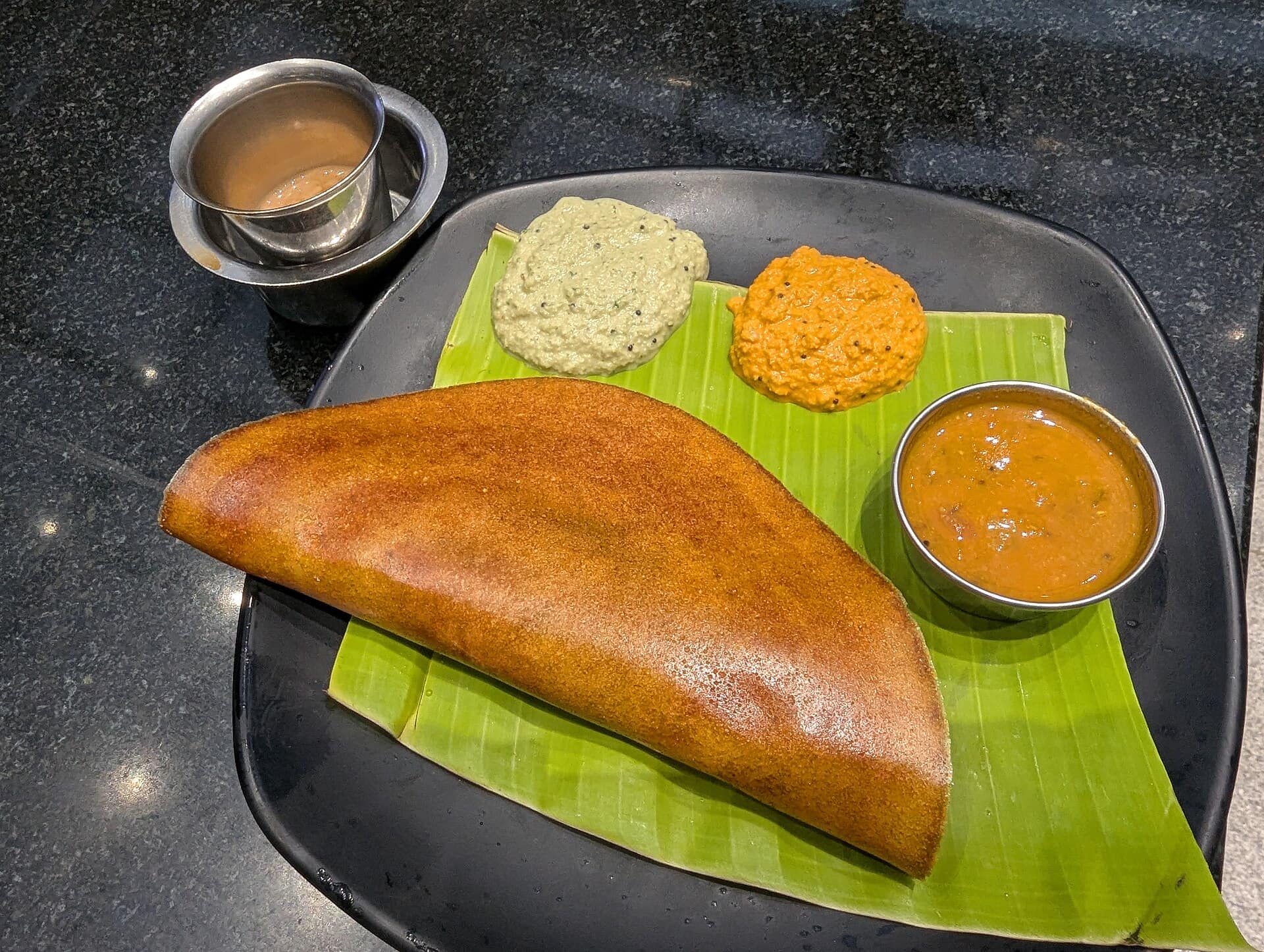
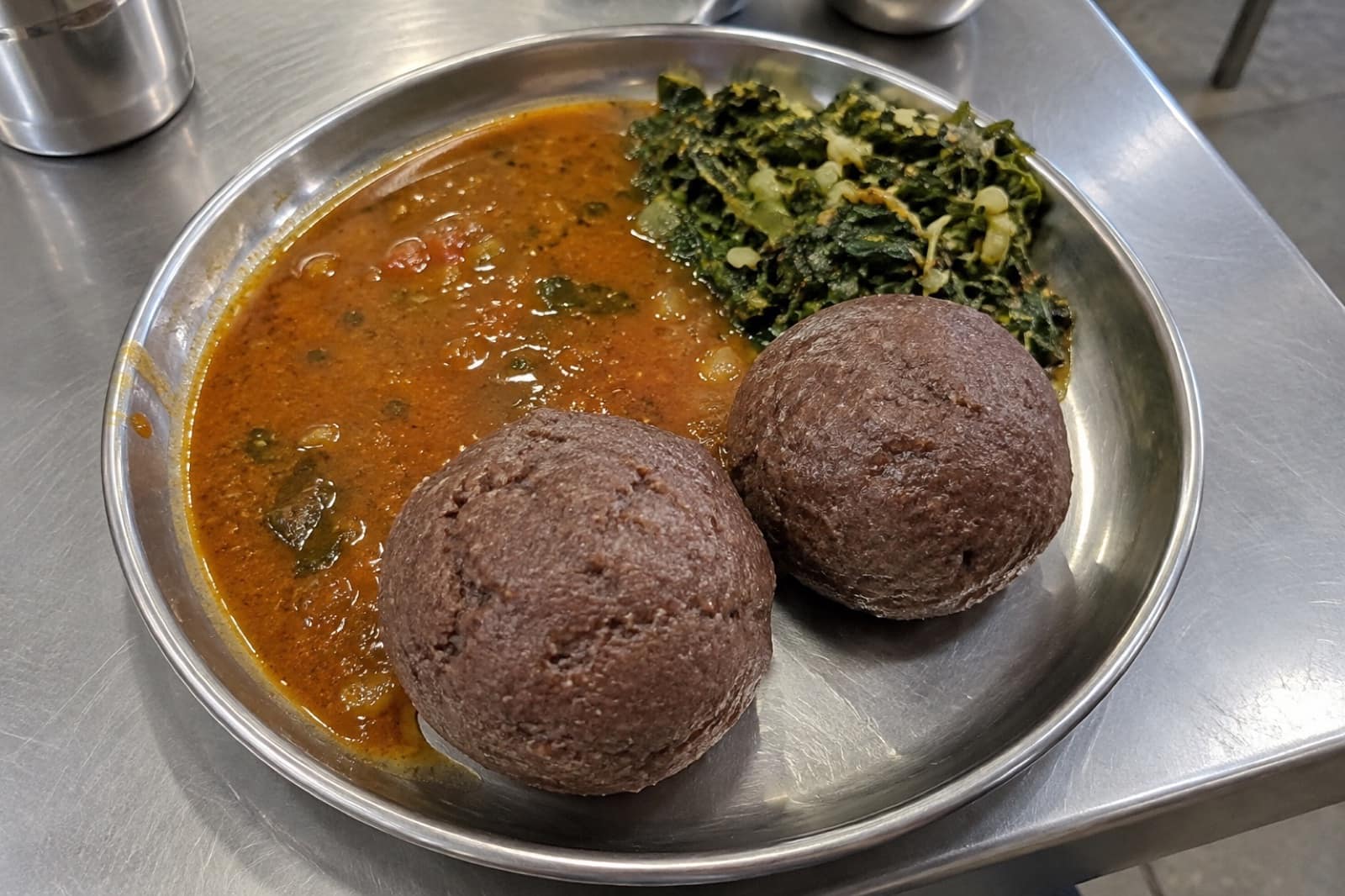
Trusted tables
Where to Eat in Belur
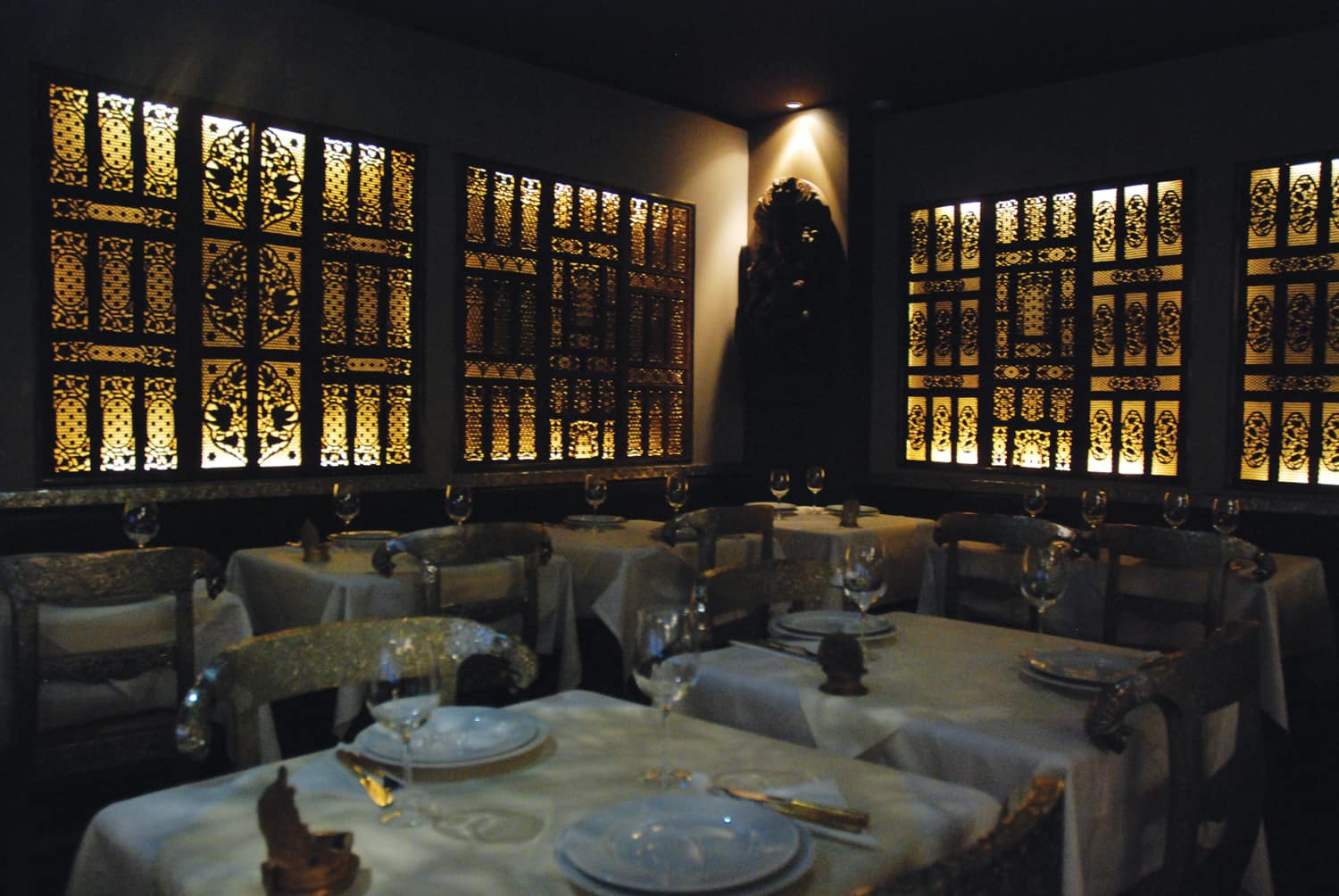
About Belur
Belur is a small town on the banks of the Yagachi river in Hassan district, Karnataka. It was an early capital of the Hoysala kings, and in 1117 King Vishnuvardhana began the Chennakeshava Temple here. The work went on for about a century, and the result is one of the most finely carved temples in India. In 2023 it was added to the UNESCO World Heritage List as part of the "Sacred Ensembles of the Hoysalas".
Almost everything a visitor comes for sits inside one walled courtyard: the tall gateway tower, the main temple with its carved bracket figures, the smaller Veeranarayana shrine and the old stepped tank. Plan a slow morning there with a guide, eat a plain South Indian meal in town, then head out to Yagachi Dam for the water or on to Halebidu, about 16 km away, whose Hoysaleswara Temple makes Belur's natural pair.
Questions
Belur — FAQ
What is Belur famous for?
Belur is famous for the Chennakeshava Temple, a 12th-century Hoysala temple to Vishnu covered in detailed soapstone carving. It is best known for its madanikas, the graceful female bracket figures under the roof, and is part of a UNESCO World Heritage Site shared with Halebidu and Somanathapura.
How many days are enough for Belur?
One day is enough for Belur itself: a morning at the temple complex and an afternoon at Yagachi Dam. Most travellers stay one night and add Halebidu the same day or the next, as the two towns are about 16 km apart.
What is the best time to visit Belur?
October to February is the most comfortable time, with mild days and cool mornings. March to May gets hot around midday, and June to September brings regular monsoon rain. See the best time to visit Belur for a month-by-month guide.
How do I reach Belur?
Belur has no railway station. The nearest is Hassan, about 40 km away, with buses and taxis on to Belur. By road, Belur is about 220 km from Bengaluru, and KSRTC buses run from Bengaluru, Hassan and Chikkamagaluru. The nearest airport is Mangaluru, about 160 km away.
Should I visit Belur or Halebidu?
Try to see both. Belur's temple is still a working temple, better preserved and known for its bracket figures, while Halebidu's Hoysaleswara Temple has larger outer friezes. They are about 16 km apart, so one day covers both.