
Himachal Pradesh · India
Dharamshala
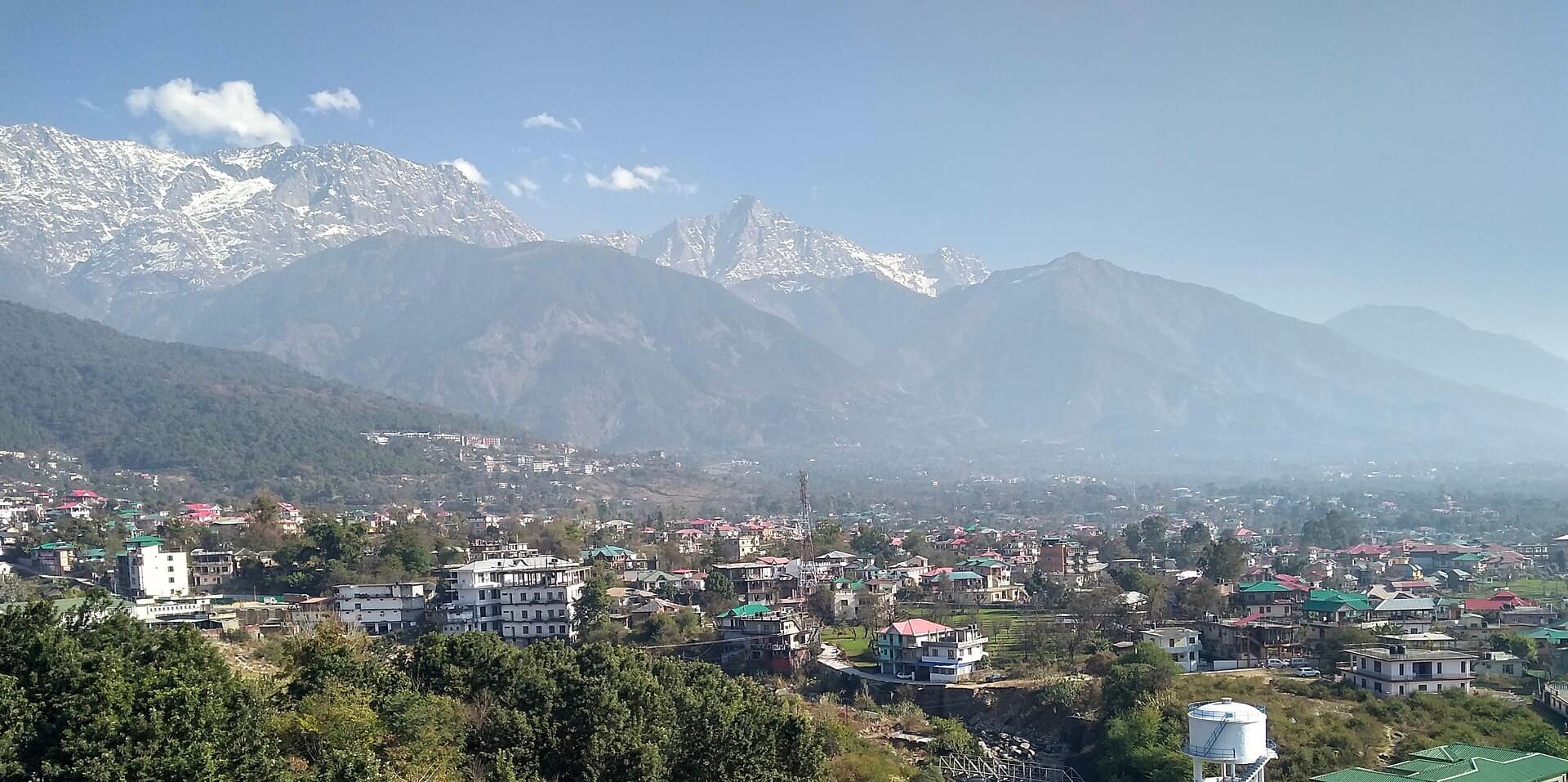
The hillside home of the Dalai Lama — an upper-town (McLeod Ganj) of Tibetan monasteries, prayer flags and cafés beneath the snowy Dhauladhar range.
Dharamshala is 'Little Lhasa', shaped by the exiled Tibetan community; expect monasteries, the bakhu, momos and thukpa, and Gaddi Himachali hill culture.
Plan your trip
Dharamshala Tour Itineraries
Timed, walkable day plans — plus the best season to go.
Where to shoot
Dharamshala Photo Spots
Entry Free
Bhagsunag Waterfall
- Best timeMorning, when the light is soft and the trail is quiet; just after the monsoon, when the falls are at their fullest.
- ColorsRedWhiteDenim
Entry Free
Dalai Lama Temple (Tsuglagkhang)
- Best timeEarly morning, when monks and pilgrims walk the prayer wheels and the courtyard is calm.
- ColorsMaroonSaffronWhite
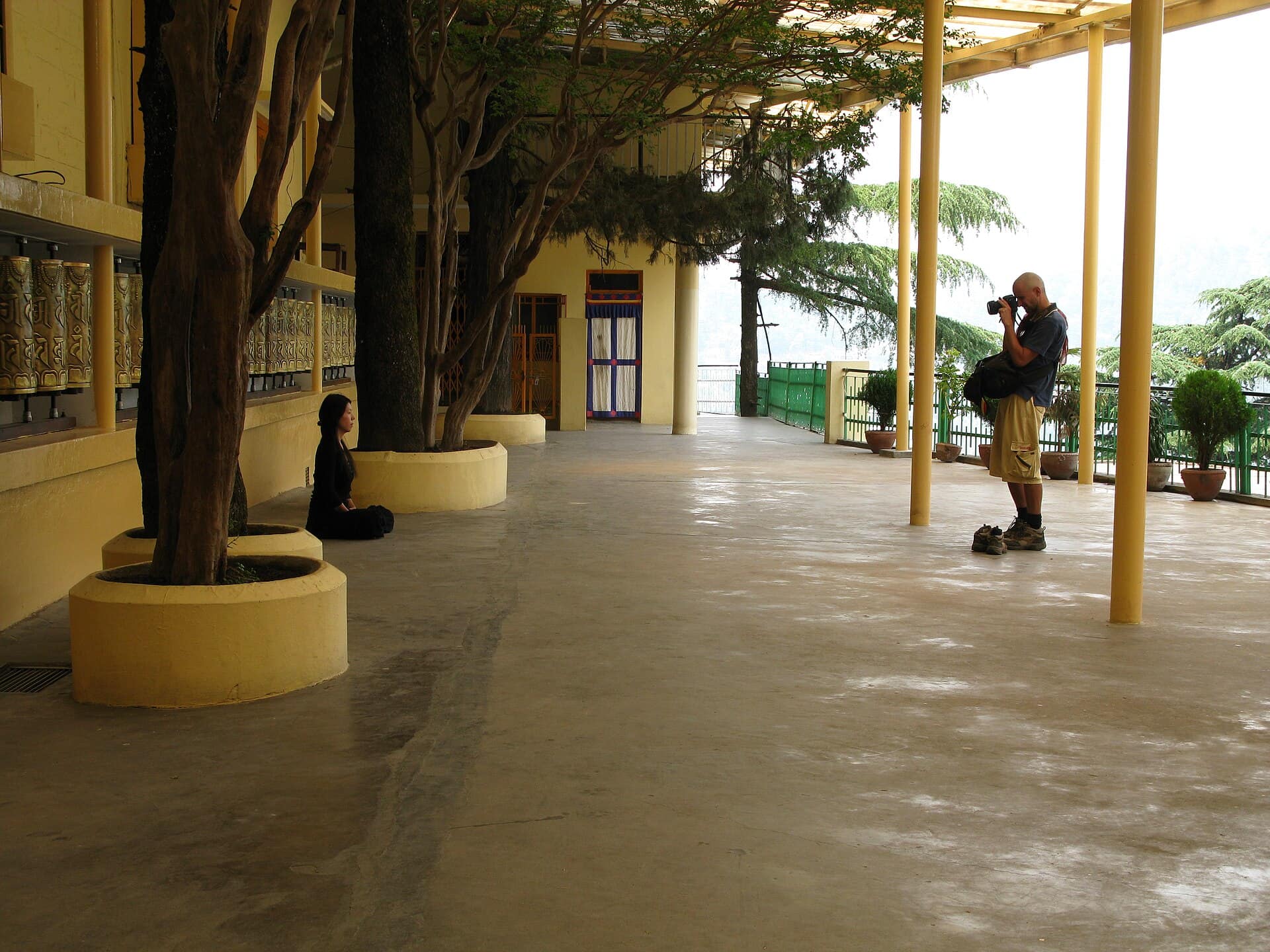 Medium crowd
Entry Free
Namgyal Monastery
- Best timeMorning for soft light in the courtyard; afternoon if you hope to see the monks debating.
- ColorsMaroonSaffronWhite
Entry Free
St. John in the Wilderness
- Best timeMorning, when light falls through the deodars and there are few visitors.
- ColorsCreamMaroonForest green
 Medium crowd
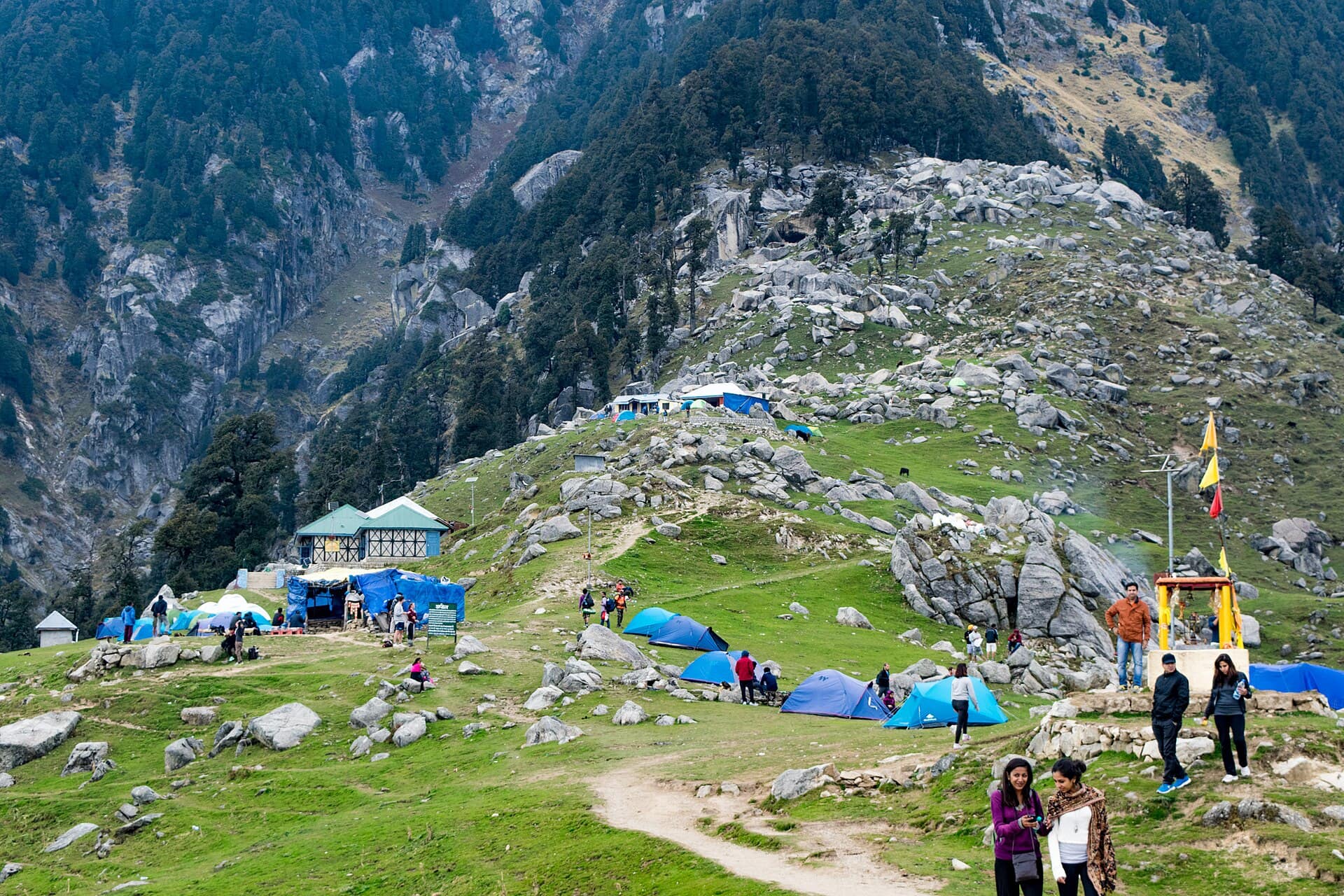
Entry Free (camping charges vary)
Triund
- Best timeEarly morning for clear views of the Dhauladhar; late afternoon for warm light on the snow.
- ColorsRedCreamCharcoal
For the feed
Trending Wear in Dharamshala
Modern, Instagram-friendly looks
Rooted in the city
Dharamshala Traditional Wear
Local, cultural, handcrafted outfits
Taste the city
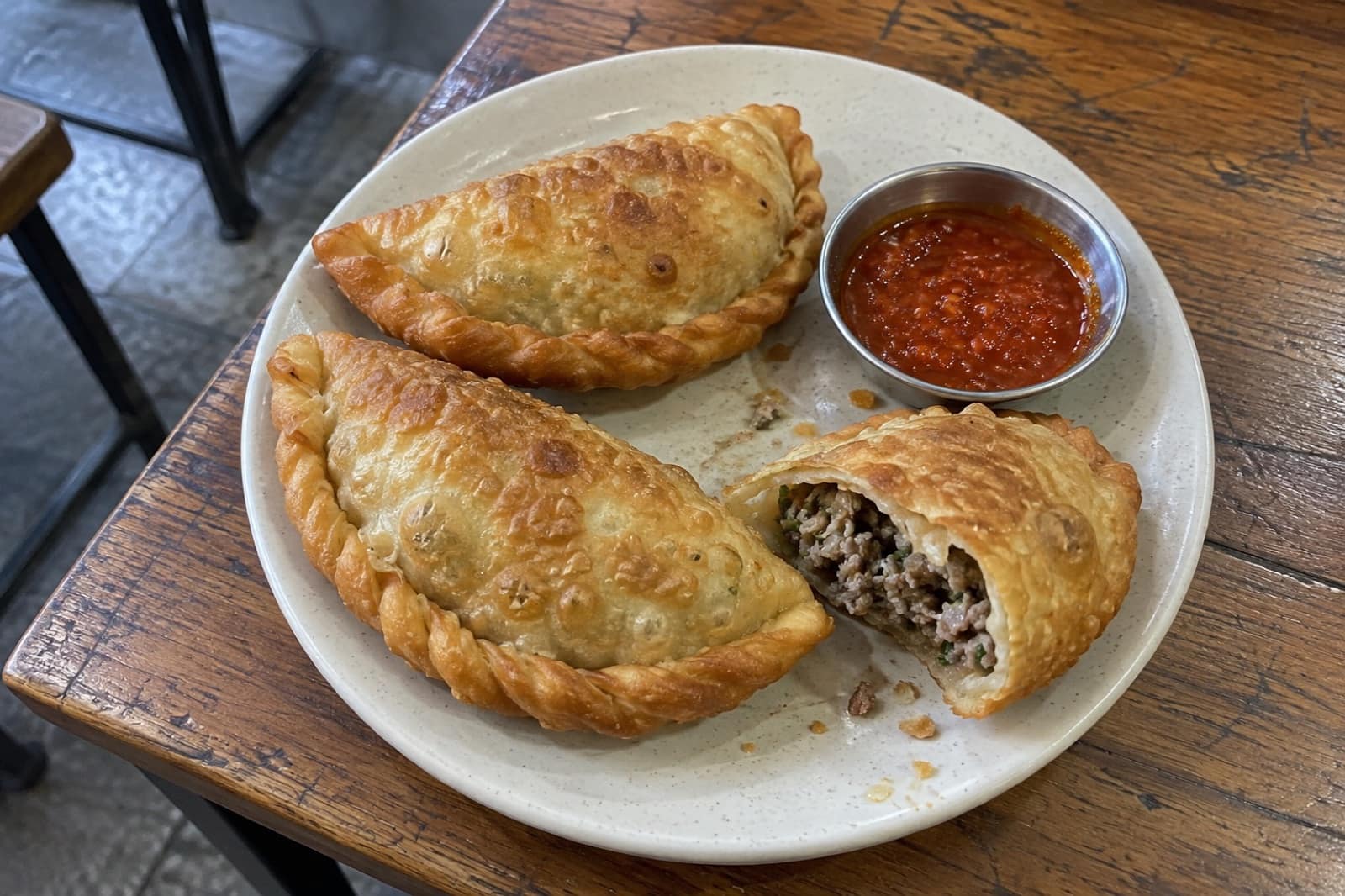
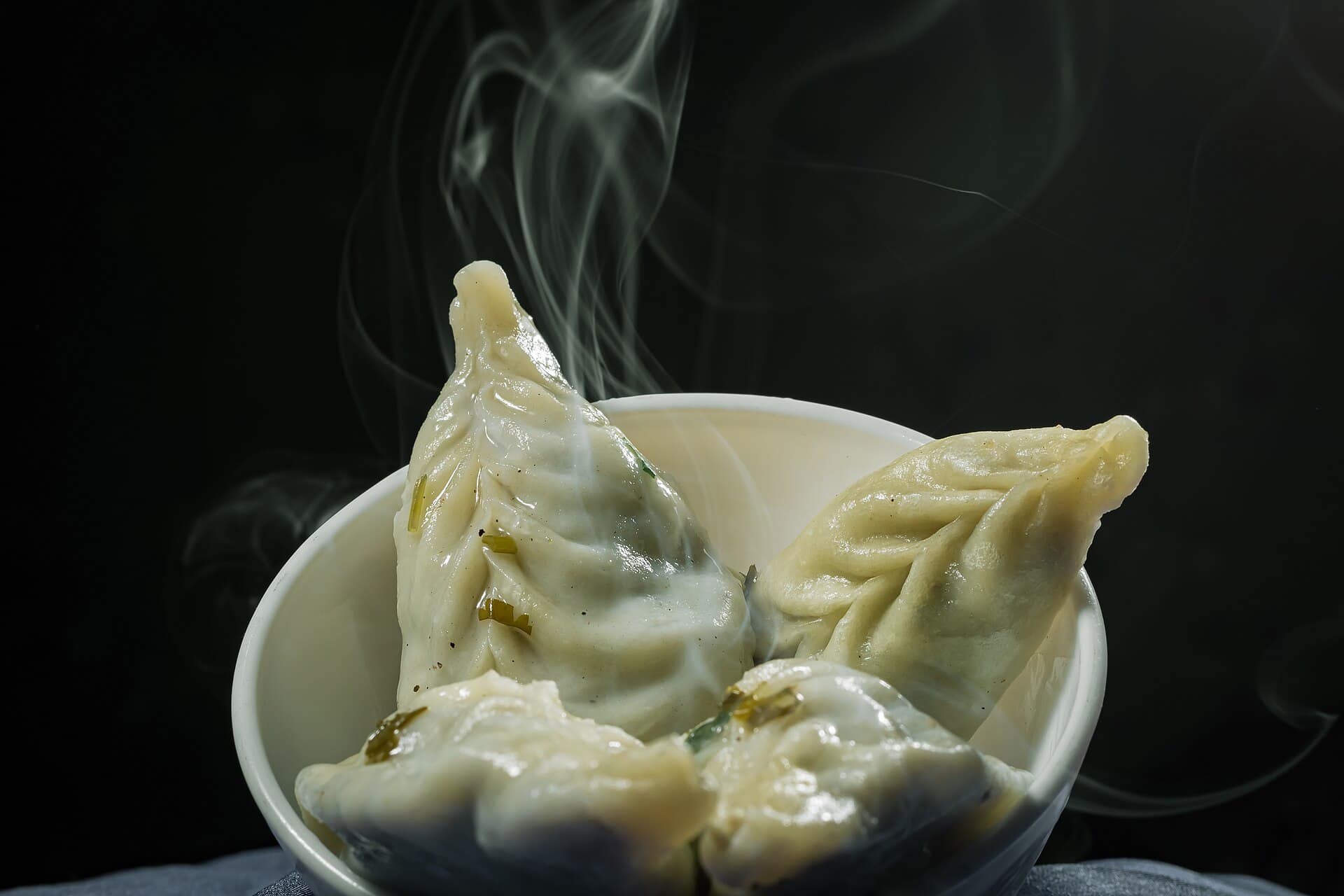
Food to Eat in Dharamshala
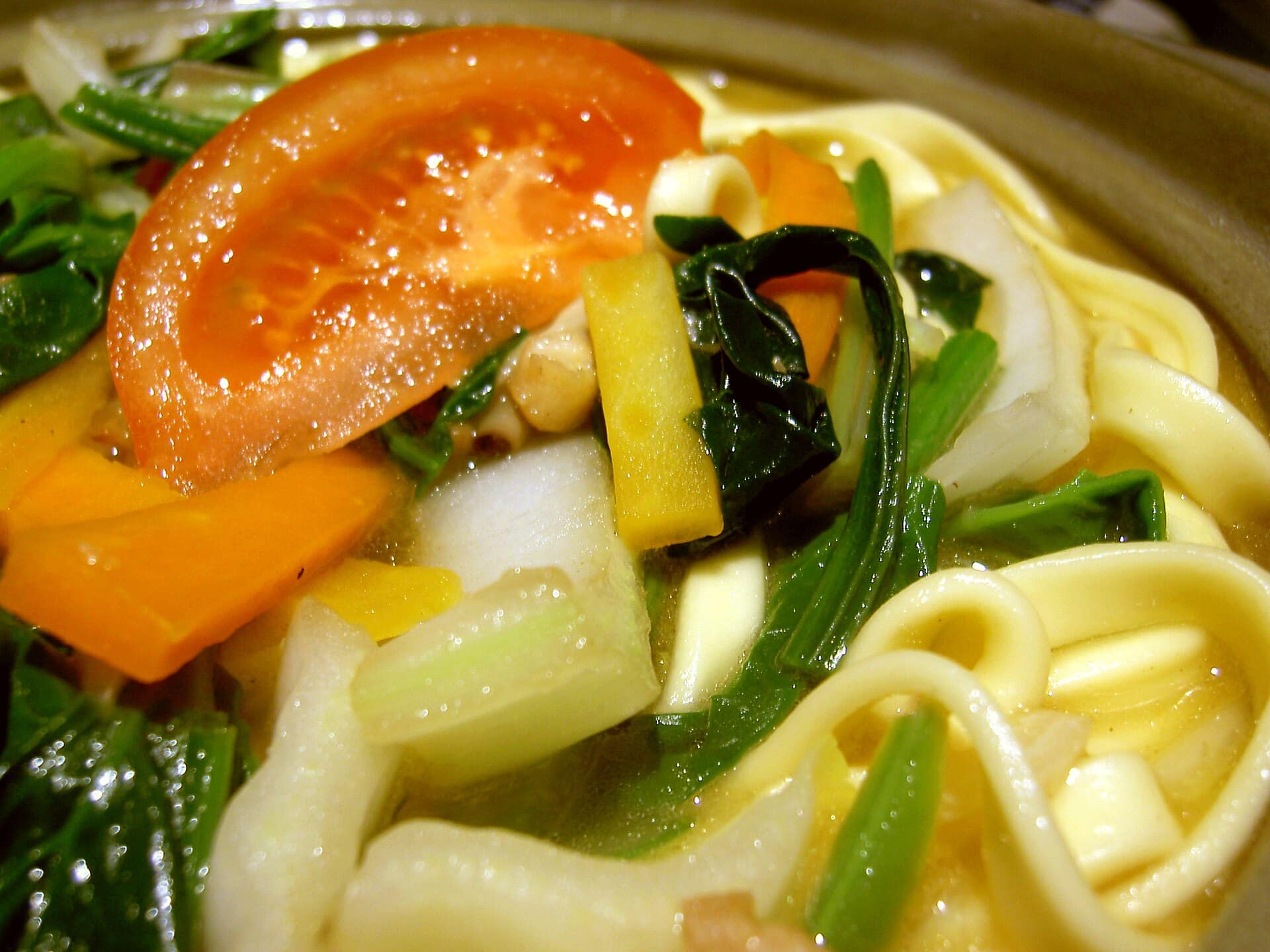
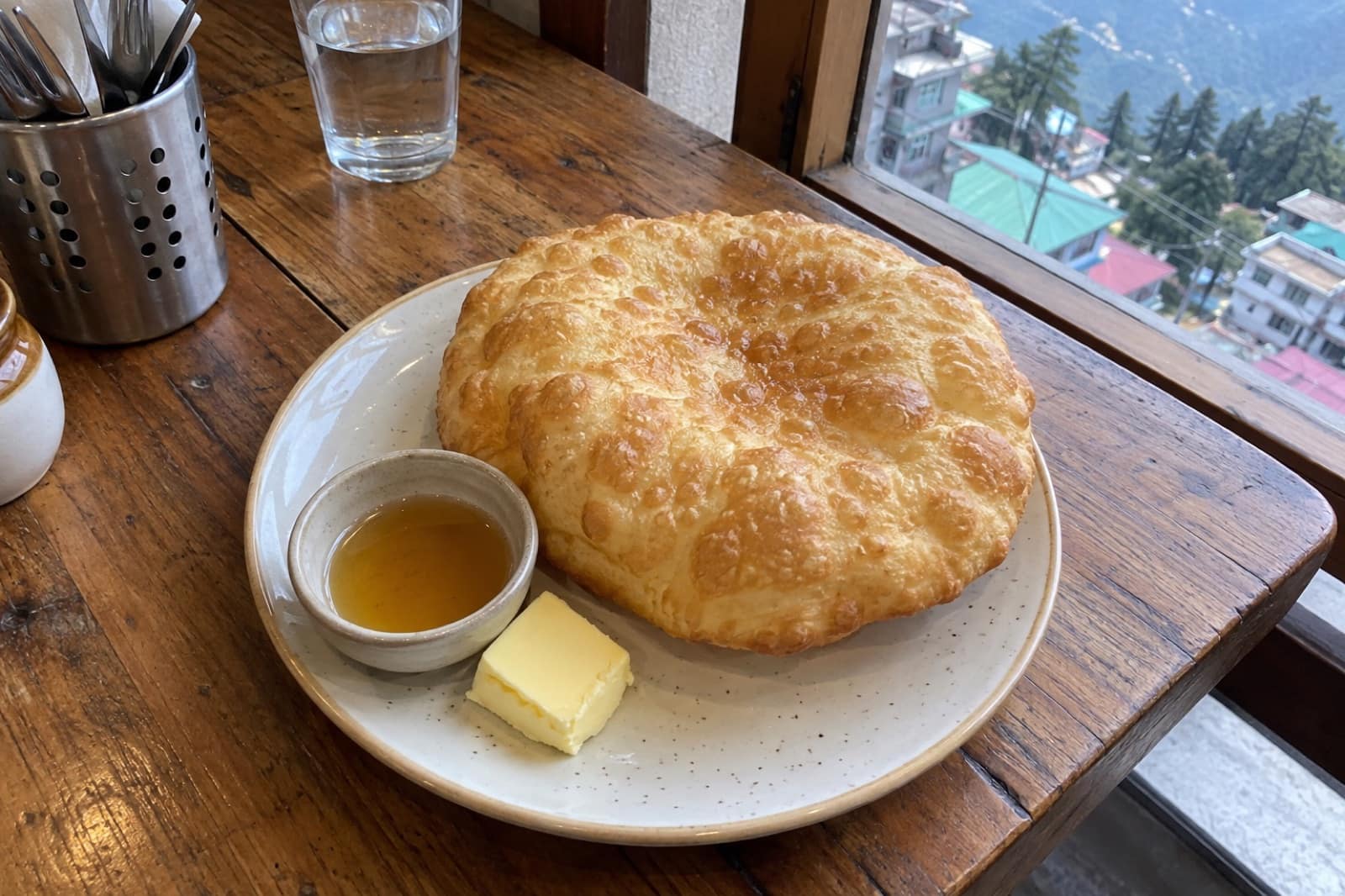
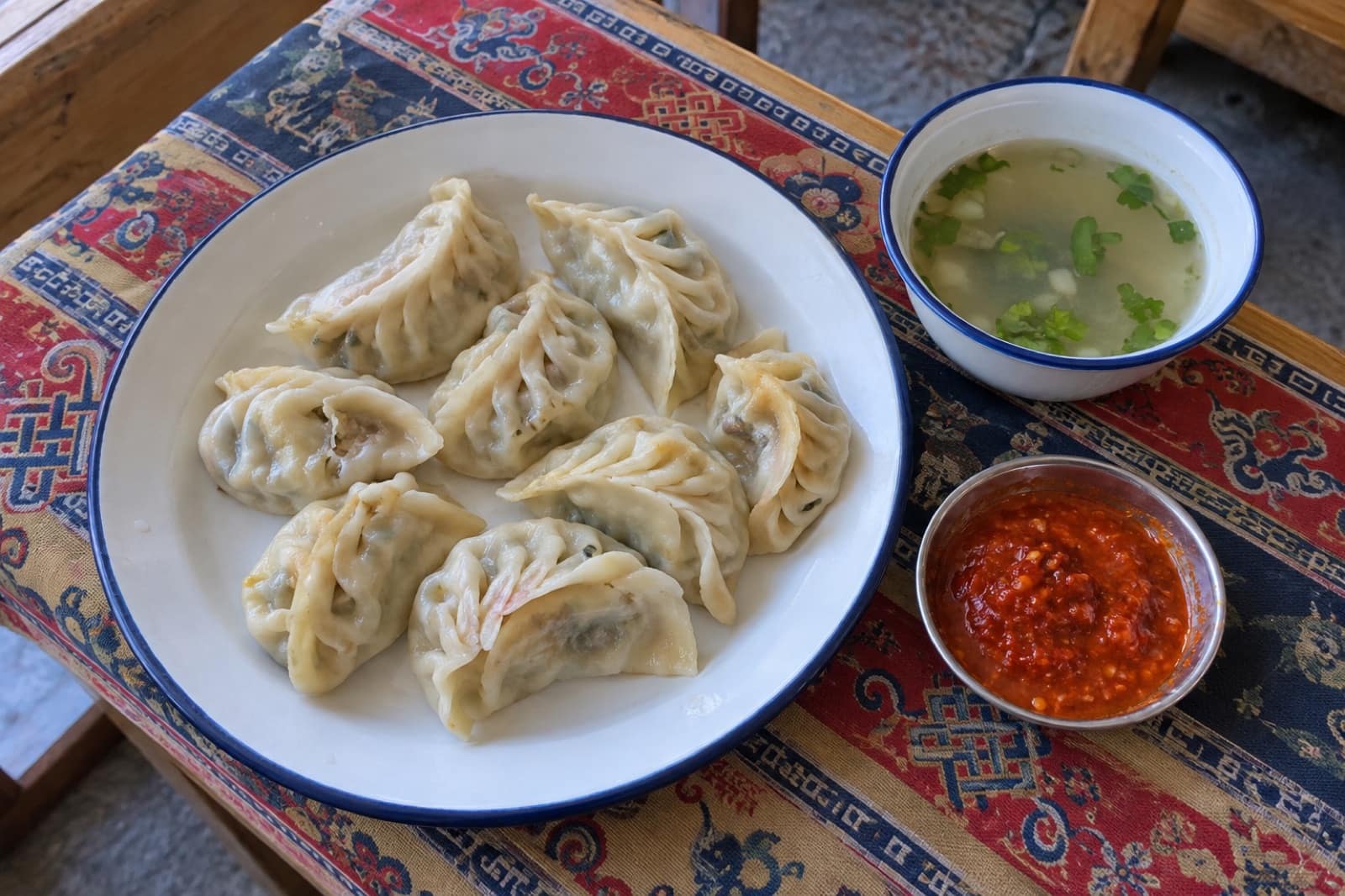
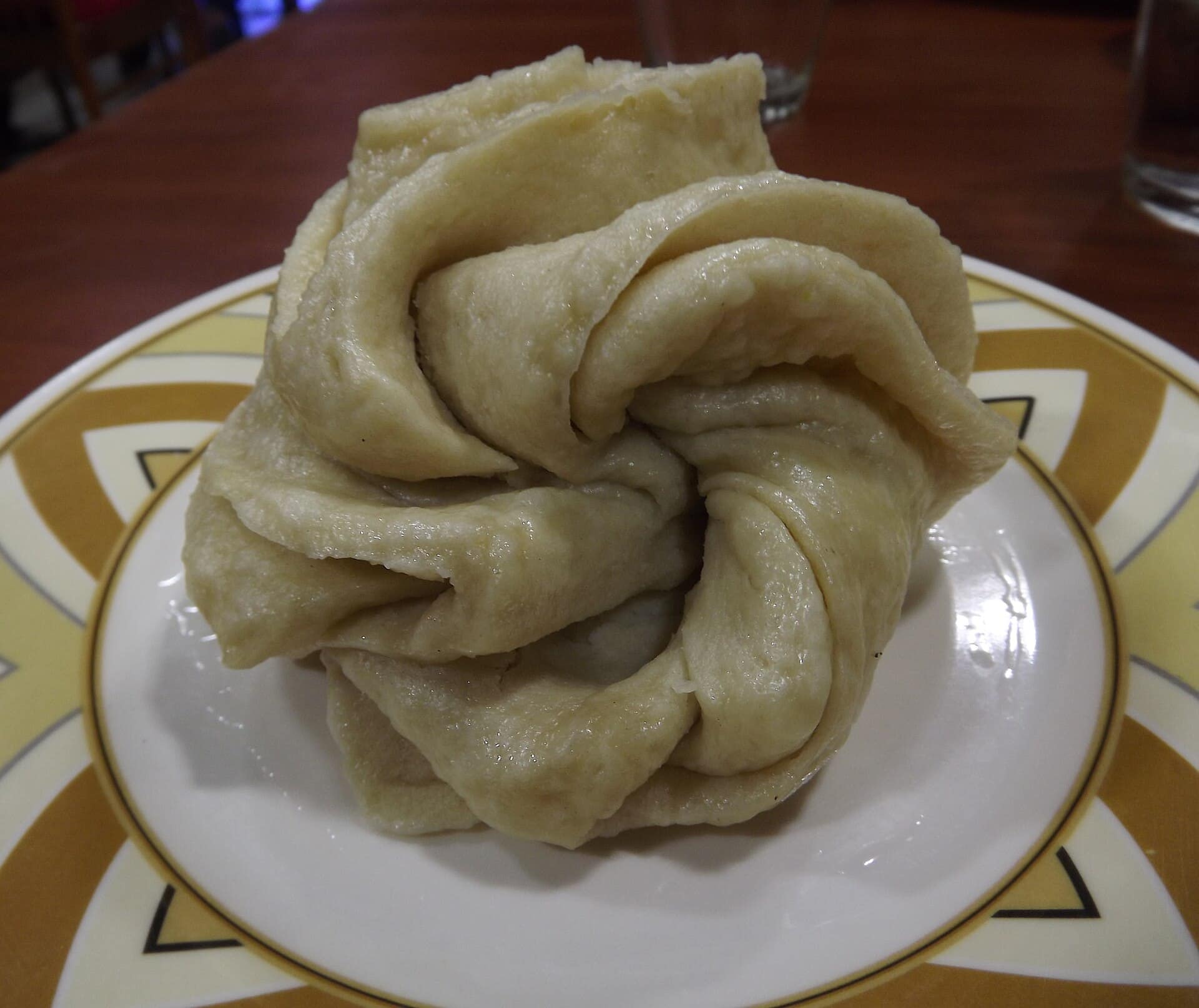
Trusted tables
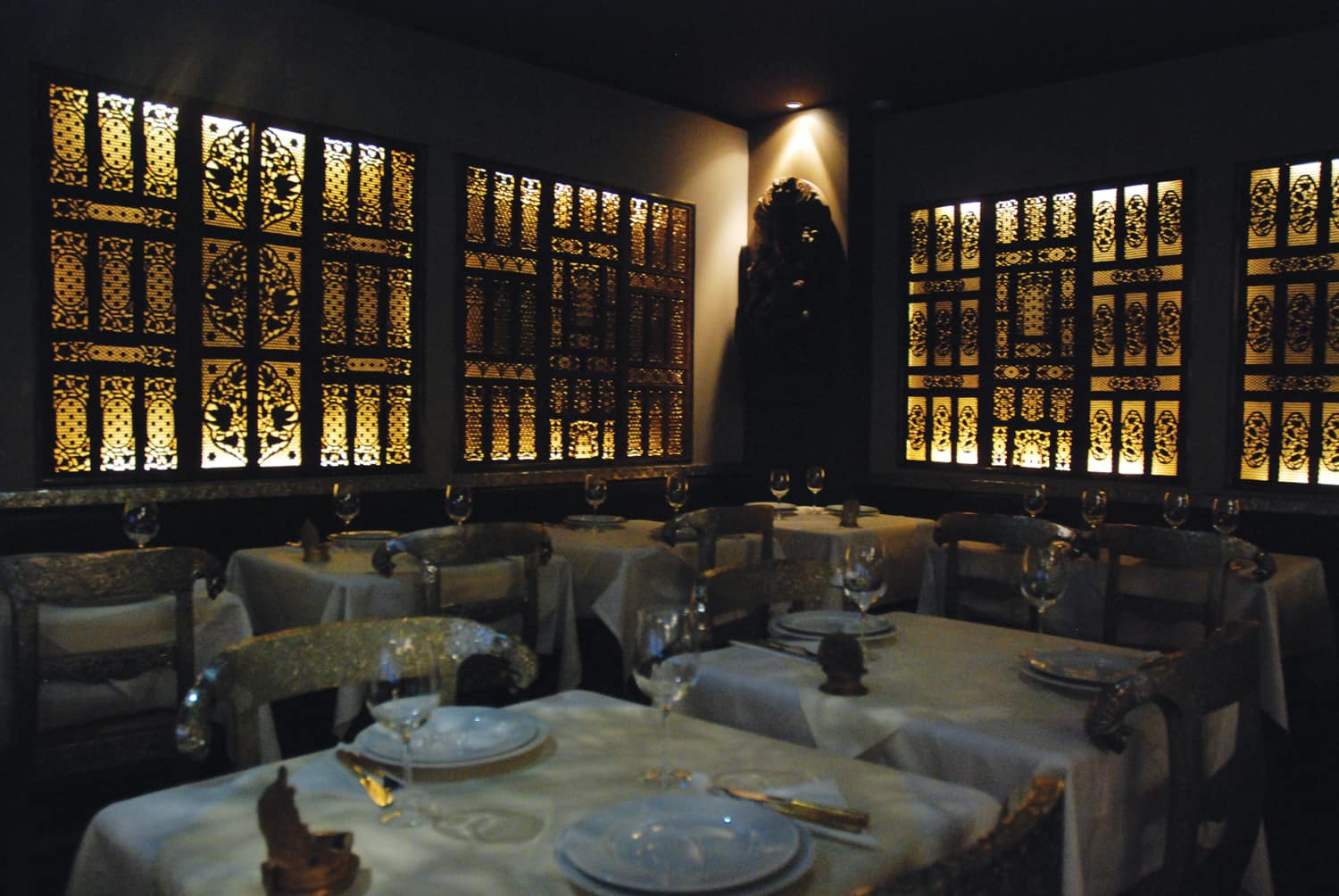
Where to Eat in Dharamshala
About Dharamshala
Dharamshala is really two towns on one hillside in the Kangra district of Himachal Pradesh. Lower Dharamshala, at about 1,450 m, holds the markets, offices and the HPCA cricket stadium. Upper Dharamshala, better known as McLeod Ganj, sits at about 2,000 m and has been home to the Dalai Lama and the Tibetan government-in-exile since the 1960s. That is why people call it "Little Lhasa", and why prayer flags, monks in maroon robes and Tibetan cafés are such a big part of a visit.
Most travellers stay in or around McLeod Ganj, where the sights are close enough to walk between. Start at the Tsuglagkhang complex and Namgyal Monastery, walk out to Bhagsunag Waterfall, and stop at St. John in the Wilderness on the forest road below town. If you are fit, give a day to the Triund trek for a close view of the Dhauladhar range. In between, eat the Tibetan food the town is known for: momos, thenthuk, tingmo and fried Tibetan bread with honey.
Questions
Dharamshala — FAQ
What is Dharamshala famous for?
Dharamshala is famous as the home of the Dalai Lama and the Tibetan community in exile. Visitors come for the Tsuglagkhang temple complex, Tibetan food and culture in McLeod Ganj, the Triund trek and views of the snow-capped Dhauladhar range.
What is the difference between Dharamshala and McLeod Ganj?
McLeod Ganj is the upper part of Dharamshala, at about 2,000 m. It has the Dalai Lama's temple, the monasteries and most of the cafés and guesthouses. Lower Dharamshala is the busier town below, with markets, government offices and the cricket stadium.
How many days are enough for Dharamshala?
2–3 days covers McLeod Ganj, the Tsuglagkhang complex, Bhagsunag Waterfall and St. John in the Wilderness. Add a day for the Triund trek, and another if you want to see Norbulingka or the Gyuto Monastery lower down the valley.
How do I reach Dharamshala?
The nearest airport is Kangra (Gaggal), about 13 km from Dharamshala. The nearest major railway station is Pathankot, about 85–90 km away. Many travellers take an overnight bus from Delhi straight to McLeod Ganj.
When should I avoid visiting Dharamshala?
July and August are the wettest months. Dharamshala gets some of the heaviest rainfall in north India, so trails are slippery and views are often hidden by cloud. See the best time to visit Dharamshala for a month-by-month guide.