
Photo spot in Jaipur
Gaitore ki Chhatriyan
Jaipur, Rajasthan
The royal cremation ground of the Kachwaha rulers, set in a narrow valley in Brahmpuri at the base of Nahargarh Fort near the Garh Ganesh temple. Maharaja Sawai Jai Singh II chose the site himself in the early 18th century, and from 1733 almost every successive ruler was cremated here with a chhatri — an open stone cenotaph on carved pillars — built over the spot. His own, in white marble with a dome carried on 20 carved pillars, is the finest in the complex. The name is usually explained as a corruption of 'gaye ka thor', the resting place of the departed.
Best time
Opening time for empty courtyards; late afternoon for warm light, then go straight up to Nahargarh for sunset.
Best angle
Shoot Jai Singh II's white marble chhatri straight-on from the courtyard axis, with the 20 pillars reading as a repeating rhythm. Then climb a little for the panorama — from the valley rim you get the cenotaphs, Man Sagar lake and Jal Mahal in one frame, which is a view most visitors miss entirely.
Entry fee
₹30 (Indian) / higher for foreign visitors
Opening hours
9:30 AM – 5:00 PM
Crowd level
Low
Best outfit colors
Overview
Best time to visit Gaitore ki Chhatriyan
Best times to shoot
9:30 – 11:00 AM
Right at opening the valley is empty and the light is still low enough to pick out the pillar carving. This is the only reliable window for an unobstructed shot of Jai Singh II's marble chhatri.
4:00 – 5:00 PM
Warm late light down the valley and long shadows between the cenotaphs. Fewer visitors than midday, and it pairs with Nahargarh sunset immediately afterwards since the fort road is right above you.
Poses & angles
Photo tips for Gaitore ki Chhatriyan
Shoot Jai Singh II's white marble chhatri straight-on from the courtyard axis, with the 20 pillars reading as a repeating rhythm. Then climb a little for the panorama — from the valley rim you get the cenotaphs, Man Sagar lake and Jal Mahal in one frame, which is a view most visitors miss entirely. Work a few of the pose ideas below, shoot wide for context and tight for detail, and give yourself a couple of extra minutes to get the frame right.
Walking between the rows of cenotaphs, shot from a distance
Framed in the arches of a chhatri
On the valley rim with Jal Mahal and Man Sagar below
Outfit guide
What to wear at Gaitore ki Chhatriyan
For photos at Gaitore ki Chhatriyan, white, indigo, rust and olive work beautifully — they stand out against the setting without fighting it. Pick one hero colour and keep the rest of the look calm so you stay the subject of the frame.
Best outfit colors for photos
Trending wear for this spot
Popular modern looks travellers are wearing across Jaipur.


Traditional wear for this spot
Timeless, cultural outfits worn across Jaipur.
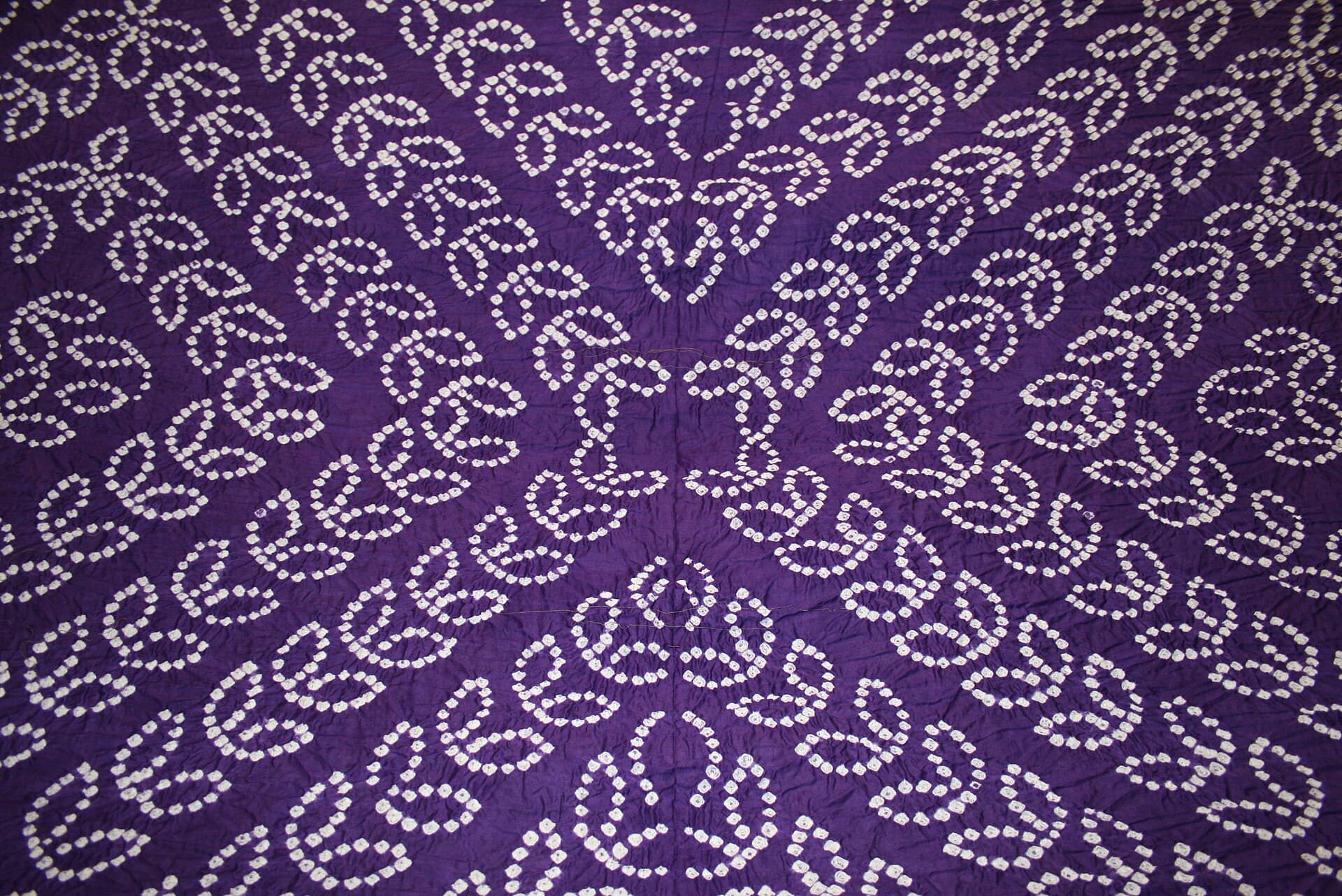 Traditional
Bandhani saree
₹1,200–6,000
Bandhgala Jacket
₹1,500–8,000
Jaipuri Mojari and Jutti
₹300–2,500
Kundan Meena Jewellery
₹500–25,000 and far above
Lac Bangles
₹100–800 a set
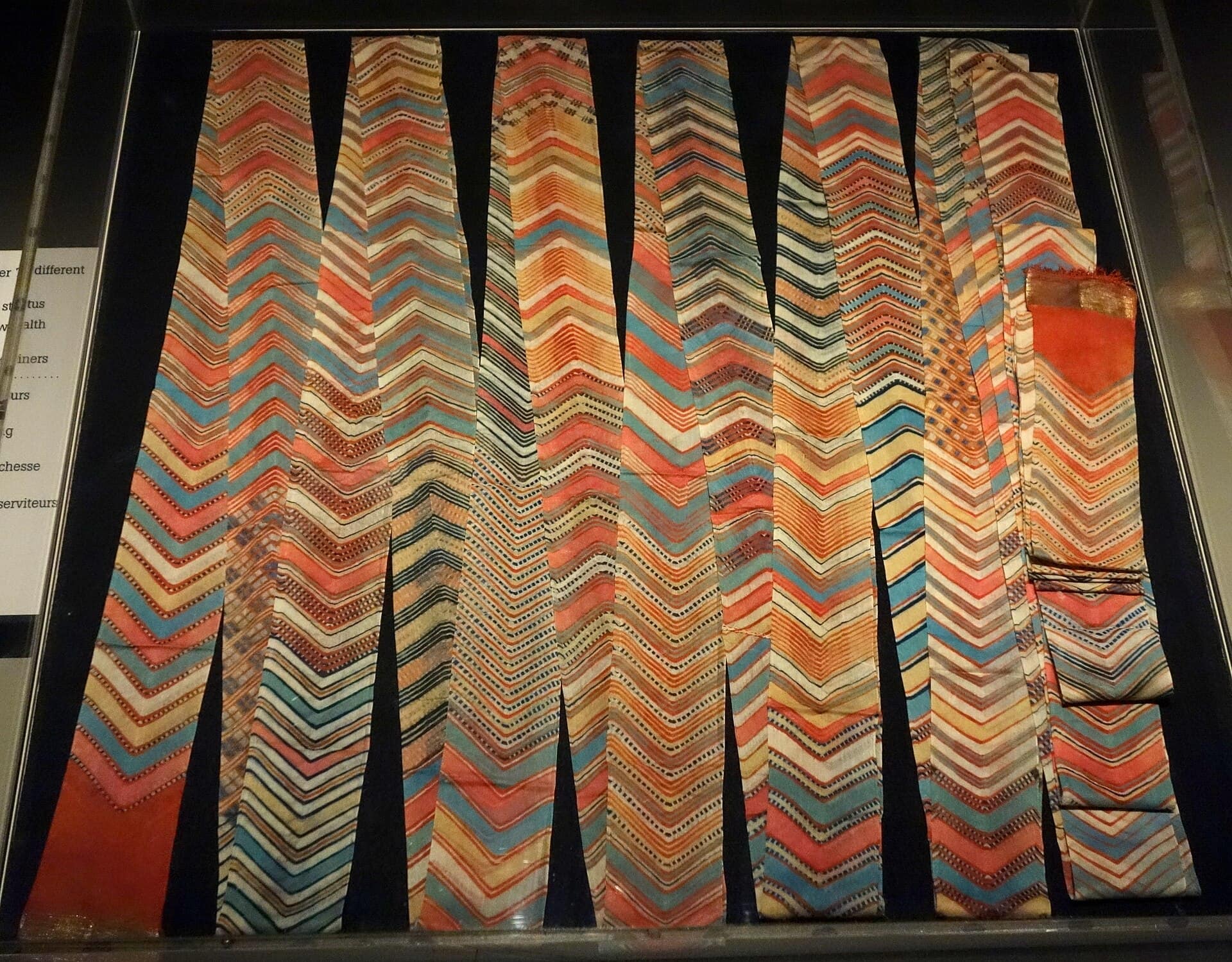 Traditional
Leheriya dupatta with kurti
₹600–2,500
Eat nearby
Food near Gaitore ki Chhatriyan
Hungry after the shoot? Search the Jaipur food guide by craving to find something good nearby.
Good to know
Local tips
This is an active cremation ground for the royal family, not a pleasure garden. Keep your voice down, do not climb on the cenotaphs, and do not treat the chhatris as furniture for photographs. Locals notice.
It is genuinely quiet and genuinely under-visited — if your Jaipur trip feels like a queue at every monument, this is the antidote.
The lane off the Amber road is narrow and there is only basic parking. Tell your driver 'Gaitore, Brahmpuri' rather than just 'Gaitore'; the name is spelled Gaitore, Gaitor and Gatore interchangeably on signs and maps.
Garh Ganesh temple is close by and the Nahargarh road climbs from here, so Gaitore and a Nahargarh sunset combine naturally.
There is no water and no toilet at the site. Use the facilities before you come.
Gaitore ki Chhatriyan
As a monument in Jaipur, Gaitore ki Chhatriyan gives you one strong photographic idea - the sections below are how to get it onto the sensor. Budget for entry (₹30 (Indian) / higher for foreign visitors); the posted hours are 9:30 AM – 5:00 PM.
📸 The shot
Work the geometry - repetition, scale and symmetry carry monument frames far more than any single detail does.
The frame to set up first is the one this guide's angle row describes - shoot Jai Singh II's white marble chhatri straight-on from the courtyard axis, with the 20 pillars reading as a repeating rhythm - and everything else is a variation on it.
🕒 When the light is right
Time the visit for the window that suits the shot - opening time for empty courtyards; late afternoon for warm light, then go straight up to Nahargarh for sunset - and let everything else flex.
There is a second window worth knowing: 9:30 – 11:00 am.
It is a quiet spot by the standards of the category - the frame waits for you rather than the other way round.
🧵 Colour and clothing
The colours that work here do so for a reason - white keeps a frame clean even when the background is busy; and indigo holds its own against warm sandstone and evening light. The pose rows on this page are built for the spot - start with the one about walking between the rows of cenotaphs, shot from a distance and adapt from there.
💡 Before you go
Generally 9:30 AM to 5:00 PM daily. Unlike the Amber-side monuments it opens later, so you cannot make it the first stop of the day — the sensible sequence is Amber Fort at 8:00 AM, Panna Meen ka Kund, then Gaitore on the way back into the city, because it sits at the foot of the Nahargarh hill you will already be passing. Allow 45–60 minutes.
There is no water and no toilet at the site. Use the facilities before you come.
Questions
Gaitore ki Chhatriyan — FAQ
What is the best time to visit Gaitore ki Chhatriyan?
Gaitore ki Chhatriyan is worth two different windows. 9:30 – 11:00 AM — right at opening the valley is empty and the light is still low enough to pick out the pillar carving. This is the only reliable window for an unobstructed shot of Jai Singh II's marble chhatri. 4:00 – 5:00 PM — warm late light down the valley and long shadows between the cenotaphs. Fewer visitors than midday, and it pairs with Nahargarh sunset immediately afterwards since the fort road is right above you. Shoot Jai Singh II's white marble chhatri straight-on from the courtyard axis, with the 20 pillars reading as a repeating rhythm. Then climb a little for the panorama — from the valley rim you get the cenotaphs, Man Sagar lake and Jal Mahal in one frame, which is a view most visitors miss entirely.
Is there an entry fee at Gaitore ki Chhatriyan?
Entry to Gaitore ki Chhatriyan costs ₹30 (Indian) / higher for foreign visitors. Prices change, so treat that as a guide and confirm at the counter.
What are the opening hours of Gaitore ki Chhatriyan?
Gaitore ki Chhatriyan is open 9:30 AM – 5:00 PM.
What should I wear at Gaitore ki Chhatriyan?
White, indigo, rust and olive photograph especially well here. Explore the trending and traditional outfit ideas on this page for full looks.
How crowded does Gaitore ki Chhatriyan get?
Crowd levels are typically low. To miss the busiest window: opening time for empty courtyards; late afternoon for warm light, then go straight up to Nahargarh for sunset.