
Best Photo Spots in Jim Corbett
Photography in Corbett happens mostly from a jeep seat, at dawn or late afternoon, with whatever the forest shows you. The fixed subjects outside the park are the temple on its river rock, a waterfall and an old stone house.
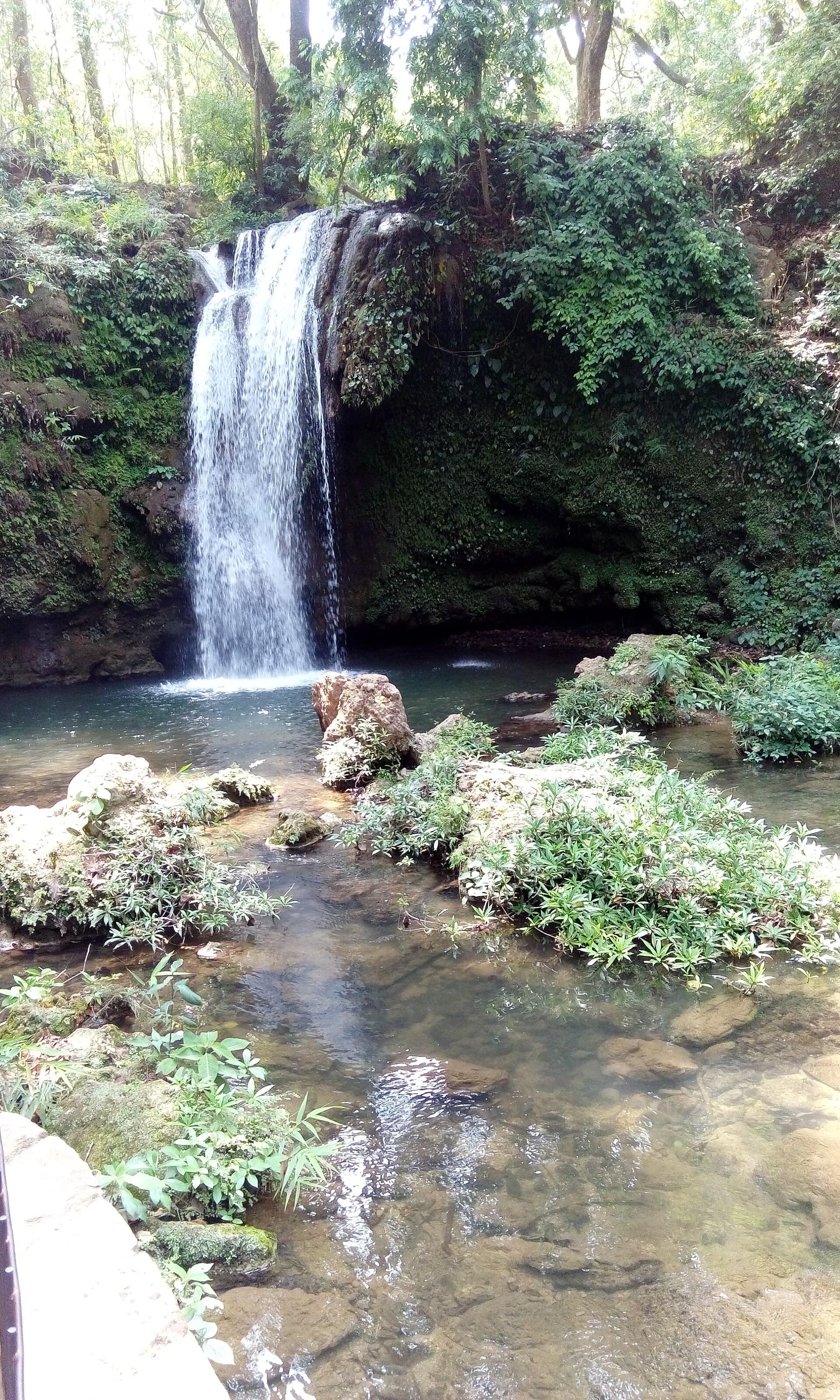 Medium crowd
Entry Nominal
Corbett Falls
- Best timeLate morning, when light filters through the teak onto the water; after the monsoon for the fullest flow.
- ColorsForest greenRustCream
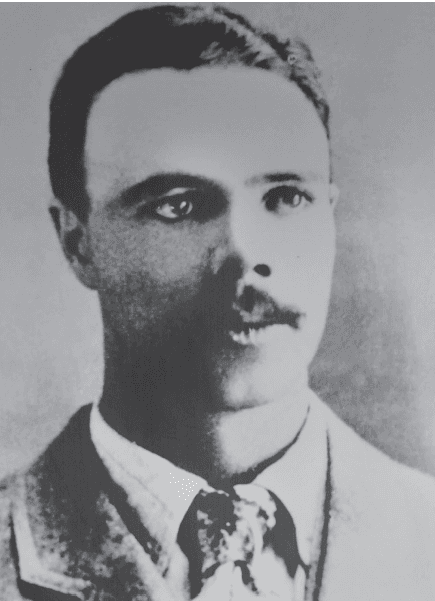 Low crowd
Entry Nominal
Corbett Museum, Kaladhungi
- Best timeMorning, when soft light falls on the veranda and the garden is empty; late afternoon for long shadows under the trees.
- ColorsCreamOliveBrown
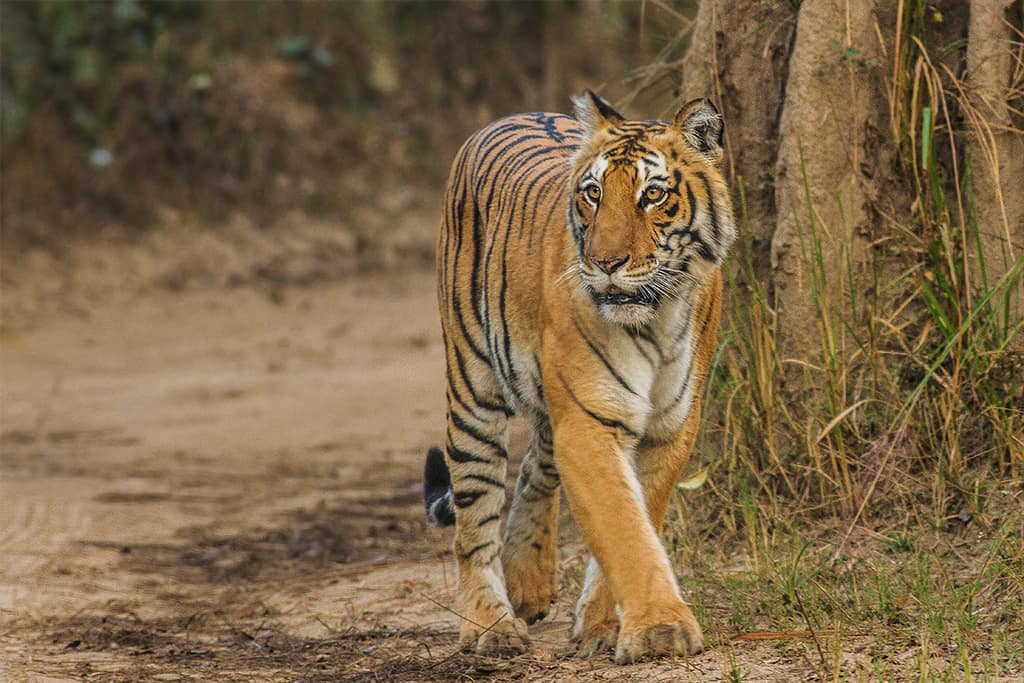 High crowd
Entry Safari permit & jeep
Corbett National Park
- Best timeEarly morning, when animals are on the move and the light is soft; late afternoon for warm light on the forest tracks.
- ColorsOliveKhakiBrown
 Medium crowd
Entry Permit & jeep/canter
Dhikala Zone
- Best timeEarly morning, when mist lies over the grassland and elephant herds are out in the open; late afternoon for golden light on the chaur.
- ColorsOliveKhakiBrown
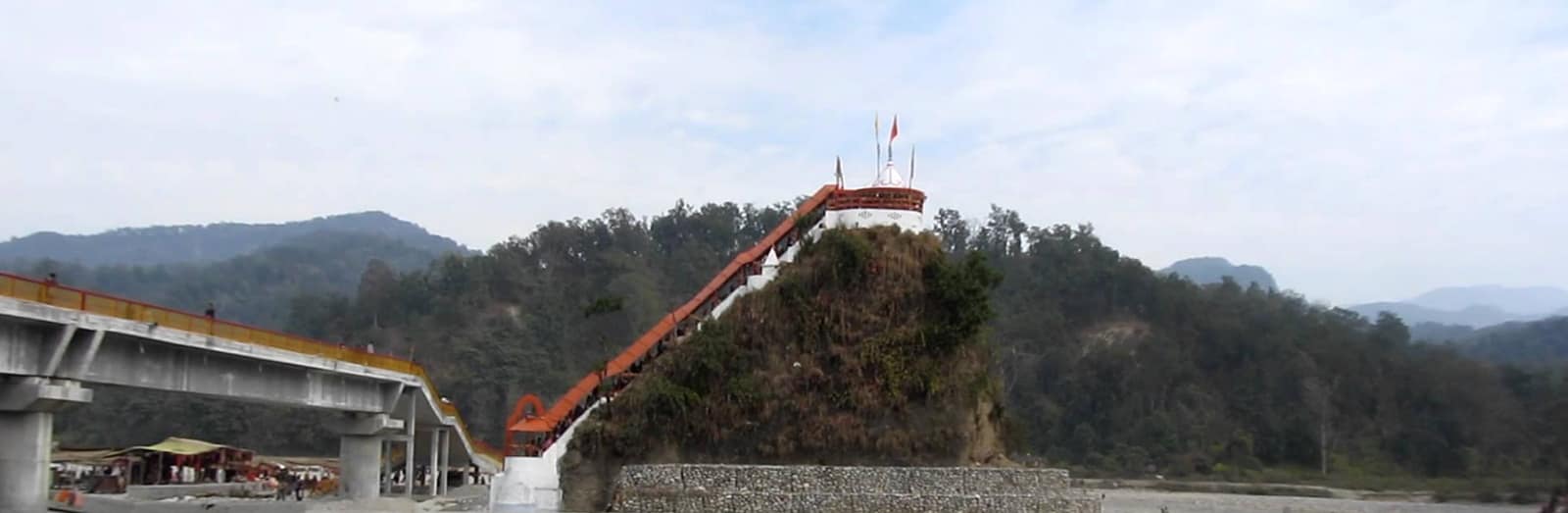 Medium crowd
Entry Free
Garjia Devi Temple
- Best timeEarly morning, when the river is calm and the temple is quiet; late afternoon for warm side light on the rock.
- ColorsSaffronRedCream
Inside the park
On safari you shoot from the vehicle and you cannot get out, so plan for that. A zoom of 100–400 mm, or the longest lens on your phone, matters more than anything else. Rest it on a bean bag or folded jacket on the jeep's frame rather than holding it up for long. In Dhikala the open grassland, called a chaur, gives wide frames of elephant herds and deer with the Kanda ridge behind. Elsewhere in Corbett National Park the sal forest is dense, and a tiger crossing a track can be gone in seconds, so keep your camera switched on and settings ready.
Light and timing
The first hour of the morning safari is the best light and the best chance of animals on the move. Winter mornings bring mist over the Ramganga, which softens everything. The afternoon safari ends in warm, low light. Midday in April to June is harsh and hazy, and most animals rest in shade.
Outside the park
The Garjia Devi Temple is the one picture everyone takes: a small shrine on a tall rock in the Kosi, with a bridge and steps leading to it. Corbett Falls near Kaladhungi is a 20-metre drop in teak forest, soft and even in the shade. The Corbett Museum is a plain stone bungalow in a garden, best in morning light.
Rules worth knowing
Drones are not allowed in the tiger reserve. Flash on animals is poor practice and upsets them. Tripods do not fit a jeep; a monopod or bean bag works better. Ask before photographing forest staff, villagers or worshippers at Garjia.
Questions
Jim Corbett — FAQ
What lens do I need for a Corbett safari?
Something that reaches at least 300 mm on a full-frame camera. Tigers and birds are often far off or in thick cover. A phone works for landscapes and elephant herds in Dhikala.
Can I fly a drone in Jim Corbett?
No. Drones are not allowed inside the tiger reserve. Outside it, you still need permission, and most resorts and the Garjia temple area do not allow them.
Which safari gives the best light for photos?
The morning safari, especially the first hour. In winter it often starts with mist over the river and grassland, which gives soft, layered frames.