
Karnataka · India
Jog Falls
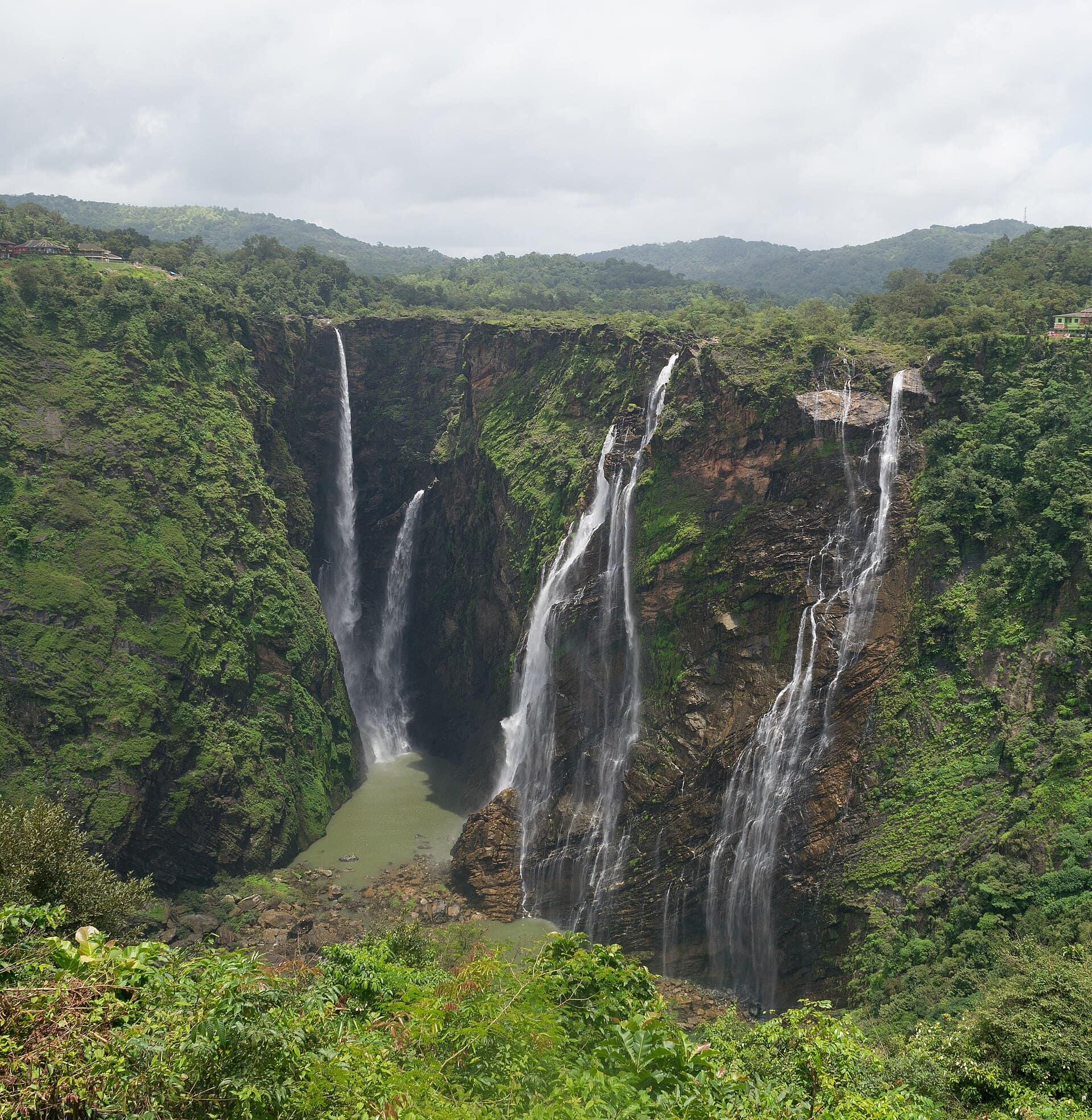
One of India's tallest plunge waterfalls, where the Sharavathi river leaps some 250 m in four cascades — Raja, Rani, Rocket and Roarer — through the lush Malnad hills of the Western Ghats.
Jog Falls is Malnad Karnataka: the thundering Sharavathi cascades, the Linganamakki dam that feeds them, the green Sharavathi valley wildlife, backwater kayaking at Honnemaradu, and coastal-Malnad food.
Plan your trip
Jog Falls Tour Itineraries
Timed, walkable day plans — plus the best season to go.
Where to shoot
Jog Falls Photo Spots
 Low crowd
Entry Activity fees
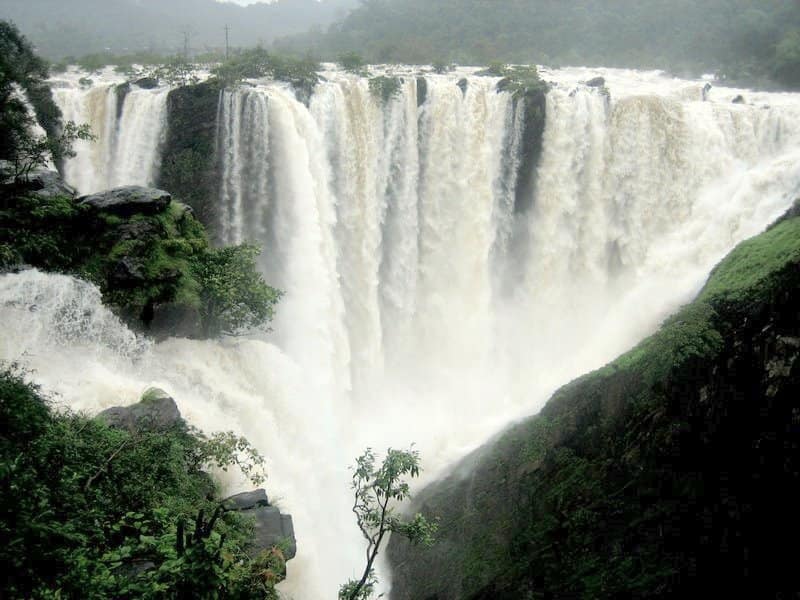
Honnemaradu
- Best timeEarly morning, when the water is still, mist hangs over the islands and the hills are reflected in the reservoir.
- ColorsTealCreamForest green
 High crowd
Entry Nominal
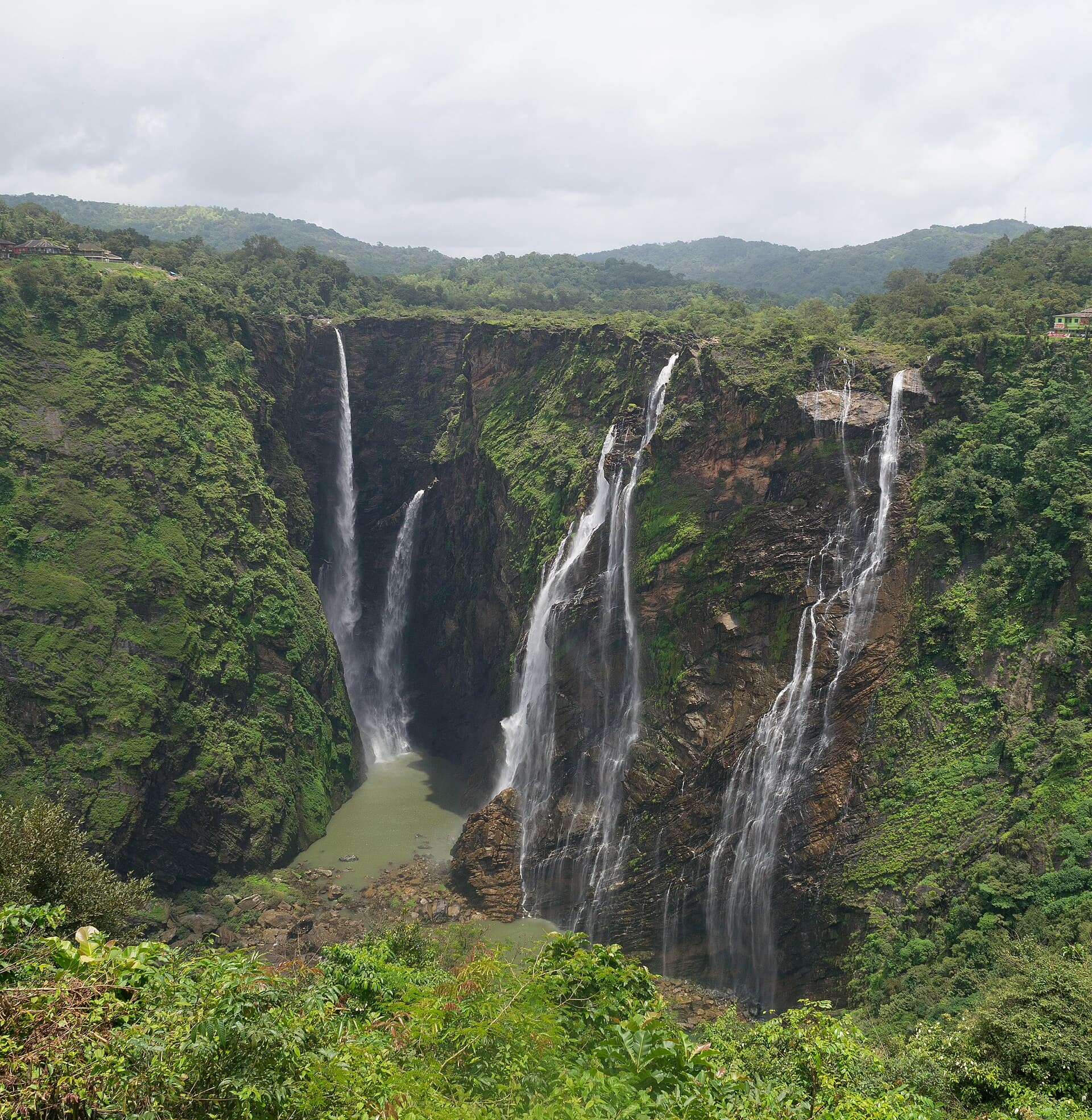
Jog Falls
- Best timeMorning between August and December, when the falls are full and the sun lights the spray, often with a rainbow.
- ColorsTealRustCream
 High crowd
Entry Nominal
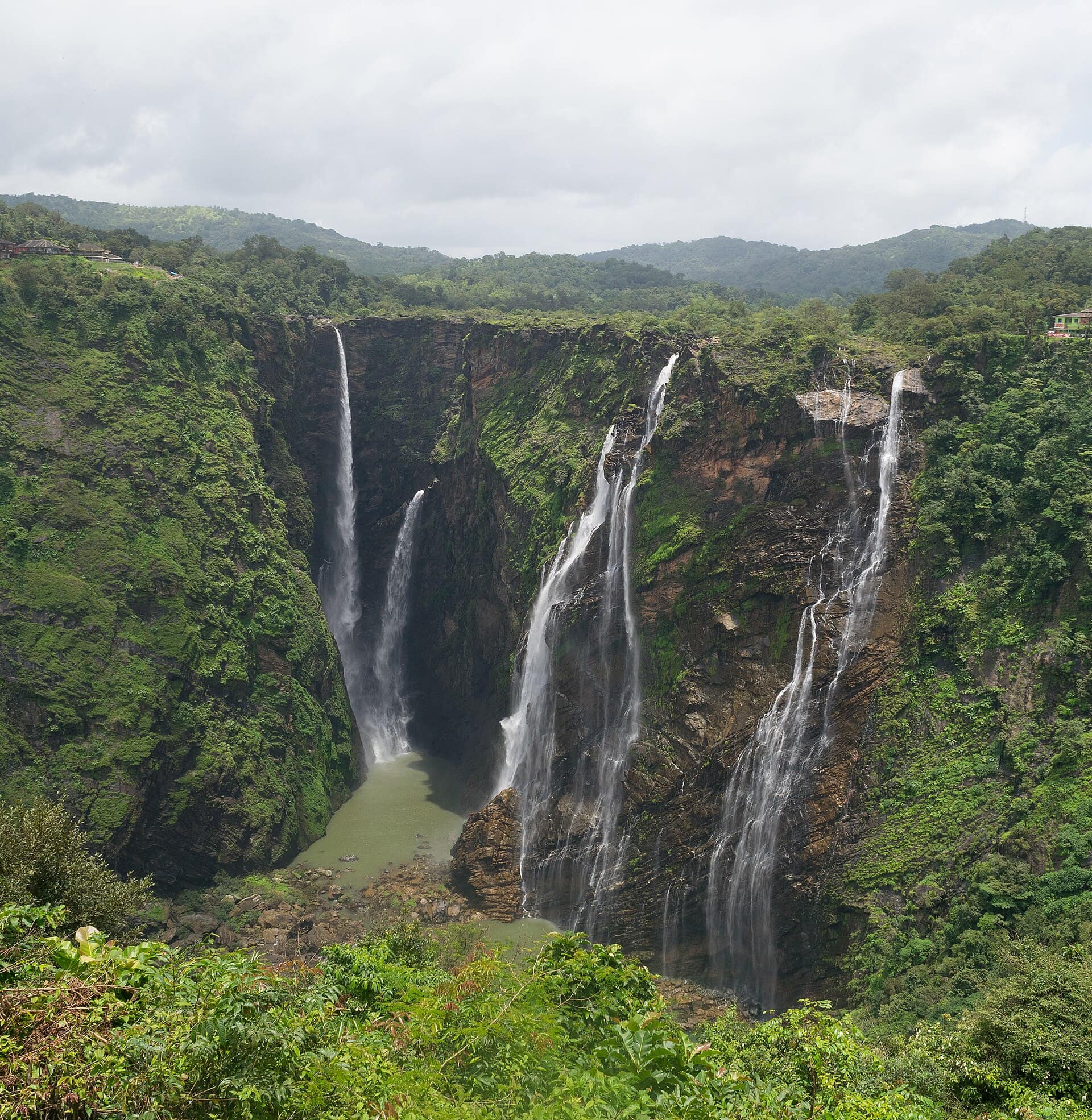
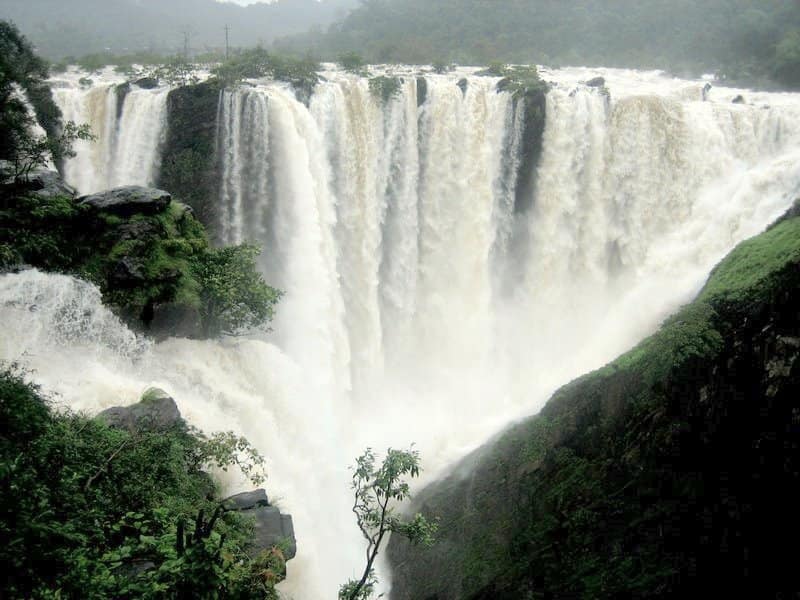
Jog Falls Viewpoint
- Best timeMorning, when the sun is behind you, the falls are lit from the front and rainbows often form in the spray.
- ColorsTealRustCream
 Low crowd
Entry Free
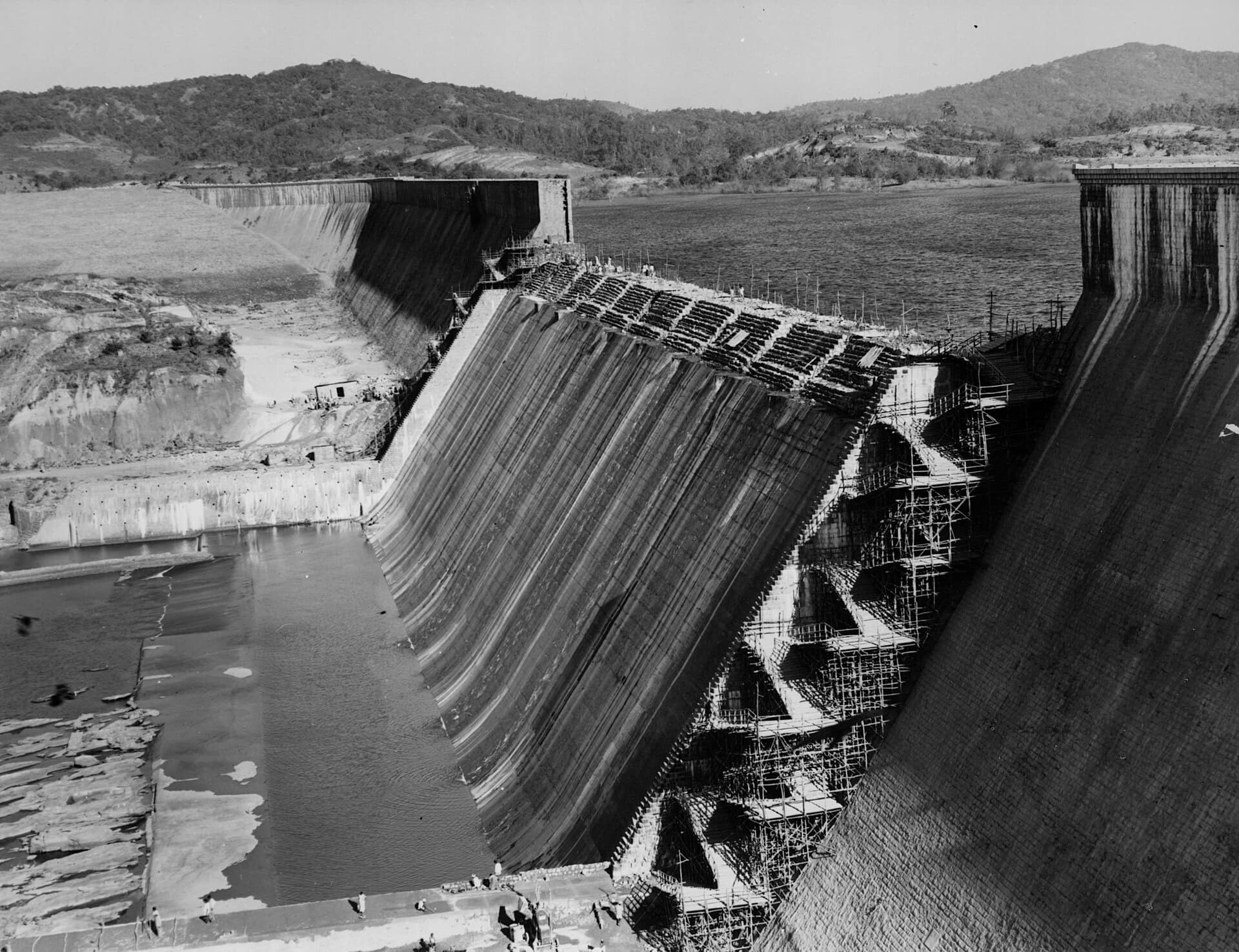
Linganamakki Dam
- Best timeLate afternoon after the monsoon, when the reservoir is full and the hills around it glow in warm light.
- ColorsTealCreamForest green
 Low crowd
Entry Free (forest permits for treks)
Sharavathi Valley
- Best timeEarly morning after the monsoon, when mist lifts off the green hills and the light is soft.
- ColorsForest greenRustCream
For the feed
Trending Wear in Jog Falls
Modern, Instagram-friendly looks

Rooted in the city
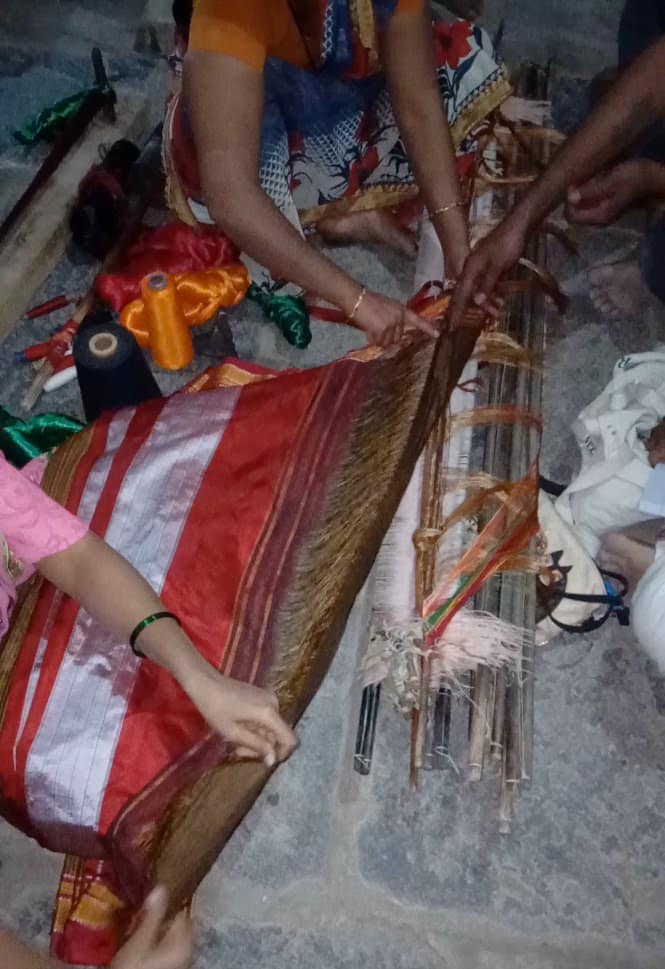
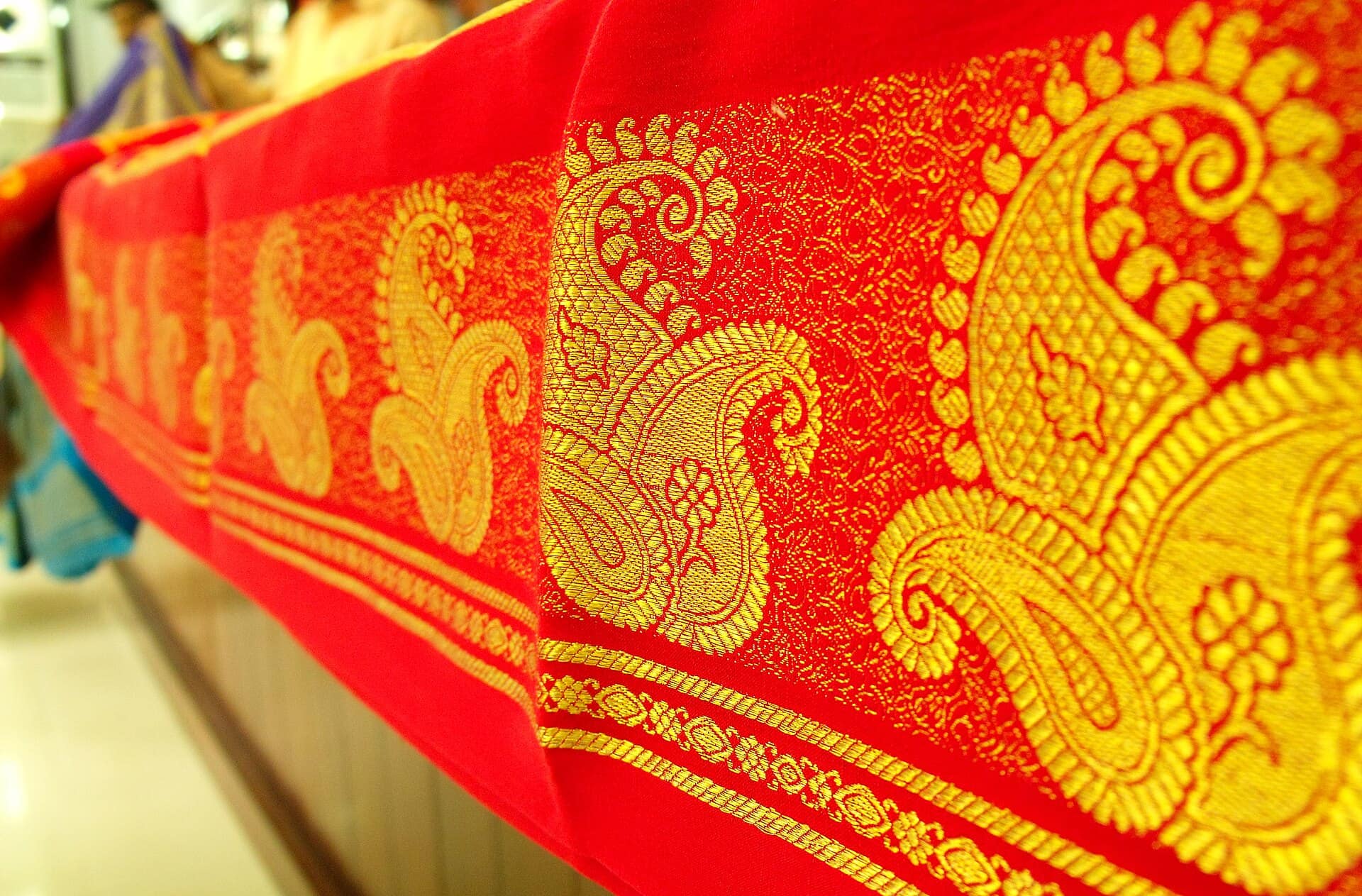
Jog Falls Traditional Wear
Local, cultural, handcrafted outfits
Taste the city
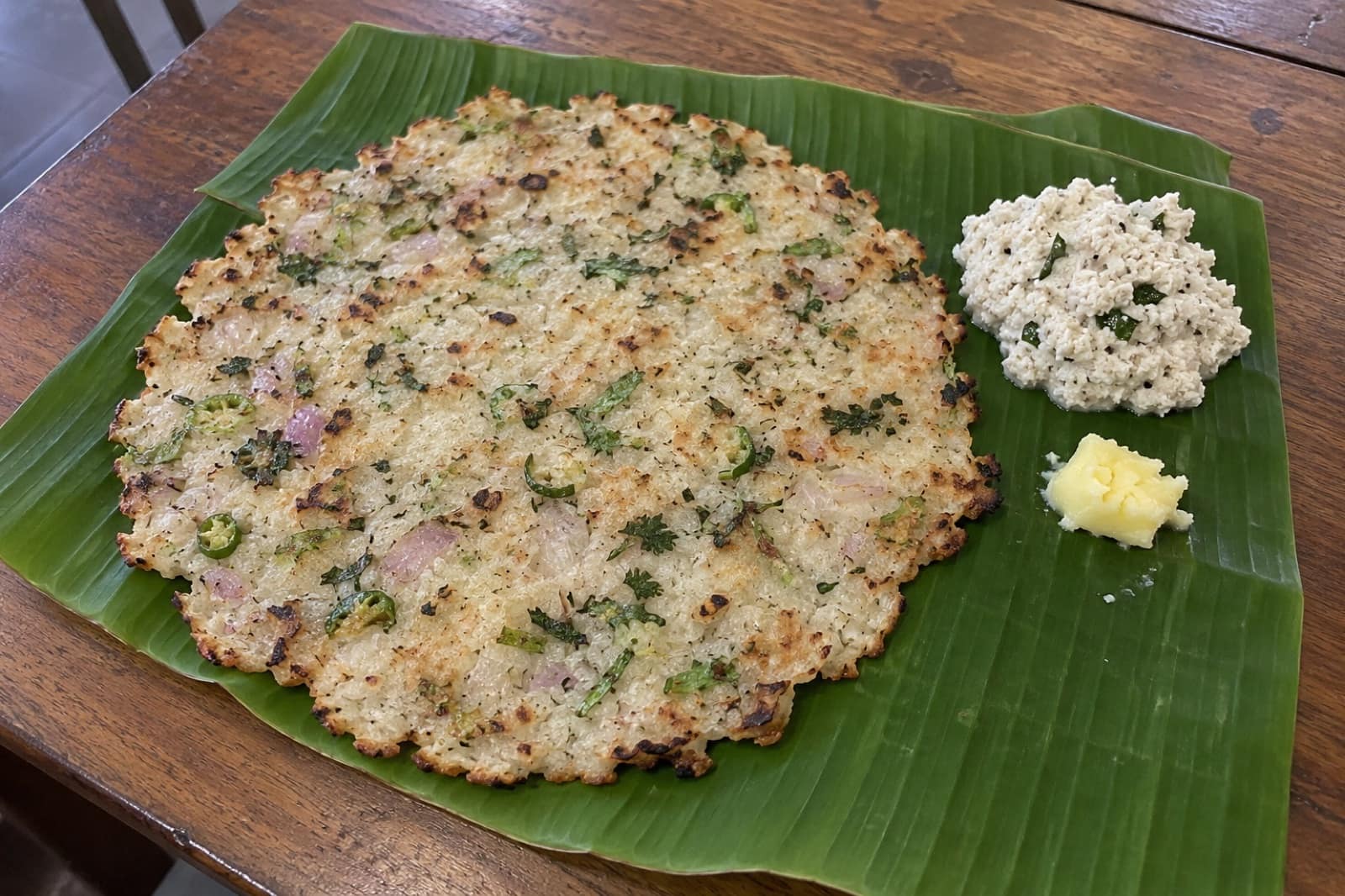
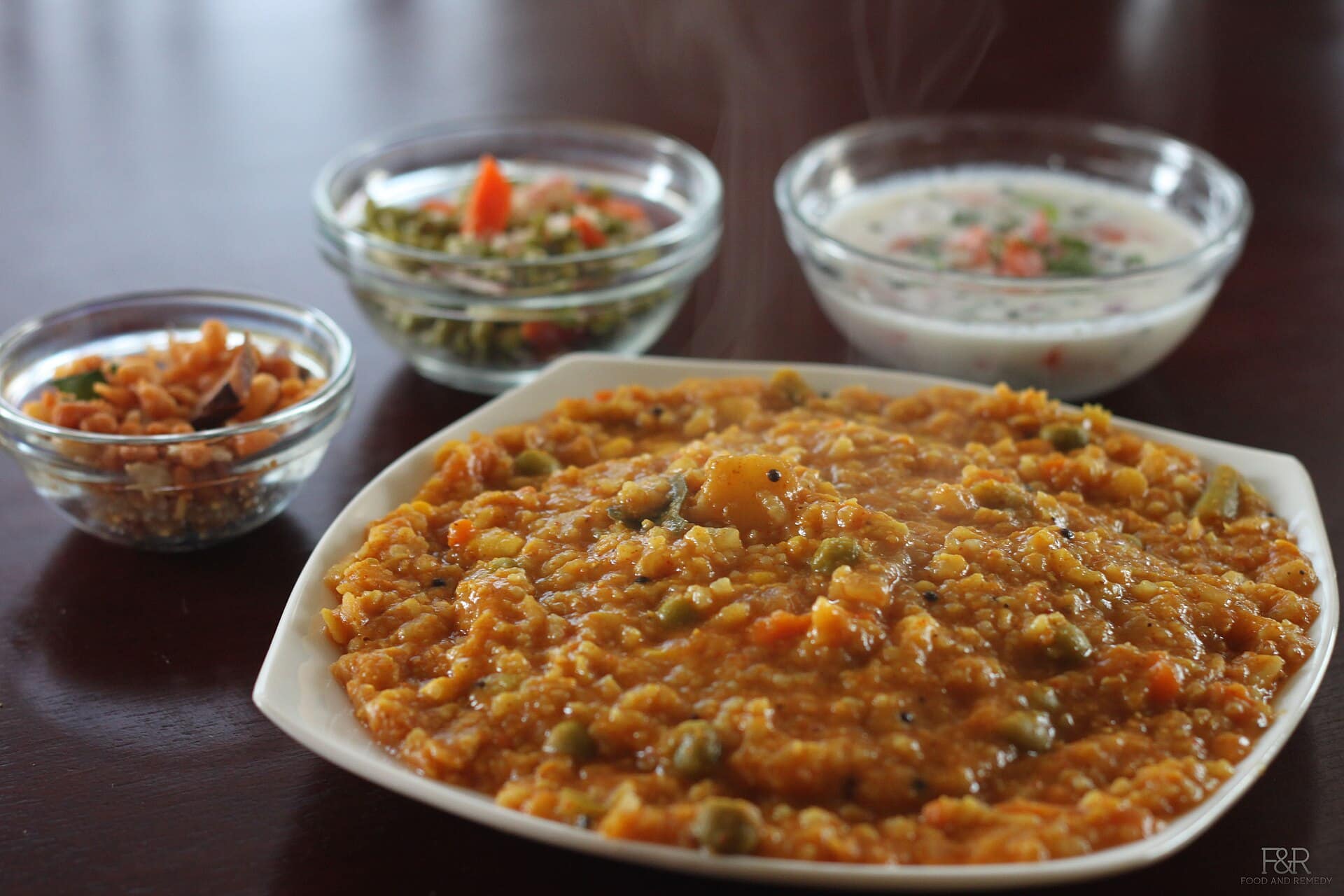
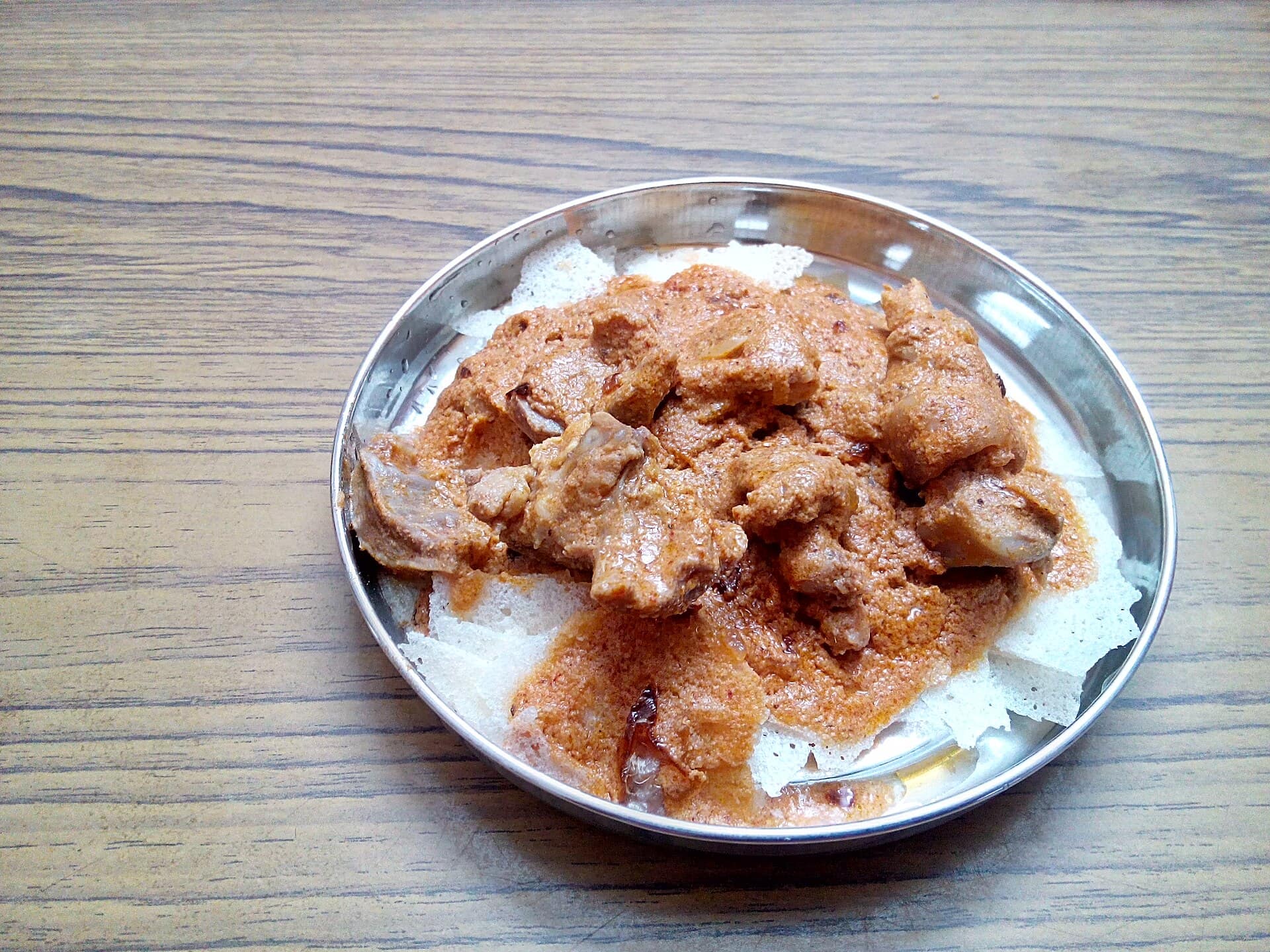
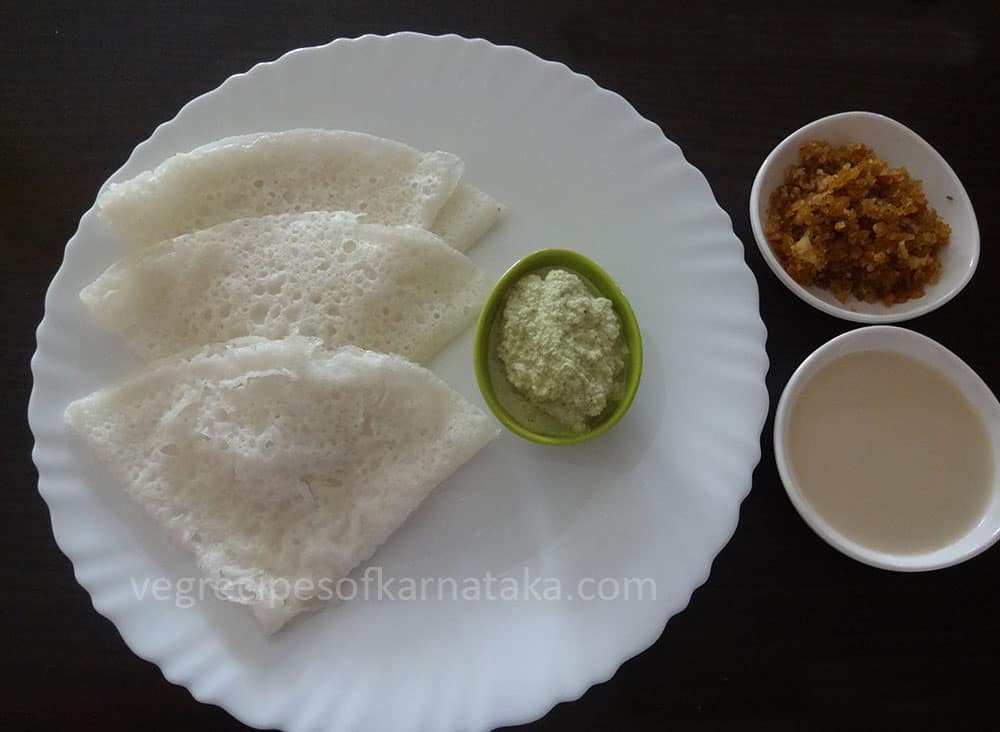
Food to Eat in Jog Falls

Trusted tables
Where to Eat in Jog Falls
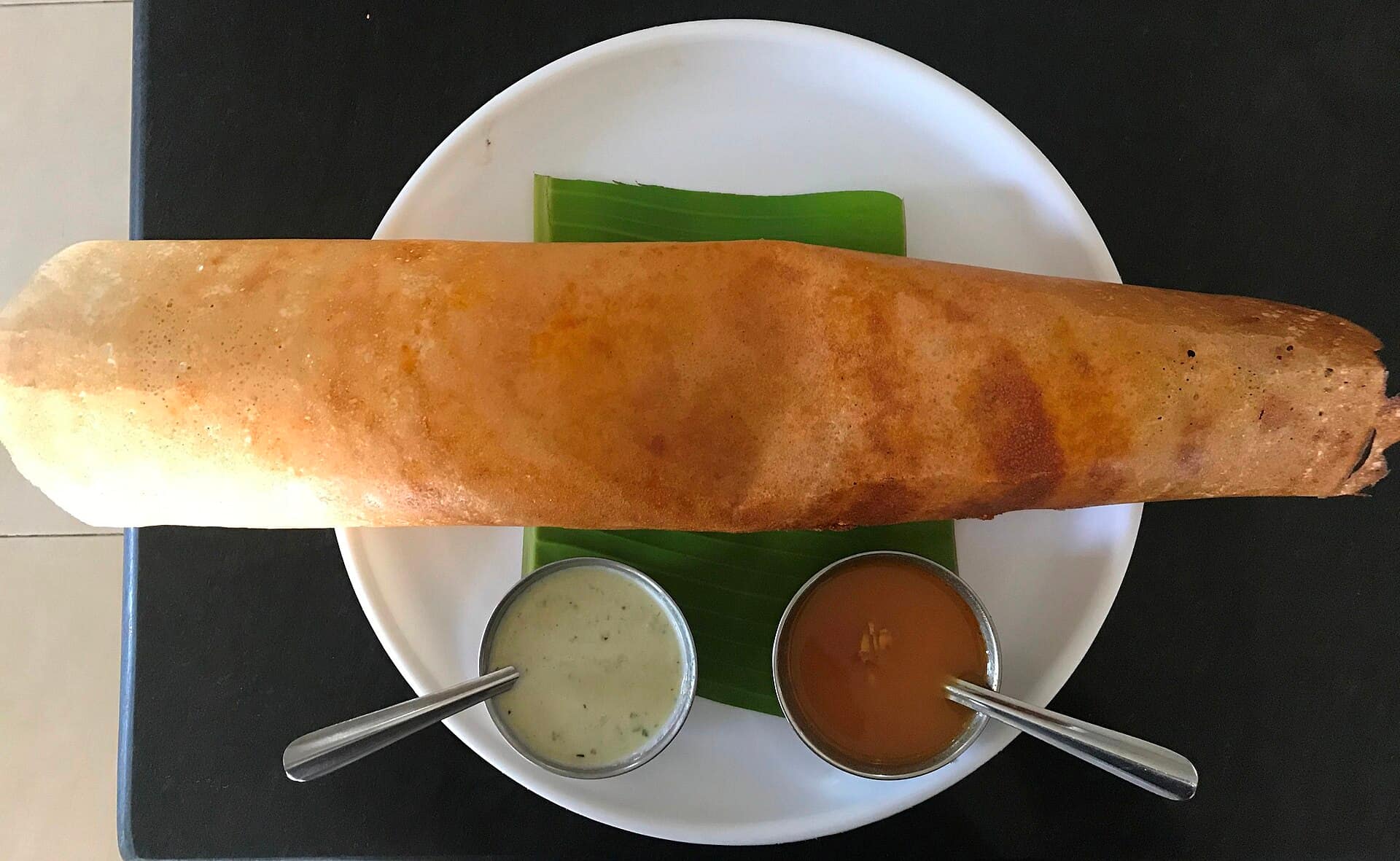 Representative photo
Falls View Restaurant
Jog Falls
 Representative photo
Honnemaradu Camp Kitchen
Honnemaradu
Representative photoHotel Mayura Gerusoppa
Jog Falls
Representative photoSharavathi Restaurant
Jog Falls
About Jog Falls
Jog Falls is on the Sharavathi river in Shivamogga district, in the Malnad hills of the Western Ghats in Karnataka. The river drops about 253 m into a deep, forested gorge in four separate streams, known as Raja, Rani, Roarer and Rocket. It is one of the highest waterfalls in India, and the view from the main viewpoint takes in all four at once.
How much water you see depends on the season and on the Linganamakki Dam upstream, which holds back the river for hydro power. The falls are at their fullest during and just after the monsoon, and can shrink to thin streams in summer. Most visitors come on a day trip or stay a night nearby, then add the Linganamakki backwaters at Honnemaradu, the forests of the Sharavathi valley and the old temples around Sagara. Food here is simple Malnad cooking: akki rotti, neer dosa, bisi bele bath and strong filter coffee.
Questions
Jog Falls — FAQ
What is Jog Falls famous for?
Jog Falls is famous for its 253 m drop, one of the highest in India, and for its four streams: Raja, Rani, Roarer and Rocket. It is also known for the green Sharavathi valley around it, the Linganamakki backwaters and the long flight of steps down to the base.
How many days are enough for Jog Falls?
1 day is enough for the falls and the viewpoints. Stay 2 days if you want to add kayaking at Honnemaradu, a drive along the Linganamakki backwaters and the temples at Ikkeri and Sagara.
What is the best time to visit Jog Falls?
August to December is usually best, when the falls are full after the rains and the mist starts to clear. In the peak monsoon the falls are at their most powerful but clouds can hide them, and in summer the flow is often thin. See the best time to visit Jog Falls for a season-by-season guide.
How do I reach Jog Falls?
The nearest railway station is Talaguppa, about 15 km away, and the nearest town is Sagara, about 30 km away. Shivamogga airport is about 100 km away. Buses run from Sagara and Shivamogga, and many visitors drive in from Bengaluru, Mangaluru, Gokarna or Honnavar on the coast.
Why is Jog Falls sometimes dry?
The water that reaches the falls is controlled by the Linganamakki Dam upstream. In summer, when little water is released, the falls can shrink to a few thin streams. They are fullest in the monsoon and the months just after, especially when the dam gates are opened.