
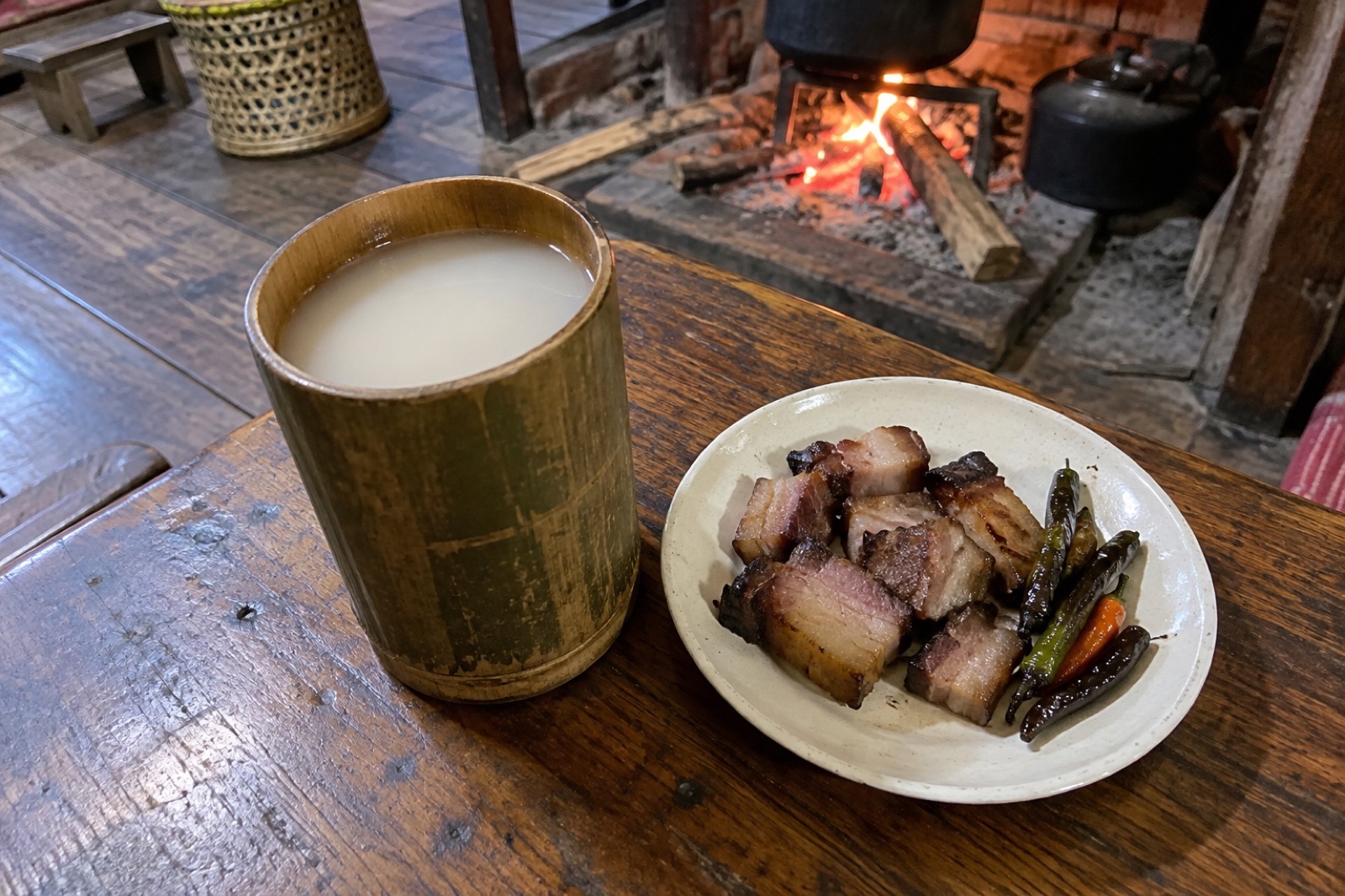
Apong & Village Fare
VegApong, the Mishing rice beer, served with smoked and herb-forward village dishes — the flavours of Majuli's tribal kitchens (enjoy responsibly).
₹50–200
Best around: Mishing village
Eat in Majuli
Search Majuli dishes by craving — apong & village fare, assamese thali, khar and more.
Food on Majuli is home cooking, served in guesthouses, homestays and a handful of small kitchens. Expect rice, river fish, fresh greens and, in the Mishing villages, smoked meat and rice beer.
Popular cravings
Diet
Best for
5 Majuli dishes found
Apong, the Mishing rice beer, served with smoked and herb-forward village dishes — the flavours of Majuli's tribal kitchens (enjoy responsibly).
₹50–200
Best around: Mishing village
 Mild
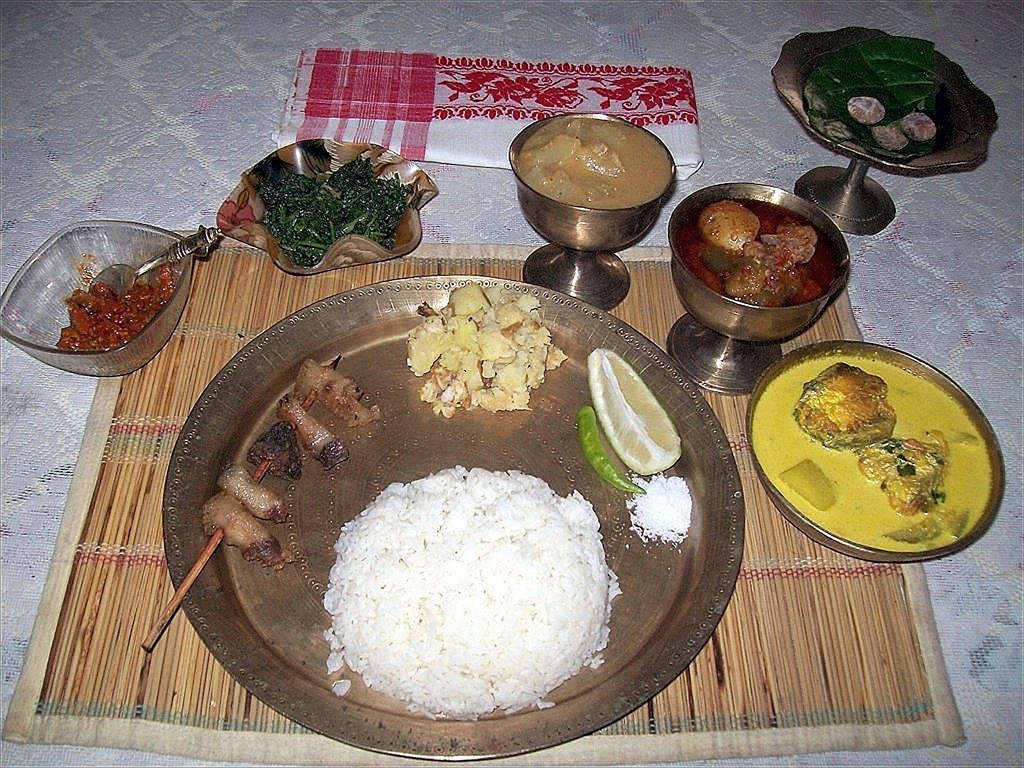
A traditional Assamese meal of rice, dal, khar, a tangy masor tenga fish curry, bhaji and pickle — light, subtly spiced and rice-forward.
₹150–400
Best around: Garamur and Mishing village
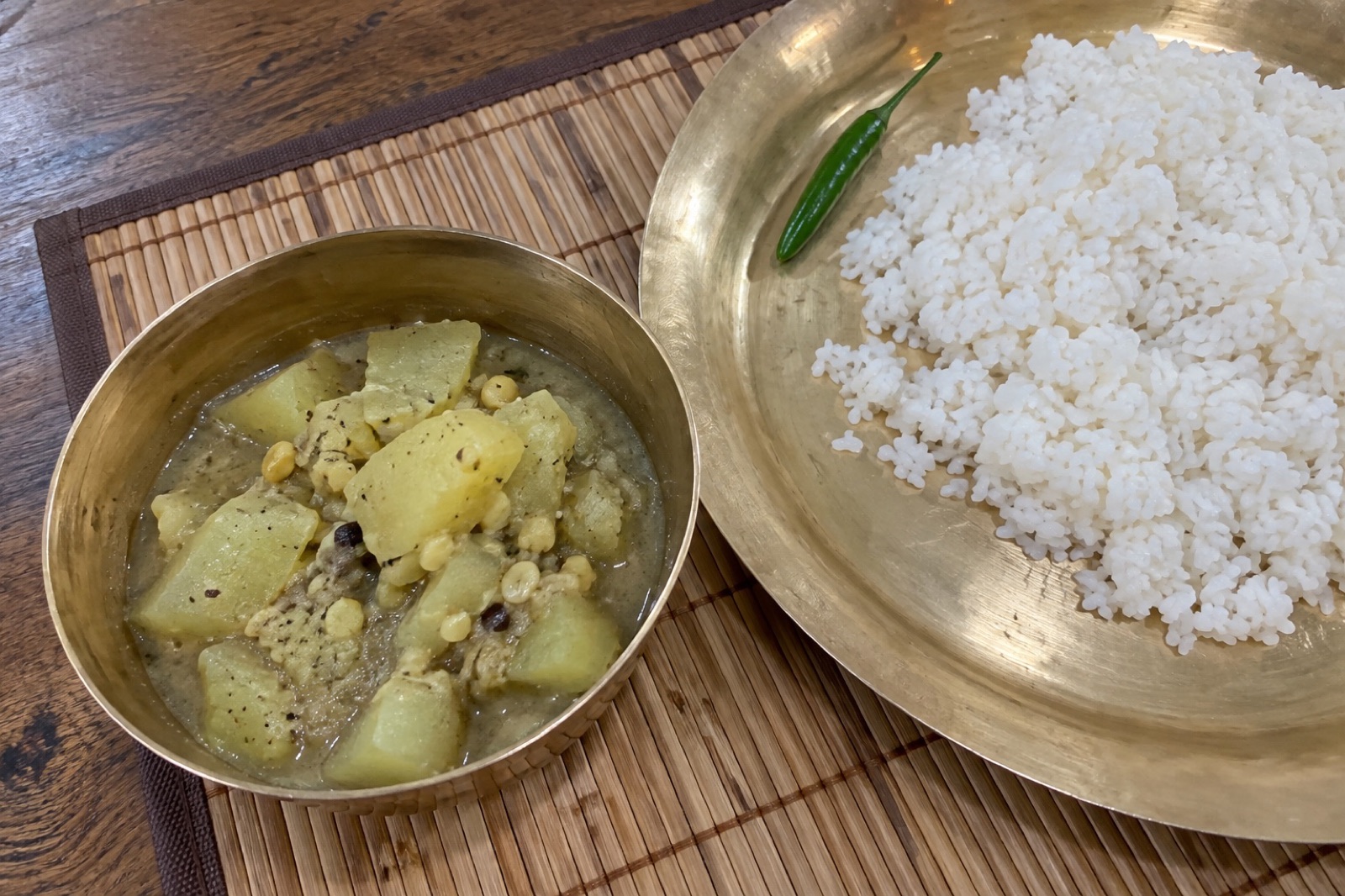
A uniquely Assamese dish cooked with khar (an alkaline extract), typically raw papaya and pulses — traditionally the first course of a meal.
₹80–200
Best around: Kamalabari
 Mild
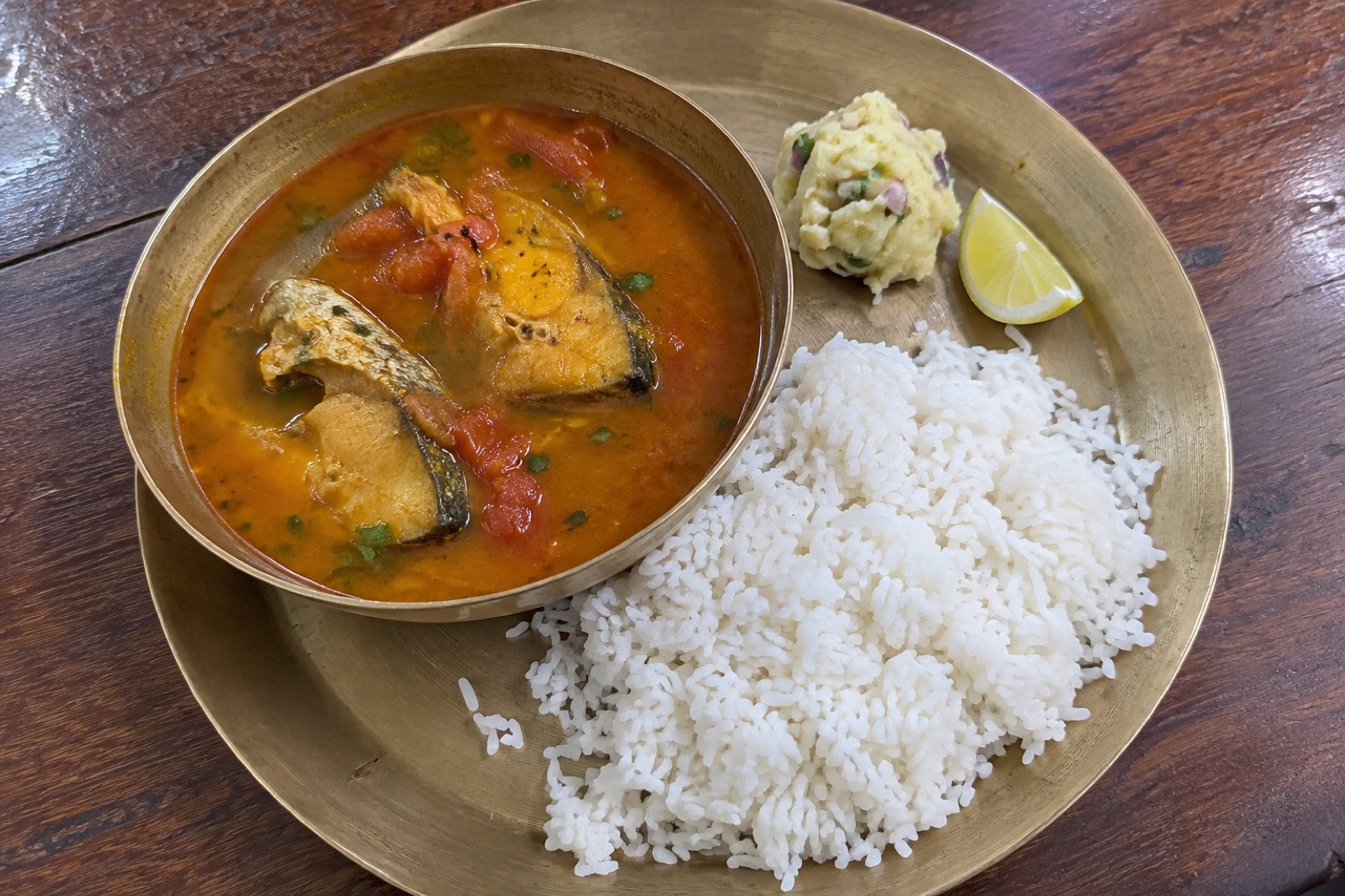
A signature light, sour Assamese fish curry soured with tomato, lemon or thekera — refreshing and eaten with plenty of rice.
₹150–350
Best around: Garamur
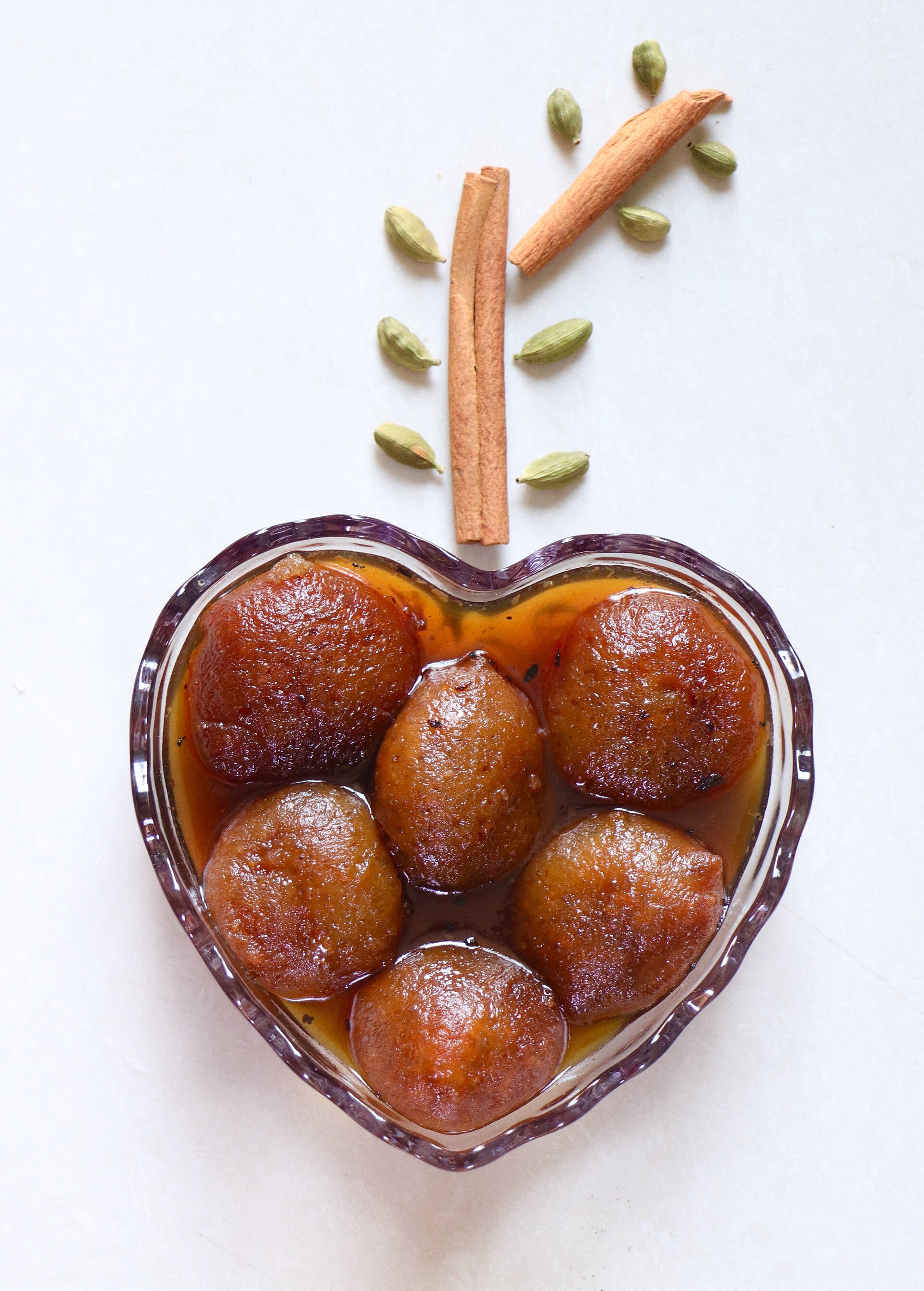
Rice-flour cakes — til pitha (rolled with sesame and jaggery), ghila pitha and more — griddled or steamed, a staple of Assamese festivals like Bihu.
₹20–80
Best around: Garamur and Kamalabari
An Assamese thali on Majuli is light and rice-based. Khar comes first, cooked with an alkaline liquid made from burnt banana peel and usually with raw papaya or lentils. Then come dal, fried or boiled greens, and a fish curry. Masor tenga, a thin sour fish curry, uses river fish from the Brahmaputra and the island's beels. Pickles, a raw chilli and a slice of lime sit on the side.
Pitha are rice-flour cakes, made especially for Bihu. Til pitha is rolled around sesame and jaggery; ghila pitha is round and fried. You will often be offered them with tea in homestays, and they are made fresh in January for Magh Bihu.
The satras follow strict vegetarian rules, and many do not use onion or garlic in their kitchens. Meat, fish and alcohol should not be brought onto satra grounds. If you are invited to eat at a satra, accept what is offered and eat with your right hand if others do.
Mishing cooking is different from the Assamese thali. Pork, fish and chicken are common, often smoked or cooked with bamboo shoot and herbs. Rice is sometimes steamed in leaves. Apong, a rice beer brewed at home, is served at meals and festivals. It is mild but strong enough to notice; drink it responsibly and only where it is offered.
Most visitors eat where they stay. La Maison de Ananda in Garamur serves thalis and traveller food. The Mishing homestay kitchens around the island are the place for village cooking and apong. Small kitchens and dhabas near Kamalabari and Garamur do thalis, fish curry and pitha. The Where to Eat page has more.
Kitchens on Majuli close early, often by 9 pm. Tell your homestay by the afternoon if you want dinner, and mention any dietary needs.
Questions
The satras are strictly vegetarian, but the rest of the island eats fish, chicken, duck and pork. Vegetarian thalis are easy to find in guesthouses.
Apong is the traditional rice beer of the Mishing people, brewed at home and served at meals and festivals. It is usually offered in homestays; never take it onto satra grounds.
Sometimes, if you are staying in a satra guest room or are invited. Meals are simple and vegetarian. Offer a donation and follow the monks' lead.