
Rajasthan · India
Mandawa
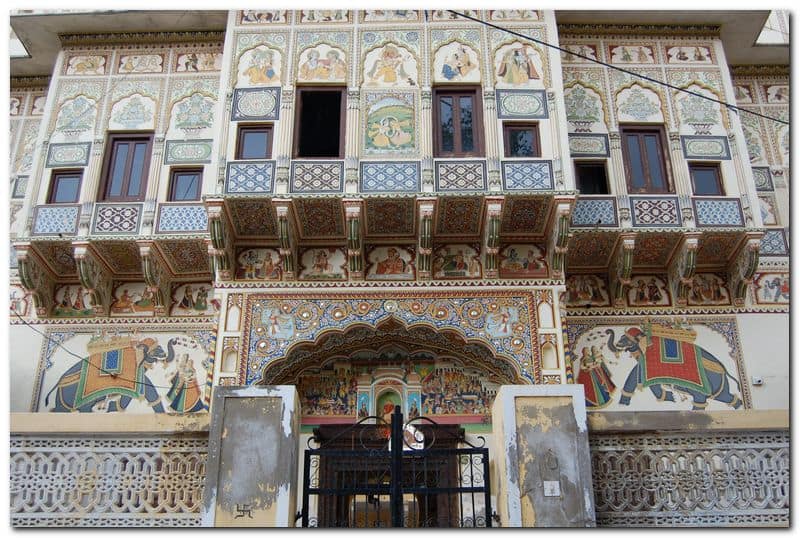
An open-air art gallery in the Shekhawati region — a desert-edge town of grand painted havelis, their walls covered in vivid frescoes, crowned by a medieval fort.
Mandawa is Shekhawati fresco country: the merchant havelis with their painted courtyards and facades, the Mandawa fort-castle, camel-cart lanes, and Rajasthani food.
Plan your trip
Mandawa Tour Itineraries
Timed, walkable day plans — plus the best season to go.
Where to shoot
Mandawa Photo Spots
 Medium crowd
Entry Nominal
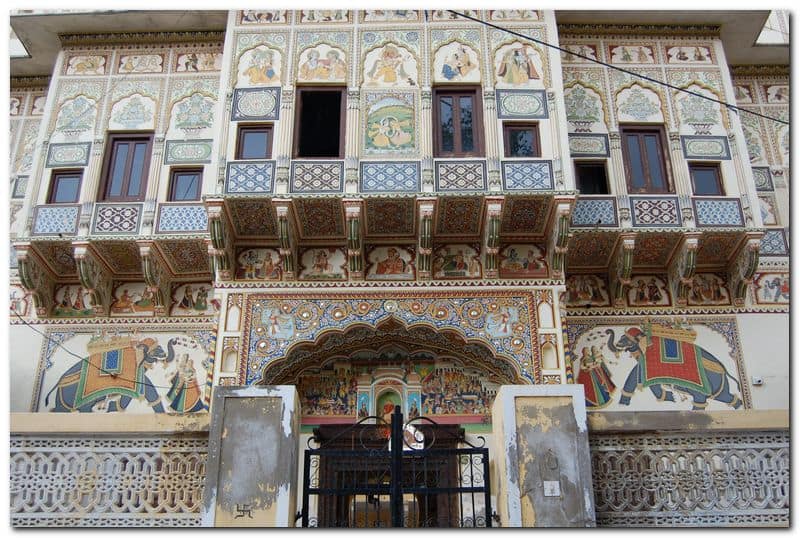
Goenka Double Haveli
- Best timeEarly morning, when the lane is quiet and soft light falls evenly on the painted front; late afternoon for warmer colour.
- ColorsOchreRustCream
Entry Free
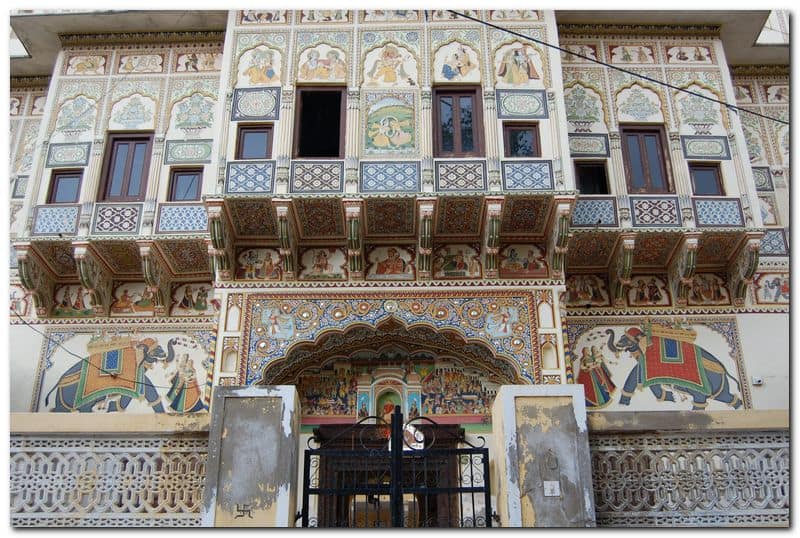
Mandawa Bazaar
- Best timeMorning, while shops are opening and the street is calm; late afternoon for warm light on the painted shopfronts.
- ColorsRustMustardIndigo
 Medium crowd
Entry Varies
Mandawa Fort (Castle Mandawa)
- Best timeLate afternoon, when warm light falls on the painted gateway and the turrets; early morning for a quiet lane outside the gate.
- ColorsRustCreamMaroon
 Medium crowd
Entry Nominal
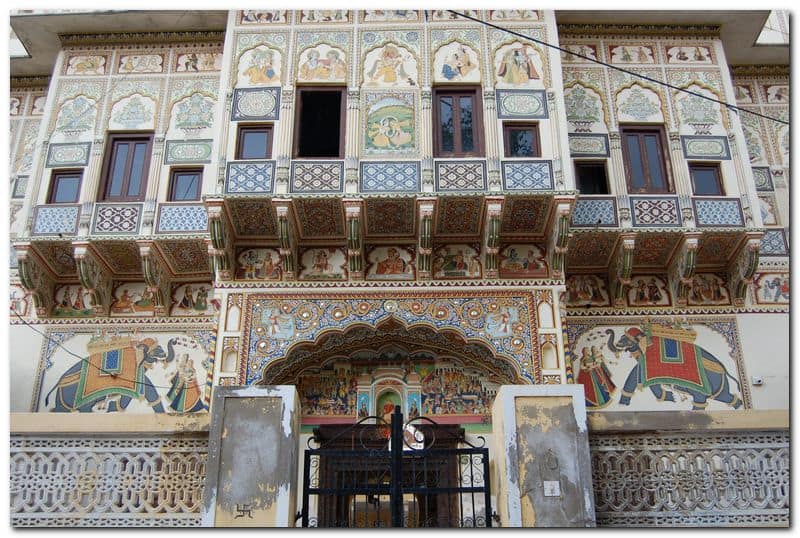
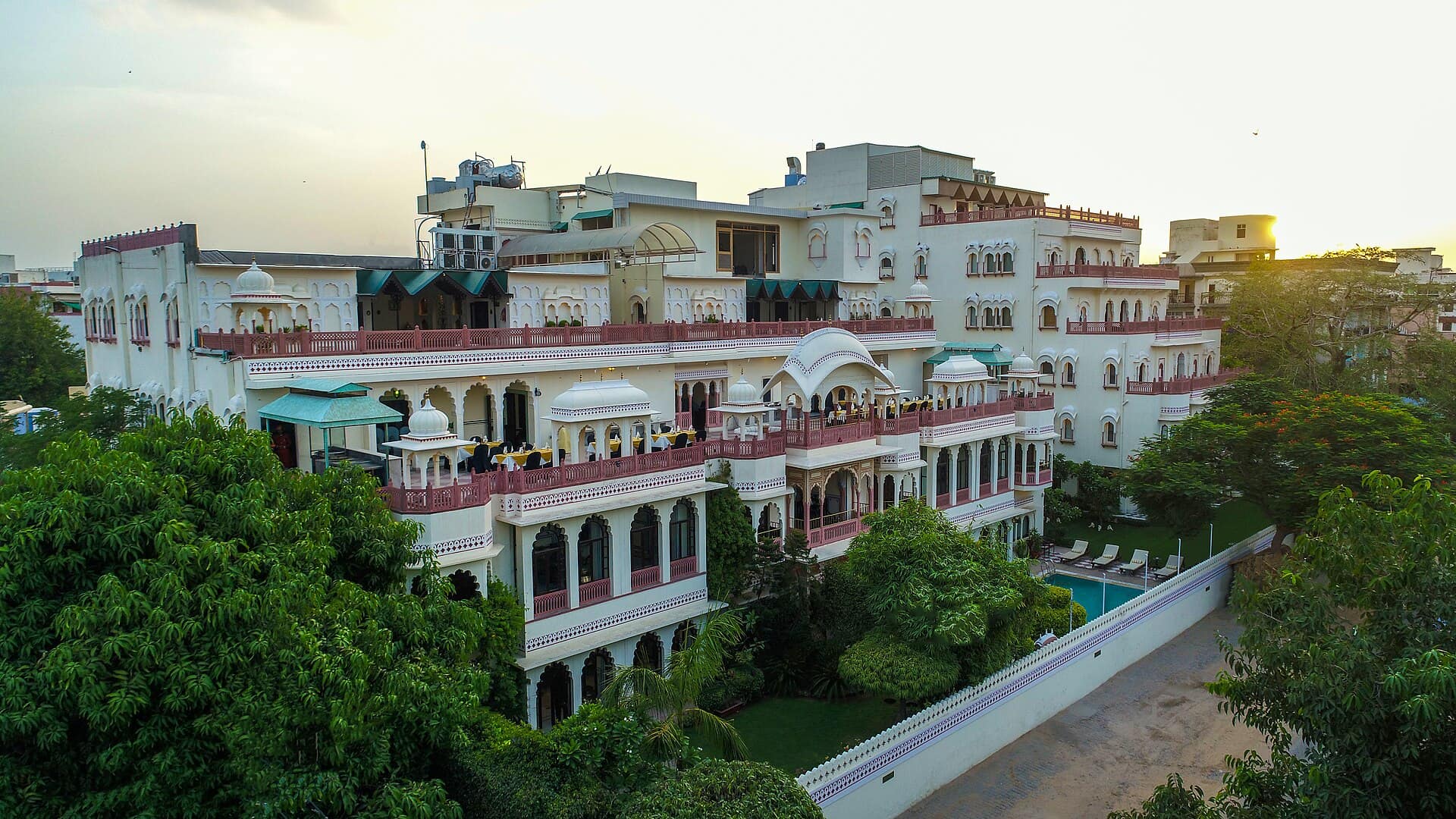
Murmuria Haveli
- Best timeMorning, when the courtyard is quiet and the light on the painted walls is soft and even.
- ColorsRustIvoryIndigo
 Medium crowd
Entry Varies (some ticketed)
Shekhawati Frescoes
- Best timeEarly morning, when the lanes are empty and soft light brings out the colours of the frescoes; late afternoon for warmer tones.
- ColorsOchreRustIndigo
For the feed
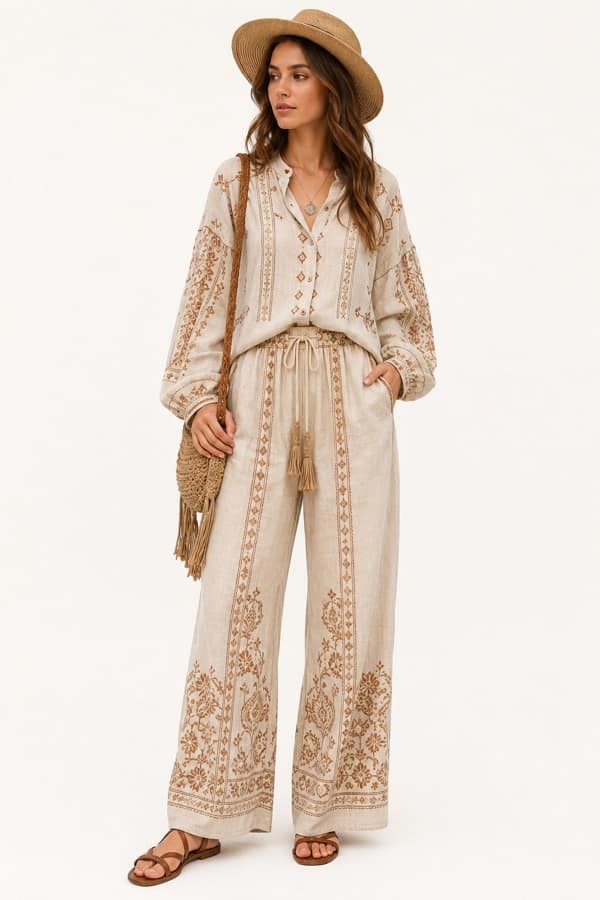
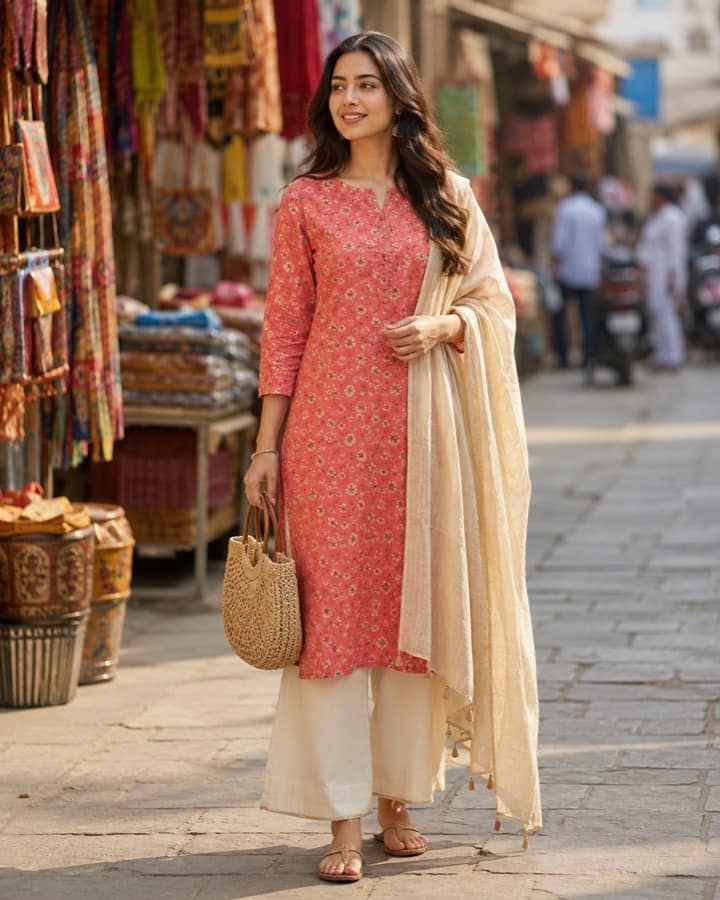
Trending Wear in Mandawa
Modern, Instagram-friendly looks
Rooted in the city
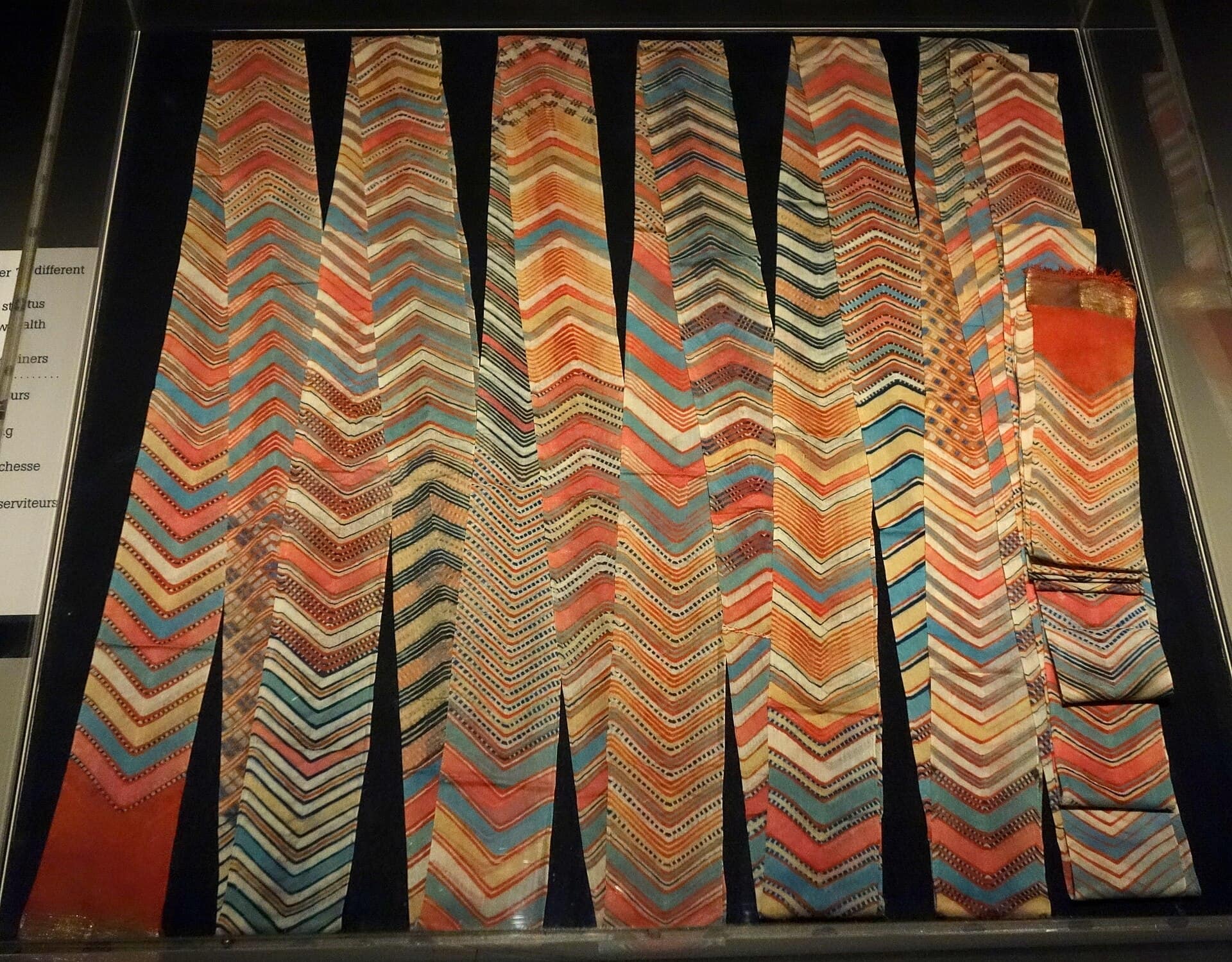
Mandawa Traditional Wear
Local, cultural, handcrafted outfits
Taste the city
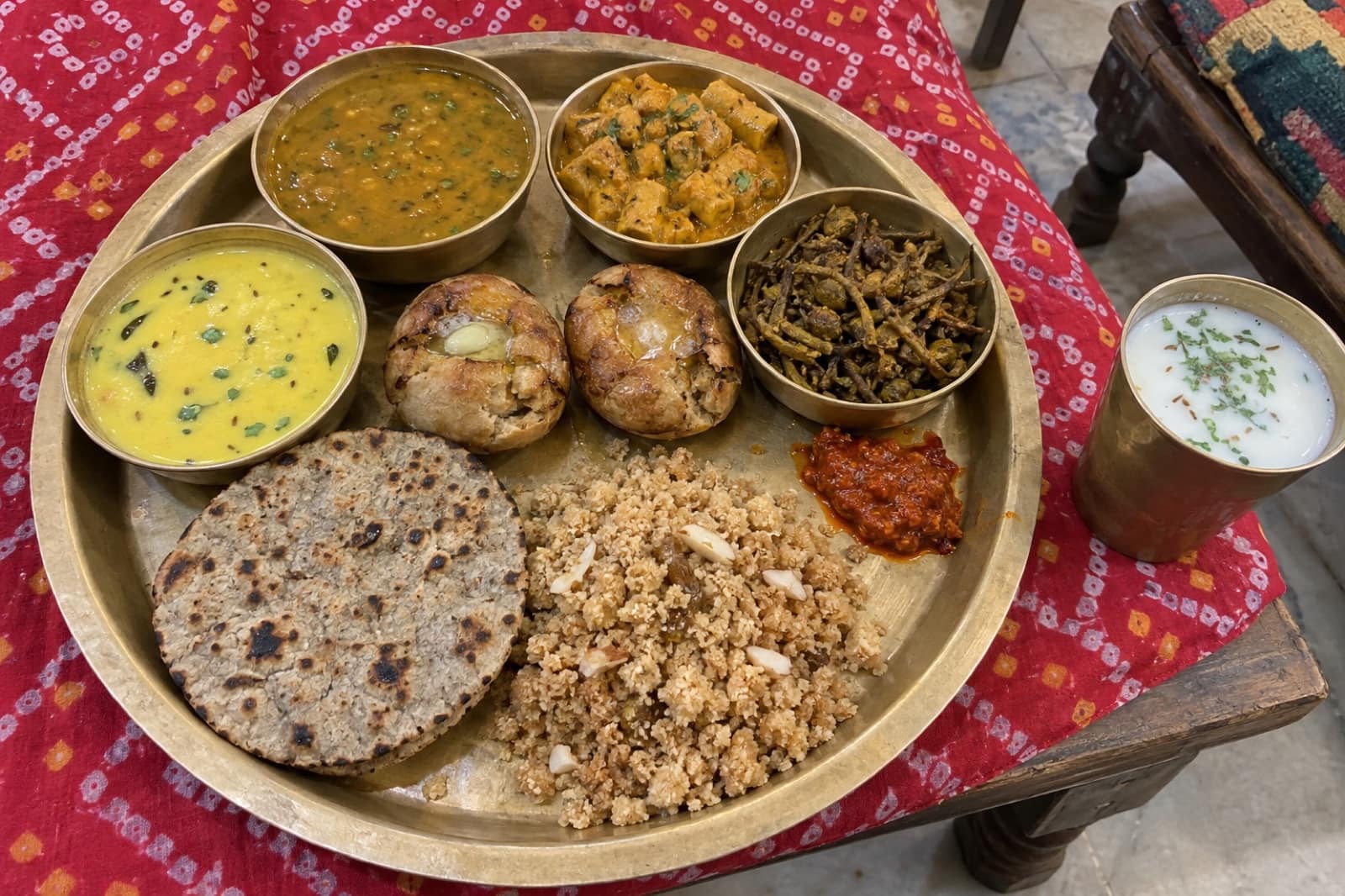
Food to Eat in Mandawa
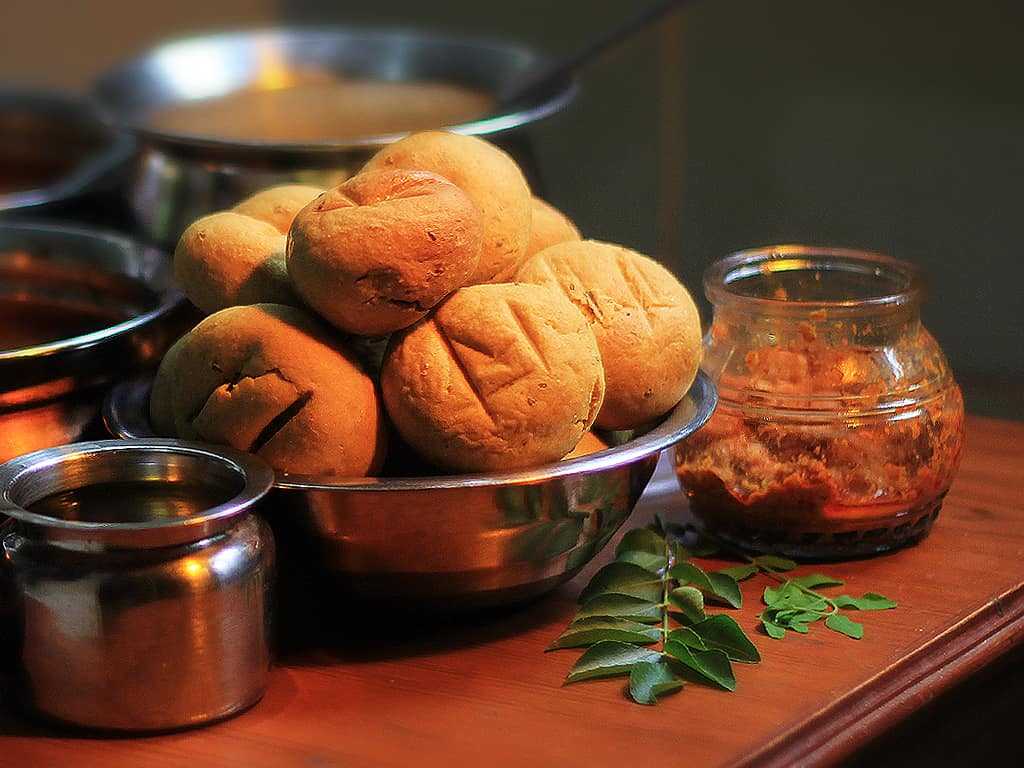
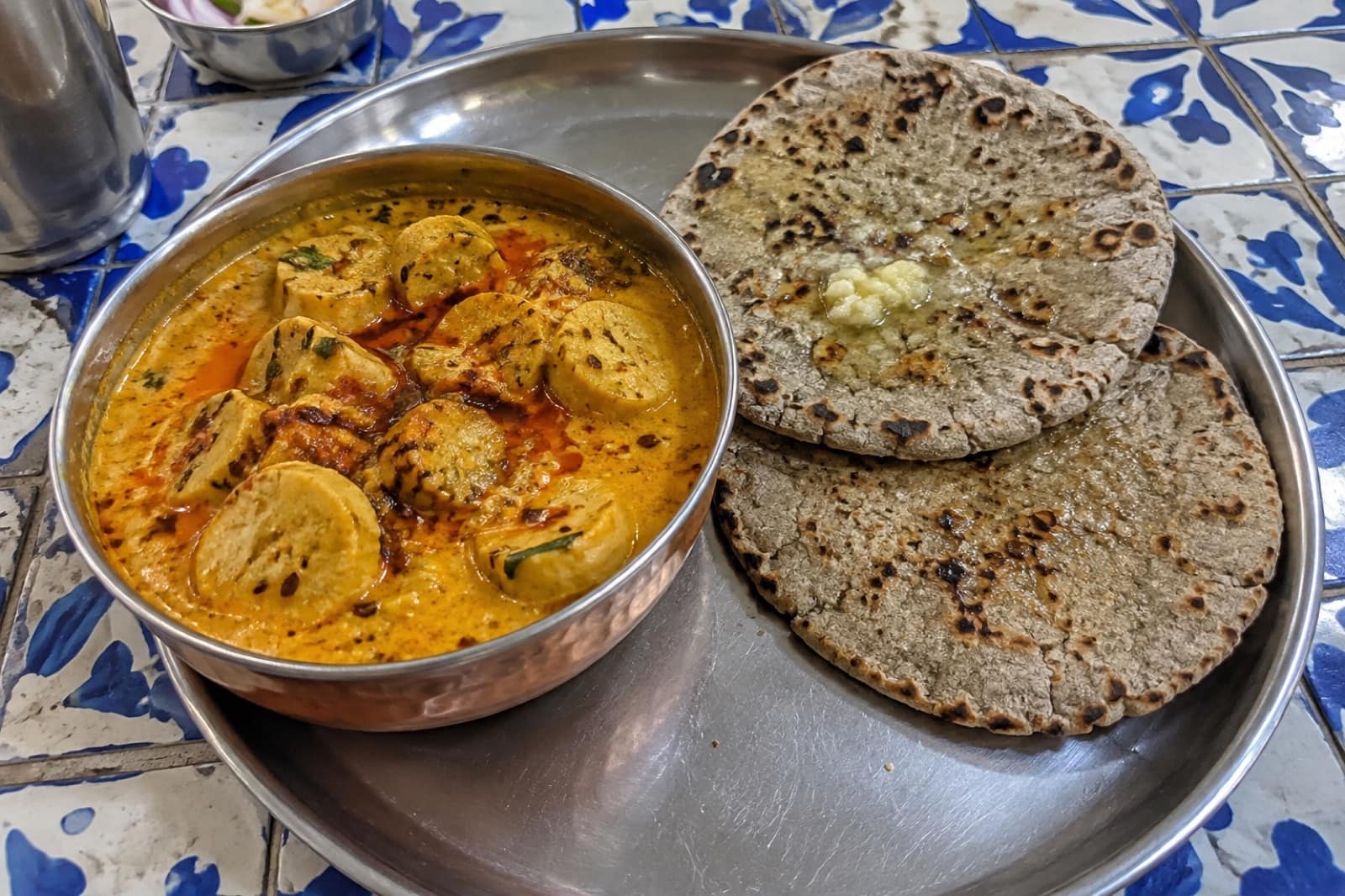
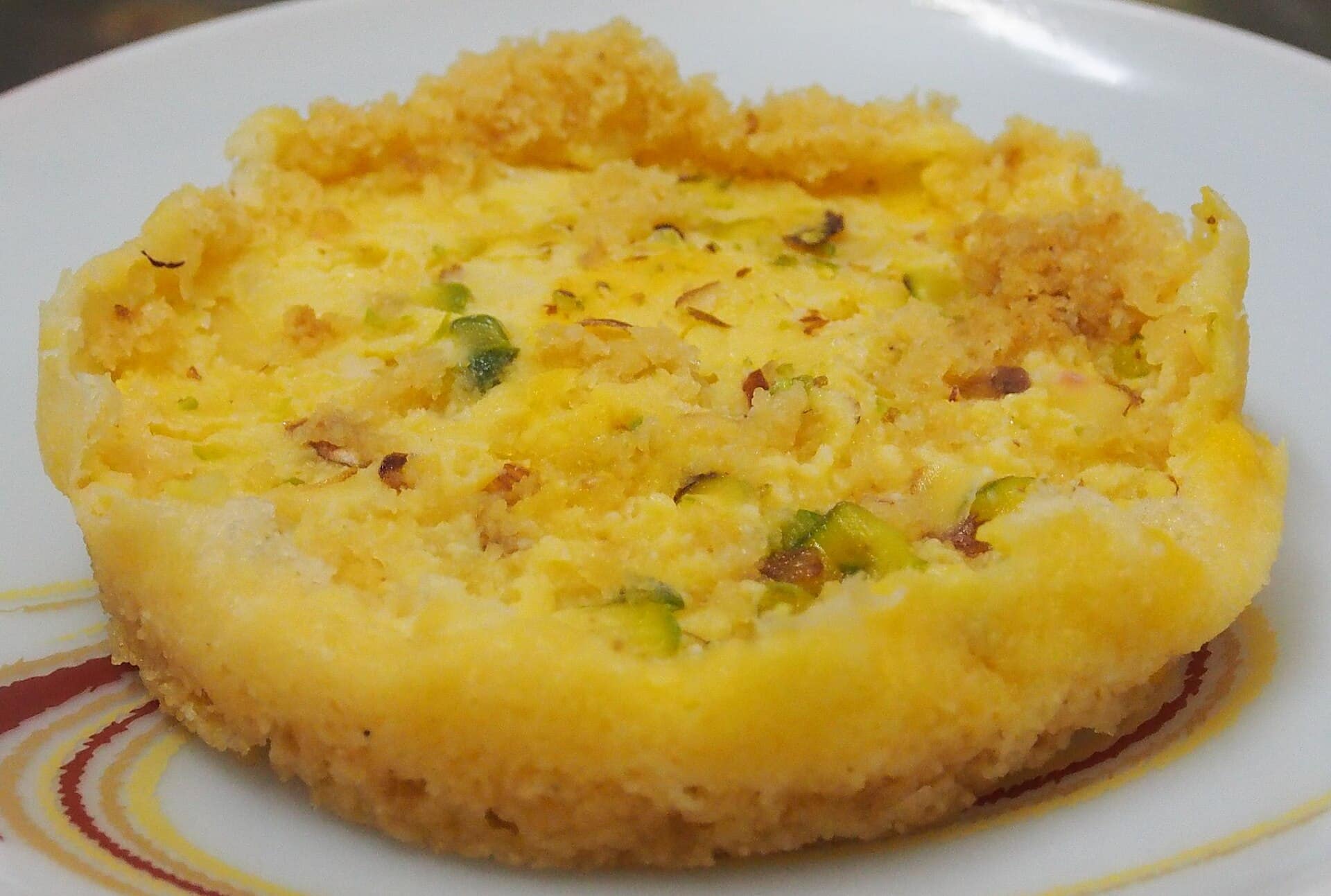
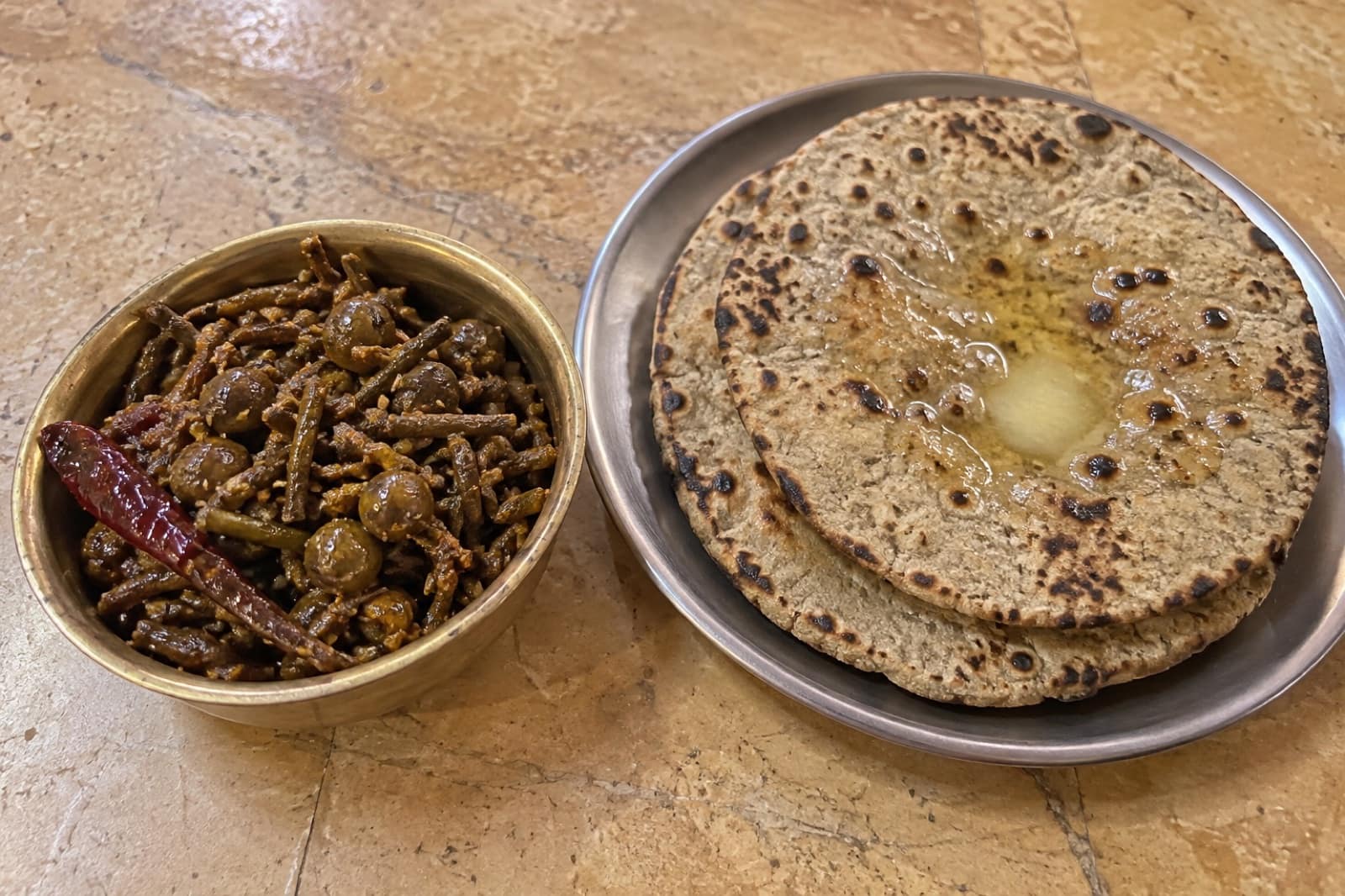
Trusted tables
Where to Eat in Mandawa
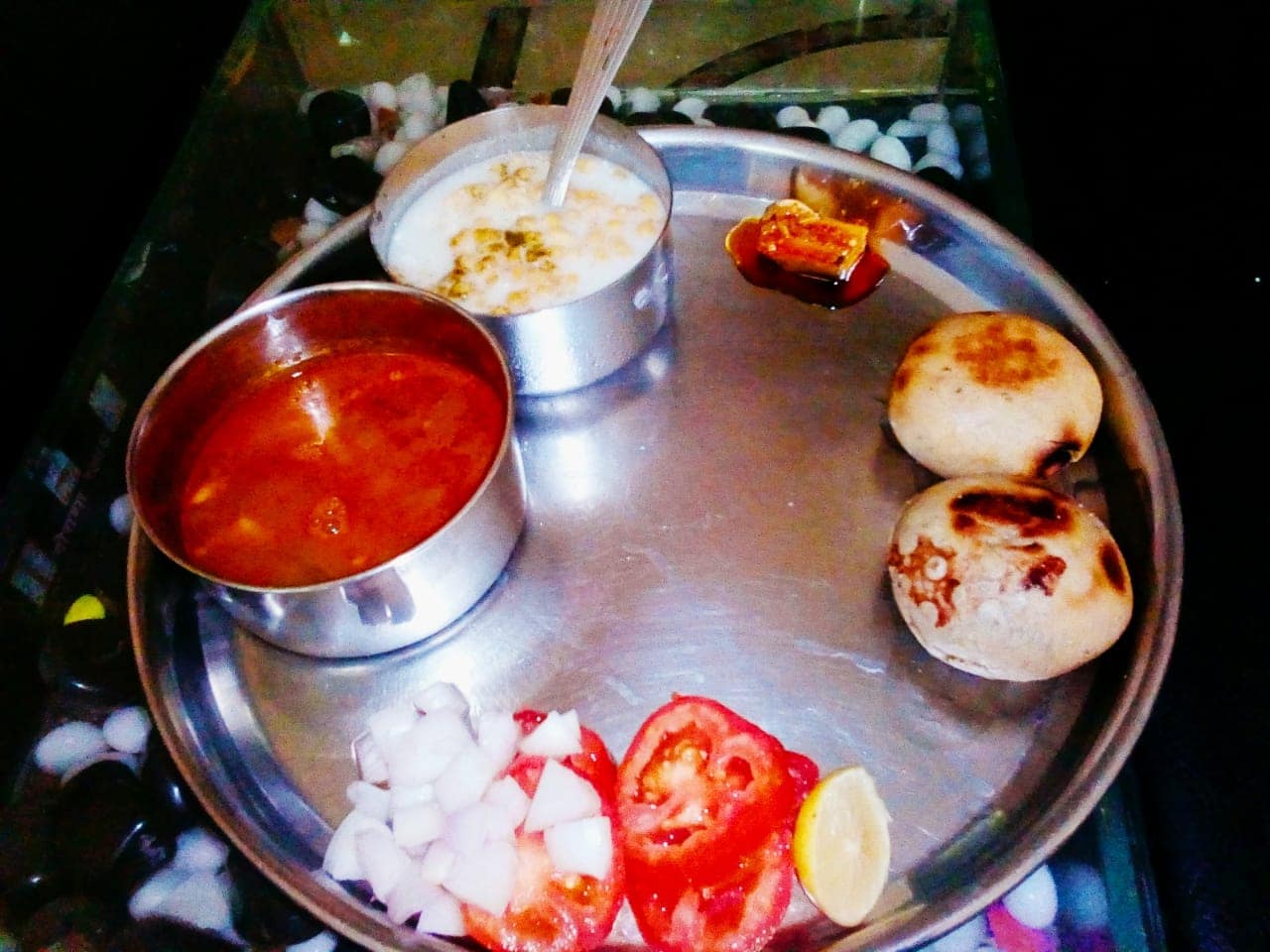 Representative photo
Castle Mandawa Restaurant
Mandawa Fort
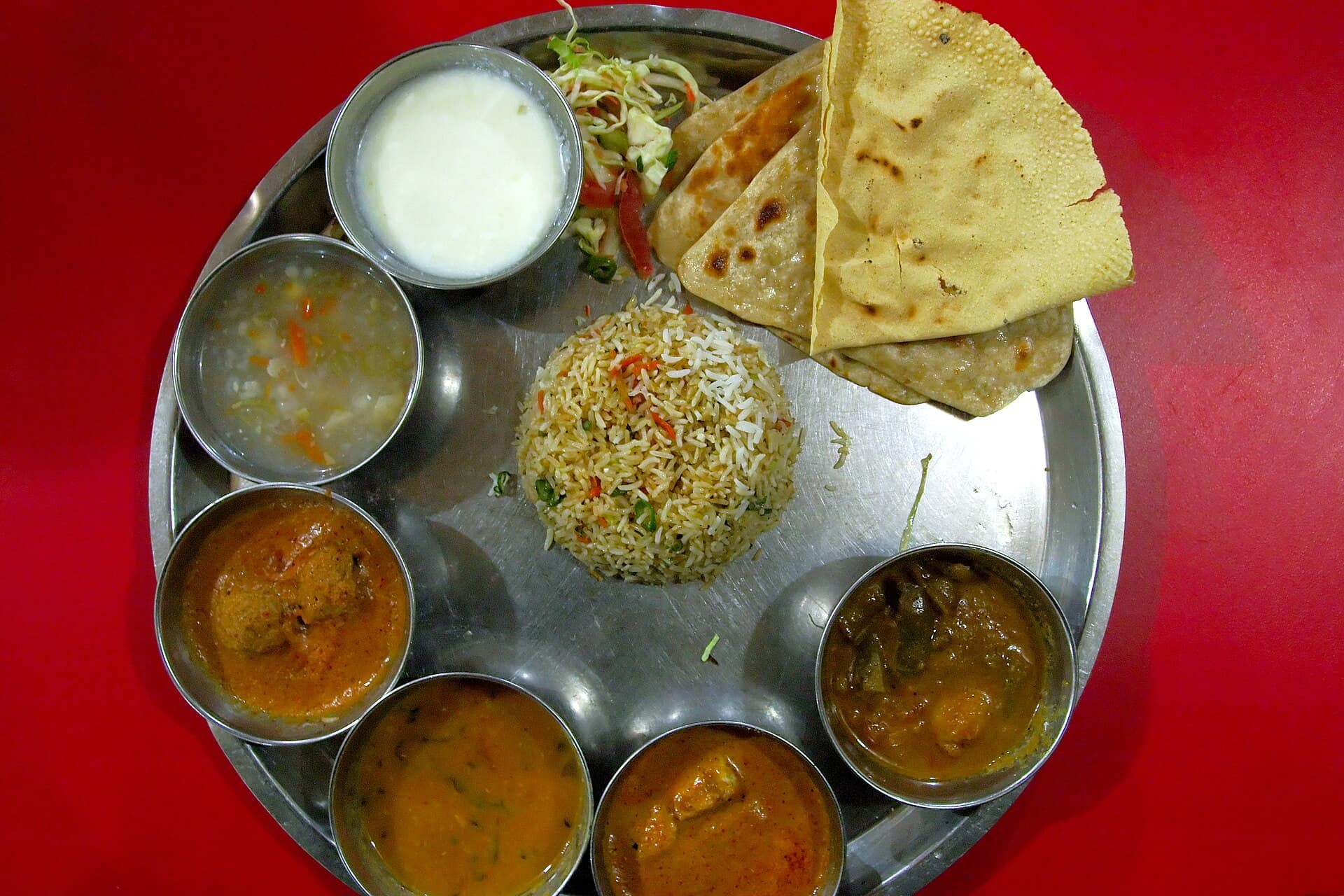 Representative photo
Mandawa Haveli Restaurant
Mandawa
Representative photoMonica Rooftop Restaurant
Mandawa
Representative photoShekhawati Sweets
Mandawa Bazaar
About Mandawa
Mandawa is a small town in the Shekhawati region of northern Rajasthan, in Jhunjhunu district, about 170 km from Jaipur and about 260 km from Delhi. It grew up around a fort that Thakur Nawal Singh built in 1755 to guard a stop on the old caravan routes. The merchant families who traded here later spent their wealth on grand havelis, and they covered the walls, gateways and courtyards with paintings of gods, kings, trains, cars and British officers.
That is why Mandawa is often called an open-air art gallery. The best way to see it is on foot: walk the lanes around the bazaar, stop at the Goenka Double Haveli and Murmuria Haveli, and look up at the painted walls as you go. Many havelis are still private homes, so some are open to visitors and some are not. Finish the day with a Rajasthani thali of dal baati churma, gatte ki sabzi and ker sangri, and a piece of ghevar from the bazaar.
Questions
Mandawa — FAQ
What is Mandawa famous for?
Mandawa is famous for its painted havelis, the grand merchant houses of Shekhawati whose walls are covered in frescoes of gods, folk tales, trains and colonial figures. It is also known for Mandawa Fort, which is now a heritage hotel, and for Rajasthani food like dal baati churma and ker sangri.
How many days are enough for Mandawa?
1–2 days is enough for Mandawa itself. One full day covers the fort, the bazaar and the main havelis on foot. Stay a second day if you want to see other Shekhawati towns nearby, such as Nawalgarh, Fatehpur or Jhunjhunu.
What is the best time to visit Mandawa?
October to March is the most comfortable time, with cool mornings and pleasant days for walking between havelis. April to June is very hot, and July to September brings humid weather with some rain. See the best time to visit Mandawa for a month-by-month guide.
How do I reach Mandawa?
Most visitors come by road from Jaipur, about 170 km away, or from Delhi, about 260 km away. The nearest main railway station is Jhunjhunu, about 30 km away, and the nearest large airport is Jaipur. From Jhunjhunu you can take a taxi, bus or auto-rickshaw to Mandawa.
Can I go inside the havelis in Mandawa?
Some havelis, such as the Goenka Double Haveli and Murmuria Haveli, are open to visitors, usually for a small fee paid to a caretaker. Many others are still private homes, so admire them from the lane and always ask before you step inside or take photos of the courtyard.