
Must-try dessert in Mandawa
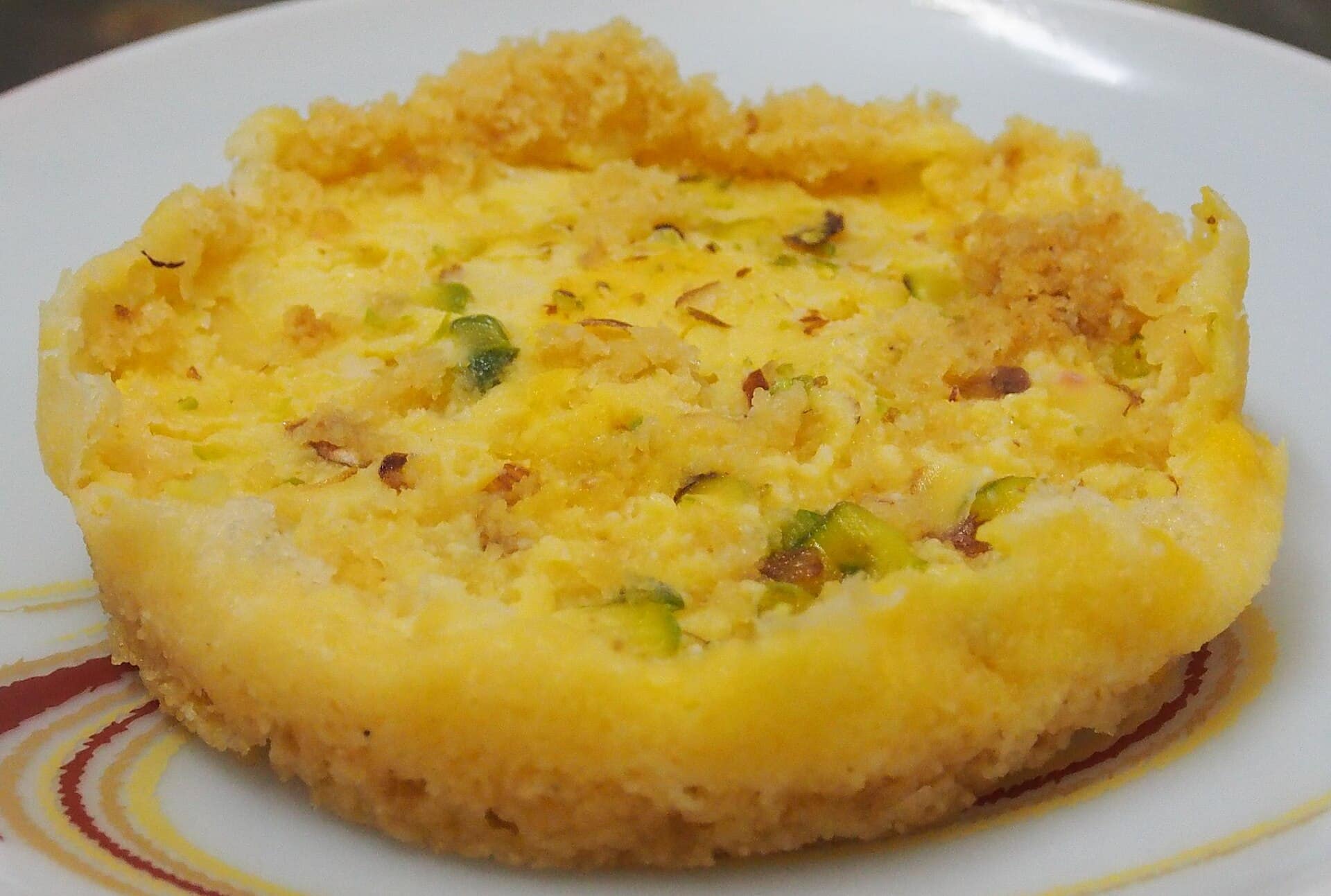
Ghevar
Mandawa, Rajasthan
A disc-shaped honeycomb sweet of fried batter soaked in syrup, often topped with rabri and nuts — a Rajasthani festival specialty, especially at Teej.
Taste
Sweet, syrupy
Spice level
Not spicy
Best time to eat
Snack
Price range
₹200–500 / kg
Food type & tags
Best paired with
Masala chai
The dish
What is Ghevar?
Expect it to be sweet, syrupy, with a not spicy kick.
The story
Why is Ghevar famous in Mandawa?
Ghevar is the signature Rajasthani festival sweet, made for Teej and Raksha Bandhan.
When to go
Best time to eat it
Ghevar is best enjoyed at snack, ideally with a hot cup of masala chai or filter coffee to balance the sweetness. Many spots make fresh batches through the day, so it’s easy to fit into your plan.
Where to eat
Best places to try Ghevar
Trusted Mandawa spots — hours and directions.
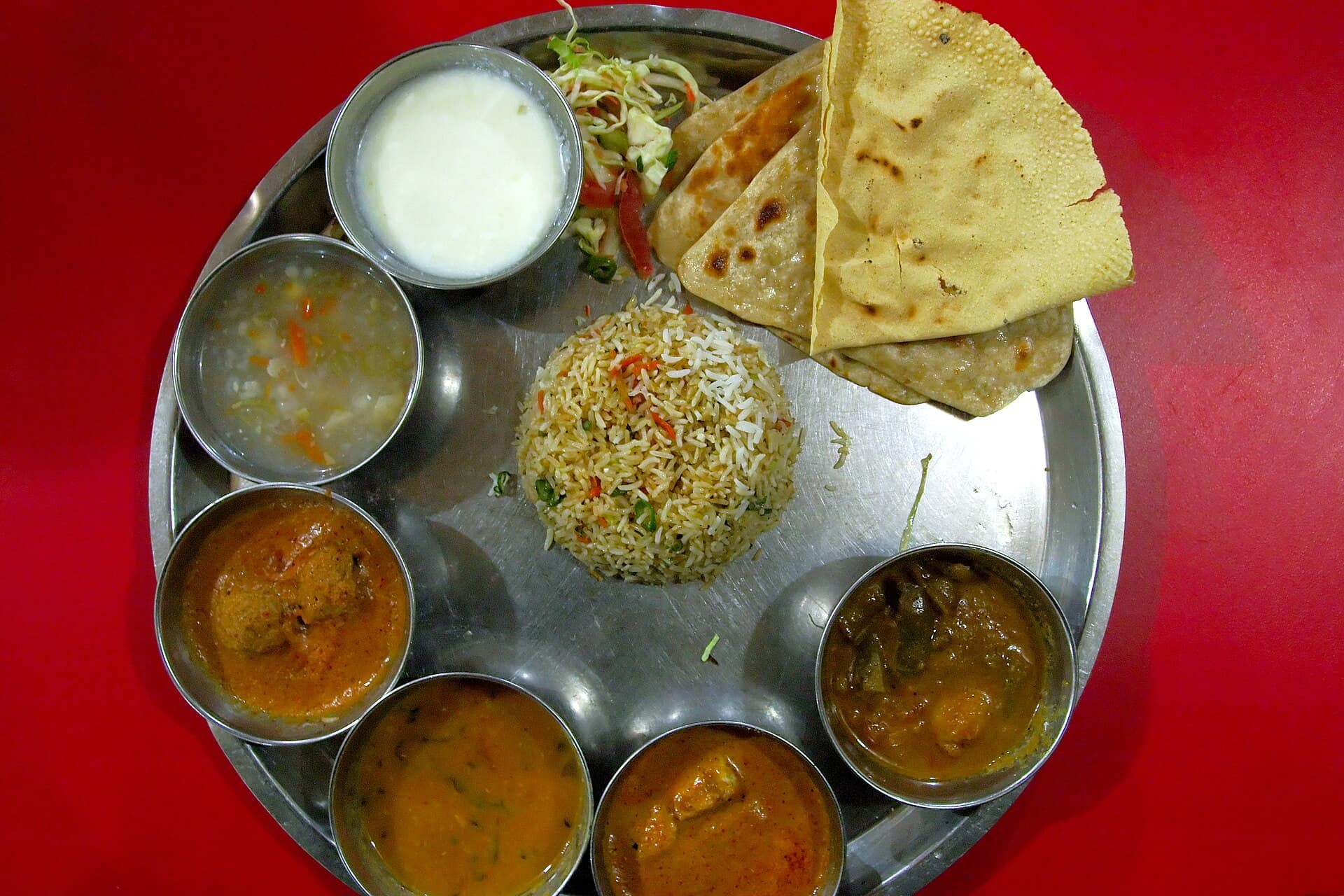 Representative photo
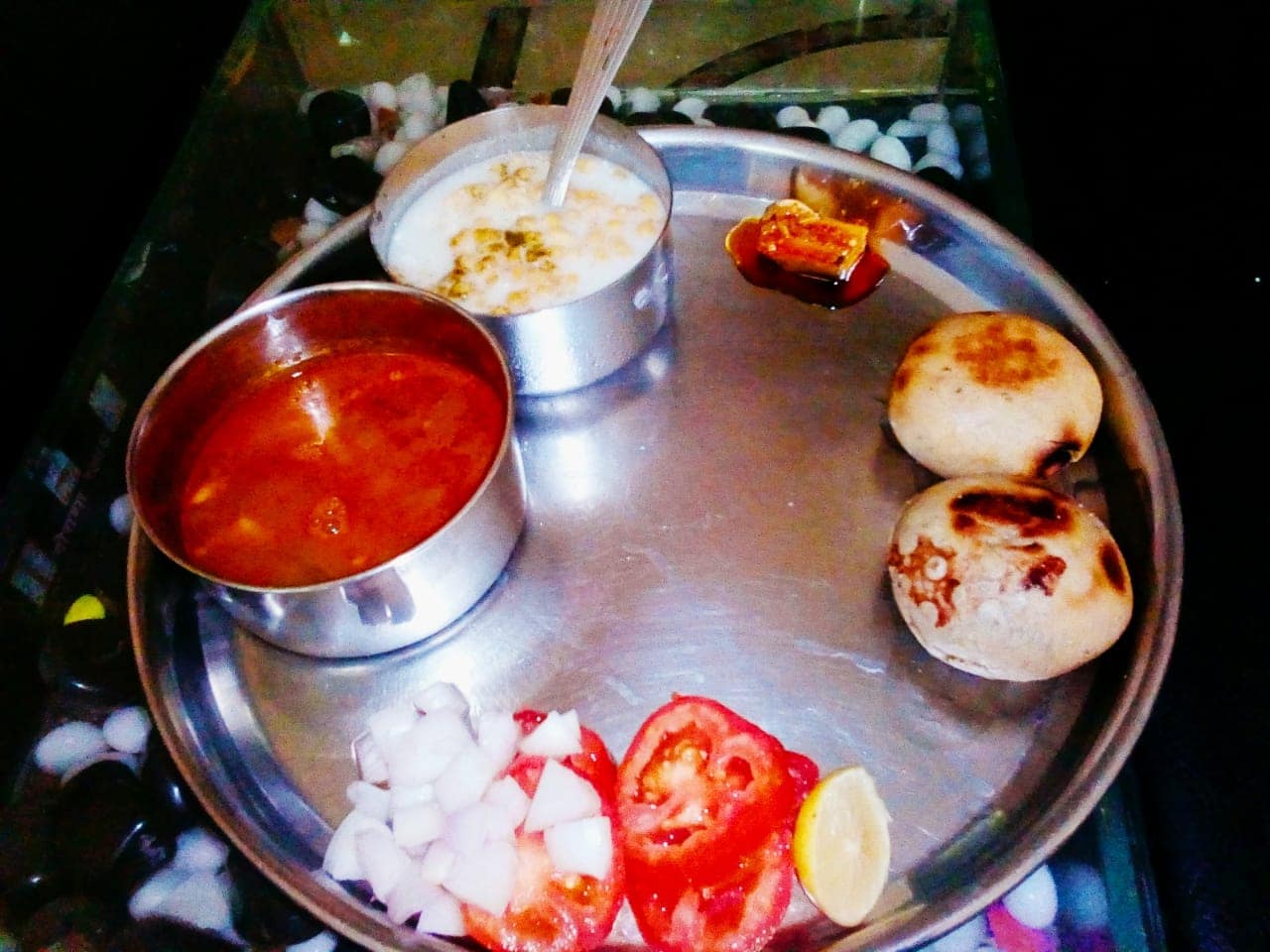 Representative photoRepresentative photoRepresentative photo
Perfect pairing
What to eat with Ghevar
Ghevar pairs best with a hot cup of masala chai or filter coffee to balance the sweetness. It’s a vegetarian dessert, so keep the rest of the plate light and let the dish be the star.
Make a morning of it
Pair it with a photo spot
Eat well, then shoot nearby in Mandawa.
Mandawa Bazaar
Morning, while shops are opening and the street is calm; late afternoon for warm light on the painted shopfronts.
Fuel up on Ghevar, then shoot Mandawa Bazaar.
See photo spot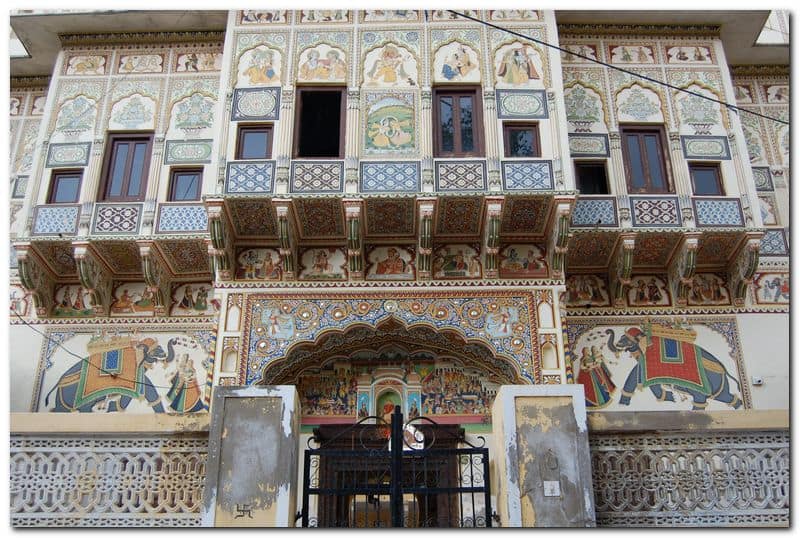
Goenka Double Haveli
Early morning, when the lane is quiet and soft light falls evenly on the painted front; late afternoon for warmer colour.
Fuel up on Ghevar, then shoot Goenka Double Haveli.
See photo spot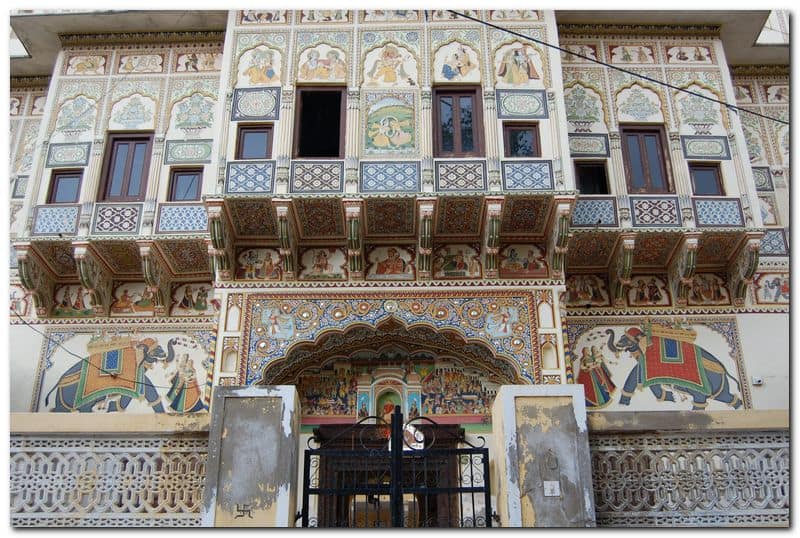
Mandawa Fort (Castle Mandawa)
Late afternoon, when warm light falls on the painted gateway and the turrets; early morning for a quiet lane outside the gate.
Fuel up on Ghevar, then shoot Mandawa Fort (Castle Mandawa).
See photo spotWant something else?
Search Mandawa food by craving
Ghevar in Mandawa
Ghevar is one of the fixtures of the end of the meal in Mandawa - sweet, syrupy, vegetarian, and filed firmly under sweet.
The short version: A disc-shaped honeycomb sweet of fried batter soaked in syrup, often topped with rabri and nuts — a Rajasthani festival specialty, especially at Teej
🍛 What it is
Start with the description and hold it in mind: a disc-shaped honeycomb sweet of fried batter soaked in syrup, often topped with rabri and nuts — a Rajasthani festival specialty, especially at Teej. It is a vegetarian preparation, which shapes where you find it and when.
The category tells you most of the practical story: a sweet, which in Mandawa means a measured serving, portions sized to the moment rather than to a menu photograph.
Locally it is filed under: rajasthani, sweet - which is the vocabulary to use when asking for it.
📜 Where it comes from
The local context: ghevar is the signature Rajasthani festival sweet, made for Teej and Raksha Bandhan.
Dishes like this travel badly and reproduce badly - the version in Mandawa is the reference version, made for the local palate at local prices.
👅 The taste, honestly
Ask what it tastes like and the answer is sweet, syrupy; anything more specific you should taste rather than read.
There is no chilli heat in it at all.
As a sweet dish it is made to accompany rather than dominate - which tells you what to order around it: it sits beside a drink or a main without competing.
🕐 When to eat it
Locals eat it snack - and matching the local clock is half the pleasure of the dish.
Sweets keep their own hours - fresh through the day at good shops, and at their best when the batch is new rather than the tray tired.
🥣 Ordering it well
The Indian ordering rule that never fails: follow the local queue. A busy stall turns this dish over fresh many times an hour; an empty one has yesterday's oil and today's patience.
At pure-vegetarian places, the whole menu is safe ground - and in Mandawa that is most of the city's best food anyway.
💰 What it costs
The local range is ₹200–500 / kg in Mandawa - within it you are paying the local price; far above it, you are paying for something else.
Think of it as a budget-friendly item - kind to every wallet, and no less authentic for it.
Carry small notes - the smallest transactions run smoothest with the smallest denominations.
🤝 Eating it like a local
Eat it the local way: with the hand if you are comfortable, with the table if you are not, and in the company the dish was designed for - more is the normal number.
Sweets finish the meal in India - this one is the full stop, not a pause, and it is ordered as confidently as the mains.
And the pairing instinct: something bitter or plain alongside - strong tea, black coffee - because that is what the sweet is for.
Questions
Ghevar — FAQ
What is Ghevar?
A disc-shaped honeycomb sweet of fried batter soaked in syrup, often topped with rabri and nuts — a Rajasthani festival specialty, especially at Teej.
Is Ghevar veg or non-veg?
Ghevar is vegetarian. Spice level: not spicy.
Where can I try the best Ghevar in Mandawa?
Try Mandawa Haveli Restaurant and Shekhawati Sweets. See the "Best places to try it" section above for hours and directions.
What should I eat with Ghevar?
Pair it with a hot cup of masala chai or filter coffee to balance the sweetness.
When is the best time to eat Ghevar?
Ghevar is usually eaten as a snack.