
Photo spot in Ranikhet
Jhula Devi Temple
Ranikhet, Uttarakhand
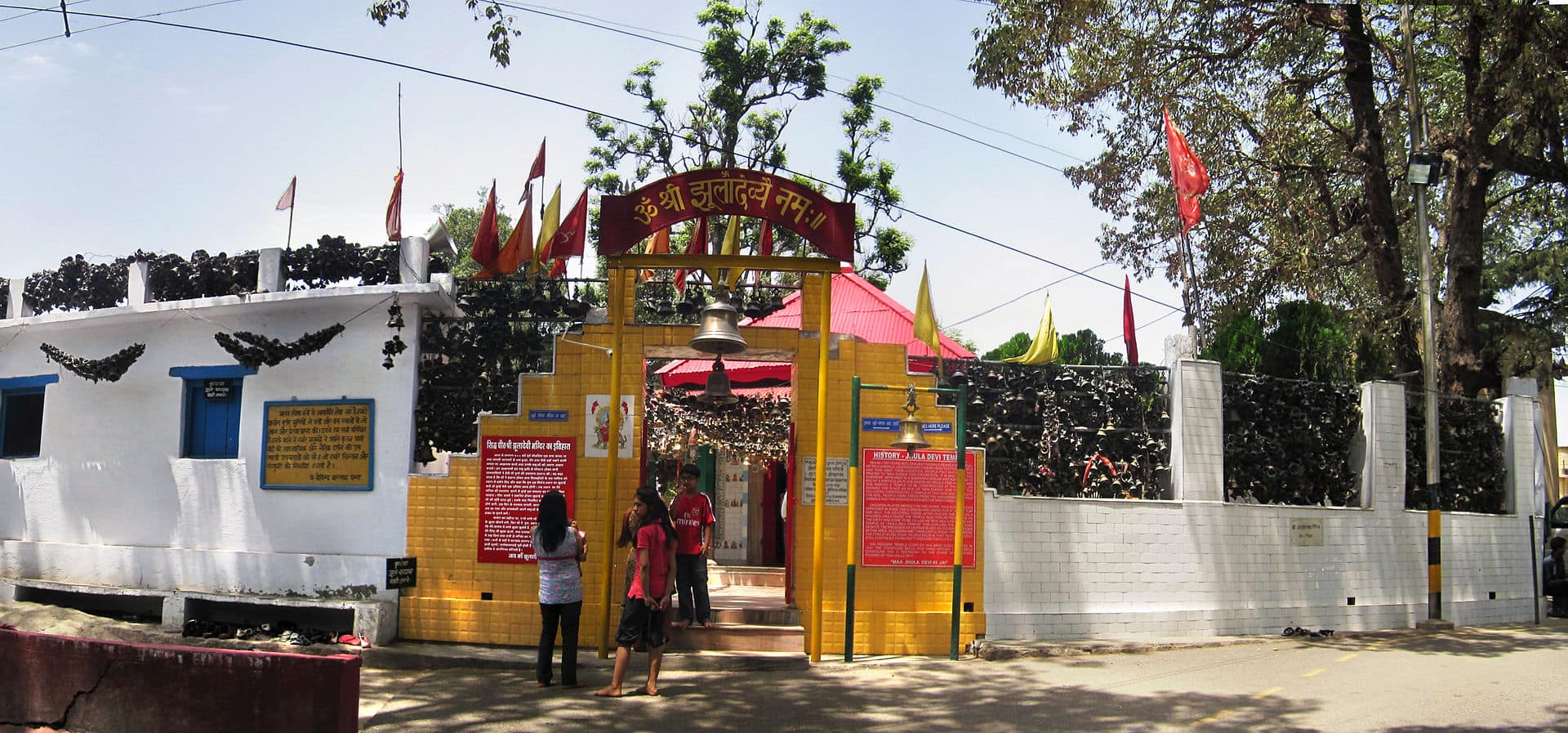
A Durga temple famous for the thousands of brass bells devotees hang in thanks for granted wishes — tradition dates it to the eighth century, though the present buildings are from the 1930s.
Best time
Early morning, when the courtyard is quiet and soft light catches the brass bells; late afternoon for a warmer glow on the metal.
Best angle
Stand at one end of a row of bells and take a close photo along the line, so the bells fade into the distance behind.
Entry fee
Free
Opening hours
6:00 AM – 7:00 PM
Crowd level
Medium
Best outfit colors
Overview
Best time to visit Jhula Devi Temple
Early morning, when the courtyard is quiet and soft light catches the brass bells; late afternoon for a warmer glow on the metal. Crowds here are typically medium. Arrive a little early to claim your angle and catch the softest light before the day tips over.
Poses & angles
Photo tips for Jhula Devi Temple
Stand at one end of a row of bells and take a close photo along the line, so the bells fade into the distance behind. Work a few of the pose ideas below, shoot wide for context and tight for detail, and give yourself a couple of extra minutes to get the frame right.
Among the hanging bells
At the temple gate
Outfit guide
What to wear at Jhula Devi Temple
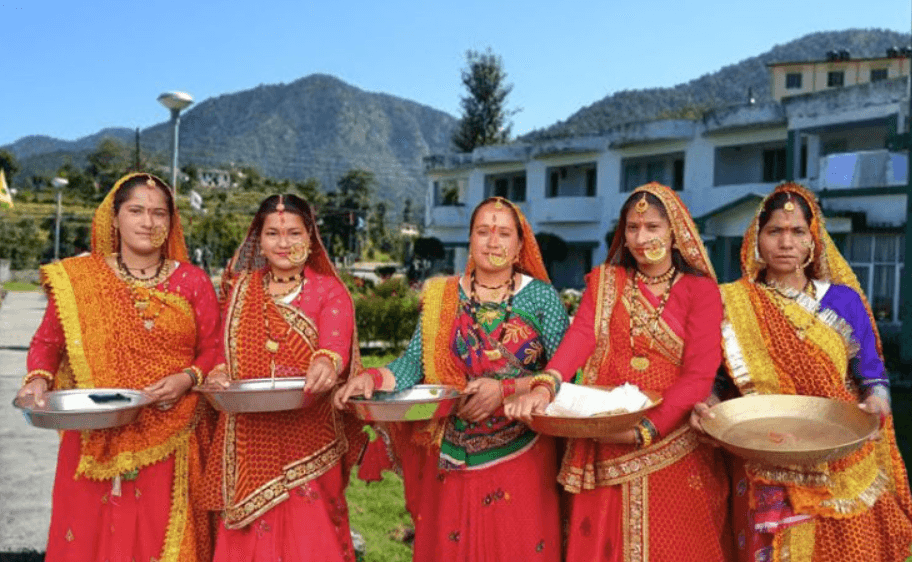
For photos at Jhula Devi Temple, saffron, red and cream work beautifully — they stand out against the setting without fighting it. Pick one hero colour and keep the rest of the look calm so you stay the subject of the frame.
Best outfit colors for photos
Trending wear for this spot
Popular modern looks travellers are wearing across Ranikhet.
Traditional wear for this spot
Timeless, cultural looks that suit Jhula Devi Temple.
Eat nearby
Food near Jhula Devi Temple
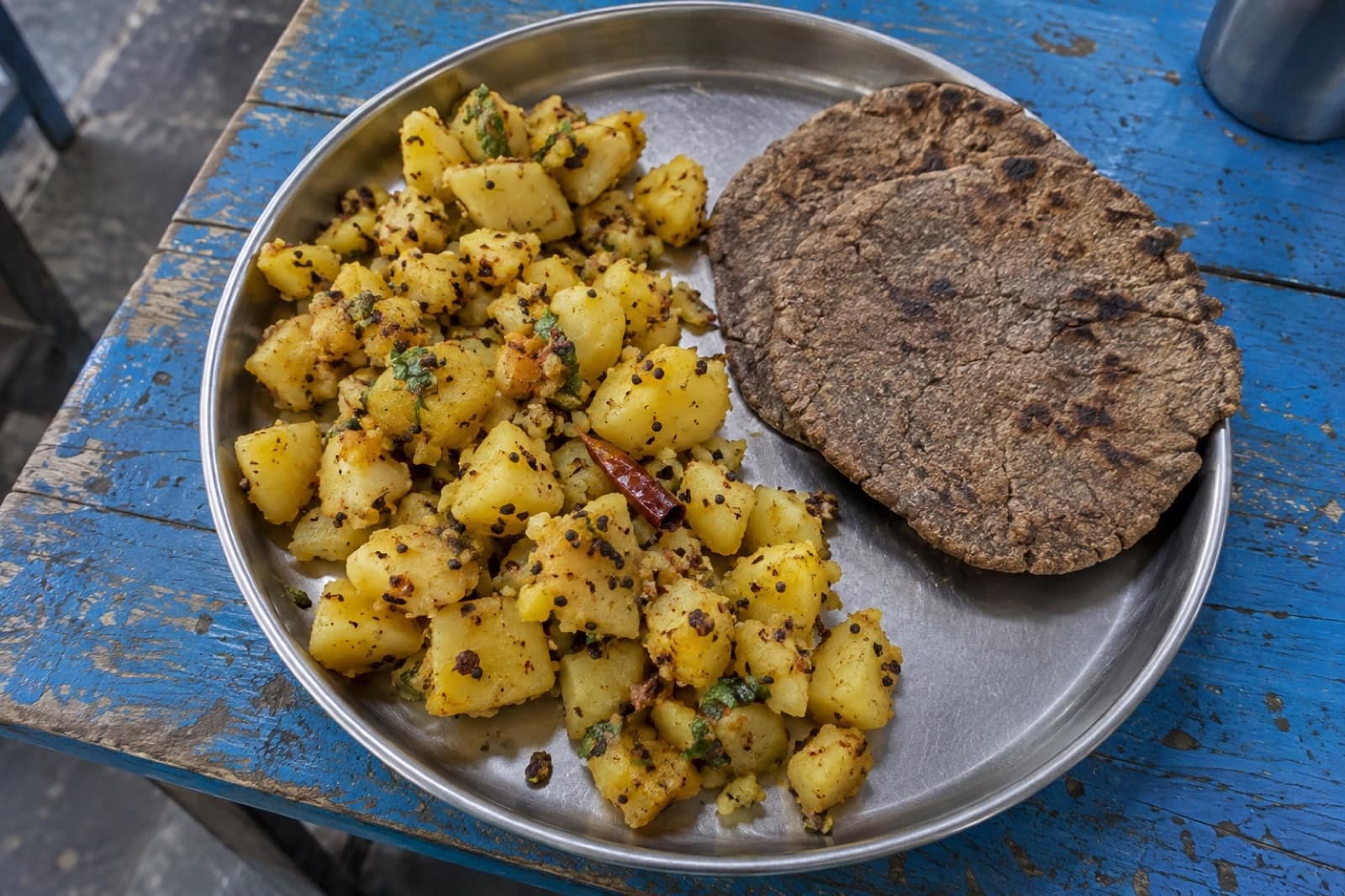
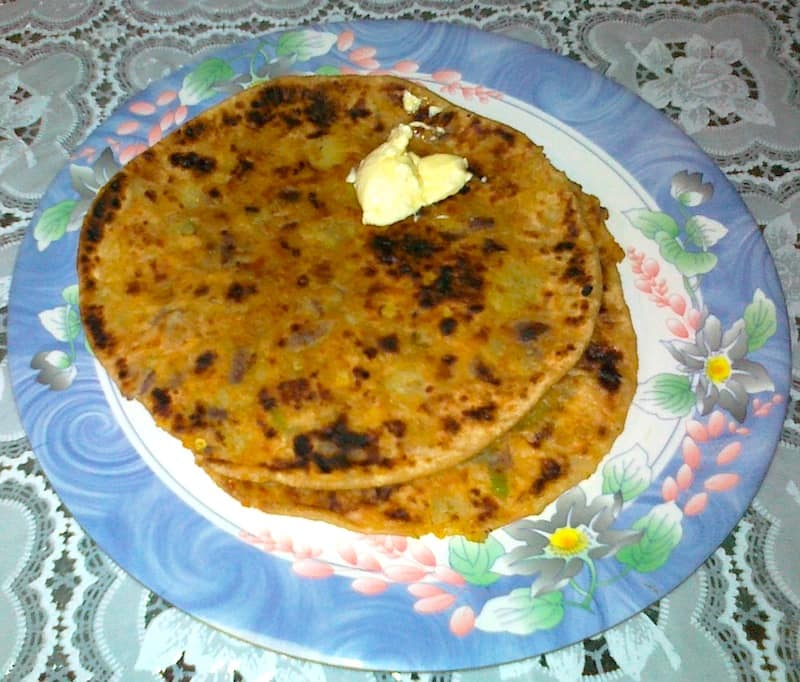
Round out the visit with something to eat. Look for aloo ke gutke nearby, or settle in at one of the 1 restaurants close by.
Special dishes to try
Restaurants & food places nearby
Search food by craving
Good to know
Local tips
Go early in the morning, before tour groups arrive from Nainital and Almora.
Wear shoes you can slip off easily, as you will leave them at the entrance.
Buy a small bell at the stalls outside if you want to join the custom.
Read the messages on the bells; many are dated and signed.
Ring bells softly, as people are praying inside.
Combine the visit with Chaubatia Gardens, a short drive further on.
Avoid Navratri weekends if you want a quiet visit.
A temple of bells
Jhula Devi is a small Durga temple about 7 km from Ranikhet, on the road to Chaubatia. Inside, the goddess sits on a swing, which is what jhula means. The shrine itself is modest. What makes it famous is that nearly every railing, beam and eave is hung with brass bells, from little ones the size of a thumb to heavy temple bells. There are thousands of them, and more are added every week.
Why the bells are there
Devotees come to Jhula Devi to ask for something: a child, a job, good health, a safe return. When the wish is granted, they come back and hang a bell in thanks. Many bells carry names, dates and short messages scratched or painted on them. Walking under them, you are reading a record of a whole region's hopes.
Its story
Tradition says the shrine goes back to around the 8th century. A popular local story tells of villagers troubled by wild animals, and of the goddess appearing in a dream to ask for a temple, after which the danger passed. The present buildings date from the 1930s.
Visiting
Remove your shoes before you enter and cover your shoulders and knees. The temple is usually open from early morning until evening. You can buy bells, flowers and offerings from stalls outside. Ring the bells gently, if at all, as people are praying.
Photography
Photographing the bells from the courtyard and the approach is generally accepted. Do not photograph the deity inside or people praying without asking. This area is close to army land, so keep any army buildings out of your pictures.
Nearby
Chaubatia Gardens are a short drive further on, and the forest walk to Bhalu Dam starts from there. Many visitors do all three in one morning.
Questions
Jhula Devi Temple — FAQ
What is the best time to visit Jhula Devi Temple?
Early morning, when the courtyard is quiet and soft light catches the brass bells; late afternoon for a warmer glow on the metal. Stand at one end of a row of bells and take a close photo along the line, so the bells fade into the distance behind.
Is there an entry fee at Jhula Devi Temple?
Entry to Jhula Devi Temple is free.
What are the opening hours of Jhula Devi Temple?
Jhula Devi Temple is open 6:00 AM – 7:00 PM.
What should I wear at Jhula Devi Temple?
Saffron, red and cream photograph especially well here. Explore the trending and traditional outfit ideas on this page for full looks.
How crowded does Jhula Devi Temple get?
Crowd levels are typically medium. To miss the busiest window: early morning, when the courtyard is quiet and soft light catches the brass bells; late afternoon for a warmer glow on the metal.
What food should I try near Jhula Devi Temple?
Try aloo ke gutke, available at nearby restaurants.
Why is it called Jhula Devi?
Because the goddess, a form of Durga, is shown seated on a swing, or jhula.
Can I hang a bell at Jhula Devi?
Yes. Stalls outside sell bells, and devotees usually hang one after their wish is granted. Ask the priest where to tie it.
How old is Jhula Devi Temple?
Tradition dates the shrine to around the 8th century. The present buildings date from the 1930s.
How do I get to Jhula Devi from Ranikhet?
It is about 7 km by road towards Chaubatia. Shared and private taxis run from the market.