
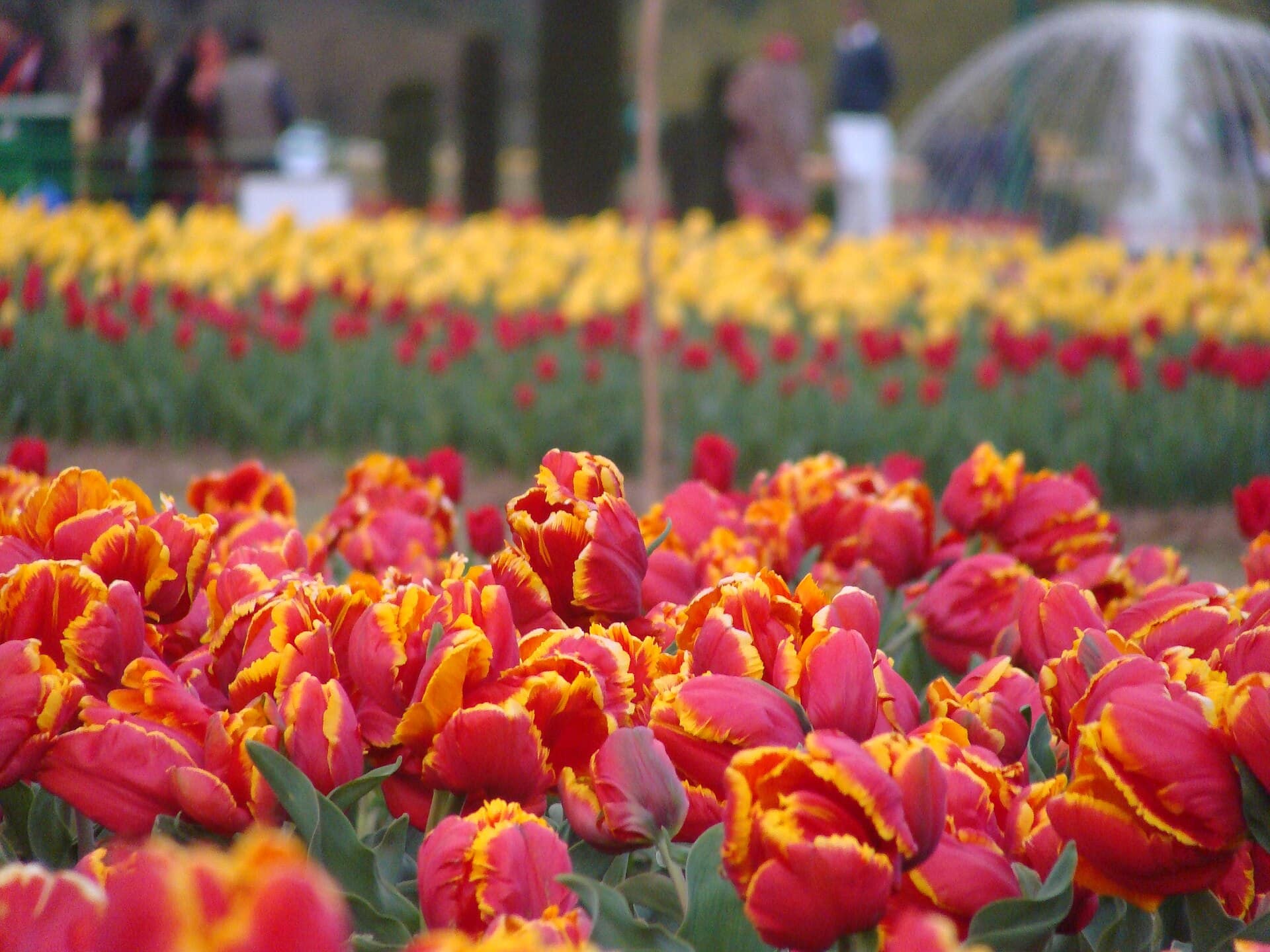
Jammu & Kashmir · India
Srinagar
The summer capital of Kashmir — a lake-laced valley city of shikaras and houseboats, Mughal gardens and old-town shrines beneath the Himalayas.
Srinagar is famed for its Dal Lake houseboats, Pashmina and papier-mâché crafts, the pheran, and a rich Wazwan feast tradition.
Plan your trip
Srinagar Tour Itineraries
Timed, walkable day plans — plus the best season to go.
Where to shoot
Srinagar Photo Spots
 High crowd
Entry Free (shikara ride extra)
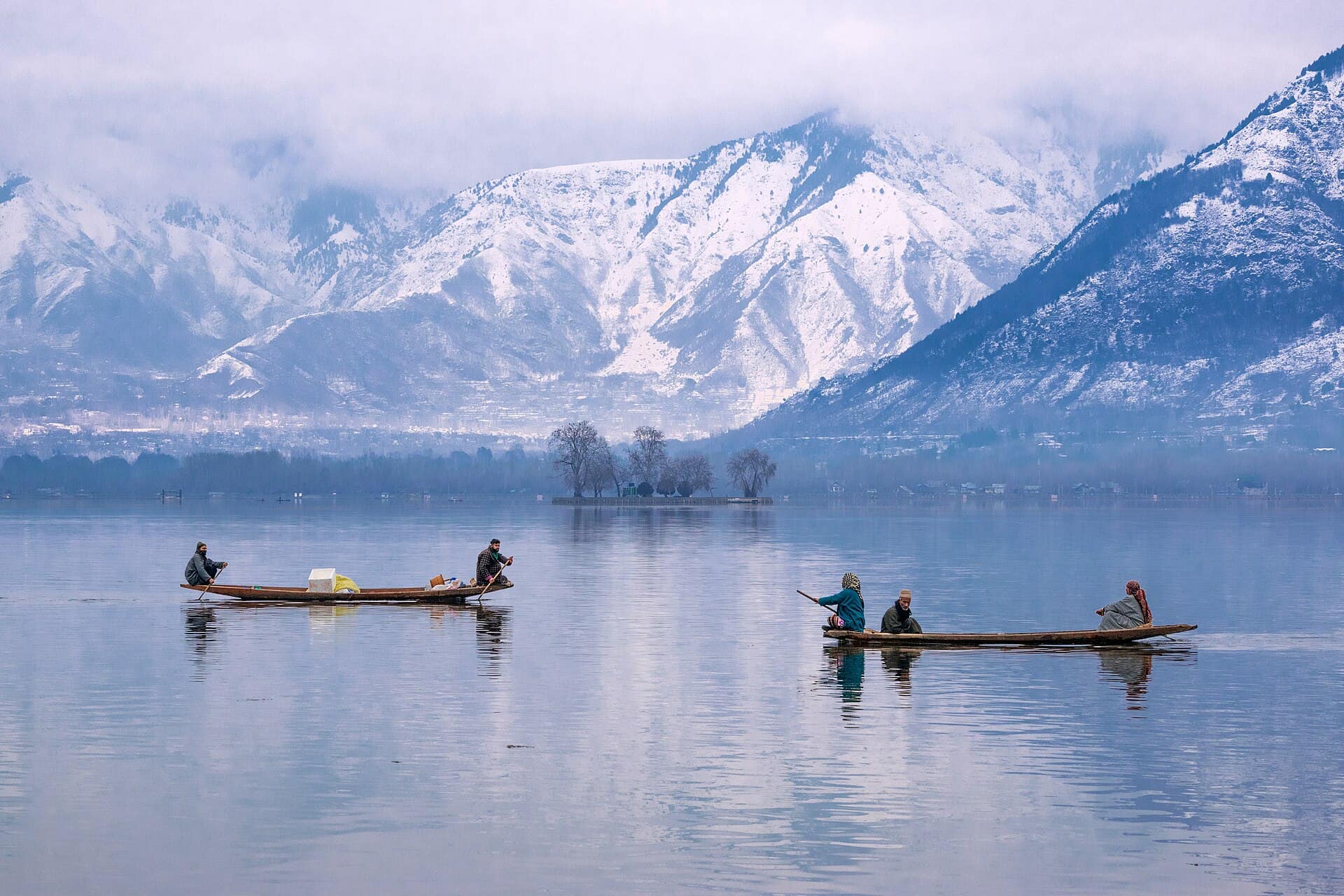
Dal Lake
- Best timeEarly morning for still water, low mist and the floating market; evening for a warm sunset over the Boulevard ghats.
- ColorsWhiteMaroonMustard
 High crowd
Entry Free
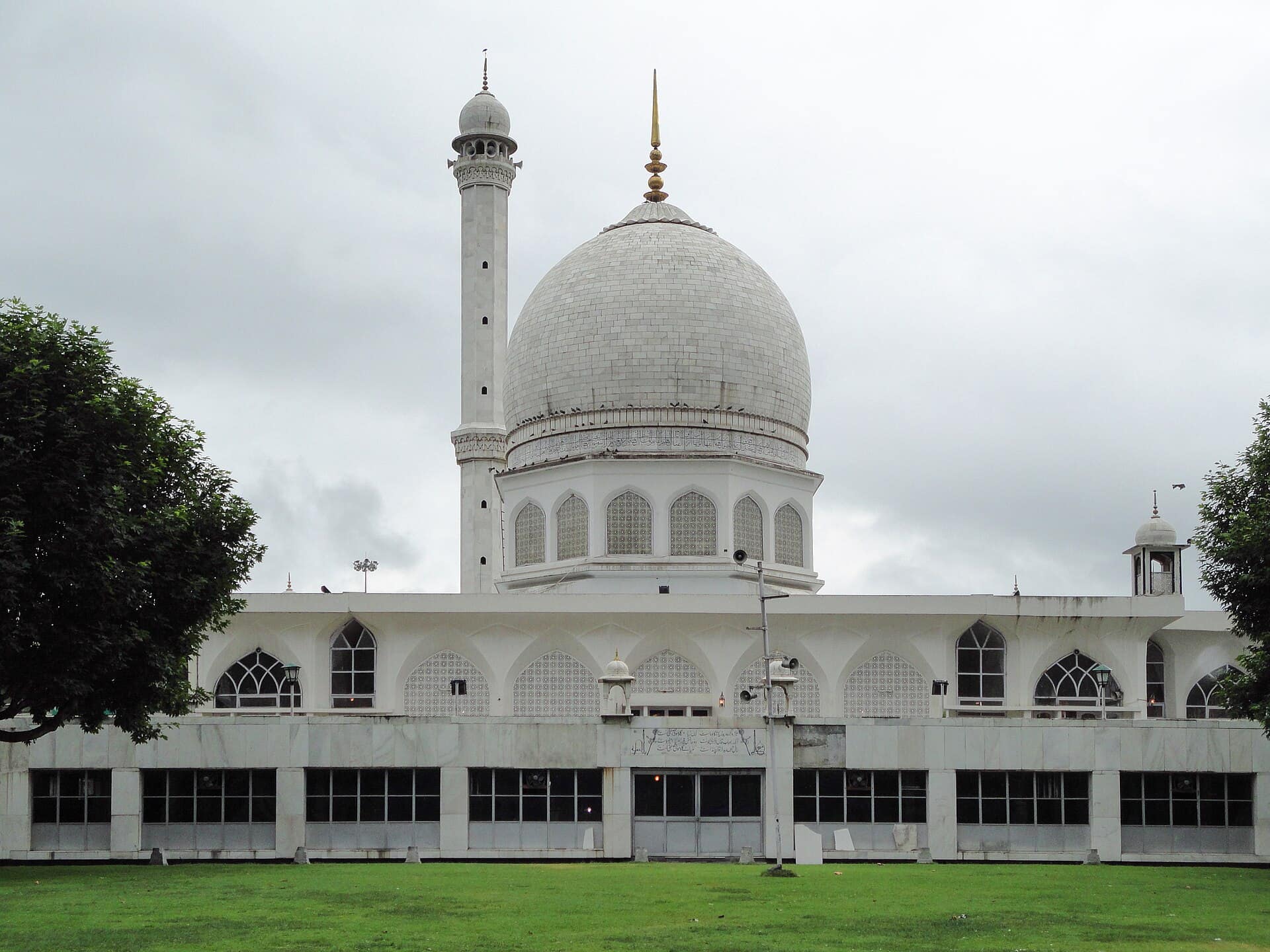
Hazratbal Shrine
- Best timeEvening, an hour before sunset, for warm light on the white marble; early morning for still water and a calm forecourt.
- ColorsWhiteSky bluePastel
 Medium crowd
Entry Free
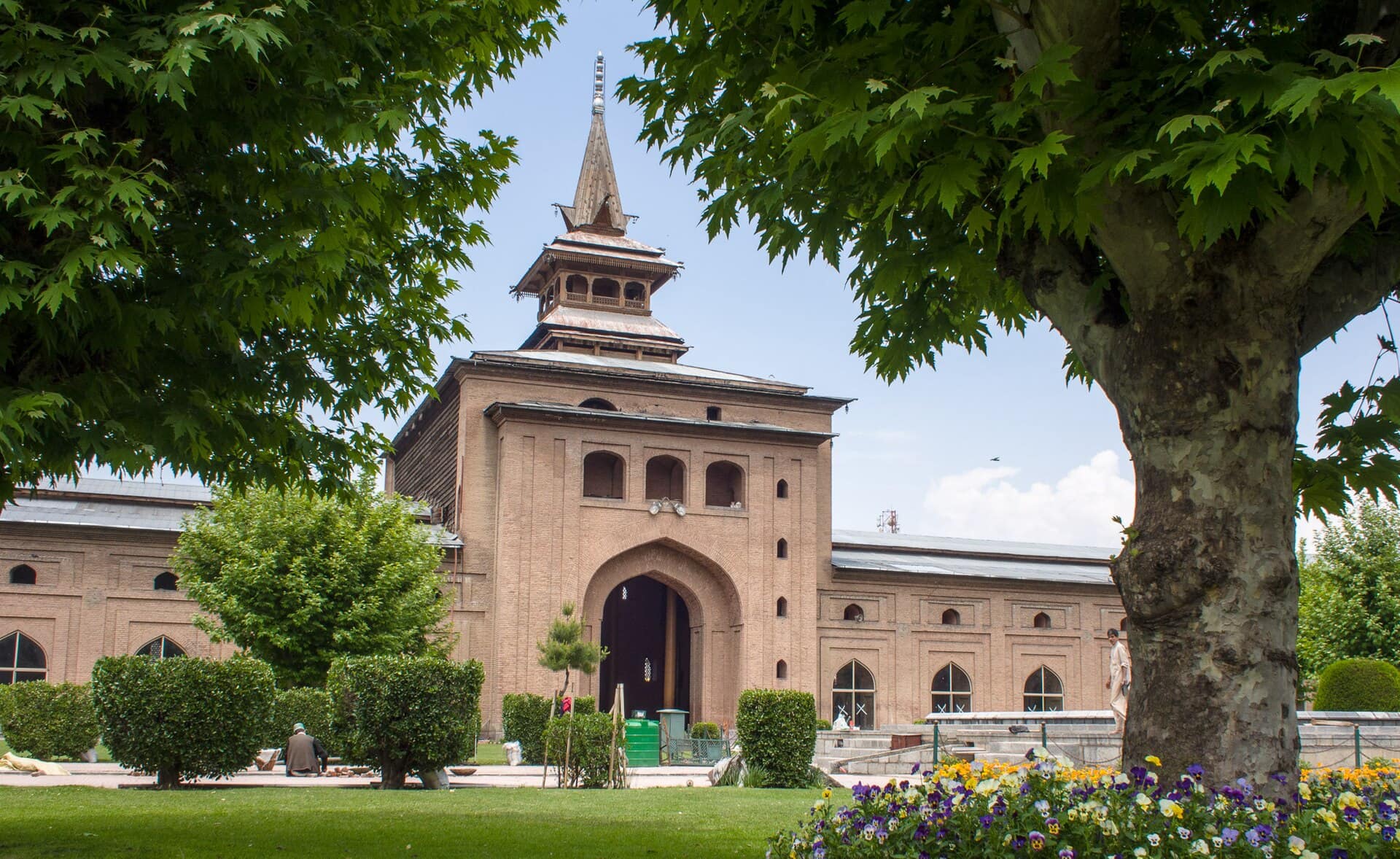
Jama Masjid
- Best timeMorning for soft light on the brick walls and a quiet square; late afternoon for warm colour on the wooden spires.
- ColorsWhitePastelMaroon
 High crowd
Entry ₹24
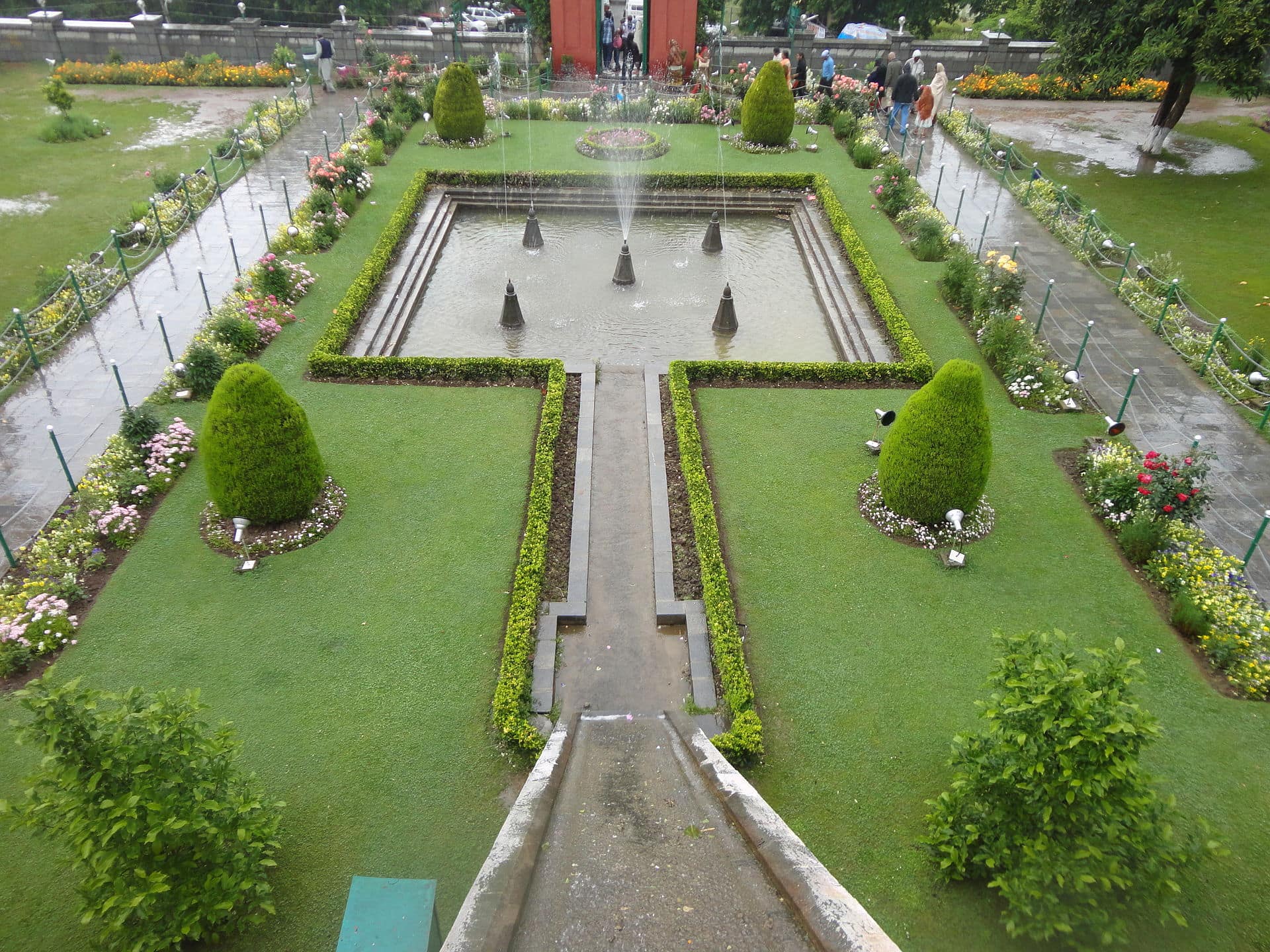
Nishat Bagh
- Best timeLate afternoon for soft light down the terraces; morning in spring for fresh flowers and fewer people.
- ColorsRedYellowWhite
 Medium crowd
Entry Free (no phones inside)
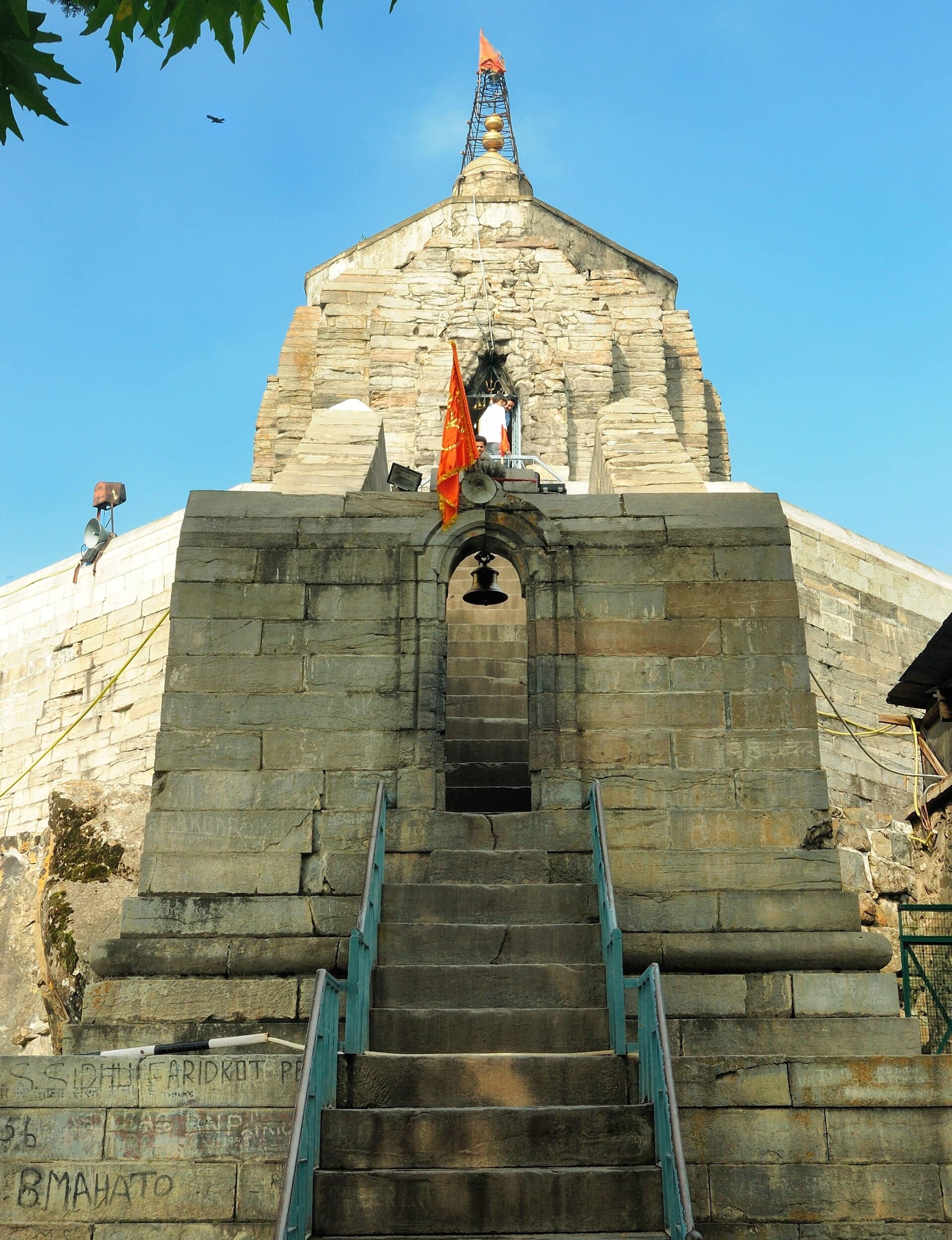
Shankaracharya Temple
- Best timePhotos are not allowed at the top; morning on Dal Lake for a clear, soft shot of the hill and temple from below.
- ColorsSaffronWhiteMaroon
For the feed
Trending Wear in Srinagar
Modern, Instagram-friendly looks


Rooted in the city
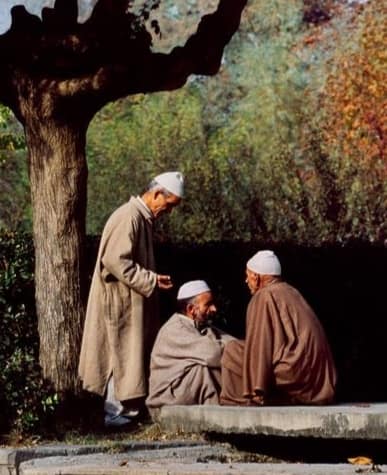
Srinagar Traditional Wear
Local, cultural, handcrafted outfits
Taste the city
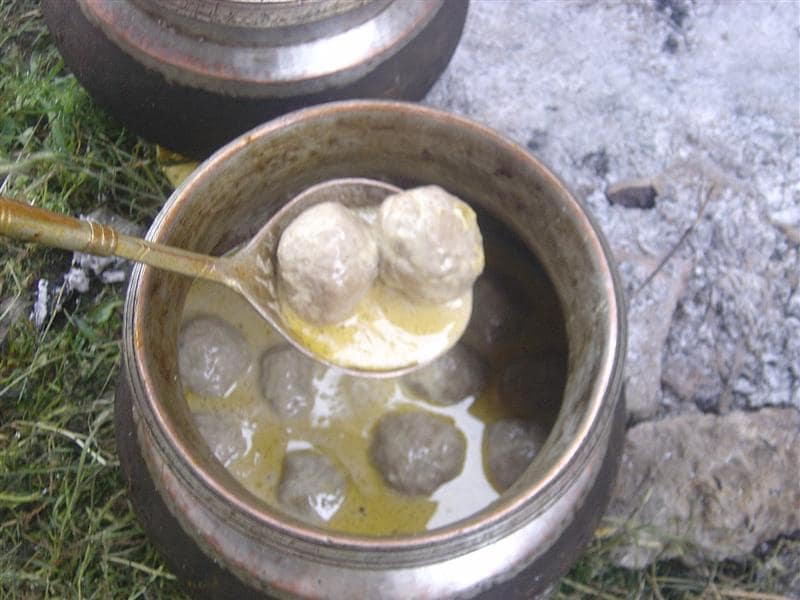
Food to Eat in Srinagar
Trusted tables
Where to Eat in Srinagar
 Representative photo
Ahdoos
Residency Road
Representative photoKrishna Vaishno Dhaba
Durga Nag
Representative photoMughal Darbar
Residency Road
Representative photoShamyana
Boulevard Road
A city built around water
Srinagar sits at about 1,585 m in the Kashmir Valley, spread along the Jhelum river and the lakes that feed it. Dal Lake is the famous one, but the city is really a web of water: canals through the old quarter, the Nigeen basin to the north, and the river crossed by a chain of old bridges downtown. Most first visits start on the water, in a shikara at dawn or on a houseboat for a night or two.
What to see first
Give the first morning to Dal Lake and the floating vegetable market, which winds up soon after sunrise. The Mughal gardens line the lake's eastern shore under the Zabarwan hills: Nishat Bagh is the largest on the lake, with Shalimar and Chashme Shahi a short drive away. For the whole city at once, climb the 243 steps to Shankaracharya Temple on Gopadri hill. Phones and cameras stay behind at the security check, so this is a view you keep in your head.
The old city is a different Srinagar. Jama Masjid at Nowhatta is built around hundreds of deodar pillars, and the lanes around it are full of bakers, copper shops and spice sellers. On the north shore of Dal, the white marble Hazratbal Shrine holds a relic of the Prophet and draws huge crowds on its display days.
Getting in and around
Srinagar's airport has direct flights from Delhi, Mumbai and other big cities. Since June 2025 a train also runs through to Srinagar from Katra, with the rail line crossing the Chenab bridge on the way. By road it is roughly 250 km from Jammu along the national highway. In town, taxis and autos are easy to find; for the lake you hire a shikara from one of the numbered ghats on Boulevard Road.
Seasons in short
Spring (March to May) brings the tulip garden, almond blossom and fresh green gardens. Summer is warm by day and the best time for day trips to Gulmarg, Pahalgam and Sonamarg. October turns the chinar trees red and gold. Winter is properly cold, with the harshest 40 days, Chillai Kalan, running from late December to the end of January. The best time to visit page breaks this down by month.
Food and craft
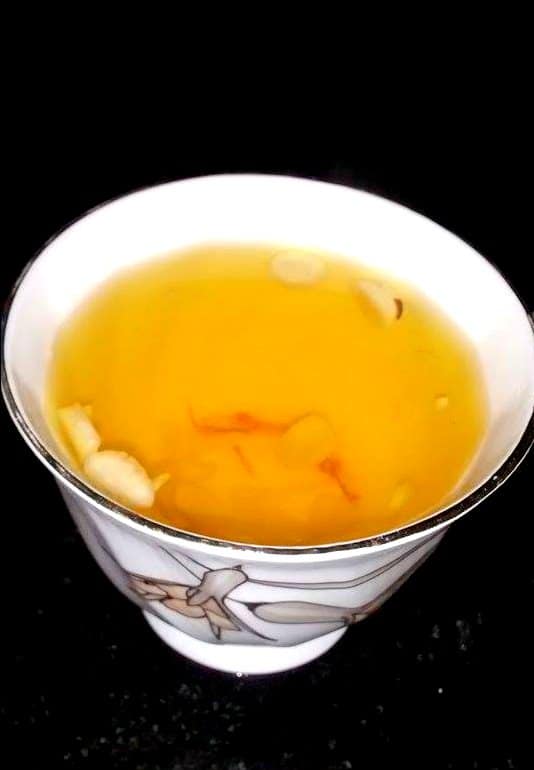
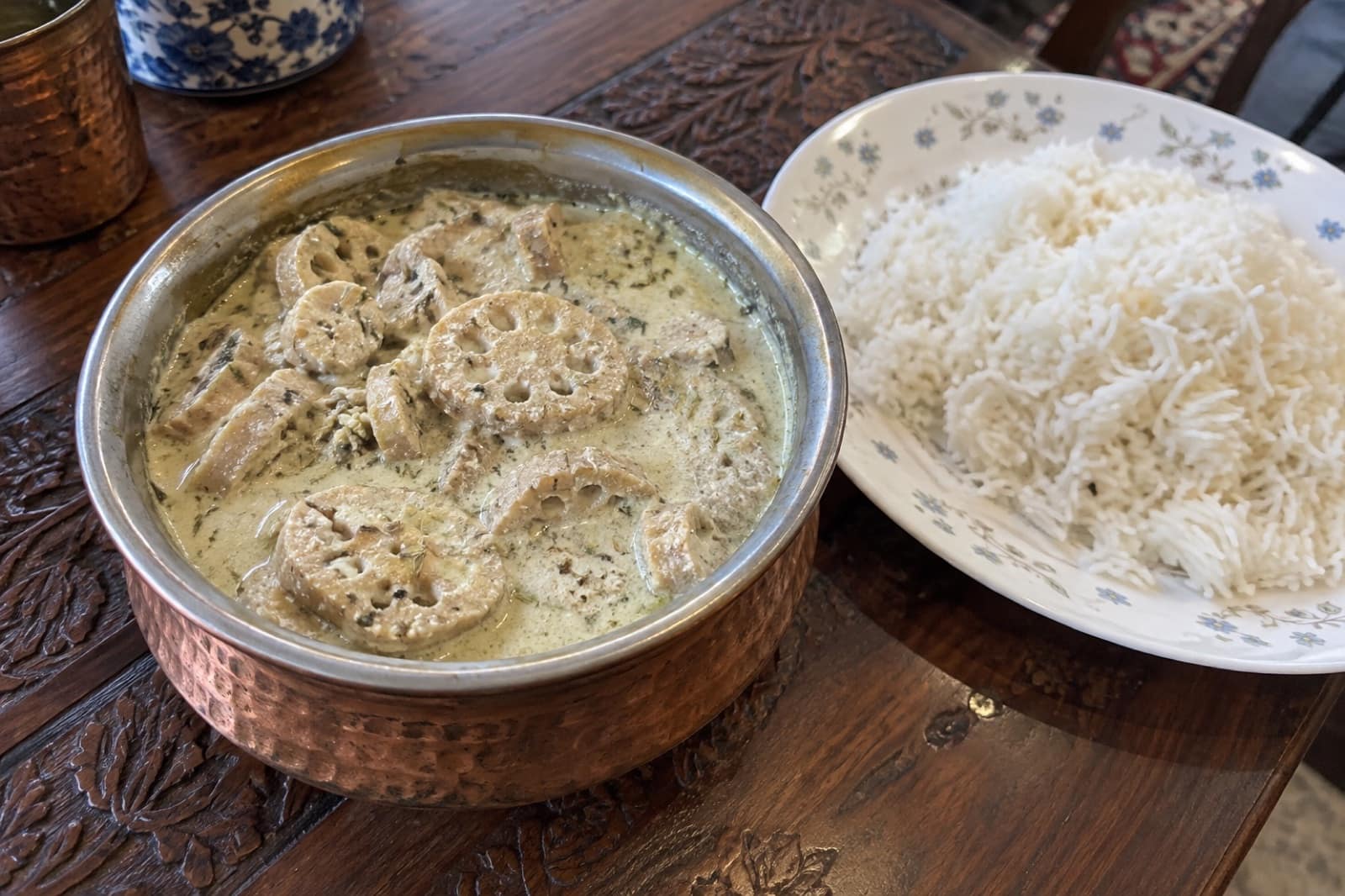
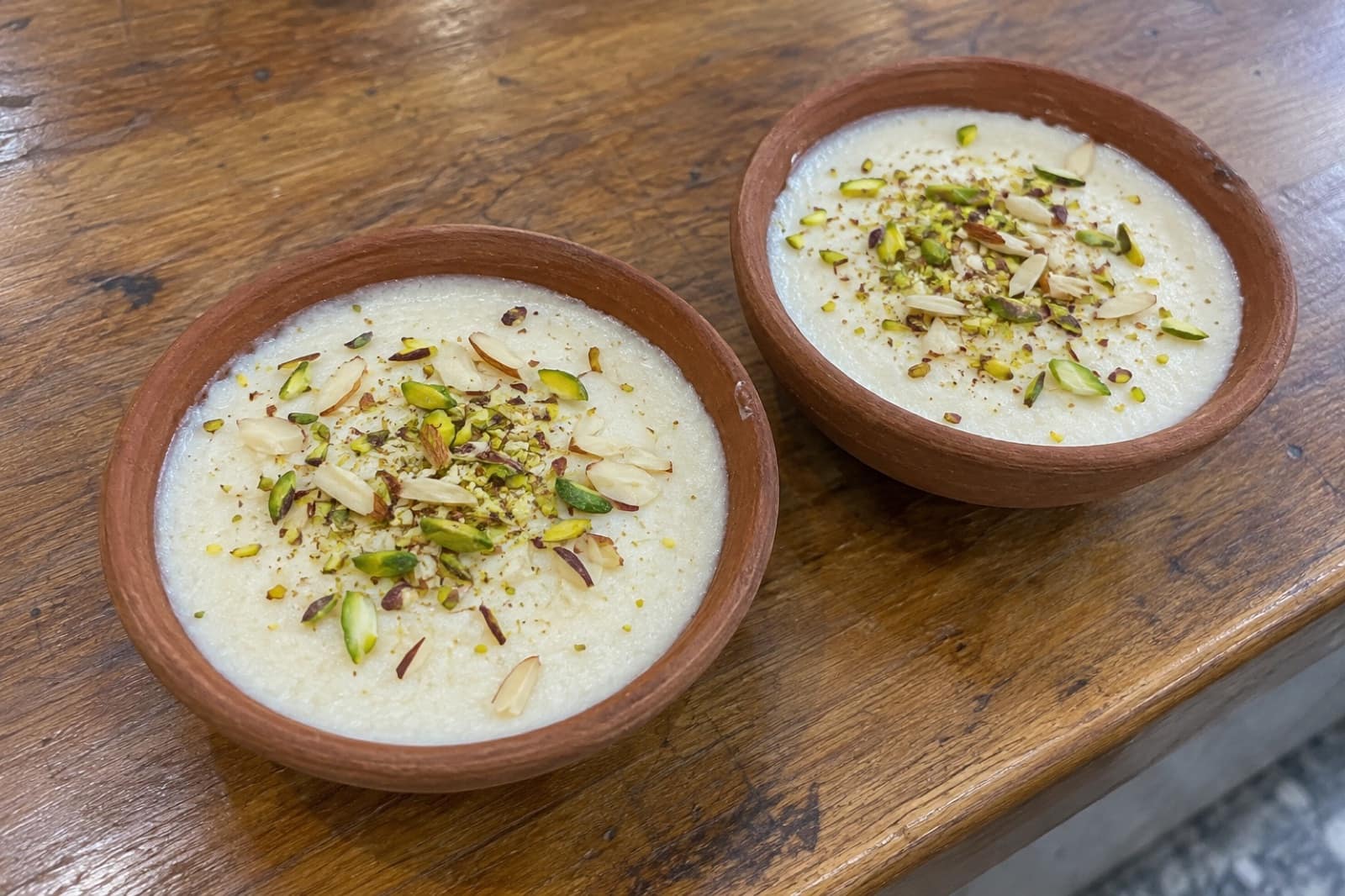
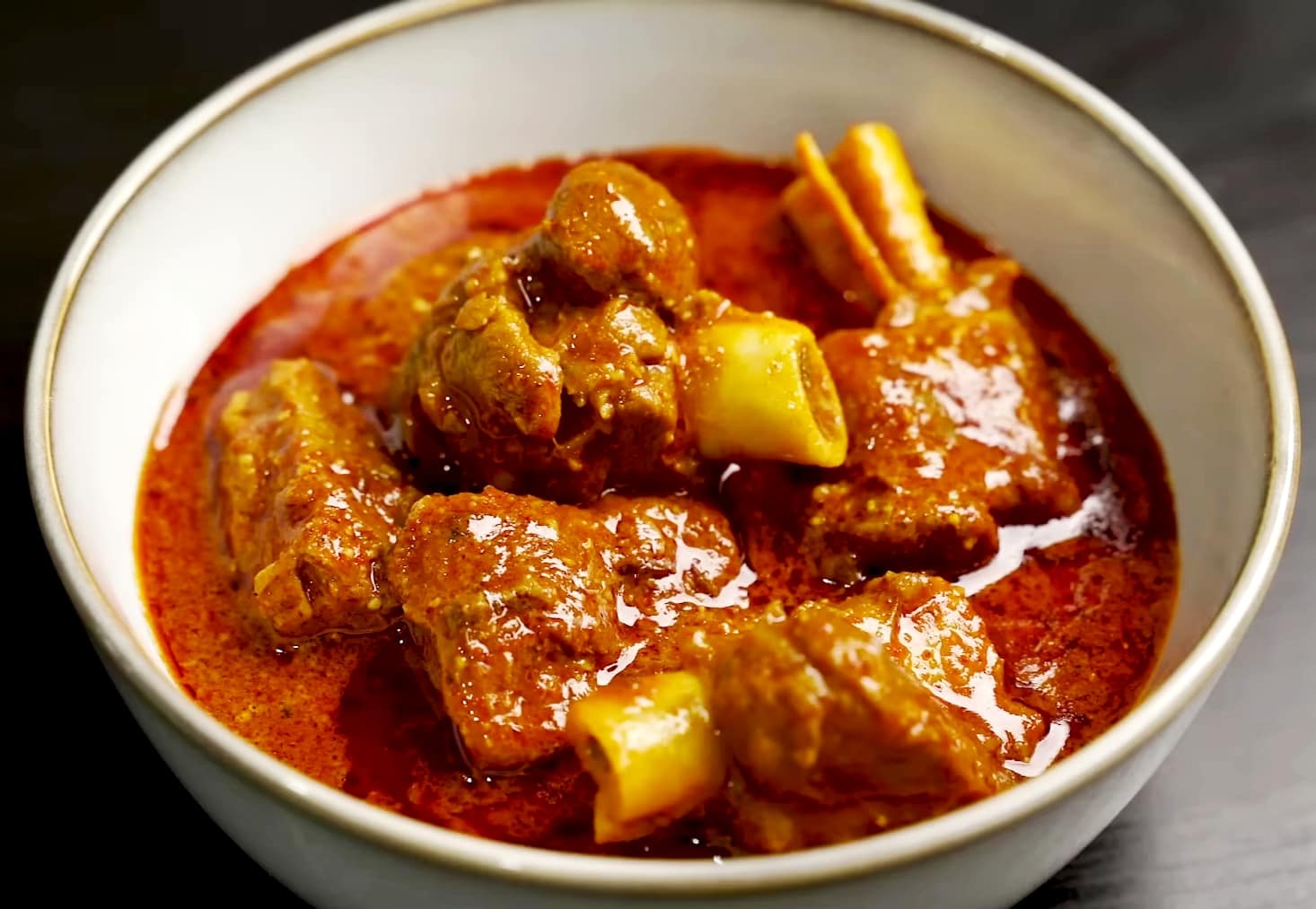
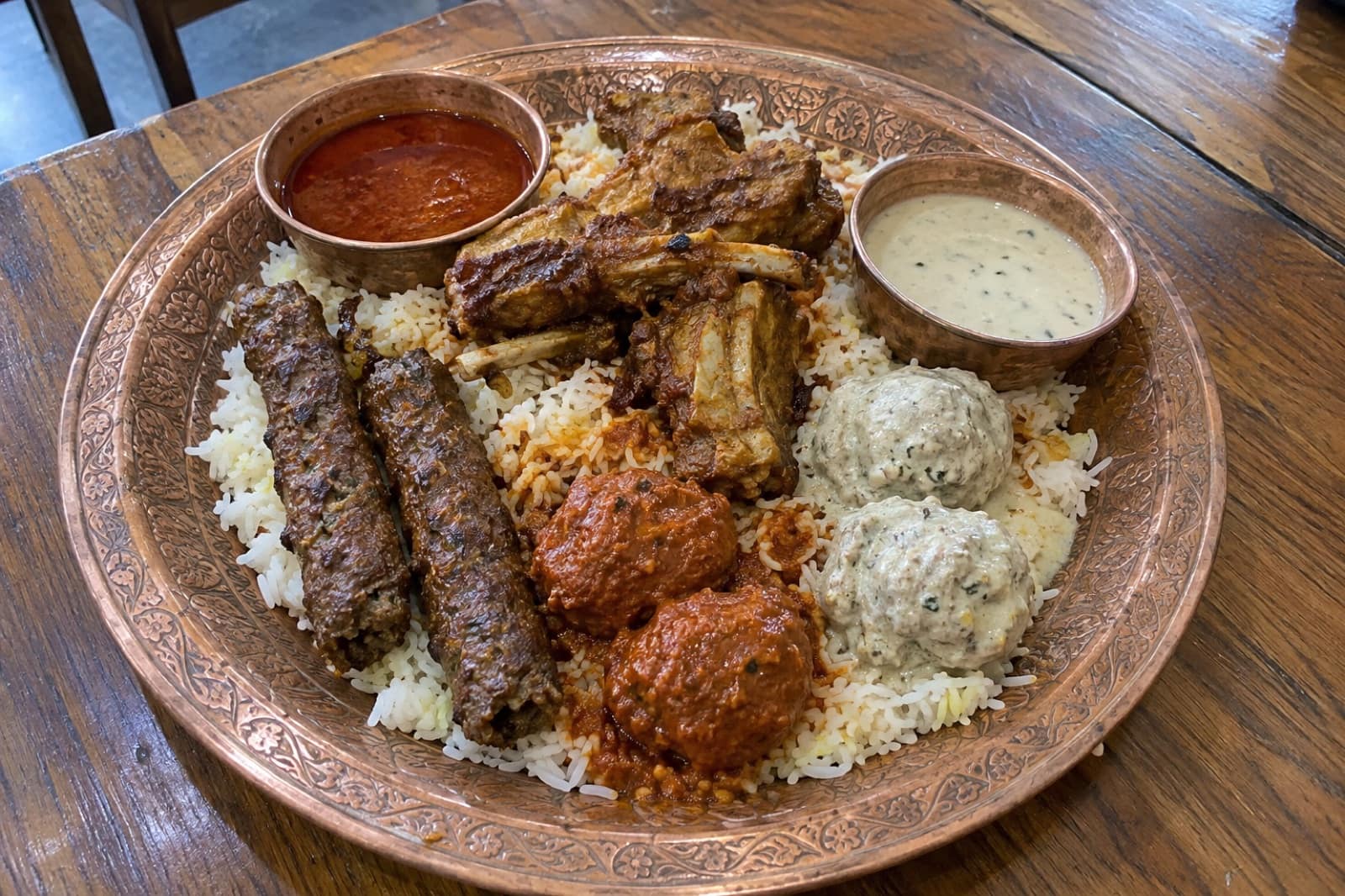
Kashmiri food here means the Wazwan tradition: rogan josh, yakhni and gushtaba, cooked slowly and shared. Vegetarians have nadru yakhni made with lotus stem from the lakes, and everyone drinks kahwa. Srinagar is also the place to buy pashmina, papier-mâché and walnut-wood carving. Buy from a workshop or a government emporium if you want to be sure of what you are paying for.
Questions
Srinagar — FAQ
Is a houseboat or a hotel better for a first stay in Srinagar?
A night or two on a Dal or Nigeen houseboat is worth doing once, especially for the dawn light. Hotels on Boulevard Road or in Rajbagh are easier for early starts on day trips. Many visitors split their stay between the two.
How do I get to Srinagar by train?
Trains now run into Srinagar from Katra on the Jammu side, through the Chenab and Anji bridges and the tunnels under the Pir Panjal. Book ahead in peak season, as seats sell out.
Which day trips can I do from Srinagar?
Gulmarg (about 50 km), Pahalgam (about 90 km) and Sonamarg (about 80 km) are all done as day trips, though each is better with a night. Leave early, as mountain roads slow down after mid-morning.
Do I need to cover my head at Srinagar's mosques and shrines?
Women should carry a scarf for Hazratbal and Jama Masjid, and everyone should cover shoulders and knees. Take shoes off before entering prayer halls.
Is prepaid mobile from other states working in Kashmir?
Prepaid connections from outside Jammu and Kashmir do not work in the region. Carry a postpaid connection or buy a local SIM with your ID.