
Madhya Pradesh · India
Bhopal
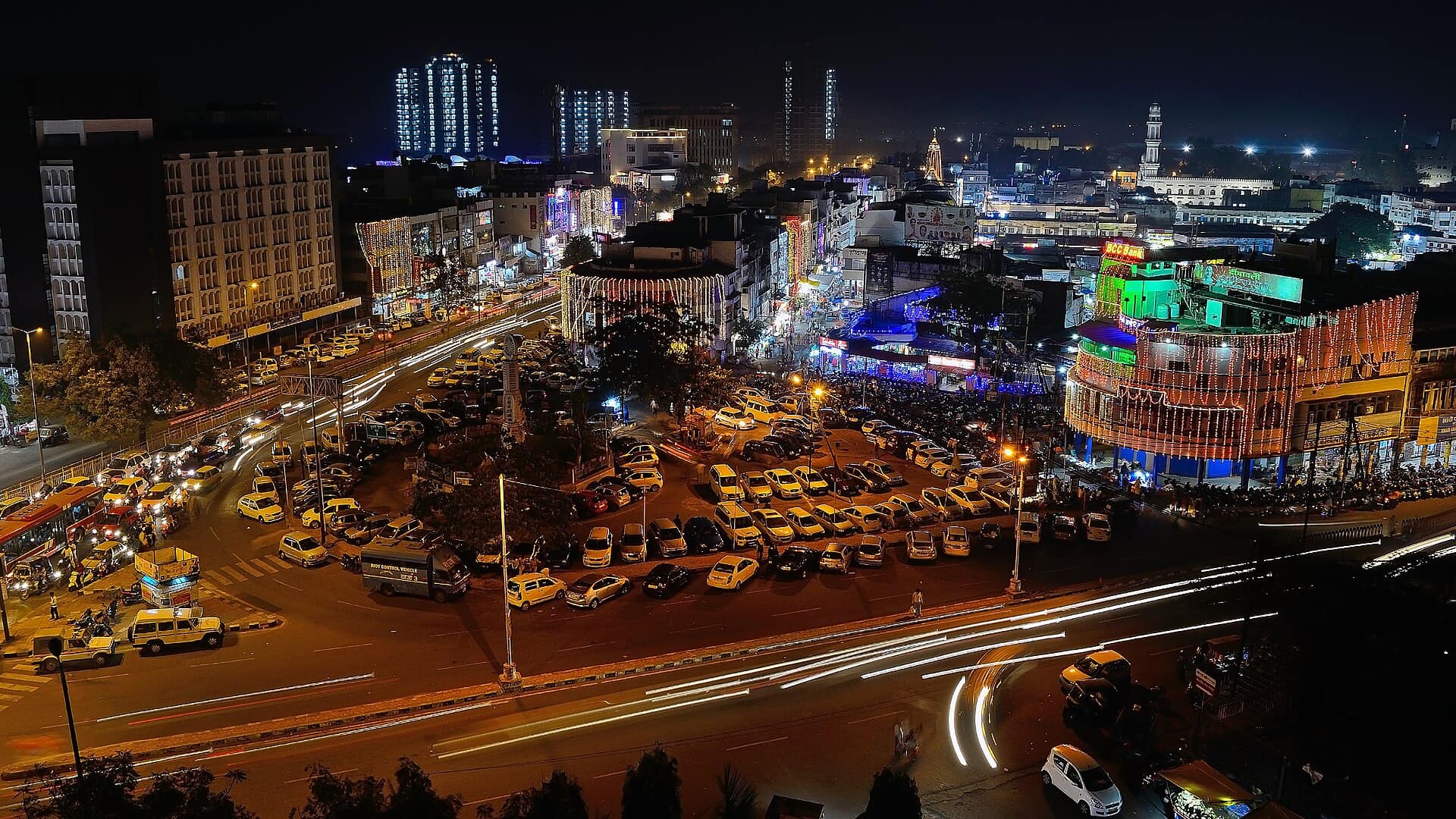
The City of Lakes — Madhya Pradesh's graceful capital of shimmering lakes, grand mosques of the Begums, and a rich Bhopali Muslim cuisine.
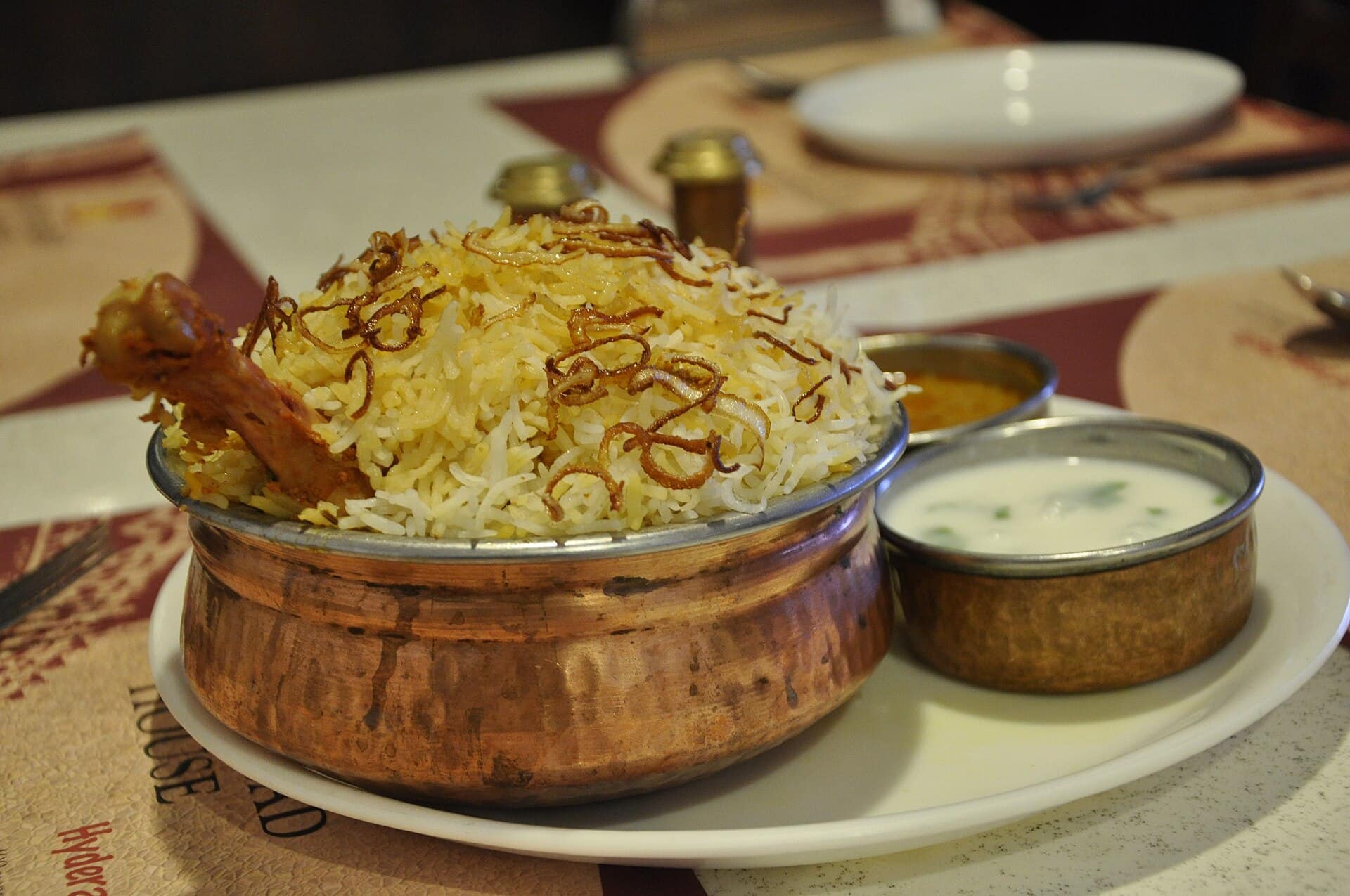
Bhopal blends Nawabi-Begum heritage with lake-side calm; it's famed for zardozi and batua craft, and a hearty non-veg cuisine of korma, biryani and kebabs.
Plan your trip
Bhopal Tour Itineraries
Timed, walkable day plans — plus the best season to go.
Where to shoot
Bhopal Photo Spots
Entry Nominal
Gohar Mahal
- Best timeMorning, soon after it opens, when soft light falls into the courtyard and the palace is quiet.
- ColorsMaroonCreamGold
 Medium crowd
Entry ₹40 (Indian) / ₹600 (foreign)
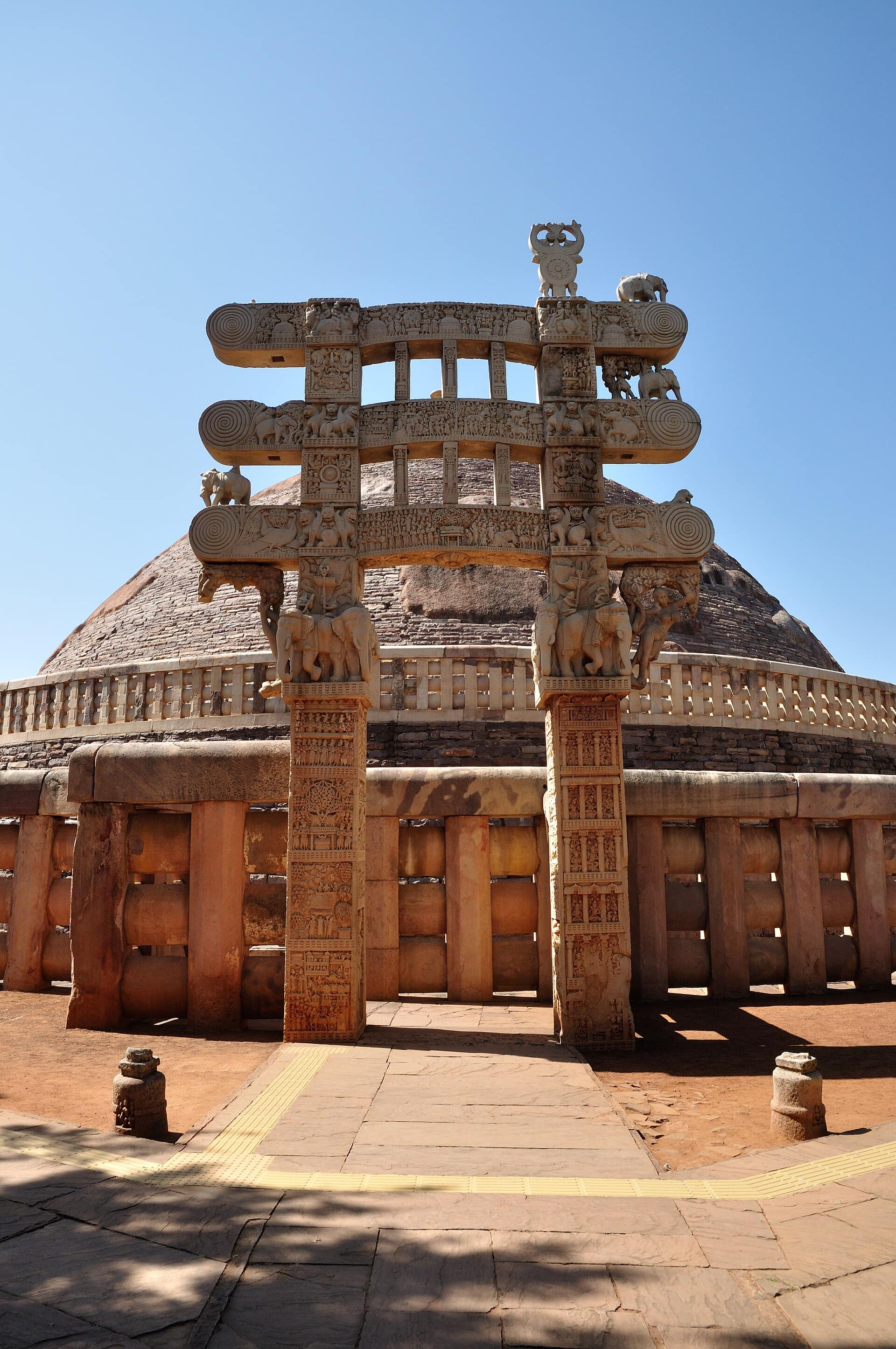
Sanchi Stupa
- Best timeEarly morning or late afternoon, when low sun brings out the depth of the gateway carvings and the hilltop is quieter.
- ColorsOchreMaroonCream
 Medium crowd
Entry Free
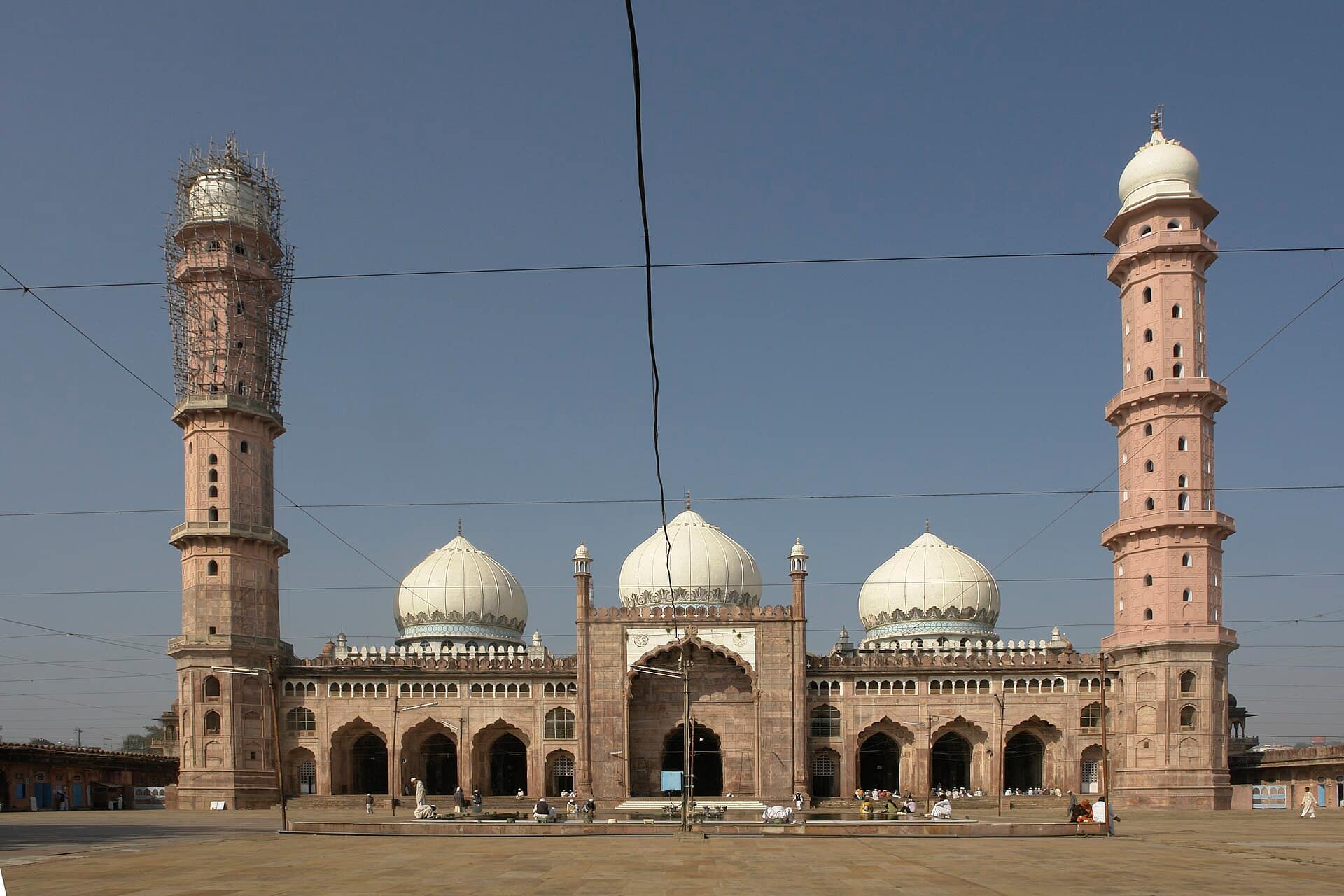
Taj-ul-Masajid
- Best timeEarly morning, when the sun lights up the pink front of the prayer hall and the courtyard is calm between prayers.
- ColorsWhitePastelMaroon
 High crowd
Entry Free (boat ride extra)
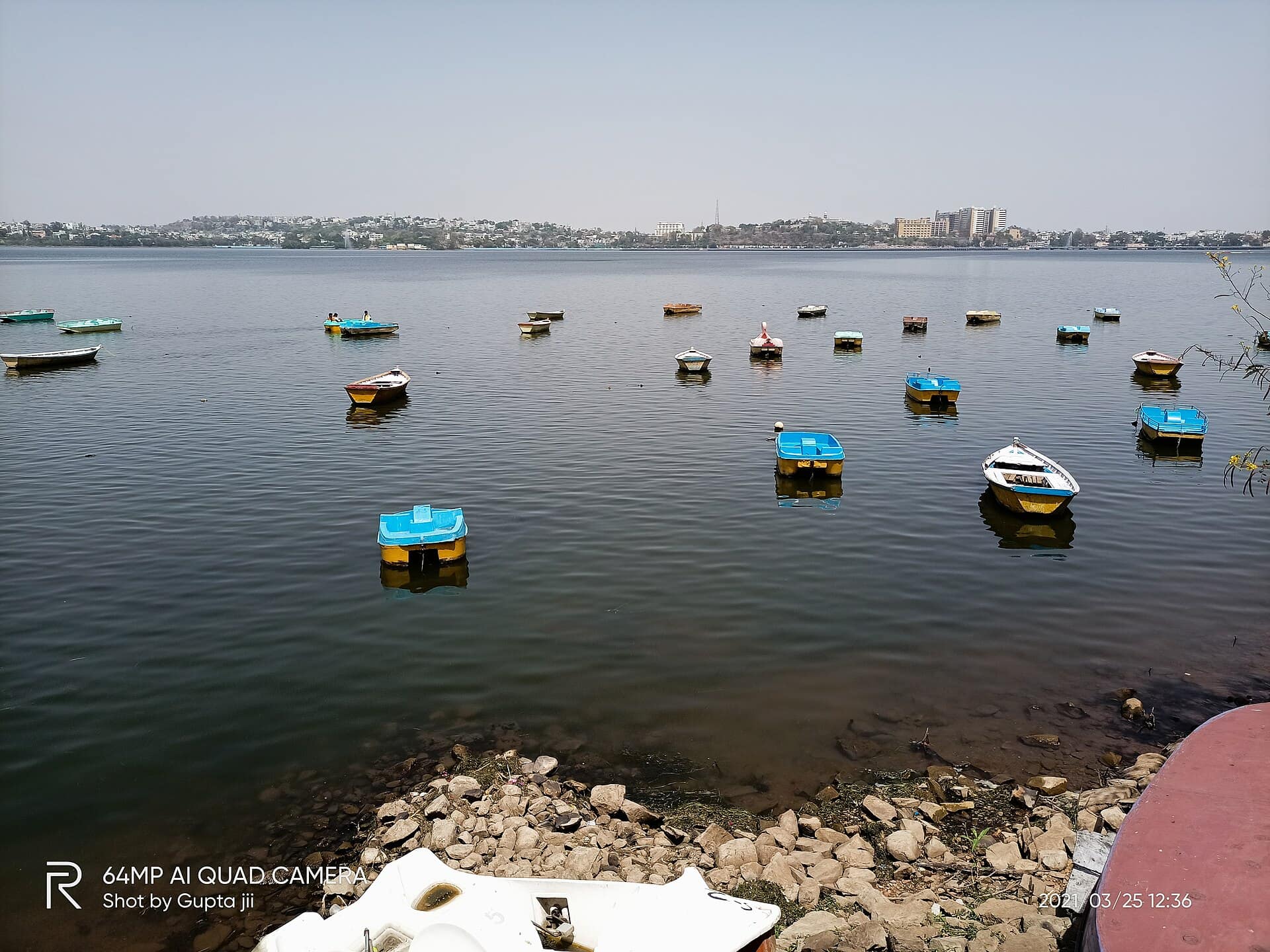
Upper Lake (Bada Talab)
- Best timeSunset, when the sky turns orange over the water and the boats and the Raja Bhoj statue stand out as silhouettes.
- ColorsWhiteCoralCobalt
 Medium crowd
Entry ₹25 (walk) / ₹300 (vehicle)
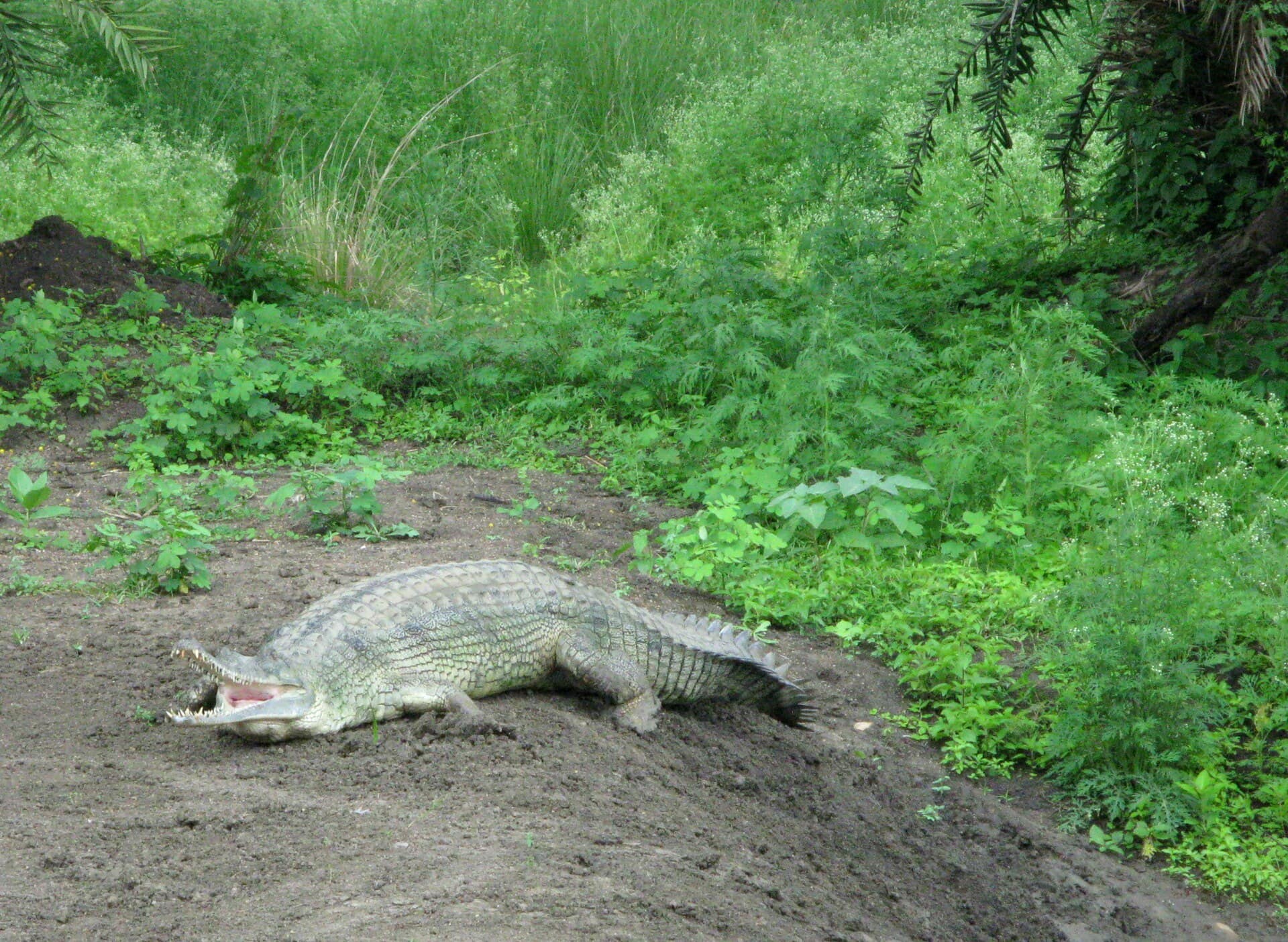
Van Vihar National Park
- Best timeEarly morning, soon after the gates open, when the animals are most active and the light over the lake is soft.
- ColorsEarth tonesWhiteOlive
For the feed
Trending Wear in Bhopal
Modern, Instagram-friendly looks

Rooted in the city
Bhopal Traditional Wear
Local, cultural, handcrafted outfits
Taste the city
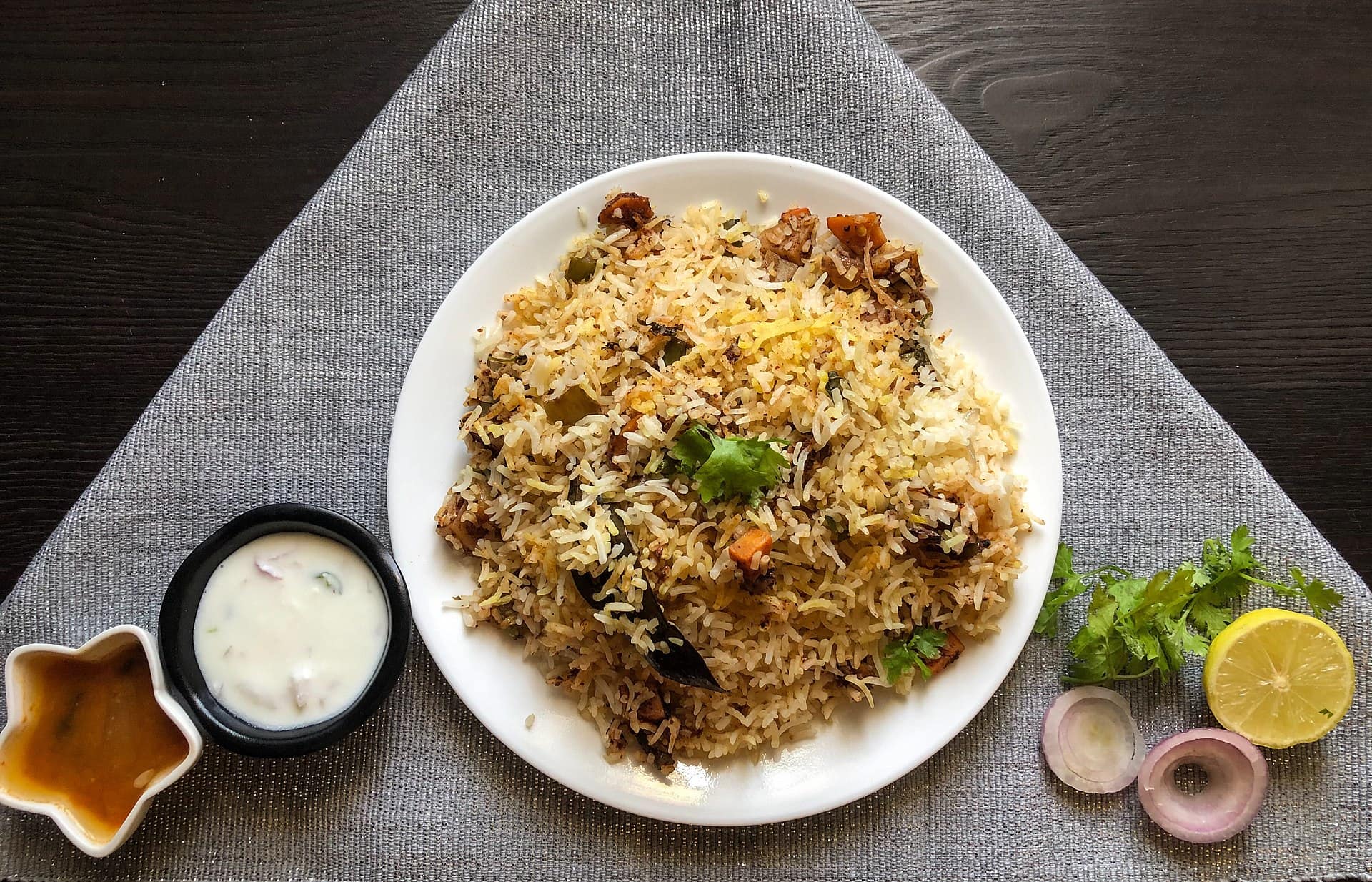
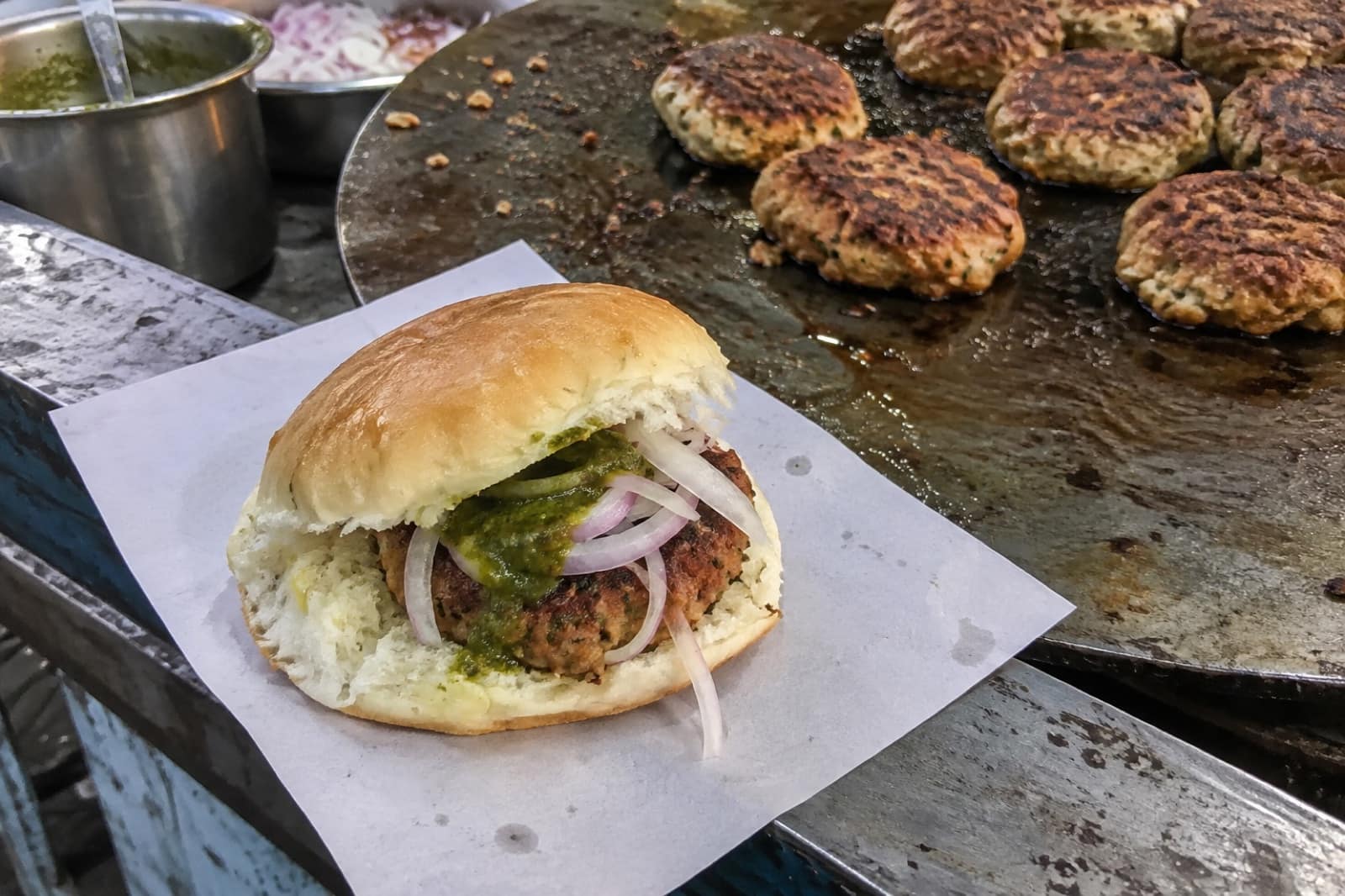
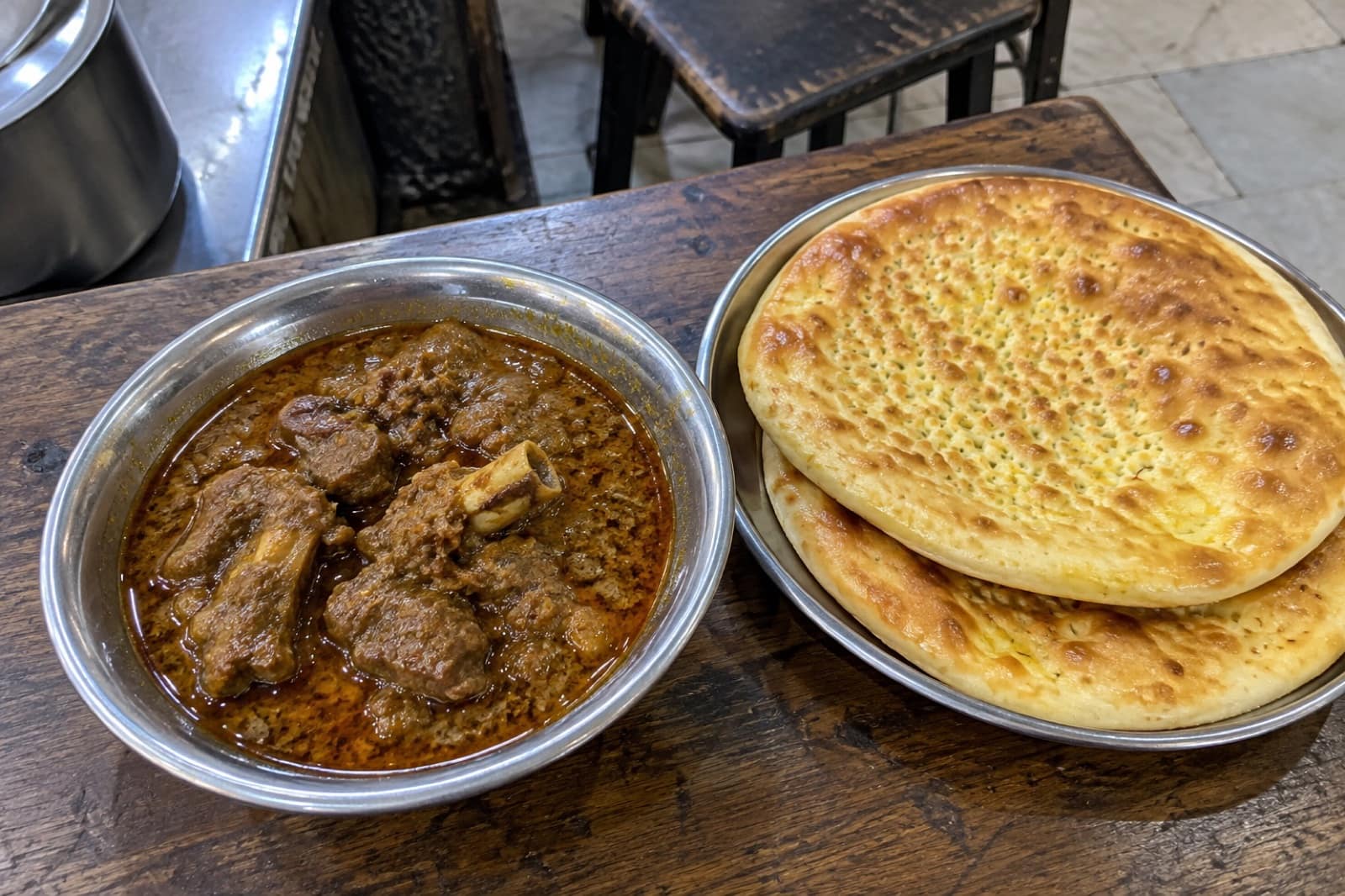
Food to Eat in Bhopal
Trusted tables
Where to Eat in Bhopal
About Bhopal
Bhopal, the capital of Madhya Pradesh, is known as the City of Lakes. The Upper Lake and the smaller Lower Lake lie right in the middle of the city, and the Upper Lake is said to have been created by the Paramara king Raja Bhoj in the 11th century. For most of the century from 1819 to 1926, Bhopal was ruled by four Begums. Their mosques, palaces and bazaars still shape the Old City, from the pink Taj-ul-Masajid to Gohar Mahal by the lake. The city is also remembered for the gas leak at the Union Carbide plant in December 1984, one of the worst industrial disasters in history.
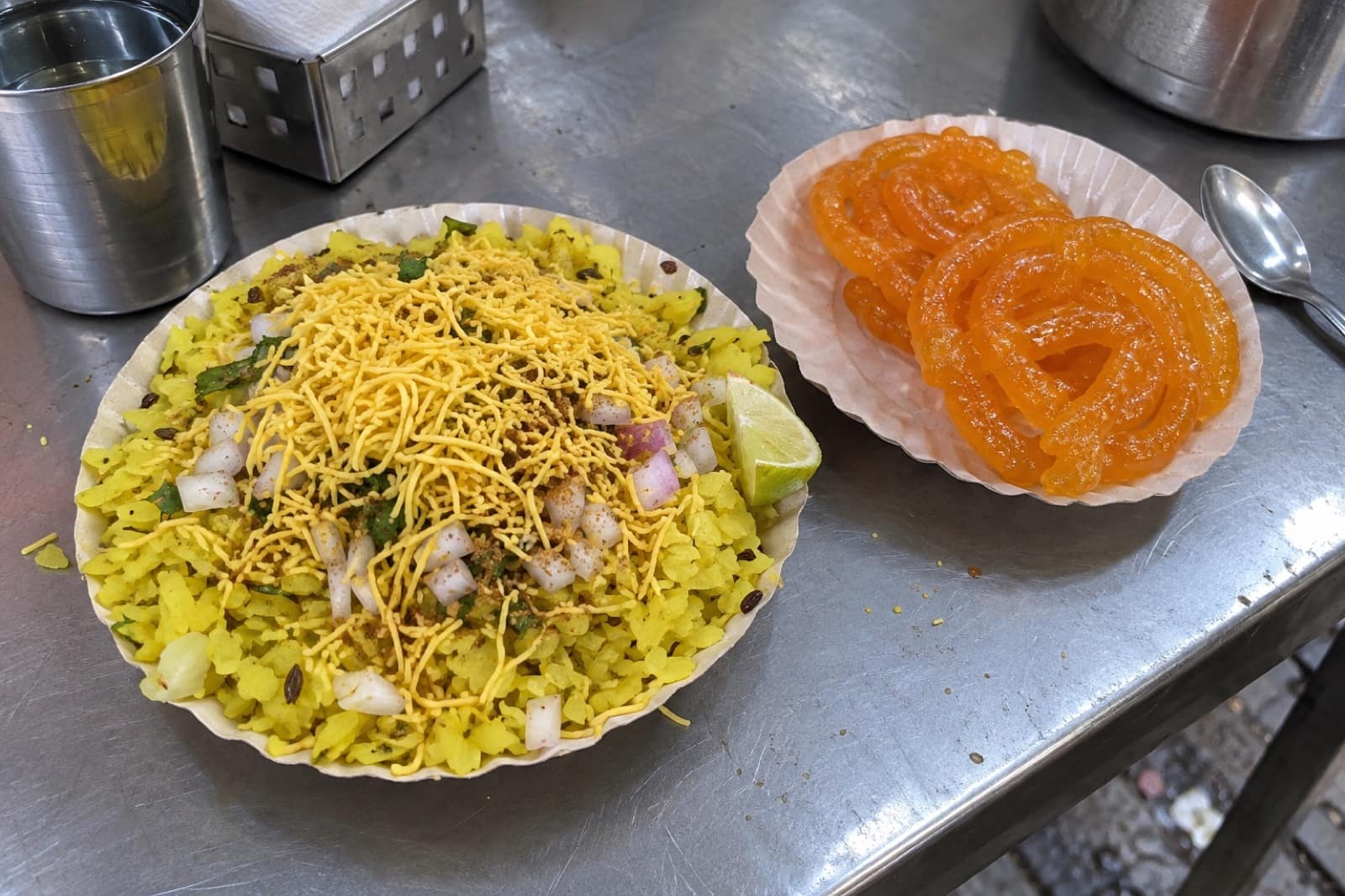
Most sights are a short drive apart. Spend a morning in the Old City at Taj-ul-Masajid, Gohar Mahal and Chowk Bazaar, known for zardozi embroidery and batua purses, then end the day with a sunset at the Upper Lake. Van Vihar National Park and Bharat Bhavan are close to the lake, and the city's korma, biryani and poha-jalebi are worth planning your meals around. Two UNESCO World Heritage Sites make easy day trips: the Buddhist stupas at Sanchi, about 46 km away, and the prehistoric rock shelters of Bhimbetka, about 45 km away.
Questions
Bhopal — FAQ
What is Bhopal famous for?
Bhopal is famous for its lakes, especially the Upper Lake, and for Taj-ul-Masajid, one of the largest mosques in India. It is also known for the four Begums who ruled it, zardozi and batua crafts, Bhopali korma and biryani, and two UNESCO World Heritage Sites nearby: Sanchi and Bhimbetka.
How many days are enough for Bhopal?
2–3 days is enough. Spend one day on the Old City, Taj-ul-Masajid, Gohar Mahal and a sunset at the Upper Lake, and another on Van Vihar and the museums. Add a day for Sanchi, or for Bhimbetka and the Bhojpur temple together.
What is the best time to visit Bhopal?
October to March is the most comfortable time, with warm days and cool nights. April to June is very hot, often above 40 °C, and July to September brings the monsoon, when the lakes fill up. See the best time to visit Bhopal for a month-by-month guide.
How do I reach Bhopal?
Raja Bhoj Airport is about 15 km from the city centre and has flights from major Indian cities. Bhopal is also a big railway hub, with trains from Delhi, Mumbai and most large cities stopping at Bhopal Junction or Rani Kamlapati station. Good roads connect it to Indore, Sanchi and the rest of Madhya Pradesh.
Why is Bhopal called the City of Lakes?
Bhopal has many natural and man-made lakes in and around the city. The best known are the Upper Lake and the Lower Lake in the city centre, which together form the Bhoj Wetland, a Ramsar site of international importance. The Upper Lake still supplies drinking water to a large part of the city.