
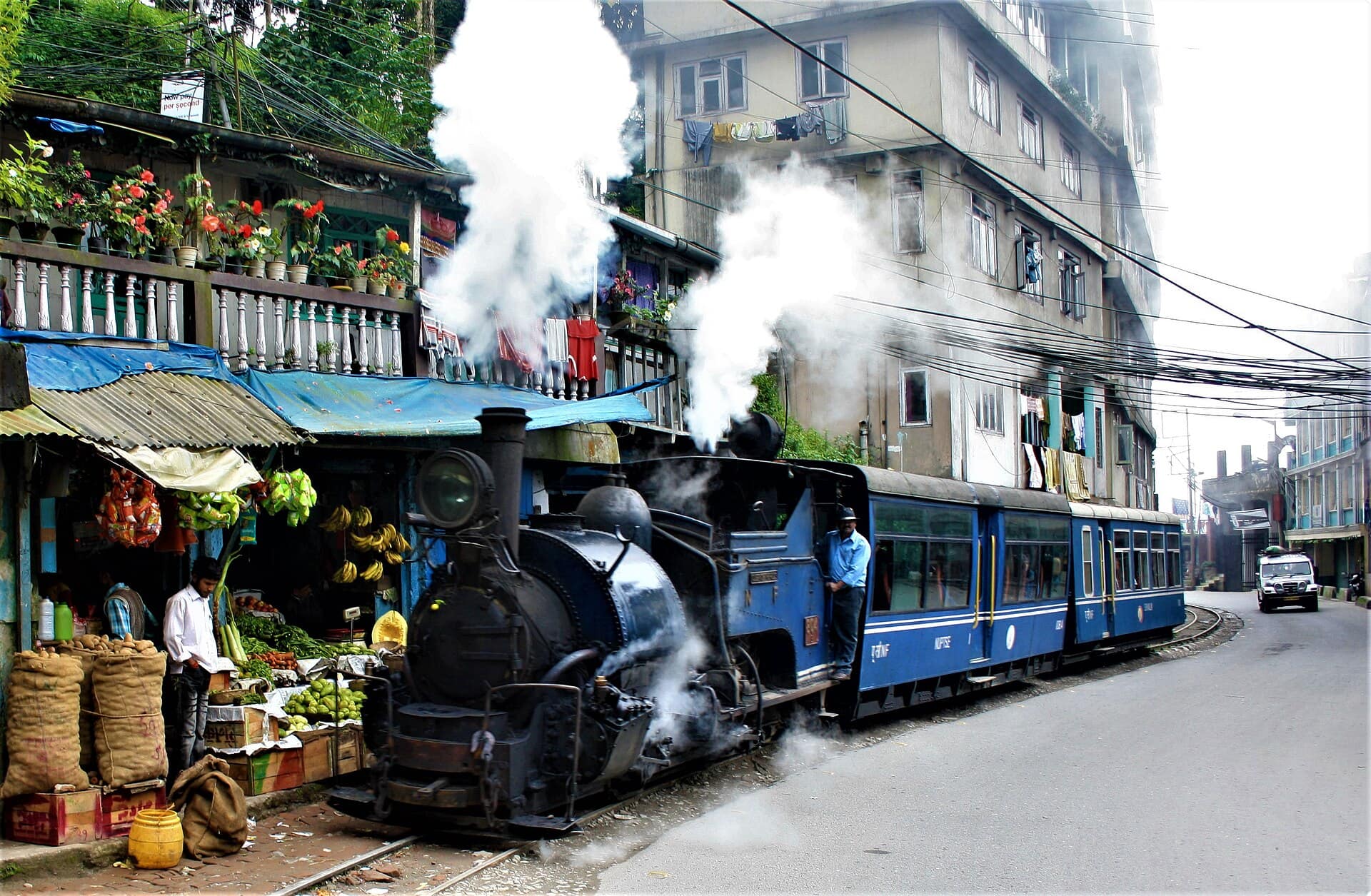
West Bengal · India
Darjeeling
The Queen of the Hills — a misty tea-country town below the snows of Kanchenjunga, laced with a UNESCO toy train and Himalayan-Tibetan culture.
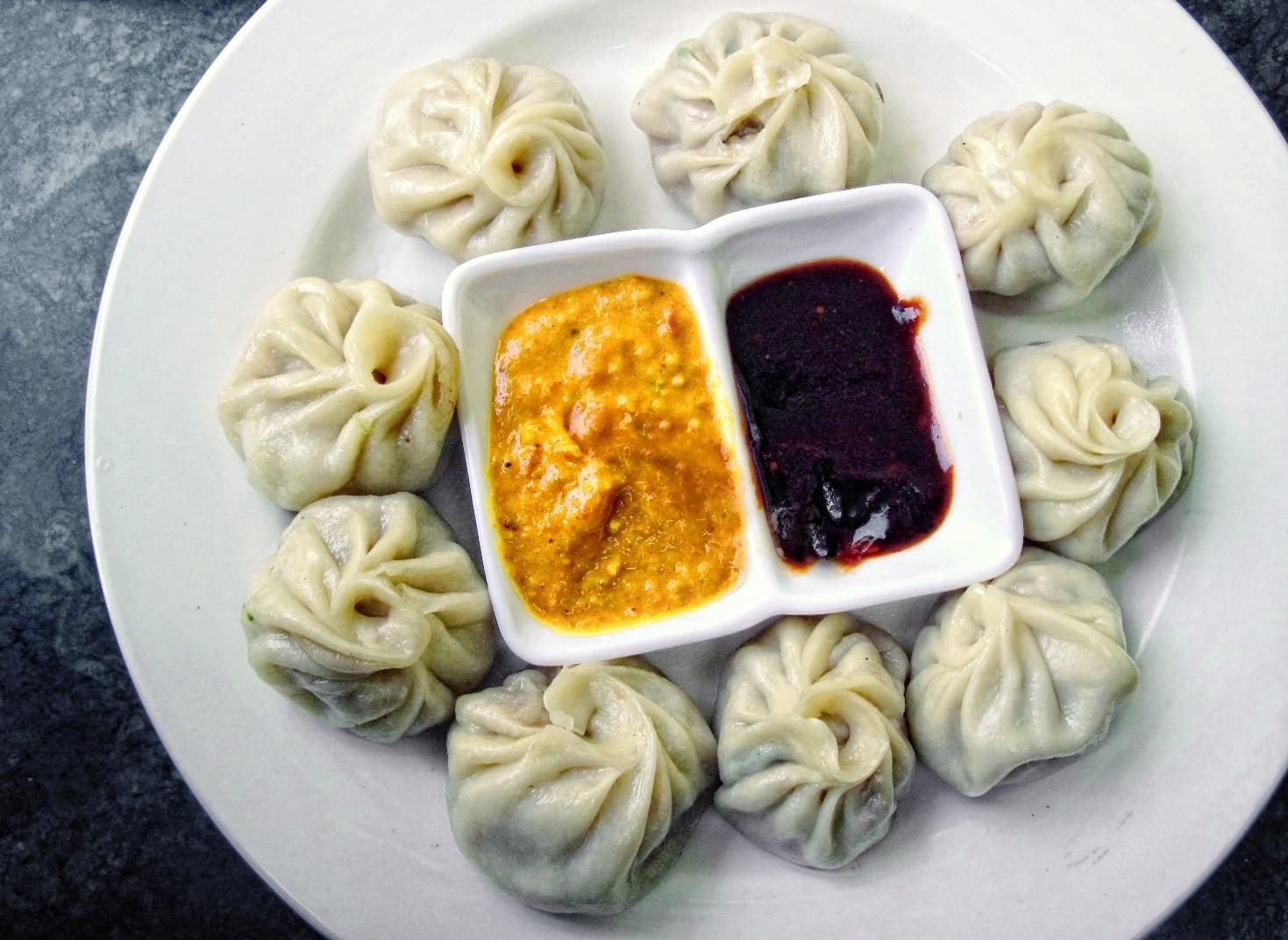
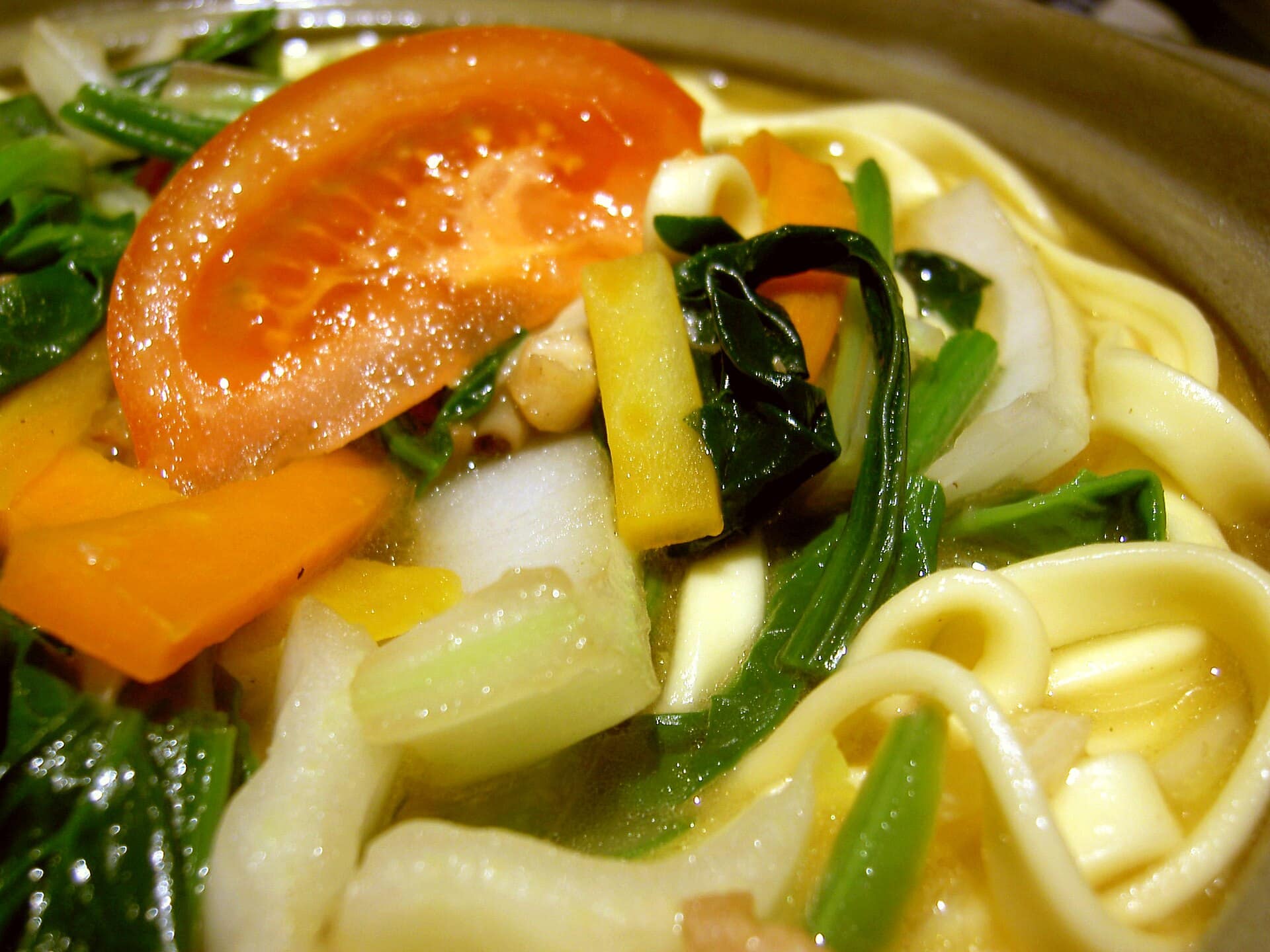
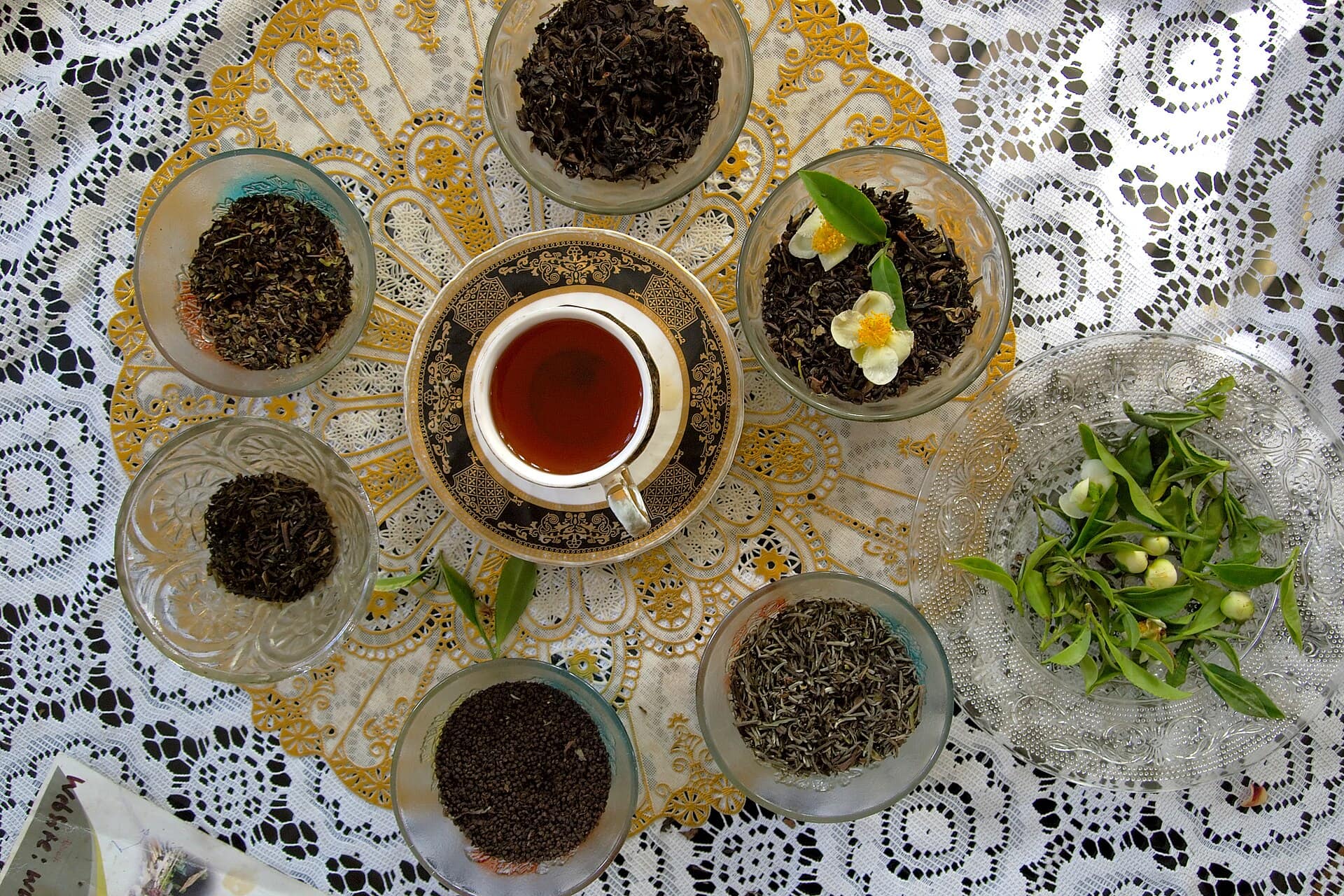
Darjeeling blends Nepali, Tibetan, Lepcha and Bengali cultures; expect its world-famous tea, momos and thukpa, and warm hill-and-Himalayan wear.
Plan your trip
Darjeeling Tour Itineraries
Timed, walkable day plans — plus the best season to go.
Where to shoot
Darjeeling Photo Spots
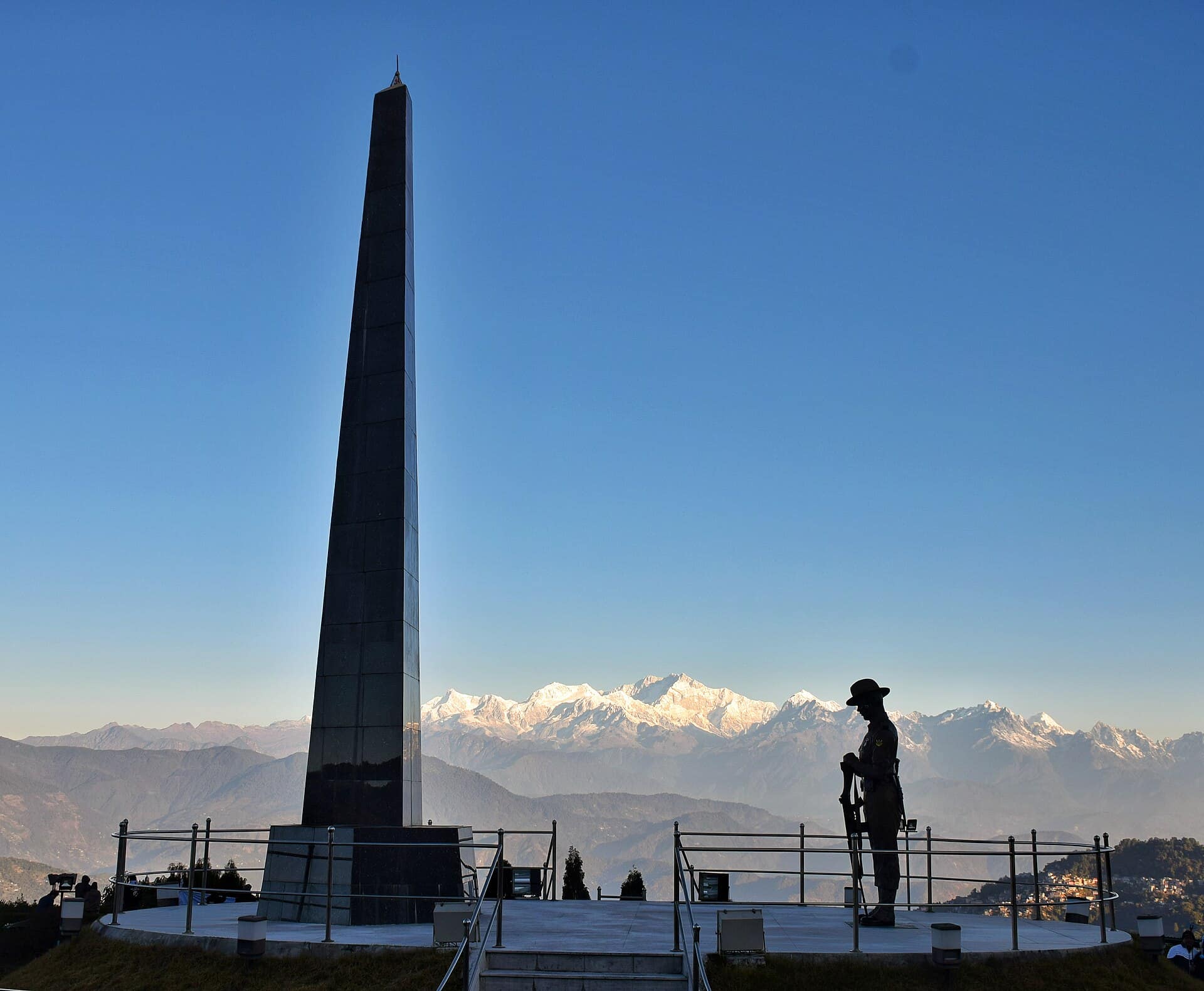 High crowd
Entry ₹20
Batasia Loop
- Best timeEarly morning, when Kanchenjunga is still clear behind the loop and a toy train may be passing; late afternoon for warm light on the memorial and garden.
- ColorsRedWhiteGreen
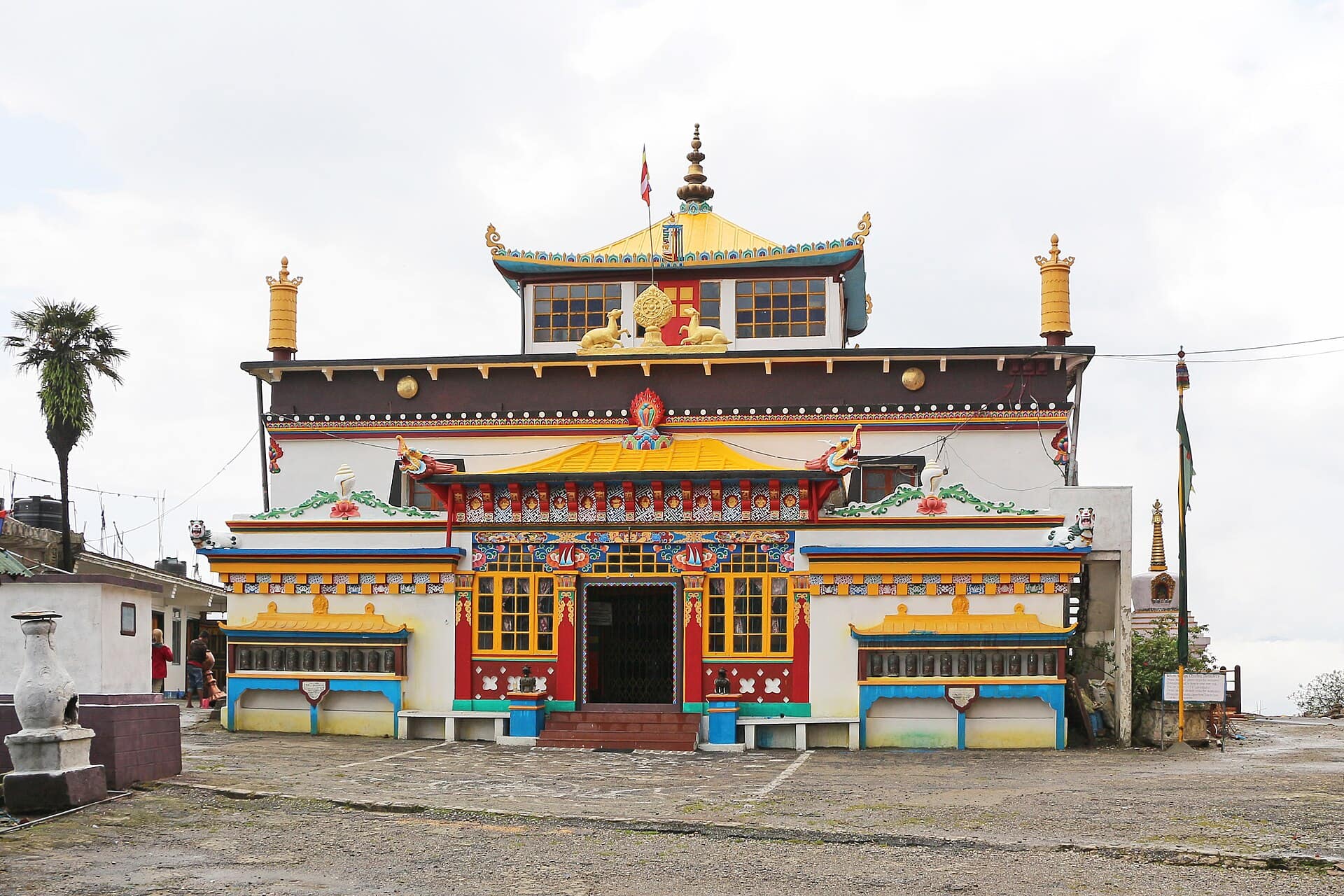 Medium crowd
Entry Free (donation)
Ghoom Monastery
- Best timeMorning, when the light is soft on the painted façade and prayer flags and the monks may be chanting inside.
- ColorsMaroonSaffronWhite
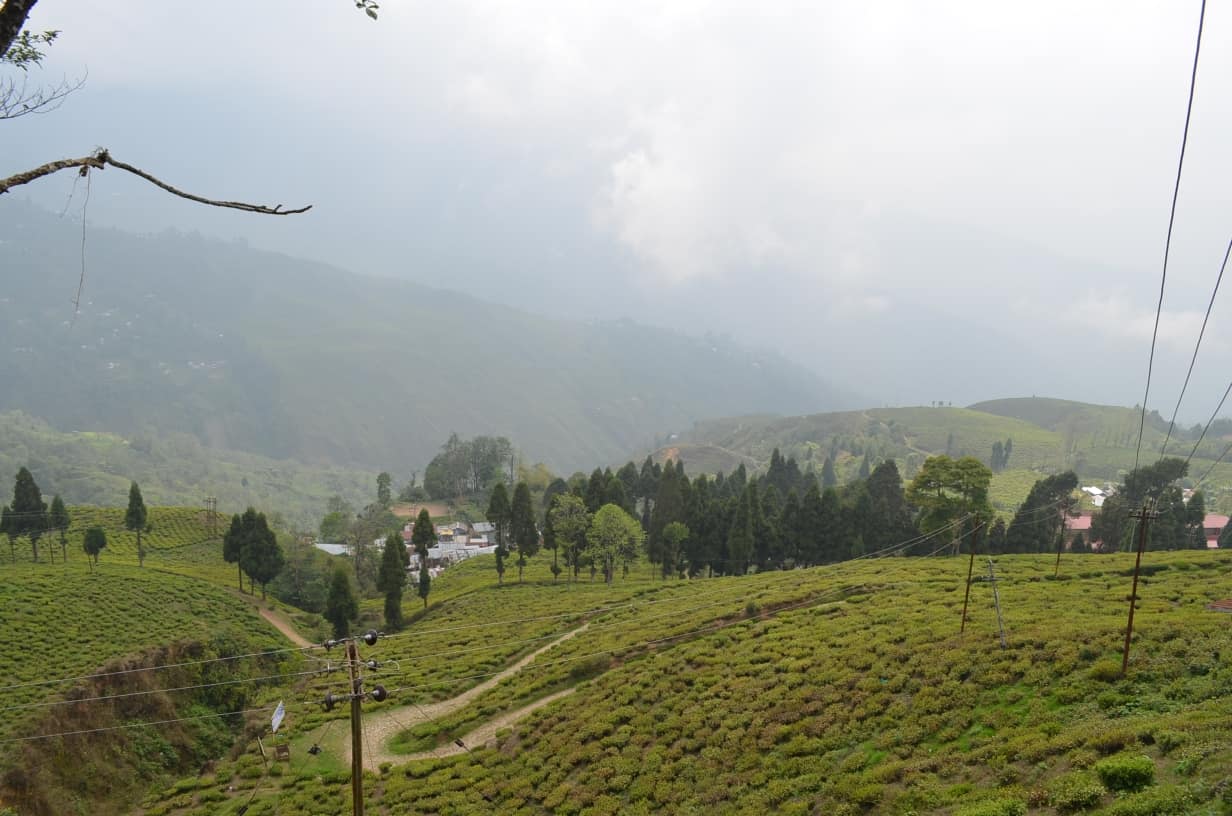 Medium crowd
Entry Tour fee varies
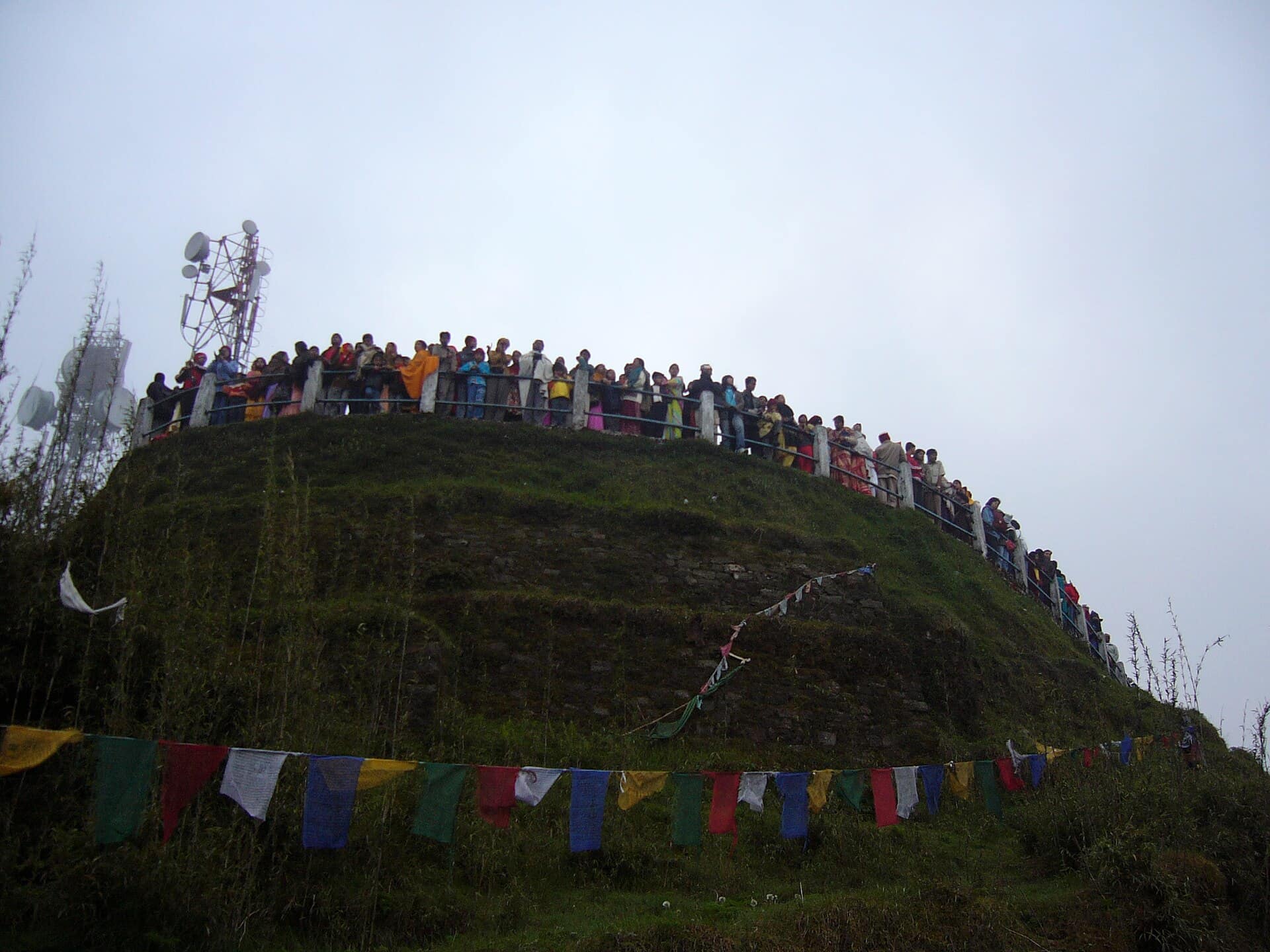
Happy Valley Tea Estate
- Best timeMorning, when the light slants across the rows and the pluckers are at work; late afternoon for soft light over the valley and the town above.
- ColorsWhiteRedDenim
 Medium crowd
Entry Free
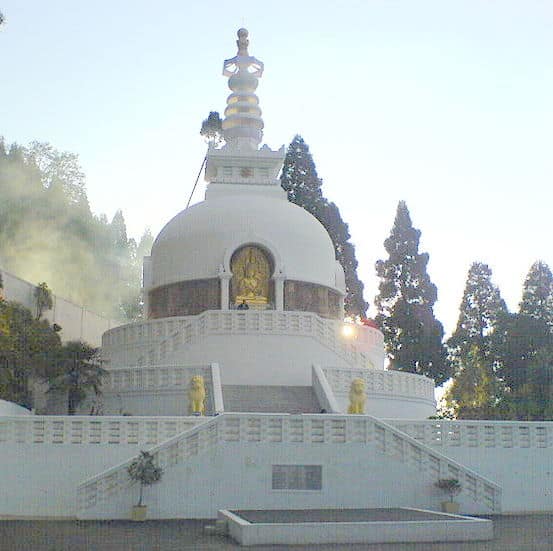
Peace Pagoda
- Best timeEarly morning, when the white dome is soft against a clear sky and few people are about; late afternoon for warm light on the gold panels.
- ColorsWhiteMaroonGold
 High crowd
Entry Small viewing-tower fee
Tiger Hill
- Best timeJust before and during sunrise, when the first light turns Kanchenjunga pink and then gold while the valleys below are still dark.
- ColorsRedWhiteCharcoal
For the feed
Trending Wear in Darjeeling
Modern, Instagram-friendly looks

Rooted in the city
Darjeeling Traditional Wear
Local, cultural, handcrafted outfits
Taste the city
Food to Eat in Darjeeling
Trusted tables
Where to Eat in Darjeeling
A town built along a ridge
Darjeeling sits at about 2,000 metres on a narrow, Y-shaped ridge in the far north of West Bengal. The British laid it out in the 1830s and 1840s as a hill sanatorium, and the town still runs along the old lines: the Mall and Chowrasta square on top, Hill Cart Road and the railway below, and steep stairways joining them. Most people who live here are Nepali-speaking Gorkhas, with Tibetan, Lepcha, Bhutia and Bengali families mixed in, so you hear several languages in one lane.
Getting there
There is no airport or plain-line station in town. Fly into Bagdogra, about 90 km away, or take a train to New Jalpaiguri near Siliguri, then go up by shared jeep or taxi; the drive usually takes three to four hours. The Darjeeling Himalayan Railway also runs the whole 88 km from New Jalpaiguri, but it is slow and is often cut by landslides in the monsoon. In town, you walk. Chowrasta and the upper Mall are closed to most traffic, and shared jeeps handle everything farther out.
The early starts
The famous view is Kanchenjunga, the world's third-highest mountain, filling the northern sky. You see it best at dawn, so plan your days around early starts. Tiger Hill is the classic sunrise, about 11 km out. The Peace Pagoda holds drum prayers from about 4:30 am. The Batasia Loop has a garden around a spiral of track with the peaks behind it.
Tea, the toy train and the monasteries
Happy Valley Tea Estate is the closest working garden, about 3 km below town, and one of the oldest in the district. The toy train's short joy ride goes from Darjeeling station to Ghum and back, with stops at Batasia and the railway museum at Ghum. Near Ghum stands Ghoom Monastery, also called Yiga Choeling, with its tall clay Maitreya Buddha. Back in town, the Mahakal shrine on Observatory Hill is used for both Hindu and Buddhist worship, with a Hindu priest and a Buddhist monk side by side.
Eating
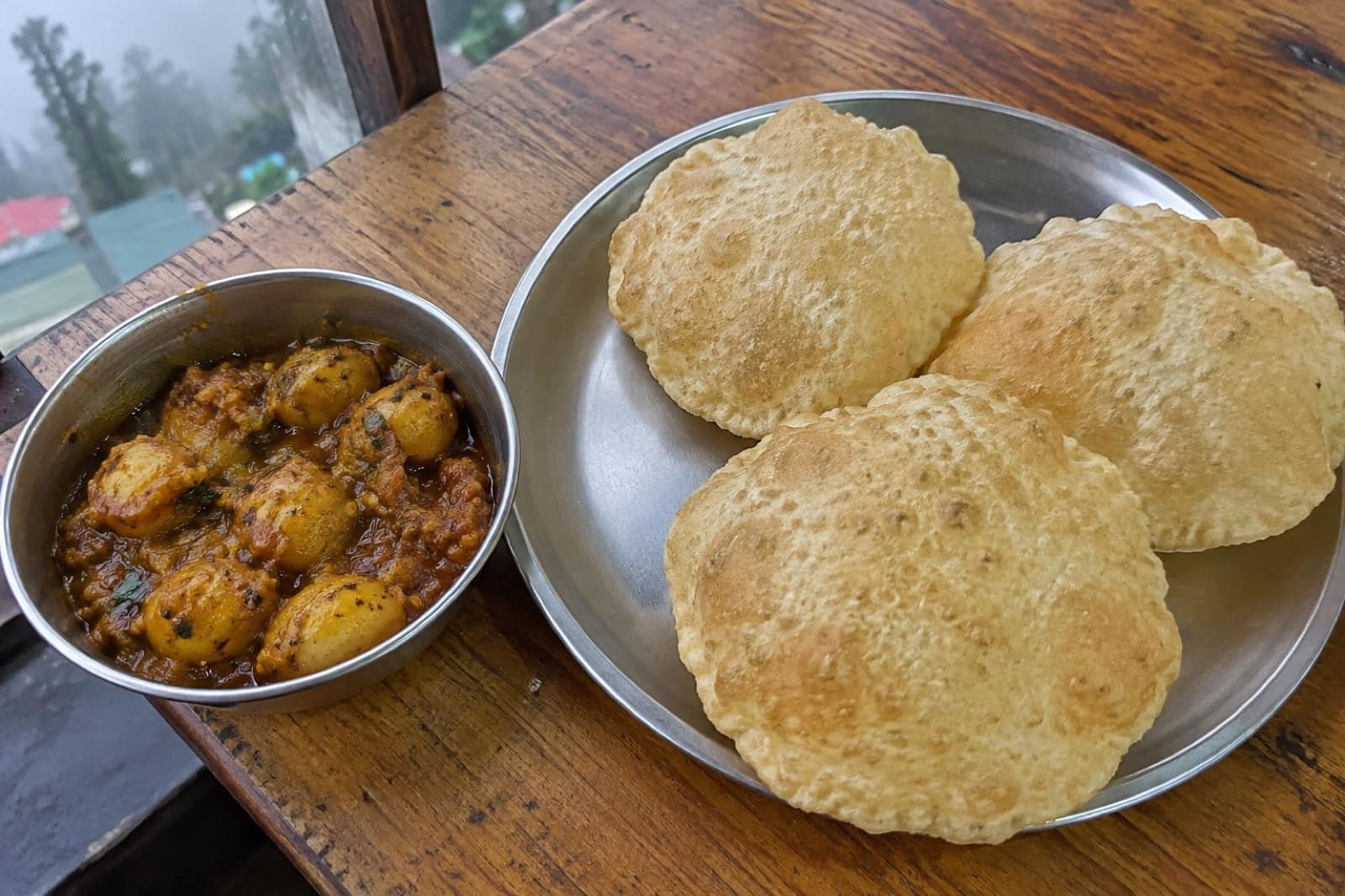
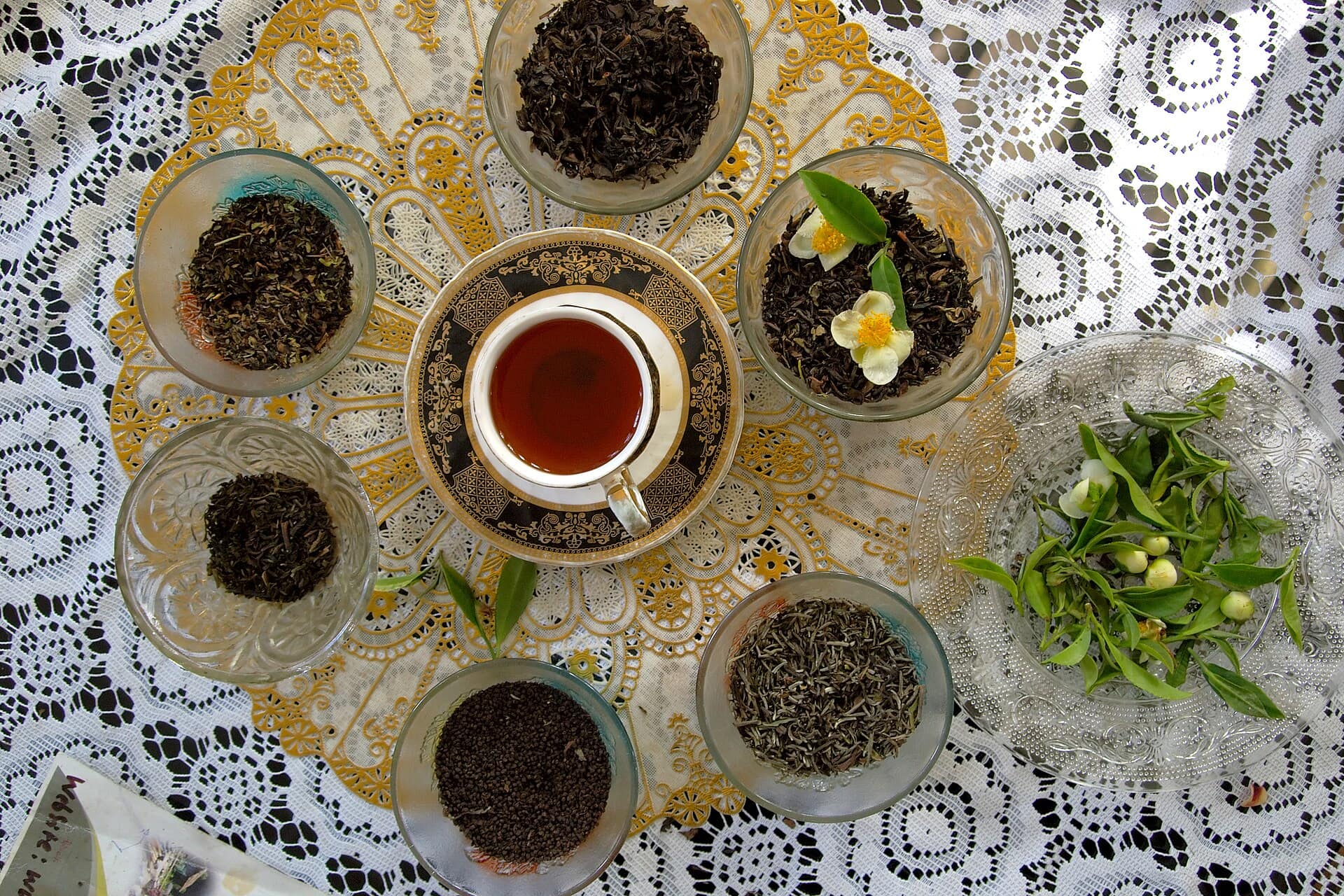
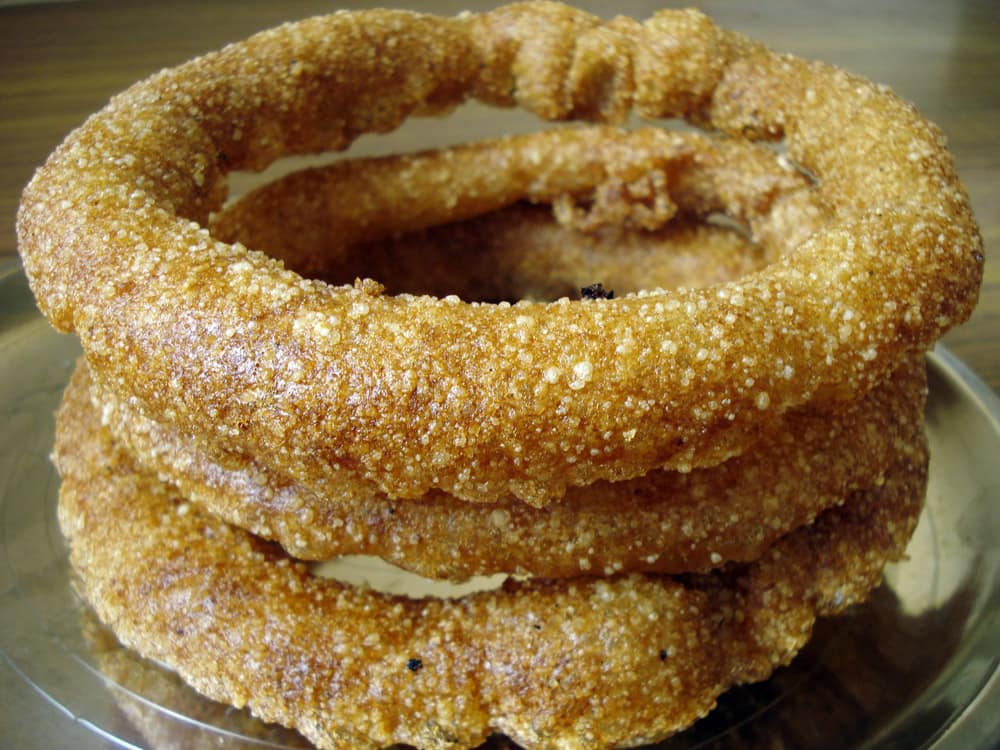
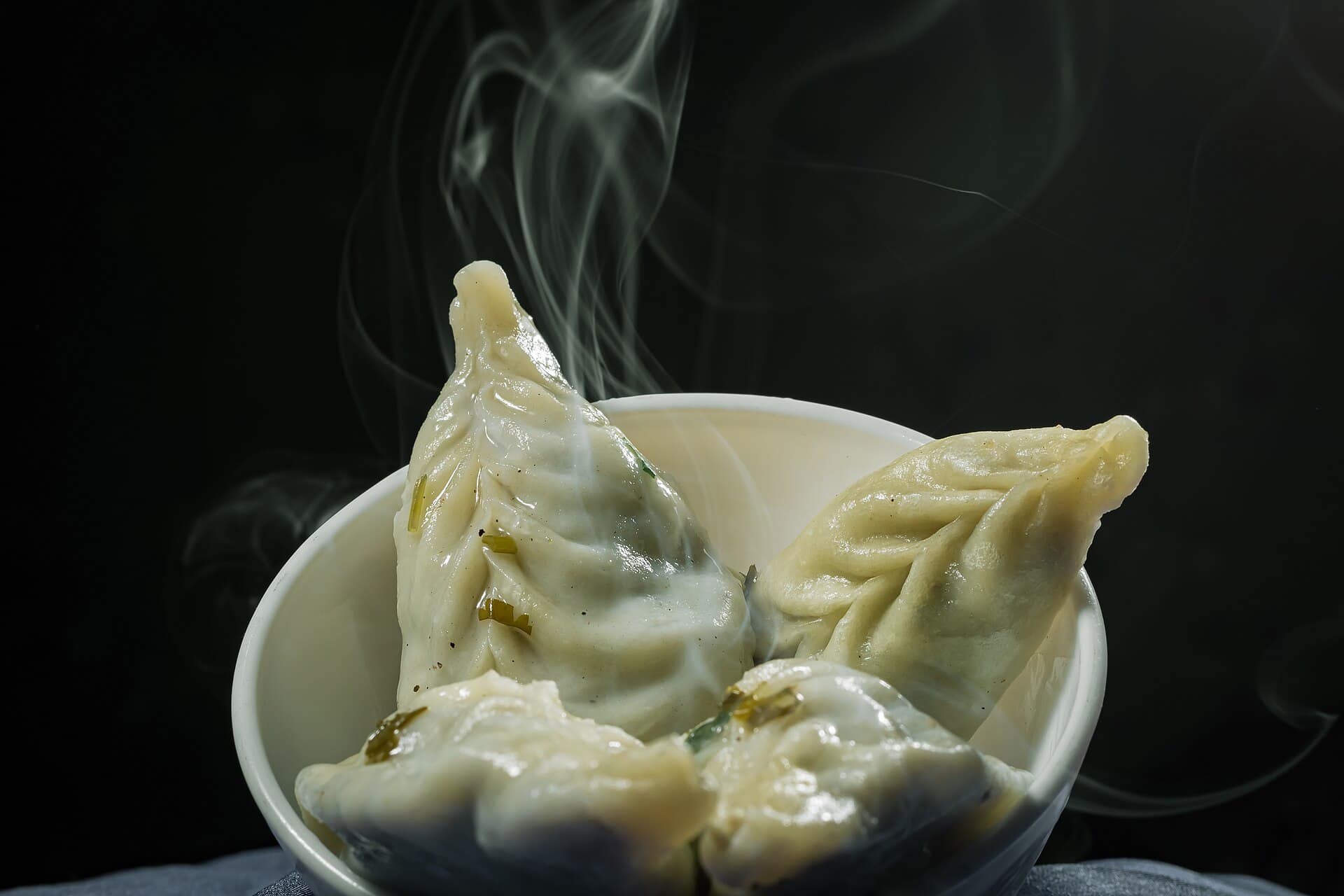
Hill food here means momos, thukpa, aloo dum with puri and sel roti at festival time. Glenary's on Nehru Road and Keventer's at Chowrasta are the old breakfast rooms with views. Kunga on Gandhi Road is the Tibetan kitchen people queue for. Drink the local tea plain, without milk, to taste what the estates are known for. See the food guide and the restaurant list.
When to come
October to early December gives the clearest mountain views. March to May brings rhododendrons and first-flush tea, with haze creeping in by late spring. From June to September the town is wrapped in cloud and rain, and landslides close roads and the railway. The best time to visit page goes month by month.
Questions
Darjeeling — FAQ
How many days do I need in Darjeeling?
Three full days is comfortable. That gives you one Tiger Hill sunrise, a morning at the tea estate and the joy ride, and a spare dawn in case cloud hides Kanchenjunga the first time.
Can you see Kanchenjunga from Darjeeling town itself?
Yes. On a clear morning it fills the view from Chowrasta, Observatory Hill and many hotel windows. You do not have to go to Tiger Hill for it, though Tiger Hill adds Everest and the sunrise light.
Do I need a permit to visit Darjeeling?
No permit is needed for Darjeeling for Indian or foreign visitors. Foreign nationals going on into Sikkim need a Sikkim permit, which can be arranged in Darjeeling, so allow a morning for it.
Is the toy train worth doing if I only have one day?
Take the two-hour joy ride to Ghum and back rather than the full line from New Jalpaiguri, which takes most of a day. Book early, as seats sell out in season, and steam runs fill first.
Which part of Darjeeling is best to stay in?
Stay close to Chowrasta and the Mall if you can. The town is steep and much of it is on foot, so a hotel far below the ridge means a long climb every evening.