
Must-try lunch in Jaipur
Ker Sangri
Jaipur, Rajasthan
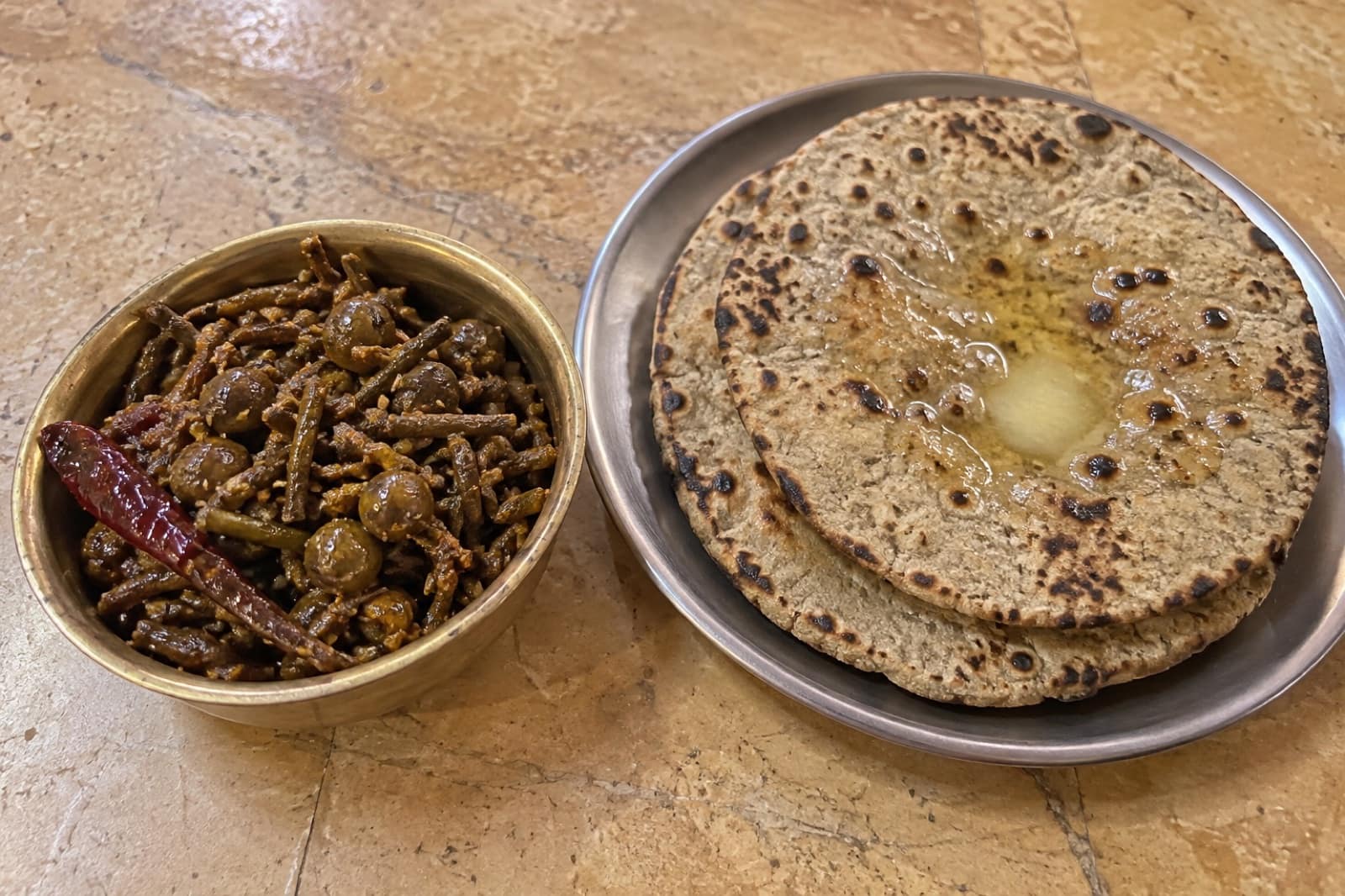
A desert preparation of two things that grow where nothing else will: ker, the small tart wild berry of the ker tree, and sangri, the dried bean of the khejri tree, which is Rajasthan's state tree. Both are sun-dried, soaked, then cooked with a heavy hand of spice, oil and sometimes amchur or jaggery. The result is dark, chewy, sour-salty and unlike anything most travellers have eaten. It is an acquired taste and the most genuinely regional dish on a Jaipur menu — find it at Chokhi Dhani, LMB and most places serving a full Rajasthani thali.
Taste
Earthy, tangy
Spice level
Medium
Best time to eat
Lunch or dinner, usually inside a thali
Price range
₹120–300
Food type & tags
Best paired with
Chaas or lassi
The dish
What is Ker Sangri?
Expect it to be earthy, tangy, with a medium kick.
The story
Why is Ker Sangri famous in Jaipur?
The khejri tree is sacred in Rajasthan and is the reason the Bishnoi community is regarded as one of the world's earliest conservation movements — in 1730 Amrita Devi and hundreds of Bishnois were killed protecting khejri trees from the Maharaja of Jodhpur's woodcutters. Eating sangri is eating the produce of a tree people died to save. Ker and sangri together are famine food turned everyday food: they keep for months dried, which is the whole point.
When to go
Best time to eat it
Ker Sangri is best enjoyed at lunch or dinner, usually inside a thali, ideally with chaas (spiced buttermilk) or a sweet lassi. Many spots make fresh batches through the day, so it’s easy to fit into your plan.
Where to eat
Best places to try Ker Sangri
Trusted Jaipur spots — hours and directions.
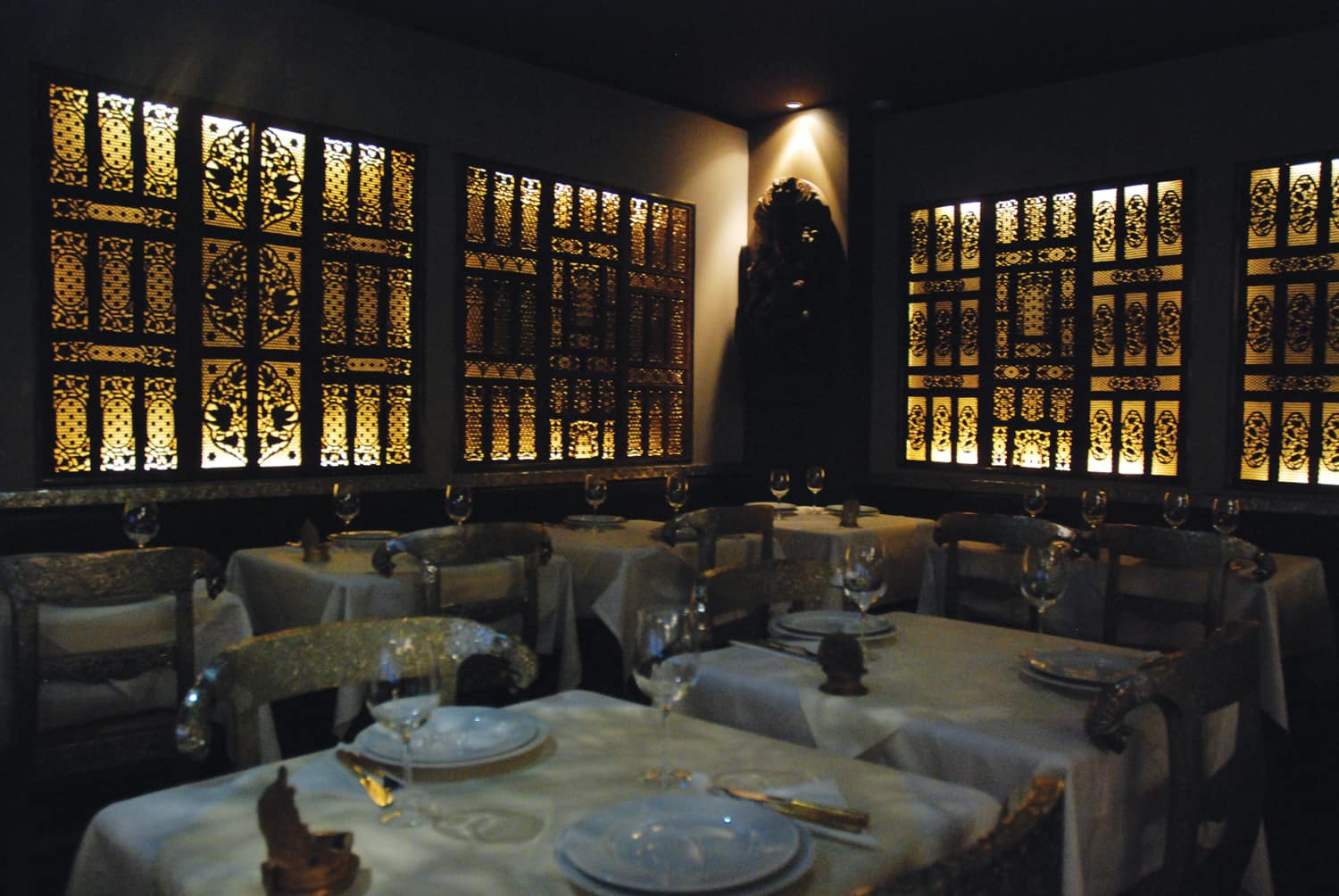
Open Lunch and dinner sittings; confirm with the fort
Directions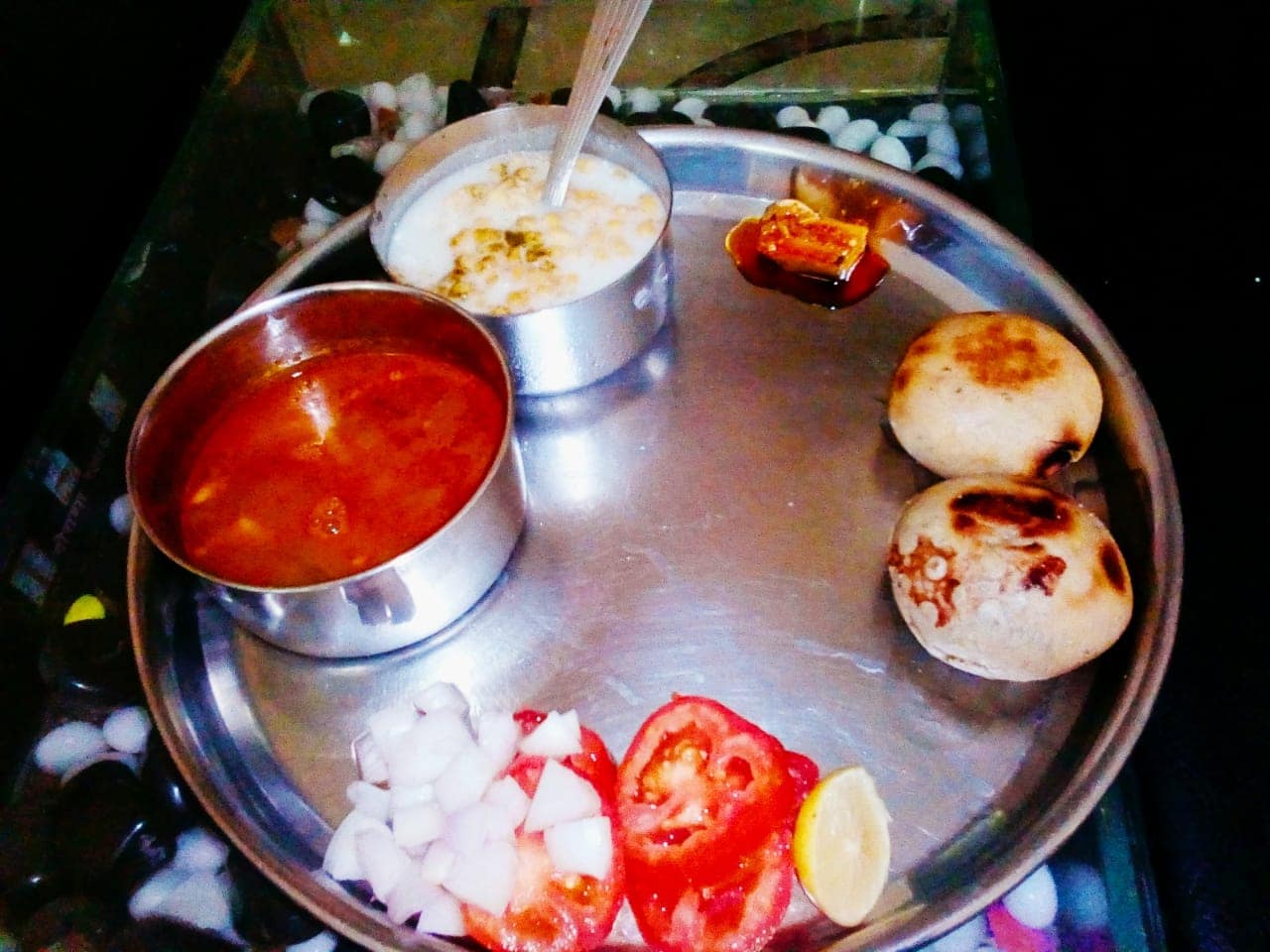
Perfect pairing
What to eat with Ker Sangri
Ker Sangri pairs best with chaas (spiced buttermilk) or a sweet lassi. It’s a vegetarian lunch, so keep the rest of the plate light and let the dish be the star.
Make a morning of it
Pair it with a photo spot
Eat well, then shoot nearby in Jaipur.
Albert Hall Museum
Dusk for the lit exterior with a reflection; early morning for clean sandstone detail.
Fuel up on Ker Sangri, then shoot Albert Hall Museum.
See photo spot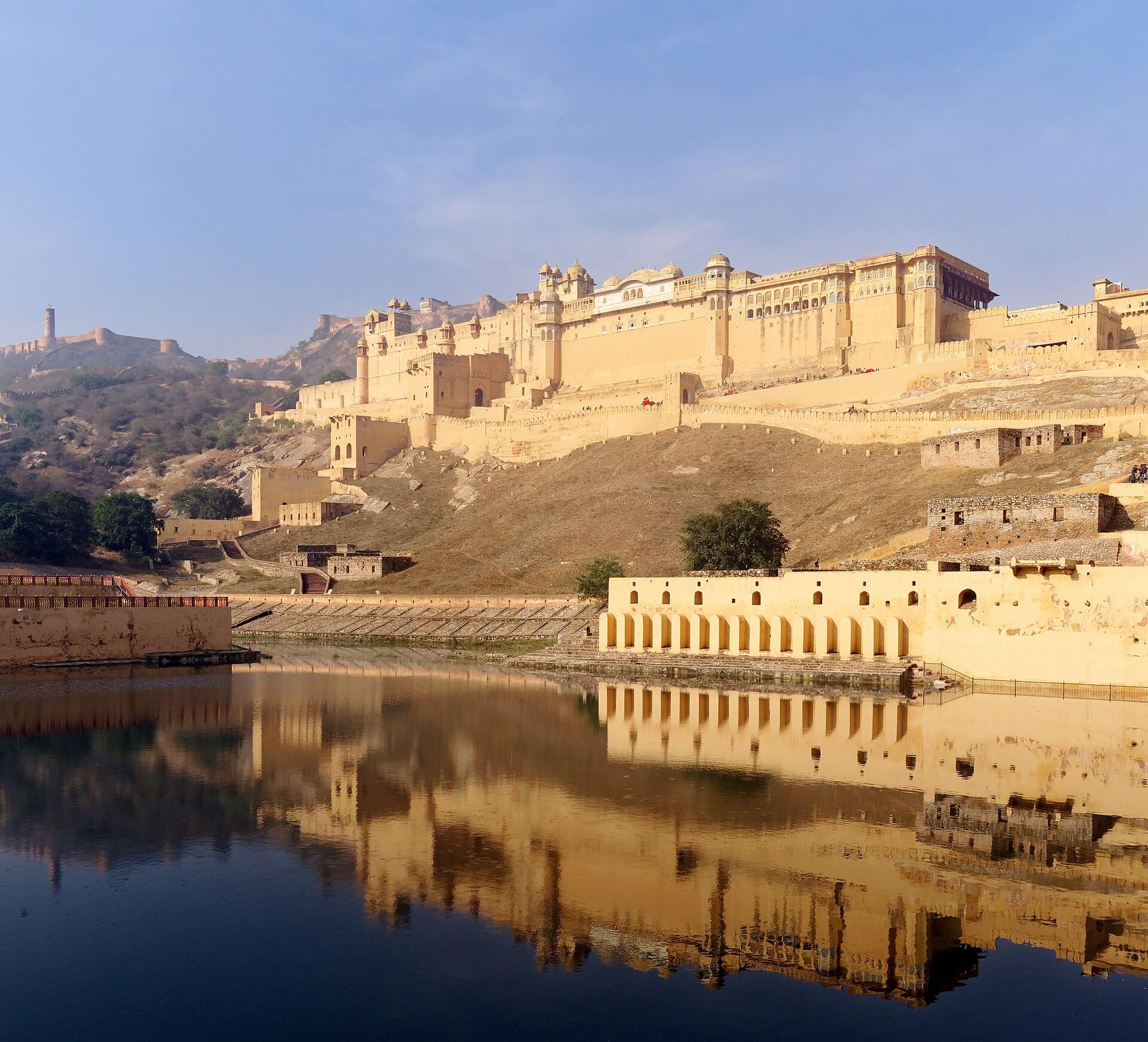
Amber Fort
Early morning, when the sun lights the fort walls and Maota Lake is calm enough for a reflection.
Fuel up on Ker Sangri, then shoot Amber Fort.
See photo spotAnokhi Museum of Hand Printing
Mid-morning to early afternoon, when the courtyard light is even.
Fuel up on Ker Sangri, then shoot Anokhi Museum of Hand Printing.
See photo spotWant something else?
Search Jaipur food by craving
What it is
Ker sangri is a dry, dark, intensely flavoured side dish made from sun-dried wild berries (ker) and the dried beans of the khejri tree (sangri), cooked with oil, red chilli, turmeric, amchur and often a little jaggery.
🌵 What to expect before you order
It is not a crowd-pleaser. The texture is chewy and slightly gritty, the flavour sour and salty and earthy all at once. Order a small portion to share the first time rather than a full plate.
It arrives as a side, not a main. You eat it with roti or as one bowl among many in a thali. Nobody orders ker sangri alone.
Dried means concentrated. The berries and beans are sun-dried and soaked before cooking, so flavours are far more intense than fresh vegetables. That is also why it survives a desert summer.
🌳 Why it matters
The khejri is Rajasthan's state tree. In 1730 Amrita Devi and hundreds of Bishnoi villagers were killed by the Maharaja of Jodhpur's men while protecting khejri trees from being felled — one of the earliest recorded environmental martyrdoms anywhere. The tree still stands protected across the state.
📍 Where to eat it in Jaipur
- Chokhi Dhani, Tonk Road — served as part of the village thali, the easiest way to try a small amount
- LMB, Johari Bazaar — on the Rajasthani thali
- Spice Court, Civil Lines — as part of a Rajasthani set meal
- Most mid-range thali houses include it; ask 'ker sangri hai?' before you sit down, because it is the item most often skipped on smaller menus
Questions
Ker Sangri — FAQ
What is Ker Sangri?
A desert preparation of two things that grow where nothing else will: ker, the small tart wild berry of the ker tree, and sangri, the dried bean of the khejri tree, which is Rajasthan's state tree. Both are sun-dried, soaked, then cooked with a heavy hand of spice, oil and sometimes amchur or jaggery. The result is dark, chewy, sour-salty and unlike anything most travellers have eaten. It is an acquired taste and the most genuinely regional dish on a Jaipur menu — find it at Chokhi Dhani, LMB and most places serving a full Rajasthani thali.
Is Ker Sangri veg or non-veg?
Ker Sangri is vegetarian. Spice level: medium.
Where can I try the best Ker Sangri in Jaipur?
Try 1135 AD, Bar Palladio and Chokhi Dhani. See the "Best places to try it" section above for hours and directions.
What should I eat with Ker Sangri?
Pair it with chaas (spiced buttermilk) or a sweet lassi.
When is the best time to eat Ker Sangri?
Ker Sangri is usually eaten at lunch or dinner, usually inside a thali.