
Best Photo Spots in Mandu
Mandu is one of the most photogenic heritage sites in Madhya Pradesh, with 15th- and 16th-century palaces, mosques and tombs spread across a green plateau. The Jahaz Mahal seems to float between its two lakes, Hoshang Shah's marble tomb glows in soft light, and Roopmati's Pavilion looks out over the plain far below.
Whether you enjoy architecture, reflections, monsoon landscapes or quiet ruins, these are some of the best photo spots in Mandu.
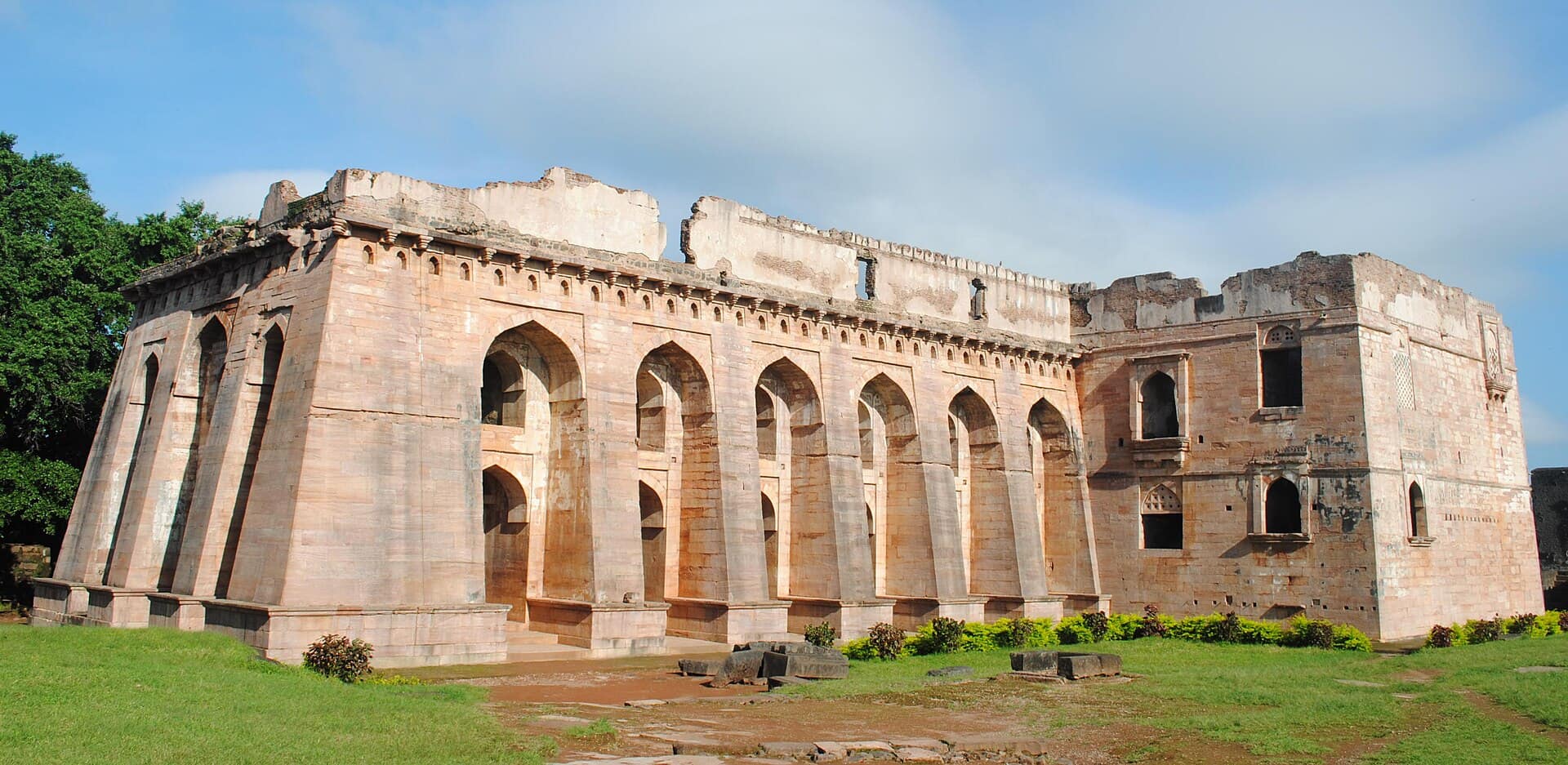 Low crowd
Entry Included (Royal Enclave)
Hindola Mahal
- Best timeMorning or late afternoon, when low side light shows off the slope and texture of the buttressed walls.
- ColorsRustCreamIndigo
Entry Ticketed
Hoshang Shah's Tomb
- Best timeEarly morning or late afternoon, when the white marble looks soft and warm instead of glaring in the midday sun.
- ColorsWhiteCreamIndigo
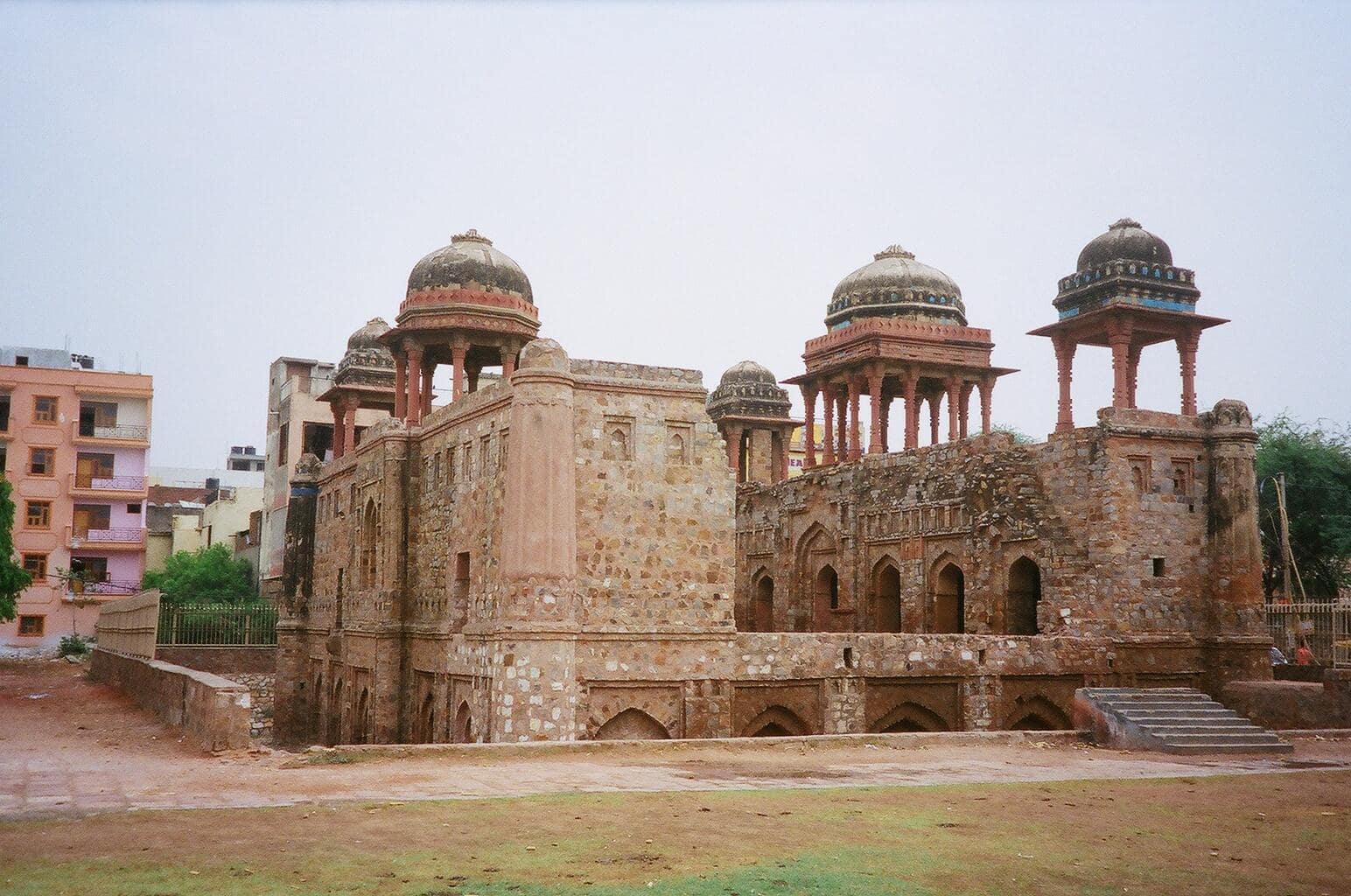 Medium crowd
Entry Ticketed
Jahaz Mahal
- Best timeEarly morning, when the lake is still and the reflection is sharp; late afternoon for warm light on the sandstone.
- ColorsRustCreamTeal
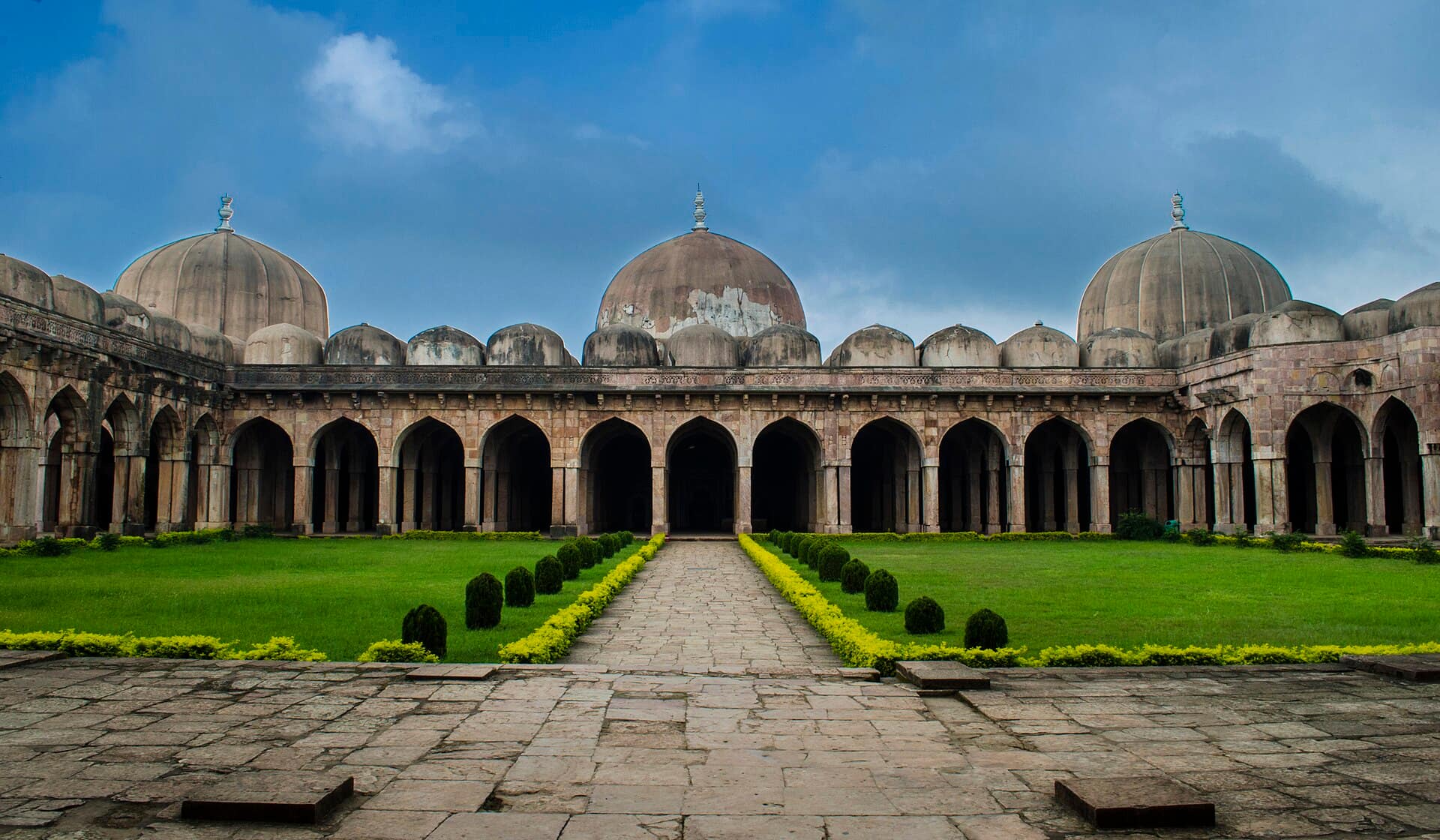 Low crowd
Entry Ticketed
Jami Masjid
- Best timeMorning, when soft light falls across the courtyard and the arcades are quiet; late afternoon for warmer tones on the stone.
- ColorsCreamRustMaroon
Entry Ticketed
Rani Roopmati's Pavilion
- Best timeLate afternoon, when warm light falls on the domed pavilions and the plain below; morning for a quieter terrace.
- ColorsRustWhiteSaffron
Why Mandu Is Great for Photography
Mandu gives you very different scenes within a few kilometres. The Royal Enclave has palaces, a stepwell and lakes. The village centre has the great mosque and India's first marble tomb, and the southern edge has open pavilions with long views over the Nimar plain. In between, baobab trees, old gateways and ruined tombs make good frames of their own.
The seasons change the look of the place completely. In the monsoon the plateau turns green, the lakes fill and clouds sit low over the ruins. In winter the air is dry and the light is clear, and by April the midday sun is harsh on the pale stone.
Photography Tips for Mandu
- Start early: The monuments are quietest soon after they open, and the lakes are stillest in the morning.
- Work with the light: Sandstone looks warm in the early morning and late afternoon, while white marble glares at midday.
- Look for frames: The arches of the Jami Masjid, the stone window screens of the Hindola Mahal and the doorways of Hoshang Shah's Tomb all make natural frames.
- Use the water: After the rains, walk along the lake edges at the Jahaz Mahal for reflection shots.
- Check the rules: Phone and camera photos are fine at the monuments, but tripods may need permission, and drones are not allowed without permission from the ASI.
- Protect your gear: Carry a rain cover or a zip-lock bag for your phone or camera in the monsoon.
- Plan your transport: The monument groups are several kilometres apart, so arrange a car or taxi for the day.
Best Time for Photography in Mandu
July to September gives the greenest landscapes, full lakes and dramatic skies, though rain can interrupt a shoot. October to February brings clear skies and dry weather, and is the most comfortable time to walk between the monuments.
The ticketed monuments close around sunset, so plan golden-hour shots for the late afternoon and check the timings at the ticket counters.
Questions
Mandu — FAQ
What are the best photo spots in Mandu?
The best photo spots in Mandu are the Jahaz Mahal, the Hindola Mahal, the Jami Masjid, Hoshang Shah's Tomb and Rani Roopmati's Pavilion. Together they cover a palace reflected in lakes, long rows of arches, white marble and wide views over the plain.
What is the best time of day for photography in Mandu?
Early morning is best for still water at the Jahaz Mahal and quiet courtyards. Late afternoon gives warm light on the sandstone and is the classic time for the views from Roopmati's Pavilion.
Is Mandu good for photography in the monsoon?
Yes. From July to September the plateau is green, the lakes around the Jahaz Mahal fill up and the skies are dramatic. Carry rain protection for your gear and take care on wet, slippery stone.
Can I use a drone or tripod at Mandu's monuments?
Drones are not allowed at the protected monuments without permission from the Archaeological Survey of India. Tripods may also need permission, so ask at the ticket counter before you set one up.
Where can I photograph the sunset in Mandu?
Rani Roopmati's Pavilion, on the southern edge of the plateau, is the most popular place for late-afternoon views over the plain. The Lohani Caves, on the western edge, are also known for sunset views. Check closing times, as the ticketed monuments shut around sunset.