
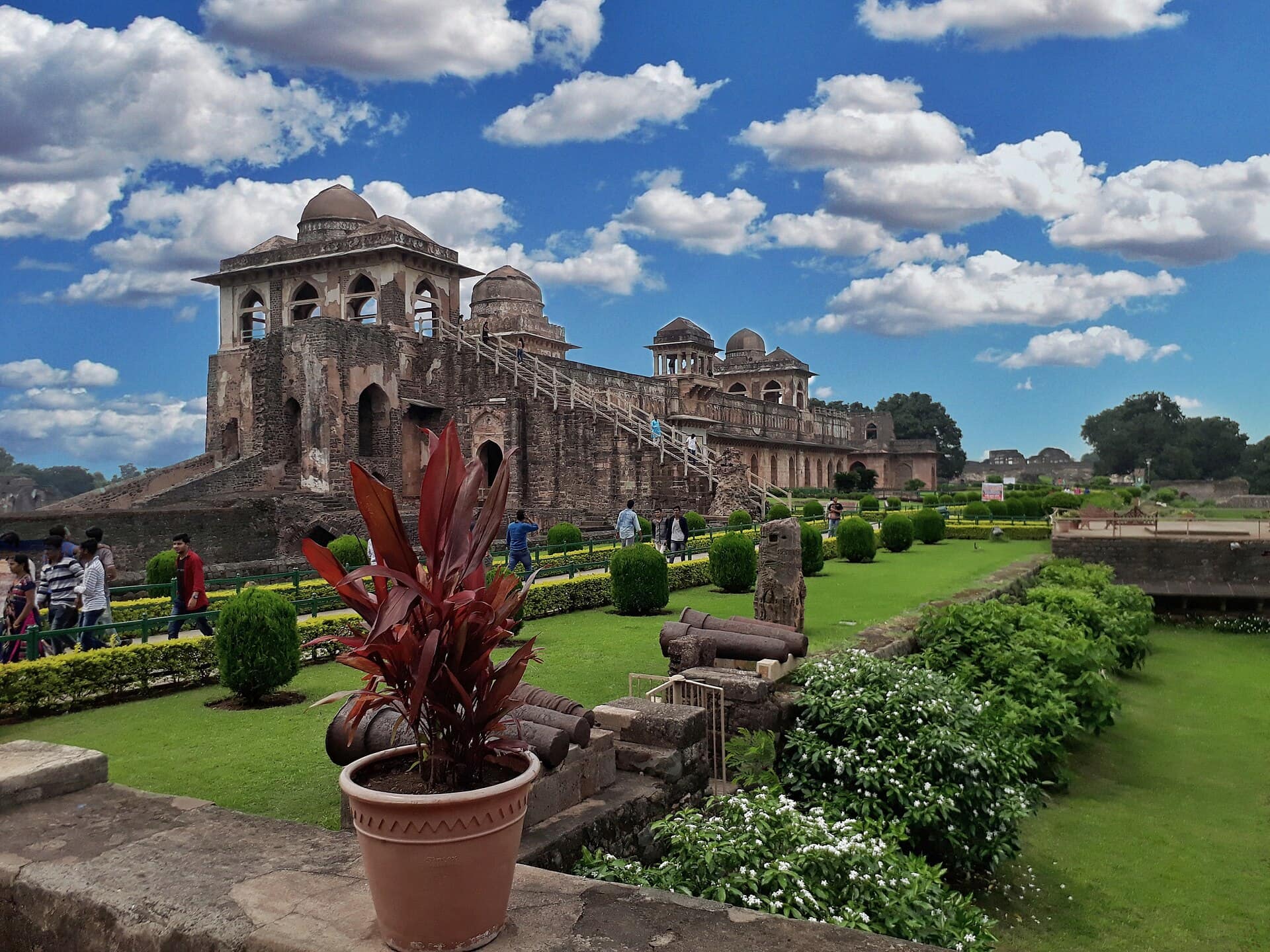
Madhya Pradesh · India
Mandu
A romantic ruined hilltop city of Malwa — Afghan-era palaces, pavilions and mosques scattered across a green plateau, immortalised by the love story of Baz Bahadur and Roopmati.
Mandu (Mandavgad) is monsoon-green romance: the floating Jahaz Mahal, Roopmati's pavilion, the pioneering Hoshang Shah marble tomb, baobab trees, and Malwa food.
Plan your trip
Mandu Tour Itineraries
Timed, walkable day plans — plus the best season to go.
Where to shoot
Mandu Photo Spots
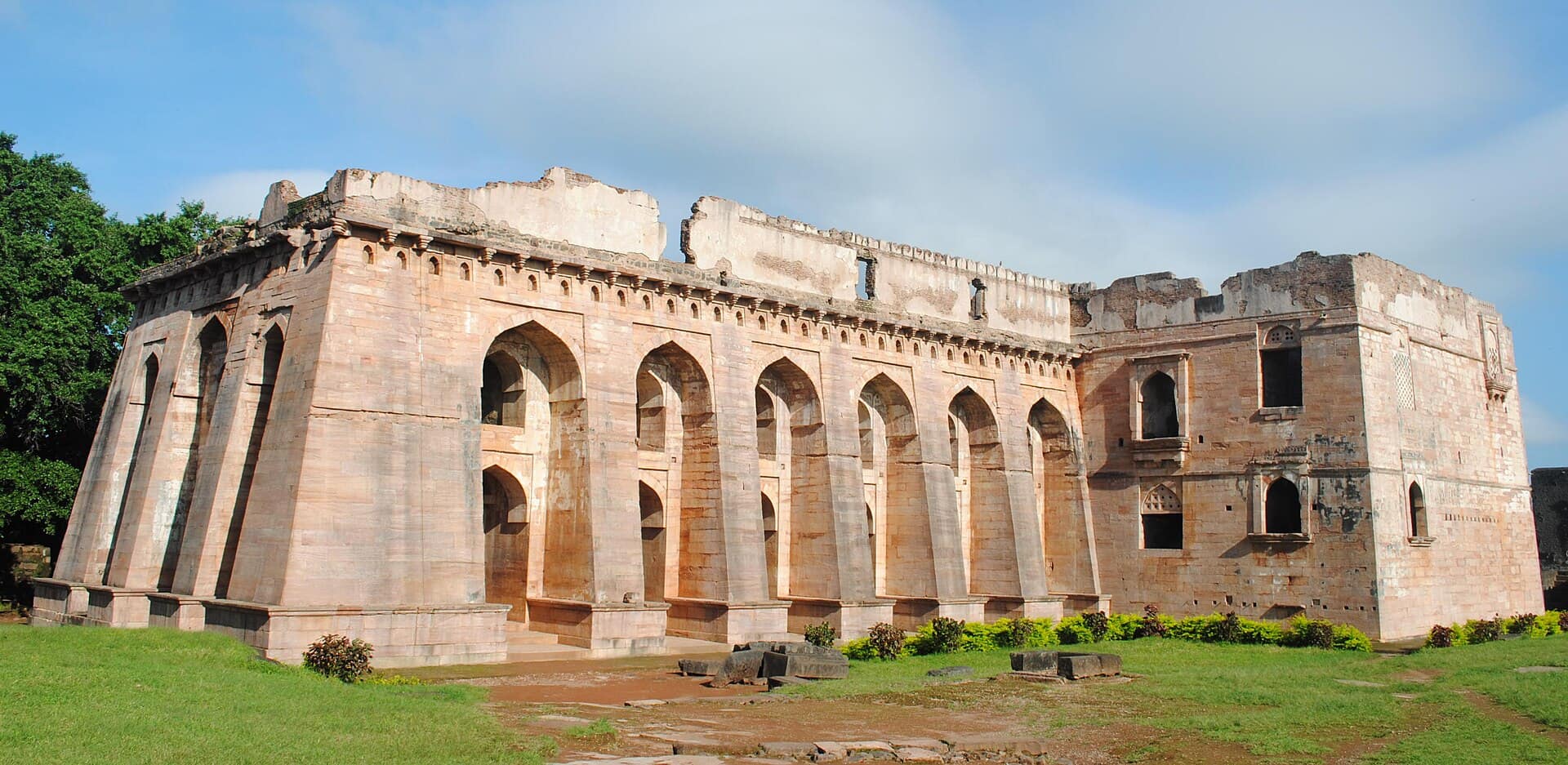 Low crowd
Entry Included (Royal Enclave)
Hindola Mahal
- Best timeMorning or late afternoon, when low side light shows off the slope and texture of the buttressed walls.
- ColorsRustCreamIndigo
Entry Ticketed
Hoshang Shah's Tomb
- Best timeEarly morning or late afternoon, when the white marble looks soft and warm instead of glaring in the midday sun.
- ColorsWhiteCreamIndigo
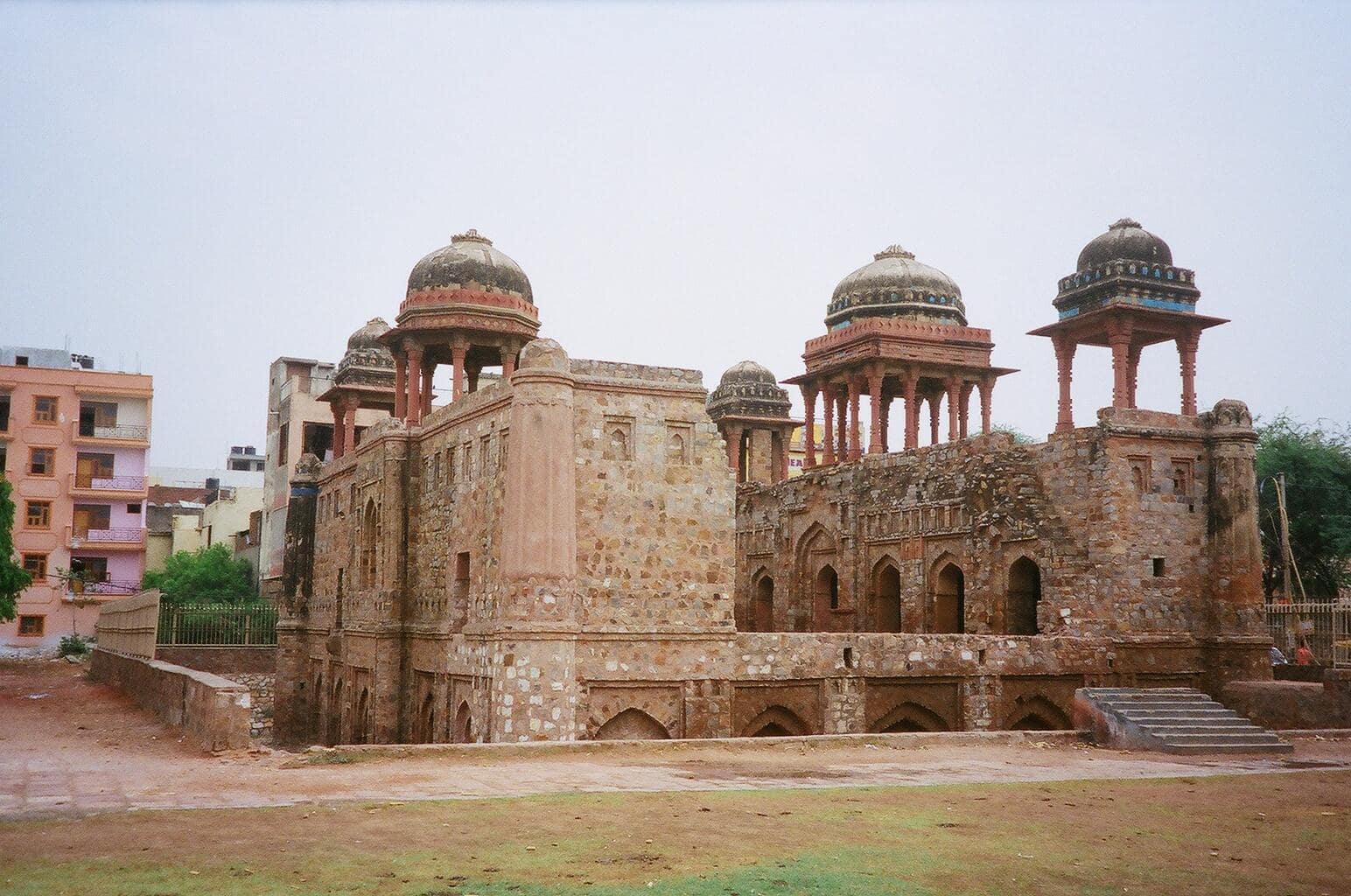 Medium crowd
Entry Ticketed
Jahaz Mahal
- Best timeEarly morning, when the lake is still and the reflection is sharp; late afternoon for warm light on the sandstone.
- ColorsRustCreamTeal
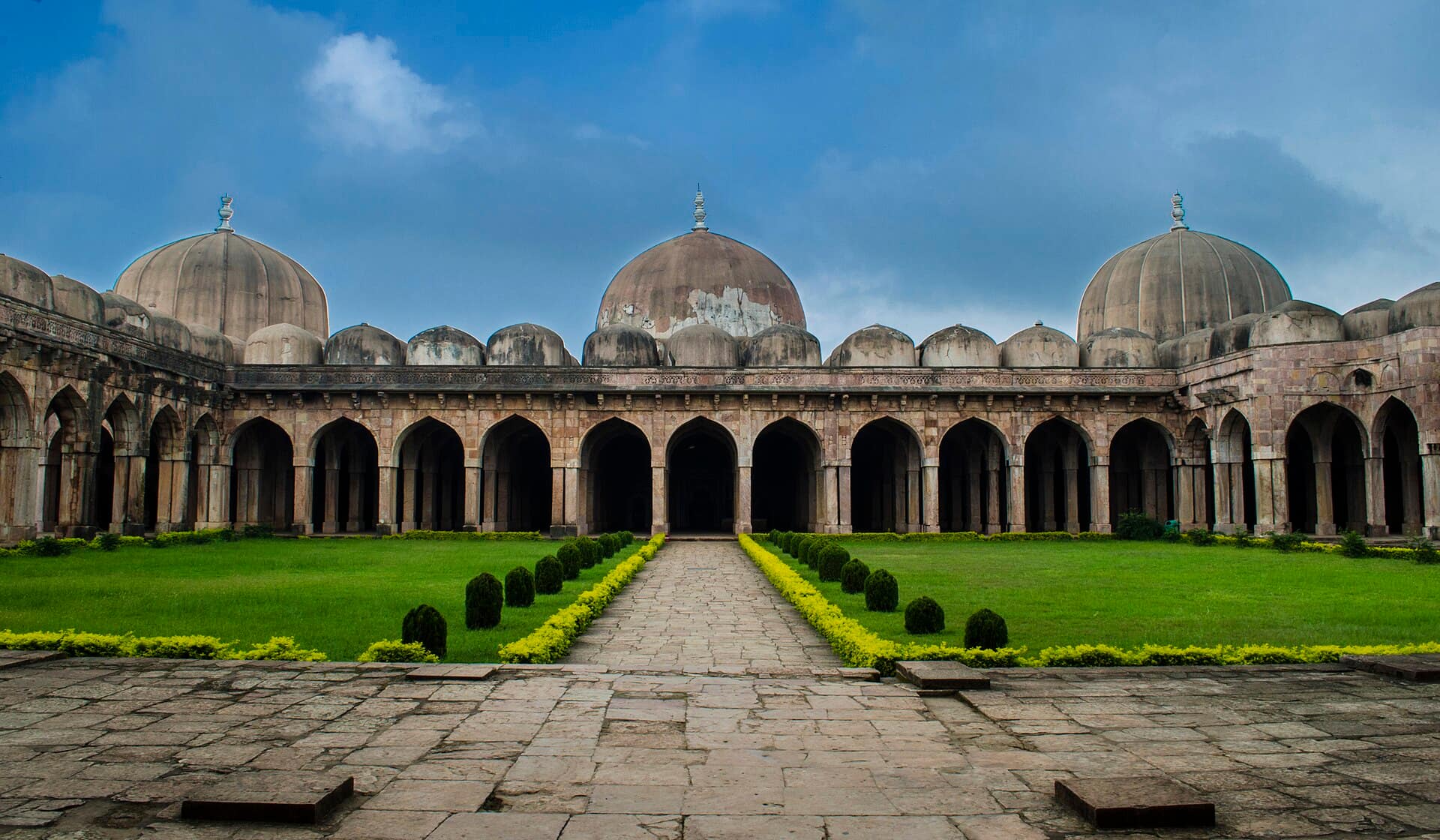 Low crowd
Entry Ticketed
Jami Masjid
- Best timeMorning, when soft light falls across the courtyard and the arcades are quiet; late afternoon for warmer tones on the stone.
- ColorsCreamRustMaroon
Entry Ticketed
Rani Roopmati's Pavilion
- Best timeLate afternoon, when warm light falls on the domed pavilions and the plain below; morning for a quieter terrace.
- ColorsRustWhiteSaffron
For the feed
Trending Wear in Mandu
Modern, Instagram-friendly looks


Rooted in the city
Mandu Traditional Wear
Local, cultural, handcrafted outfits
Taste the city
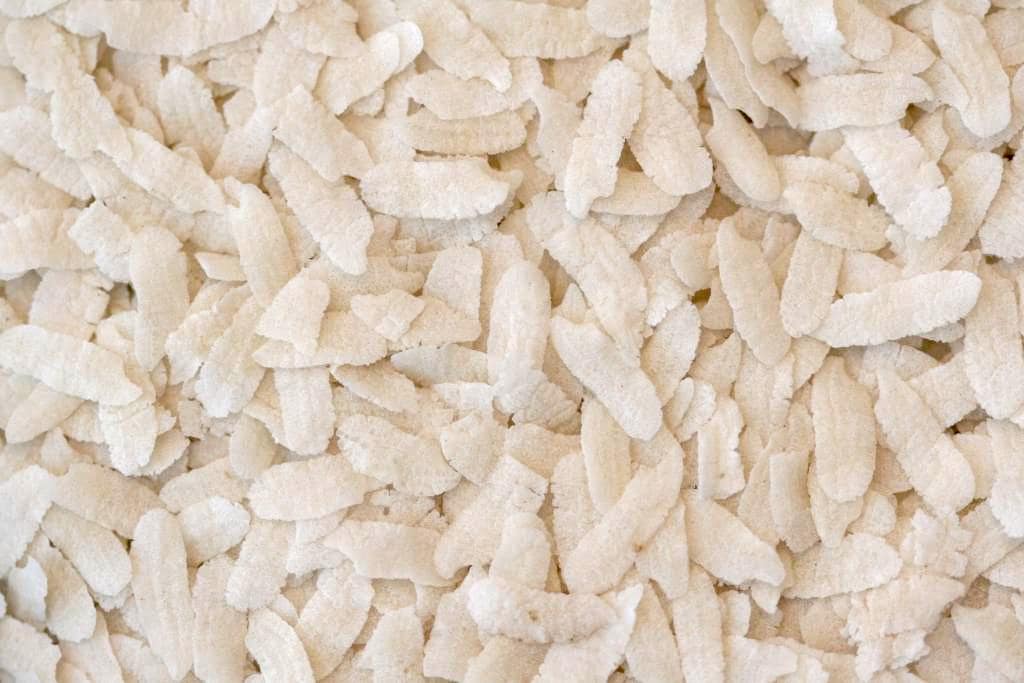
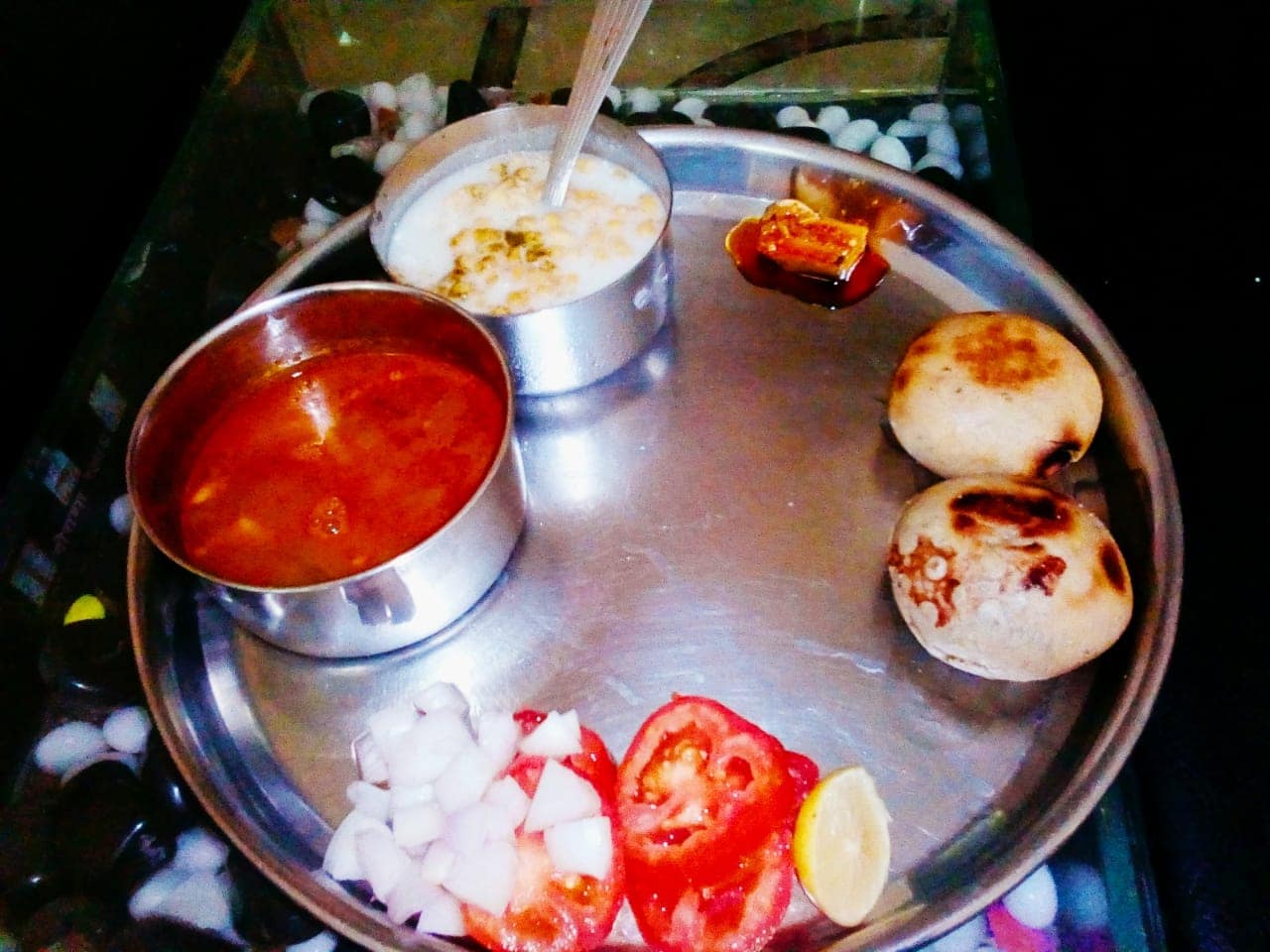
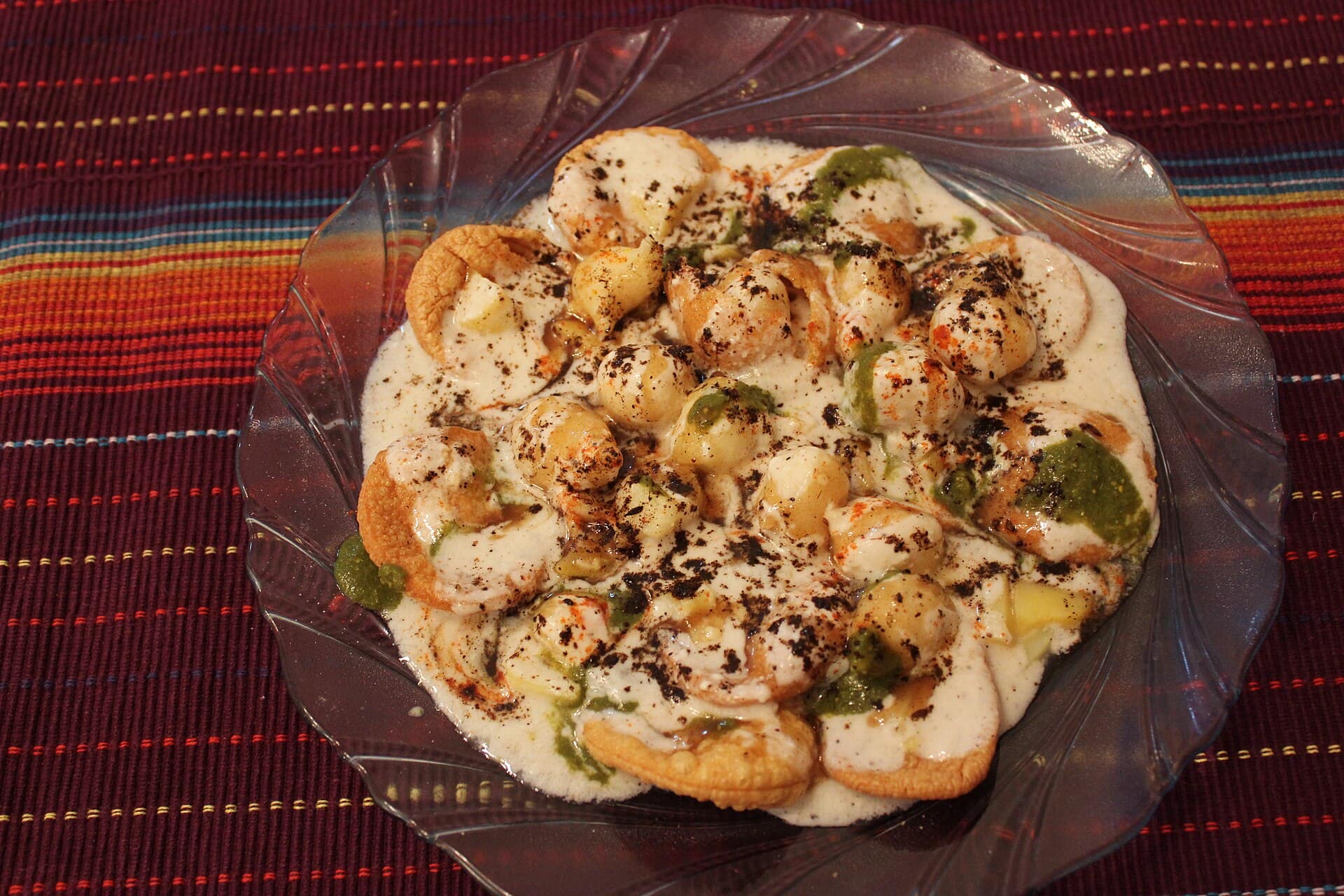
Food to Eat in Mandu
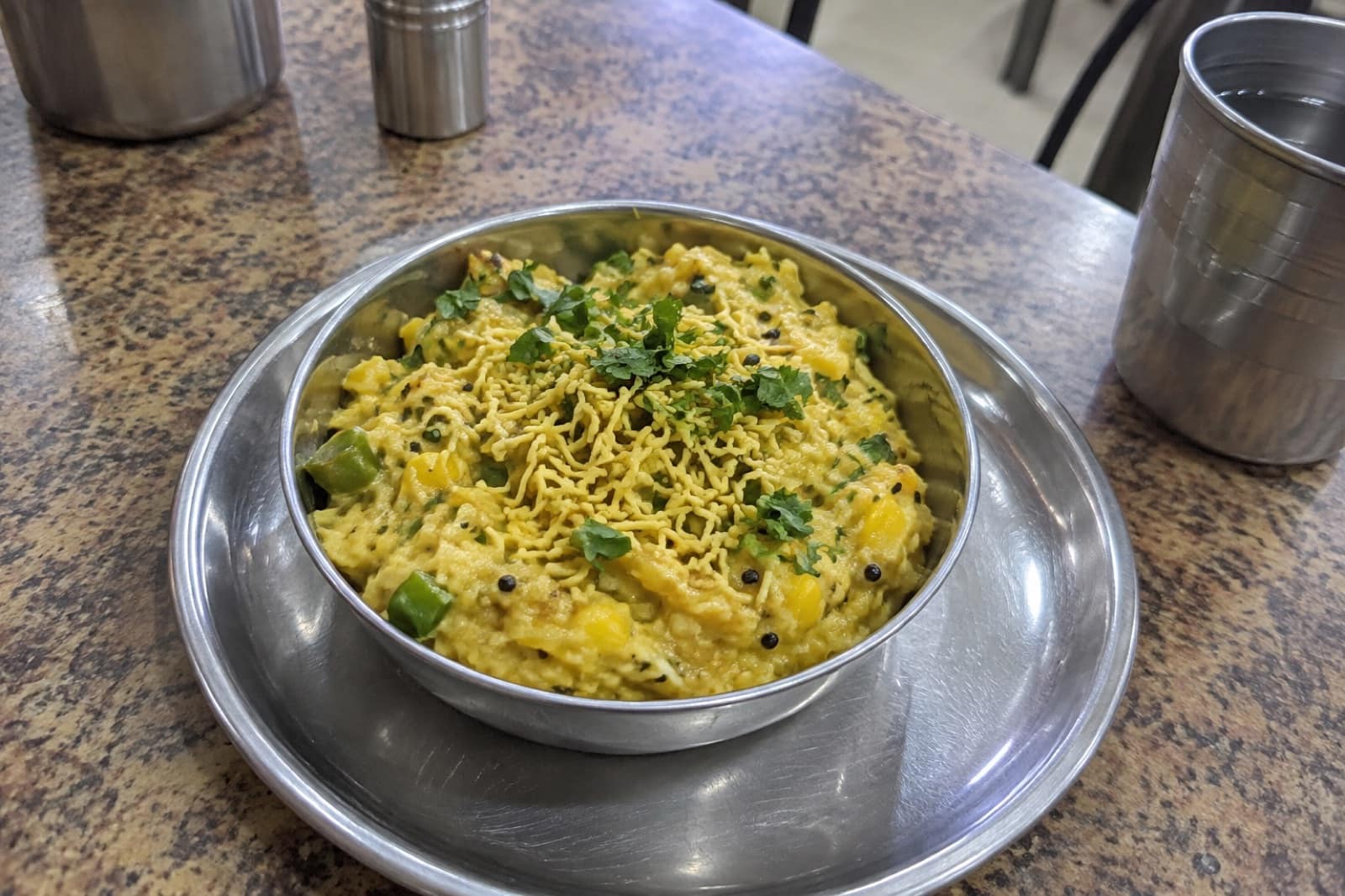
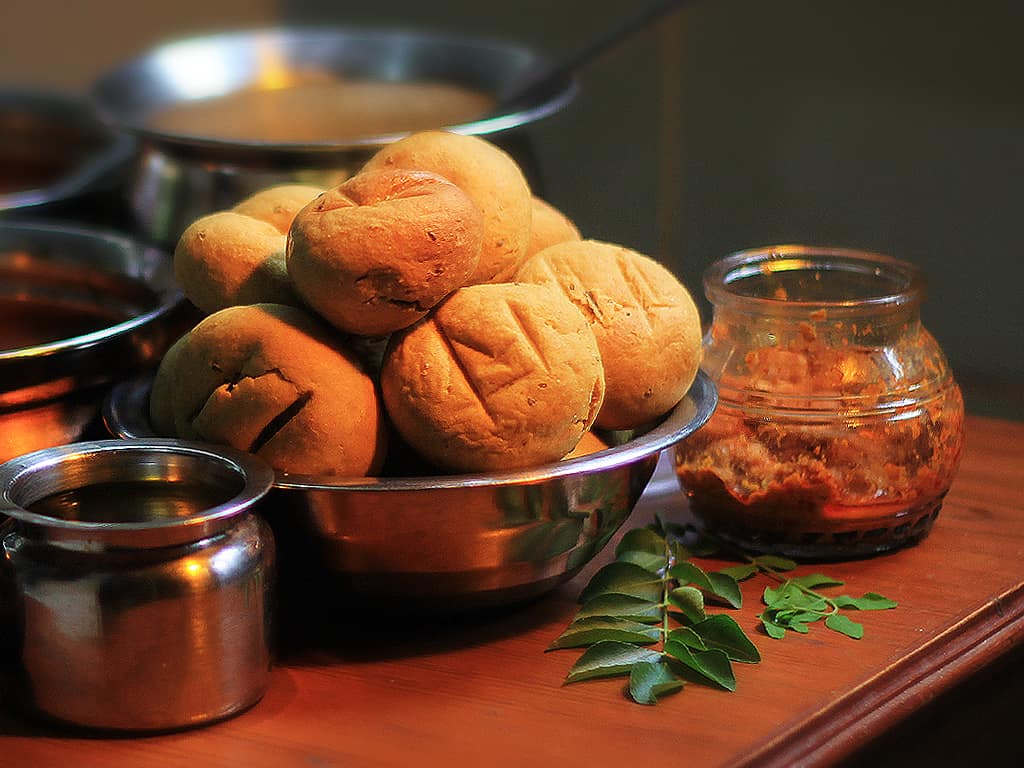
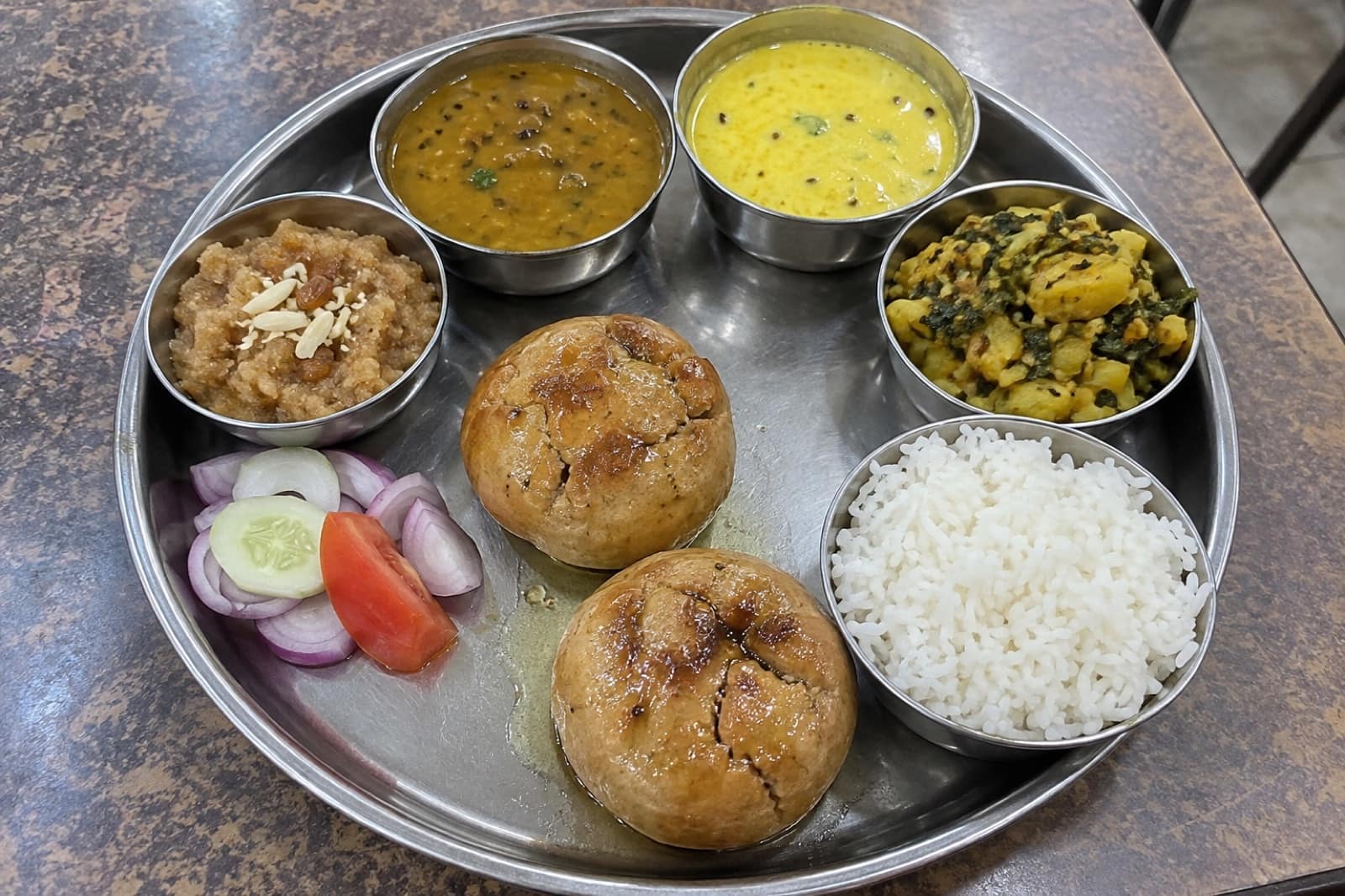
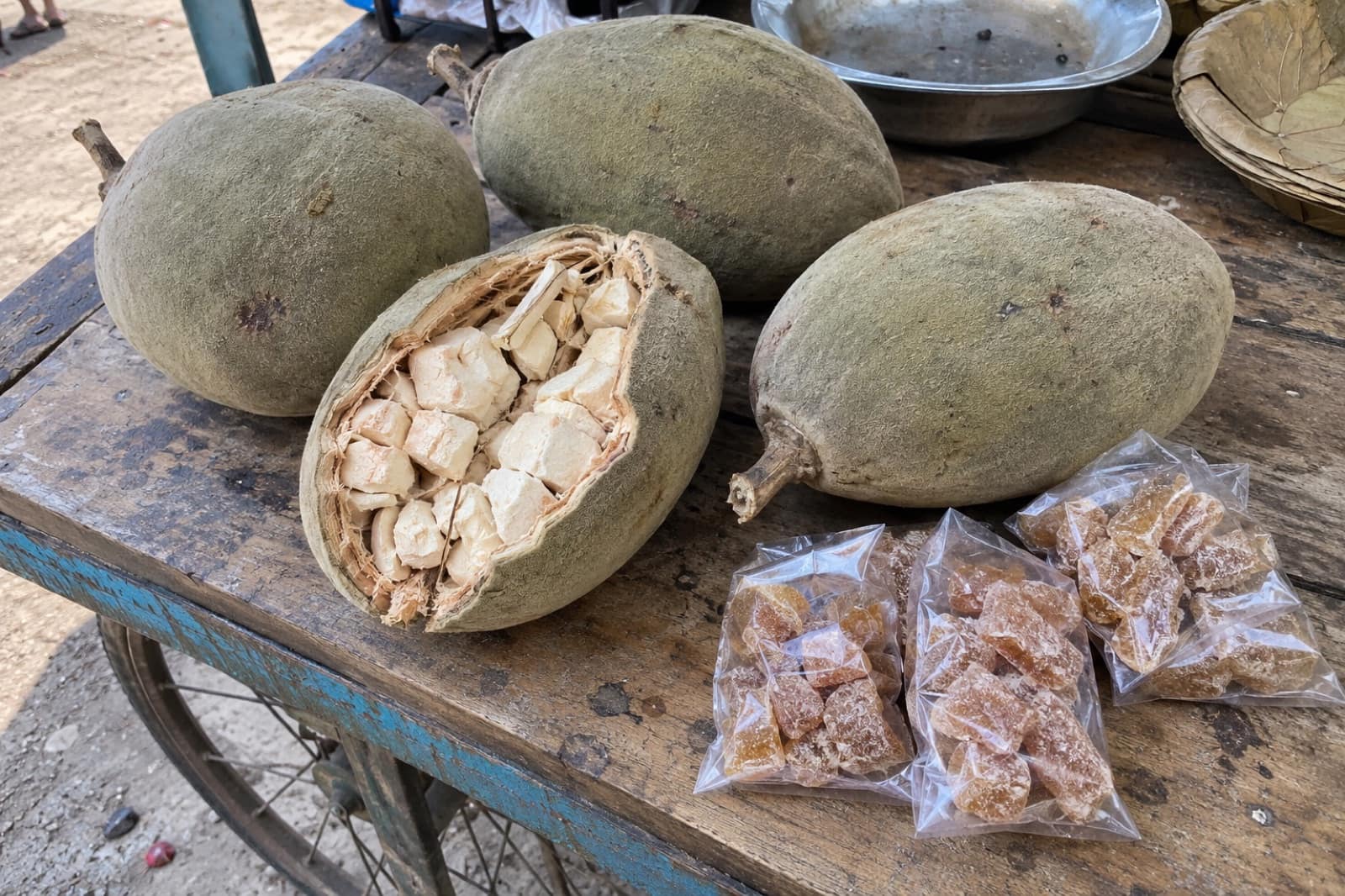
Trusted tables
Where to Eat in Mandu
 Representative photo
MPT Malwa Resort
MP Tourism
 Representative photo
Relax Point
Near Jahaz Mahal
Representative photoRoopmati Restaurant
Mandu
 Representative photo
Shivani Restaurant
Mandu village
About Mandu
Mandu, also called Mandav or Mandavgad, is a ruined fort city on a plateau of the Vindhya hills in Dhar district, about 95 km from Indore. In the 15th and 16th centuries it was the capital of the Malwa sultans, who called it Shadiabad, the City of Joy. Their Afghan-style palaces, mosques and tombs include the Jahaz Mahal, the Hindola Mahal, the Jami Masjid and Hoshang Shah's Tomb, India's first marble tomb. Walls nearly 37 km long, with 12 gateways, once ringed the plateau, and the monuments are on UNESCO's tentative list for World Heritage status.
Mandu is also the setting for the legend of Sultan Baz Bahadur and the singer Roopmati, whose pavilion on the southern edge looks out over the Narmada valley. Spend the morning in the Royal Enclave and at the Jami Masjid, then head about 6 km south to Roopmati's Pavilion for the late-afternoon light. Along the way, look out for the African baobab trees and try their sour fruit, khurasani imli, along with dal bafla and poha jalebi.
Questions
Mandu — FAQ
What is Mandu famous for?
Mandu is famous for the Afghan-style palaces, mosques and tombs of the Malwa sultans, including the Jahaz Mahal, the Hindola Mahal, the Jami Masjid and Hoshang Shah's Tomb, India's first marble tomb. It is also known for the legend of Baz Bahadur and Roopmati, its baobab trees and its green monsoon landscapes.
How many days are enough for Mandu?
1–2 days is enough. One full day covers the Royal Enclave, the Jami Masjid and Hoshang Shah's Tomb, and Roopmati's Pavilion with Baz Bahadur's Palace. A second day lets you add Neelkanth Mahal, Darya Khan's Tomb, the monuments around Sagar Talao and the Lohani Caves at a slower pace.
What is the best time to visit Mandu?
July to March is the best time. The monsoon, from July to September, turns the plateau green and fills the lakes around the Jahaz Mahal, while October to March is dry and pleasant. April to June is very hot, with days often close to 40 °C. See the best time to visit Mandu for a season-by-season guide.
How do I reach Mandu?
The nearest airport and the most convenient railway station are in Indore, about 95 km away, and the drive takes around 2–3 hours. Buses run from Indore to Dhar, about 35 km from Mandu, with onward buses to Mandu. Many visitors hire a taxi from Indore, which also makes it easier to get between the monument groups.
What is the story of Baz Bahadur and Roopmati?
Baz Bahadur was the last independent sultan of Malwa, and Roopmati was a singer and poet. Legend says he heard her singing by the Narmada, and she agreed to come to Mandu only if she could live within sight of the river. In 1561 Akbar's army defeated Baz Bahadur, and Roopmati is said to have taken poison rather than be captured. Her pavilion on the southern edge of Mandu keeps the story alive.