
Rajasthan · India
Mount Abu
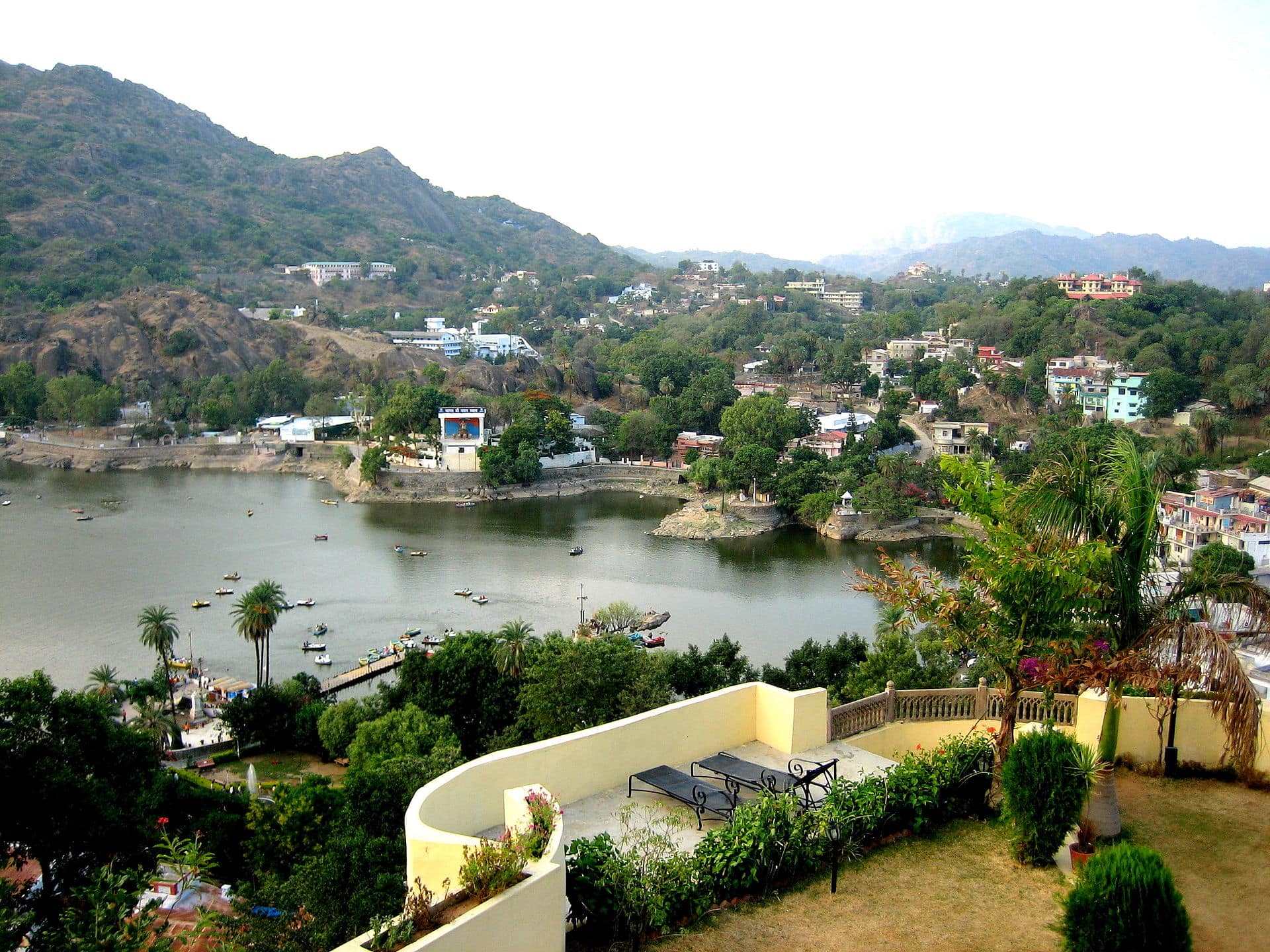
Rajasthan's only hill station — a cool Aravalli retreat of a sacred lake, sublime marble Jain temples and forested sunset viewpoints.
Mount Abu is famed for the Dilwara marble temples and its cool climate; the area is home to the Garasia and Bhil tribes and a Rajasthani-Gujarati food scene.
Plan your trip
Mount Abu Tour Itineraries
Timed, walkable day plans — plus the best season to go.
Where to shoot
Mount Abu Photo Spots
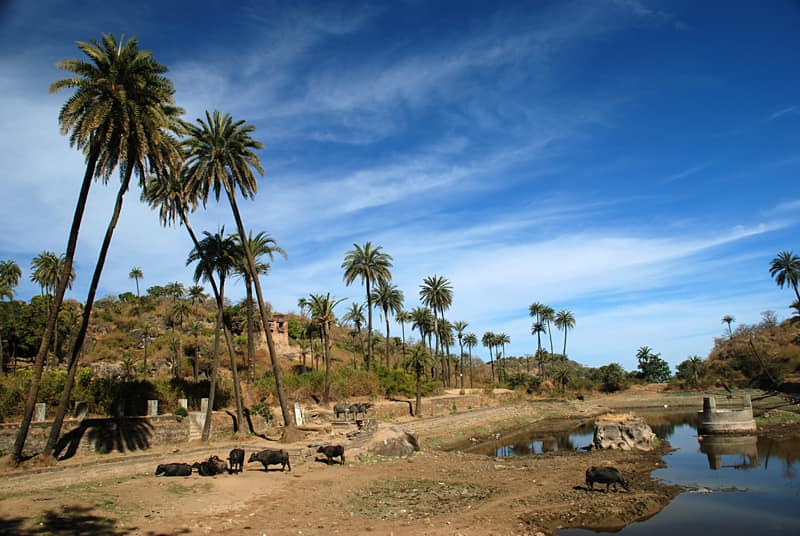 Low crowd
Entry Free
Achalgarh Fort
- Best timeLate afternoon, when warm light falls on the old walls and the hill is quiet.
- ColorsRustCreamOlive
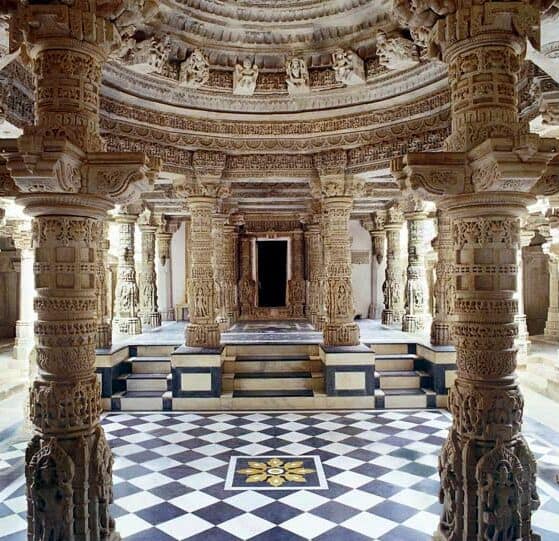 High crowd
Entry Free (no photography inside)
Dilwara Temples
- Best timeAround midday, when the temples open to visitors; photos are only possible outside, so take them before you go in.
- ColorsWhiteCreamPastel
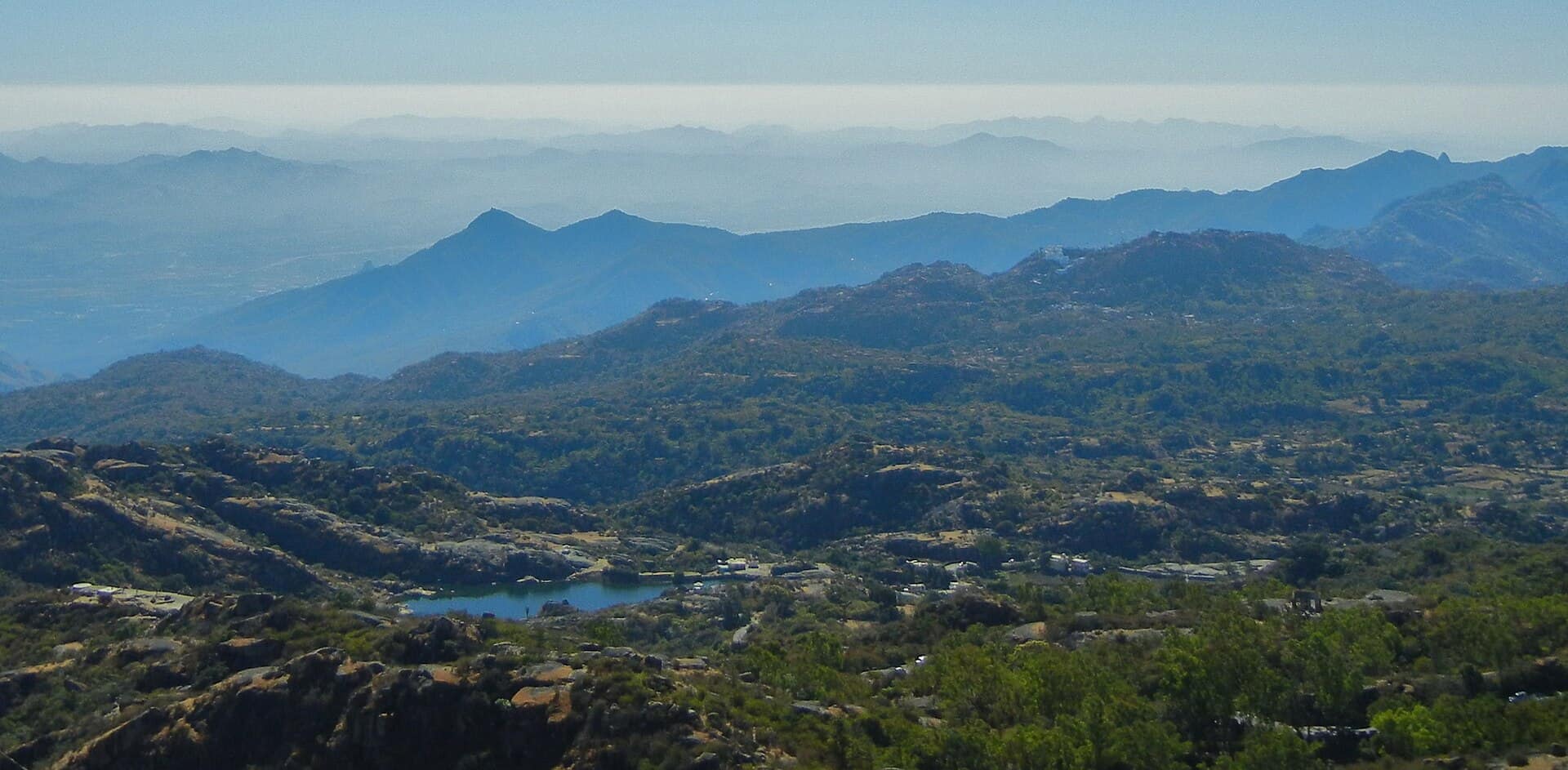 Medium crowd
Entry Free
Guru Shikhar
- Best timeEarly morning, when the air is clearest and you can see far over the Aravalli hills.
- ColorsWarm earth tonesRedWhite
 High crowd
Entry Free (boat ride extra)
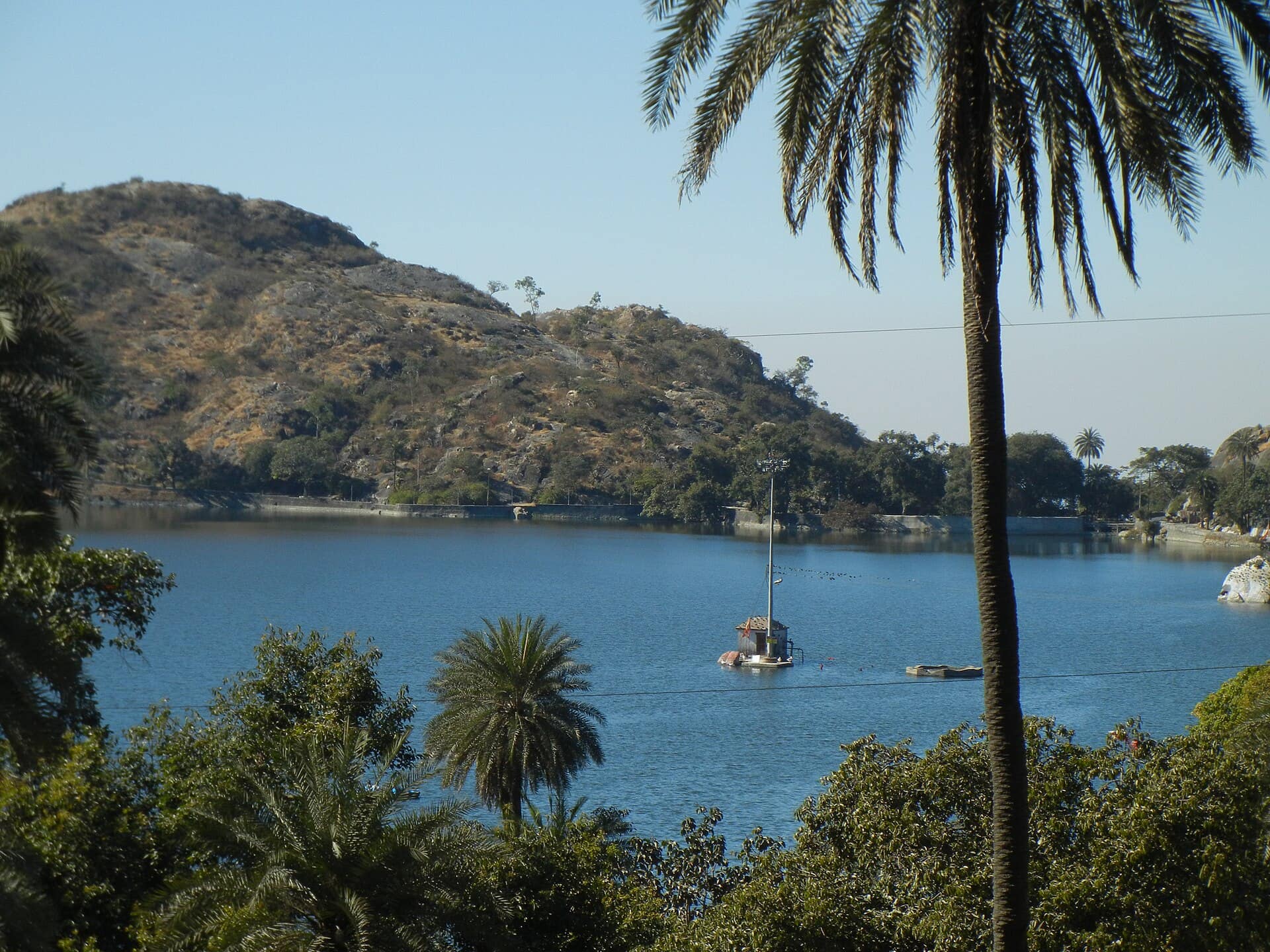
Nakki Lake
- Best timeSunset, when the water turns gold and Toad Rock stands out; early morning for a quiet, still lake.
- ColorsWhiteCoralSky blue
Entry Free
Sunset Point
- Best timeLate afternoon into sunset, when the sun drops over the hills and the sky turns orange.
- ColorsWarm tonesRustWhite
For the feed
Trending Wear in Mount Abu
Modern, Instagram-friendly looks
Rooted in the city
Mount Abu Traditional Wear
Local, cultural, handcrafted outfits
Before you go
Temples in Mount Abu
Darshan hours, dress codes and what gets refused at the gate
Taste the city
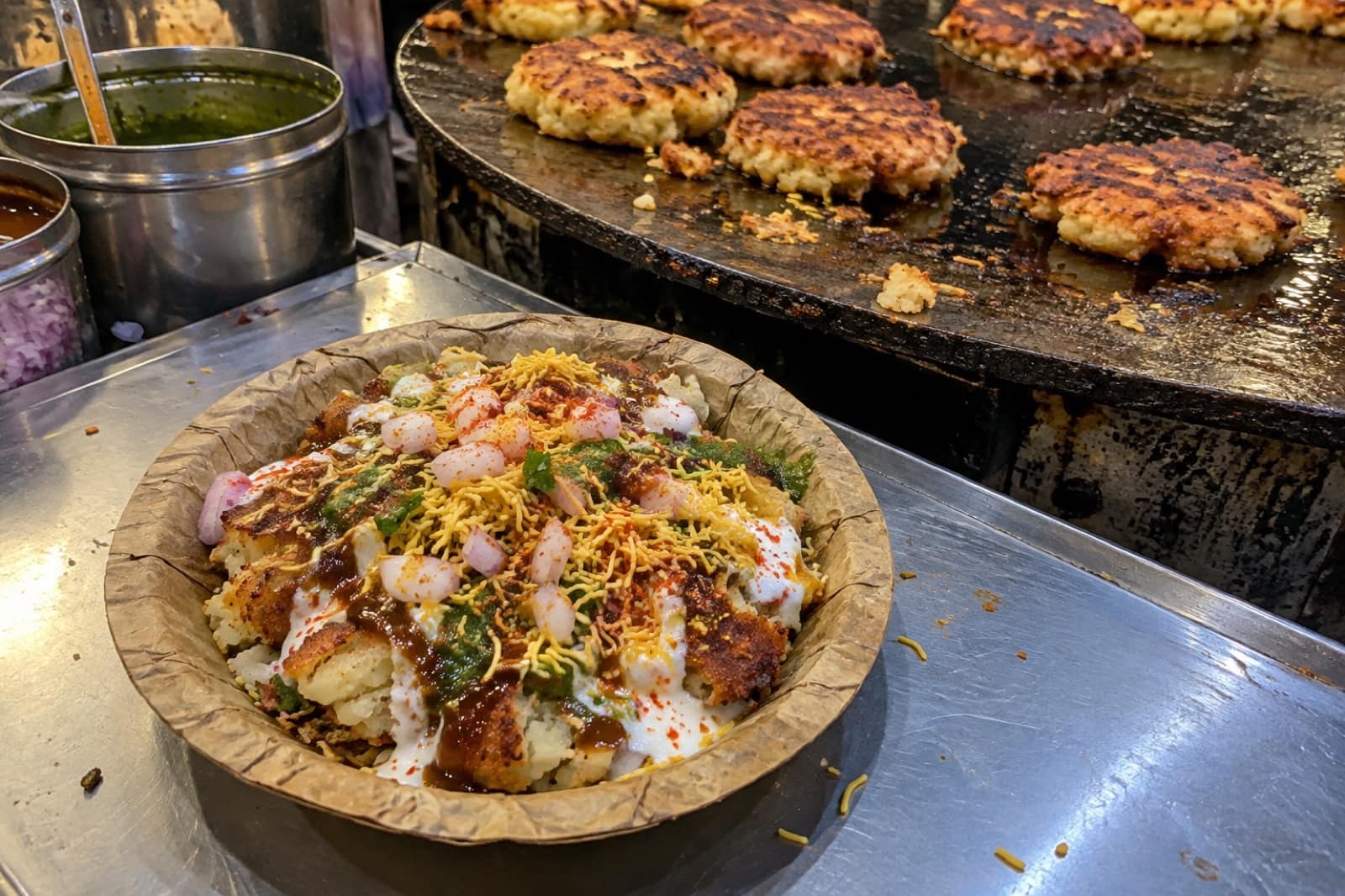
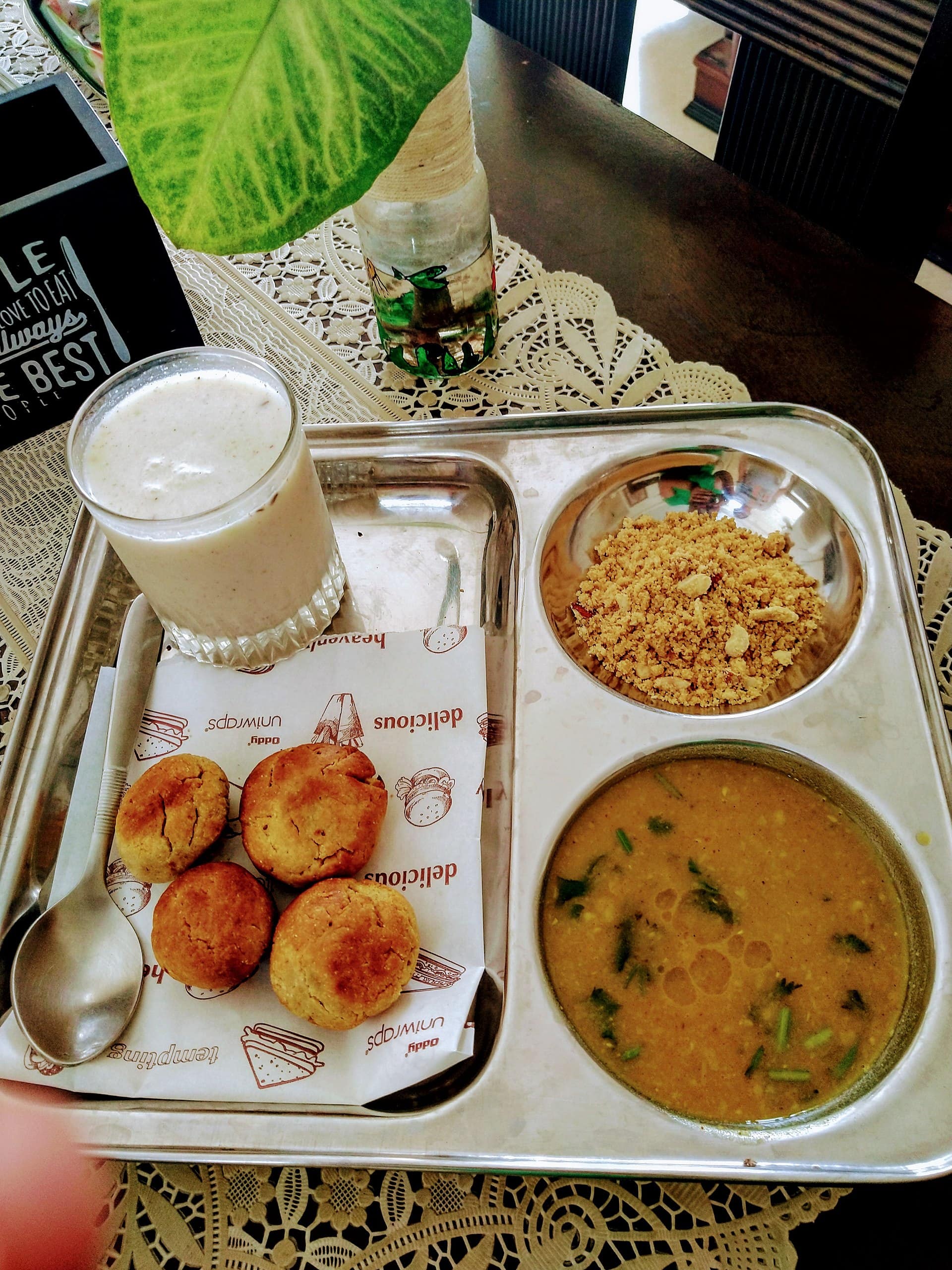
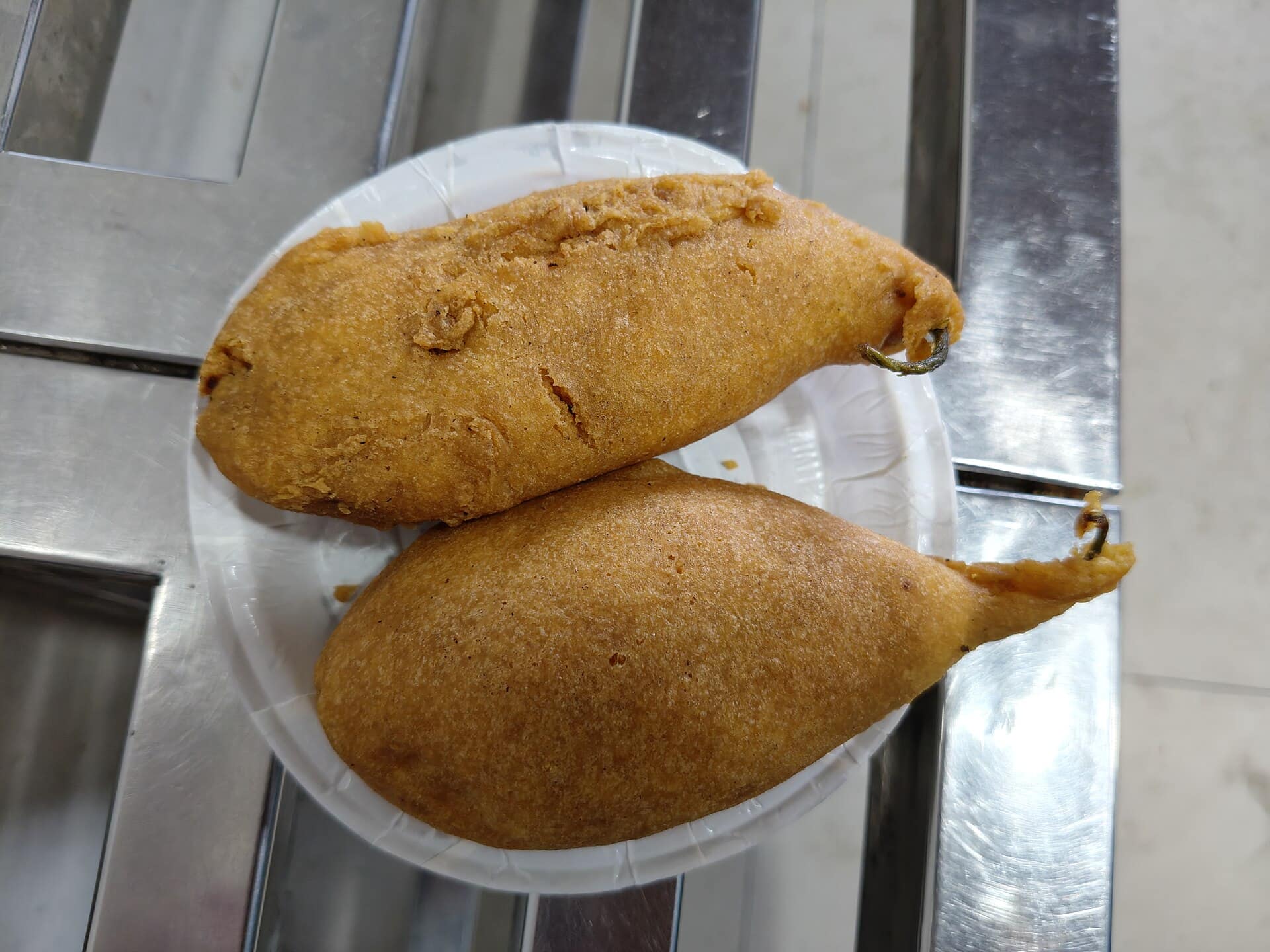
Food to Eat in Mount Abu
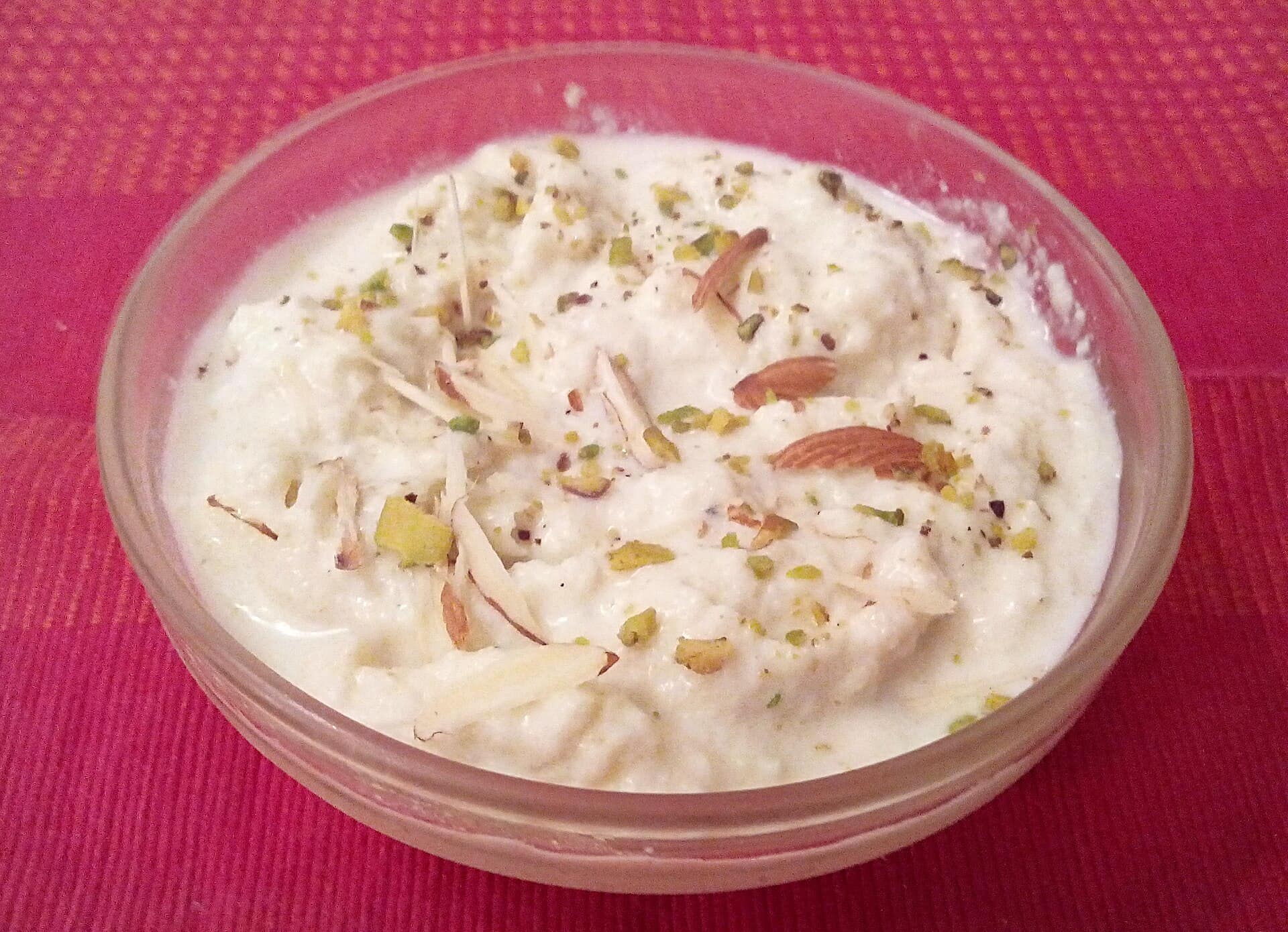
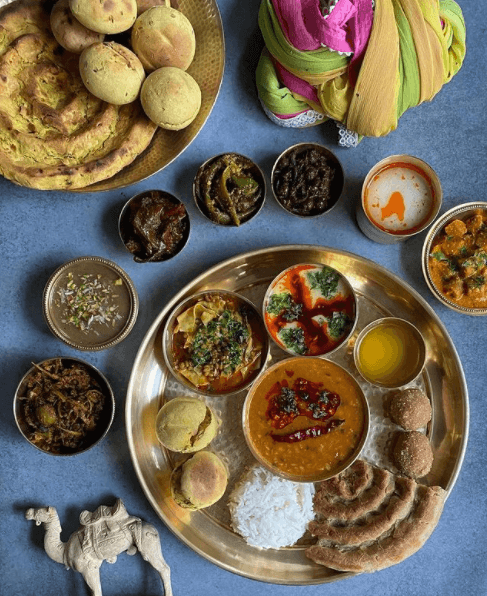
Trusted tables
Where to Eat in Mount Abu
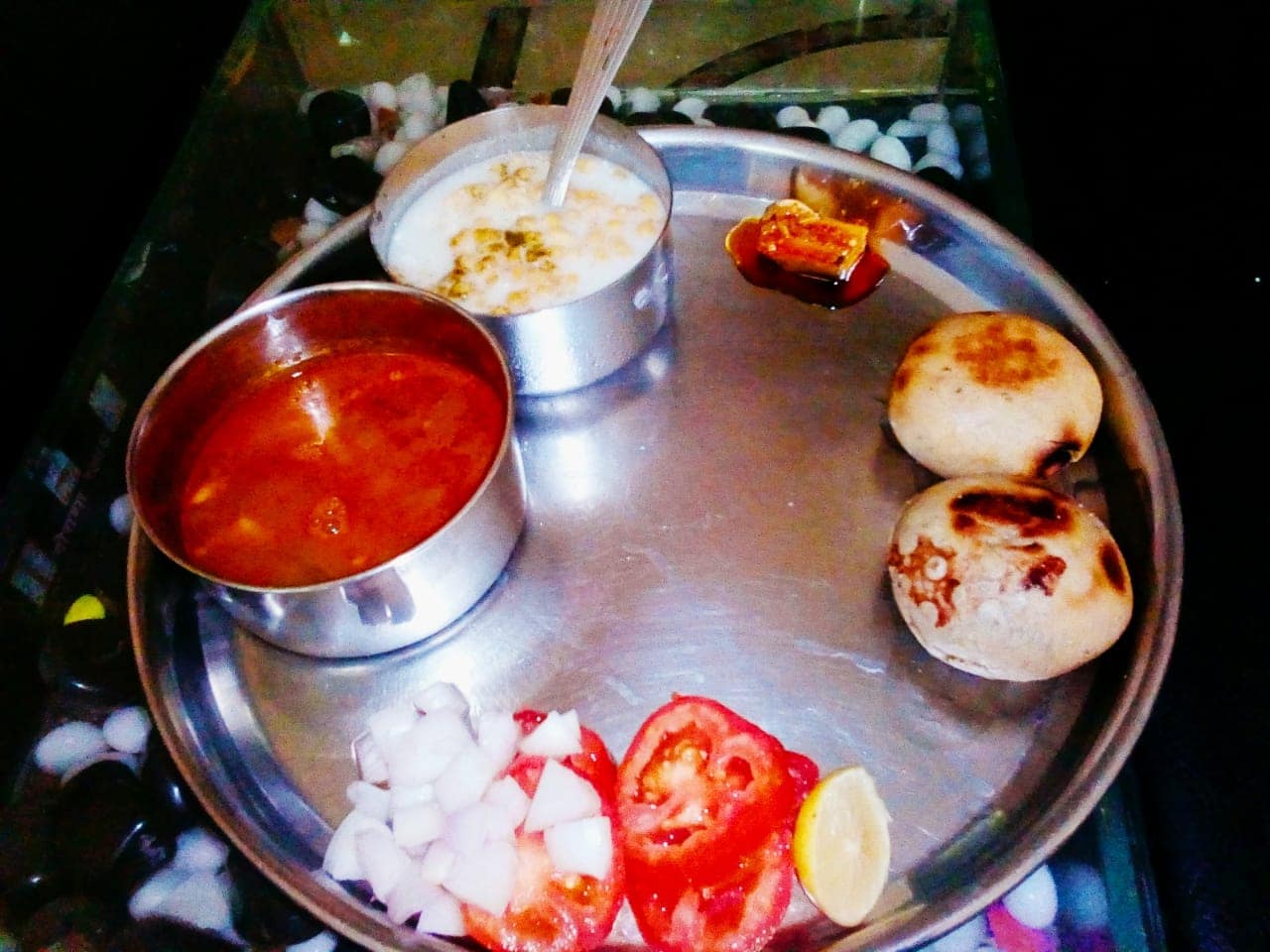
About Mount Abu
Mount Abu is Rajasthan's only hill station, set at about 1,200 m on a plateau in the Aravalli hills, close to the Gujarat border. While the plains below are hot and dry, the town stays mild in summer and cool in winter, which is why families from Rajasthan and Gujarat have come up here for generations. It is best known for the Dilwara Temples, a group of Jain temples carved from white marble between the 11th and 13th centuries.
The town is small and centres on Nakki Lake, where most restaurants, shops and evening walks are found. A good visit covers the Dilwara Temples around midday, a drive out to Achalgarh and Guru Shikhar, the highest point in the Aravallis, and an evening at Sunset Point or by the lake. The food is simple and vegetarian: Rajasthani thali, dal baati churma, mirchi vada from the lakeside stalls and a bowl of rabri to finish.
Questions
Mount Abu — FAQ
What is Mount Abu famous for?
Mount Abu is famous for the Dilwara Temples, known for their white-marble carving, and for being Rajasthan's only hill station. Visitors also come for Nakki Lake, Sunset Point and Guru Shikhar, the highest peak in the Aravalli range.
How many days are enough for Mount Abu?
2 days is enough for the Dilwara Temples, Nakki Lake, Sunset Point, Achalgarh and Guru Shikhar. Add a third day if you want a slower pace with more time by the lake or on forest walks.
What is the best time to visit Mount Abu?
October to March is cool and clear, and April to June is when Mount Abu is at its most useful as an escape from the heat of the plains. July to September brings heavy rain and mist. See the best time to visit Mount Abu for a month-by-month guide.
How do I reach Mount Abu?
The nearest railway station is Abu Road, about 28 km below the town, with taxis and buses up the hill road. The nearest airport is Udaipur, about 170 km away by road. Ahmedabad is another common starting point for visitors from Gujarat.
Is Mount Abu a good weekend trip from Udaipur or Ahmedabad?
Yes. Both cities are a few hours' drive away, and Mount Abu's main sights are close together, so a two-day weekend covers them well. Expect heavier traffic on the hill road and busier sights on weekends and holidays.