
Karnataka · India
Murudeshwar
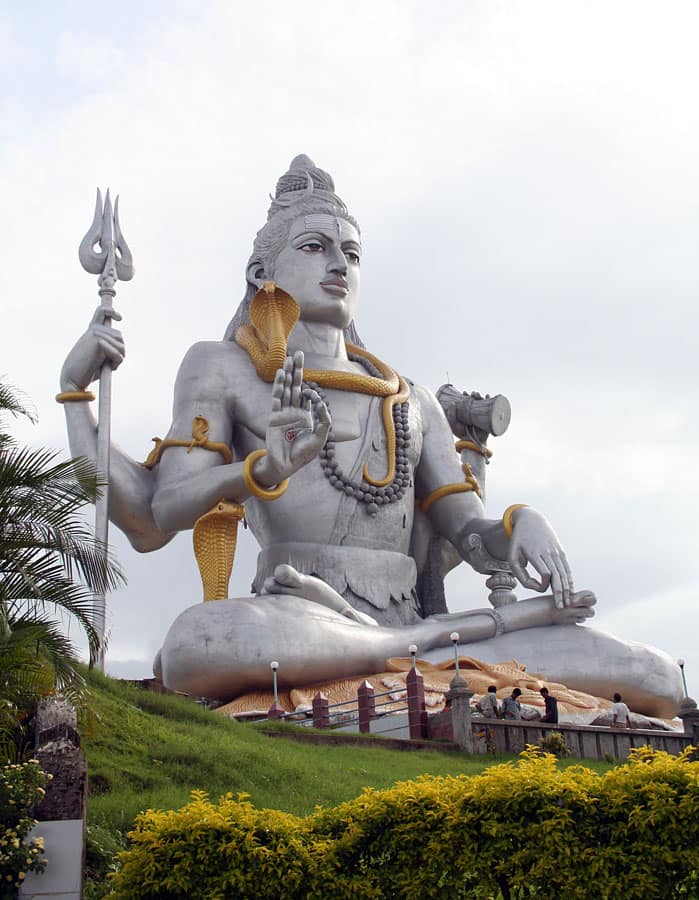
A dramatic coastal temple town on a sea-girt promontory — home to the world's second-tallest Shiva statue and a towering gopura, with beaches and scuba-diving off Netrani Island.
Murudeshwar is temple-by-the-sea: the giant seated Shiva, the towering RajaGopura, Arabian Sea sunsets, Netrani diving, and coastal-Karnataka seafood.
Plan your trip
Murudeshwar Tour Itineraries
Timed, walkable day plans — plus the best season to go.
Where to shoot
Murudeshwar Photo Spots
Entry Free
Idagunji Ganapati Temple
- Best timeEarly morning, when the light is soft on the temple front and the queues have not yet built up.
- ColorsSaffronRedWhite
Entry Free
Murudeshwar Beach
- Best timeLate afternoon to sunset, when warm light falls on the sand and the sun drops into the sea; early morning for an empty beach.
- ColorsWhiteCoralAqua
 High crowd
Entry Free (lift up gopura extra)
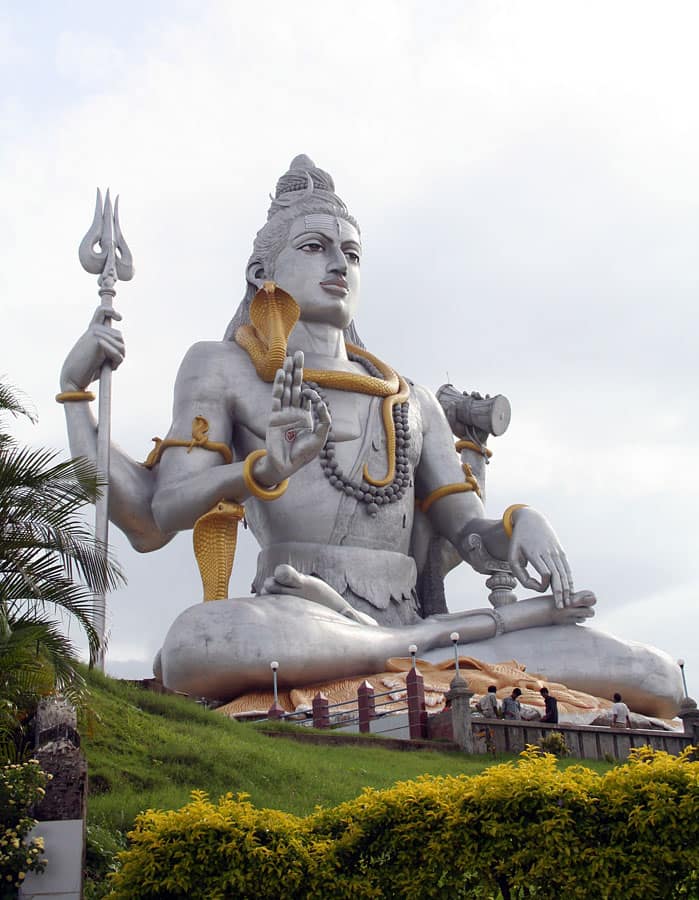
Murudeshwar Temple & Shiva Statue
- Best timeEarly morning for soft light and fewer people around the statue; late afternoon for a warm glow on the statue with the sea behind it.
- ColorsSaffronWhiteAqua
 Low crowd
Entry Dive/boat package
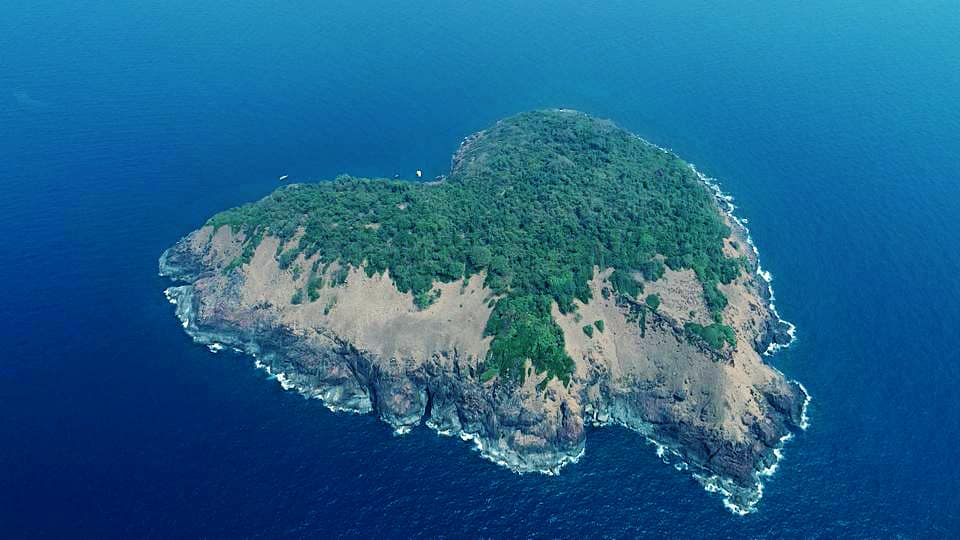
Netrani Island
- Best timeMid-morning between December and February, when the sun is higher and the calm water is at its clearest for underwater shots.
- ColorsWhiteAquaCoral
Entry Nominal (lift)
RajaGopura
- Best timeMorning for soft light on the painted tiers and a shorter lift queue; late afternoon for warm light across the sea from the viewing level.
- ColorsSaffronCreamWhite
For the feed
Trending Wear in Murudeshwar
Modern, Instagram-friendly looks

Rooted in the city
Murudeshwar Traditional Wear
Local, cultural, handcrafted outfits
Taste the city
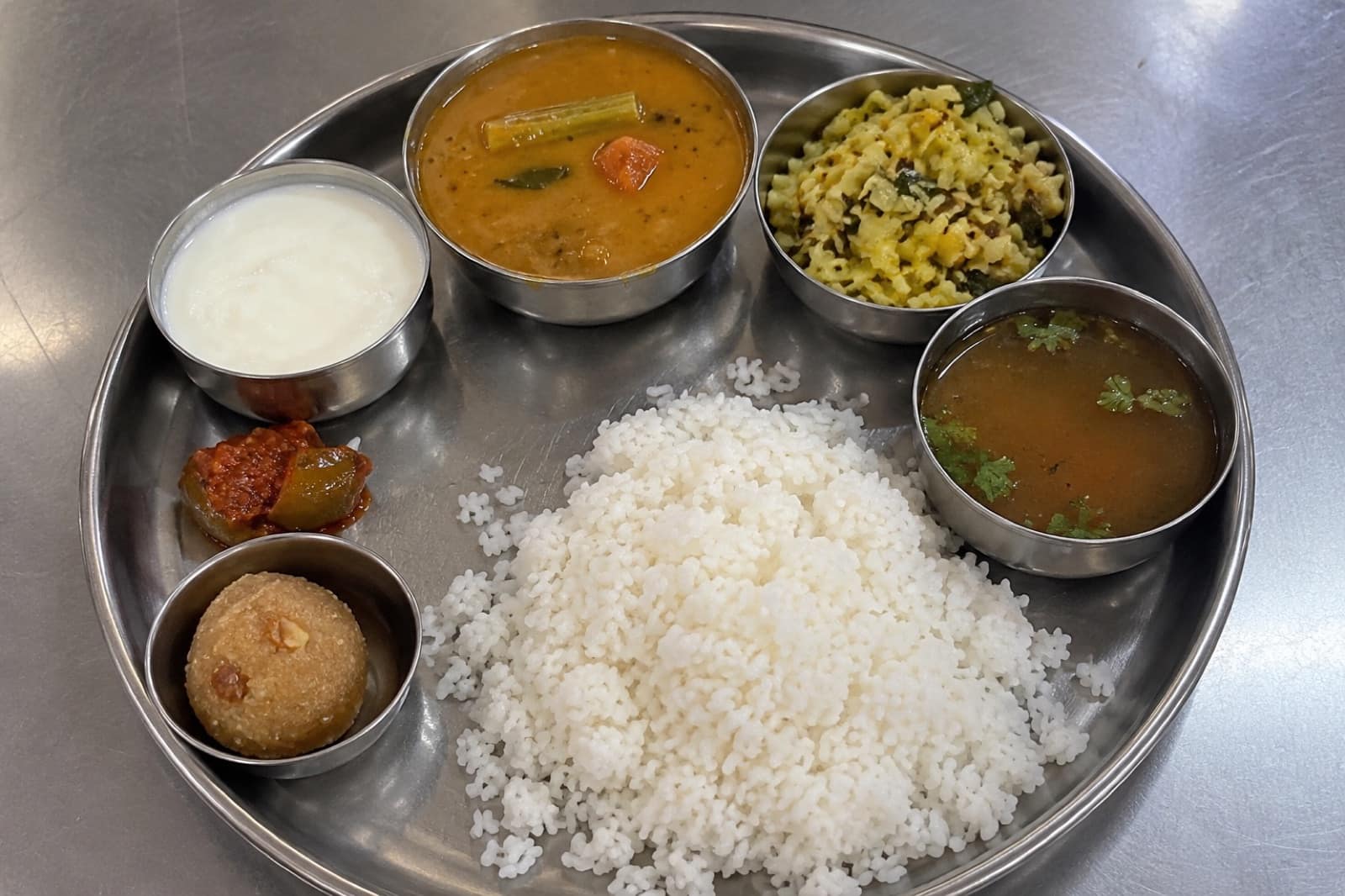
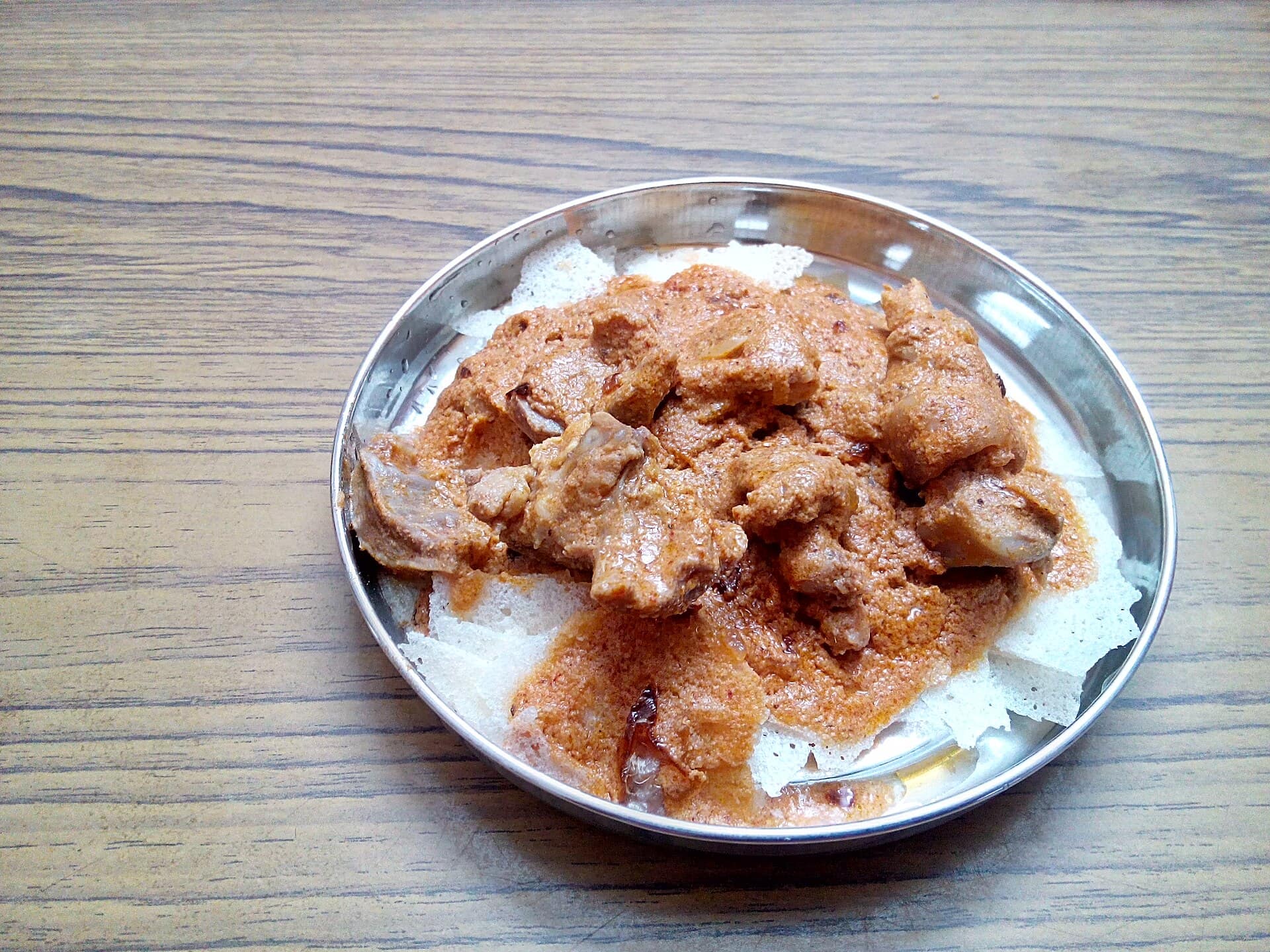
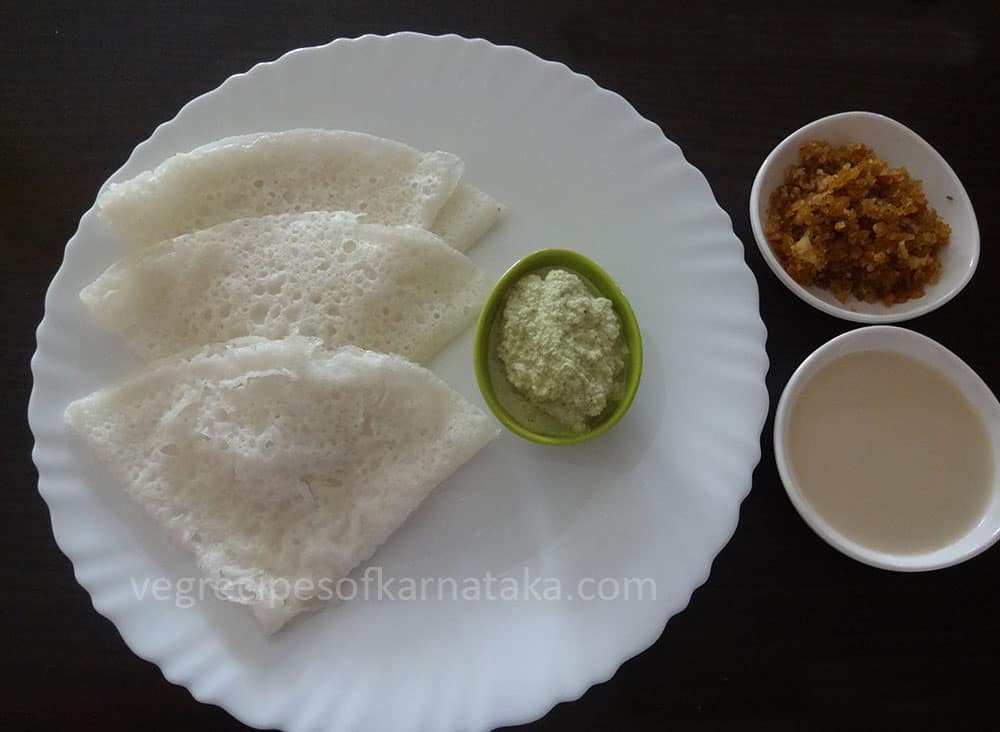
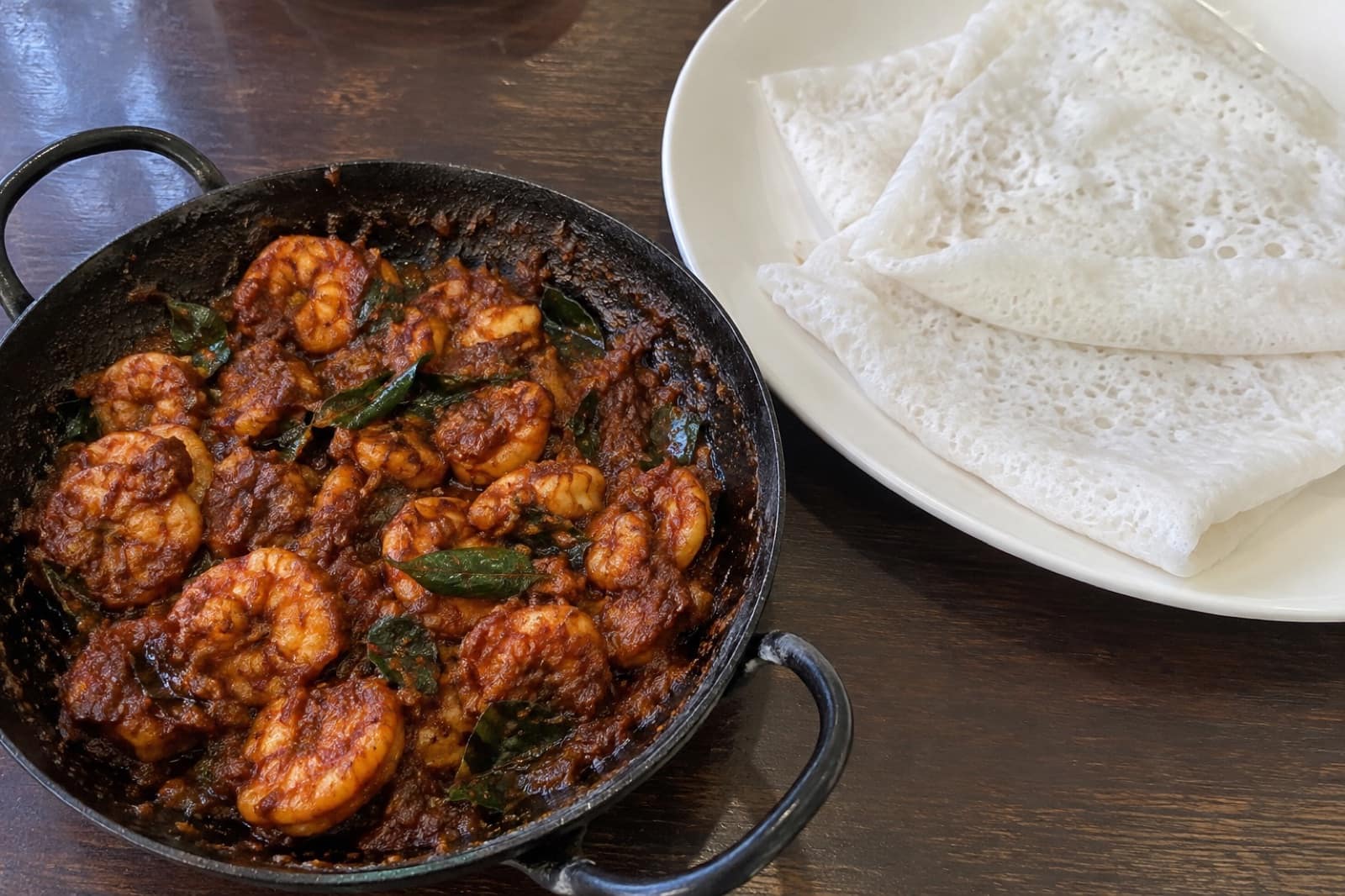
Food to Eat in Murudeshwar
Trusted tables
Where to Eat in Murudeshwar
About Murudeshwar
Murudeshwar is a small temple town on the coast of Uttara Kannada in Karnataka, built around a rocky headland called Kanduka Hill that juts into the Arabian Sea. On top of it sits a 123-foot seated Shiva, often described as the second-tallest Shiva statue in the world, and in front of the temple rises the Raja Gopura, a 20-storey gateway tower with a lift to a viewing level near the top. Sea on three sides makes the whole complex easy to spot from miles down the beach.
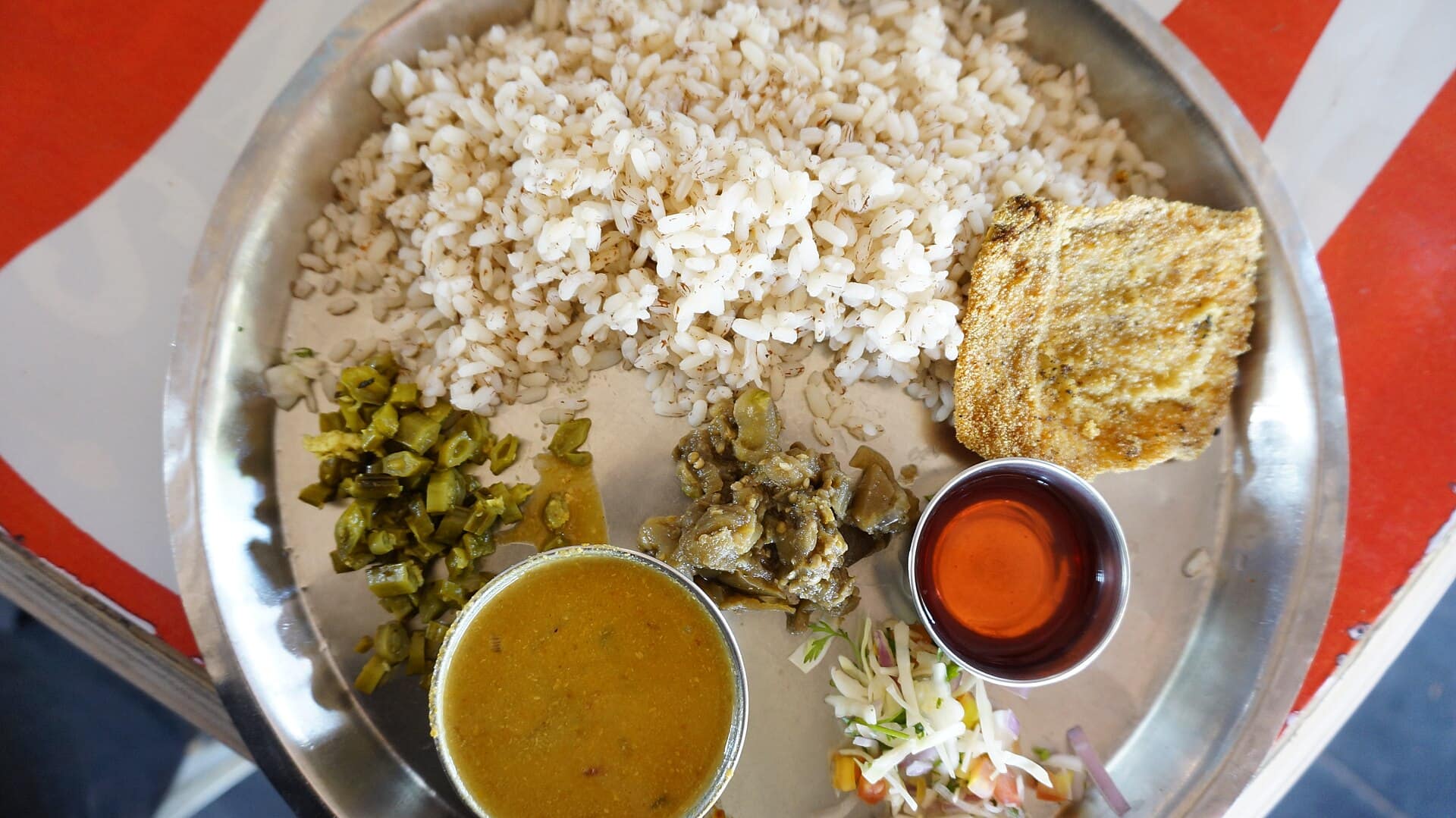
Most visitors come for a day or two. Mornings suit the temple and the gopura before the tour buses arrive, afternoons are for the beach and a seafood lunch on Beach Road, and evenings are for sunset over the water. Between October and May you can also take a boat out to Netrani Island for scuba diving or snorkelling, and the standing Ganesha at Idagunji is an easy half-day trip up the coast. Leave room for coastal Karnataka food: neer dosa, kori rotti, prawn ghee roast and fish curry.
Questions
Murudeshwar — FAQ
What is Murudeshwar famous for?
Murudeshwar is famous for its 123-foot seated Shiva statue, the 20-storey Raja Gopura with a lift to the top, and the temple's setting on a headland surrounded by the Arabian Sea. It is also the base for scuba diving at Netrani Island.
How many days are enough for Murudeshwar?
1–2 days is enough. One day covers the temple, the gopura, the statue and the beach. Add a second day for a Netrani Island dive trip or a visit to Idagunji and nearby Honnavar.
What is the best time to visit Murudeshwar?
October to February is the most comfortable time, with dry weather and calmer seas. March to May is hot and humid, and June to September brings heavy rain and rough seas, when Netrani dive trips stop. See the best time to visit Murudeshwar for a month-by-month guide.
How do I reach Murudeshwar?
Murudeshwar has its own station on the Konkan Railway, about 2 km from the temple, with trains from Mangaluru, Mumbai, Goa and Bengaluru. The nearest airport is Mangaluru, about 150 km south, and buses run along the coastal highway from Mangaluru, Udupi and Karwar.
Is it safe to swim at Murudeshwar Beach?
Be careful. The sea here can have strong currents, and four schoolgirls drowned at Murudeshwar Beach in December 2024, after which the beach was closed for a few weeks and ropes were added to mark the safe area. Stay inside the marked zone, follow the lifeguards and do not go into the water during the monsoon.