
Rajasthan · India
Pushkar
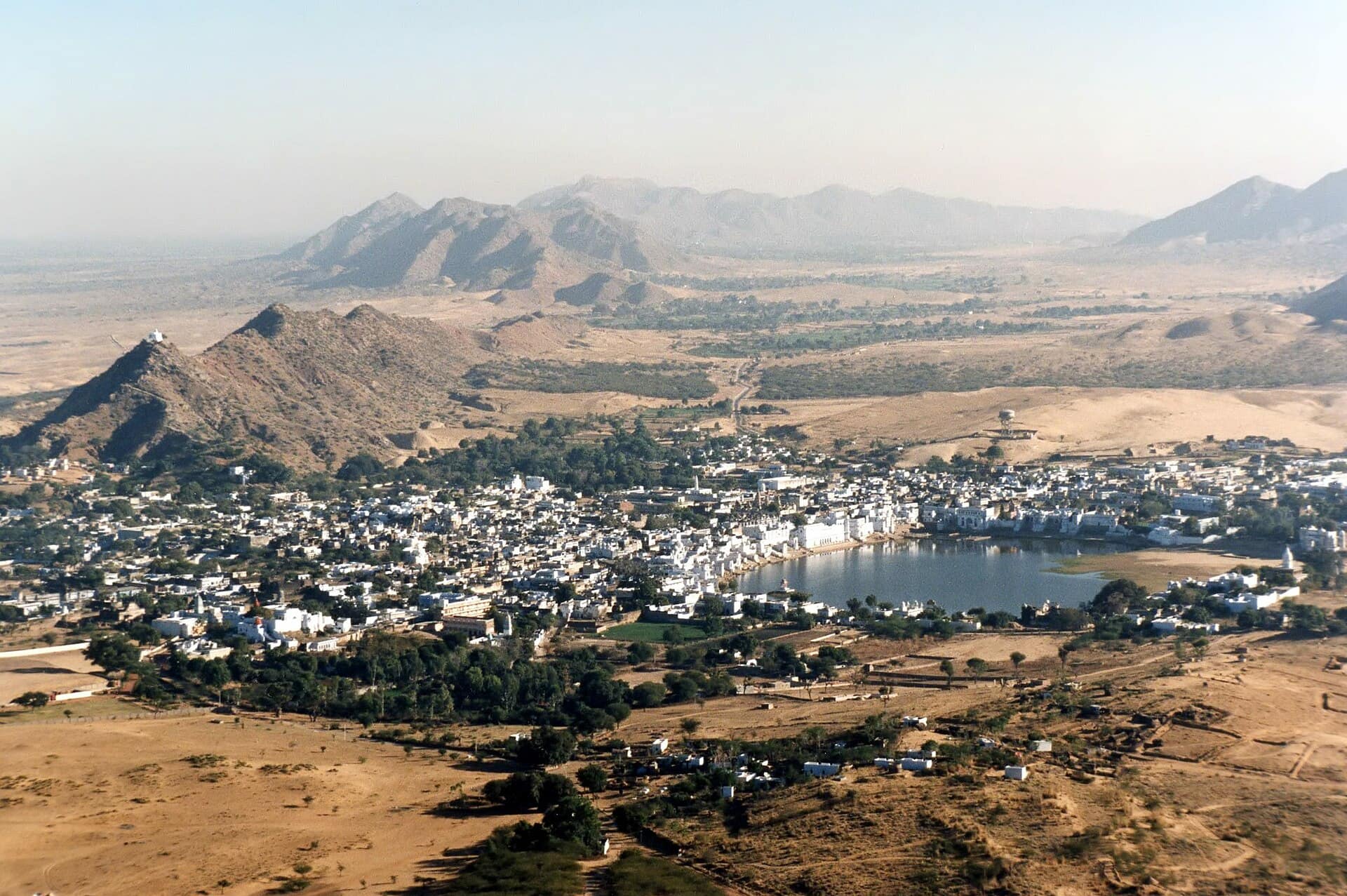
A sacred lakeside pilgrim town of 52 ghats and hundreds of temples, including a rare Brahma temple, with a busy bazaar and a famous camel fair.
Pushkar blends Hindu pilgrimage with a bohemian traveller scene; expect Rajasthani crafts, silver jewellery, and a mix of Marwari sweets and global café food.
Plan your trip
Pushkar Tour Itineraries
Timed, walkable day plans — plus the best season to go.
Where to shoot
Pushkar Photo Spots
 High crowd
Entry Free
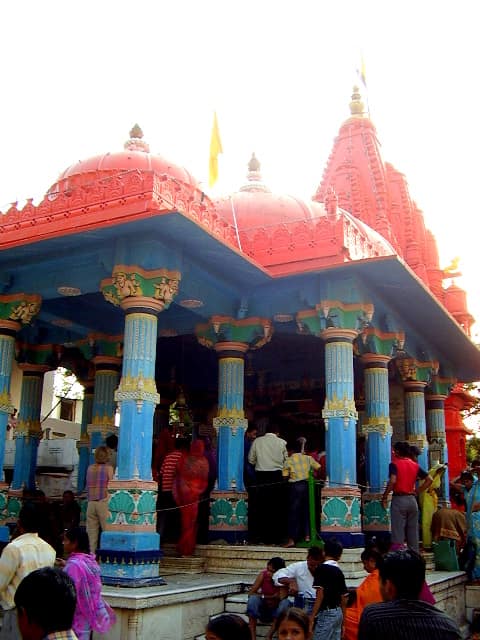
Brahma Temple
- Best timeEarly morning, when the queues are short and soft light falls on the red spire.
- ColorsSaffronRedWhite
 Medium crowd
Entry Free
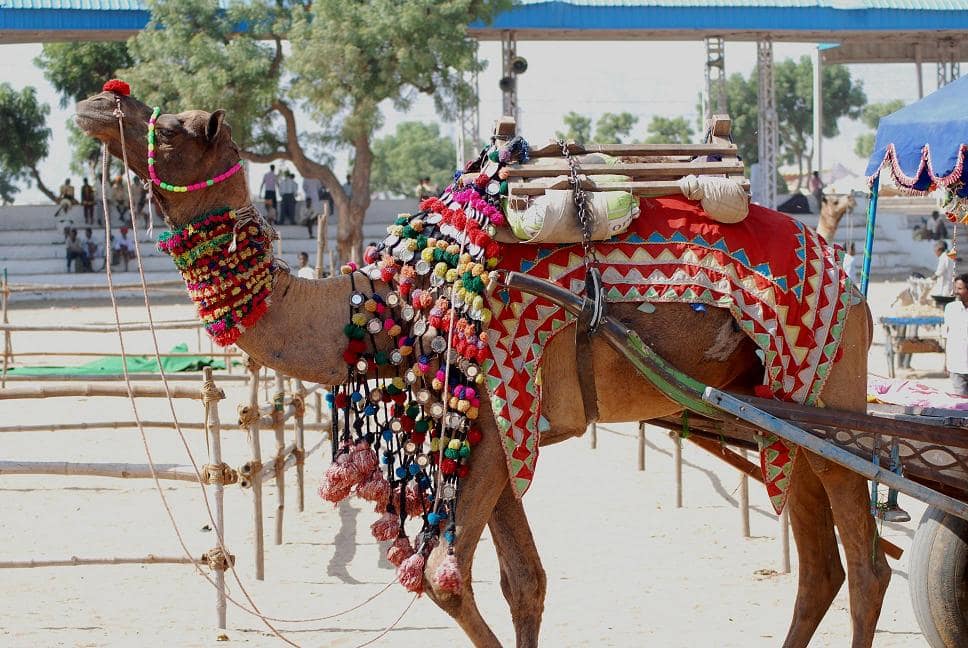
Pushkar Fair Ground
- Best timeEarly morning during the November fair, when the camel trading is busiest; golden hour for warm light and long shadows over the dunes.
- ColorsRustSaffronWhite
 Medium crowd
Entry Free
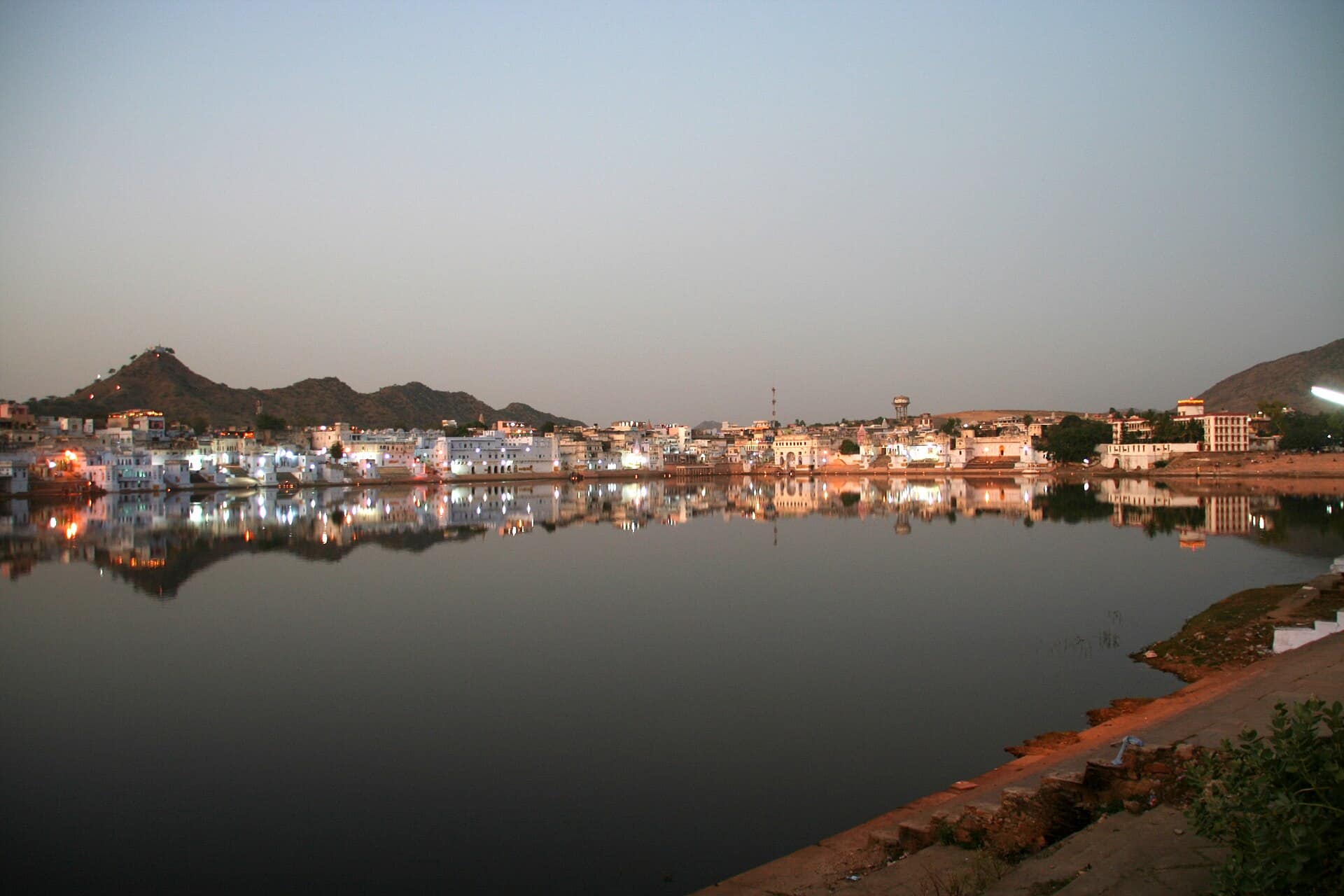
Pushkar Lake
- Best timeSunrise, when the water is still and the ghats reflect in the lake; sunset for the evening aarti and warm light on the temples.
- ColorsWhiteSaffronMarigold
Entry Free
Rangji Temple
- Best timeMorning, when soft light falls on the gopuram and the lane outside is quiet.
- ColorsWhiteSaffronTeal
Entry Free (ropeway ₹100+)
Savitri Mata Temple
- Best timeSunrise, when the first light falls on the town and the lake below; late afternoon for golden light over the desert hills.
- ColorsSaffronWhiteSky blue
For the feed
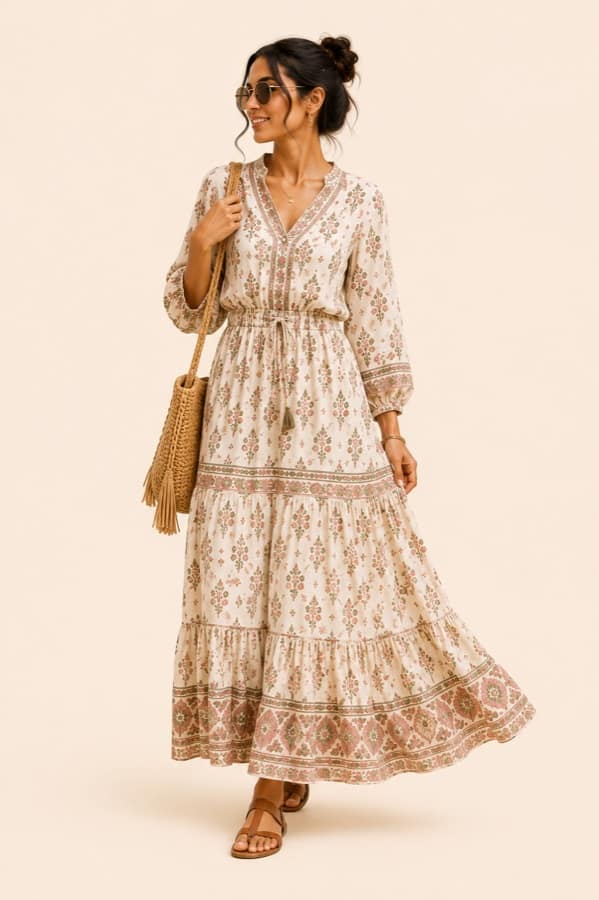
Trending Wear in Pushkar
Modern, Instagram-friendly looks
Rooted in the city
Pushkar Traditional Wear
Local, cultural, handcrafted outfits
Before you go
Temples in Pushkar
Darshan hours, dress codes and what gets refused at the gate
Taste the city
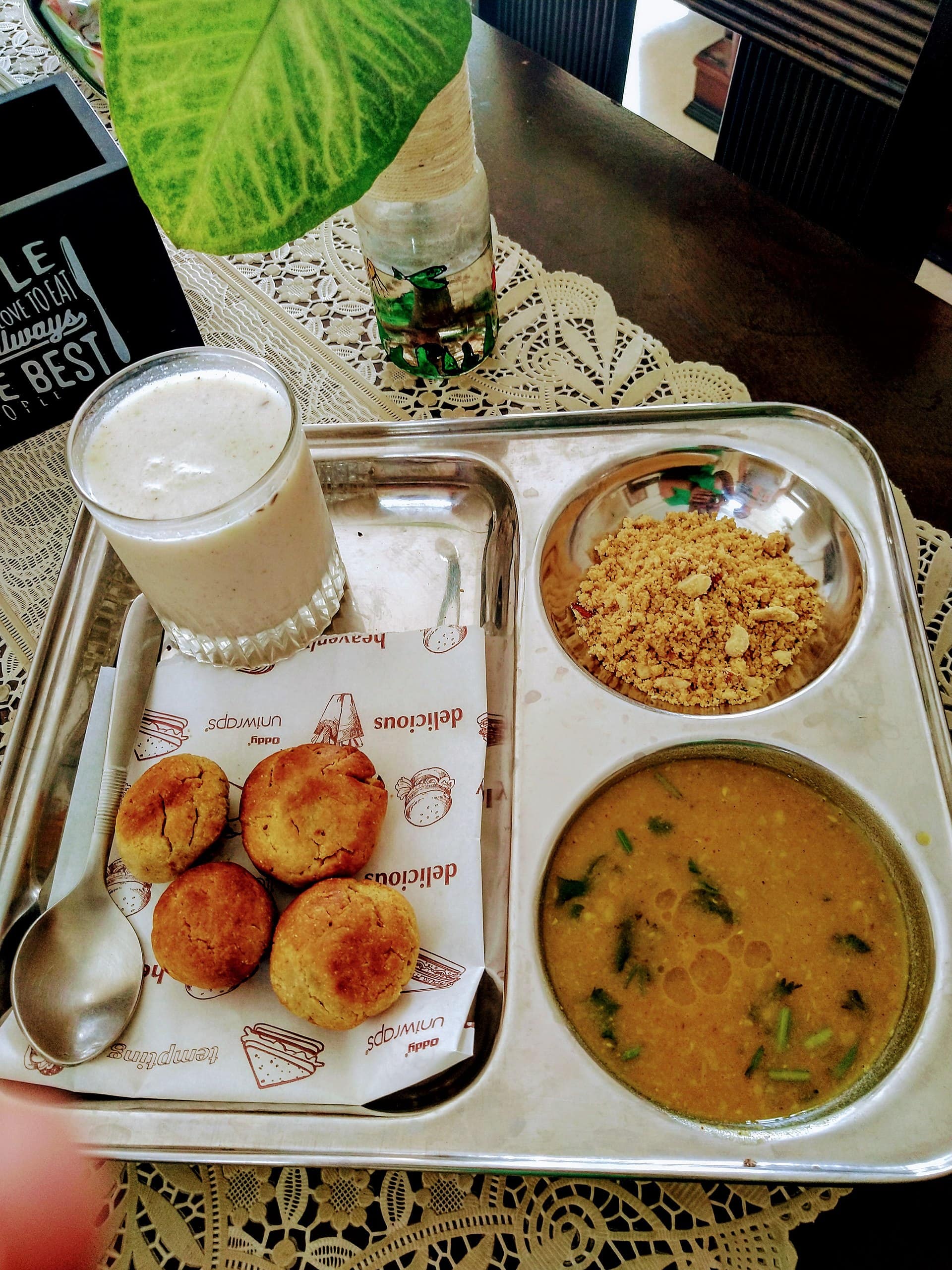
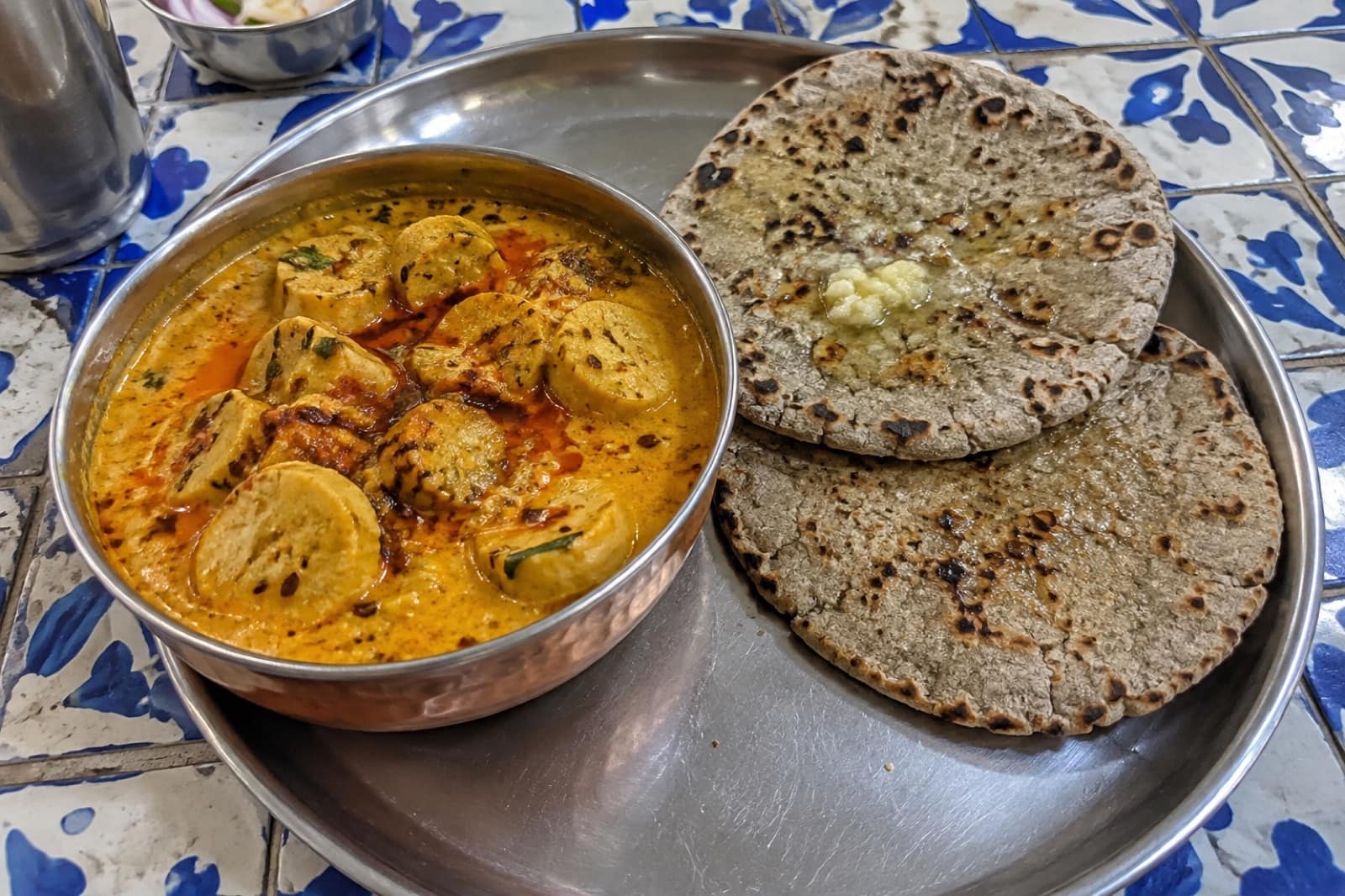
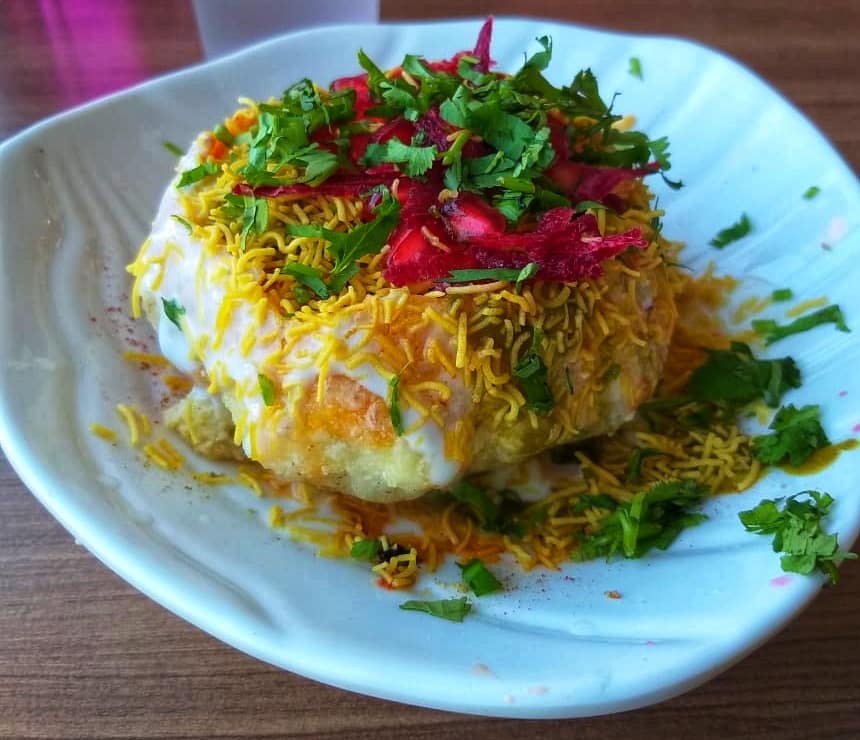
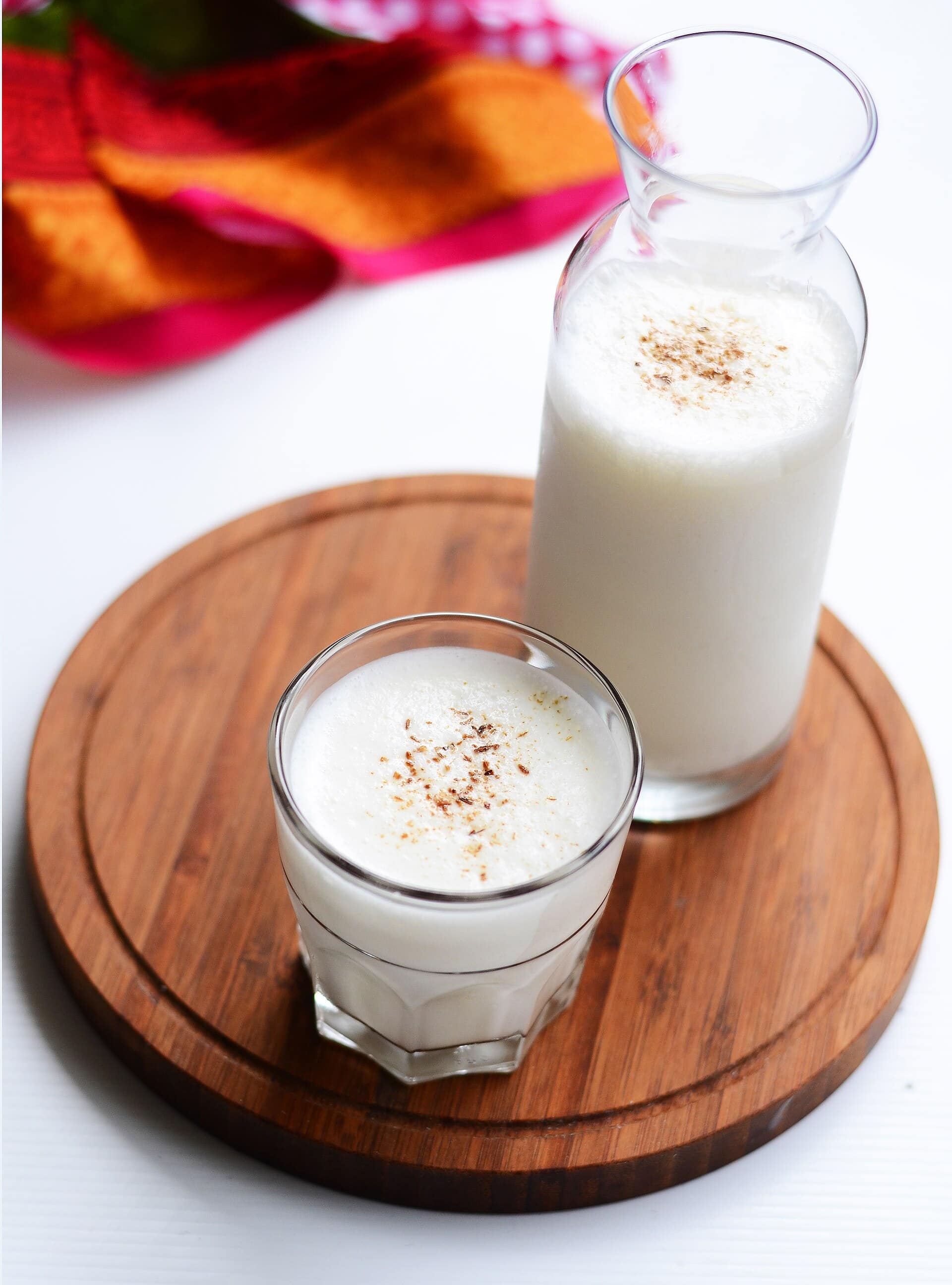
Food to Eat in Pushkar
Trusted tables
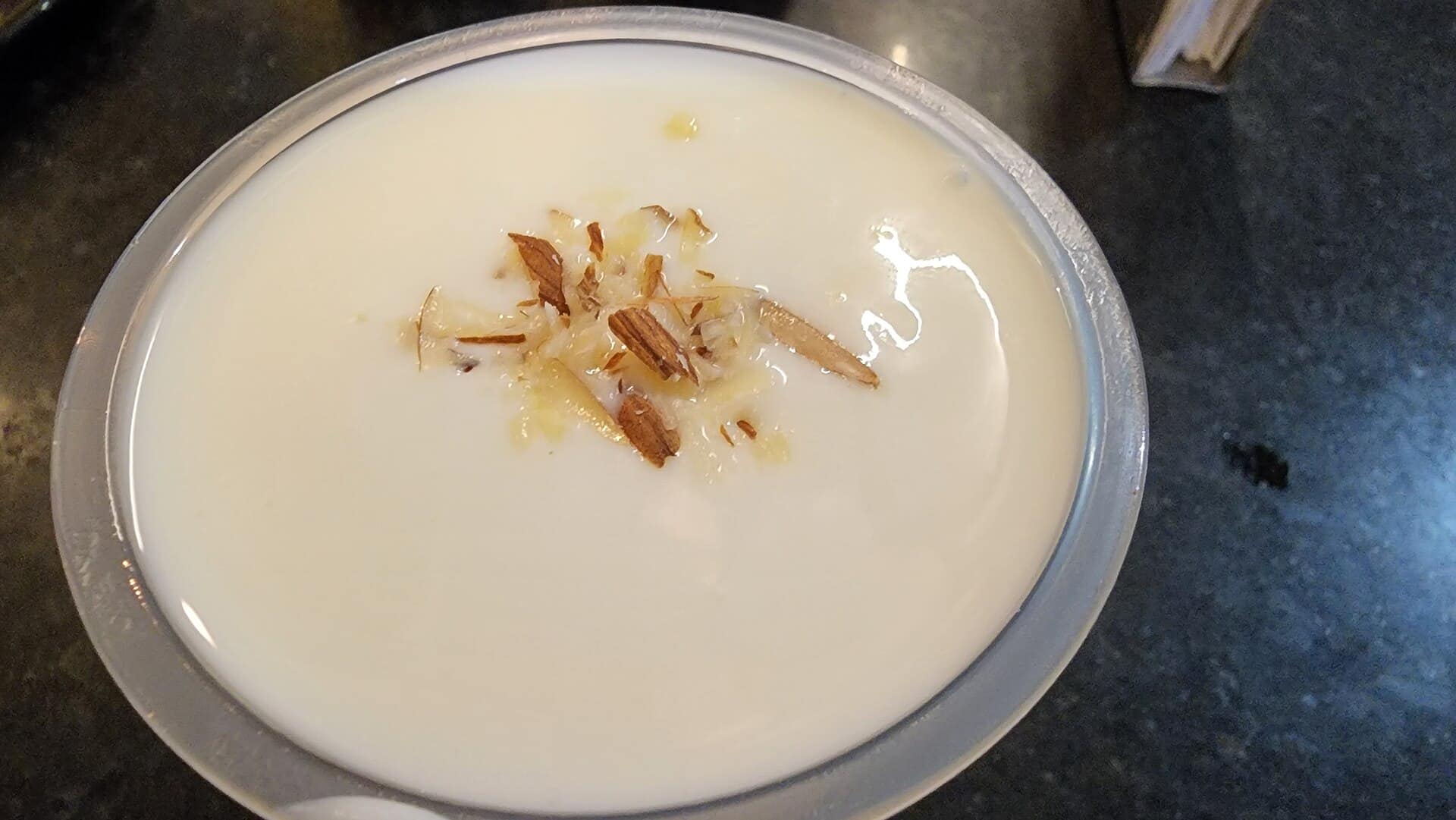
Where to Eat in Pushkar
About Pushkar
Pushkar is a small pilgrim town in Rajasthan's Ajmer district, about 15 km from Ajmer on the far side of the Aravalli hills. It grew up around Pushkar Lake, one of the holiest lakes in Hinduism, which is ringed by 52 ghats and hundreds of temples. The best known is the Brahma Temple, one of the very few temples in India dedicated to Lord Brahma. Because the town is sacred, meat, eggs and alcohol are not sold here, and the whole town eats vegetarian.
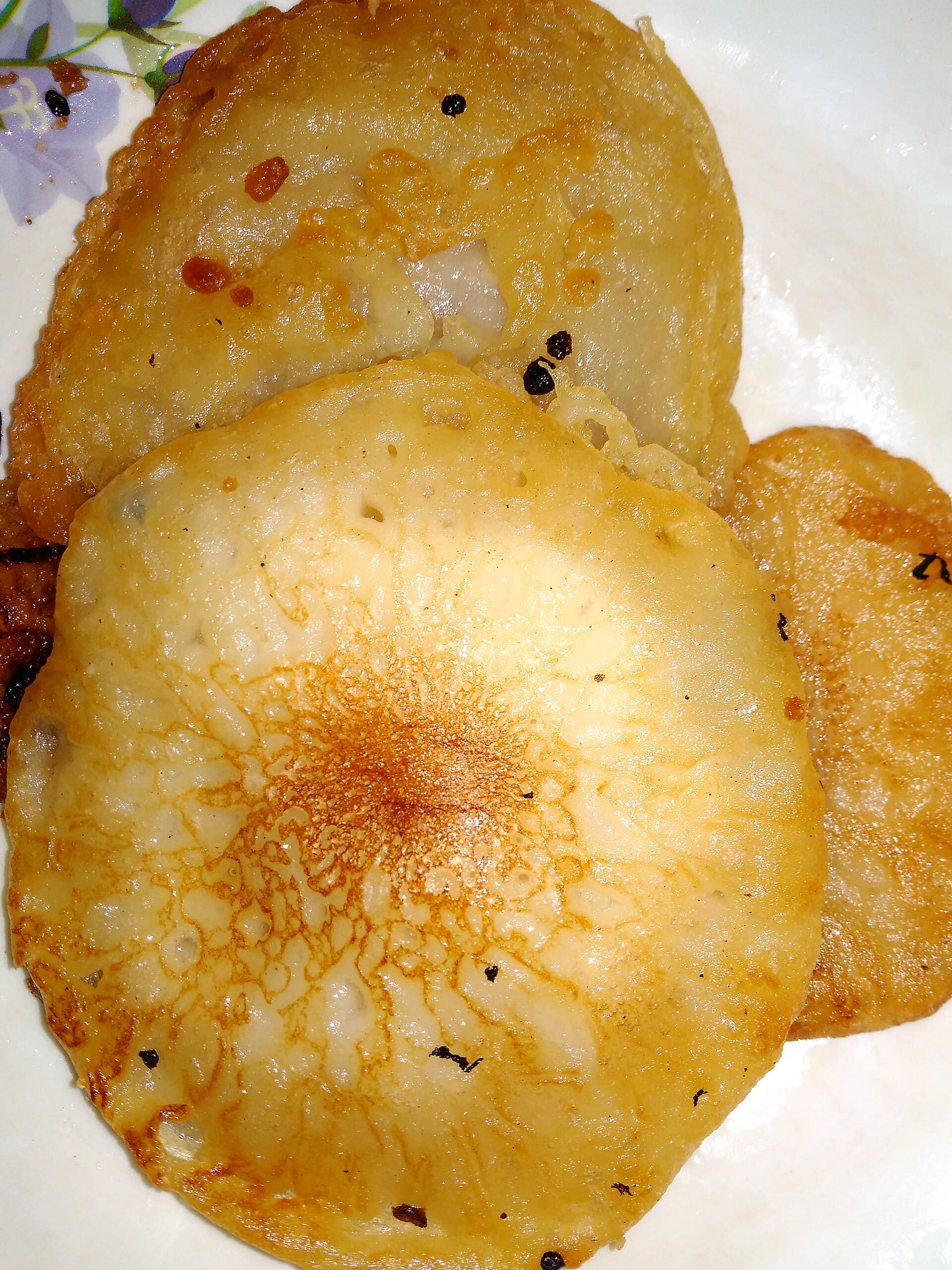
Pushkar is small enough to cover on foot. Spend sunrise on the ghats, the morning at the Brahma Temple and Rangji Temple, and the afternoon in Sadar Bazaar for silver jewellery, textiles and a plate of malpua. Save one evening for the climb or ropeway up to Savitri Mata Temple, or for the aarti on the lake. Each November the town fills up for the Pushkar Camel Fair, when the fair ground on the edge of town turns into a huge livestock market and festival.
Questions
Pushkar — FAQ
What is Pushkar famous for?
Pushkar is famous for its holy lake and 52 ghats, the Brahma Temple, one of the very few temples to Lord Brahma, and the Pushkar Camel Fair every November. It is also known for malpua, its rose gardens and a busy bazaar of silver jewellery and textiles.
How many days are enough for Pushkar?
1–2 days is enough for the ghats, the Brahma Temple, Rangji Temple, Savitri Mata Temple and the bazaar. Plan 3 days or more if you are coming for the camel fair, as there is a lot to see and the town is crowded.
What is the best time to visit Pushkar?
October to March is the most comfortable time, with warm days and cool nights. April to June is very hot, often above 40 °C, and July to September brings on-and-off monsoon rain. See the best time to visit Pushkar for a month-by-month guide.
How do I reach Pushkar?
Most visitors come through Ajmer, about 15 km away, which has the nearest major railway station. Buses and taxis run between Ajmer and Pushkar through the day. The nearest airport is Kishangarh, about 30–40 km away, with limited flights, while Jaipur airport, about 145 km away, has far more connections.
Can you eat meat or drink alcohol in Pushkar?
No. Pushkar is a holy town, and meat, eggs and alcohol are not sold within it. Restaurants serve vegetarian food only, so plan accordingly and do not bring these items into town.